



MOSIL Newsroom
Latest events
See allRUST PREVENTIVE OIL AND ITS TYPES
October 07 2026
Water Spray off, Wash Out and Water Resistance : Why they Matter in Industrial Lubricants?
OPEN GEAR LUBRICATION
Complete Lubrication Guide for mining equipment
Complete Lubrication Guide for Paper and Pulp Mills
Case study
See all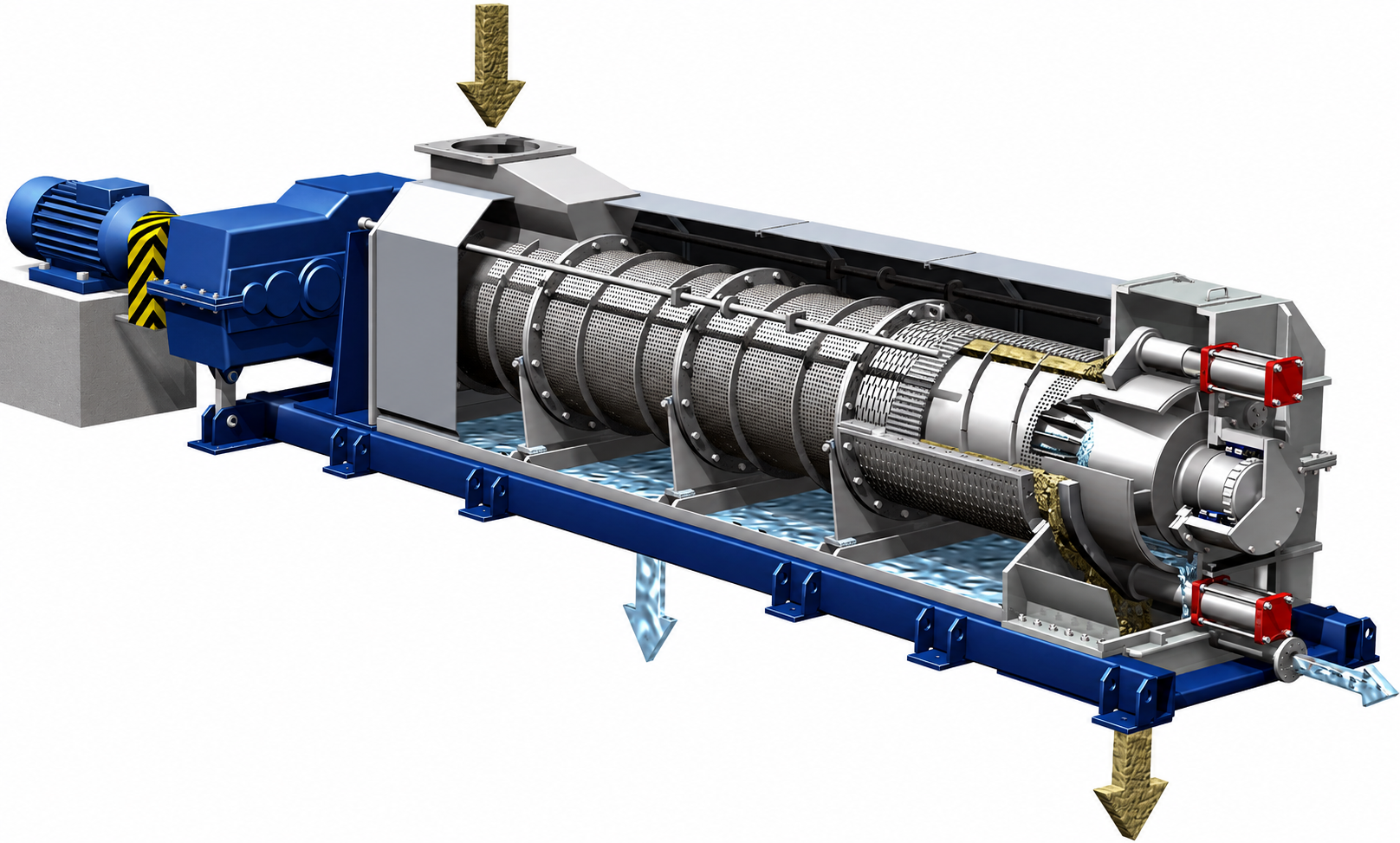
Screw Press – Precision,Durability,and Reliability in Every Rotation- Case Study
July 18 2026In the textile industry, screw presses play an important role in various processing operations where continuous and reliable equipment performance is essential. Operating under heavy loads, continuous running conditions, moisture, contamination, and demanding process environments, the reliability of screw press bearings directly impacts equipment uptime, operational efficiency, and maintenance costs. Under such challenging conditions, effective lubrication is essential for minimizing friction, controlling bearing temperature, protecting against wear and corrosion, and ensuring smooth and reliable operation. This case study highlights how a technically engineered lubrication solution enhances screw press bearing reliability, improves operational performance, extends lubrication intervals, and delivers measurable maintenance and cost benefits.
Mag-Drive Reactor –Sealless Performance,Reliable Processing
July 18 2026In chemical and process industries, Mag-Drive reactors play a critical role in handling sensitive and hazardous process fluids while ensuring safe and reliable operation. Operating continuously under varying temperatures, mechanical loads, and demanding process conditions, the reliability of reactor bearings directly impacts equipment performance, process safety, uptime, and maintenance costs. In such demanding conditions, effective lubrication is essential for minimizing friction, reducing bearing wear, maintaining smooth operation, and preventing premature bearing failure.
Corrugation Roller
July 13 2026In the corrugated packaging industry, corrugation rollers play a critical role in forming consistent flutes and ensuring efficient board production. Operating continuously under high temperatures, heavy loads, high speeds, and vibration, the reliability of roller bearings directly impacts product quality, equipment uptime, and maintenance costs. In such demanding conditions, effective lubrication is essential for minimizing friction, controlling bearing temperature, and preventing premature wear. This case study highlights how a technically engineered lubrication solution enhances corrugation roller bearing reliability, extends lubrication intervals, and delivers measurable maintenance and cost benefits.
Blogs
See all
Blog
RUST PREVENTIVE OIL AND ITS TYPES
From Surface Protection to Long-Term Preservation: Understanding Rust Preventive Oils Metal components are often exposed to moisture, humidity, salts and other environmental contaminants during manufacturing, storage and transportation. Without protection, these conditions can lead to rust formation. Rust preventive oils are specially formulated to provide protection to metal surfaces by forming a protective film that helps reduce contact between the metal and corrosive elements. The selection o
Blog | October 07 2026
Blog
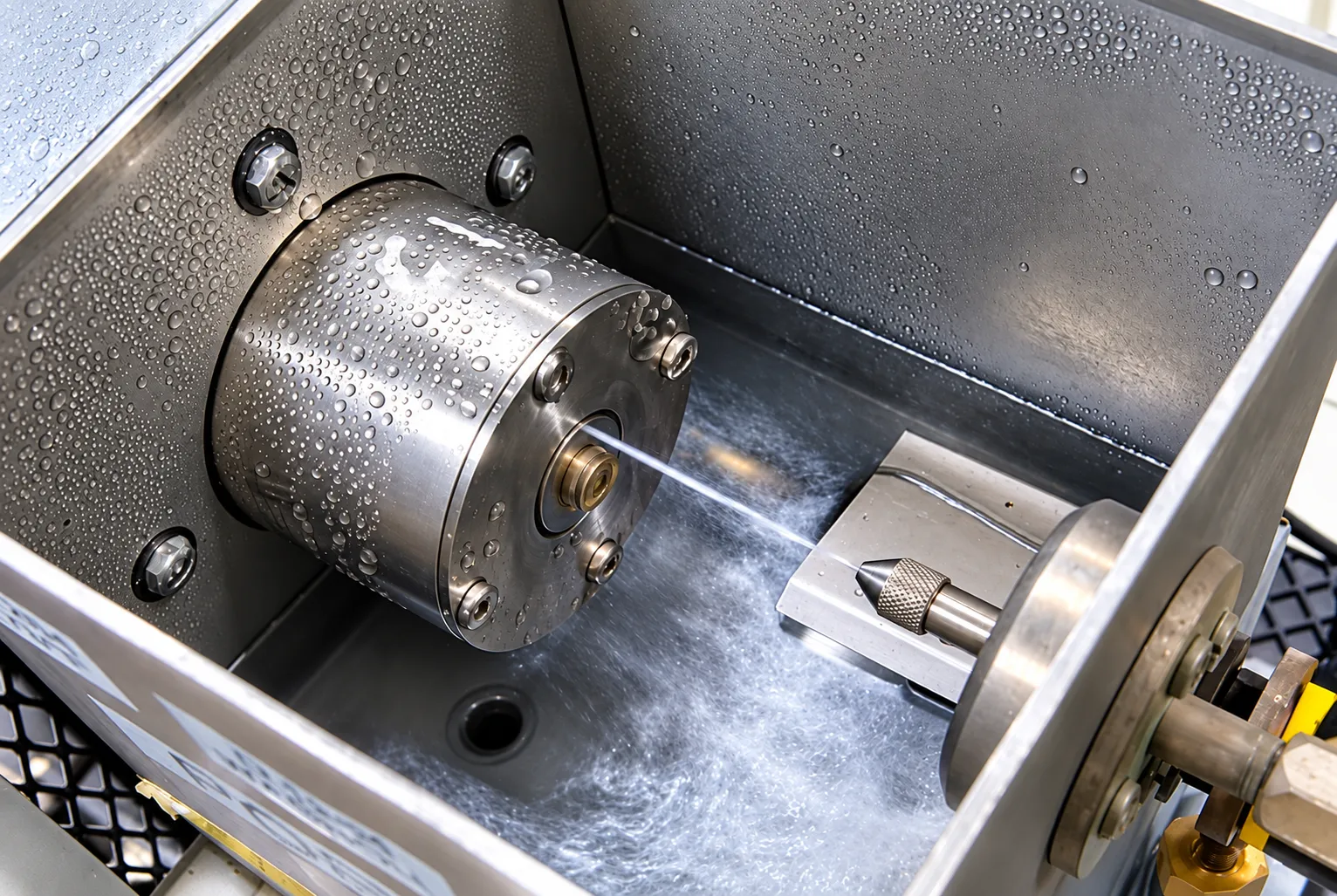
Water Spray off, Wash Out and Water Resistance : Why they Matter in Industrial Lubricants?
The Impact of water on industrial lubricants Industrial machinery operates under demanding conditions where high loads, elevated temperatures, dust, moisture, chemicals and water exposure can significantly affect equipment performance and service life. In industries such as steel, cement, mining, pulp and paper, automotive and general manufacturing; water can enter lubrication systems through cooling processes, cleaning operations, water spray, steam, condensation or the surrounding enviro
Blog | October 07 2026

Blog
OPEN GEAR LUBRICATION
From Priming to Performance: Understanding the Complete Lubrication Lifecycle of Open Gears The answer lies in the different stages of its service life. From the first application of lubricant during priming, through controlled running-in and finally to long-term operational lubrication, each stage has a specific purpose. A proper stage-wise lubrication approach helps protect gear tooth surfaces, improve load distribution and support reliable long-term operation OPEN GEAR LUBRICATION Open gear d
Blog | October 02 2026

Glossary
Know the important terms
See all
Answer to your questions
See all
Oils
-
What is viscosity of Oil?
Viscosity of an oil is a relative thickness that determines the flowability of the oil.
-
What is a flash point of an Oil?
Flashpoint of an Oil is the temperature at which 5% of the oil starts generating enough vapours to ignite the oil in the presence of an external source.
Grease
-
When should I use grease instead of oil?
Grease is ideal for applications where access is limited, sealing is important, or where lubricant needs to stay in place for extended periods.
-
What causes grease to harden or dry out?
Grease may harden due to oxidation, high temperatures, evaporation of base oil, or contamination over time.
Food Grade Lubricants
-
What are food-grade lubricants?
Food-grade lubricants are specially formulated to be safe for incidental contact with food. They meet strict safety and hygiene standards like NSF H1.
-
What are NSF H1, H2, and H3 lubricants?
These are food-grade classifications: H1 (incidental food contact), H2 (no food contact), H3 (edible oils for rust prevention).
General Lubrication
-
What is the primary purpose of lubrication?
Lubrication reduces friction and wear between moving surfaces, helping to improve efficiency, reduce energy consumption, and extend equipment life.
-
What is the difference between oil and grease?
Oil is a fluid lubricant that flows freely, while grease is a semi-solid lubricant consisting of oil, thickener, and additives. Grease stays in place and is preferred where relubrication is difficult.
Physical and Chemical Property
-
What is viscosity, and why does it matter?
Viscosity is a measure of a fluid's resistance to flow. The right viscosity ensures adequate film thickness for protection without excessive drag.
-
What is the Viscosity Index (VI)?
VI indicates how a lubricant's viscosity changes with temperature. A high VI means less change in viscosity, ensuring better protection over a wider temperature range.

Stay connected
Get MOSIL press releases & newsletters in your inbox, and reach our media relations team for interviews or info – stay connected to our experts worldwide.