
Introduction
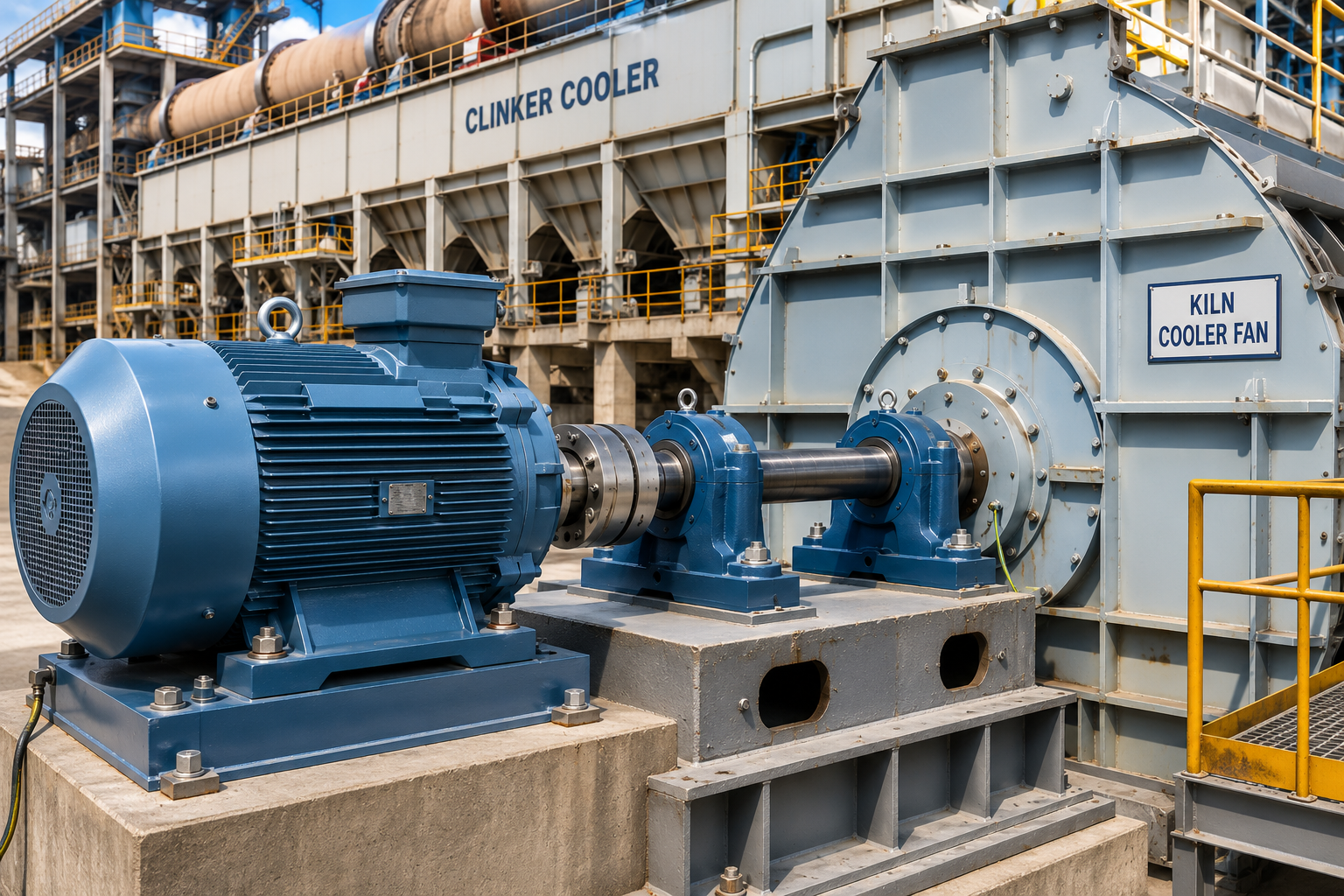
In rotary kiln systems used across cement and mineral processing plants, the interface between the kiln tyre and support rollers is a critical zone for load distribution and thermal stability. The Rotary Kiln operates continuously under extreme temperatures and heavy loads, where the tyre rests on support rollers via the chair pad arrangement. This tyre - chair pad interface plays a vital role in maintaining kiln alignment, structural integrity, and smooth rotation. Within the Cement industry, any inefficiency at this interface can directly impact production output, energy consumption, and equipment life.
Given the scale and criticality of rotary kilns, lubrication at this interface is not merely a maintenance function but a key operational parameter influencing efficiency and asset longevity.
This case study highlights how a specialized lubrication solution addresses high-load, high-temperature challenges at the kiln tyre - chair pad interface, ensuring smoother operation, reduced wear, and significant cost benefits in continuous-process industries
Challenge
- High tyre clearance & creep
- Improper lubrication affects tyre migration
- Refractory failure
- Uneven load distribution due to tyre misalignment
Expectation
- Withstands very high temperatures without drying or carbonizing
- Provides strong EP protection under heavy load
- Maintains stable lubricating film on hot, rotating surfaces
- High adhesion to prevent dripping or throw-off
- Resistant to dust, clinker, and contamination
Recommendation
MOSIL Metaplat CG (Suitable for Spray Lubrication )
Application Benefits
- Excellent protection against wear of tyres, rollers, and pads
- Stable lubrication at high temperatures (no carbon deposits)
- Strong adhesion ensures minimal lubricant loss
- Decrease the retainer pressure
- Resistant to dust, clinker, and abrasive particles
Industry Segment: Steel, Cement, MRO
Equipment: Rotary Kiln( Tyre & Support System)
Application: Kiln Tyre Chair Pad