

Introduction
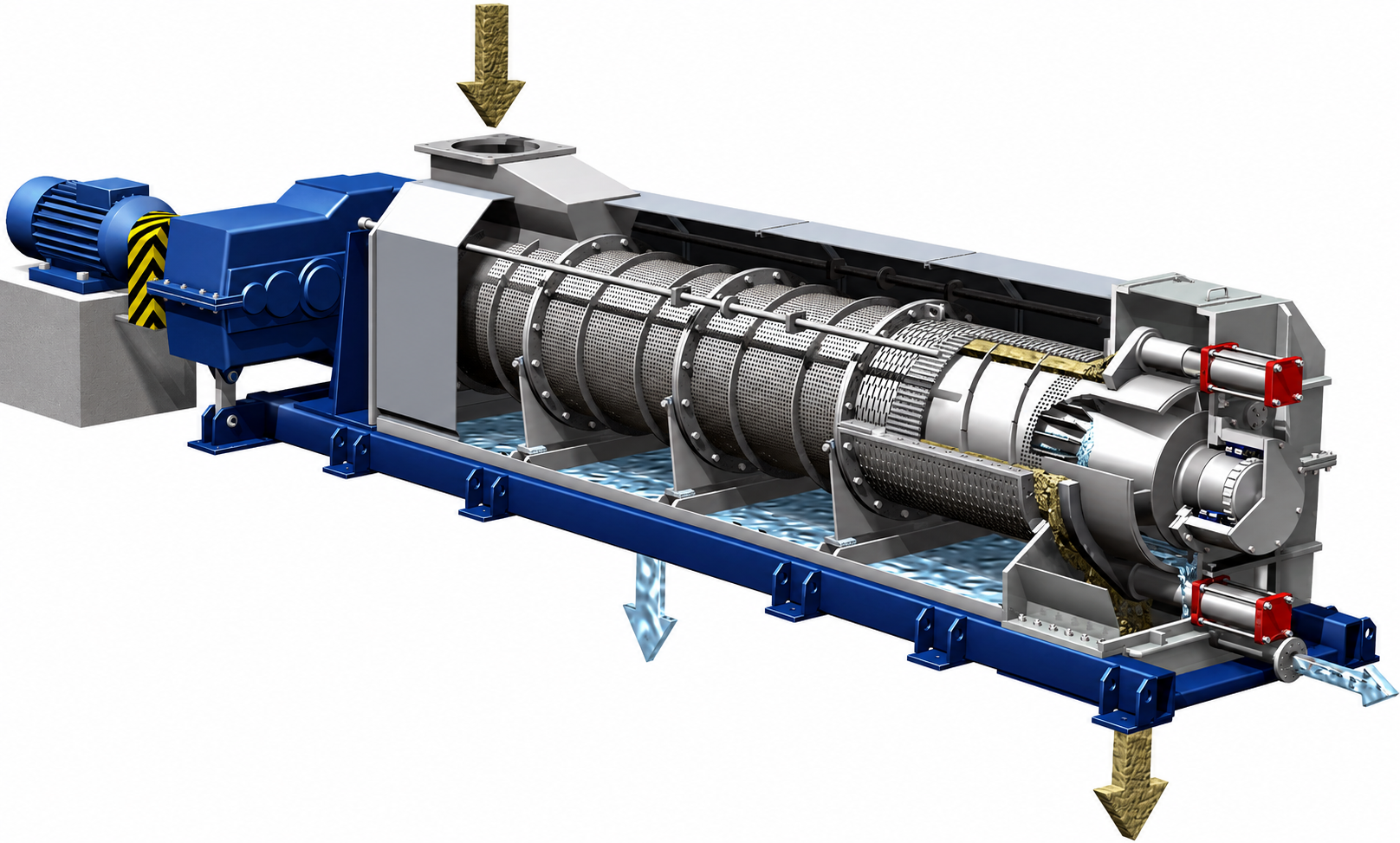
In cement and mineral processing industries, roller presses are critical size-reduction equipment used for grinding clinker, raw materials, and ores with high energy efficiency. The Roller Press operates on the principle of inter-particle crushing, where material is compressed between two counter-rotating rollers under extremely high pressure. Within the Cement industry, roller presses are integral to improving throughput, reducing energy consumption, and enhancing overall grinding efficiency.
Given the capital-intensive nature of roller press systems and their direct impact on plant output, lubrication plays a strategic role in ensuring operational continuity and asset protection.
This case study demonstrates how a technically engineered lubrication solution enhances reliability, reduces wear, and supports high-performance operation of roller press systems in demanding cement and mineral processing environments.
Challenge
- Inadequate load carrying capacity leads to bearing failure
- Grease films breakdown under high pressure
- Oxidizes, hardens or looses consistency at elevated temperature
- Leakage from bearing housing
Expectation
- Very high load carrying capacity (extreme EP performance)
- Maintains a stable lubricating film under high pressure
- Excellent thermal stability (resists oxidation and hardening)
- Strong resistance to cement dust and contamination
- Good sealing compatibility and minimal leakage
Recommendation
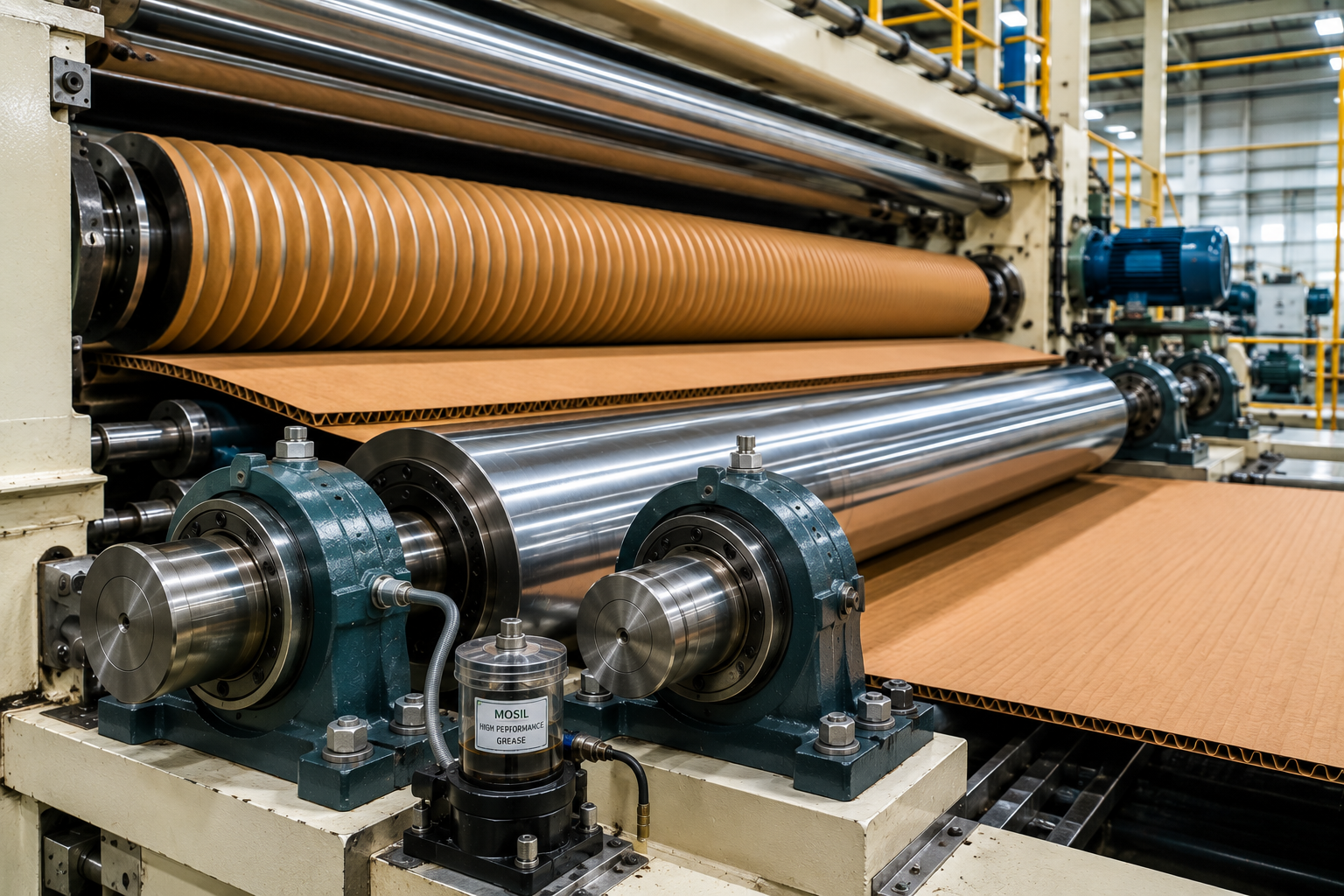
MOSIL SAM 2825
Application Benefits
- Superior protection against bearing wear, pitting, and spalling
- Handles extreme pressure conditions effectively
- Maintains stable lubrication film under heavy load
- Excellent resistance to high temperature and oxidation
- Resistant to cement dust and abrasive contamination
- Reduces friction and heat generation
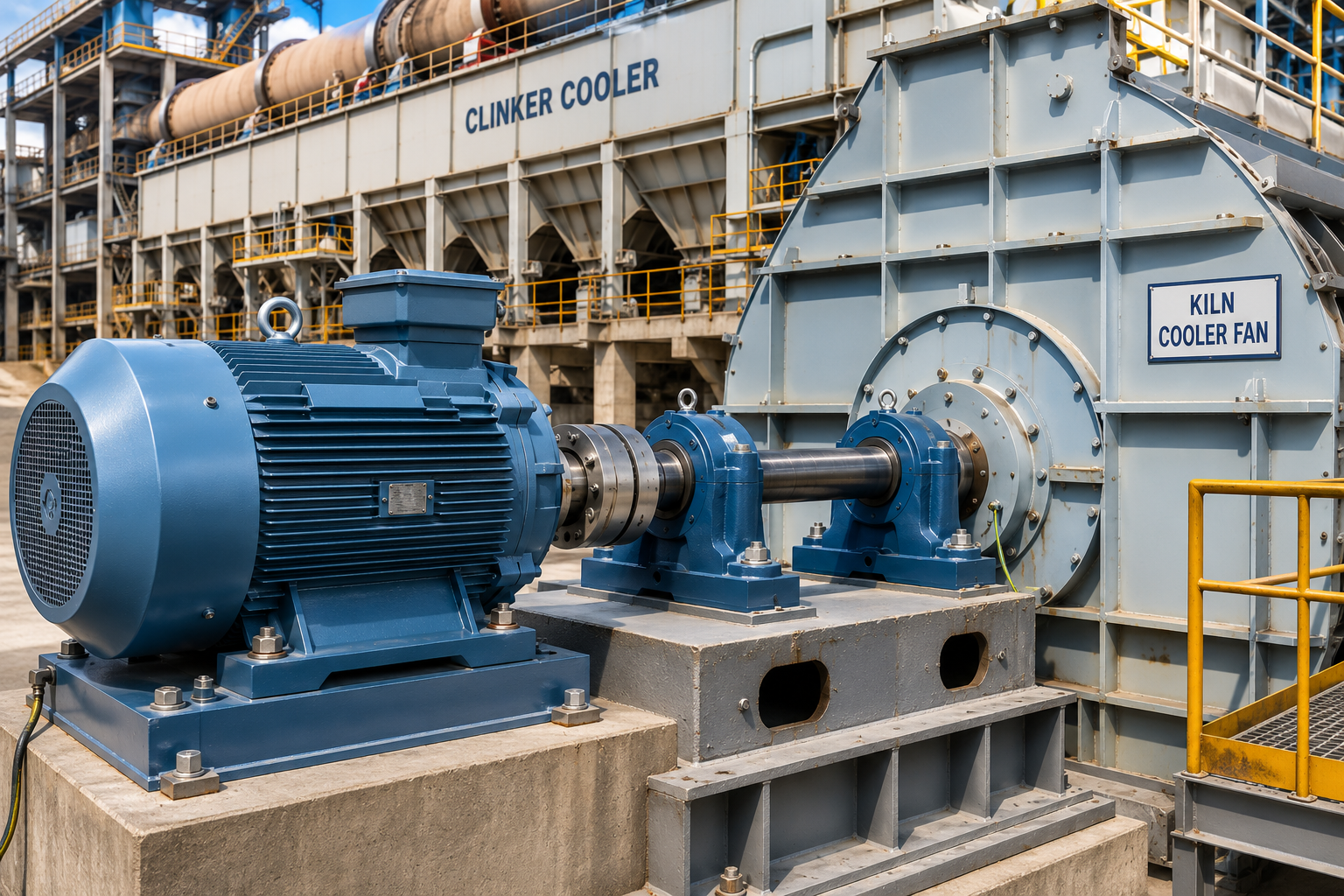
Industry Segment: Cement
Equipment: Cement Mill Roller Press
Application: Roller press bearing lubrication