

Introduction
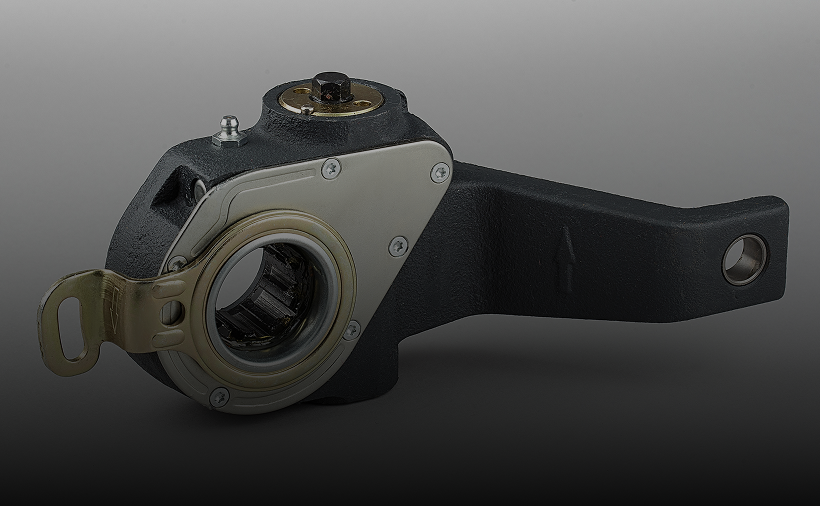
In commercial vehicle braking systems, the slack adjuster plays a critical role in maintaining optimal brake shoe-to-drum clearance. Installed between the brake chamber and camshaft, the Slack Adjuster ensures automatic adjustment of brake stroke, thereby sustaining consistent braking efficiency and safety performance. Within the broader Automotive industry, reliability of this component directly impacts fleet uptime, regulatory compliance and lifecycle cost.
From a lubrication engineering standpoint, the worm gear mechanism, camshaft splines and internal moving components inside the slack adjuster operate under:
Oscillating and intermittent motion
High contact pressures on gear teeth
Road shock and vibration
This case study outlines how a technically optimized lubrication solution for worm gear, camshaft spline and internal slack adjuster components delivers enhanced braking reliability, extended component life and measurable cost efficiency in demanding automotive service conditions.
Challenge
- Frequent Corrosion spots observed on worm gear & spline
- Reduced braking efficiency
- Uneven lining wear
- Premature brake shoe replacement
Expectation
- Need free movement of worm gear & splines
- Should protect from moisture ingress
- Reduces drum/disc overheating and thermal damage
- No grease hardening during heavy braking
Recommendation
MOSIL SN 3302, MOSIL SN 3232
Application Benefits
- Achieved longer brake components life,
- reduced maintenance cost & overall grease consumption
- observed consistent braking performance
- No leakage / hardening observed in grease
Industry Segment: Automotive Components
Equipment: Slack Adjusters
Application: Worm gear & wheel, Camshaft spline & other internal parts