



FGL Oils
Foodgrade Lubricating Oil
- Fully synthetic lubricating fluid with NSF-H1 compliance.
- Excellent thermal and oxidative stability.
- Water-white to yellow appearance with high viscosity index.
- Good corrosion protection.
 5ltr
20ltr
5ltr
20ltr
 210ltr
Product Information
Area of Application
-
 Ideal for enclosed gearboxes in food-grade machinery.
-
Suitable for lubrication of conveyor chains and bearings.
-
Used in circulating and bearing oil systems with food exposure risks.
-
Recommended for pharmaceutical processing and vegetarian food plants.
-
Effective for halal-compliant lubrication in sensitive environments.
Benefits
-
Safe for incidental food contact in food and pharma industries.
-
Performs under high loads and wide temperature ranges.
-
Low foaming for reliable use in high-speed systems.
-
Compatible with seals, gaskets, paints and elastomers.
Characteristics
| Characteristics | Typical Values | - |
|---|---|---|
| Appearance | Clear | - |
| Color | Water White to Yellow | - |
| Flash Point, °C (COC) (min) | # 100 : 160 # 150 : 180 # 220 : 180 # 320 : 200 # 460 : 220 | - |
| ISO VG Grade (40°C) | # 100 : 100 # 150 : 150 # 220 : 220 # 320 : 320 # 460 : 460 | - |
| Viscosity Index (min) | # 100 : 130 # 150 : 140 # 220 : 140 # 320 : 145 # 460 : 145 | - |
FAQs
Q. The date on your NSF certificate looks old, other suppliers’ certificates are less than 2 years old. Is yours still valid?
|
Yes. The date on an NSF certificate is the original registration date, not an expiry date. NSF registration is continuous, a newer-dated certificate does not mean a more valid registration; it usually just means a more recent registration.
|
Q. What is the difference between H1, H2 and H3 lubricants?
Q. What makes food grade grease different from regular grease? Why is it called “food grade”?
The difference is what ingredients are used in the formulation. Every ingredient such as base oil, thickener, additives must belong to a restricted, toxicologically-assessed list, so that trace contact with food does not create a safety hazard. “Food grade” means safe at incidental contact levels; it does not mean edible.
Q. What is “incidental food contact”? Will it cause batch rejection?
Incidental contact means trace, unintended contact between lubricant and food such as a micro-drip from a chain, a smear from a bearing seal or similar. It is an accepted operating reality in food plants and H1 lubricants exist precisely for it. When used correctly, it does not trigger batch rejection.
Q. Do you provide an Allergen Certificate?
An allergen declaration statement is available on request for all MOSIL food grade products, confirming the formulation contains none of the recognised major allergens.
Q. Can you provide a MOSH / MOAH Free Certificate?
Q. Do you provide a Halal Certificate?
| We provide a Halal compliance declaration confirming that MOSIL food grade products contain no animal-derived ingredients and no alcohol-based components. |
Q. Can you provide a Batch Certificate and 21 CFR Certificate?
Yes. Every batch is released against a Certificate of Analysis and a 21 CFR 178.3570 compliance declaration is available on request.

Case studies
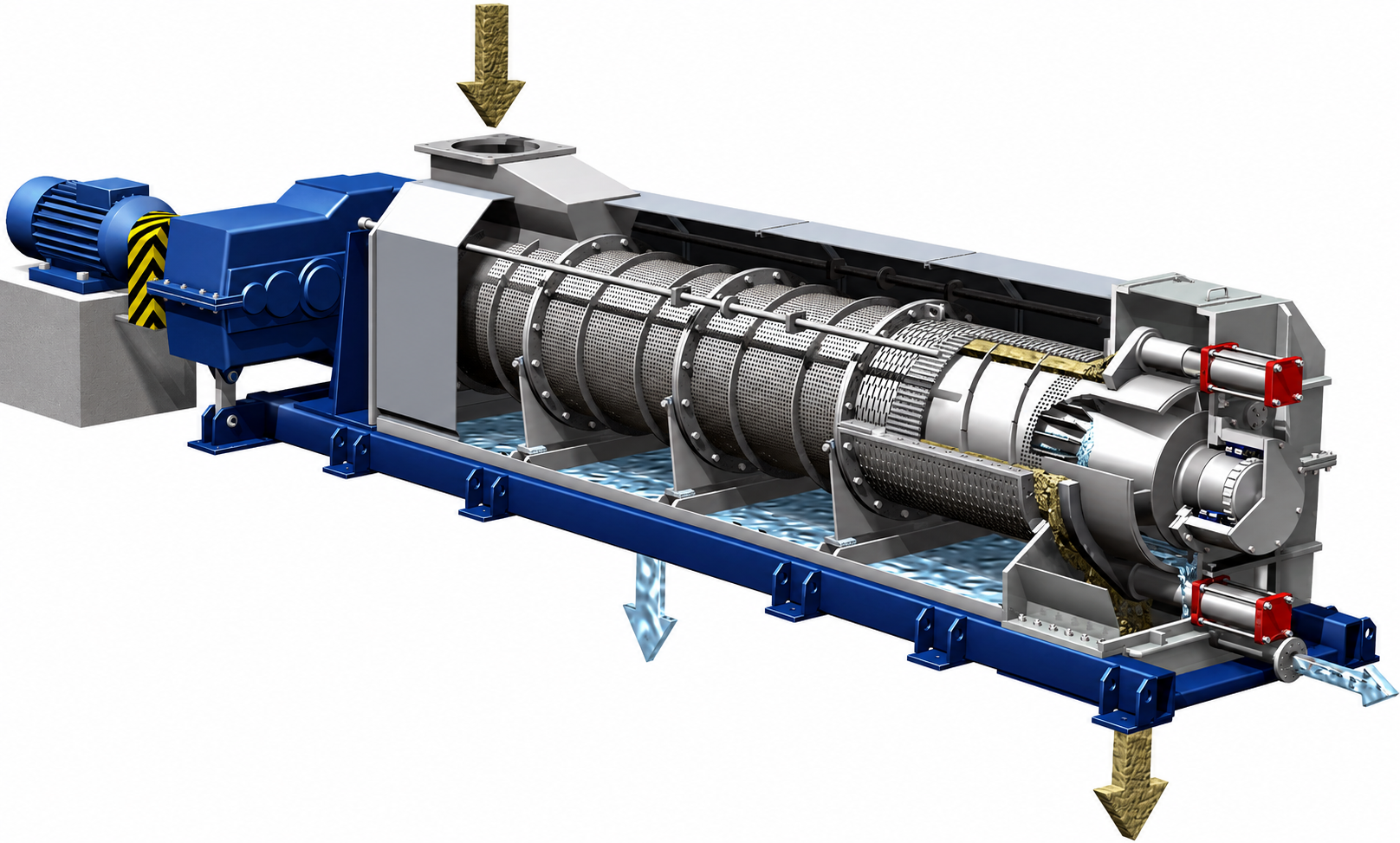
Case Study
Screw Press – Precision,Durability,and Reliability in Every Rotation- Case Study
In the textile industry, screw presses play an important role in various processing operations where continuous and reliable equipment performance is ...
Case Study | July 18 2026
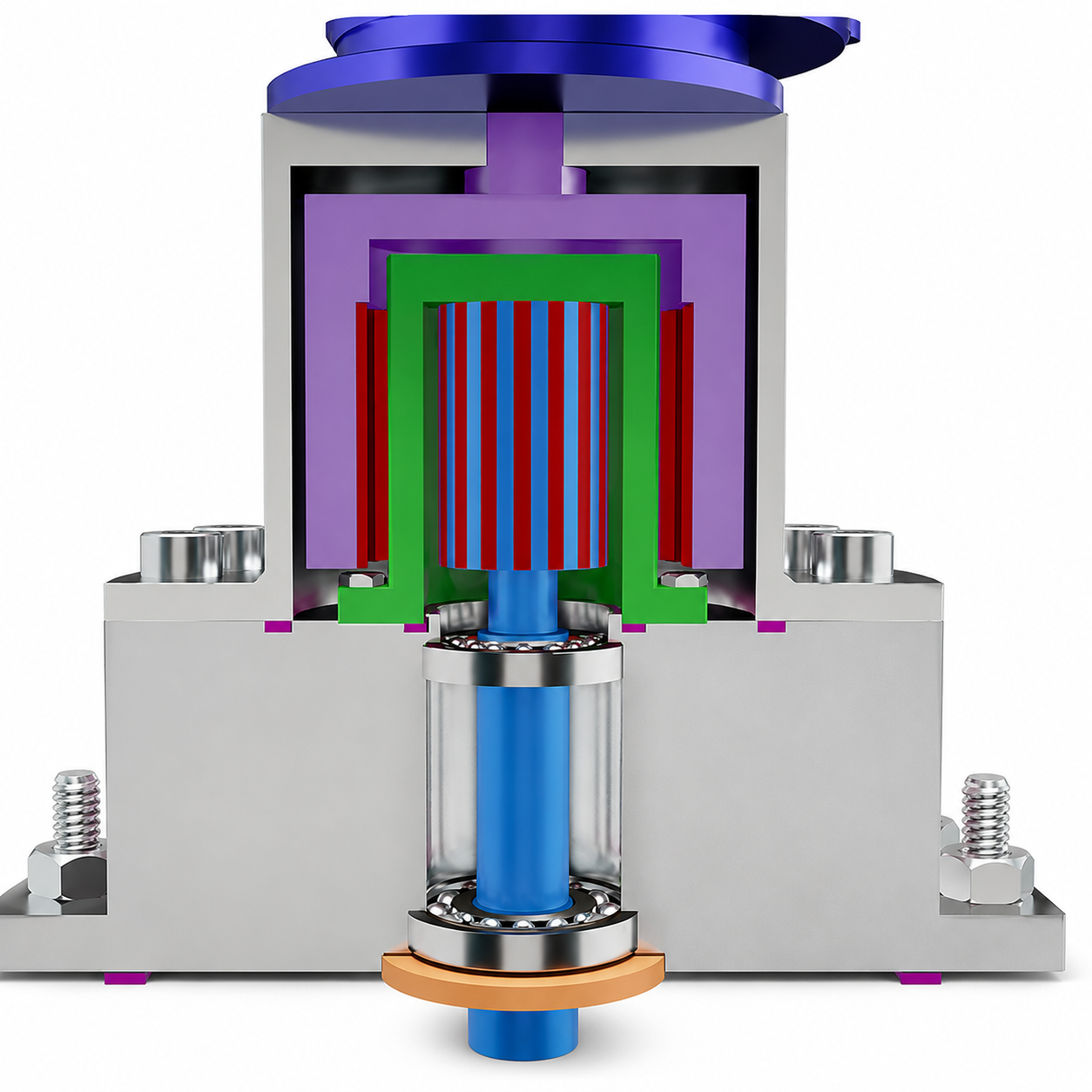
Case Study
Mag-Drive Reactor –Sealless Performance,Reliable Processing
In chemical and process industries, Mag-Drive reactors play a critical role in handling sensitive and hazardous process fluids while ensuring safe and...
Case Study | July 18 2026

Case Study
Corrugation Roller
In the corrugated packaging industry, corrugation rollers play a critical role in forming consistent flutes and ensuring efficient board production. O...
Case Study | July 13 2026
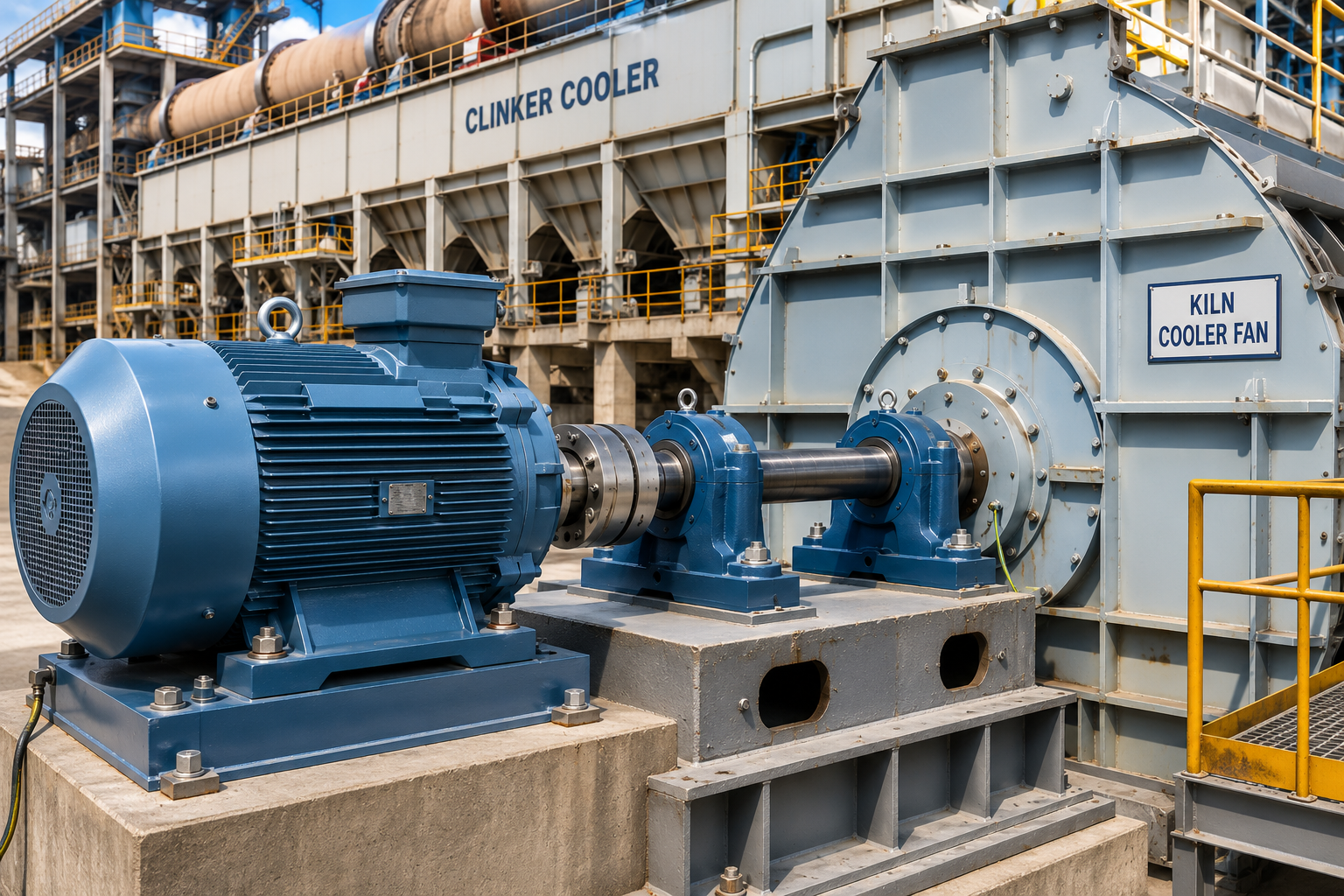
Case Study
Kiln Cooler Fan Bearing Lubrication-Turning Heat into Reliability
In cement manufacturing, kiln cooler fans play a critical role in clinker cooling and maintaining stable plant operations. Operating continuously unde...
Case Study | July 13 2026

Case Study
Blister Packaging - Engineered for Hygiene and High-Speed Precision
Blister packaging machines are widely used in pharmaceutical, FMCG, and consumer goods industries for high-speed, hygienic, and precise packaging of t...
Case Study | April 06 2026

Case Study
ID and FD Fans – Keep the Air Flowing, Keep the Bearings Protected
In process industries such as cement, power, steel, and chemicals, induced draft (ID) and forced draft (FD) fans are critical for maintaining controll...
Case Study | April 06 2026

Case Study
Overhead Chain Conveyor Bearing – Keep your line moving, smoothly & reliably
In modern manufacturing and material handling systems, overhead chain conveyors are widely deployed for the continuous movement of components across p...
Case Study | April 06 2026

Case Study
Electric Motor Bearing - Smooth Rotation, Reliable Performance
Electric motors are the backbone of industrial operations, powering a wide range of equipment across manufacturing, processing, utilities, and infrast...
Case Study | April 06 2026

Case Study
Continous Caster Machine - Built for Heat , Engineered for Continuous Performance
In modern steel manufacturing, the continuous casting process is a critical link between molten metal production and downstream rolling operations. Th...
Case Study | April 06 2026

Case Study
Dry Section – Smooth Running in the Hottest zone
In the paper manufacturing process, the dry section is a critical stage where moisture is removed from the paper web through a series of heated cylind...
Case Study | April 06 2026