

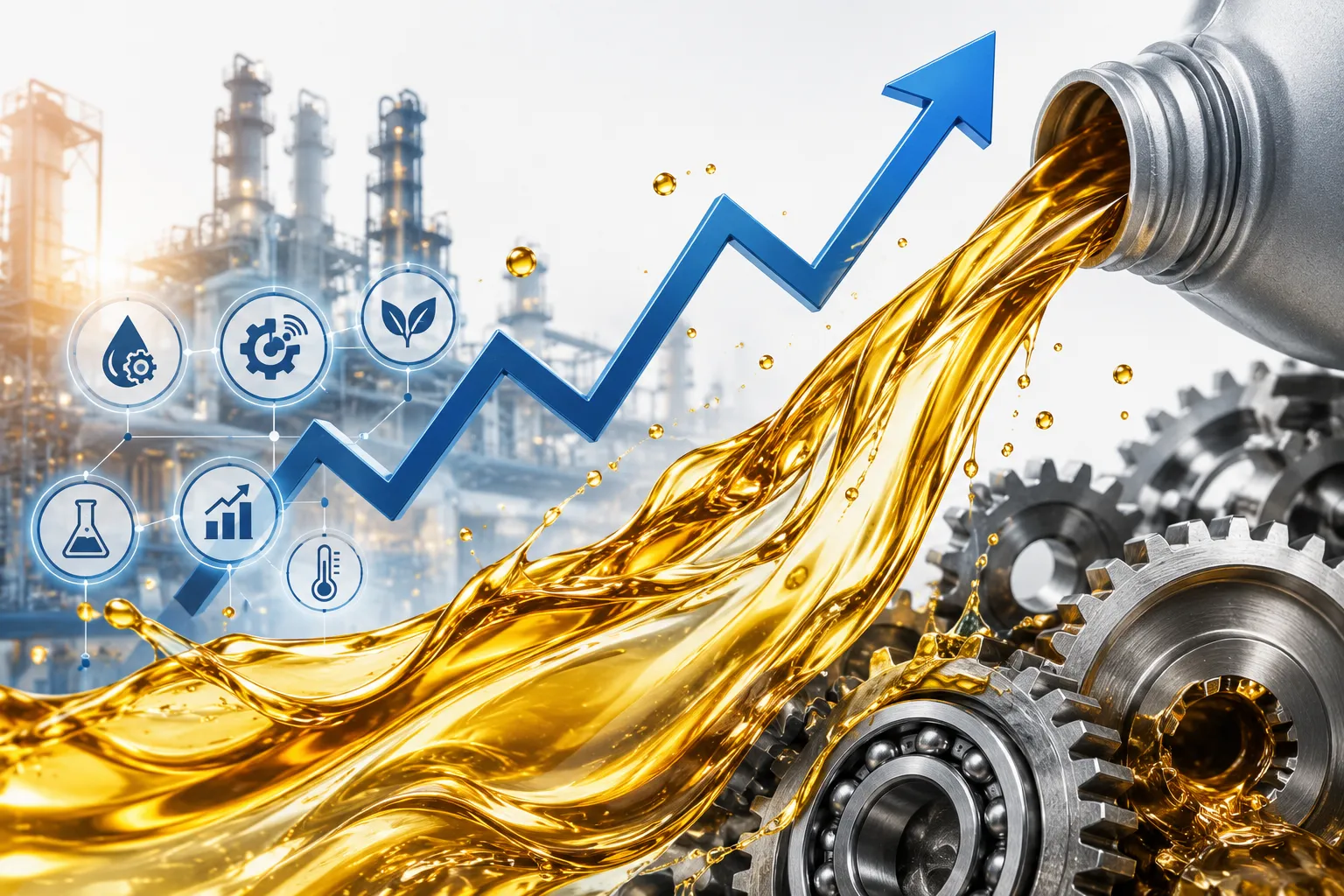
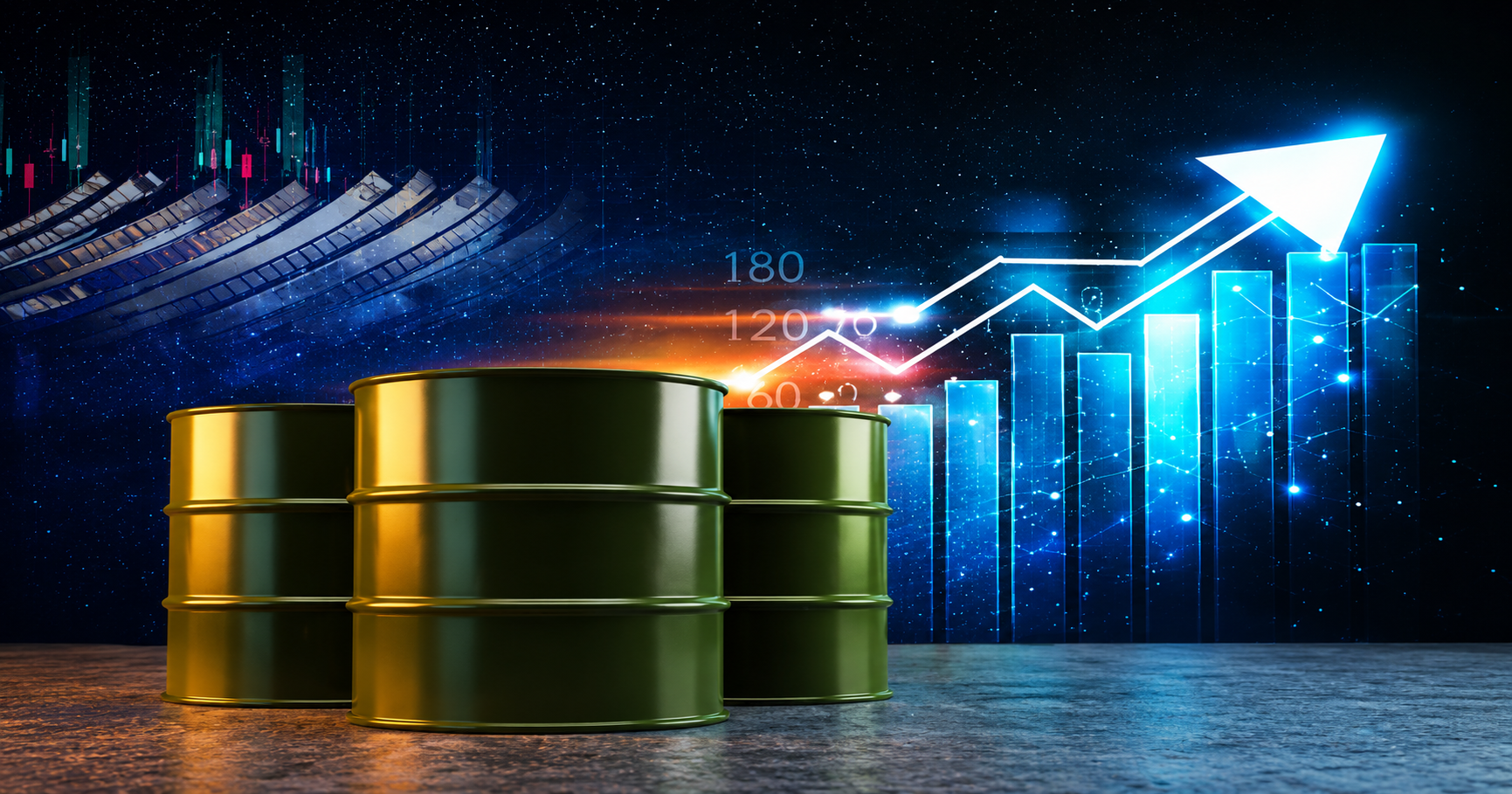
The ongoing US-Israeli war on Iran, now in its third week as of March 2026, has triggered sharp spikes in global crude oil prices, directly threatening India's lubrication industry. This sector, valued at around USD 4.92 billion in 2025 and projected to grow at 4.85% CAGR, relies heavily on imported base oils derived from petroleum.
Overview of India’s Lubricant Industry
India's lubricants market serves automotive (engine oils, transmission fluids) and industrial segments (hydraulics, greases), driven by vehicle ownership growth and BS-VI norms favoring synthetic formulations. Base oils, comprising 70–90% of lubricant content, are hydrocarbon-derived from crude refining; India imports most Group I and II grades amid limited domestic capacity.
| Impact Area | Effect from War | Example Sectors Affected |
| Raw Materials | Base oil prices up 20–40% | Paints, chemicals, lubricants |
| Pricing | Lubricant hikes imminent | Engine oils, industrial greases |
| Supply Chain | Hormuz blockade risks | Petrochemicals, ceramics |
Effect on Specialty LubricantsIndustry
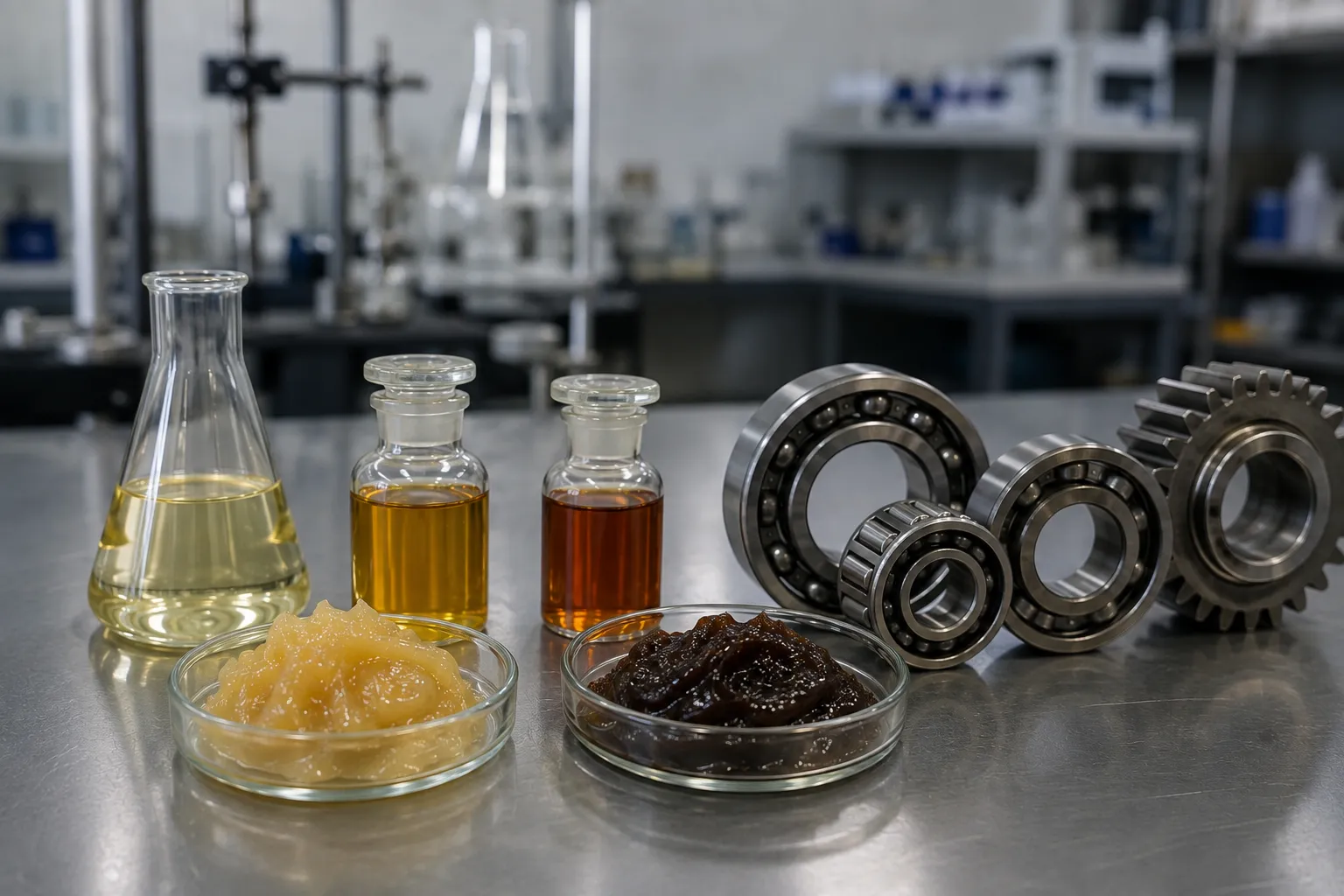
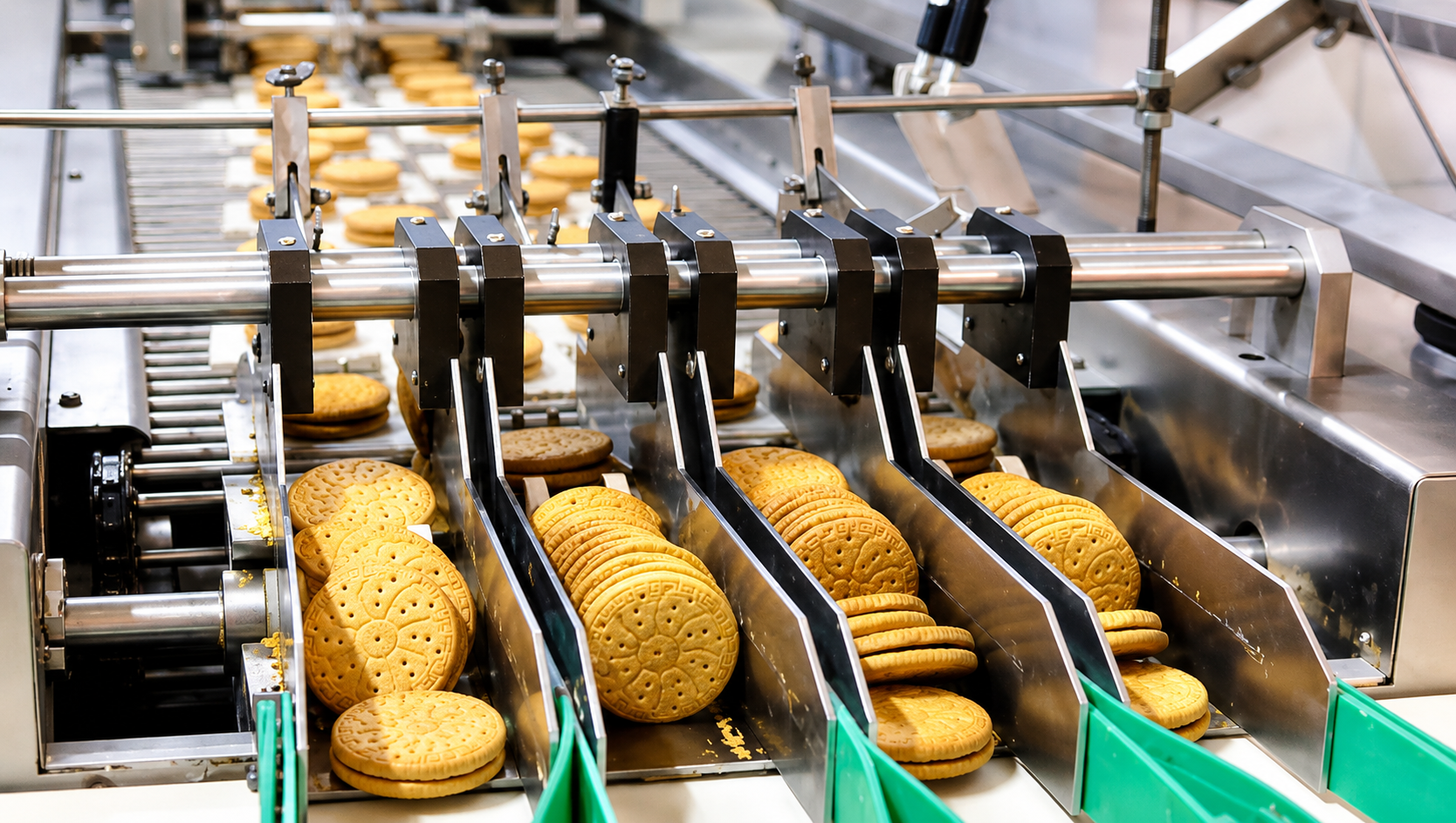
Specialty lubricants companies in India—producers of high-performance synthetics, greases, and formulations for niche uses like aerospace, food-grade, or high-temp applications—face mixed impacts from the US-Iran war. While raw material costs rise, their premium pricing and lower crude dependency offer relative resilience compared to commodity lubes
Cost Pressures
Base oils and additives (e.g., PAOs, esters, moly/graphite) comprise 60-80% of costs, surging 15-25% with crude at $120+ and Hormuz disruptions. Smaller firms like Jetex Industries or Balmer Lawrie struggle more than giants (e.g., Shell, FUCHS), as 50% of inputs tie to crude derivatives; margins may dip 5-10% if not passed on
Supply Disruptions
Gulf-sourced specialty feedstocks face delays, with LPG shortages hitting blending plants in ceramics/glass sectors that use these lubes. Imports from Qatar/UAE (40% of LNG/gas for petrochem) compound additive scarcity, forcing 20-30% production cuts in affected units.
Demand Opportunities
Niche resilience shines: industries like steel, mining, and power prioritize high-stability specialties for longer drains amid volatility, boosting volumes 5-8% via premiumization. EV/hybrid growth favors electric vehicle fluids (EVGFs), a specialty segment growing 15% CAGR.
Strategic Responses
Firms hedge via Russian imports and re-refining; Balmer Lawrie leverages govt ties for steel lubes. Long-term, bio-based specialties reduce oil reliance, positioning leaders like Gulf Oil ahead. Overall, smaller players risk 10-15% revenue dips short-term, while scaled ones gain market share.
C O N C L U S I O N
The US-Iran war squeezes India's lubricants sector with 20-40% base oil cost spikes and supply risks, hitting commodity lubes hardest while specialties like Gulf Oil's gain via premiumization and synthetics. Strategic hedging, EV fluids, and bio-shifts promise resilience and market share growth in this $5B industry.
Reference
https://www.anandrathipms.com/blog/us-iran-conflict-2026-india-economy-impact.php
https://www.mordorintelligence.com/industry-reports/india-industrial-lubricants-market/companieshttps://www.palco.co.in/lubricant-prices-in-india/

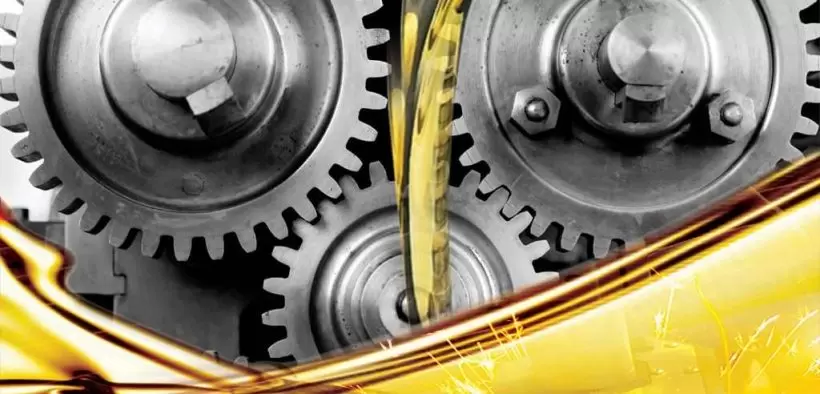










![Gear Drive Lubricant Selection [Gearbox Lubricants]](https://mosil.com/assets/uploads/blog/blog_1788344519_6a97f8c75d604.webp)

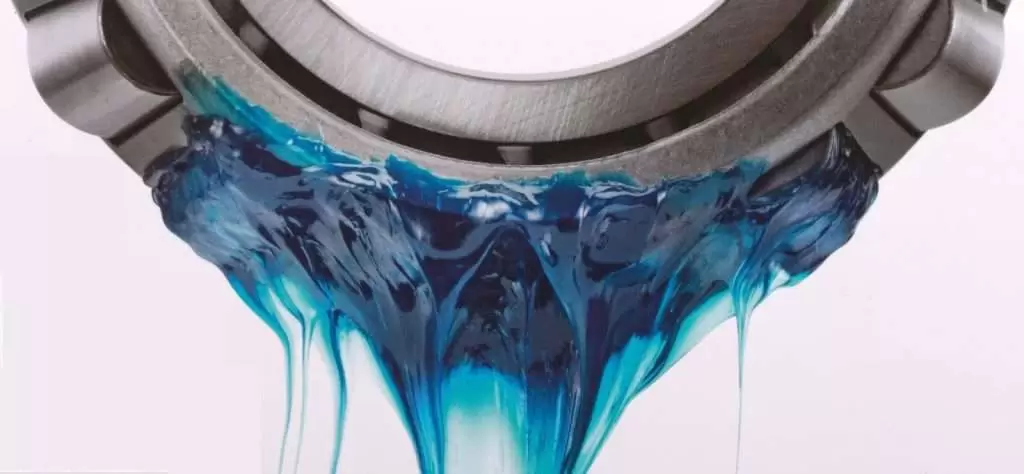
![The Ultimate Guide To Grease Thickeners [Thickening Agents]](https://mosil.com/assets/uploads/blog/blog_1754991852_689b0cec60a8a.jpg)