
What are Solid Lubricants? | Types and Benefits of MoS2, PTFE and Graphite

What are Solid Lubricants? | Types and Benefits of MoS2, PTFE and Graphite

August 11, 2025

Solid lubricants - Unique Lubrication

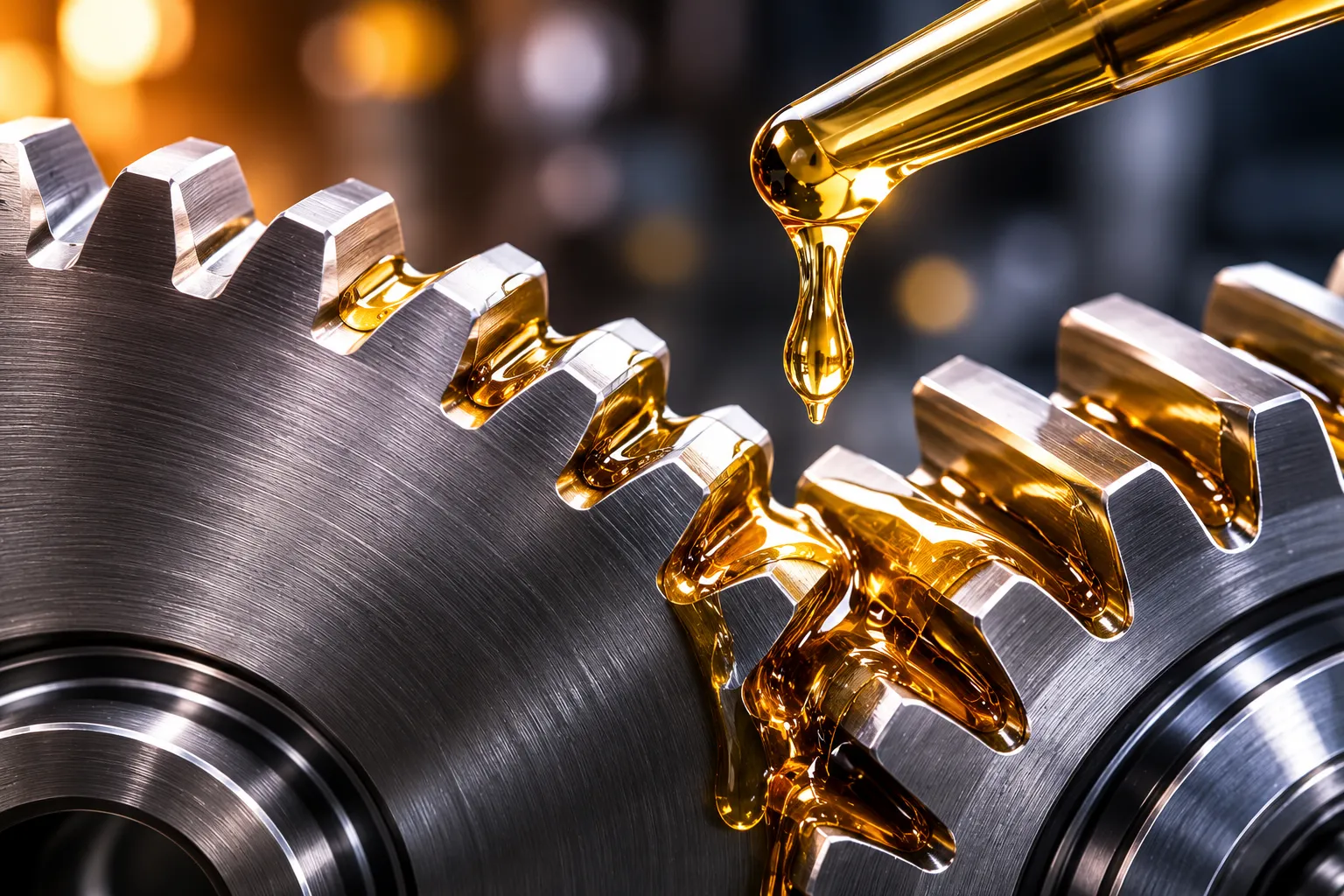
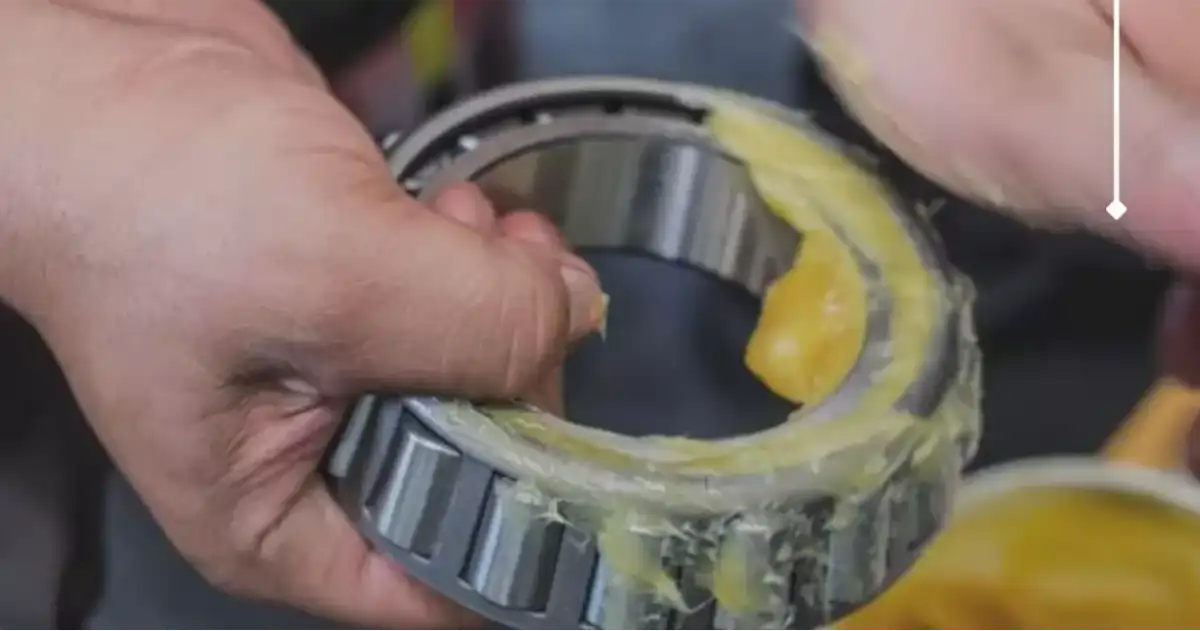
The major challenge was faced by the Lubrication Industry when it came to the lubrication of military jet fighters and space applications. The requirement of better lubrication led to the development of a unique form of lubrication using solid particles. These are now known as Solid Lubricants.

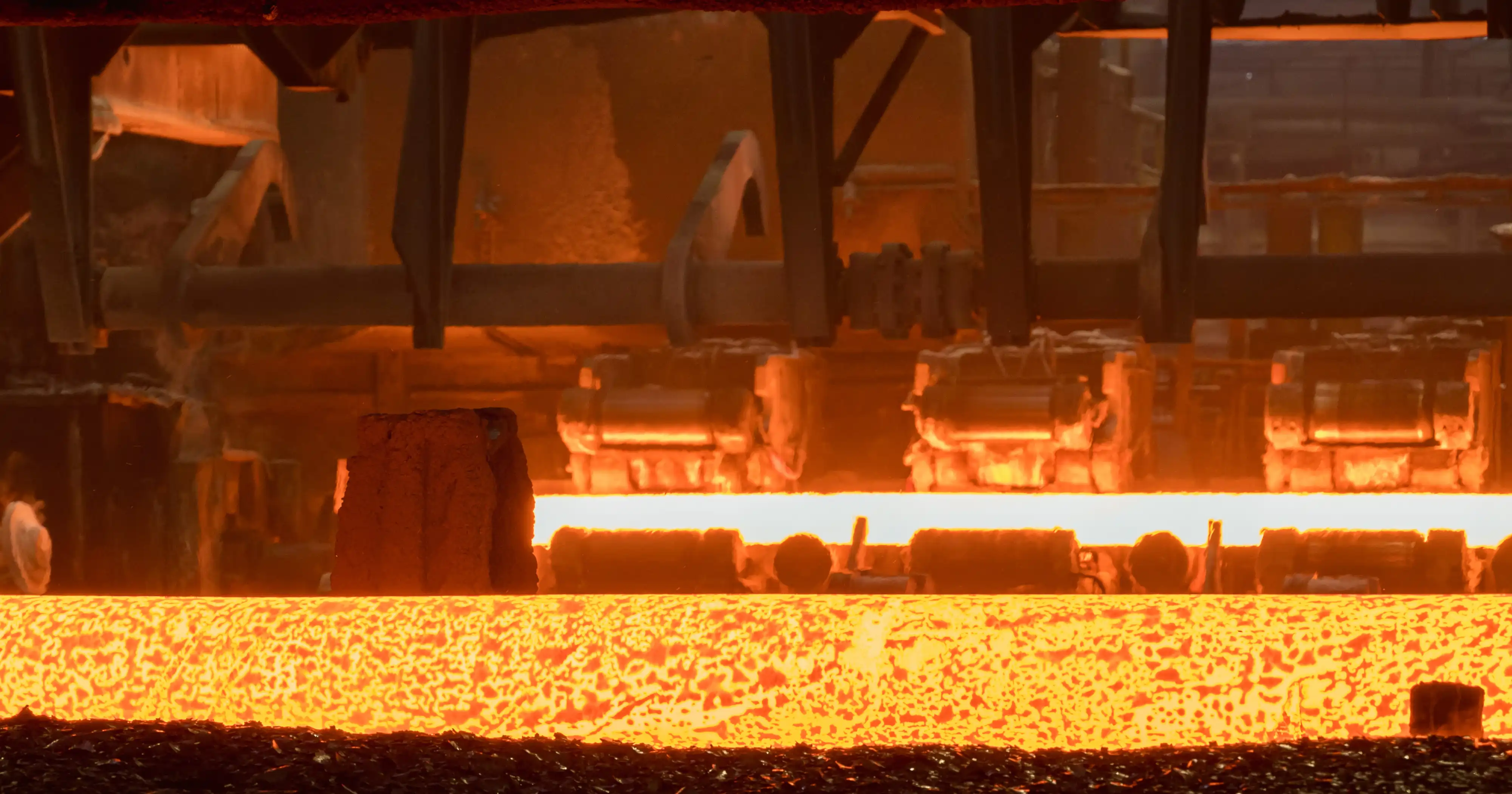
Industries usually have a myth that extreme conditions are uncommon in their plant. However, usually, every manufacturing plant has at least one application which can be termed as a critical and extreme condition on the basis of lubrication viewpoint. Typical examples of extreme conditions are high or low shaft speeds, high pressures, high or low temperatures, atmospheric and process contaminants, and hard-to-reach areas.

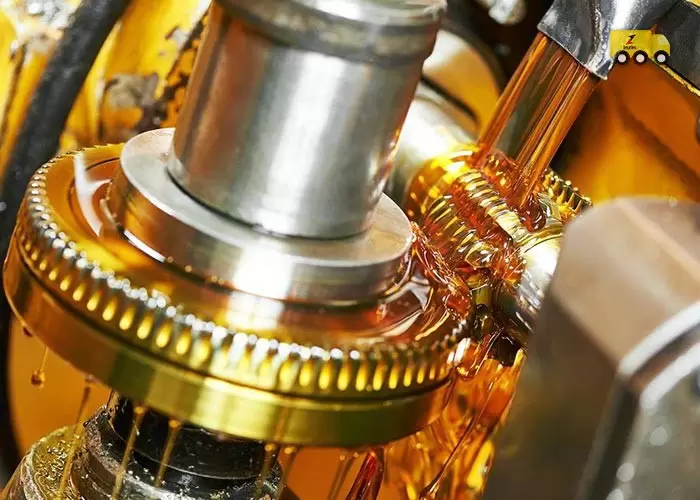
Lubricants provide effective lubrication when the surface area (metal to metal or metal to plastic or plastic to plastic etc.) comes in contact and prevalent speed at that moment allows for effective formation of oil film and temperature range falls within the limit.
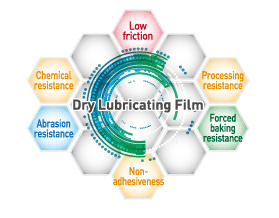
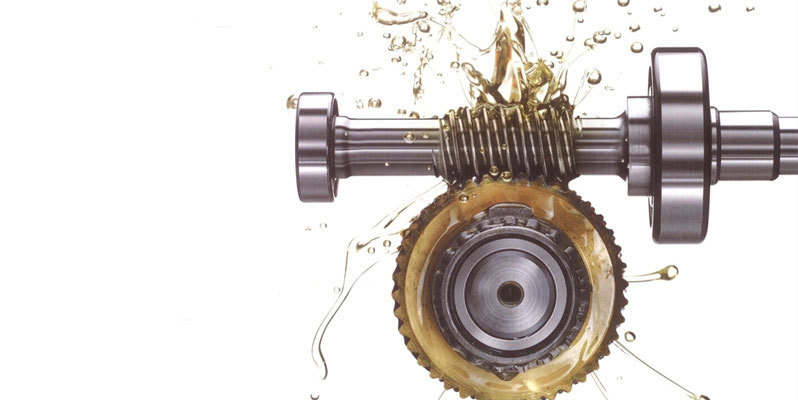
Dry lubricating film

The limit for lubricants is regardless of base oil type and usually, it’s the condition that causes a change in the state of the fluid that prohibits the formation of lubrication film.

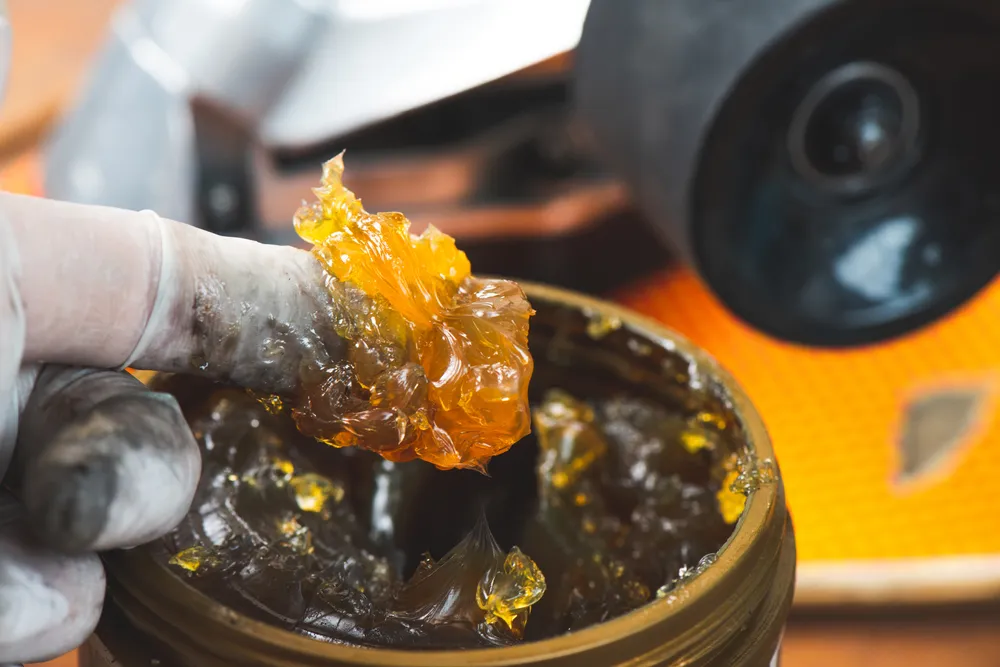
Solid Lubricants are a unique way of lubrication that can protect interacting surfaces even after the wet lubricating film is lost. Materials usually used as solid lubricants are either discovered or created. These solid lubricants can be applied on the surface in the form of additive to fluid lubricants or in a pure form. The resultant film on the surface is characterized as dry film.

The Most Common Type Of Solid Lubricants are:

  • Molybdenum disulfide (MoS2) – known as moly
  • Polytetrafluoroethylene (PTFE) – known as teflon 
  • Graphite
  • Boron nitride
  • Talc
  • Calcium fluoride
  • Cerium fluoride
  • Tungsten disulfide

Moly, Graphite, and PTFE are most commonly used in the lubrication industry. Moly and graphite are extracted from mined ore whereas PTFE was created by Dupont chemical company and is manufactured by the company for many purposes.

Solid lubricants have a lamellar structure preventing direct contact between the two surfaces coming in contact even at extreme conditions. Graphite and moly are commonly used lubricants. Solid lubricants are used as additives to oils and greases. They can also be added or alloyed into the surface when the component is been manufactured.
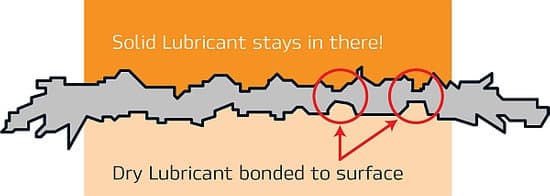
Lubricating film

Properties of Solid lubricants

Different Solid lubricants have different properties e.g. Lamella materials have a good load-carrying capacity in rolling and sliding mode, Graphite has high-temperature capability and functions well in radiation atmospheres, Moly performs satisfactorily in hard vacuum and can tolerate higher loads better than graphite.
Let’s understand the commonly used solid lubricants that are Moly, Graphite, and PTFE

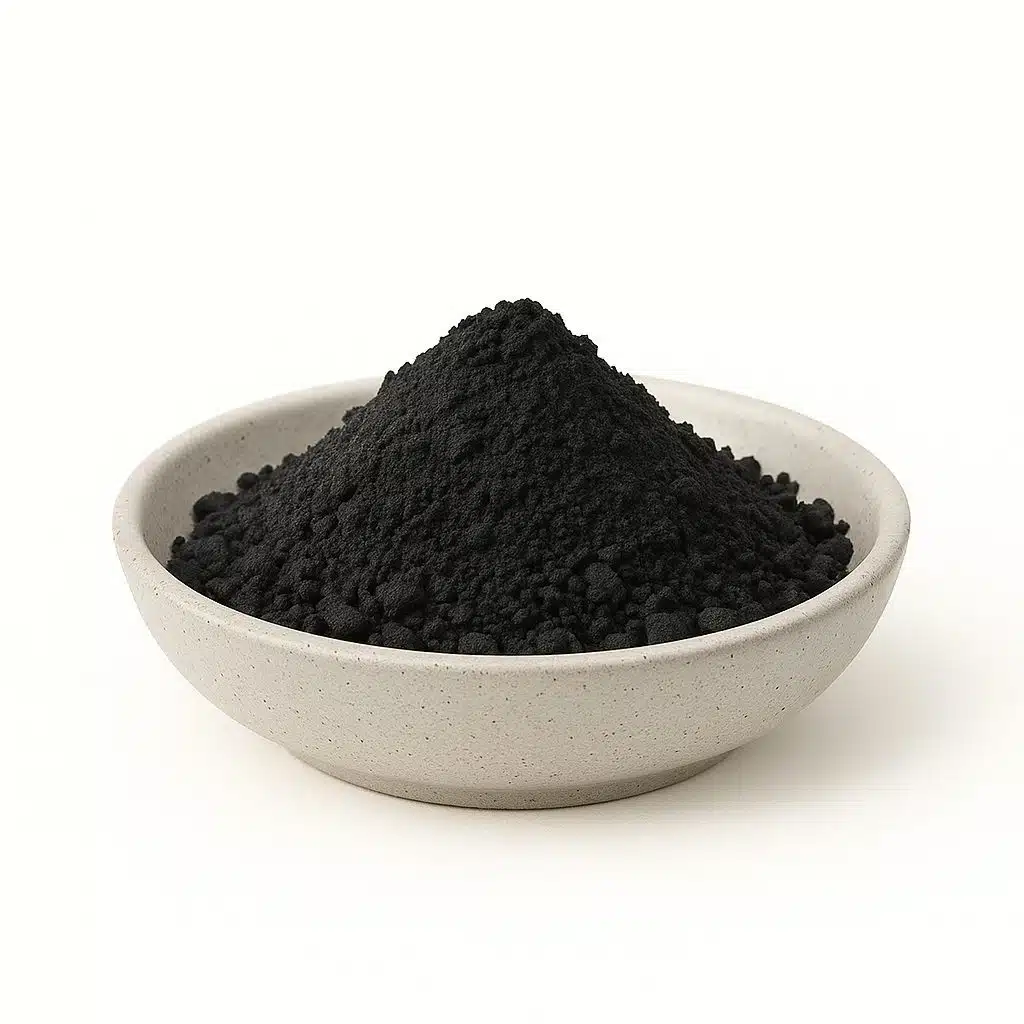
Molybdenum Disulphide
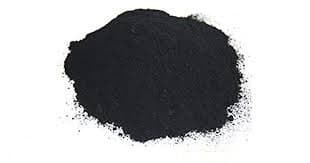
Moly
Molybedenum

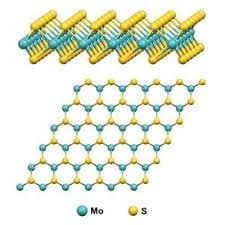
Mos2 occurs naturally in the form of thin solid veins within the granite. It is a purified form of the mineral molybdenite. It has a hexagonal crystalline structure. The total surface resistance is reduced among interacting surfaces thus reducing surface friction and resistance. Molybdenum disulfide is thermally stable in vacuum or inert environments, but in air or oxygen, it begins to oxidize to MoO3 at approximately 400oC.

What are the benefits of molybdenum di-sulfide?

  • Adhesion is excellent
  • Wide temperature range
  • It protects against fretting corroison
  • Friction is decreased with increasing load
  • Load carrying capacity is high
  • Stick – slip prevention

Limitations of molybdenum disulfide include :

  • It is hydroscopic in nature, so it cannot be used in wet conditions as it increases friction
  • Oxidation can cause corrosion
  • Oxidation lower maximum temperature

Major applications with Moly:

Automotive sector, rails, mining, construction, agriculture, military and aerospace.
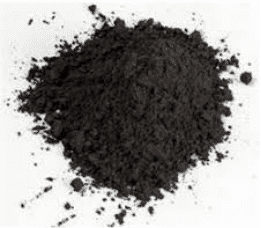
Graphite
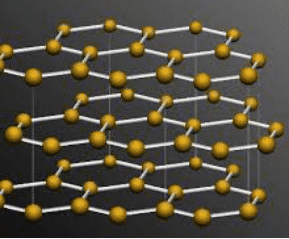
Chemical structure Graphite

Graphite occurs naturally in rocks such as marble, schist, etc. It has properties of a metal and a non-metal, which makes it opt for much industrial application. It is a layer lattice lamellar hexagonal structure. Graphite comprises carbon and water vapor. It has excellent lubricating properties till the time moisture is available and will work satisfactorily up to the temperature limit of 788°C.

What are the benefits of graphite?

  • Excellent lubrication in humidity
  • Protects against fretting corrosion 
  • Good temperature stability
  • Low co-efficient of friction under high temperature

Limitations of graphite include:

  • It can not be used in a hard vacuum
  • It can not provide lubricity in absence of moisture
  • The oxidation product is Carbon dioxide which is hazardous to health

Major applications with Graphite:

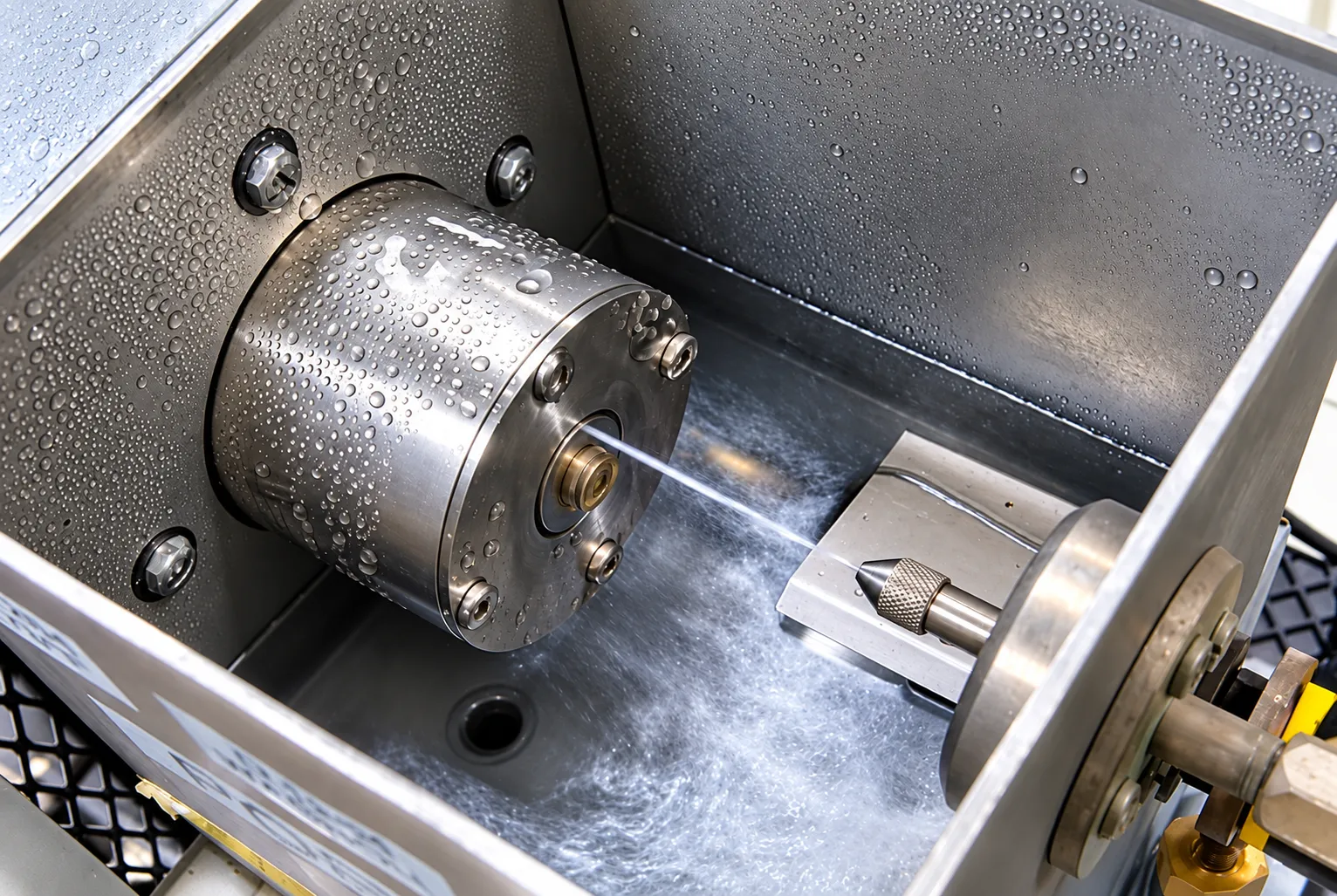
Hot and cold forming, wire drawing and billet coatings, mold release for die cast, plastic and rubber mold, automotive engine and many common industrial applications.

Polytetrafluoroethylene (PTFE)
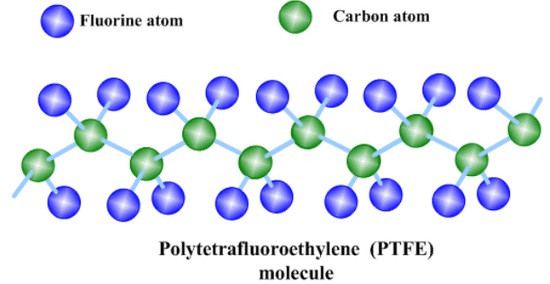
PTFE

PTFE Coating constitutes carbon and fluorine atoms and is one of the most slippery materials since it has very low surface tension. Unlike other solid lubricants, PTFE does not have a layered structure. The molecules of PTFE slip along with each other very easily similar to other lamellar structures. PTFE Coating can be used up to a temperature limit of 260 deg C.

What are the benefits of PTFE?

  • Good sliding – friction reduction
  • Excellent chemical resistance
  • Low load carrying capacity
  • Low Co-effecient of friction at low loads
  • Colorless lubricating film
  • Chemically inert

Limitations of PTFE include:

  • Low melting point
  • Low thermal conductivity
  • Load-carrying properties is poor

Major applications with PTFE:

Acts as a coating in cookware, stain repellent for fabrics and textile industry, Chemical industry.
As we have understood the properties, benefits, and limitations of solid lubricants, It is important to understand where to use solid film lubricants. Since we have a variety of solid materials with excellent lubricating properties. The most commonly used solid lubricants are mentioned above i.e Moly, graphite, and PTFE.

Major properties to be considered while selecting solid film lubricants are

  • Coefficient of friction
  • Load – carrying capacity
  • Corrosion resistivity
  • Electrical conductivity
  • Surrounding in which solid film lubricant has to perform
  • Environmental factors such as temperature, pressure, humidity, oxygen content, radiation, etc.
  • Pertaining to the solid lubricants benefits and limitation, we can use above mentioned solid lubricants For eg:
  • Moly has the highest load-carrying capacity with a low coefficient of friction. But it starts oxidation at a temperature of 400 deg c. It can be used in high load-carrying capacity applications but not recommended for use at high temperatures.
  • PTFE is commonly used as anti-wear additives and performs well in presence of acids, bases, and solvents. It can be used in applications where acid resistivity is required and it can’t be used at very high temperatures and high loads.

MOSIL has a varied range of greases, oils, and anti-size in a combination with the solid film lubricants as mentioned above and can be used depending upon the application in which it has to perform.


Peoples

Explore Relevant Blogs

The Rise of Specialty Lubricants for Electric Vehicles
Industry Information

The Rise of Specialty Lubricants for Electric Vehicles

Ensuring Reliable Performance with Advanced Contact  Greases  The rapid adoption of elect...
July 16, 2025

Read Blog
Equipment Reliability Linked with  Lubrication and Lubricants
Discover

Equipment Reliability Linked with Lubrication and Lubricants

In today’s competitive industrial landscape, equipment reliability is no longer just a  m...

July 16, 2025

Read Blog
Myths About Bearing Lubrication
Discover

Myths About Bearing Lubrication

In industrial operations, bearing failure can result in unexpected downtime, increased  mainten...

July 16, 2025

Read Blog
Understanding Grease Bleeding
Discover

Understanding Grease Bleeding

Essential Insights for  Industrial Lubricants and Specialty Greases  In the world of indu...

July 16, 2025

Read Blog
The 5 Rights of Lubrication
Discover

The 5 Rights of Lubrication

In industries where machinery is the backbone of productivity, lubrication plays a pivotal role &nbs...

July 16, 2025

Read Blog
Rethinking Lubrication for Gears in BLDC Motors : Challenges, Innovations and the Way Forward
Discover

Rethinking Lubrication for Gears in BLDC Motors : Challenges, Innovations and the Way Forward

Introduction & Market Landscape Brushless DC (BLDC) motors have emerged as the powerhouse behin...

July 19, 2025

Read Blog
The Ultimate Guide To Grease Thickeners [Thickening Agents]
Discover

The Ultimate Guide To Grease Thickeners [Thickening Agents]

Grease Thickeners – In simple words thickeners are the thickening agents...

August 08, 2025

Read Blog
The Difference Between Synthetic Oil and Mineral Oil
Discover

The Difference Between Synthetic Oil and Mineral Oil

Table Of Contents Introduction  What Is Mineral Oil? W...

August 11, 2025

Read Blog
7 Great Reasons How A Well Lubricated Machine Can Help Your Business Grow
Discover

7 Great Reasons How A Well Lubricated Machine Can Help Your Business Grow

– Is your machine breaking down sooner than it should?– Are simply the movin...

August 11, 2025

Read Blog
9 Hot Trends In Lubrication
Discover

9 Hot Trends In Lubrication

Understanding lubrication is always a very important aspect of machinery and is always taken for gra...

August 11, 2025

Read Blog
Open Gear Lubrication- Are you using the right open gear lubricant?
Discover

Open Gear Lubrication- Are you using the right open gear lubricant?

Power transmission: Open gears While visiting mines and similar sites, it&...

August 11, 2025

Read Blog
5 Factors causing lubricant contamination
Discover

5 Factors causing lubricant contamination

Lubricant contamination control One of the important functions of lubrication i...

August 11, 2025

Read Blog
Benefits of Appropriate Lubrication Practice
Discover

Benefits of Appropriate Lubrication Practice

Before understanding lubrication benefits, let us first understand about Appropriate Lub...

August 11, 2025

Read Blog
Overcoming the foremost Common Misconceptions of Lubrication
Discover

Overcoming the foremost Common Misconceptions of Lubrication

After working closely with industrial personnel, we came across a few misconceptions abo...

August 11, 2025

Read Blog
Top Four Traits of Synthetic Lubricants in Industrial Applications
Discover

Top Four Traits of Synthetic Lubricants in Industrial Applications

Synthetic lubricants (Synthetic Oil & Grease) have been used in industrial appl...

August 11, 2025

Read Blog
Mosil Lubricants, Adding Value to Lubrication Excellence
Discover

Mosil Lubricants, Adding Value to Lubrication Excellence

Many organizations have the opportunities for considerable financial benefits from lubri...

August 11, 2025

Read Blog
Need for Chain Lubrication | Different Chain Lubrication Methods
Discover

Need for Chain Lubrication | Different Chain Lubrication Methods

Chain Drive Lubrication Mainly, chain drives are ...

August 11, 2025

Read Blog
Gear Drive Lubricant Selection [Gearbox Lubricants]
Discover

Gear Drive Lubricant Selection [Gearbox Lubricants]

Gear Drive/ Gearbox Lubricant Properties Selecting proper gearbox lub...

August 11, 2025

Read Blog
Disposal Of Used Oil and Waste Lubricants
Discover

Disposal Of Used Oil and Waste Lubricants

Waste Management & Disposal Of Lubricant Waste ...

August 11, 2025

Read Blog
Strength of an idea …. is the story you weave around it
Discover

Strength of an idea …. is the story you weave around it

Specialty lubricants is considered highly technical domain and it has to lead me to read and prepare...

August 11, 2025

Read Blog
Signals Vs Noise – That’s what Leaders do
Discover

Signals Vs Noise – That’s what Leaders do

When working with an organisation, one realises that an organisation is essentially an amplifie...

August 11, 2025

Read Blog
Solve a problem, Sale would happen
Discover

Solve a problem, Sale would happen

Quite often I come across a request that a particular industrial lubricant is required because a cus...

August 11, 2025

Read Blog
Contact Lubricants For EVs (Electric Vehicles)
Discover

Contact Lubricants For EVs (Electric Vehicles)

Don't You Dare Run Your EV Without Good Contact Lubricants! ...

August 11, 2025

Read Blog
Significance of viscosity index in lubricants
Discover

Significance of viscosity index in lubricants

Technical Concept: Viscosity Index To begin ...

August 11, 2025

Read Blog
Choosing the Reliable Lubricant Manufacturer and Supplier
Discover

Choosing the Reliable Lubricant Manufacturer and Supplier

How to select the right Lubricant Manufacturer/ Supplier? ...

August 11, 2025

Read Blog
What is Rust? How to Prevent it?
Discover

What is Rust? How to Prevent it?

Rust- An Age Old Problem In industries, specifically manufacturin...

August 11, 2025

Read Blog
Bearing failure due to water | Bearing failure analysis
Discover

Bearing failure due to water | Bearing failure analysis

Did you know? It only needs a small amount of wat...

August 11, 2025

Read Blog
Lubricating aspects of anti friction ball and roller bearings
Discover

Lubricating aspects of anti friction ball and roller bearings

Operating Principle of Anti-friction Bearing Anti...

August 11, 2025

Read Blog
Choosing An Electrical Component Cleaner | Ideal Characteristics
Discover

Choosing An Electrical Component Cleaner | Ideal Characteristics

Electrical Component Cleaner: Ideal Characteristics ...

August 11, 2025

Read Blog
Aerosol and It’s Propellant
Discover

Aerosol and It’s Propellant

Aerosols play a very important role in maintenance of any type of industry since it...

August 11, 2025

Read Blog
Understanding Moly in Lubricants
Discover

Understanding Moly in Lubricants

Moly – Molybdenum disulfide is commonly found in a variety of Industrial lubricant...

August 11, 2025

Read Blog
Gamma Irradiation Tests for Industrial Lubricants
Discover

Gamma Irradiation Tests for Industrial Lubricants

Gamma Radiation in Lubricants The Gamma radiation is generated by the decay of ...

August 11, 2025

Read Blog
The Impact Of Covid-19 on Lubricant Market
Discover

The Impact Of Covid-19 on Lubricant Market

Lockdown & Lubrication | The Impact of Lockdown and Pandemic On Lubricant Market ...

August 11, 2025

Read Blog
Sterile Lubricants for Pharmaceutical Applications
Discover

Sterile Lubricants for Pharmaceutical Applications

Importance of Sterile Lubricants What is Ste...

August 11, 2025

Read Blog
Cleanliness or Quality
Discover

Cleanliness or Quality

Which is more important for lubricant?   Ma...

August 11, 2025

Read Blog
Degradation of Oil
Discover

Degradation of Oil

Ever heard, “Toxic people pollute everything around them", this is also true with ...

August 11, 2025

Read Blog
What is a Non-Melt Grease/ Non-Drip Grease | Important Facts of Non-Melt Grease
Discover

What is a Non-Melt Grease/ Non-Drip Grease | Important Facts of Non-Melt Grease

Non-melt Grease popularly known as Non-drip Grease is a high–performance lubr...

August 11, 2025

Read Blog
Types of Lubrication Methods Used in Industries
Discover

Types of Lubrication Methods Used in Industries

Importance of Lubrication! Appropriate lubrication is an important factor to be...

August 11, 2025

Read Blog
Bearing Lubrication: Challeges Faced and Steps For Lubrication
Discover

Bearing Lubrication: Challeges Faced and Steps For Lubrication

Bearings are rotating and rolling elements used in machines. Bearing Lubricants are impo...

August 11, 2025

Read Blog
Specialty Lubricants For Pharmaceutical Industries
Discover

Specialty Lubricants For Pharmaceutical Industries

Over few years, increasing interest is seen in the use of food grade lubricants&nbs...

August 11, 2025

Read Blog
Industrial Lubricants
Discover

Industrial Lubricants

Basics and importance of Industrial Lubricants As we all know, lubrication is e...

August 11, 2025

Read Blog
Lubrication linked with a maintenance strategy
Discover

Lubrication linked with a maintenance strategy

Regular Maintenance is frequently considered as an evil necessity and often delayed or c...

August 11, 2025

Read Blog
Oil VS Grease | What is the difference?
Discover

Oil VS Grease | What is the difference?

Debate 1.0 Oil VS Grease Many people who insists ...

August 11, 2025

Read Blog
What are Solid Lubricants? | Types and Benefits of MoS2, PTFE and Graphite
Discover

What are Solid Lubricants? | Types and Benefits of MoS2, PTFE and Graphite

Solid lubricants - Unique Lubrication The major challenge was faced by the Lubr...

August 11, 2025

Read Blog
Lubrication Film Strength
Discover

Lubrication Film Strength

Importance of Film strength of A lubricant !! &nb...

August 11, 2025

Read Blog
Tips for Smarter lubrication
Discover

Tips for Smarter lubrication

Smarter Lubrication   In this article, we will disc...

August 11, 2025

Read Blog
Development Of Lubricant Industry in Next 5 years| 2021
Discover

Development Of Lubricant Industry in Next 5 years| 2021

Current scenario of global lubricant market India is the Third largest Lubrican...

August 11, 2025

Read Blog
Technical Concept- Cleaners and Degreasers | Importance and Types of Cleaners
Discover

Technical Concept- Cleaners and Degreasers | Importance and Types of Cleaners

Industrial cleaning is no longer low-tech. Industrial cleaning is considered to be an es...

August 11, 2025

Read Blog
Technical Concept- Anti-seize compounds | Problems occurred due to seizing | Choosing your Anti-seize
Discover

Technical Concept- Anti-seize compounds | Problems occurred due to seizing | Choosing your Anti-seize

What is Anti-seize? What is seizing? Before explaining to you about Anti-s...

August 11, 2025

Read Blog
Technical Concept – Aerosols: Principle, Techniques and Application
Discover

Technical Concept – Aerosols: Principle, Techniques and Application

What are Aerosols? | Principles Of Aerosol Aerosol spray is a type of gase...

August 11, 2025

Read Blog
Technical Concept – Wire Rope and it’s Lubrication
Discover

Technical Concept – Wire Rope and it’s Lubrication

Understanding Wire Rope and it's Lubrication Wire Rope is a critical compo...

August 11, 2025

Read Blog
Industrial Lubricants Forecast Report 2022
Discover

Industrial Lubricants Forecast Report 2022

The industrial lubricants market is fast growing, and the demand for these pro...

August 11, 2025

Read Blog
Industrial Lubricants Market Size
Discover

Industrial Lubricants Market Size

The Rise Of Industrial Lubricants Market The importanc...

August 11, 2025

Read Blog
Tips for Choosing Right Gear Oil Lubricant
Discover

Tips for Choosing Right Gear Oil Lubricant

Overview: Gear Oil Gear oils are designed to protect gears, bearings,...

August 11, 2025

Read Blog
Guidelines for Corrosion Prevention
Discover

Guidelines for Corrosion Prevention

Corrosion Management Products Corrosion Prevention is crucial as d...

August 11, 2025

Read Blog
5 Attributes to Select the Right Grease for Your Equipment Needs
Discover

5 Attributes to Select the Right Grease for Your Equipment Needs

Looking at these below 5 attributes for selecting the right type of lubricating gre...

August 11, 2025

Read Blog
Tips on Picking out Industrial Lubricants
Discover

Tips on Picking out Industrial Lubricants

  Choosing the right industrial lubricants requires giving into detail not only individual n...

August 11, 2025

Read Blog
Beyond Business : Ensuring smooth Innovation
Beyond Business

Beyond Business : Ensuring smooth Innovation

In the world of high-performance lubricants, every part matters.And when it comes to building a be...

September 04, 2025

Read Blog
Tribotsav 2025: Tribotsav: Spirit of Togetherness
News

Tribotsav 2025: Tribotsav: Spirit of Togetherness

At Mosil, we believe our people are the true strength of our success story. To honor their contribut...

September 12, 2025

Read Blog
Contact Us
AI Search or Ask Anything