

Industrial valves play a critical role in controlling the flow of liquids, gases and chemicals in pipelines and processing systems. Over time, these valves can become difficult to operate due to friction, wear, contamination or exposure to harsh conditions. This is where valve lubricants become essential. Valve lubricants are far more than ordinary greases. They are precision-engineered compounds designed to protect valve components under the harsh operating conditions.
🔹 What are Valve Lubricants?
Common industries using industrial valves include oil & gas, petrochemical, chemical processing, power generation, water treatment, pharmaceuticals, food processing, mining and manufacturing plants. Different valve types such as plug valves, ball valves, gate valves, globe valves, butterfly valves, check valves and control valves are selected depending on flow control, sealing, pressure and operating conditions.
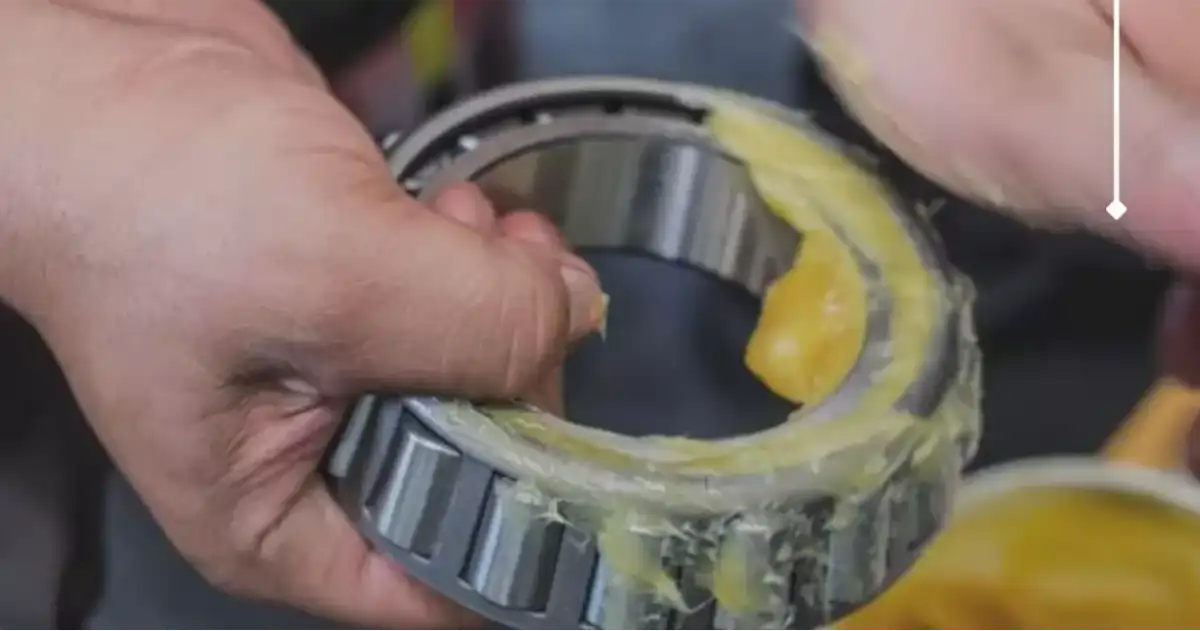
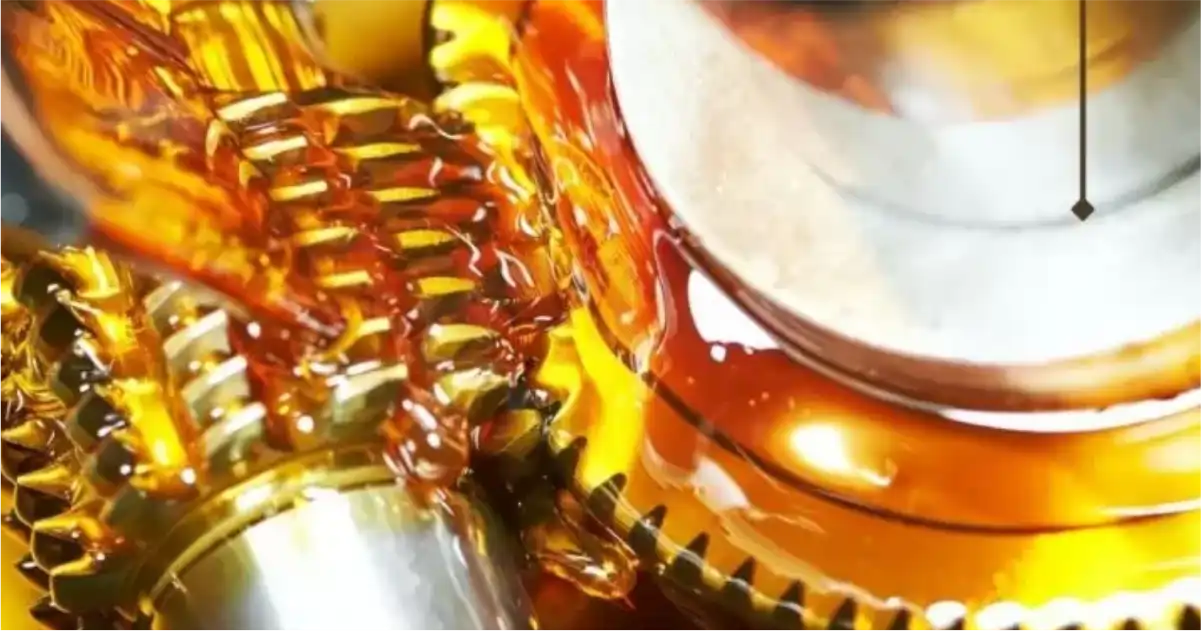
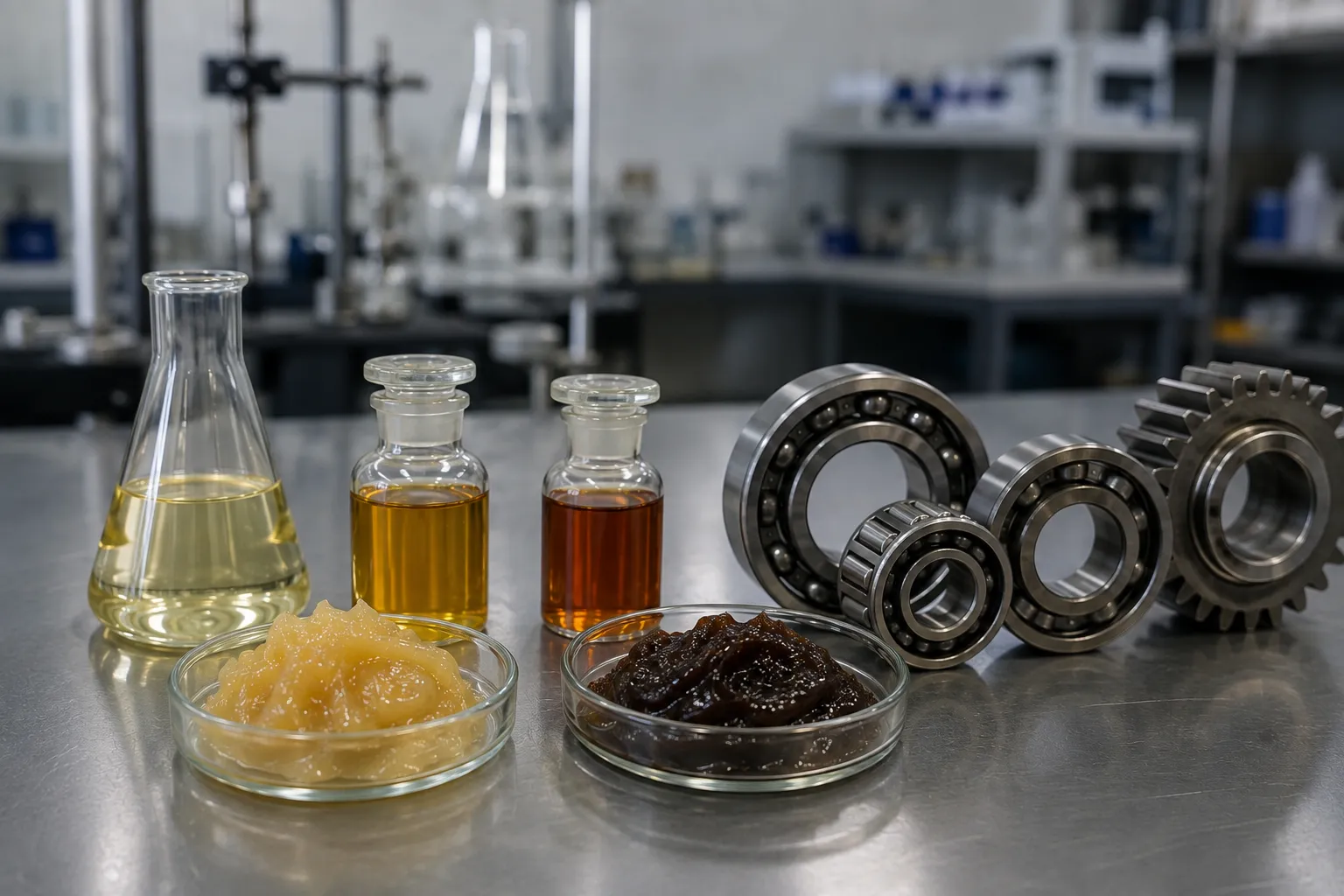
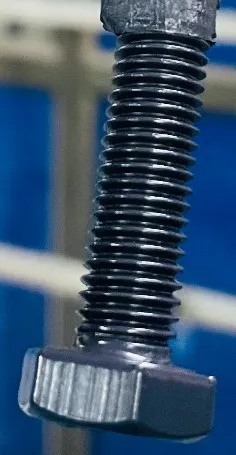
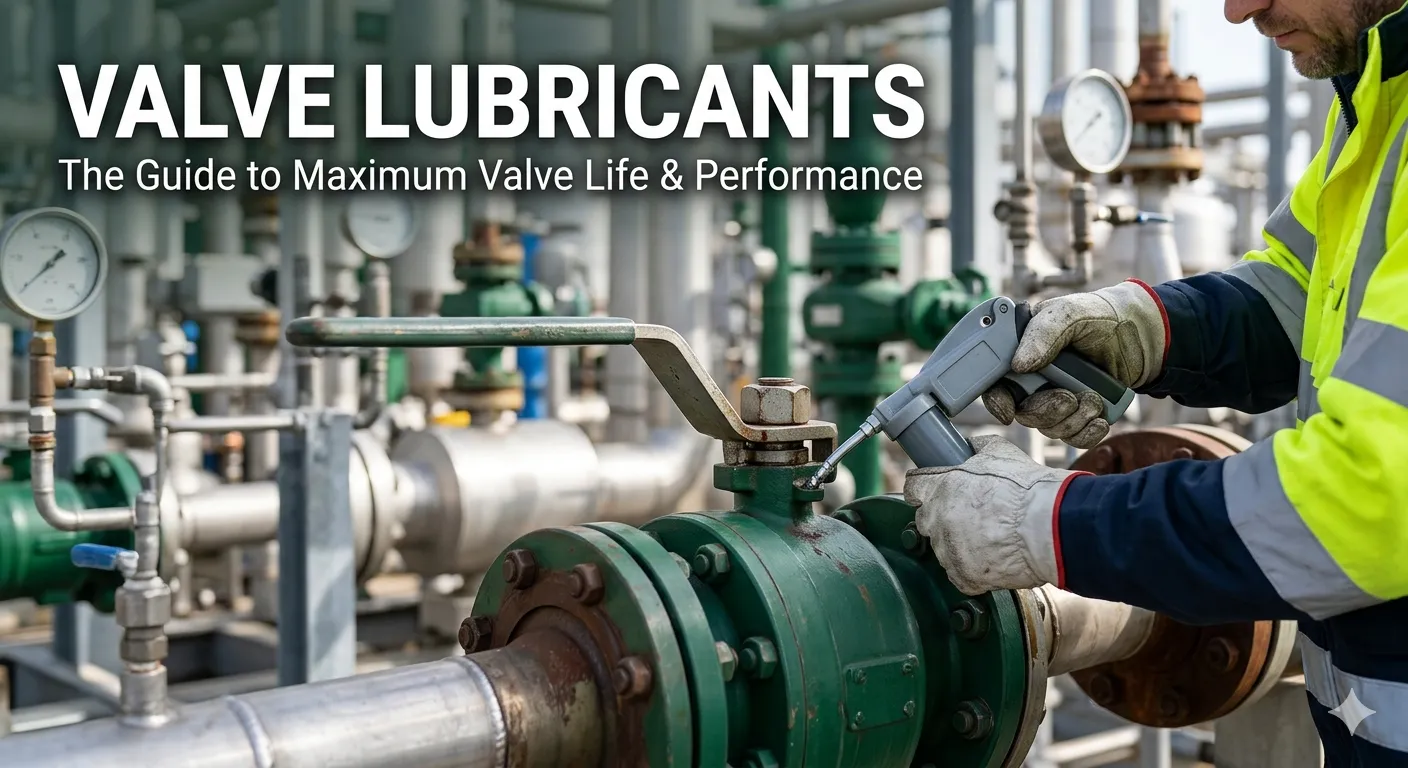
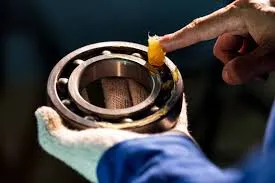
Valve lubricants are semi-solid lubricating compounds used to minimize friction between moving valve components such as stems, plugs, seats and sealing surfaces. They are often injected into valves through fittings or applied during assembly and maintenance.
The primary function of valve lubricants is to:
- Reduce operating torque : Lowers the energy required to actuate valves, preventing actuator strain.
- Prevent wear and galling : Forms a protective film that separates metal surfaces and minimizes contact damage.
- Protect against corrosion : Shields internal components from aggressive line fluids and atmospheric moisture.
- Enhanced Sealing : Fills microscopic imperfections on sealing surfaces to eliminate micro-leaks.
- Extend valve service intervals : Drastically reduces the frequency of expensive valve replacements.
In many industrial systems, regular application of valve lubricants helps avoid valve seizure and costly downtime.
🔹 Valve Lubricants vs Valve Sealants: Understanding the Difference :
Many users confuse valve lubricants with valve sealants. While they may appear similar, their functions are different.
Some advanced products combine both functions and are known as lubricant-sealants.

🔹 Types of Valve Lubricants and Their Applications
1. Mineral Oil Based Valve Lubricants : These are widely used for general industrial service and offer economical lubrication for standard valves.
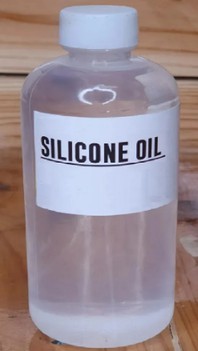
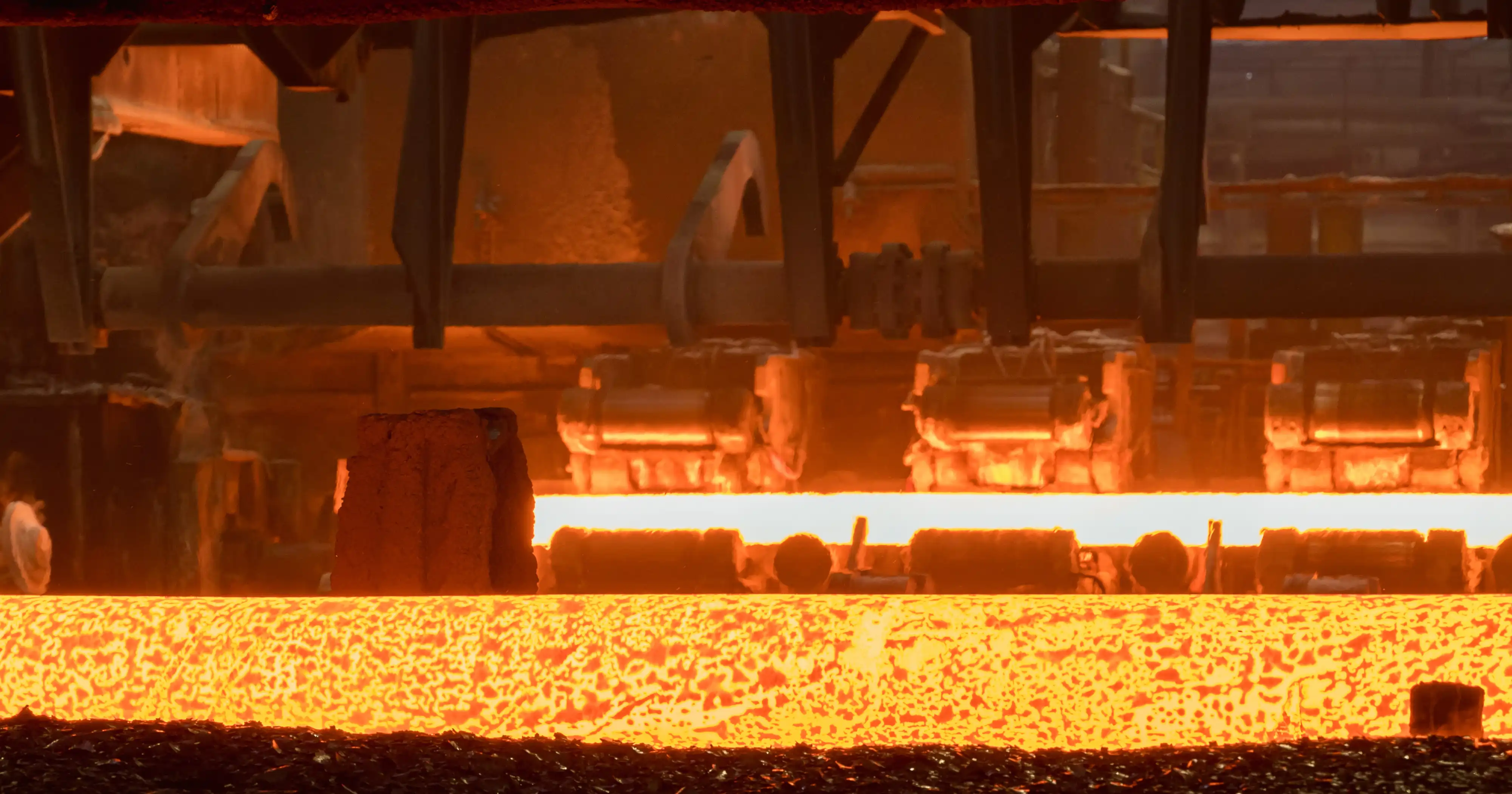
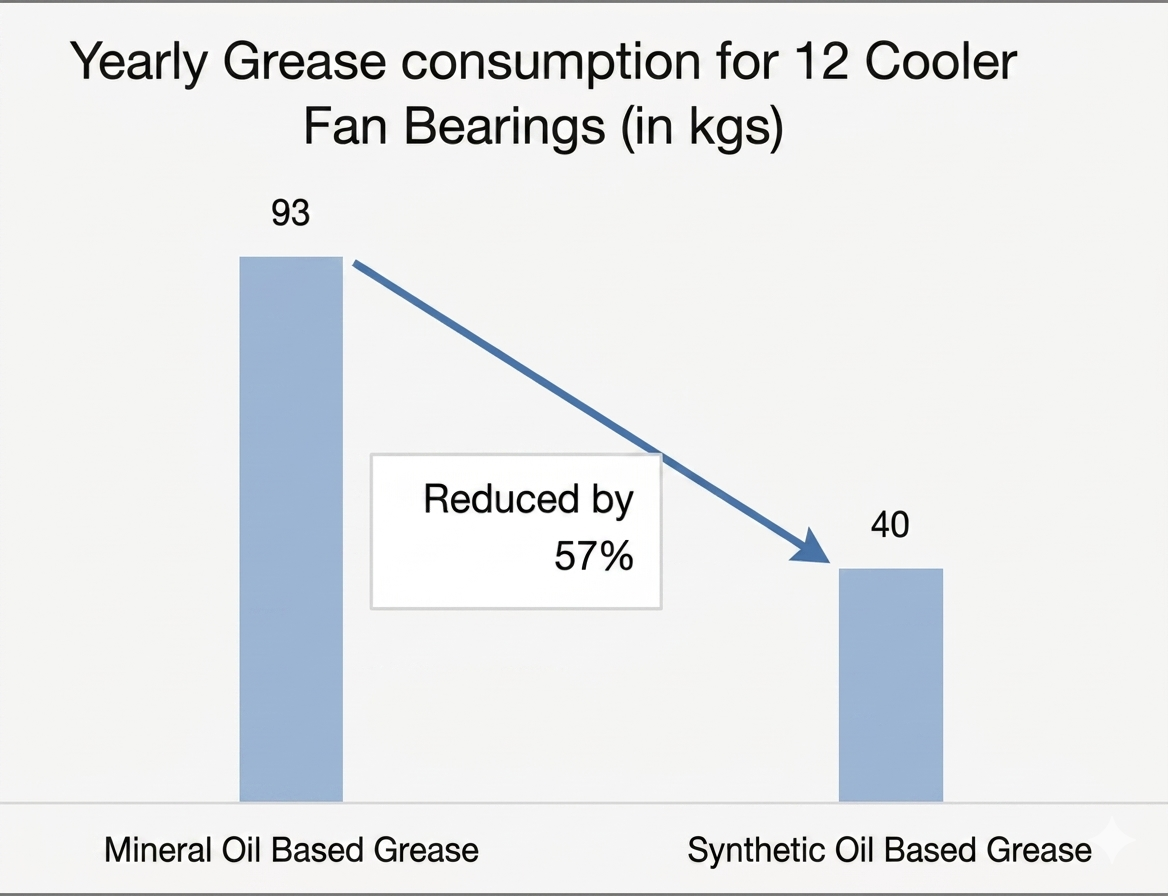
2. Synthetic Valve Lubricants : Synthetic formulations (silicone, fluorosilicone or synthetic hydrocarbons) are essential in oil & gas, petrochemical and chemical processing industries, offering excellent thermal stability and chemical resistance — they do not degrade at high temperatures and remain fluid in sub-zero environments.
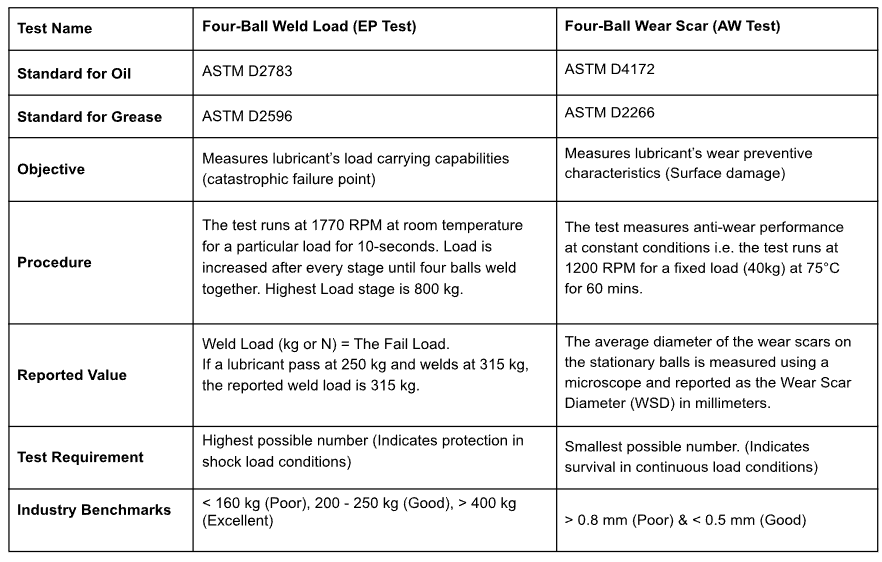
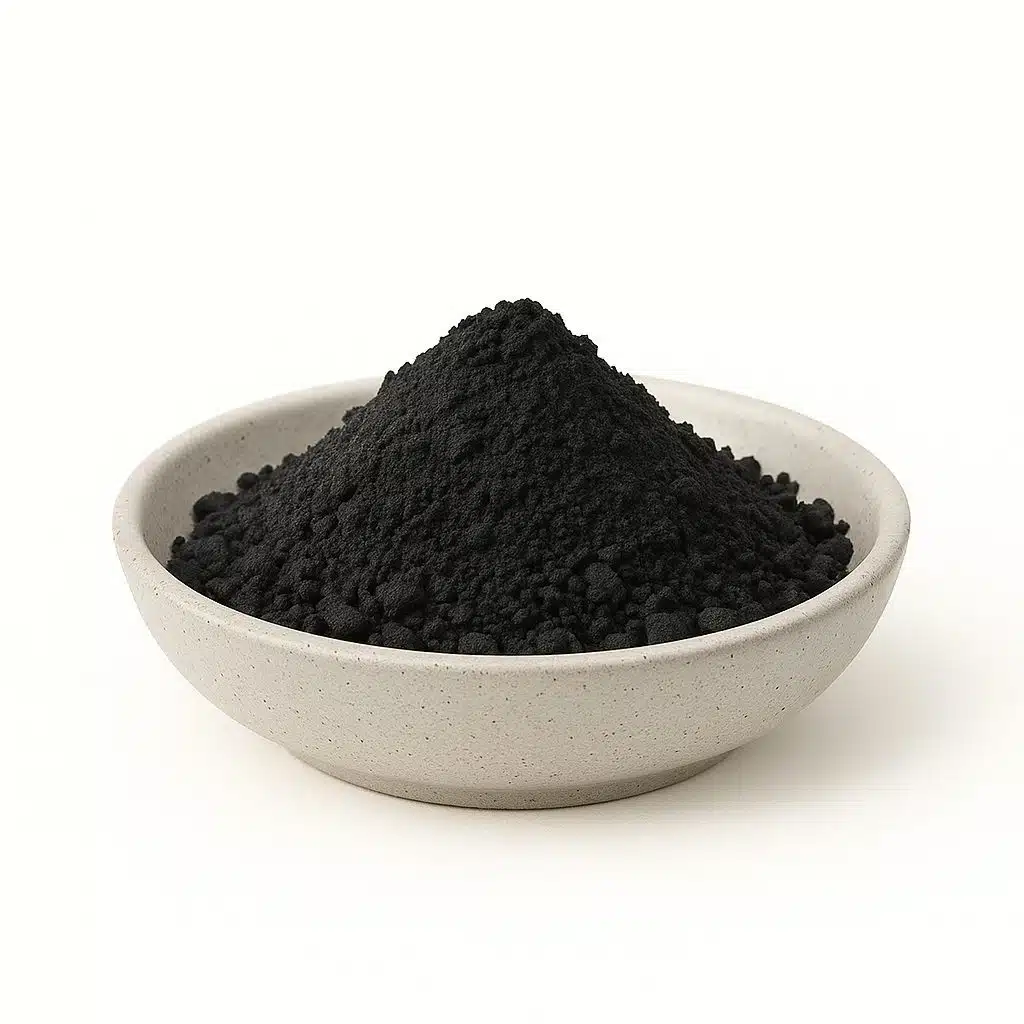
3. Solid Additive Valve Lubricants : These contain solid lubricants such as: Molybdenum disulfide, PTFE, Graphite. Such additives improve load carrying capacity and emergency lubrication.
4. Hydrocarbon-Resistant Valve Lubricants
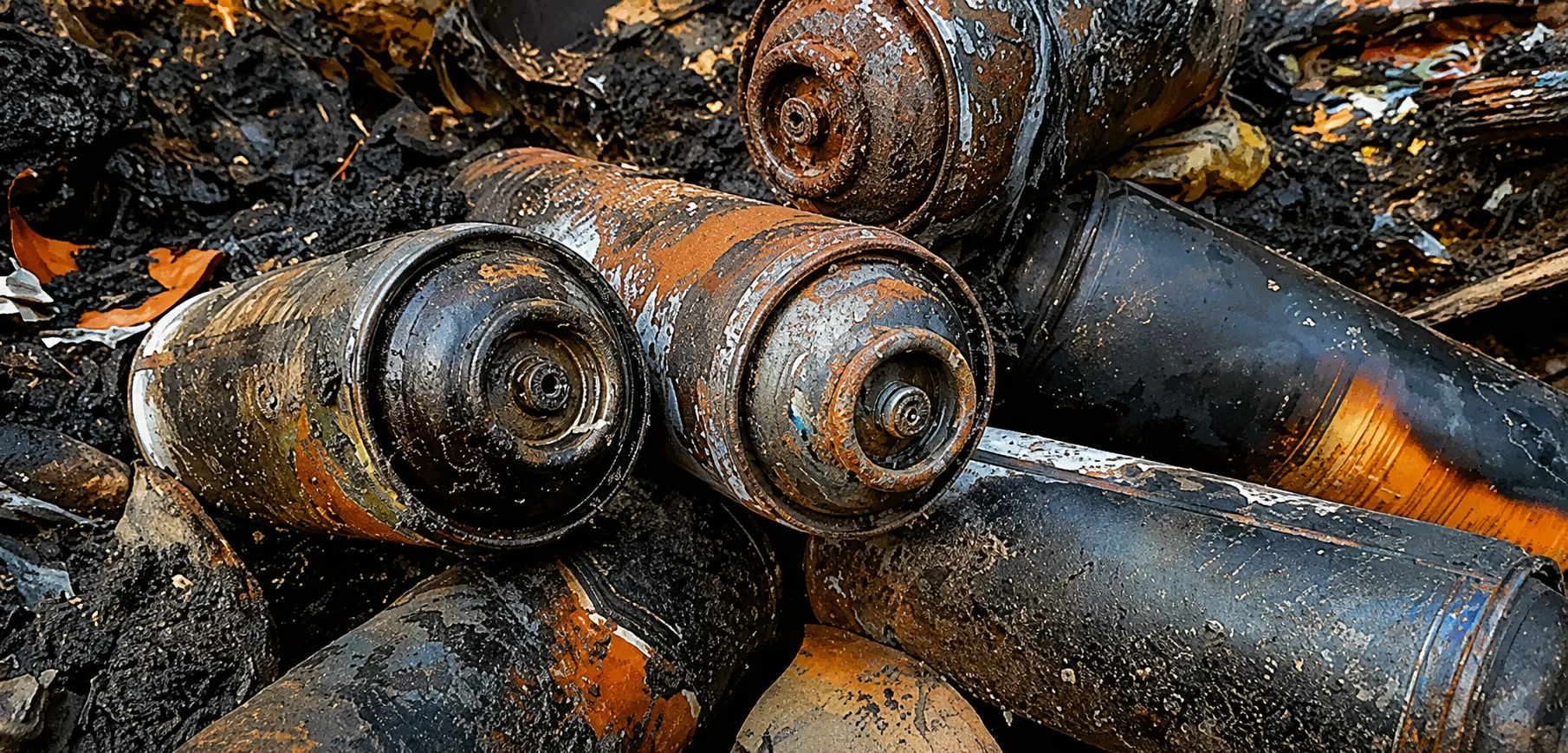
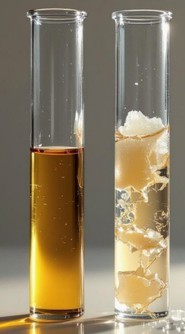
For valves handling petroleum products, gasoline or diesel, standard lubricants quickly dissolve. Hydrocarbon-resistant valve lubricants are engineered with specialized additives to repel these solvents, maintaining their structural integrity and sealing capabilities even under continuous exposure.
5. Biodegradable Valve Lubricants
Biodegradable Valve Lubricants use synthetic esters or vegetable oils to rapidly decompose in the environment, making them ideal for water treatment, marine and hydropower applications where ecological safety and regulatory compliance are required.
🔹 Choosing the Right Lubricant for Your System :
Selecting the ideal product requires a comprehensive look at your specific operational parameters like Valve Type, Operating Temperature, Process Media, Pressure Conditions, Frequency of Operation etc.
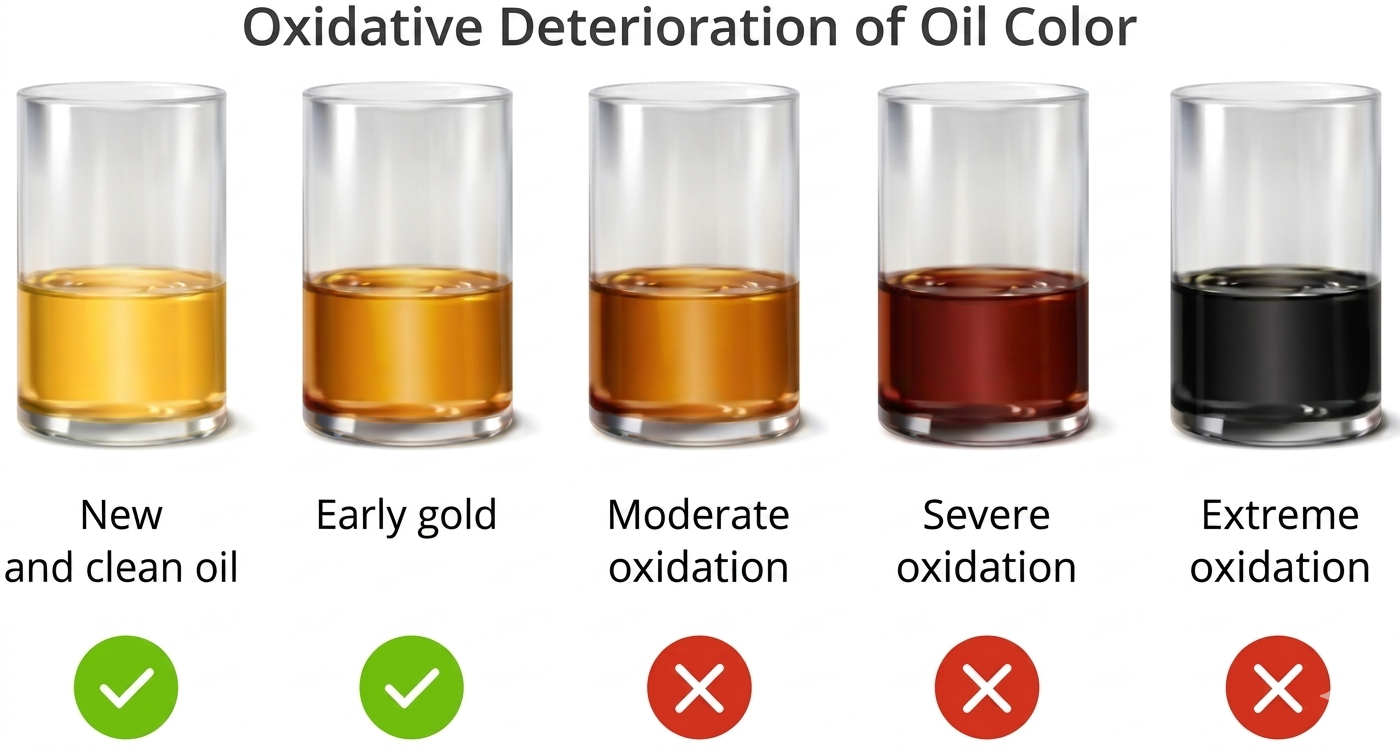
General characteristics considered while selecting valve lubricants are : Thermal Stability, Chemical Inertness, Seal Compatibility, Wear Reduction, Oxidation Resistance, Water Resistance, Load Carrying Capacity and Non-Toxicity.
Consider the following matrix when evaluating your options :

Important Note: Always verify the chemical compatibility of your valve lubricants with both the valve elastomers (O-rings and seals) and the fluid passing through the pipeline to prevent seal swelling or degradation.
🔹 Best Practices for Applying Valve Lubricants :
Even the best lubricant will fail if applied incorrectly. To maximize the efficiency of your maintenance routine, follow these industry best practices:
- Establish a Schedule: Do not wait for a valve to become difficult to turn. Implement a predictive maintenance cycle.
- Clean Before Injection: Ensure injection fittings are entirely free of dirt and debris before pumping fresh grease to avoid injecting contaminants into the valve body.
- Do Not Over-Lubricate: Pumping excessive amounts of valve lubricants can cavity-pack the valve, potentially fouling downstream equipment or damaging internal seals.
- Monitor Torque Changes: If a valve suddenly requires more torque to operate despite recent lubrication, it may indicate mechanical damage or the need for a different lubricant formulation.
🔹 Conclusion :
Valve lubricants are more than just maintenance products — they are essential for safe and reliable valve operation. Choosing the correct valve lubricants based on service conditions can significantly improve valve performance and extend equipment life. Partnering with a trusted valve lubricant supplier ensures your valves operate smoothly, safely, and efficiently for longer durations.












































![Gear Drive Lubricant Selection [Gearbox Lubricants]](https://mosil.com/assets/uploads/blog/blog_1788344519_6a97f8c75d604.webp)


![The Ultimate Guide To Grease Thickeners [Thickening Agents]](https://mosil.com/assets/uploads/blog/blog_1754991852_689b0cec60a8a.jpg)