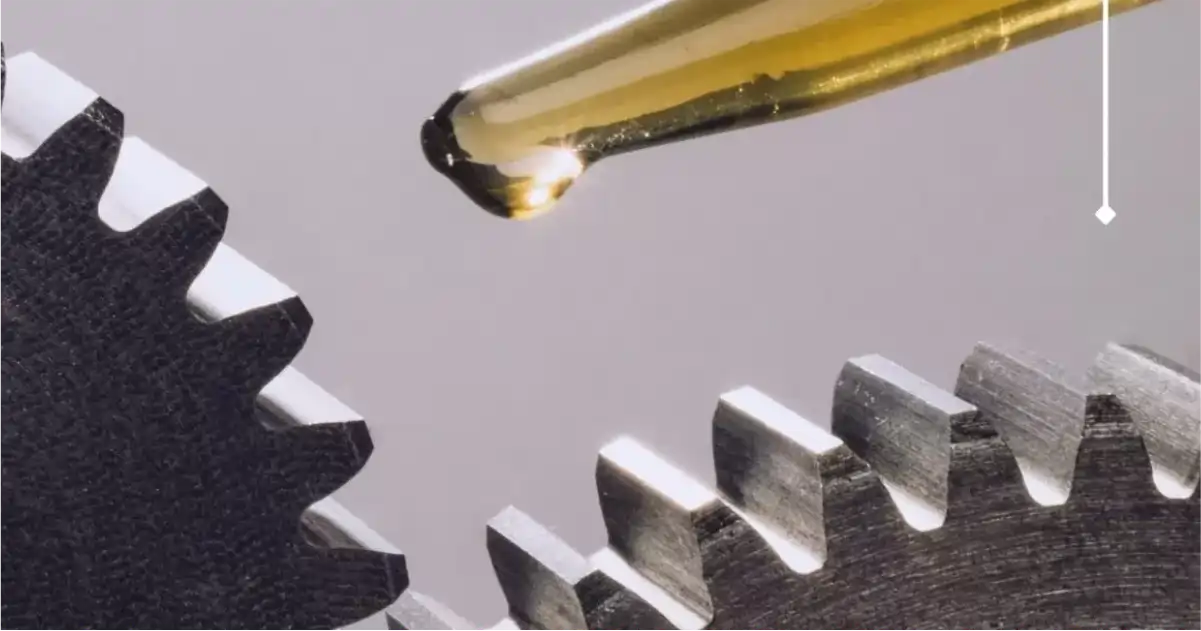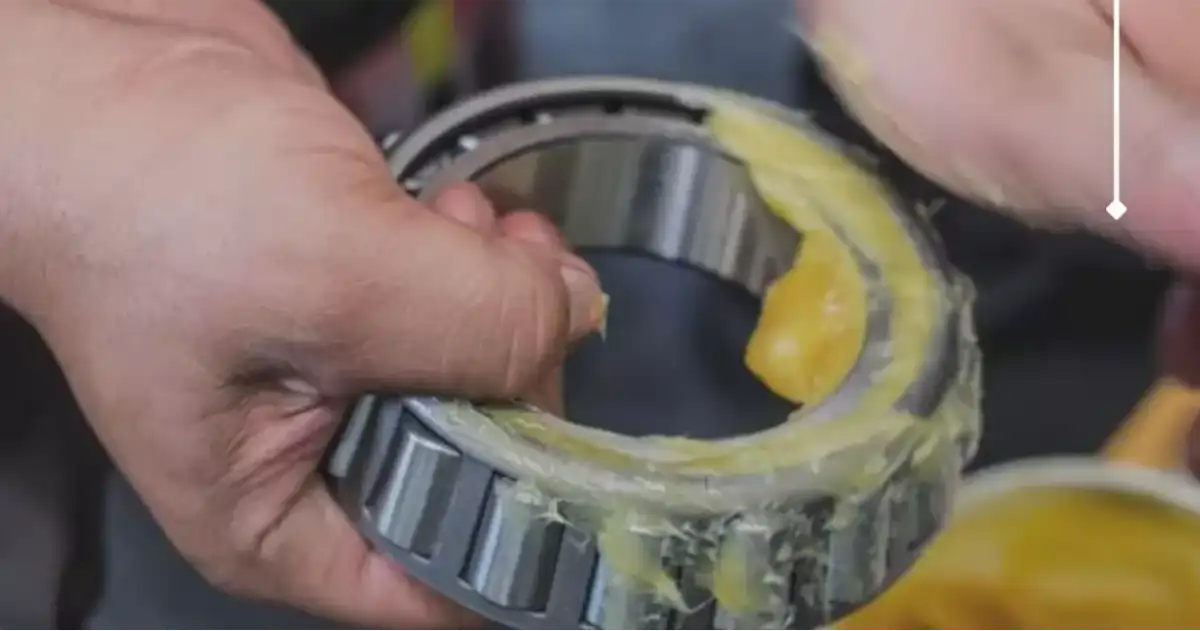


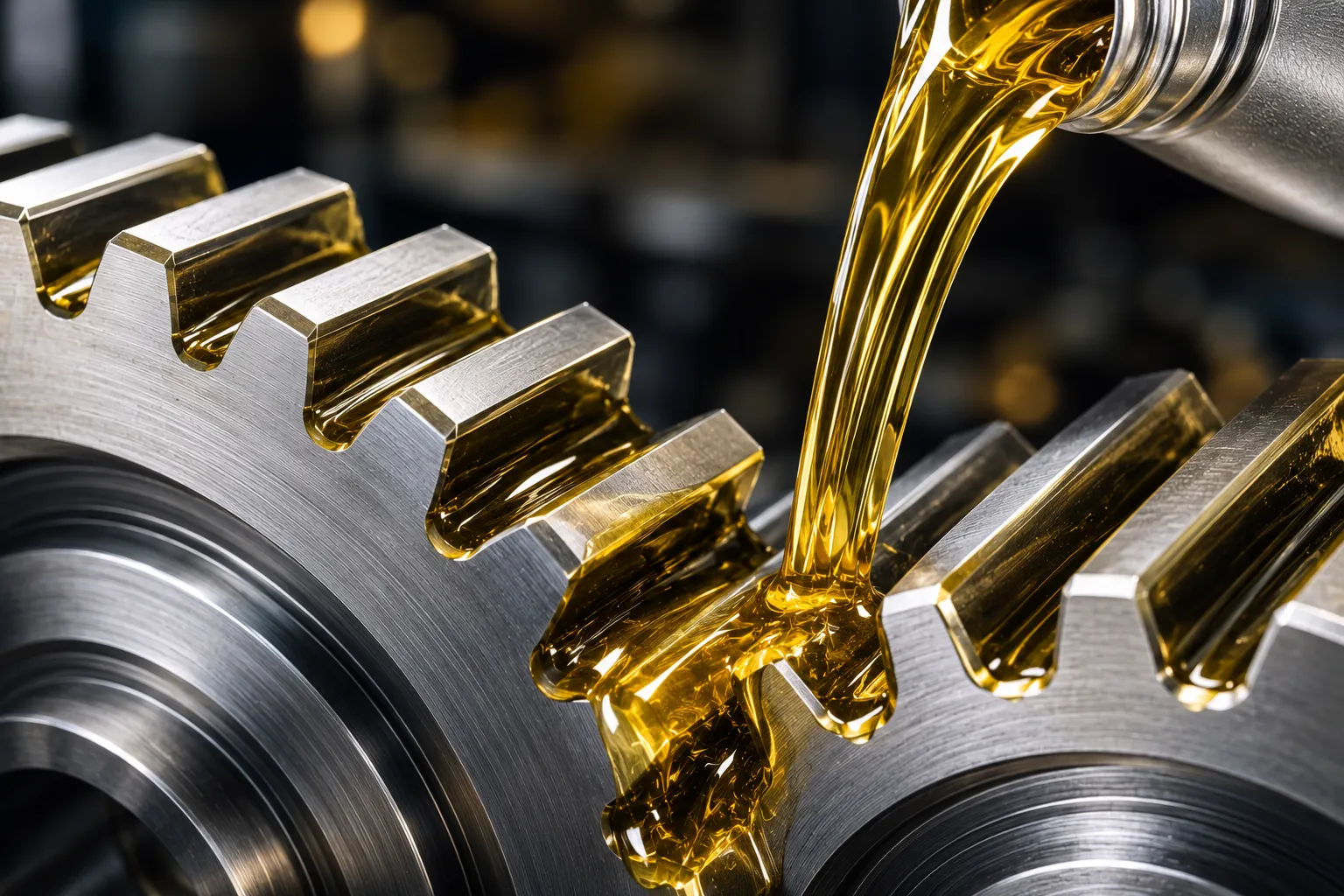
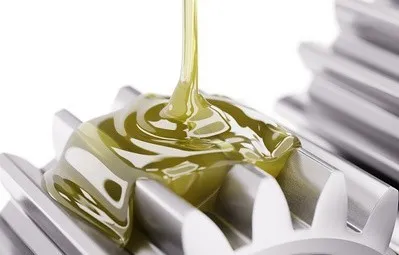
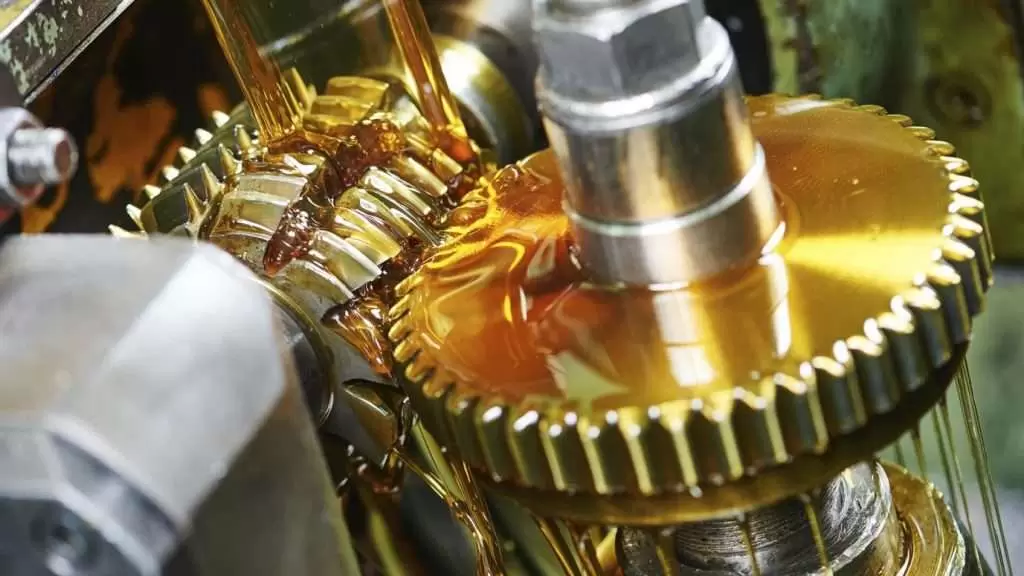
Open gear lubrication is a tricky business, especially since it has to work in really tough conditions. These gears face all sorts of challenges like dust, moisture, shock loads, and high torque while moving slowly. So, it’s not just about the lubricant itself; the surface roughness of the gear teeth matters a lot too.
This roughness, known as Ra, is key for how well the lubricant sticks, holds its film, and spreads the load. When the roughness is just right, it helps keep the lubricant in place, which is essential for handling heavy loads. But if the surface is too smooth or too rough, it can throw everything off balance and lead to quicker wear and tear.
So, getting a grip on how Ra relates to the stability of the lubrication film is super important if you want open gear systems to perform reliably over the long haul.
U N D E R S T A N D I N G O P E N G E A R L U B R I C A N T S
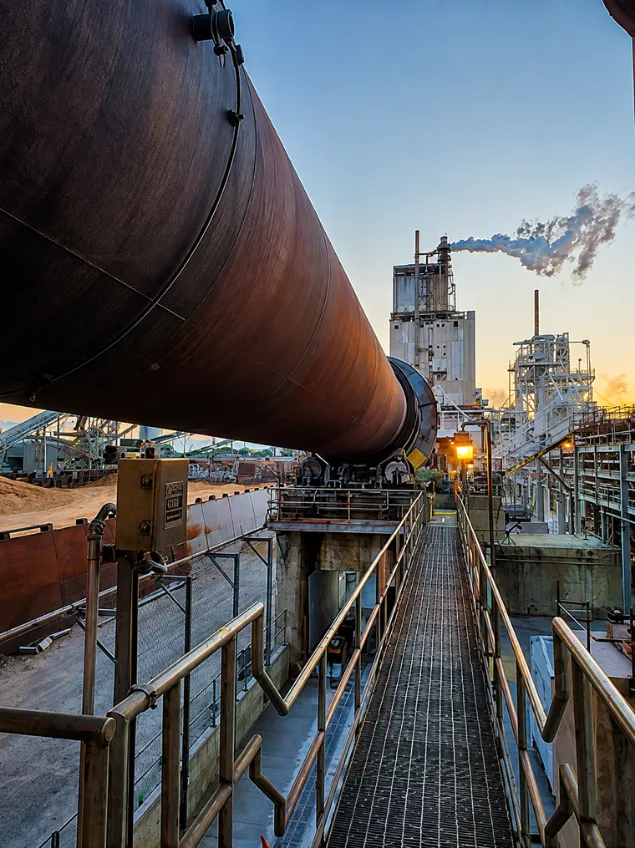
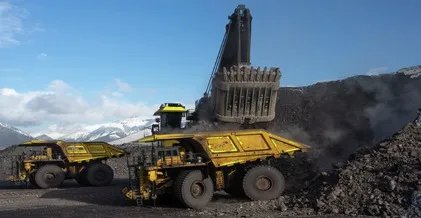
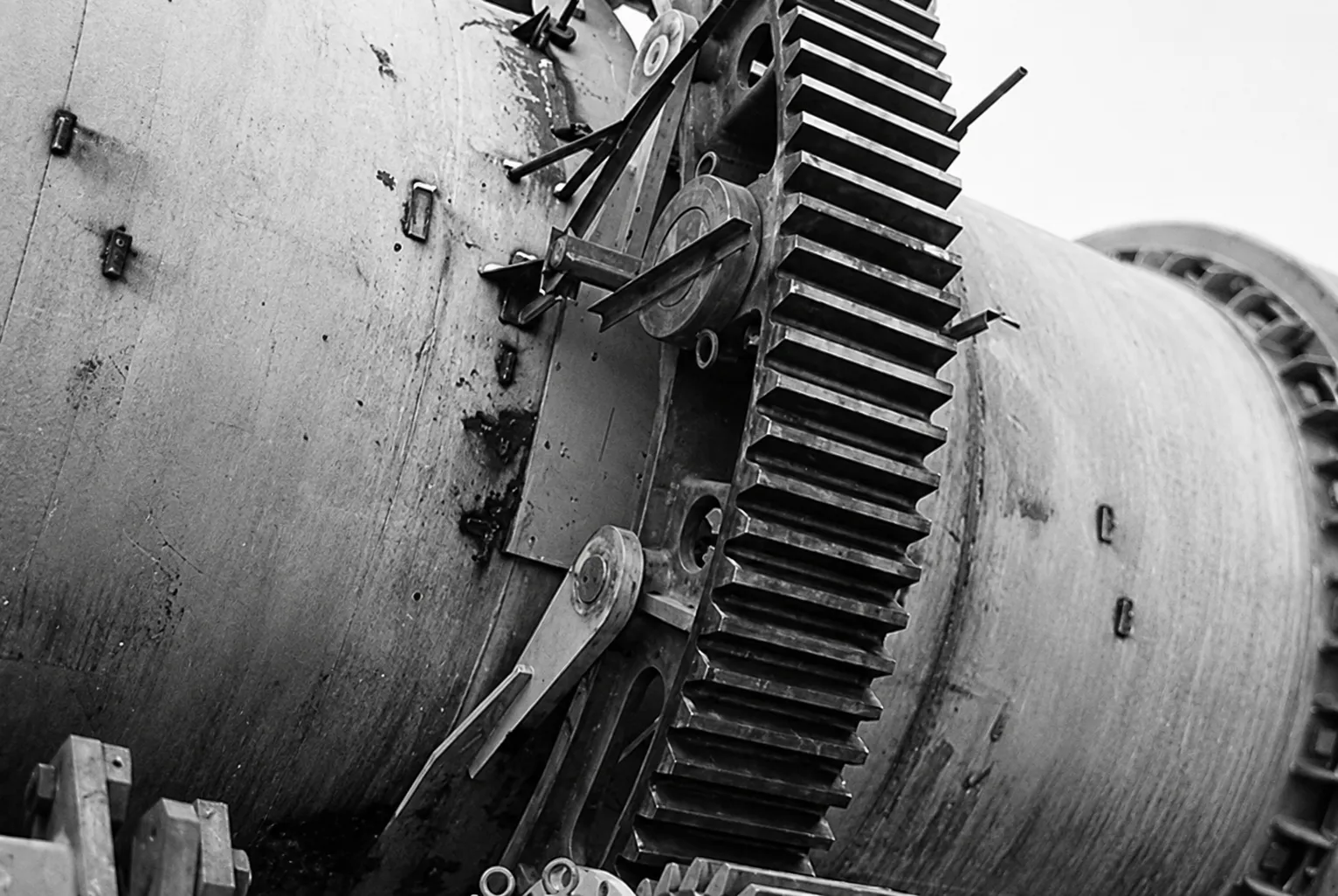
Open gear lubrication is meant for those big, slow-moving gear systems you find in cement plants, mining mills, sugar mills, and power generation facilities. These gears have to deal with:
Really high loads
Low to moderate speeds
Mixed or boundary lubrication situations
Constant exposure to dirt and other contaminants
Since hydrodynamic lubrication, where a full oil film separates the surfaces, hardly ever happens, these open gear lubricants depend a lot on things like adhesion, extreme-pressure additives, and solid lubricants to keep the gear teeth safe.
The effectiveness of this lubrication system isn’t just about the lubricant itself. It also relies heavily on how the
gear tooth surfaces are, especially their roughness.
W H A T I S S U R F A C E R O U G H N E S S ( R A ) A N D W H Y I T M A T T E R S
Surface roughness (Ra) is the arithmetic average of the microscopic peaks and valleys on a surface, typically measured in micrometers (µm). Even surfaces that appear smooth to the naked eye are full of microscopic asperities.
In open gears, Ra plays a crucial role because:
Gear teeth rarely achieve full fluid film separation
Load is carried partially by surface asperities
Lubricant film thickness is comparable to surface roughness
In simple terms, the lubricant film and surface roughness are constantly interacting. If surface roughness is too high or too low, film stability suffers.
T H E R O L E O F S U R F A C E R O U G H N E S S I N O P E N G E A R G R E A S E P E R F O R M A N C E
Lubricant Adhesion and Retention
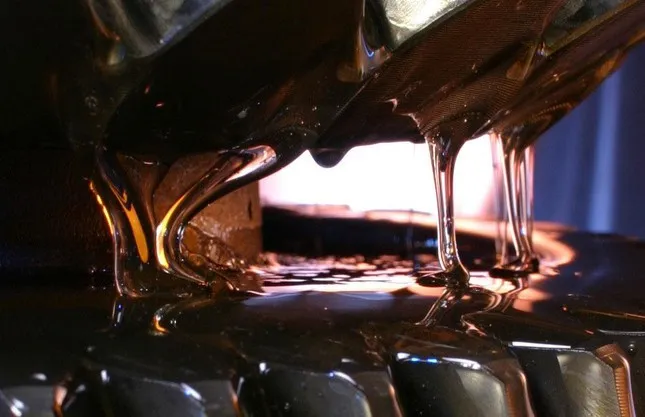
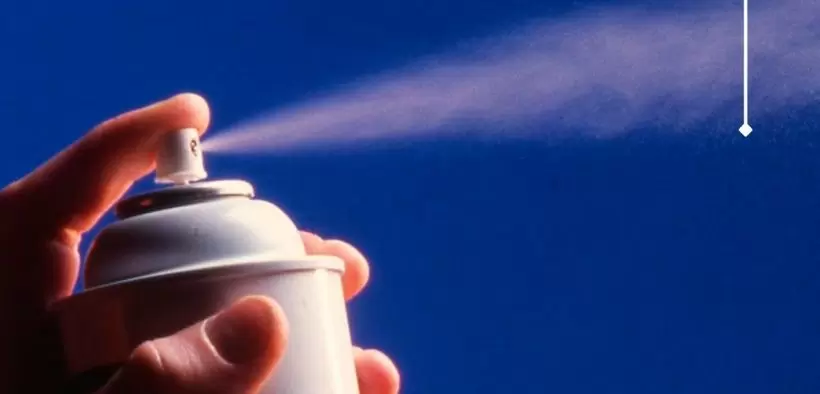
A certain level of surface roughness actually helps open gear lubrication. Microscopic valleys act like tiny reservoirs that hold lubricant in place. This improves adhesion, especially for spray-applied and semi-fluid open gear lubricants.
Load Distribution Across Gear Teeth
Surface roughness directly affects how load is distributed at the tooth contact zone.
Rough surfaces concentrate load at asperity peaks
Smooth surfaces distribute load more evenly
However, in open gears, perfectly smooth surfaces are not ideal. Why? Because under boundary lubrication, some asperity contact is inevitable. If the surface is too smooth, lubricant starvation and film collapse may occur during shock loading.
Interaction with Solid Lubricants
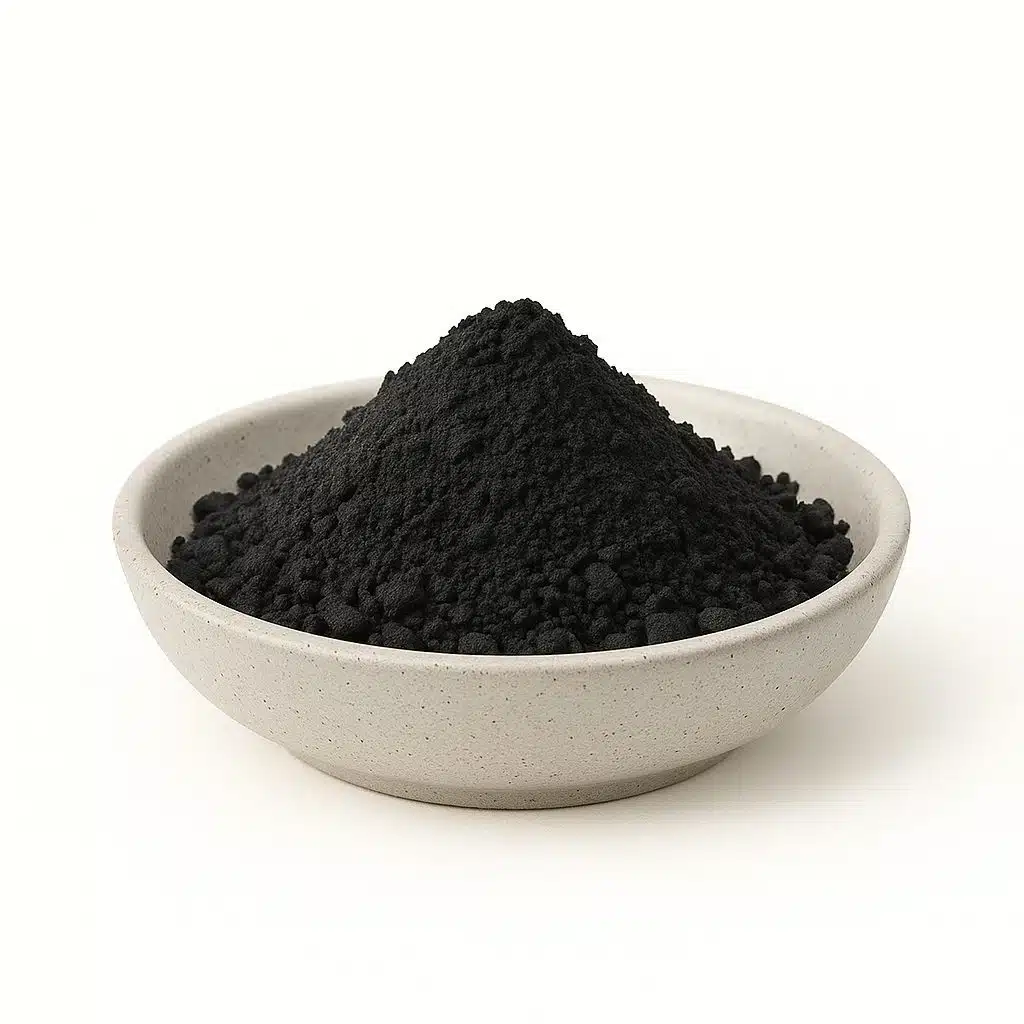
Many open gear lubricants contain solid lubricants such as graphite or molybdenum disulfide (MoS₂). These solids embed themselves into surface valleys.
Moderate Ra allows solids to embed and form a sacrificial protective layer
Excessive roughness causes solids to shear off prematurely
Extremely smooth surfaces prevent proper solid film anchoring
Thus, Ra strongly influences how well solid lubricants contribute to long-term protection.
L U B R I C A N T F I L M B E H A V I O R A T D I F F E R E N T S U R F A C E R O U G H N E S S L E V E L S
Low Surface Roughness (Low Ra – Very Smooth Surfaces) Typical Characteristics:
Ra < 0.8 µm
Polished or ground surfaces Lubrication Film Behavior:
Thin lubricant film with poor retention
Increased risk of lubricant starvation
Reduced ability to hold solid lubricants
Moderate Surface Roughness (Optimal Ra Range) Typical Characteristics:
Ra ≈ 1.6–3.2 µm (application dependent) Lubrication Film Behavior:
Stable mixed lubrication regime
Strong lubricant adhesion
Effective solid lubricant embedding
This roughness range is often ideal for open gears, especially girth gears operating under heavy loads.
High Surface Roughness (High Ra – Rough Surfaces) Typical Characteristics:
Ra > 4.0 µm
Worn or poorly finished gear teeth Lubrication Film Behavior:
Disrupted lubricant film
High asperity contact
Increased heat generation
Excessive roughness overwhelms the lubricant film, pushing the system deeper into boundary lubrication and thereby increasing the risk of failure.
C O N C L U S I O N
For open gears, surface roughness is a critical factor in lubrication film stability. A moderate Ra allows proper lubricant adhesion, solid lubricant anchoring and balanced load distribution under boundary and mixed lubrication conditions. Surfaces that are too smooth or too rough destabilize the lubricant film and accelerate wear. Maintaining the correct surface roughness is therefore essential for reliable, long-term open gear performance.
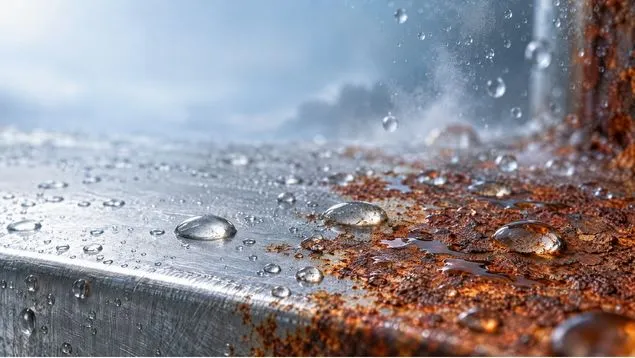
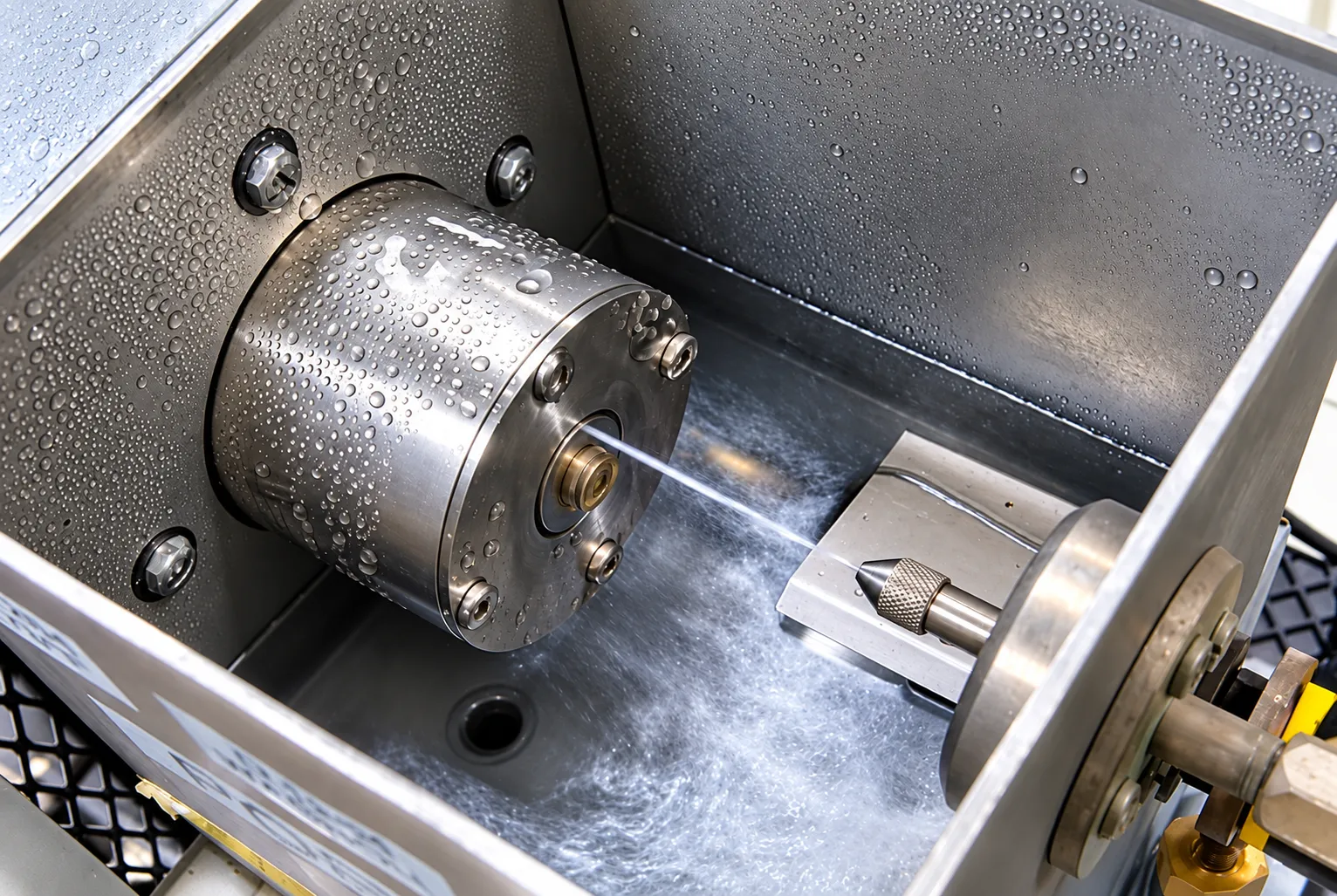



































![Gear Drive Lubricant Selection [Gearbox Lubricants]](https://mosil.com/assets/uploads/blog/blog_1788344519_6a97f8c75d604.webp)




![The Ultimate Guide To Grease Thickeners [Thickening Agents]](https://mosil.com/assets/uploads/blog/blog_1754991852_689b0cec60a8a.jpg)