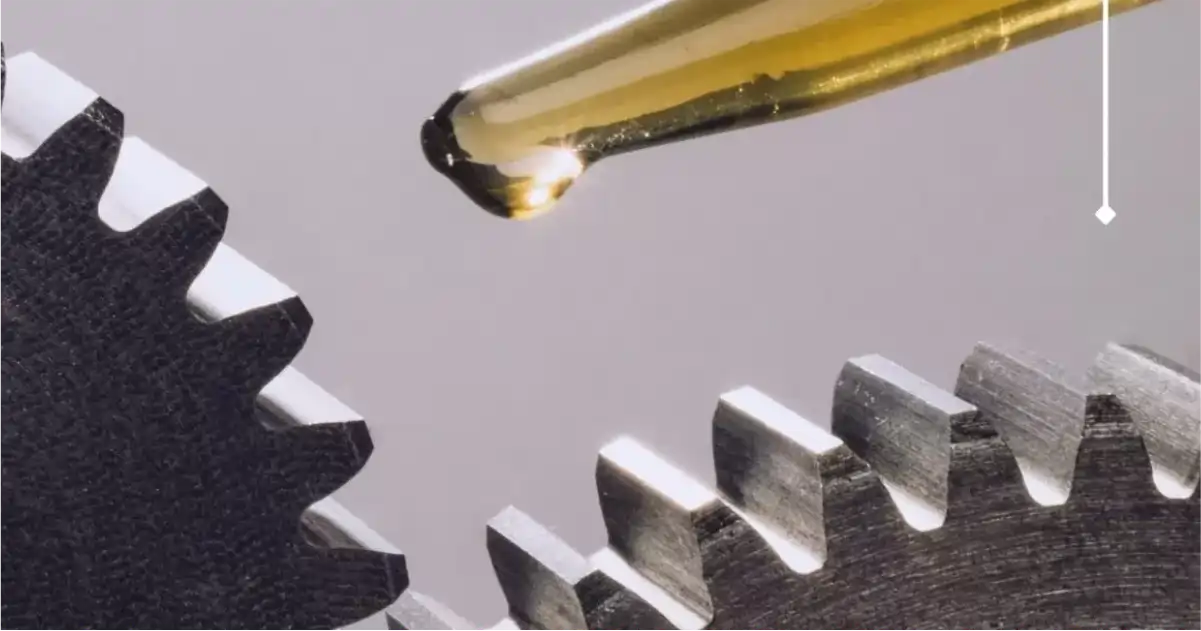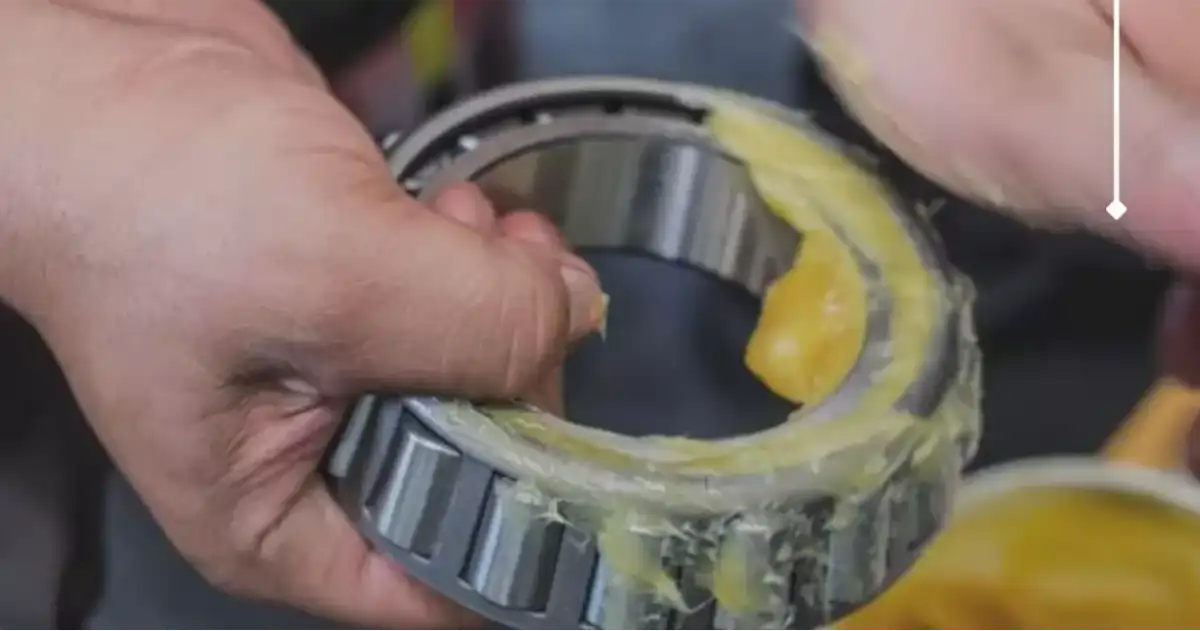


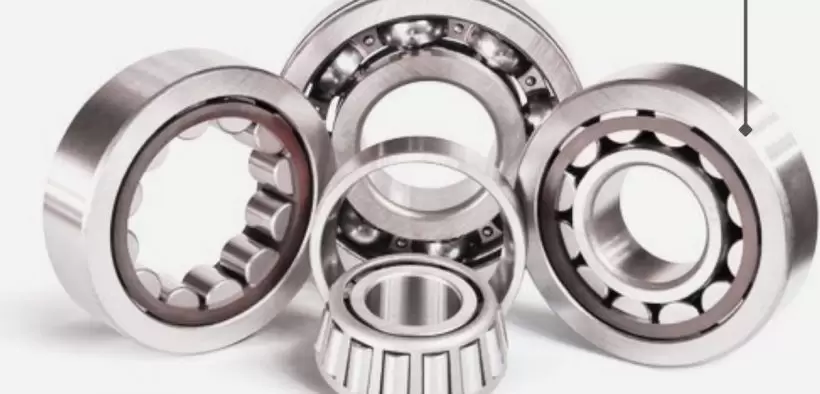
Proper maintenance of machinery relies heavily on the quality of lubricants used, making it essential to understand the shelf life and storage conditions of Industrial Oils & Greases.
What is the Shelf Life of Lubricants?
Shelf life refers to the period during which a properly sealed and stored lubricant maintains its quality without deterioration. Manufacturers indicate this by printing the expiration date on packaged containers, helping users know how long a product can be safely stored and used.
It is essential to differentiate between shelf life and service life:
Shelf life is the duration a lubricant can remain stable in storage.
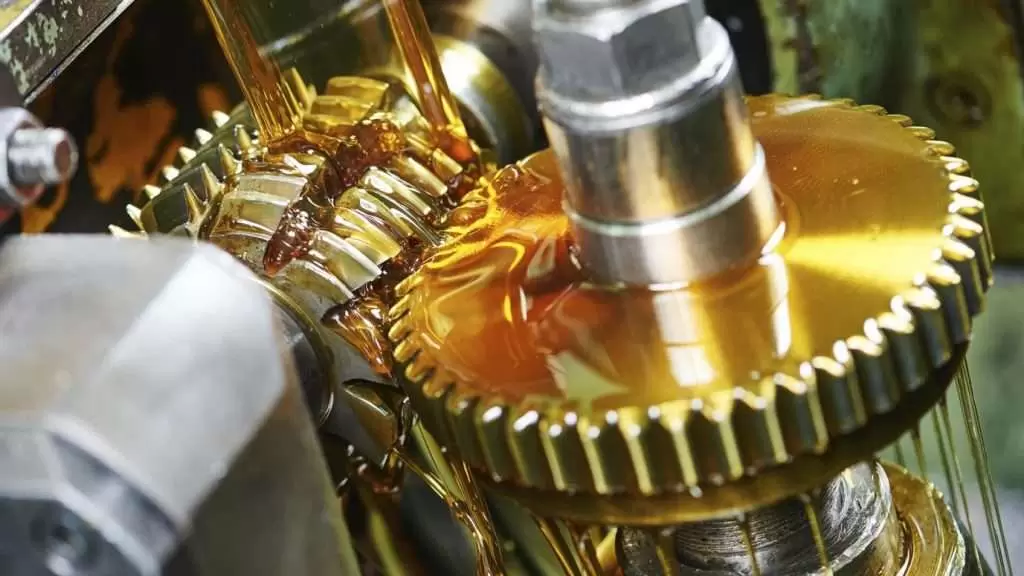
Service life refers to how long the lubricant remains effective when in use within machinery or equipment.
Opening a lubricant’s container affects its shelf life, as exposure to environmental factors accelerates degradation.
How Shelf Life is Decided by Manufacturers:
Formulation of the Lubricant: The composition of base oils, thickeners (in the case of greases) and additives can determine how long the product will last in storage. Synthetic grease generally have longer shelf life compared to mineral-based oils due to better oxidative stability. Additives like Anti-oxidants, corrosion inhibitors, and stabilizers can help prolong the shelf life.
Laboratory Testing: Manufacturers conduct various tests to simulate aging and environmental conditions that the lubricant may be exposed to over time. Common tests include Oxidation stability, Evaporation loss tests & Oil Separation test in case of greases.
Packaging: The type and quality of packaging also plays a role in determining the shelf life. Properly sealed containers prevent moisture ingress and exposure to air, which can degrade the product.
Standards and Regulations: Manufacturers often follow industry standards for determining and labeling the shelf life of lubricants.
Typical Shelf Life:
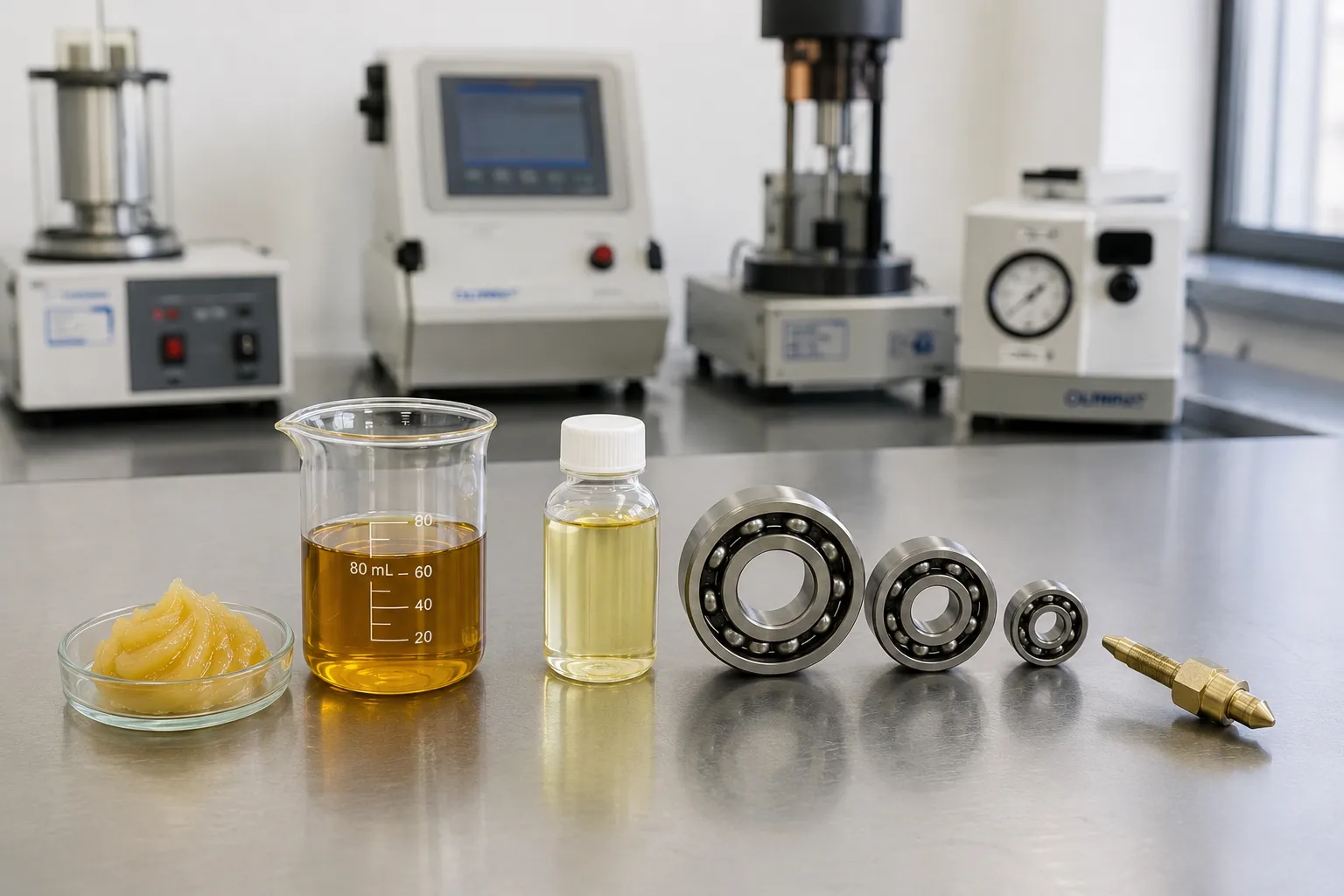
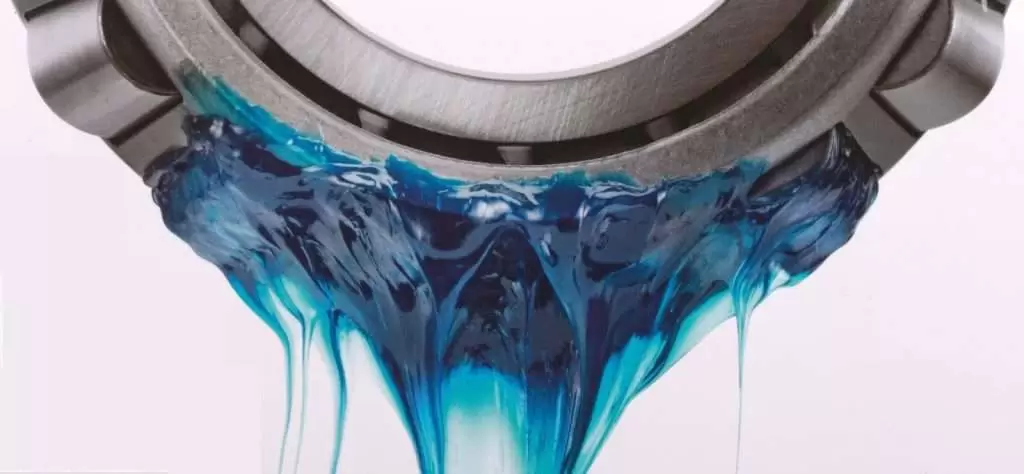
The shelf life of grease and oil differs due to a number of factors, including the type of lubricant, its composition, and the storage conditions. Greases have a shorter shelf life than oils because of the thickeners they contain.
Greases: Typically up to 5 years, but it varies based on composition and storage conditions.
Industrial Oils: Generally have a shelf life of 5 or more than 5 years, though it can be shorter for certain specialized oils with sensitive additives.
Effect of Storage Conditions on Shelf Life of the Industrial lubricants :
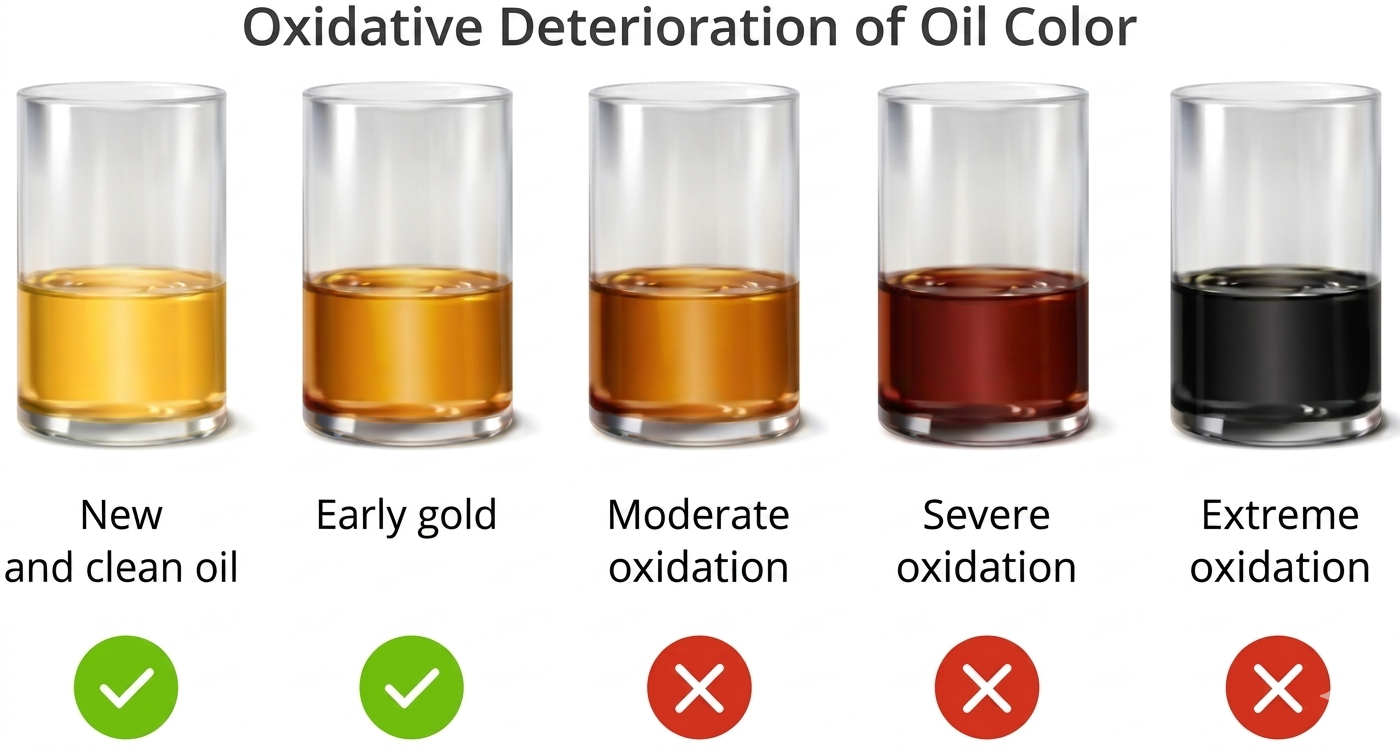
The storage environment plays a significant role in determining the shelf life and stability of lubricants and greases. Oxidation occurs when the lubricant comes into contact with air. Extreme temperatures above 45°C accelerates oil oxidation, while temperature in minus can lead to wax formation or sediment. Fluctuating temperatures can also cause drum "breathing," allowing moisture to enter. Storing lubricants outdoors increases the risk of condensation or water ingress, especially in barrels stored in vertical position.
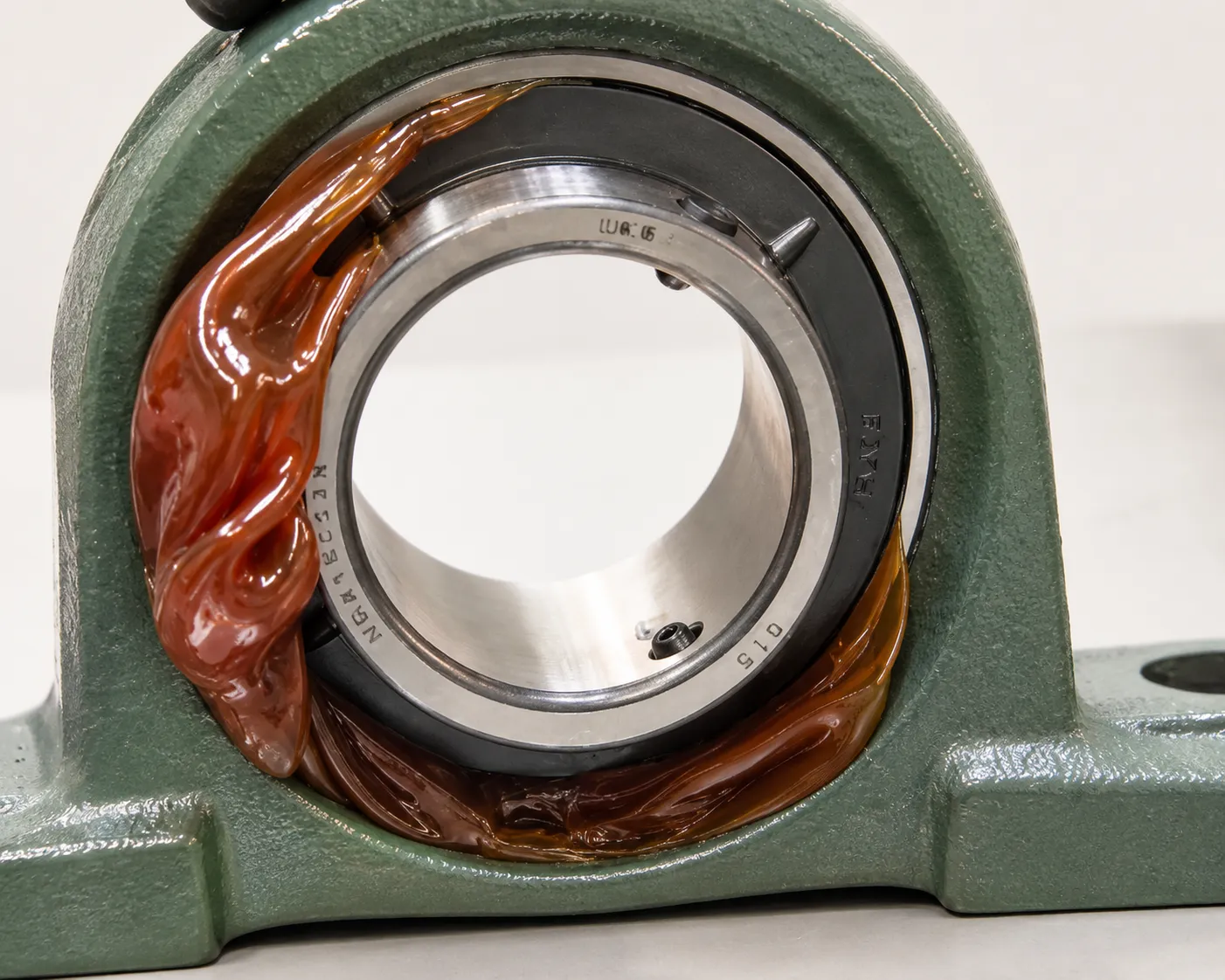
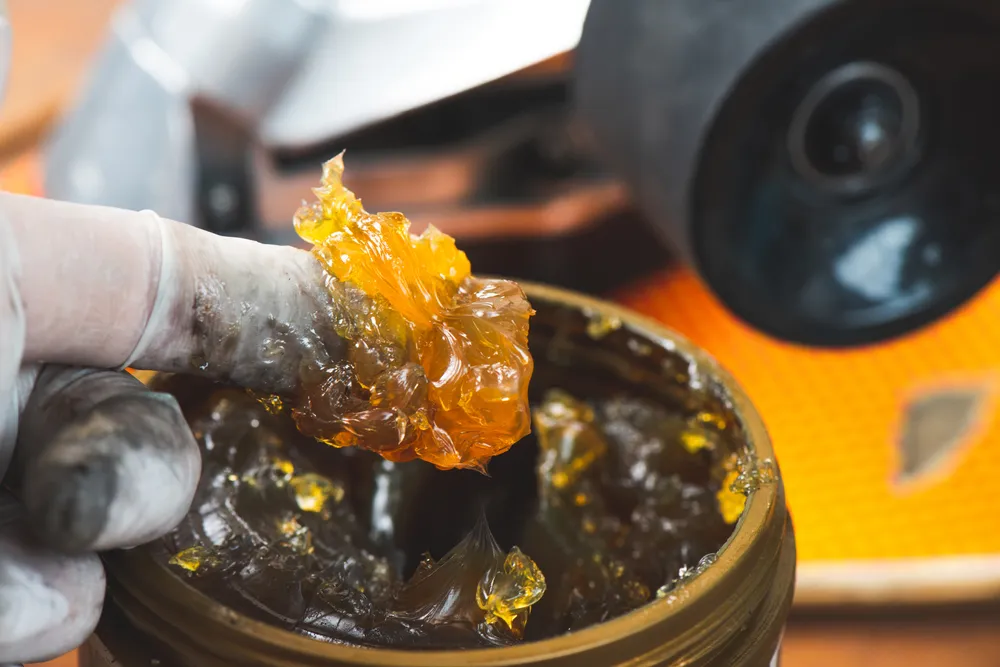
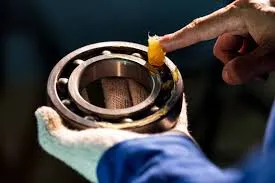
In the case of grease, properties can change during storage depending on the thickener, base fluids, and additives used. A common issue affecting greases is oil separation, as oil tends to naturally separate from most of the greases. This process can be accelerated at temperatures above 45°C. When grease is taken from drums or pails, it is advisable to smoothen and level the surface of the remaining grease to prevent oil from separating into the cavity.
Guidelines for Storing Industrial Lubricants :
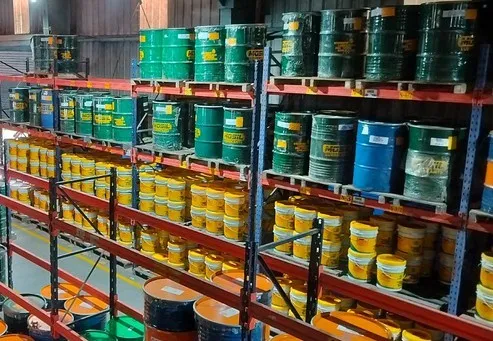
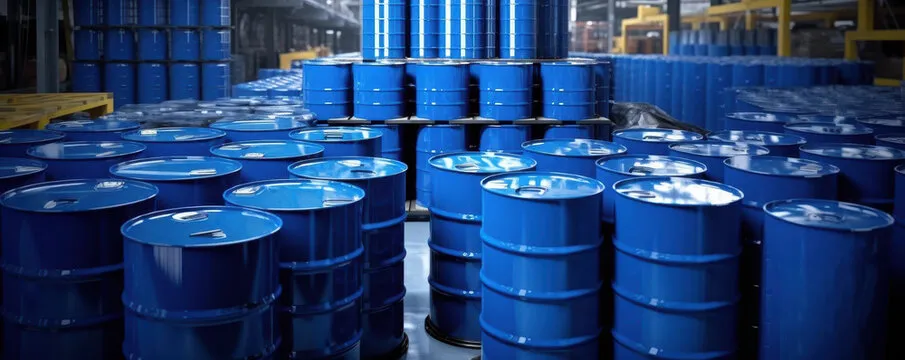
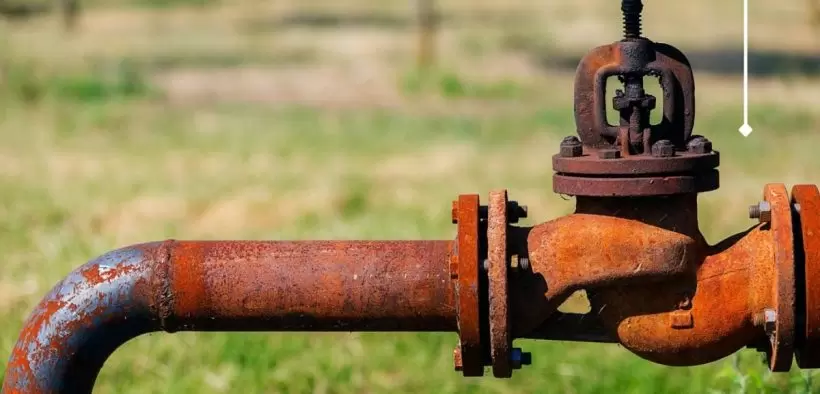
Containers should remain sealed until use to prevent exposure to light, water, air and particulate contamination. Additionally, lubricant containers should be stored indoors in dry, cool and clean environments. Normal storage temperature should range from 0°C to 30°C. Lubricants should ideally be stored at a constant, moderate temperature, but if the outdoor storage is unavoidable, protecting lubricants from extreme temperatures and water ingress can help prevent damage. Lubricants sensitive to frost, such as oil / water emulsions, need extra protection in temperatures below 0°C. Certain products, including insulating oils, refrigerator oils, aviation oils, and greases, should never be stored outdoor. When outdoor storage is necessary, drums should be tightly sealed, stored on their sides with bungs positioned at 9 and 3 o’clock to minimize moisture migration and seal drying. Barrels should be stored off the ground on racks or stilts to prevent rusting and avoid contact with corrosive surfaces.
Can Shelf Life of the lubricants be extended?
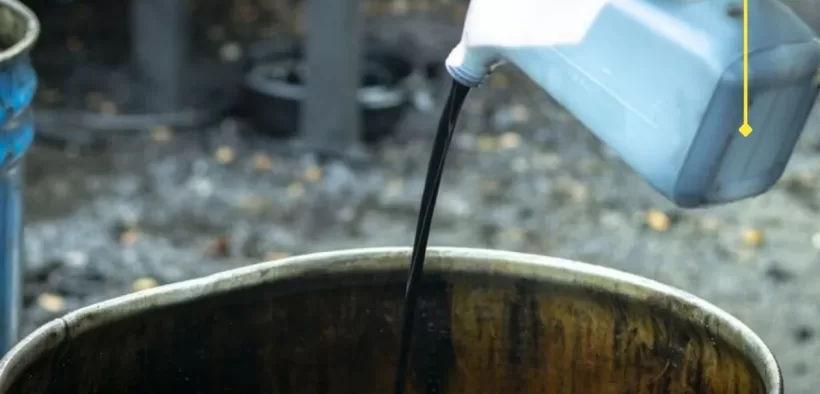
A product in an unopened container that has surpassed its estimated shelf life might still be fit for use. It should be tested and compared to the original product specifications. To ensure an accurate sample for testing, the container must be thoroughly mixed to achieve uniformity. If the test results align with the original specifications, the product is likely suitable for use. However, if the product is not used within a year after testing, it should be marked for reclamation or disposal.
CONCLUSION
Proper storage conditions are essential to maintain the quality and effectiveness of lubricants and greases. Temperature, light, moisture, and contamination can all significantly impact their shelf life and stability. To ensure your lubricants reach their maximum storage life, you can know the suggested storage time frames from your supplier, address the environmental conditions, keep drums appropriately and ensure drums are sheltered when stored.















































![Gear Drive Lubricant Selection [Gearbox Lubricants]](https://mosil.com/assets/uploads/blog/blog_1788344519_6a97f8c75d604.webp)





![The Ultimate Guide To Grease Thickeners [Thickening Agents]](https://mosil.com/assets/uploads/blog/blog_1754991852_689b0cec60a8a.jpg)