

Injection moulding is a widely used manufacturing process for producing complex and precise parts from a variety of polymers. The efficiency and quality of the operation heavily depend on using the right industrial lubricants, mould release agents and cleaners tailored to the material being moulded. This blog delves into the types of injection molding operations and the corresponding industrial lubricants and products that can optimize performance.
What Are the Types of Injection Moulding?
Injection moulding can be classified based on the type of material being processed and the specific application requirements. The main types include thermoplastics injection moulding, thermosetting plastics injection moulding, rubber injection moulding, metal injection moulding (MIM), and ceramic injection moulding (CIM). Each type requires tailored processes and materials to achieve desired results, ensuring efficiency, precision, and quality in production.
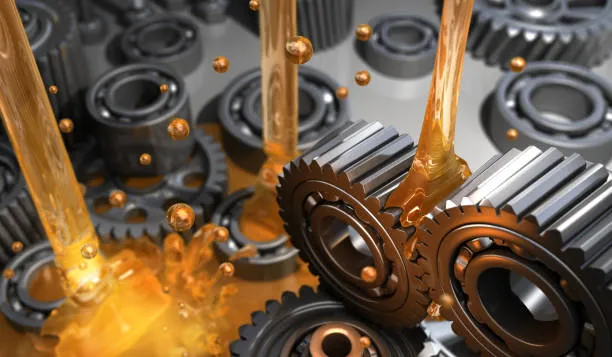
Why Lubrication Matters: The Importance of Industrial Lubricants in Equipment Reliability
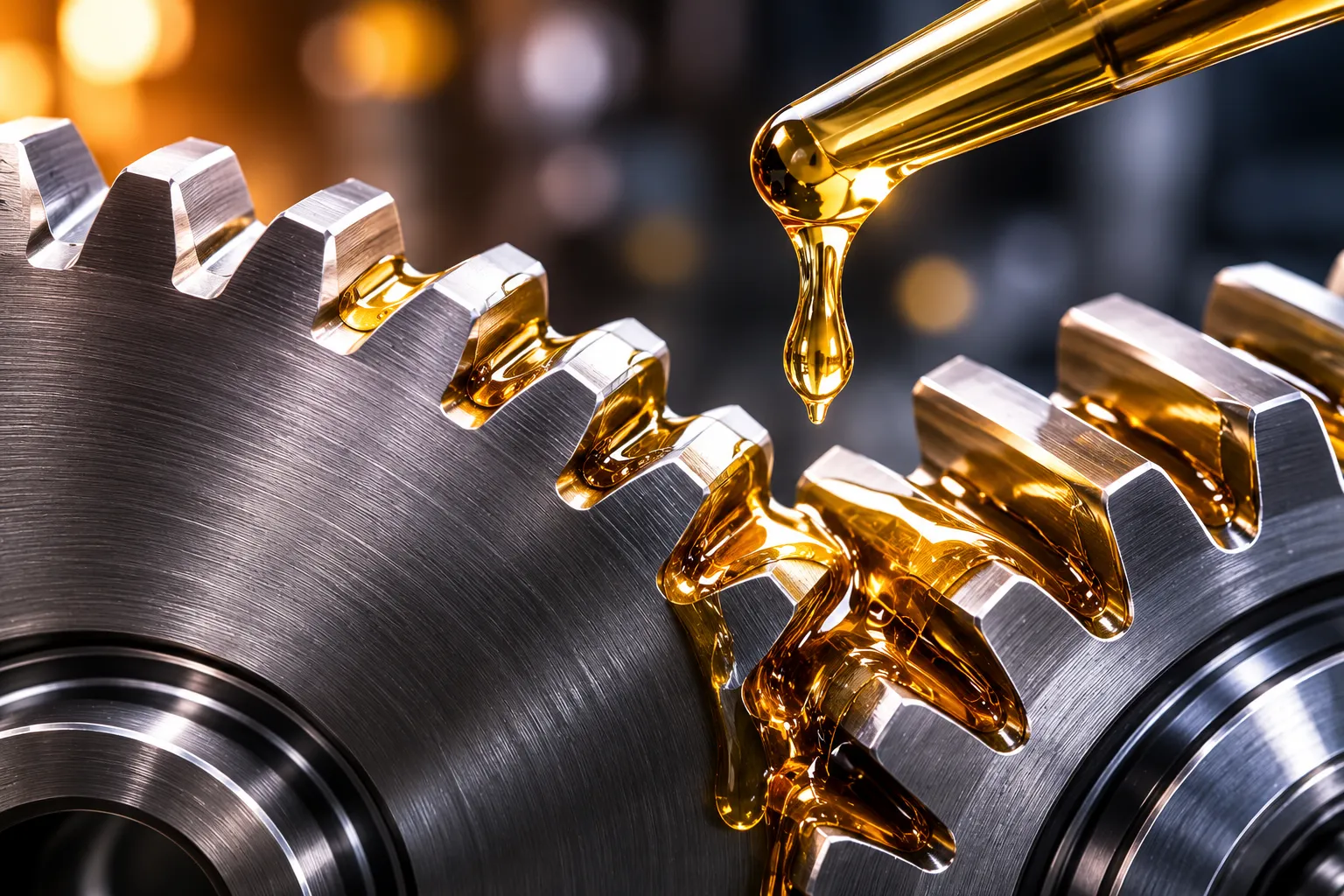
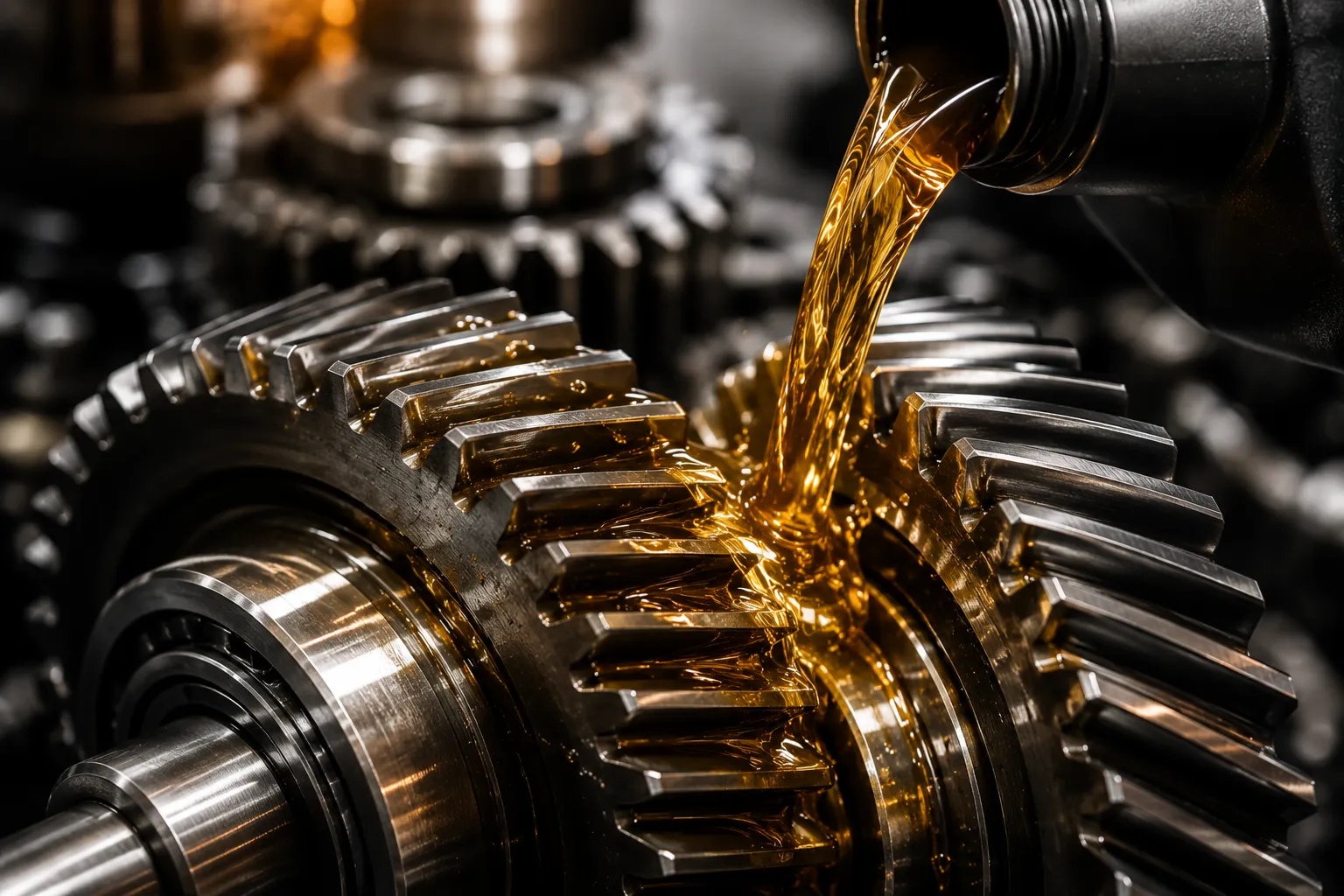
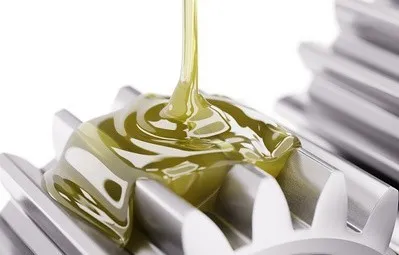
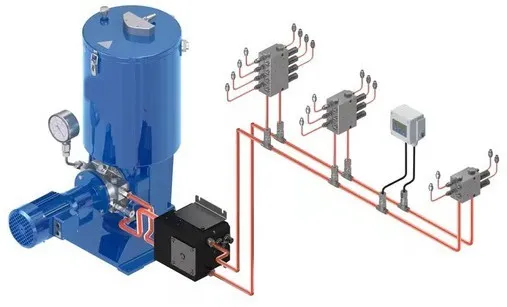
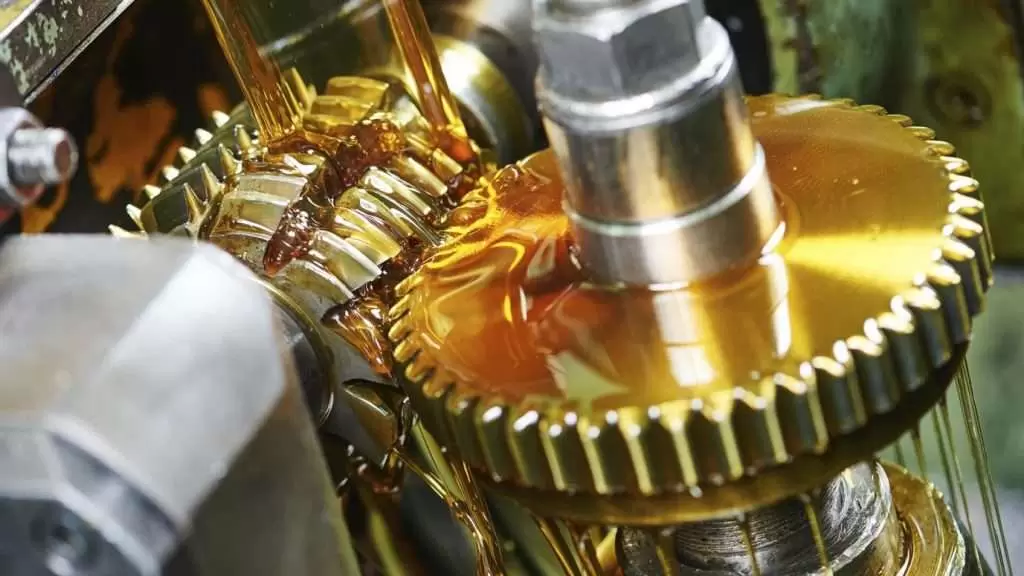
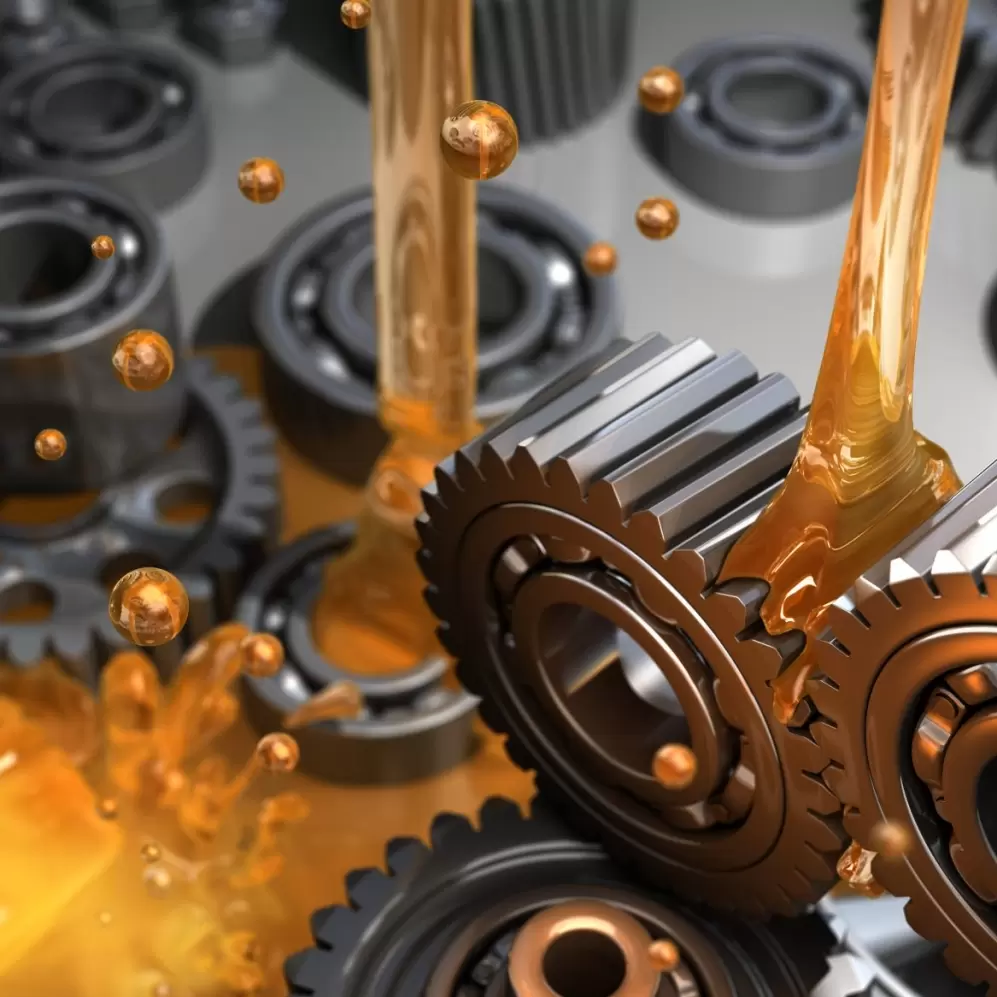
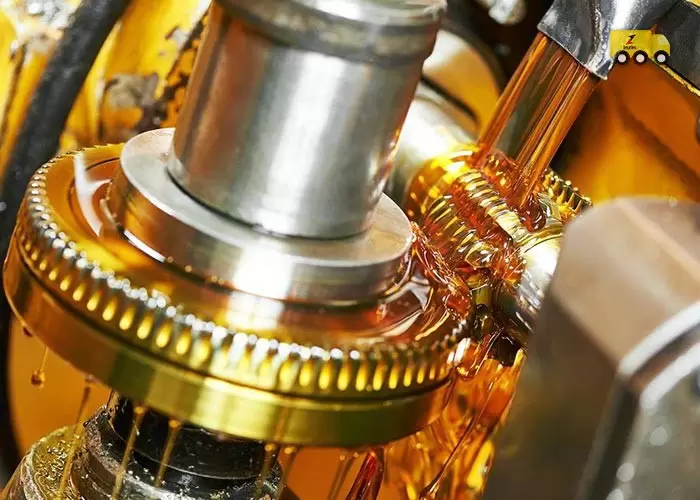
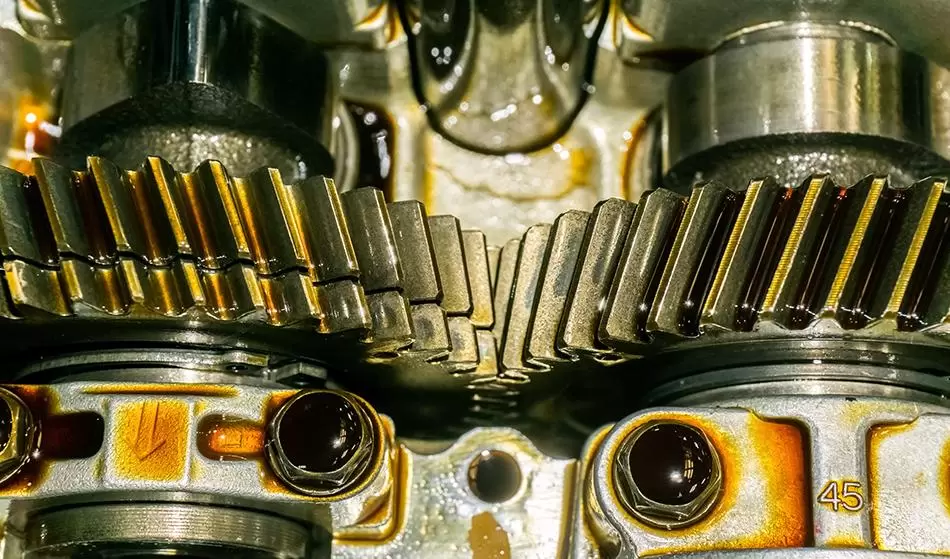
Injection molding machines—whether hydraulic, electrical or mechanical—have numerous moving parts that require regular lubrication. Key components like screw motor drives, reciprocating screws, clamps, tie bars, centralized lubrication system, heaters, thermocouples and ring plungers need preventative maintenance to ensure smooth operation.
Without adequate lubrication, both machine performance and part quality can be negatively impacted:
Increased Friction: Friction arises when mould tools encounter hot polymer injected under high pressure. Excessive friction can wear down parts, generate heat, cause unusual noises or vibrations and slow production speeds.
Reduced Part Quality: Insufficient lubrication can lead to moulded parts sticking to the mould cavity, surface imperfections or difficulty in removing the parts from the cavity—all of which can result in damaged or defective products.
Higher Repair Costs: Poor lubrication forces moving parts to work harder, increasing energy consumption and reducing machine efficiency. This accelerates wear, leading to frequent repairs or early replacements.
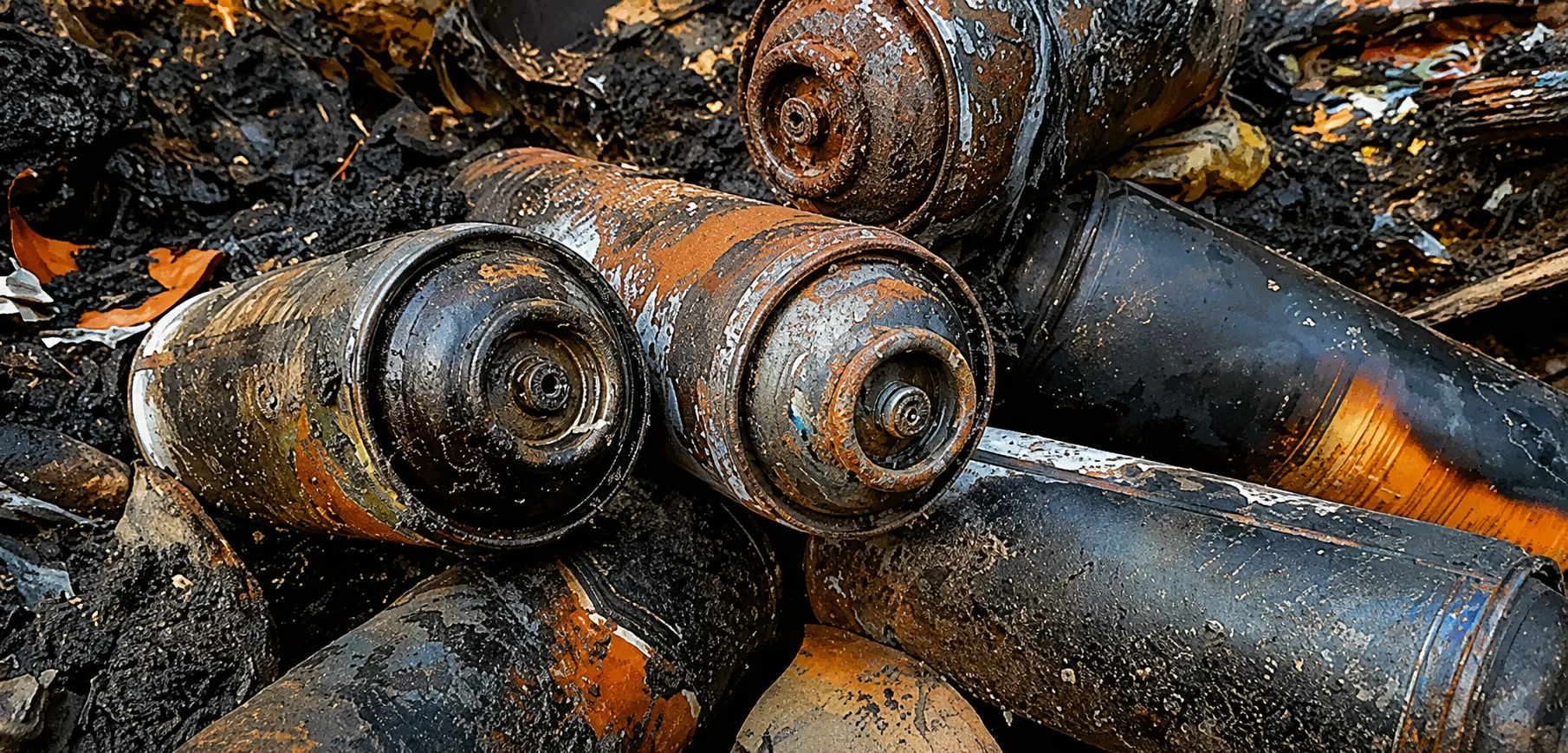
Equally important is the use of specialized injection mould cleaners to remove residues like industrial lubricants, release agents, or carbonized polymers that accumulate during production. Regular cleaning prevents contamination and ensures consistent part quality, while mould protection coatings (e.g., anti-rust films or non-stick treatments) safeguard against corrosion and wear, extending mould life. Together, proper lubrication, cleaning and protection create a balanced maintenance strategy, minimizing downtime.
Why the Type of Lubrication Matters
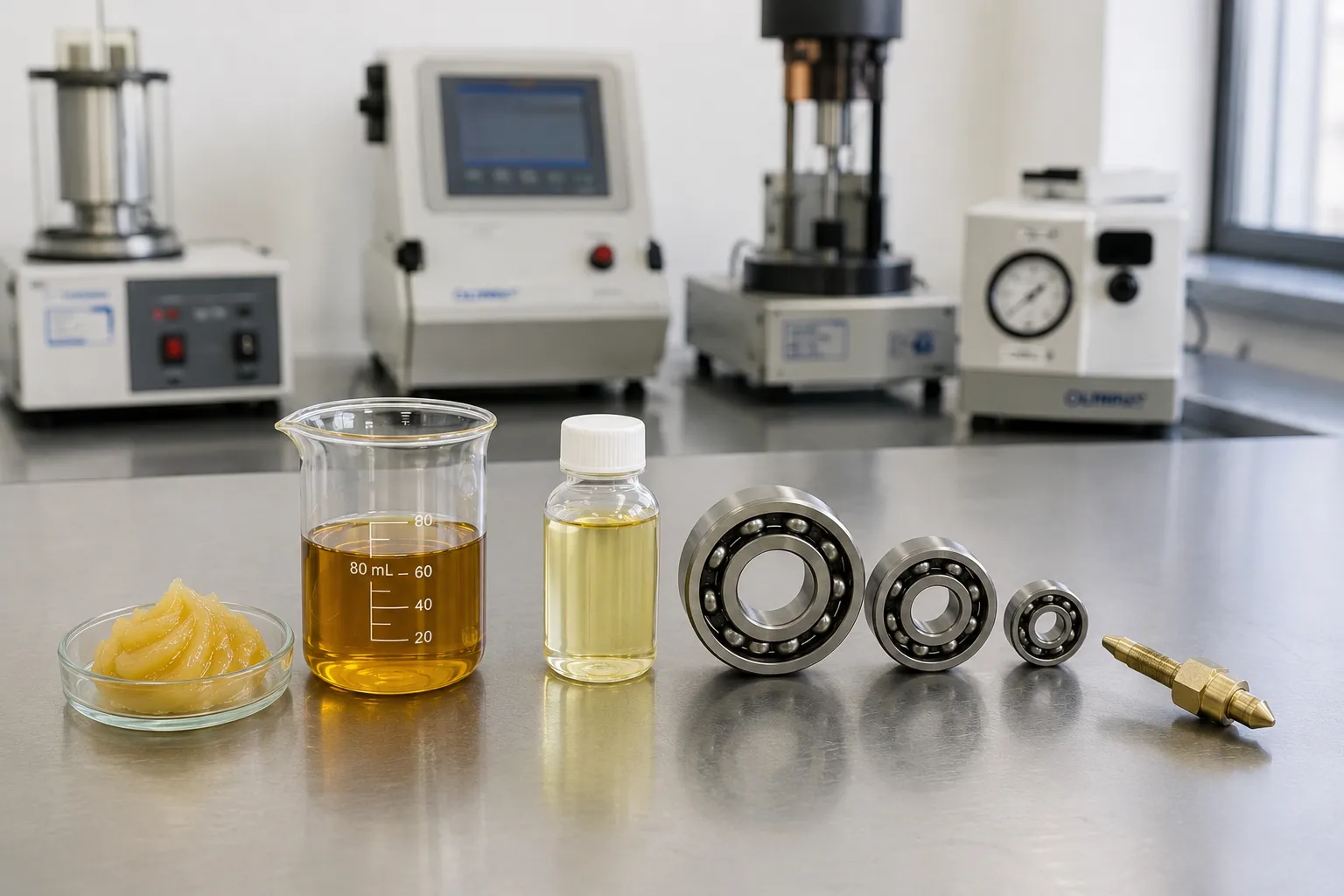
In injection moulding, selecting the appropriate lubricant is key to achieving optimal performance. Common types of lubricants include:
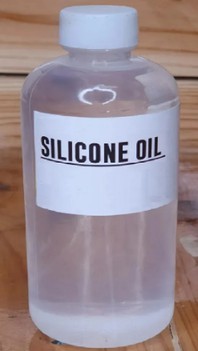
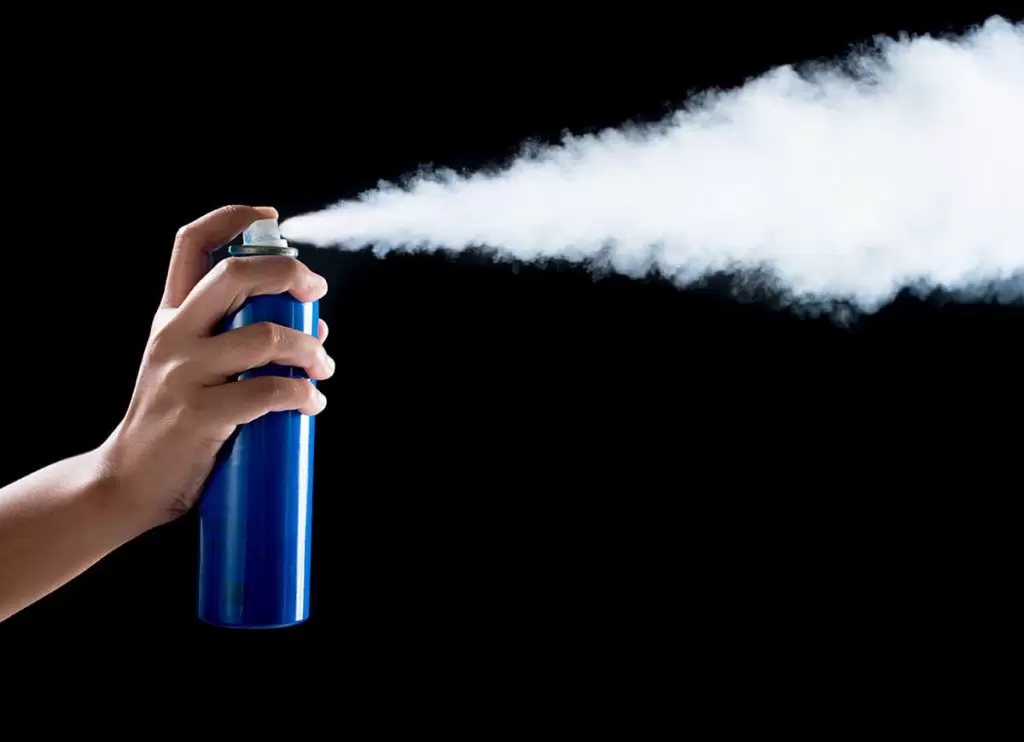
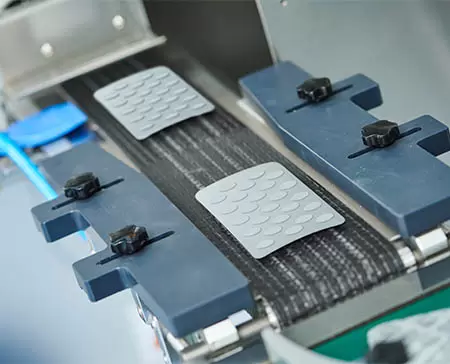
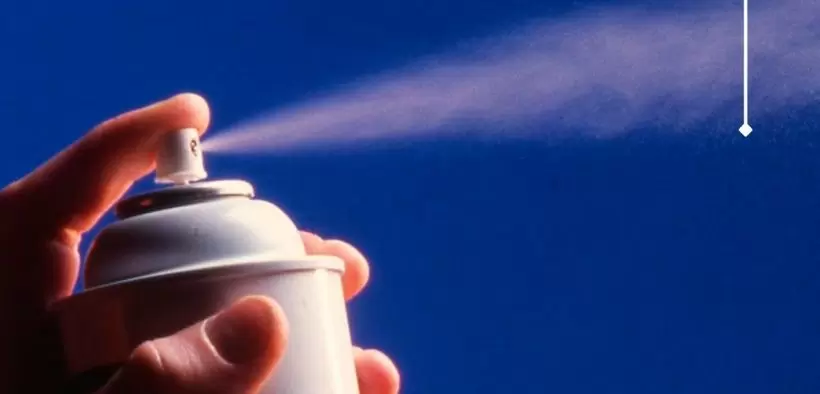
Mould Release Agents: Prevent parts from sticking to the mould cavity. Silicone-based agents are preferred for their heat resistance and plastic compatibility, while wax-based agents are a cost-effective option for simpler applications.
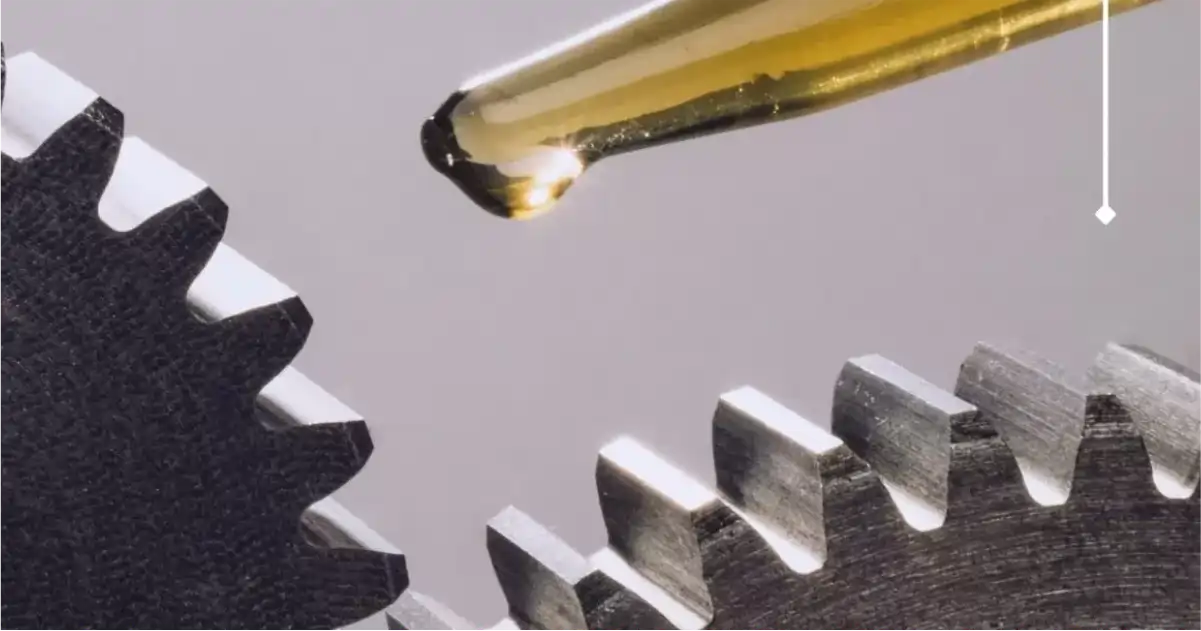
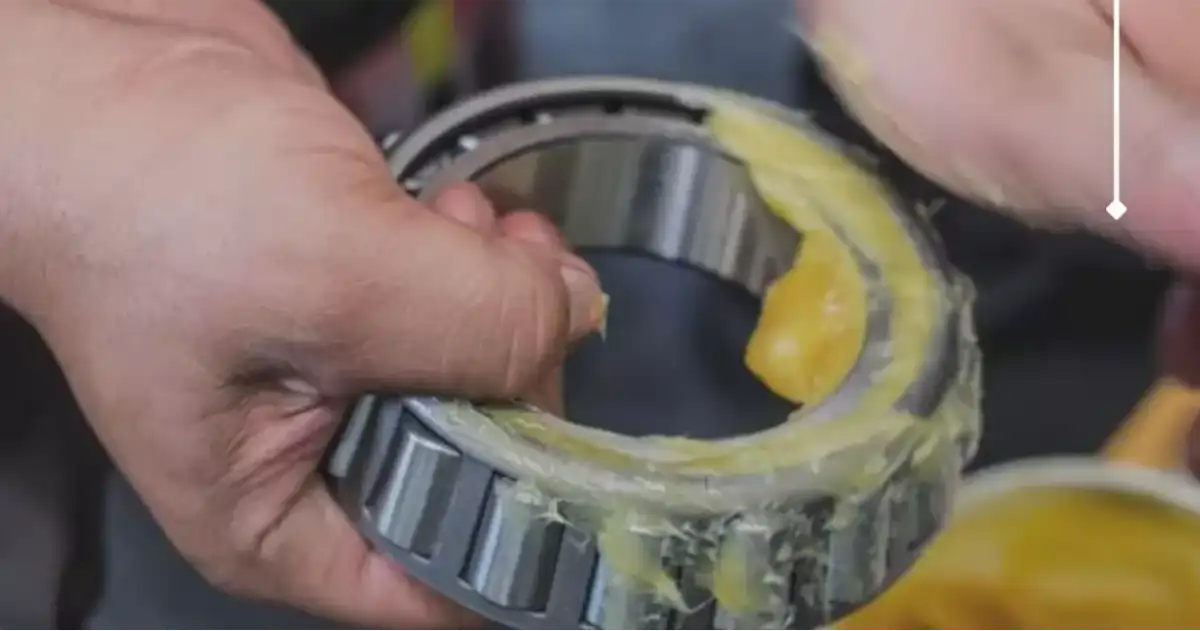
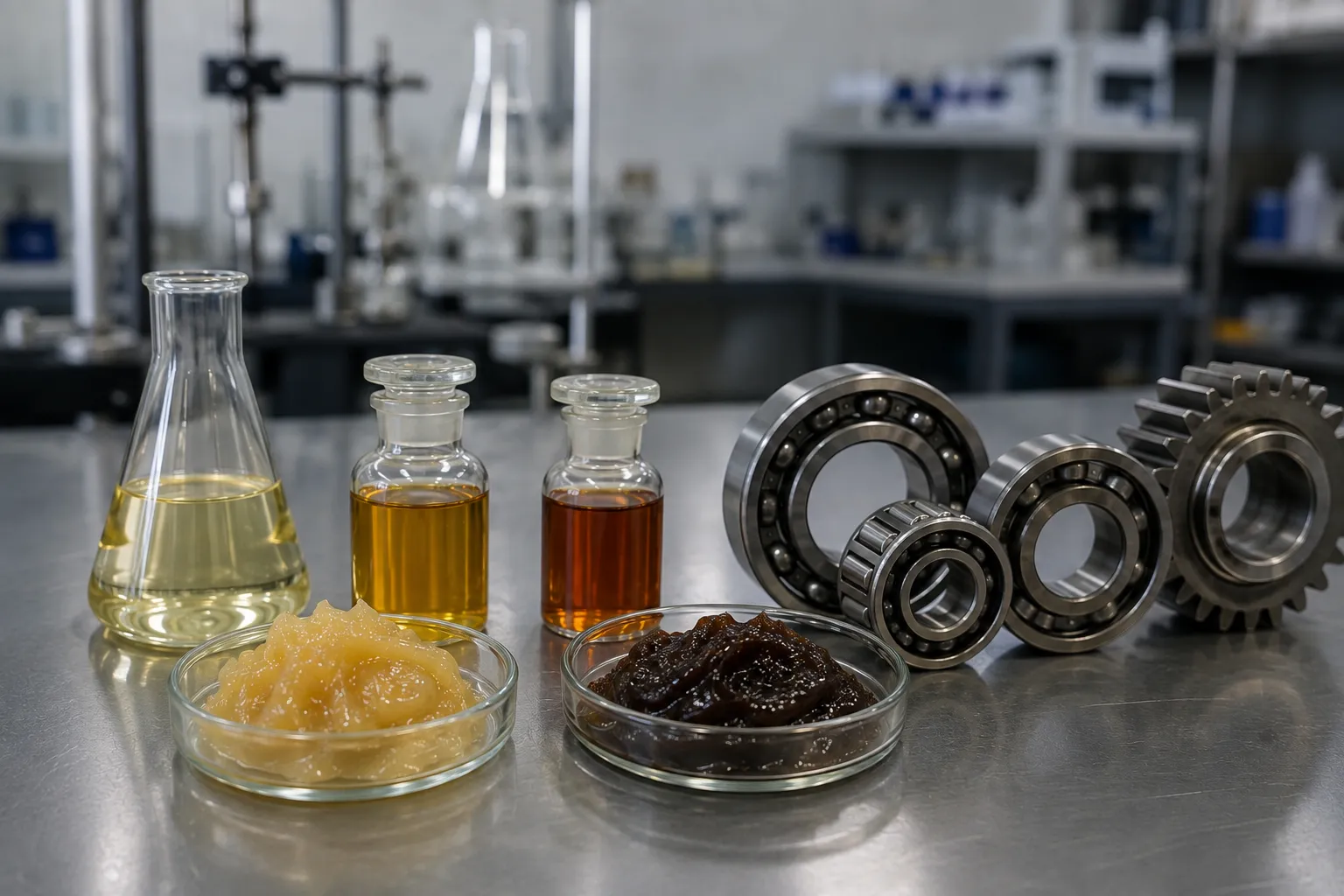
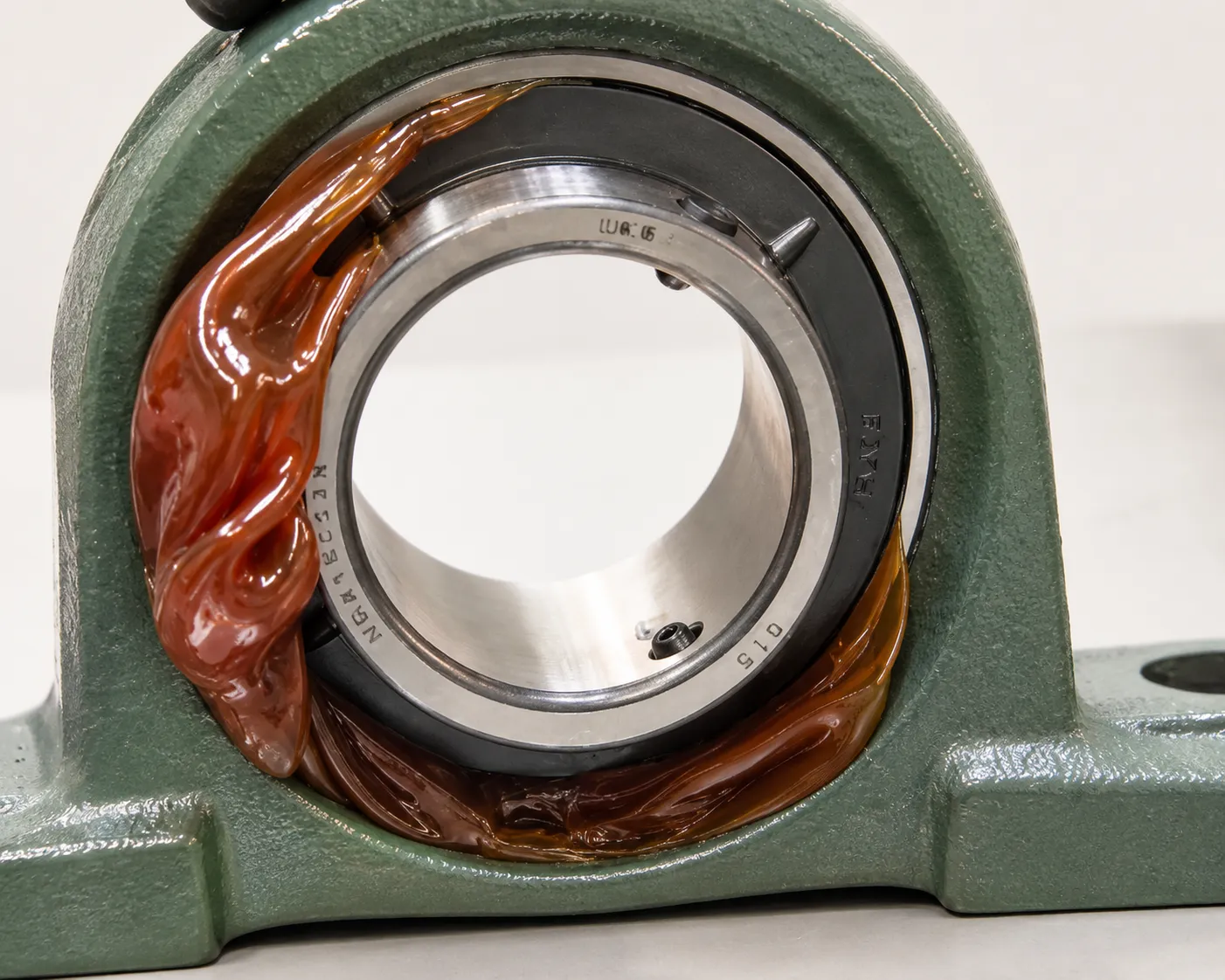
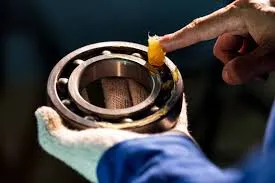
Lubricating Greases: Reduce friction in moving parts like pins, sliders and ejector mechanisms. Lithium greases are commonly used for their water resistance and heavy-load capacity, while synthetic greases offer excellent long-term performance.
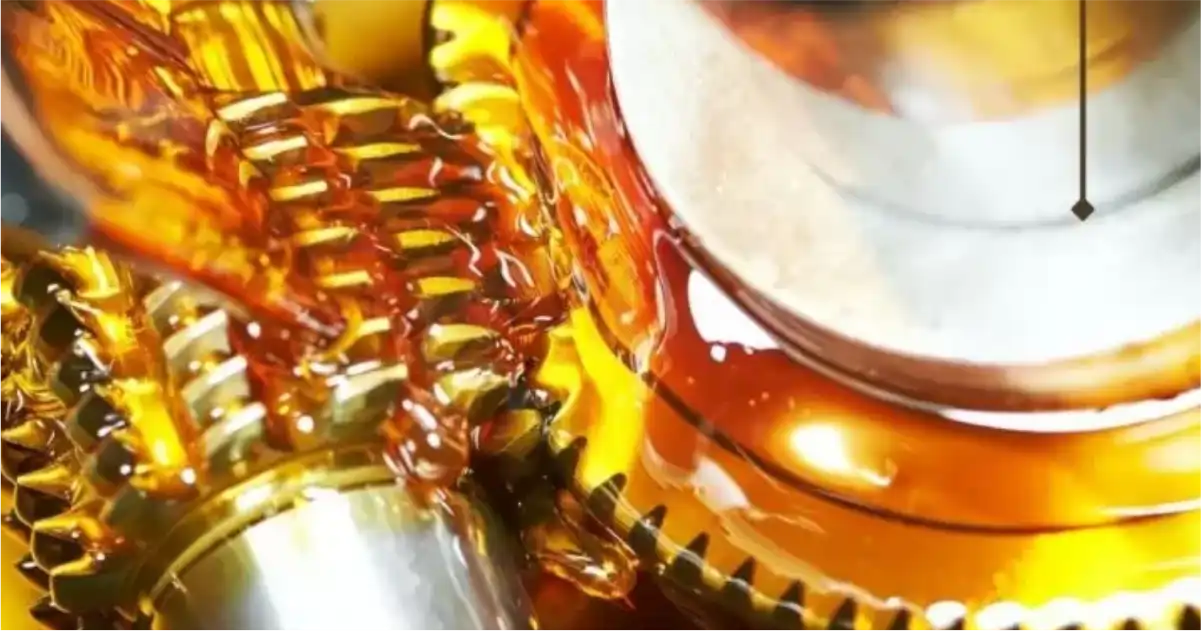
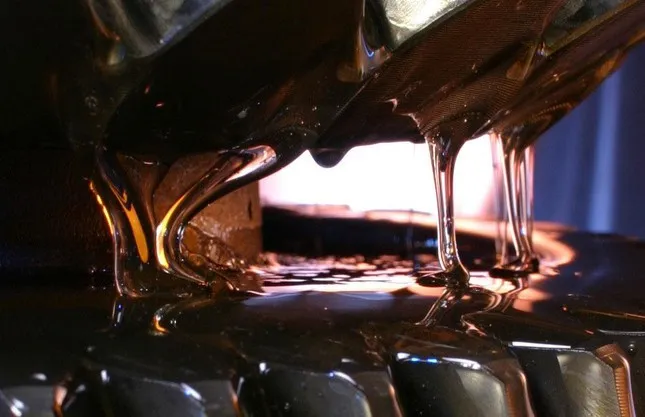
Hydraulic Fluids: Essential for power transmission in hydraulic systems, these fluids lubricate pumps, valves and cylinders to ensure precise mould clamping pressure and injection force.
Why Application and Maintenance Matters
Even with the right lubricant, proper application and maintenance are crucial:
Mould Release Agents: Ensure consistent coating across the mould surface. Over-application can cause bleeding into the part, while under-application may lead to parts sticking.
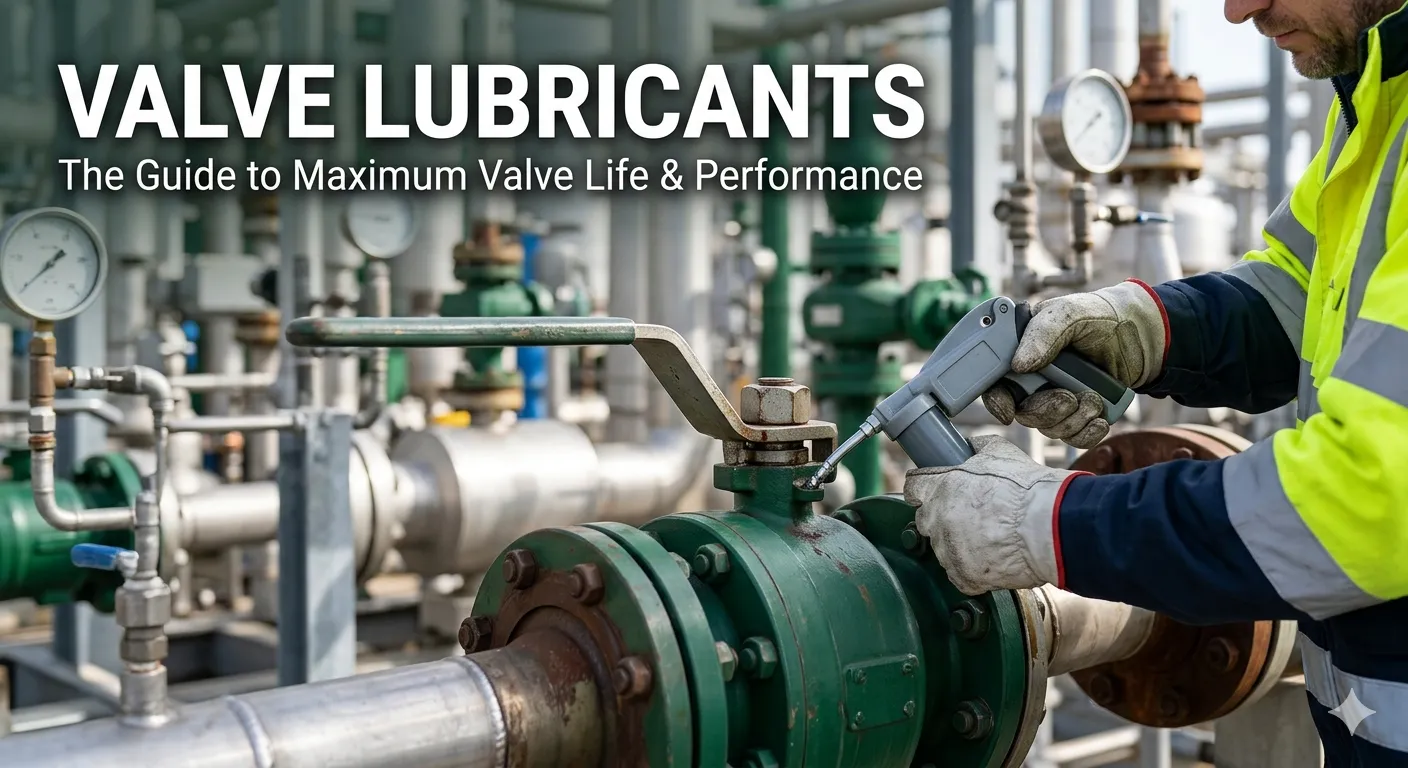
Lubricating Greases: Use a manual grease gun to apply a thin, even layer. Avoid over-greasing as excess grease can attract dirt, increase drag and contaminate moulded parts.
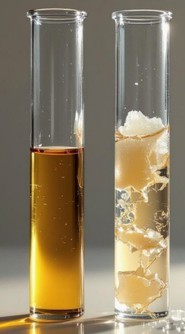
Hydraulic Fluids: Regularly monitor for contamination or degradation. Incorrect fluid viscosity can lead to overheating or reduced production efficiency.
Best Practices for Optimizing Injection Moulding Operations
Material-Specific Selection: Always choose lubricants, mould release agents and cleaners that align with the material properties and operating conditions.
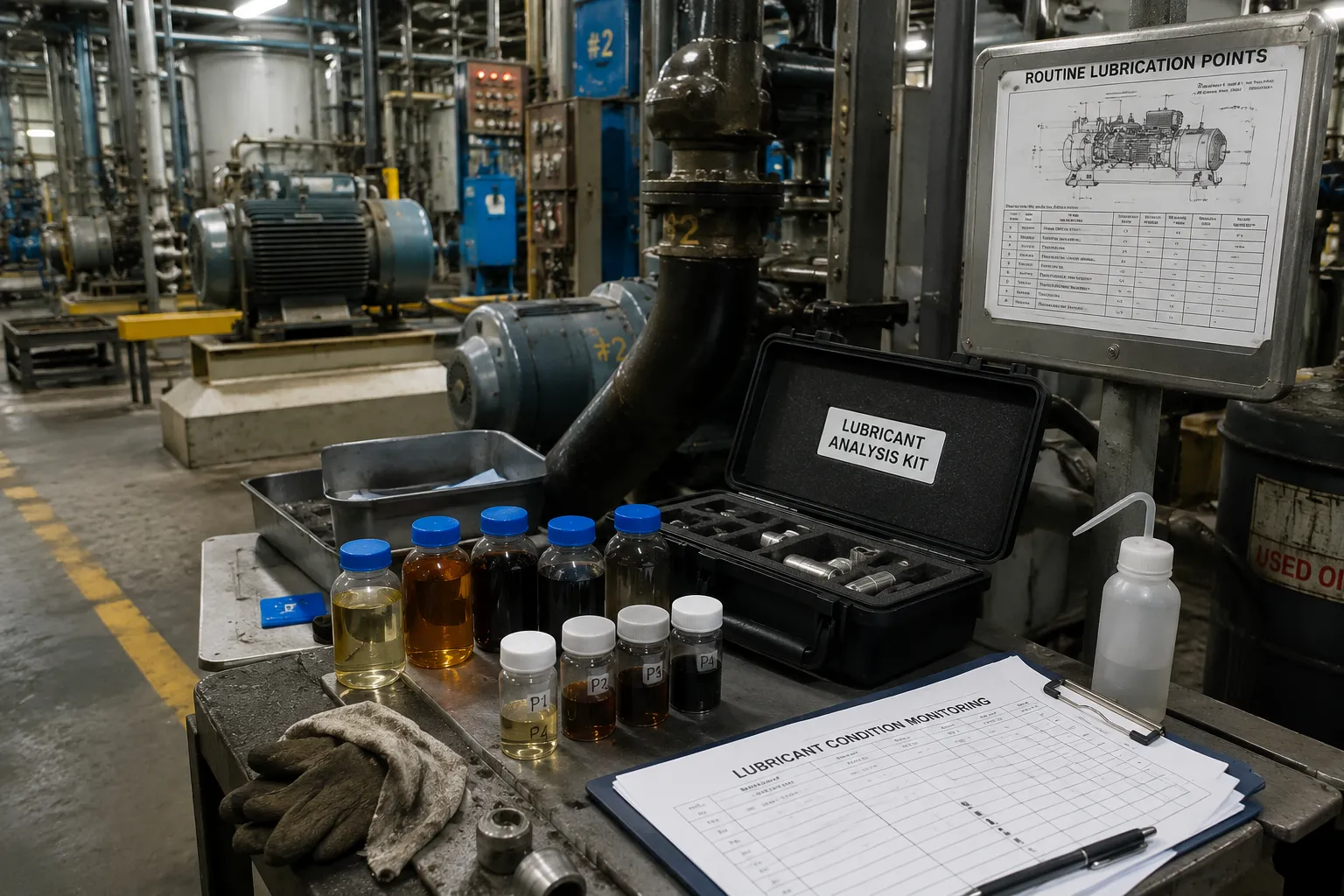
Preventive Maintenance: Regularly clean moulds and apply appropriate lubricants to extend equipment life and maintain consistent product quality.
Compatibility Checks: Ensure that the chosen products do not interfere with downstream processes such as painting, plating, or bonding.
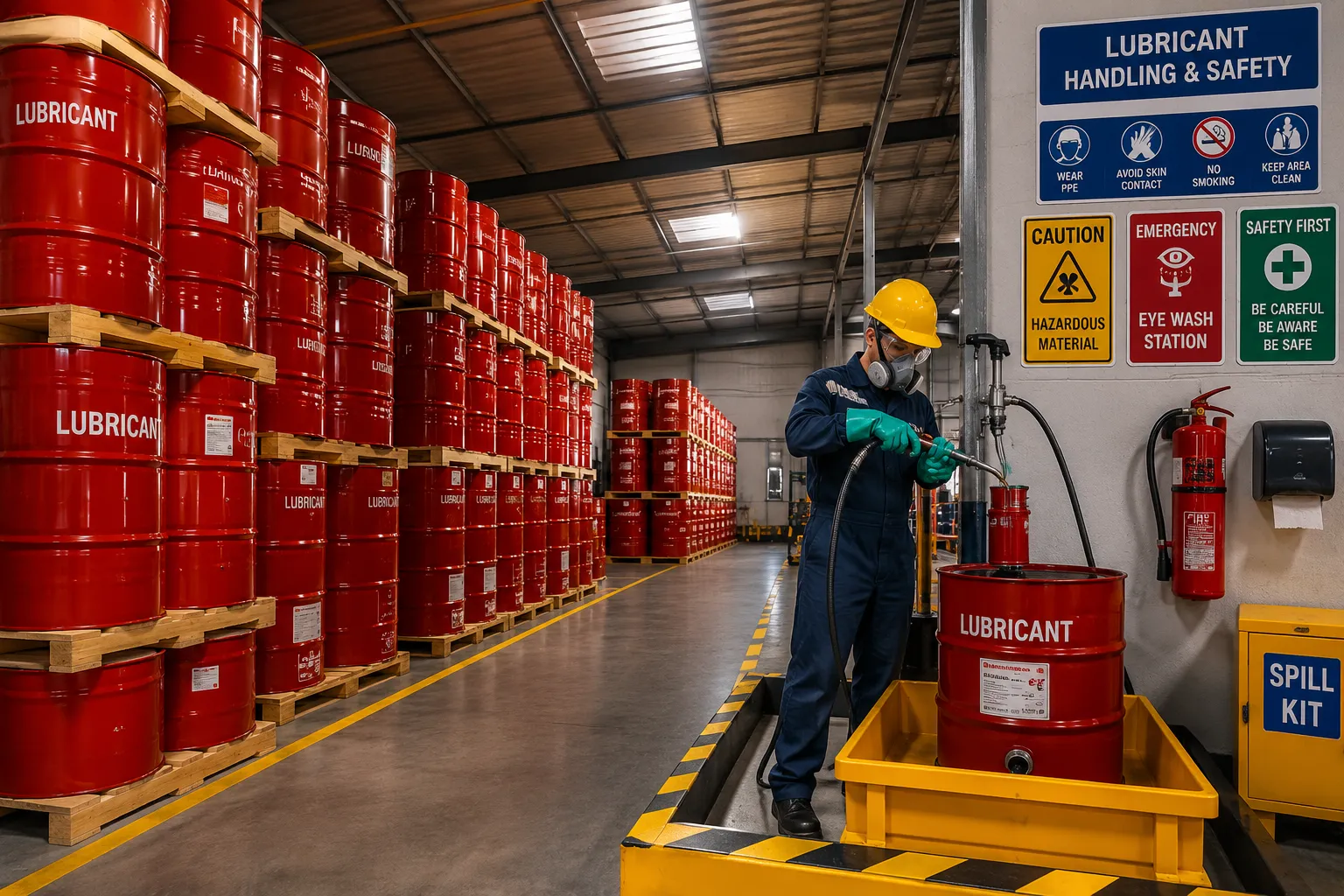
Safety Compliance: Use non-toxic, environmentally friendly products wherever possible to meet industry standards and regulations.
Conclusion
Injection molding is a complex process where precision and efficiency are paramount. Using the right lubricants, mould release agents and cleaners tailored to specific materials ensures smooth operations, enhances part quality, reduces downtime and extends equipment life. By prioritizing proper lubrication and maintenance, manufacturers can achieve optimal performance while minimizing costs and maximizing productivity.




























![Gear Drive Lubricant Selection [Gearbox Lubricants]](https://mosil.com/assets/uploads/blog/blog_1788344519_6a97f8c75d604.webp)


![The Ultimate Guide To Grease Thickeners [Thickening Agents]](https://mosil.com/assets/uploads/blog/blog_1754991852_689b0cec60a8a.jpg)