

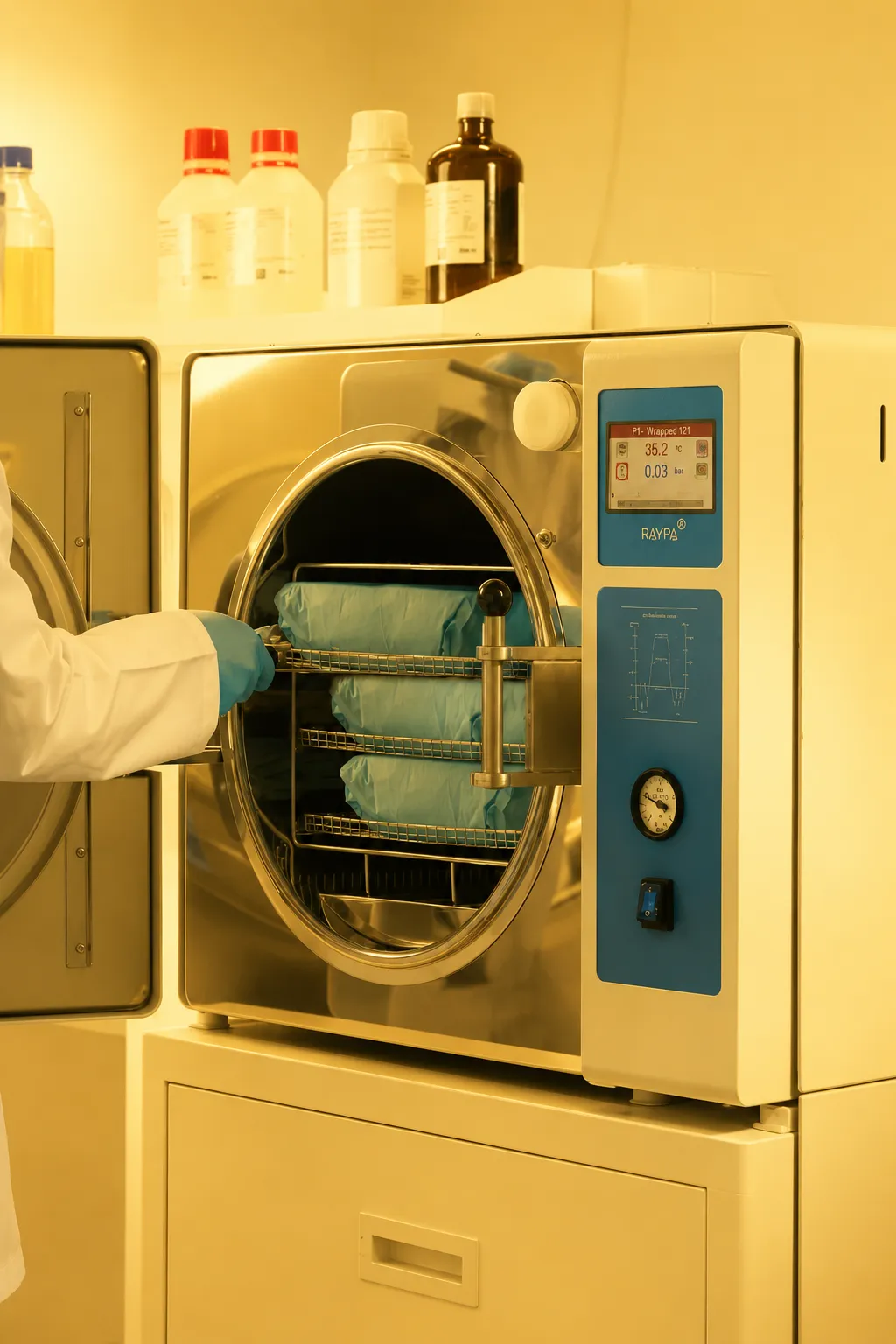
Whether in pharmaceutical manufacturing, hospitals, biotechnology labs, food processing facilities, or chemical plants, autoclaves depend heavily on reliable sealing systems and smooth-moving components to maintain sterility and operational safety.
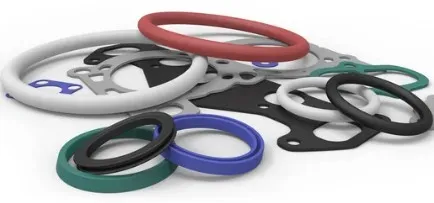
One of the most overlooked yet critical maintenance areas in autoclaves is gasket and seal lubrication. A poorly lubricated gasket can lead to steam leakage, pressure loss, premature seal cracking, contamination risks, and expensive downtime. In pharmaceutical environments, even a minor leak can compromise sterilization validation and batch integrity. That is why selecting the correct specialty lubricating grease is not simply a maintenance decision it directly impacts safety, equipment reliability, and regulatory compliance.
Unlike conventional industrial equipment, autoclaves operate under repeated thermal shocks. Gaskets continuously expand and contract during sterilization cycles, while exposure to saturated steam can wash away ordinary grease. This creates lubrication challenges that standard lubricants are simply not engineered to handle.
Another major challenge is lubricant compatibility. Certain greases may react negatively with gasket materials such as EPDM, silicone, PTFE, or Viton. Incompatible lubricants can cause swelling, softening, or chemical degradation of the seal material. This is especially critical in pharmaceutical and food-grade applications where contamination risks must be minimized.
DIFFERENT TYPES OF AUTOCLAVES AND THEIR LUBRICANTS REQUIREMENT
Different industries use different autoclave configurations depending on sterilization volume, pressure requirements and application sensitivity. Each type presents unique lubrication challenges.
Steam Autoclaves
Steam autoclaves are the most common systems used in pharmaceutical and healthcare industries. They use saturated steam under pressure to sterilize equipment and materials.
Lubrication Challenge:
Continuous steam exposure causes conventional grease to emulsify or wash away quickly.
Vacuum Autoclaves
Vacuum autoclaves remove air before introducing steam, allowing deeper penetration and more effective sterilization for porous materials. Lubrication Challenge:
Rapid pressure fluctuations can create intense mechanical stress on door gaskets and locking systems.
Industrial Composite Autoclaves
Used in aerospace and automotive industries, these large autoclaves cure composite materials under extremely high pressure and temperature.
Lubrication Challenge: Extreme thermal cycling and long operating hours accelerate lubricant degradation. Recommended Grease Characteristics:
Synthetic high-temperature grease
Long service life
Anti-corrosion additives

B E S T P R A C T I C E S F O R A U T O C L A V E G A S K E T L U B R I C A T I O N
To maximize gasket life and ensure consistent sterilization performance, maintenance teams should follow a structured lubrication approach:
1.Inspect gaskets regularly for cracks or hardening
2. Use only manufacturer-approved specialty grease
3. Avoid over-lubrication, which can attract contaminants
4. Clean old grease residue before reapplication
5. Monitor steam leakage around sealing areas
6. Store lubricants in contamination-free conditions
C O N C L U S I O N
Due to continuous exposure to high temperature, pressure, steam, and vacuum cycles, autoclave gaskets and sealing systems experience severe mechanical and thermal stress. These harsh operating conditions make lubrication a key factor. Using the correct specialty lubricating grease helps reduce friction, resist steam washout, protect gasket materials and extend component life. Since different autoclave types create different lubrication challenges, selecting a grease compatible with both operating conditions and gasket materials is essential for ensuring long-term sealing performance and reliable sterilization operations.
FREQUENTLY ASKED QUESTIONS (FAQs)
Q1. Can ordinary industrial grease be used on autoclave gaskets?
No. Standard greases often fail under high-temperature steam exposure and may wash out, degrade, or damage gasket materials. Specialty autoclave-compatible lubricants are recommended.
Q2. What happens if an autoclave gasket is not lubricated properly?
Poor lubrication can lead to gasket wear, steam leakage, pressure loss, contamination risks, increased maintenance costs, and unplanned downtime.
Q3. What properties should an autoclave lubricant possess?
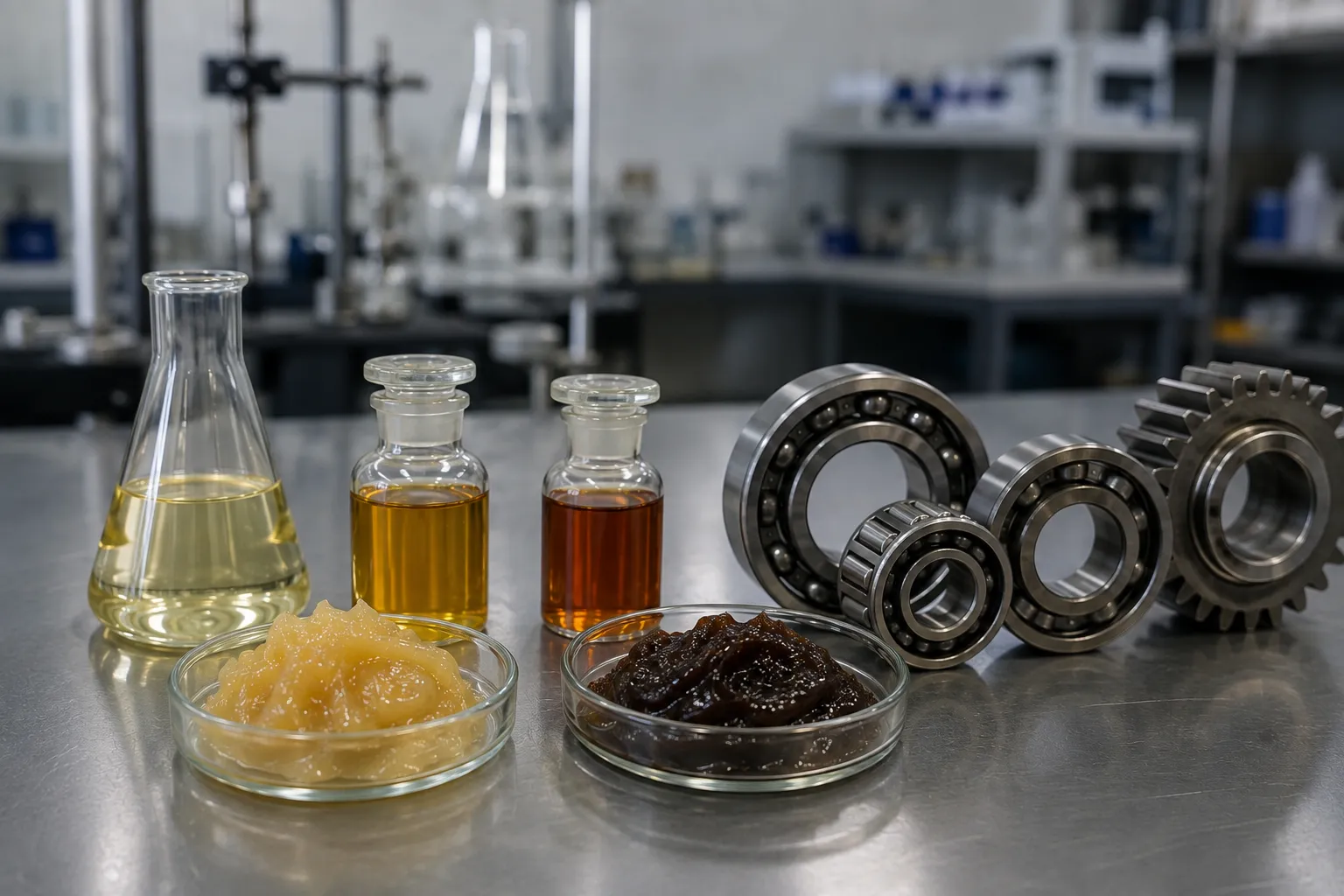
An ideal autoclave lubricant should provide high-temperature stability, steam washout resistance, material compatibility, oxidation resistance, and corrosion protection.

























![Gear Drive Lubricant Selection [Gearbox Lubricants]](https://mosil.com/assets/uploads/blog/blog_1788344519_6a97f8c75d604.webp)


![The Ultimate Guide To Grease Thickeners [Thickening Agents]](https://mosil.com/assets/uploads/blog/blog_1754991852_689b0cec60a8a.jpg)