

Lubricants play a critical role in reducing friction, minimizing wear and ensuring smooth operation of industrial and automotive machinery. During service, oils and greases are exposed to heat, oxygen and contaminants, which gradually lead to chemical degradation and oxidation is one of the primary cause of lubricant deterioration affecting equipment reliability. Understanding oxidation is therefore important to ensure lubricant quality.
Oxidation Mechanism in Lubricants:
Oxidation is a chemical reaction between lubricant molecules and oxygen that results in the formation of undesirable by- products such as acids, sludge, varnish and polymeric compounds.
The oxidation of lubricants proceeds through three stages: Initiation, Propagation and Termination.
During initiation stage, free radicals are generated due to heat, catalytic metal surfaces or mechanical stress.
In the propagation stage, these radicals react with oxygen to form peroxides and continue the chain reaction, leading to the formation of oxidation by-products. In the termination stage, radicals combine to form stable compounds, slowing the reaction. But oxidation continues overall because new radical chains keep forming.
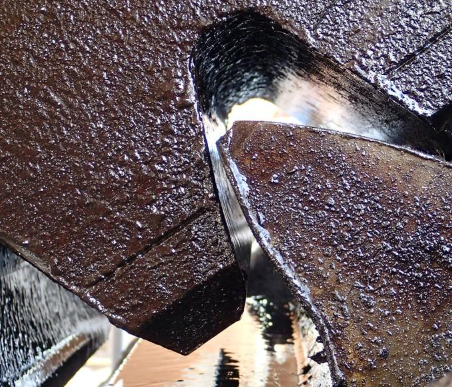
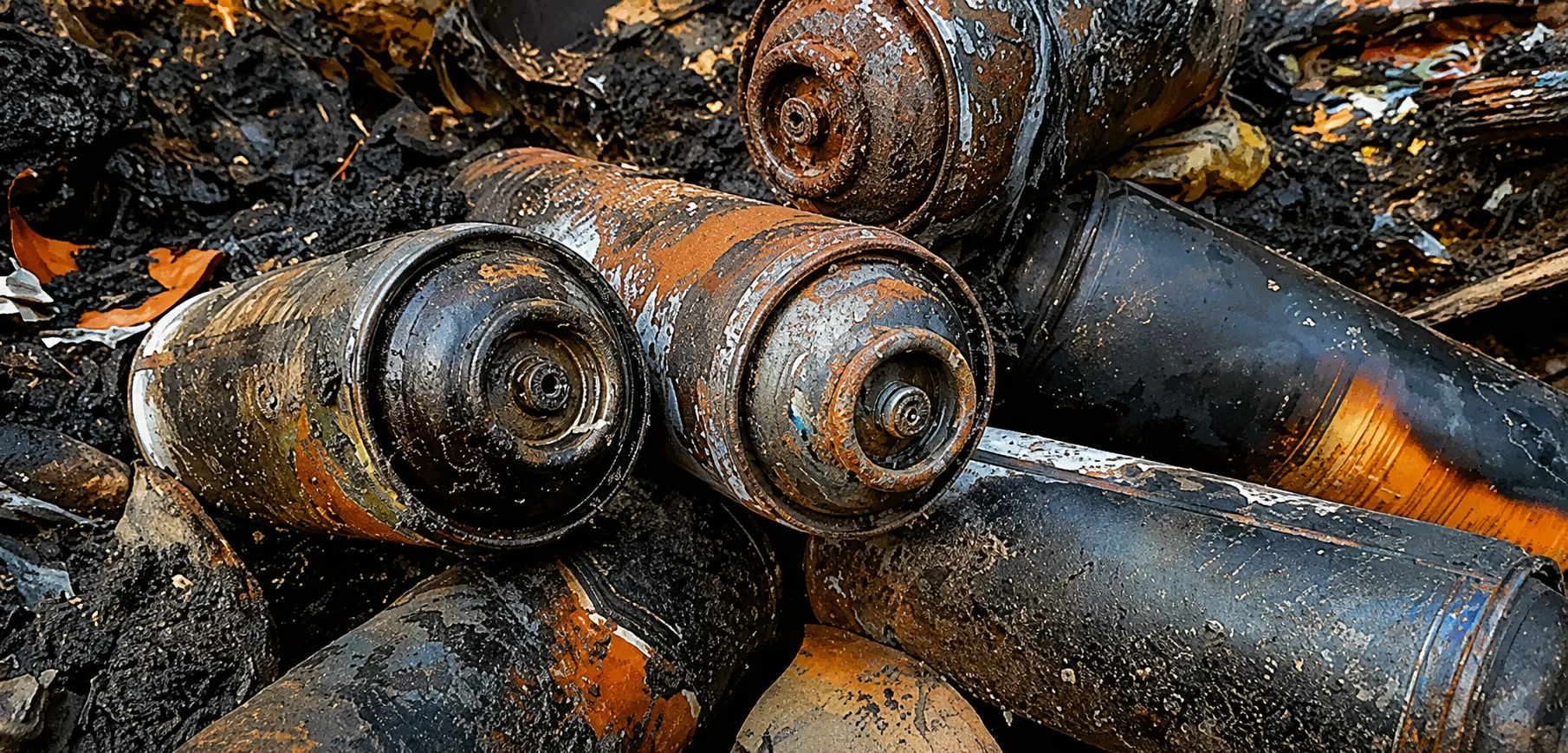
Varnish is formed from soluble oxidation by-products that later precipitate and adhere to metal surfaces. Sludge is formed from insoluble oxidation products, contaminants, soot and dirt that agglomerate in oil.
Lubricants Industry Thumb Rule:
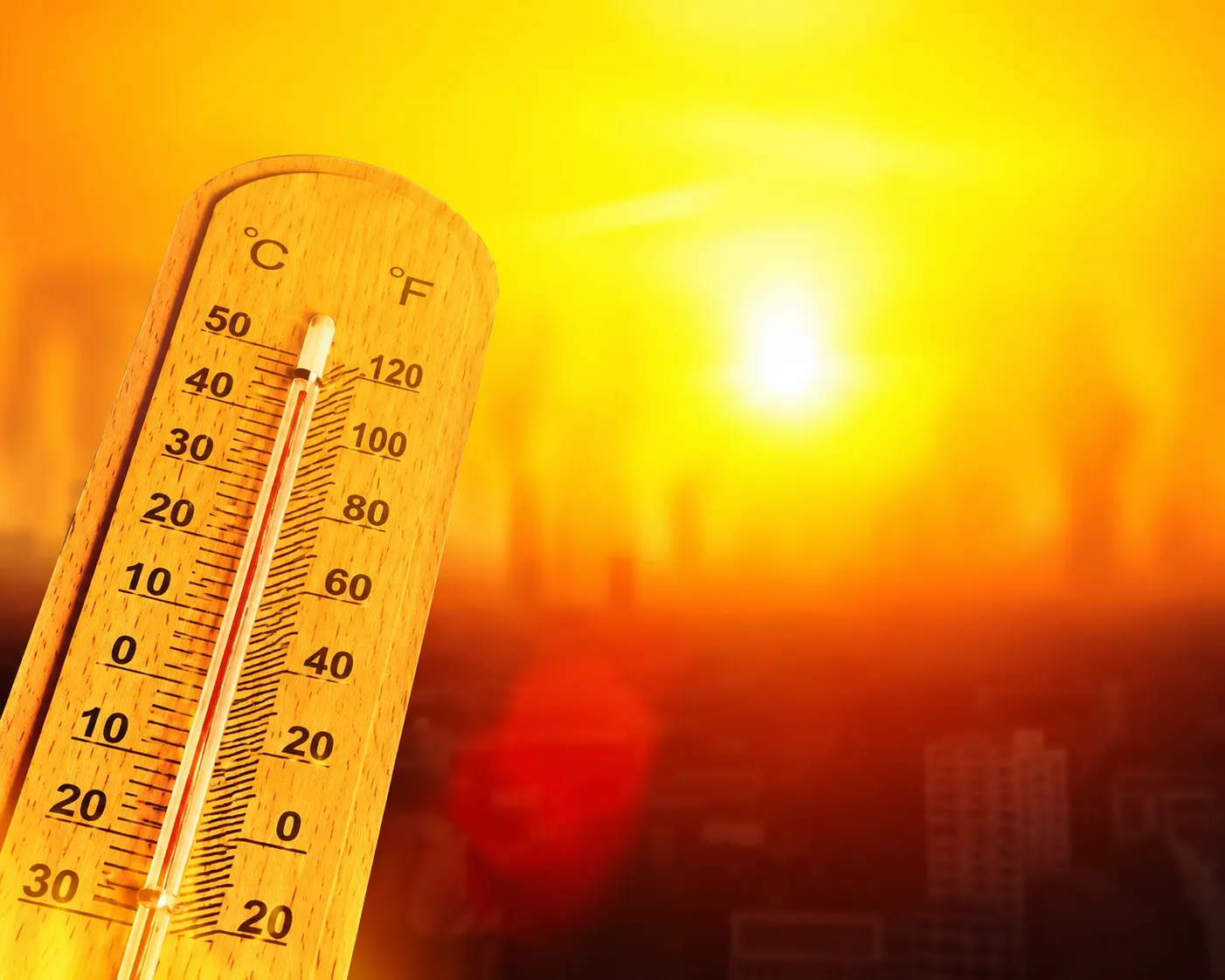
A widely accepted industry guideline states that lubricant life is strongly influenced by operating temperature. For every 10°C rise in temperature above 70°C, the oil life is reduced by approximately half. This occurs because higher temperatures accelerate oxidation and chemical degradation of the lubricant.
Indicators of Oxidation in Oils and Greases:
Oxidation can be identified through several physical and chemical changes that indicate lubricant degradation. The key indicators include:
Increase in Acid Number (TAN): Formation of organic acids increases the acid number of the oil and may promote corrosion of metal surfaces.
Increase in Viscosity: Formation of high- molecular-weight oxidation products such as polymers and sludge can cause the lubricant to thicken, affecting proper flow and friction.
Sludge and Varnish Formation: Oxidation produces insoluble deposits that may accumulate in filters, pipelines and machine surfaces, reducing efficiency and heat transfer.
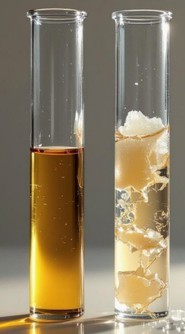
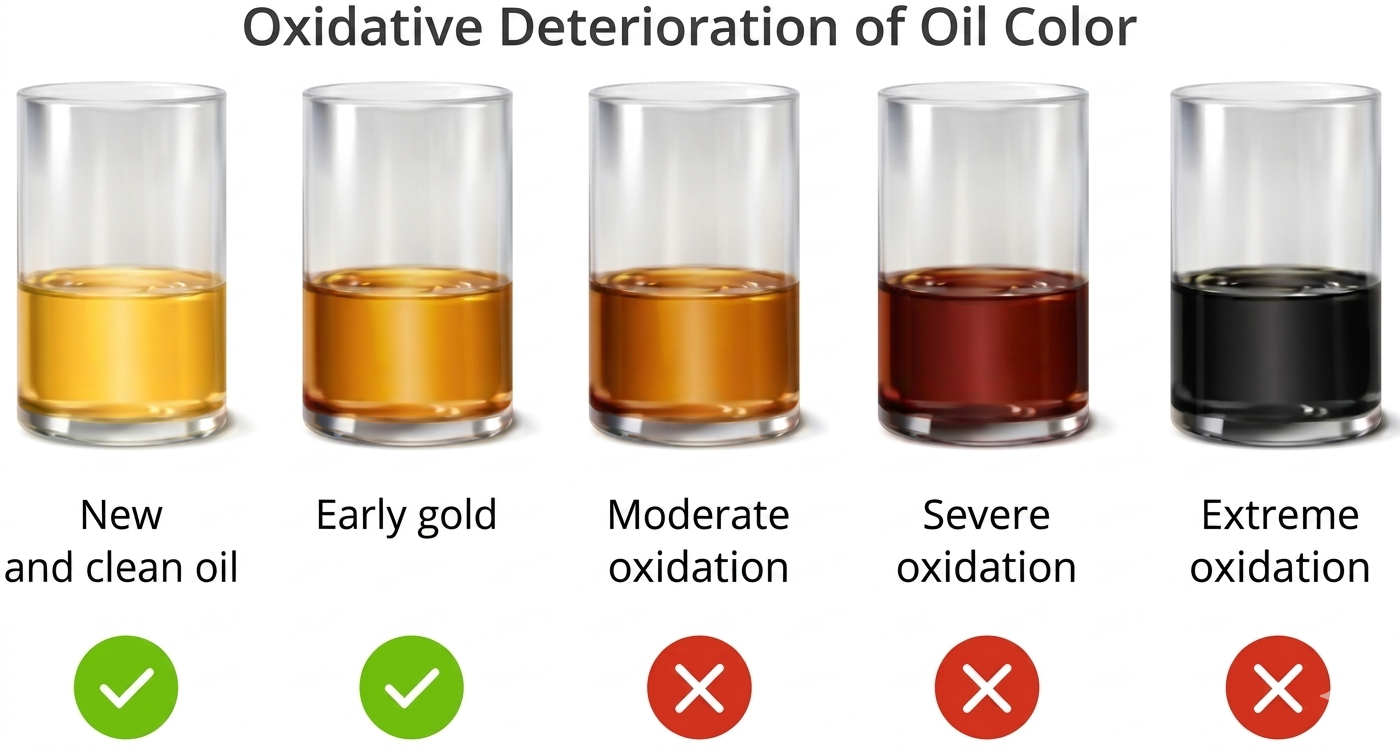
Darkening of Color: Oxidized oils and greases often become darker due to presence of degradation products.
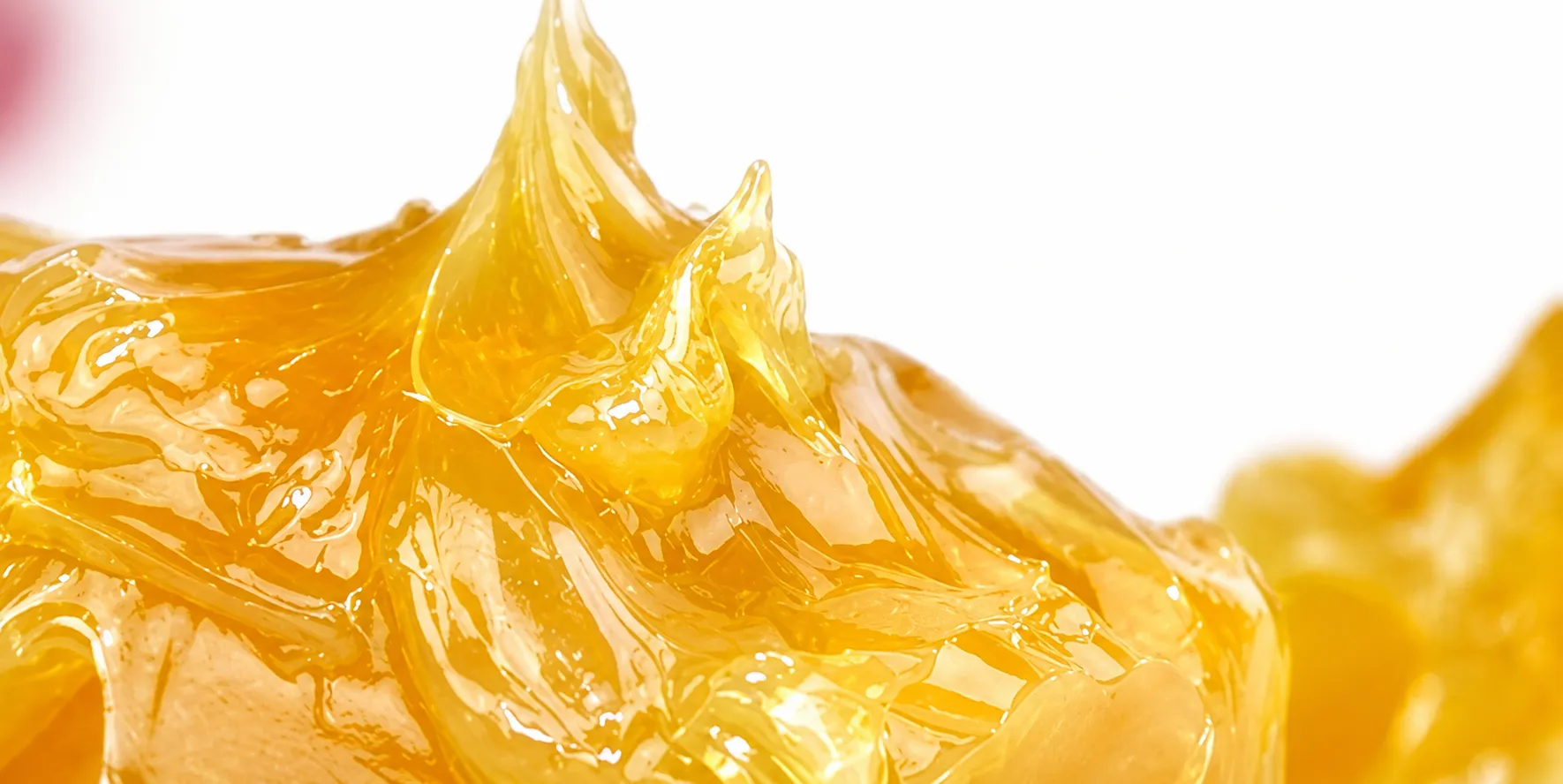
Grease Hardening or Oil Separation: In greases, oxidation of the base oil may lead to hardening of the grease structure or oil separation, reducing lubrication performance.
- Unusual Odor or Burnt Smell: Advanced oxidation may produce a sharp or burnt odor due to the formation of acidic and volatile oxidation compounds.
Test Methods to Check Oxidation Stability of Industrial Lubricants
The oxidation stability of lubricants is evaluated using standardized test methods that simulate oxidative conditions and measure the resistance of oils and greases to degradation. The results are typically expressed as pressure drop time (minutes or hours) or pressure drop (kPa or psi or kg/cm2). Below are commonly used test methods:
-> ASTM D943 (Turbine oils) measures the time required for the oil to reach a specified acid number increase under oxygen, water and metal catalyst conditions.
-> ASTM D2272 (Turbine oils, hydraulic oils) / Rotating Pressure Vessel Oxidation Test (RPVOT), formerly known as Rotating Bomb Oxidation Test (RBOT) measures induction time, which is the time required for a specific pressure drop.
-> ASTM D6186 (Oils) and ASTM D5483 (Grease) measures the oxidation induction time (OIT) of lubricating oils using Pressure Differencial Scanning Calorimetry (PDSC)
-> Test method ASTM D942 (Grease) measures oxygen pressure drop after a duration of 100 hrs or 500 hrs in a sealed vessel.
-> ASTM D8206 (Grease) uses the Rapid Small-Scale Oxidation Test (RSSOT) and records the time taken for a particular amount of pressure drop. RapidOxy test is based on the ASTM D8206 and RapidOxy 100 specifically is used for testing both oil and grease as a tool for quick screening and quality control.
Modern technique, FTIR spectroscopy is often used in lubricant laboratories to detect oxidation in oils and greases.
There is no universal “pass/fail” or “permissible limit” for oxidation test results of oils and greases—these values are comparative and application or OEM-specific. For most of the tests, higher oxidation induction time (OIT) or longer test life simply indicates better oxidation resistance. In case of ASTM D942, lower pressure drop values are desired (indicating less oxygen consumption and better oxidation resistance).
Can Oxidation Be Reversed or Prevented in Lubricants?
Oxidation mechanism of lubricating oils is generally irreversible. While certain oil purification techniques like filtration or centrifugation can remove contaminants and some suspended oxidation by-products, they cannot reverse the chemical degradation of the oil itself. Therefore, when oxidation becomes severe —the most effective solution is to replace the degraded lubricant with fresh oil to maintain proper machinery protection.
Oxidation in lubricants cannot be completely prevented, but it can be significantly slowed through proper lubricant formulation and maintenance. Key approaches include:
->Use of antioxidant additives (phenolic or aminic) in base oils to interrupt the free-radical chain reaction.
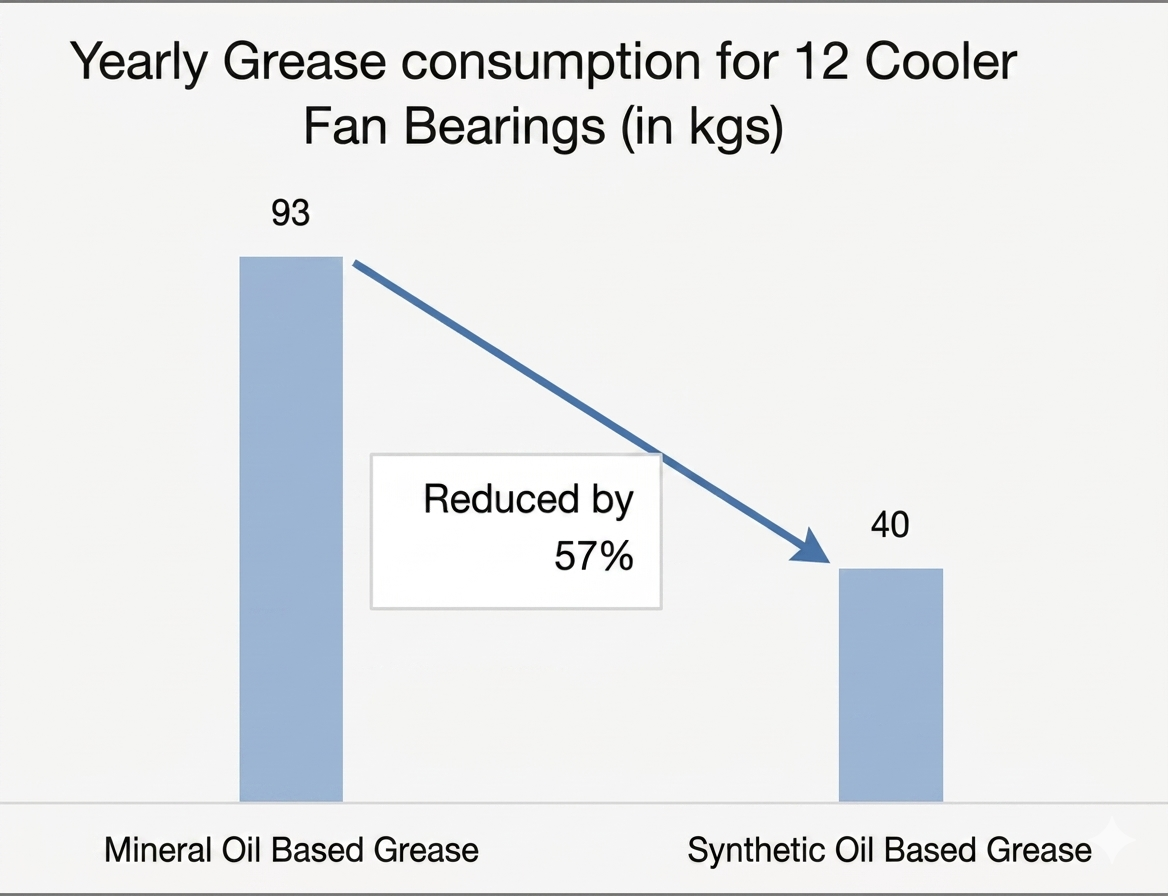
-> Selection of high-stability base oils or synthetic oils that are more resistant to oxidation.
-> Use of metal deactivators to reduce the catalytic effect of metals such as copper and iron.
-> Maintaining controlled operating temperatures, minimizing exposure to air, moisture and contaminants.
-> Performing regular oil analysis can further reduce oxidation and increase oil life.
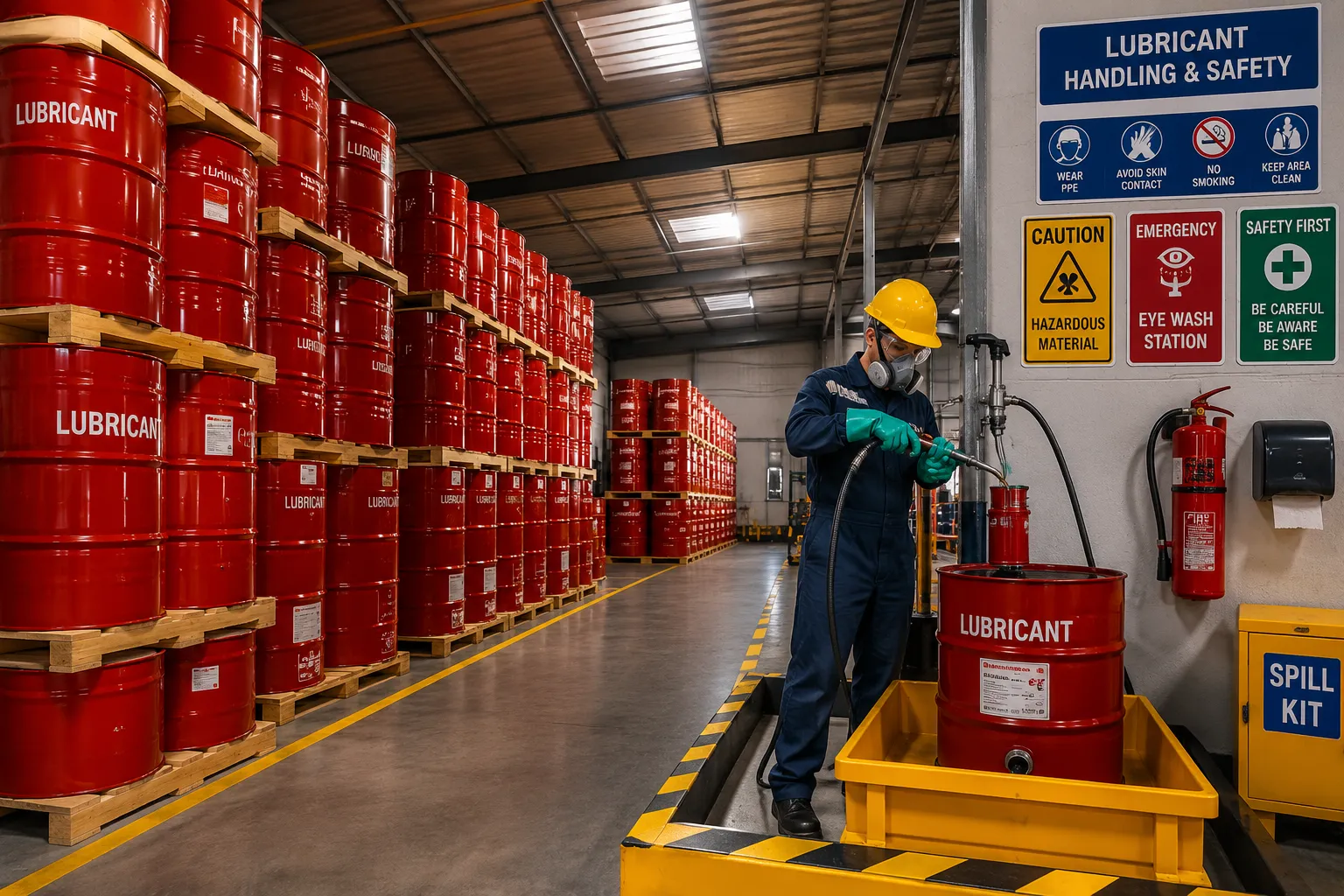
-> Ensuring proper lubricant storage conditions to minimize exposure to air, moisture and heat.
To ensure reliable machinery performance and longer lubricant life, it is essential to use oxidation-resistant lubricants, maintain proper operating conditions and follow effective monitoring and maintenance practices. Consult with a lubrication expert or the equipment manufacturer to select the best lubricant for your needs.
FREQUENTLY ASKED QUESTIONS (FAQs)
Q1. What is oxidation in industrial lubricants?
Oxidation is a chemical reaction between lubricant molecules and oxygen that leads to the formation of acids, sludge, varnish, and other degradation products. It is one of the primary causes of lubricant deterioration and reduced equipment reliability.
Q2. What causes lubricant oxidation?
Lubricant oxidation is primarily accelerated by:
High operating temperatures
Exposure to oxygen
Moisture contamination
Metal catalysts such as copper and iron
Mechanical stress and prolonged service life
Q3. How does temperature affect lubricant oxidation?
A common industry guideline states that for every 10°C increase in operating temperature above 70°C, lubricant life may be reduced by approximately 50% due to accelerated oxidation.
Q4. What is varnish and how does it form?
Varnish is formed when soluble oxidation by-products precipitate and adhere to metal surfaces. It can restrict oil flow, interfere with heat transfer, and cause equipment reliability issues.




















![Gear Drive Lubricant Selection [Gearbox Lubricants]](https://mosil.com/assets/uploads/blog/blog_1788344519_6a97f8c75d604.webp)
![The Ultimate Guide To Grease Thickeners [Thickening Agents]](https://mosil.com/assets/uploads/blog/blog_1754991852_689b0cec60a8a.jpg)