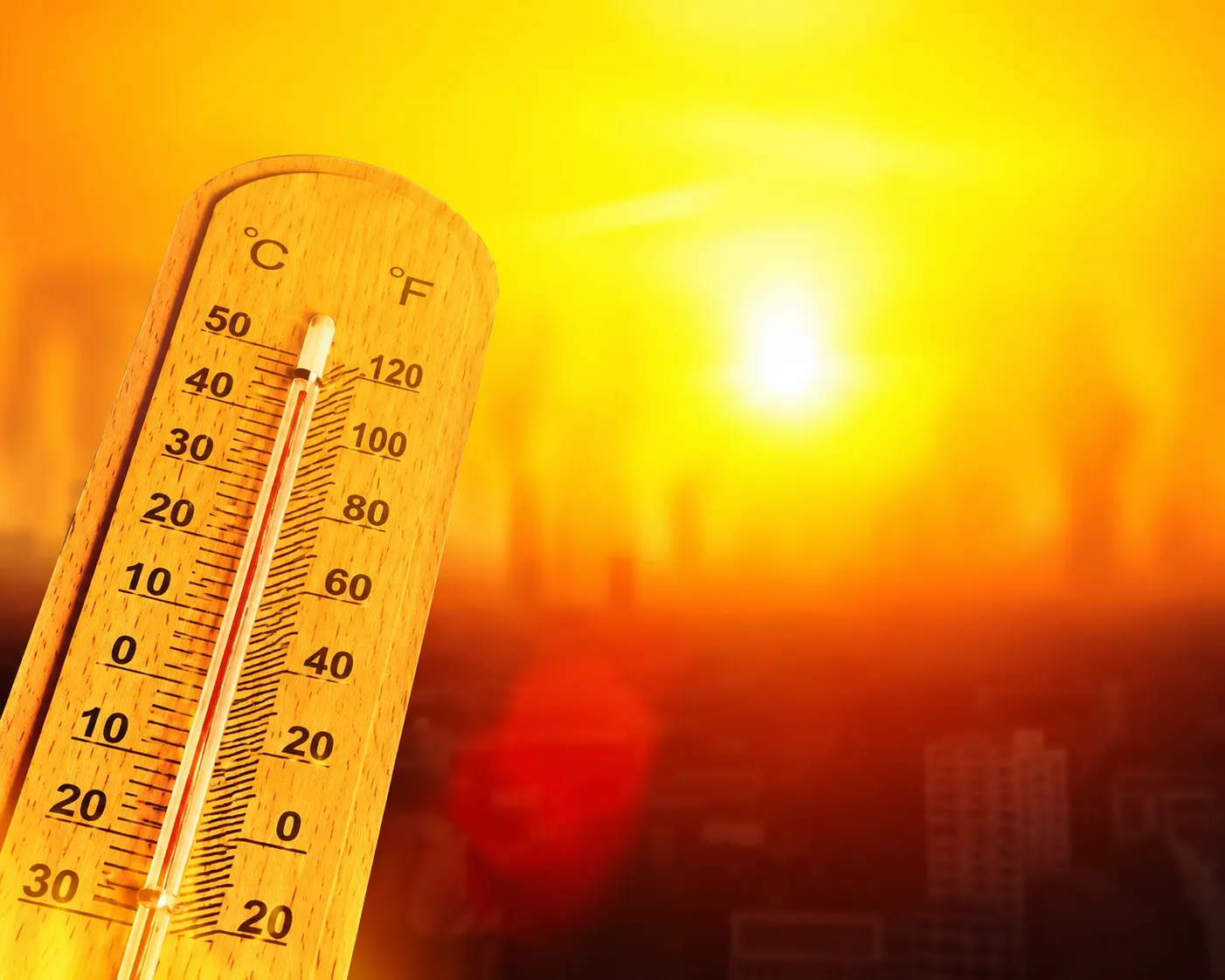
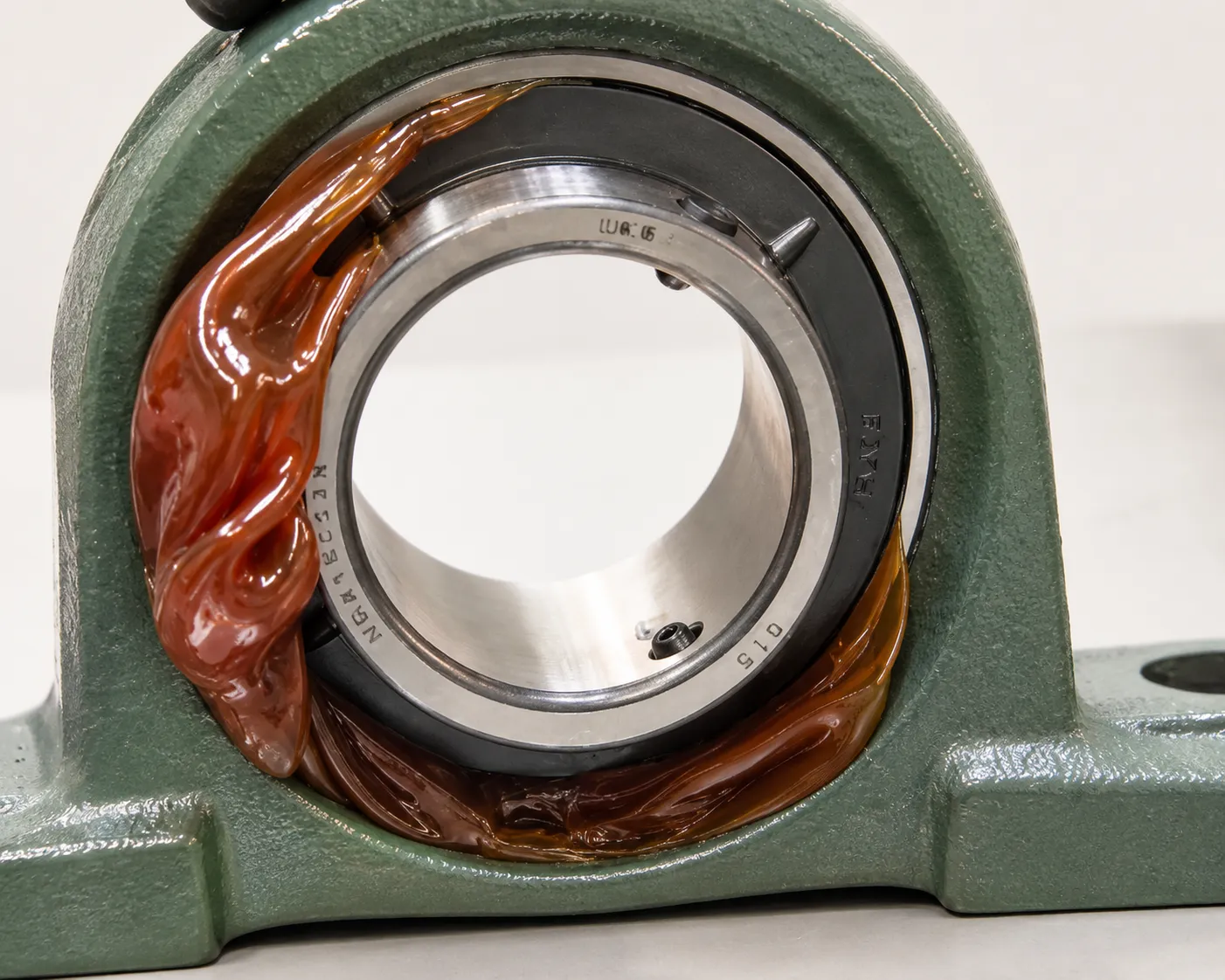
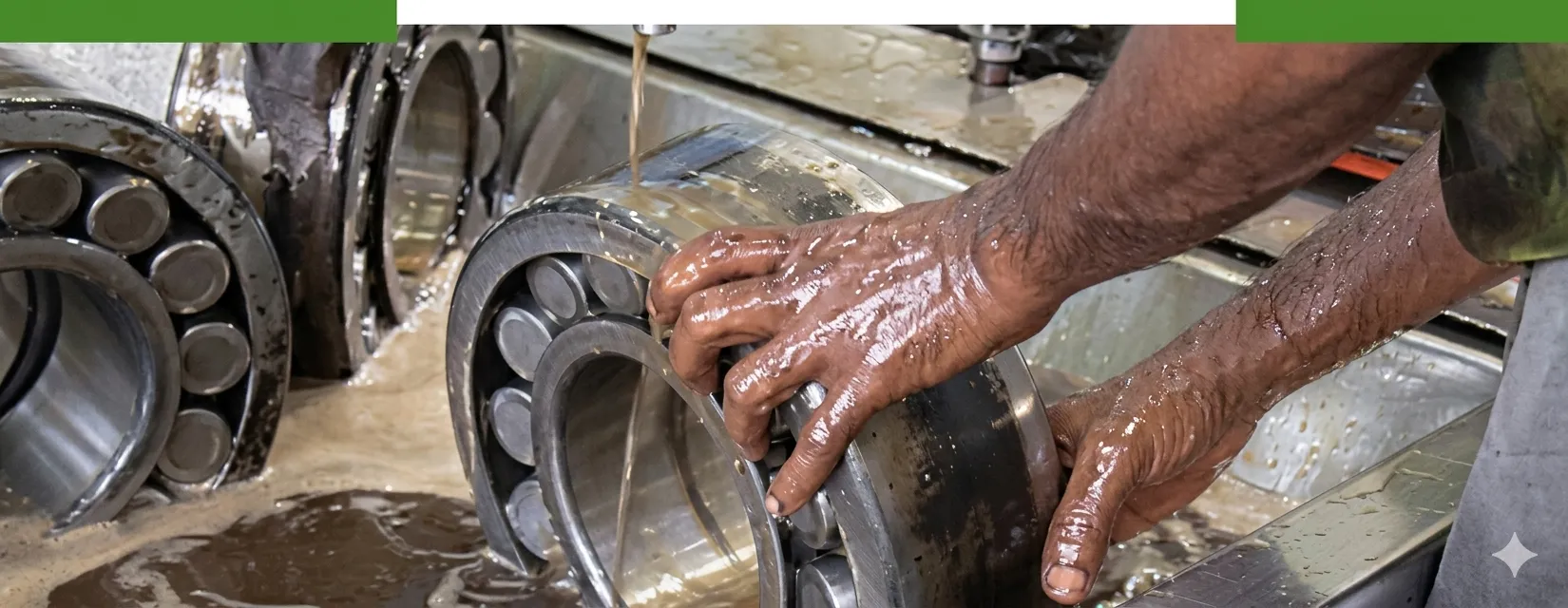
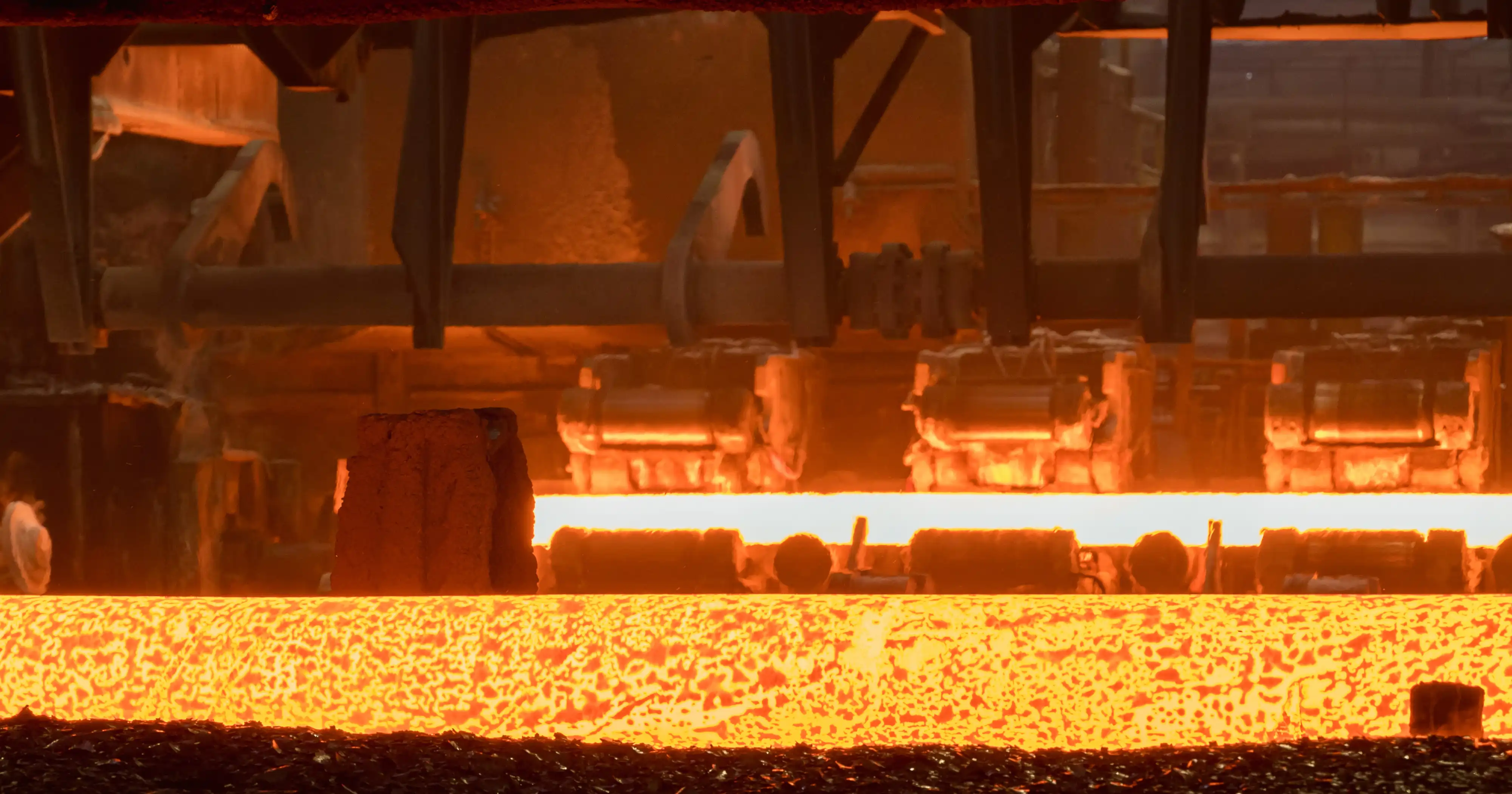
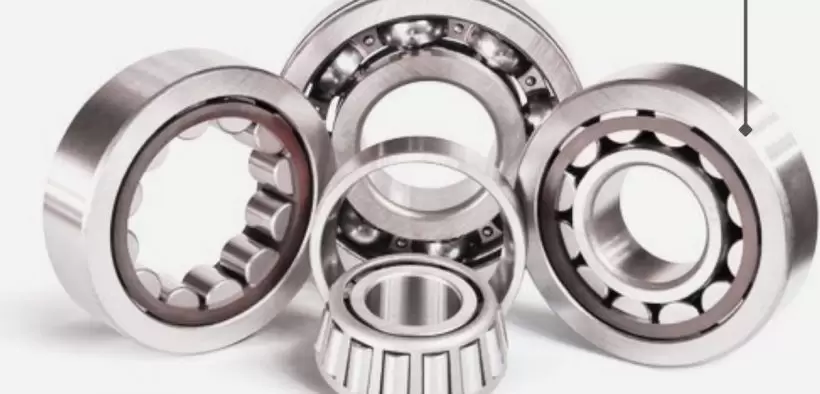
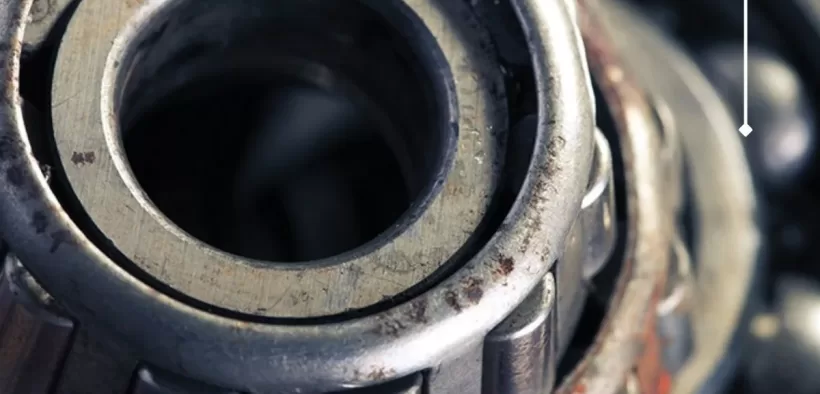
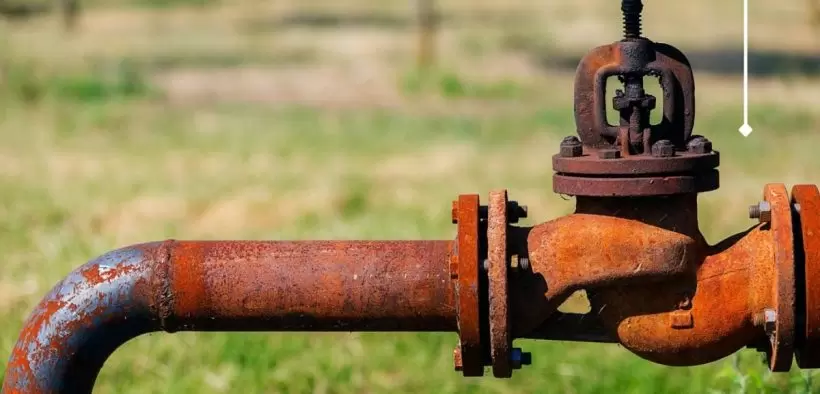
As the ambient temperature climbs 40–50 °C, heavy-duty machinery enters its toughest season—the summer stress test. Bearings heat up like furnaces, seals begin to soften and weep, greases thin out and lose their grip and hidden corrosion from morning condensation accelerates under the blazing midday sun.
For industries like cement, steel, construction, paper & pulp, ceramics and infrastructure, an unprepared lubrication system in this heat is like sending an athlete into a marathon without water: you’re asking for breakdowns.
Even a small rise in bearing temperature (5–10 °C) above 70 °C cuts grease life by nearly half. Through summer, plants can see 20–30 % shorter maintenance intervals unless they switch to greases and pastes designed for high heat and extreme loads
Summer and Specialty Lubricants Chemistry
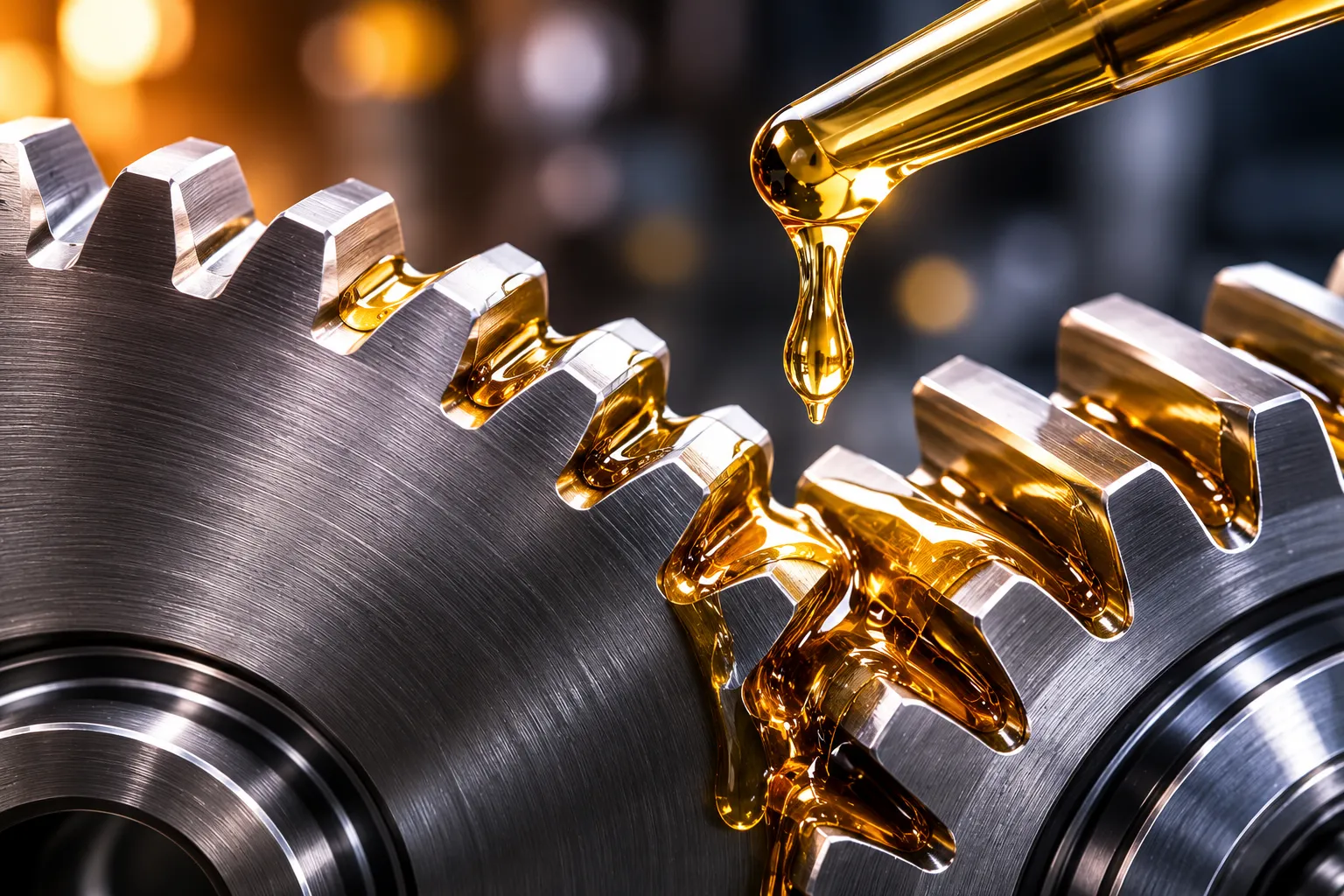
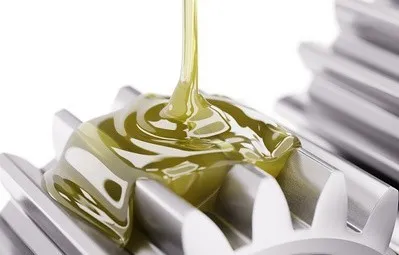
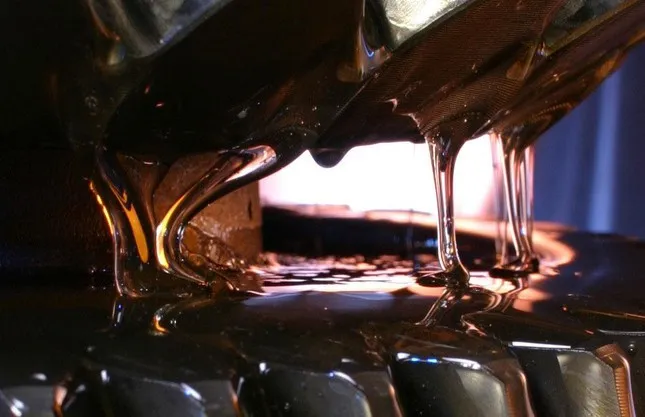
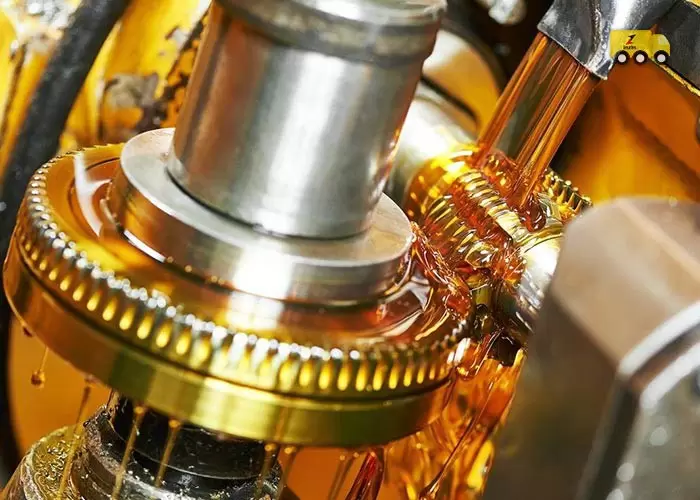
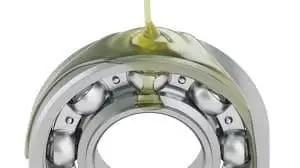
High Temperatures and Oil Viscosity: Heat is the enemy of viscosity. As temperatures rise, oil becomes thinner, reducing its ability to form a protective film. This increases wear and friction, especially in components under pressure or with tight clearances.
Thermal Depletion of Additives: Additives like anti-oxidants and anti-foaming agents deplete quickly in high heat. The loss of these compounds can result in sludge formation, oxidation, and metal-to-metal contact.
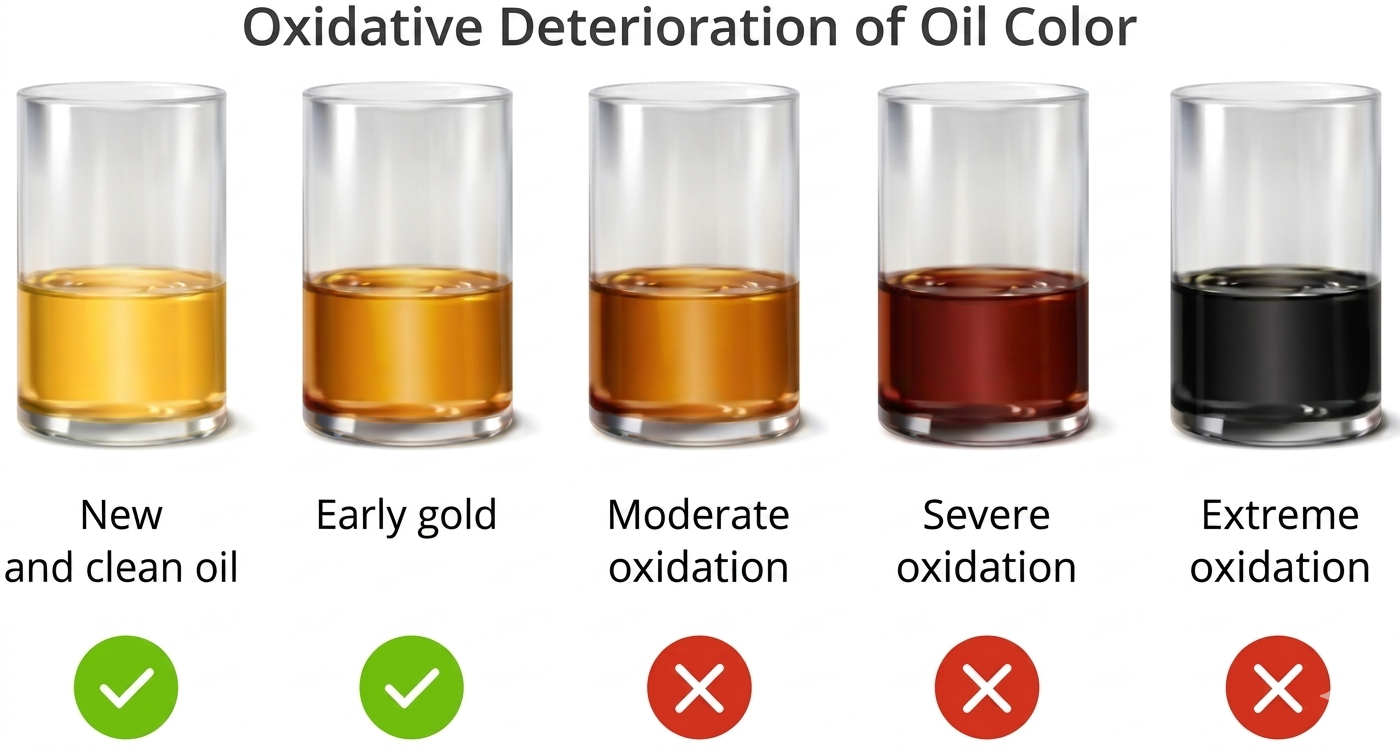
Oxidation and Volatility Issues: Oxygen exposure, catalyzed by high heat, accelerates lubricant breakdown. Evaporation rates also spike, especially in volatile oils. These conditions lead to oil loss and thick residue buildup.
MOSIL’s Four-Point Summer Strategy:
When temperatures climb, most greases thin out, oxidize, leak—and quietly lead to costly failures. That’s why we’ve developed a four-step, scientifically engineered, application-specific, field-tested solution built to withstand the toughest summer conditions.
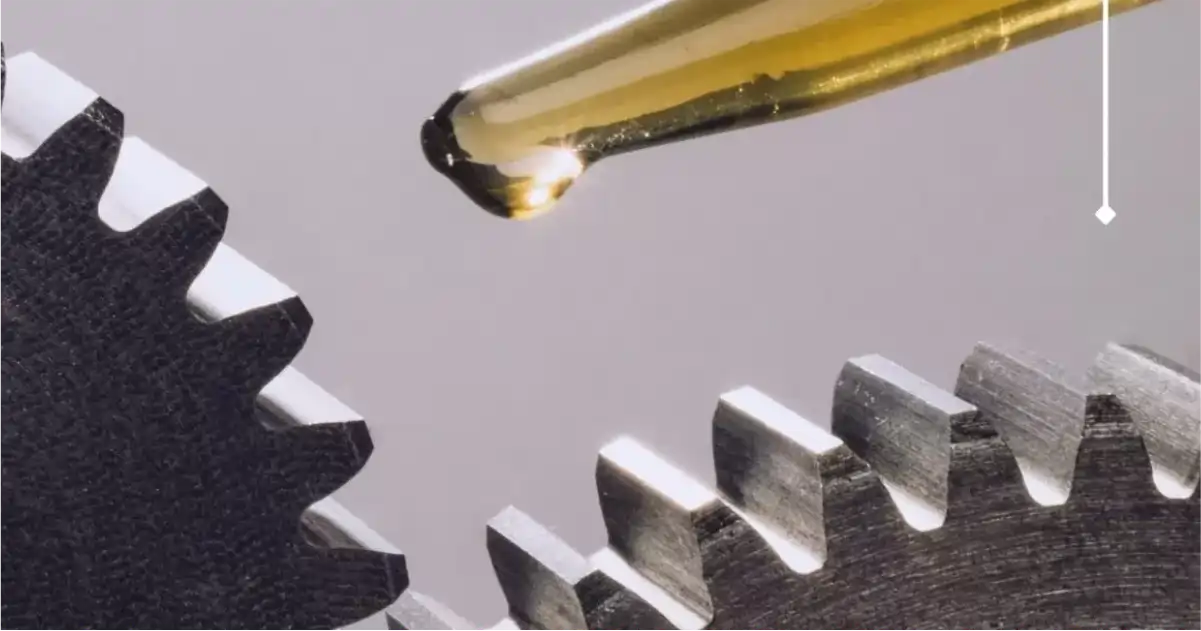
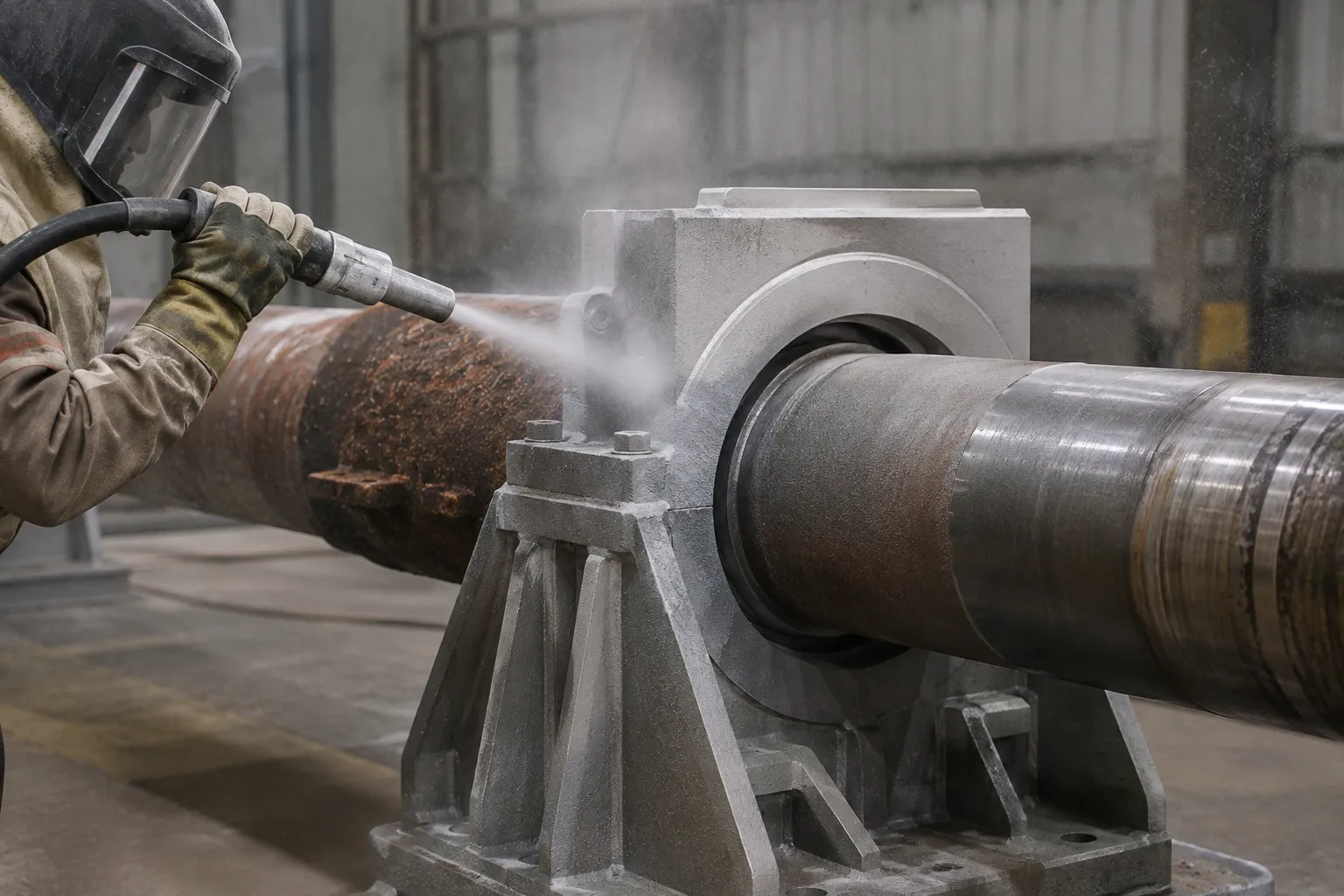
1: Environment Analysis
Understanding the battlefield before choosing your weapon.
Bearings running 15 °C above design temp can cut grease life by up to 50%.
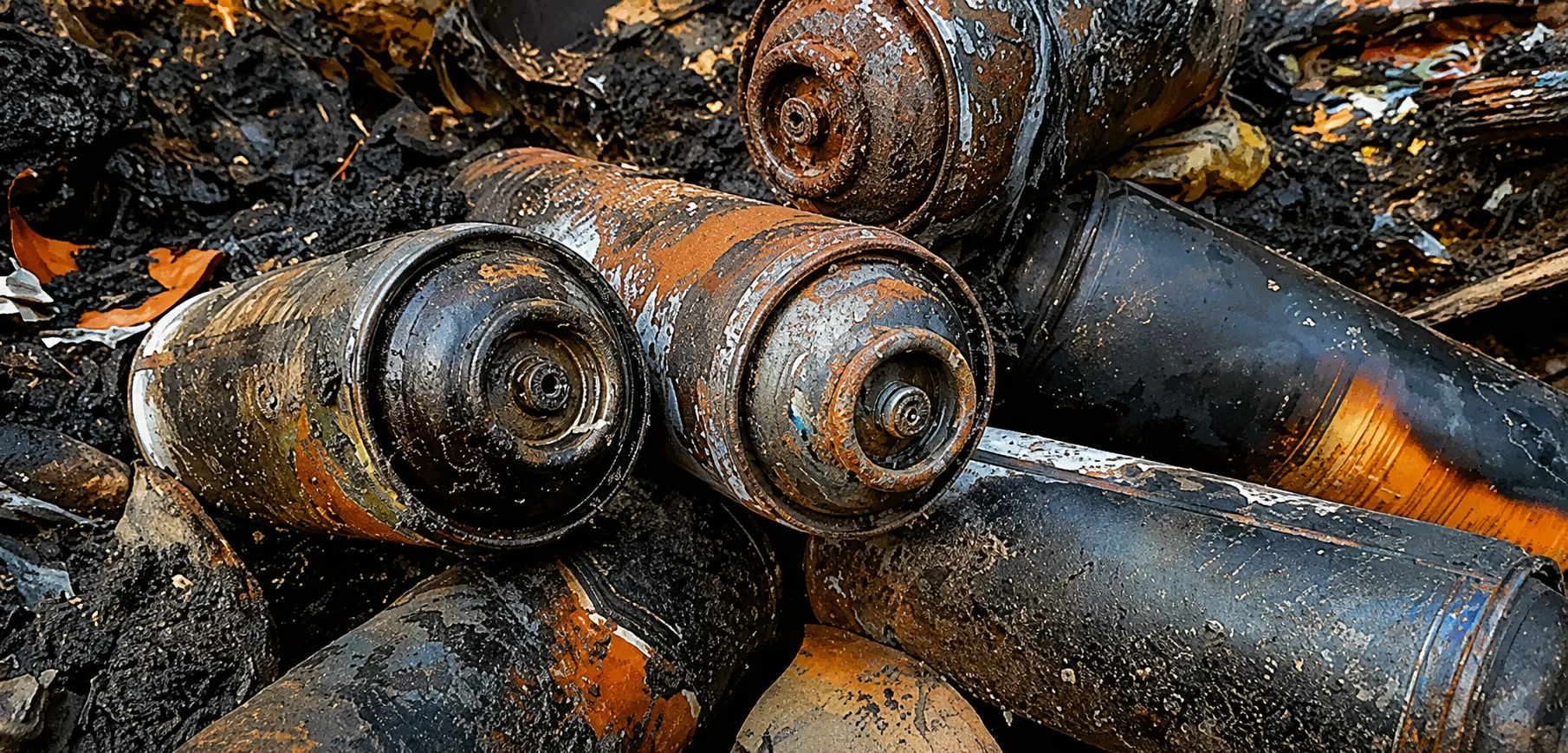
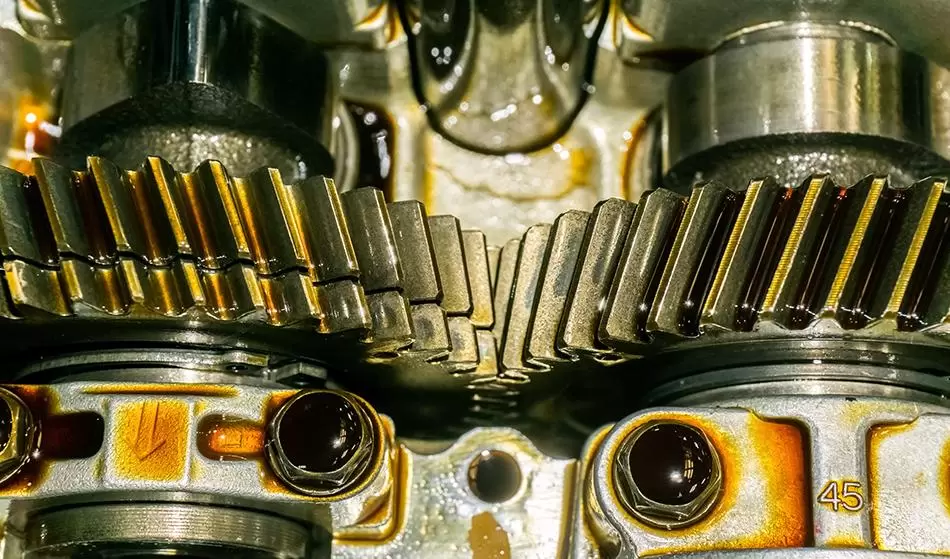
🛠 Example: A kiln fan bearing in a cement plant might see 80+ °C housing temps with fine dust and high vibration. Local grease won’t survive this. MOSIL’s Quadra Approach lead audit prevents such mismatches.
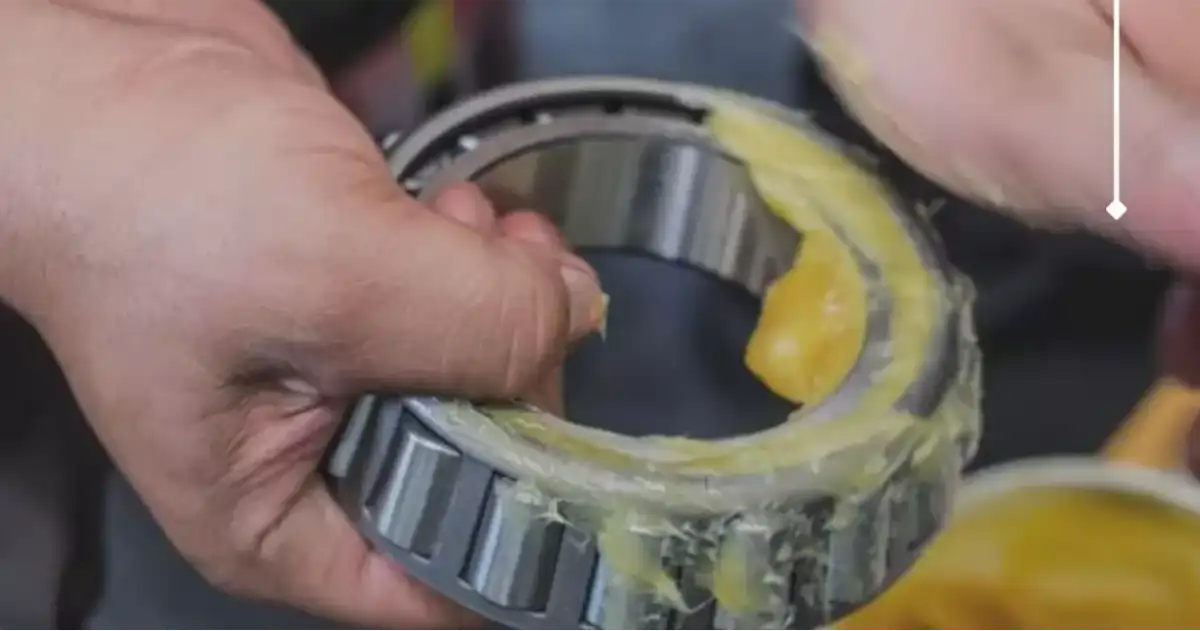
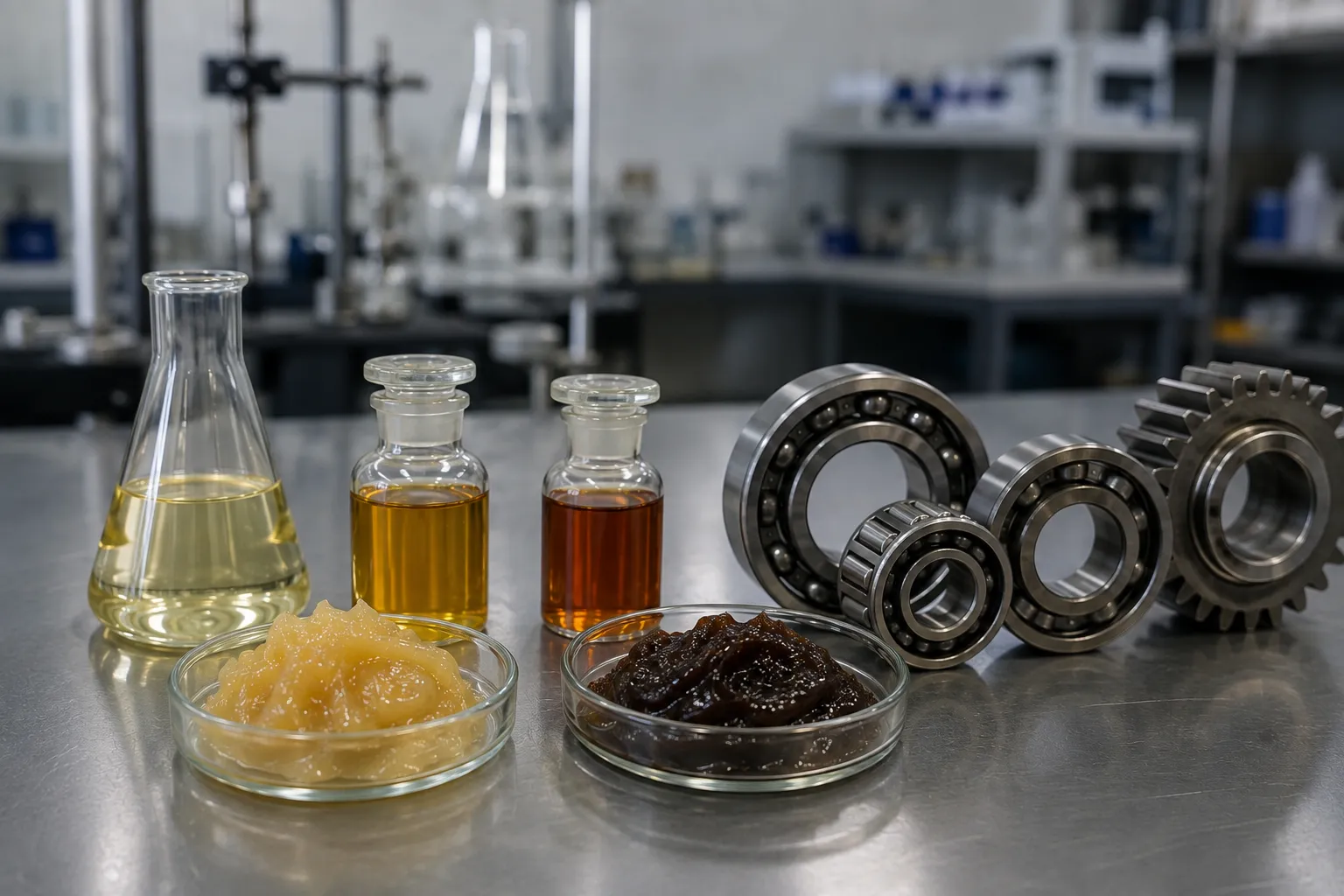
2: Targeted Chemistry
Designing lubricants that don’t just survive—but thrive—in summer heat.
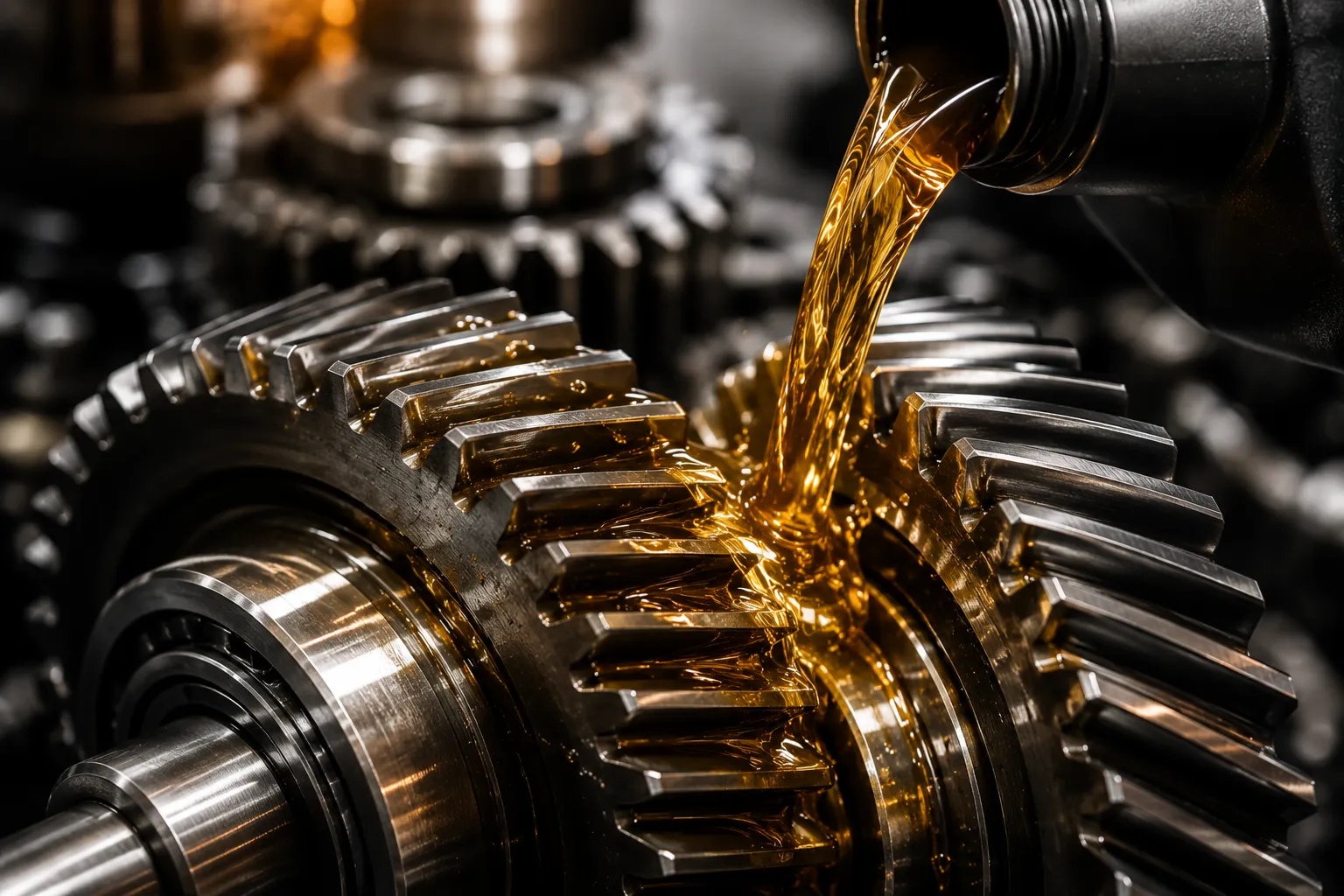
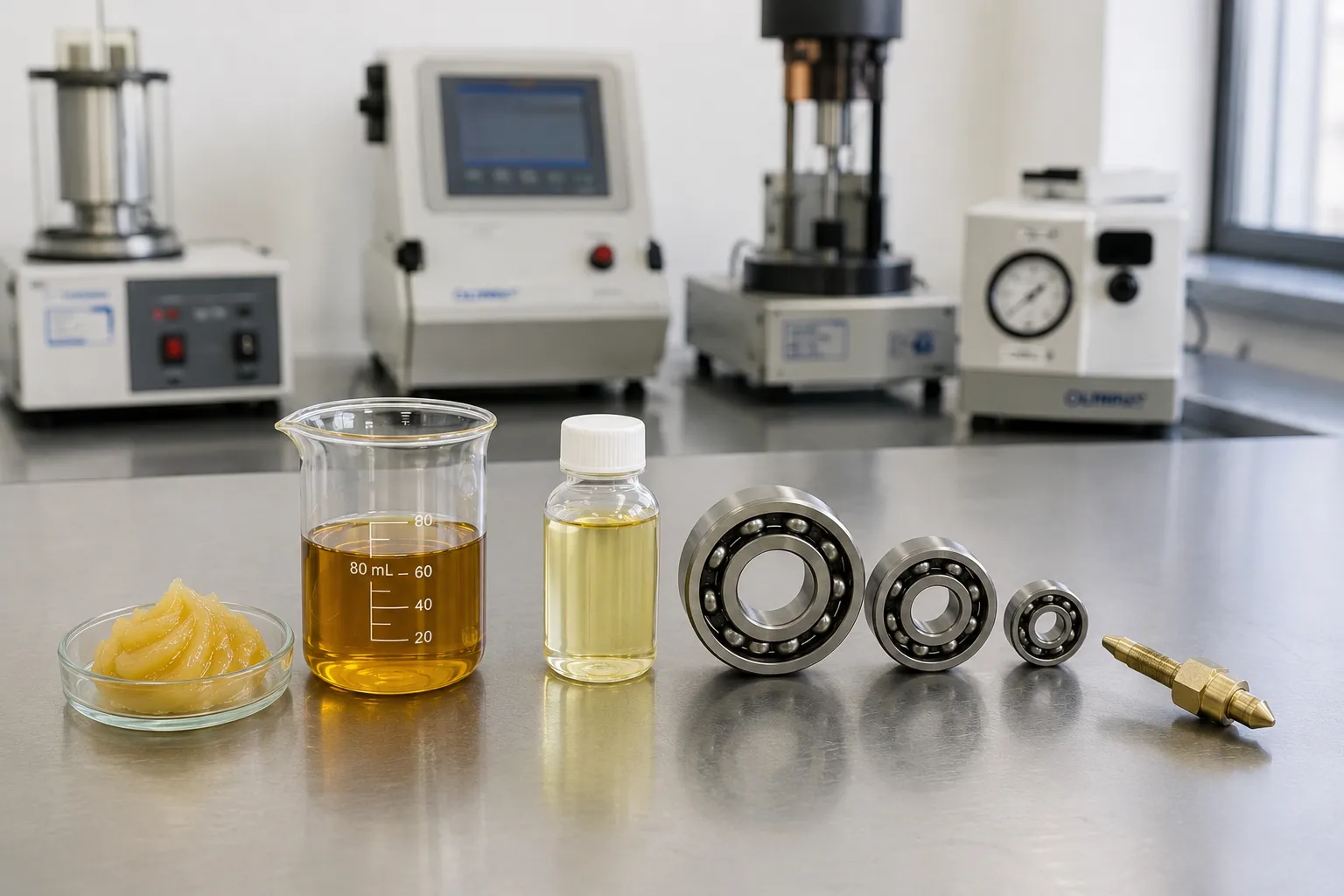
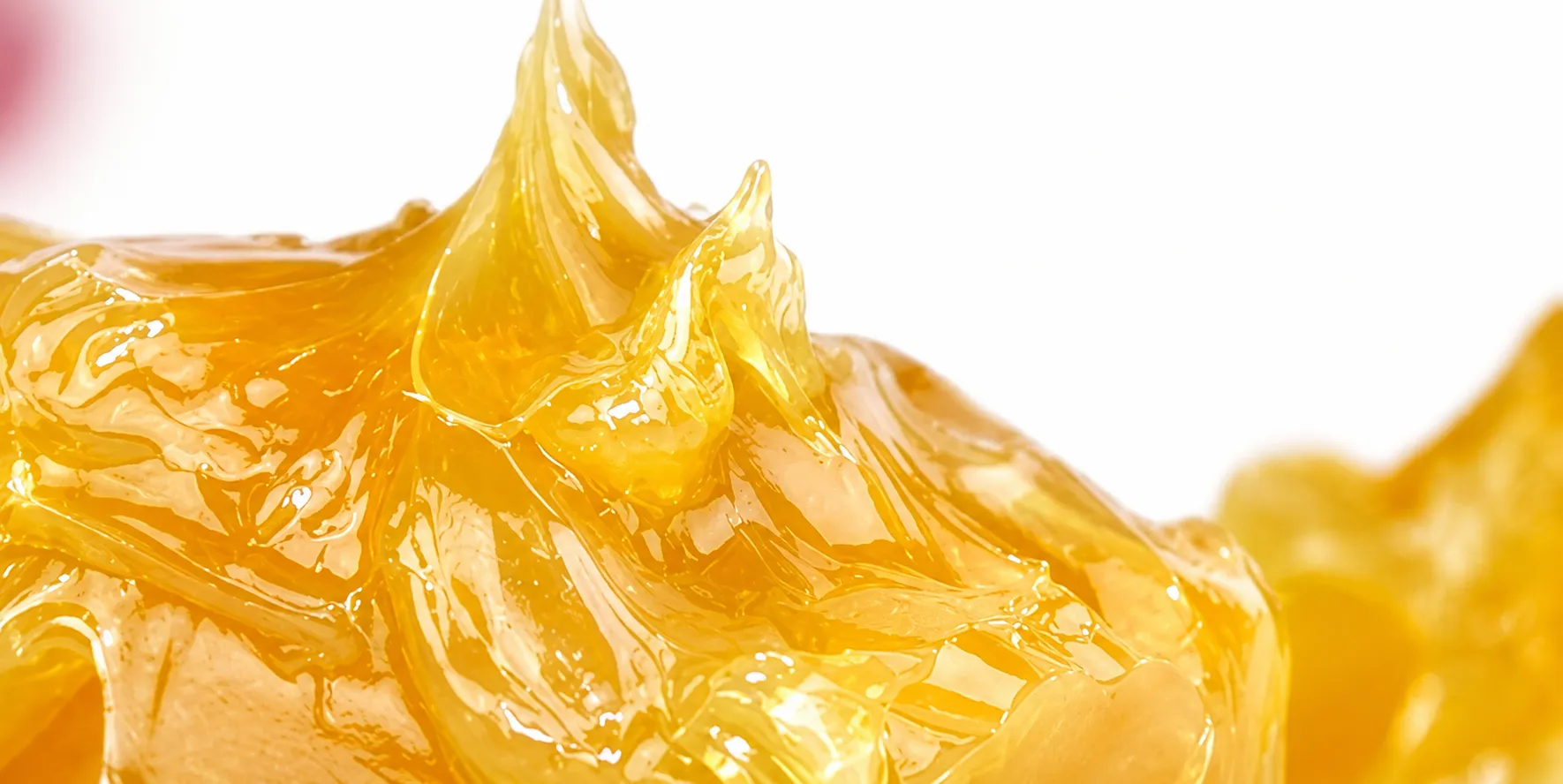
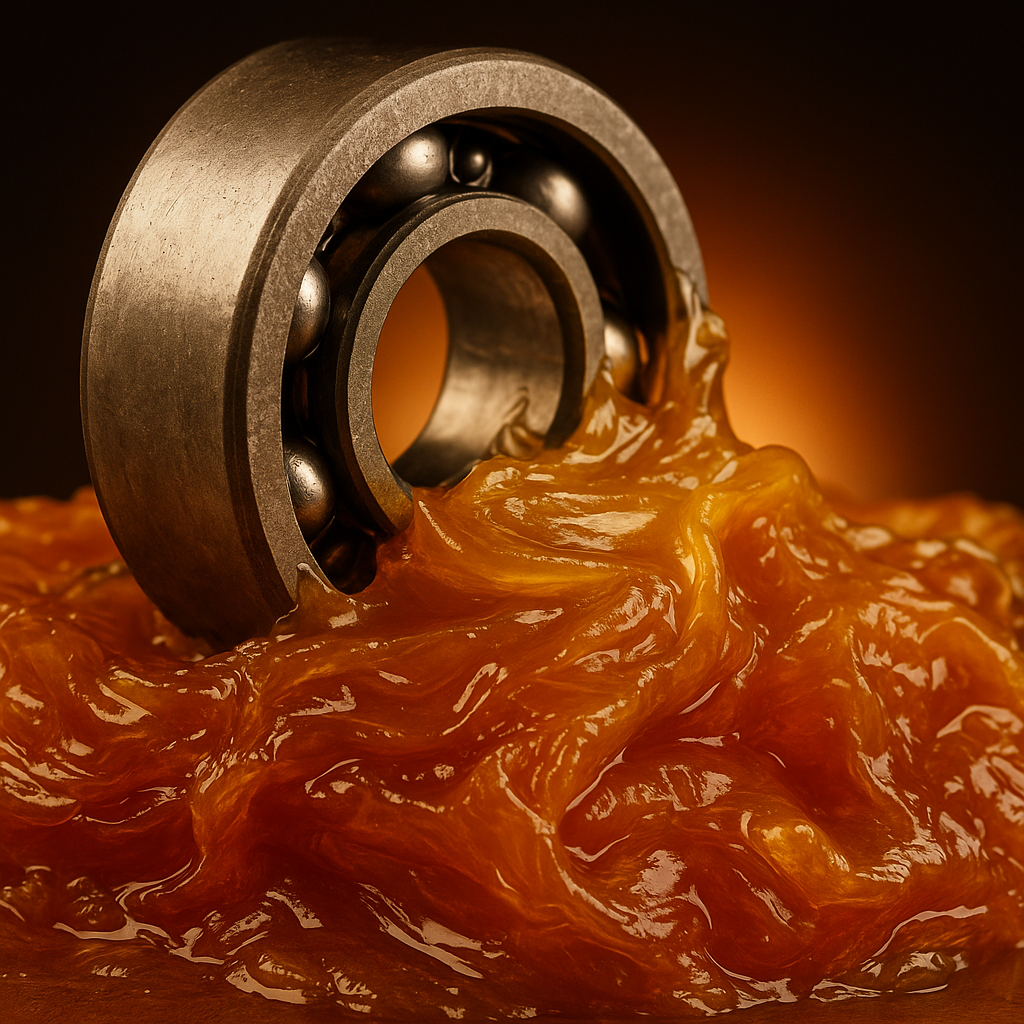
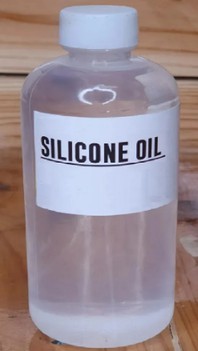
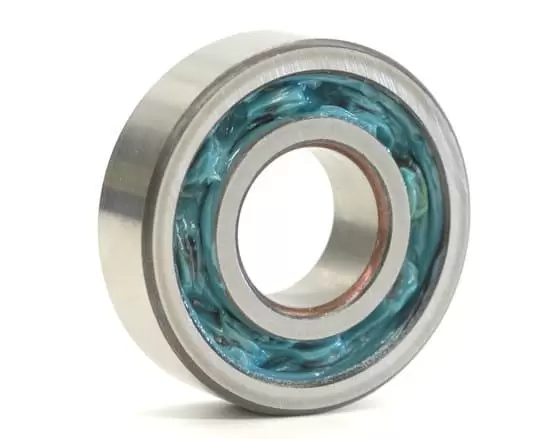
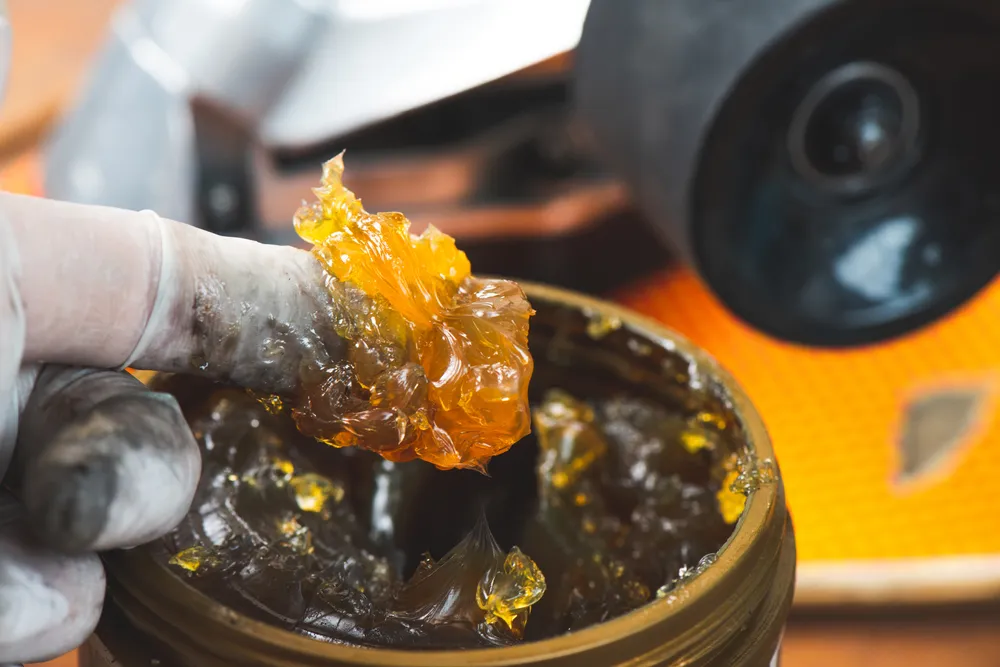
Modern specialty greases combine high-temperature base oils (PAO, PAG, Silicones) with advanced thickeners (polyurea, calcium sulfonate), extreme-pressure (EP) and anti-wear (AW) additives and corrosion inhibitors to maintain film integrity, load capacity and rust protection at up to 200 °C. Selecting each component based on operating temperature, load profile and contamination risk ensures optimal performance under peak-heat stress
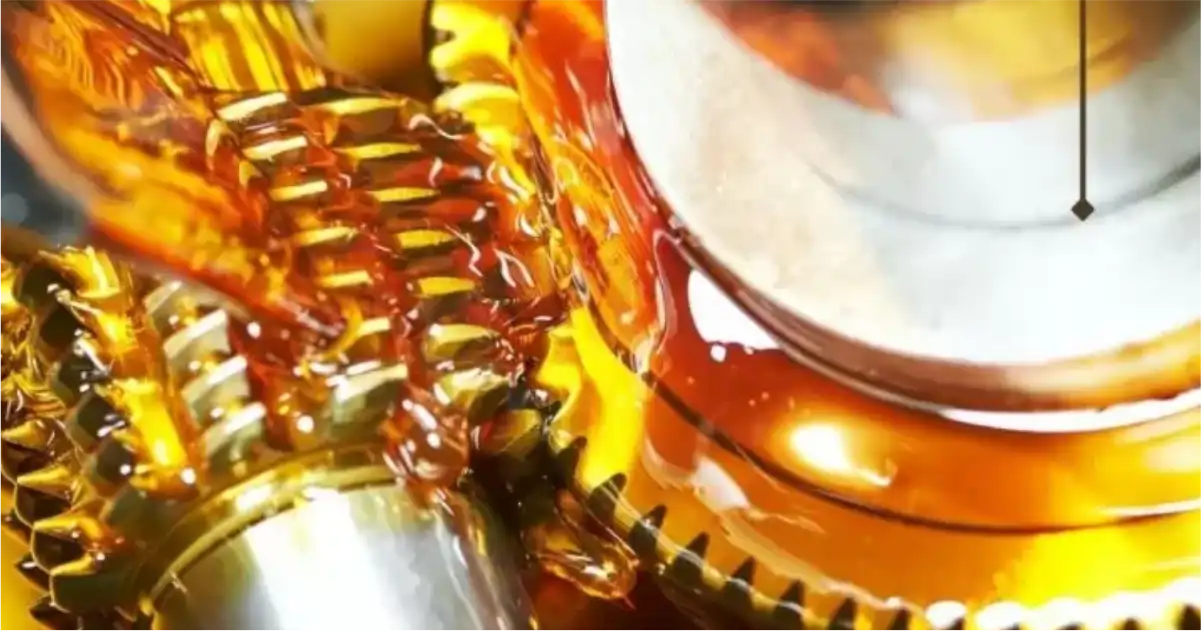
3: Field-Validated Formulations
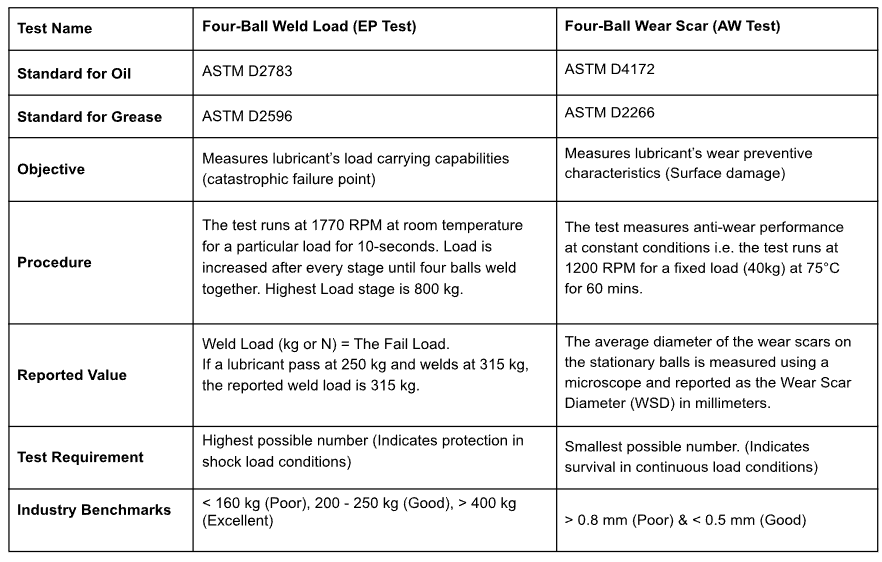
Only proven high temperature greases that go through the application simulation in the lab make it to the plant floor. Every formulation undergoes accelerated aging, mechanical and corrosion tests to replicate the combined effects of heat, humidity and load. These include oxidation stability (up to 160 °C), cold-start torque (ASTM D1478 at –40 °C), 4- Ball EP (weld load) and salt-spray (fog chamber) trials. Passing these benchmarks guarantees performance in real summer service.
4: Ongoing Support & Trial
Deployment isn’t the finish line—continuous optimization is.
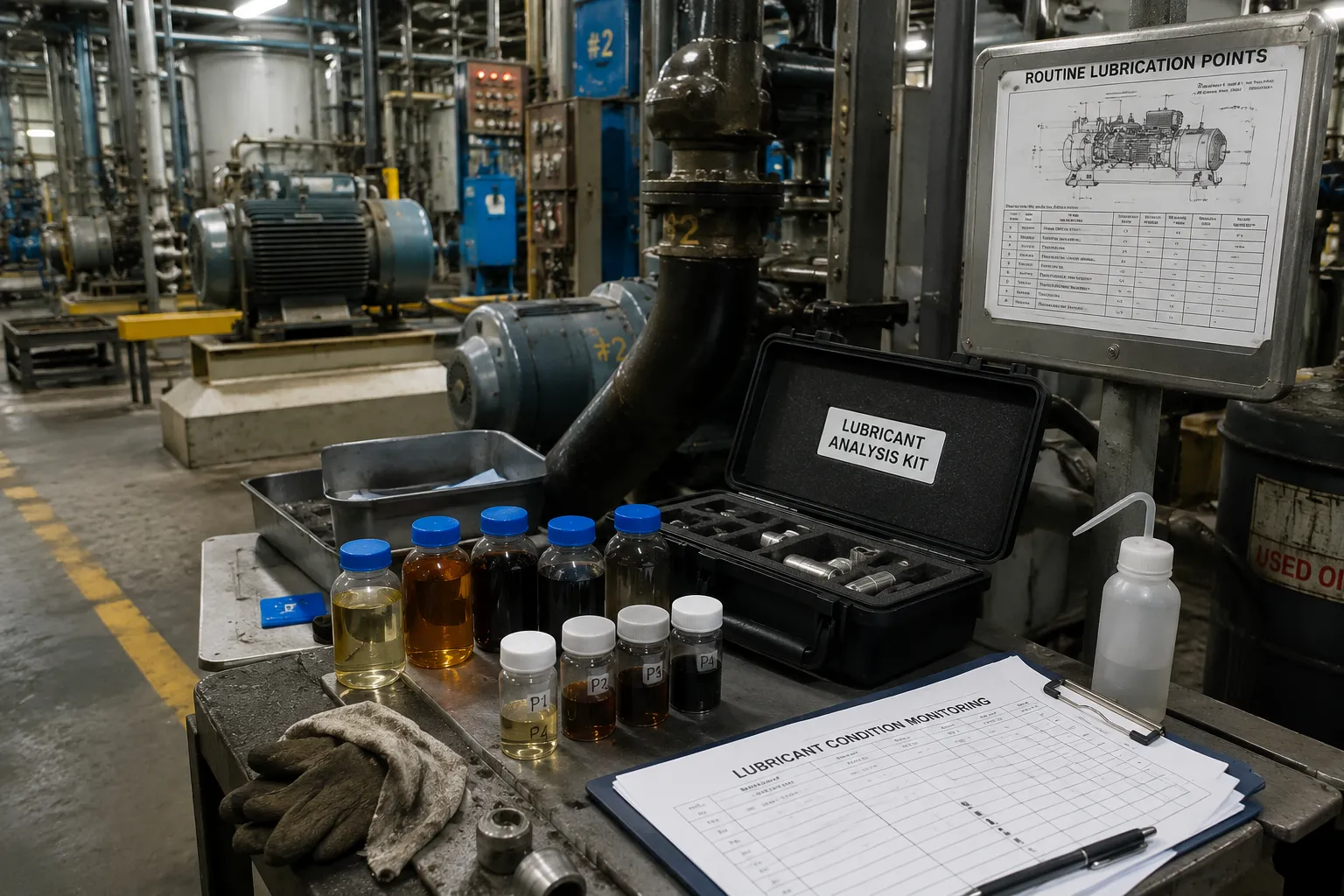
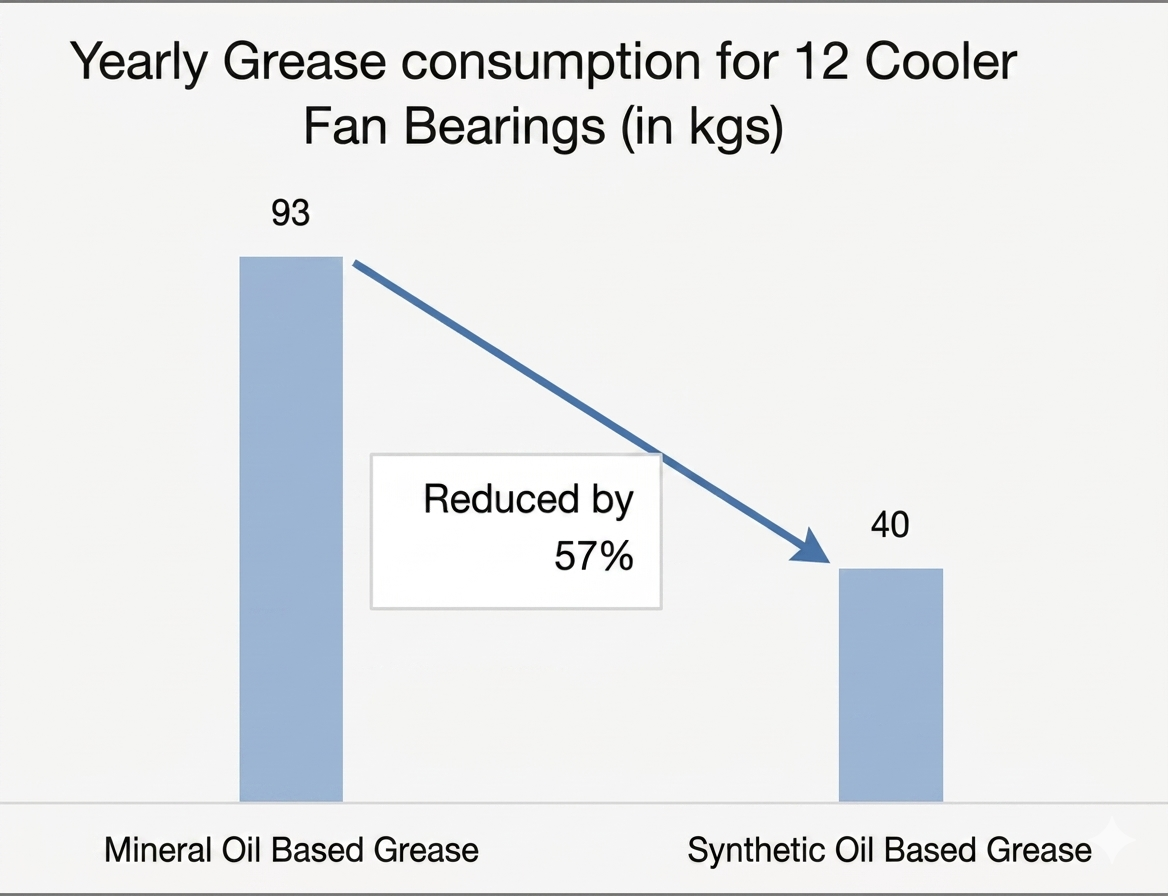
MOSIL offers on-site trials, data-driven lubrication scheduling and grease analysis to fine-tune relubrication intervals and quantities. Field data shows trials reduce overall grease use by 20–40 % and unplanned breakdowns by up to 60 % over six months. Digital sensors and trend monitoring allow proactive topping-off before film collapse, maximizing uptime during prolonged summer heat waves
Conclusion
High temperatures can significantly reduce grease lifespan due to accelerated oxidation and oil evaporation. MOSIL's 4-Step Summer Strategy, formulated with high-temperature base oils and advanced thickeners, maintains performance up to 160 °C. These formulations have passed rigorous field validations, ensuring reliability under extreme conditions. With ongoing support and tailored relubrication schedules, MOSIL helps minimize unplanned downtime and extend maintenance intervals during the hottest months.



























![Gear Drive Lubricant Selection [Gearbox Lubricants]](https://mosil.com/assets/uploads/blog/blog_1782972100_6a45fec4dbc03.webp)


![The Ultimate Guide To Grease Thickeners [Thickening Agents]](https://mosil.com/assets/uploads/blog/blog_1754991852_689b0cec60a8a.jpg)