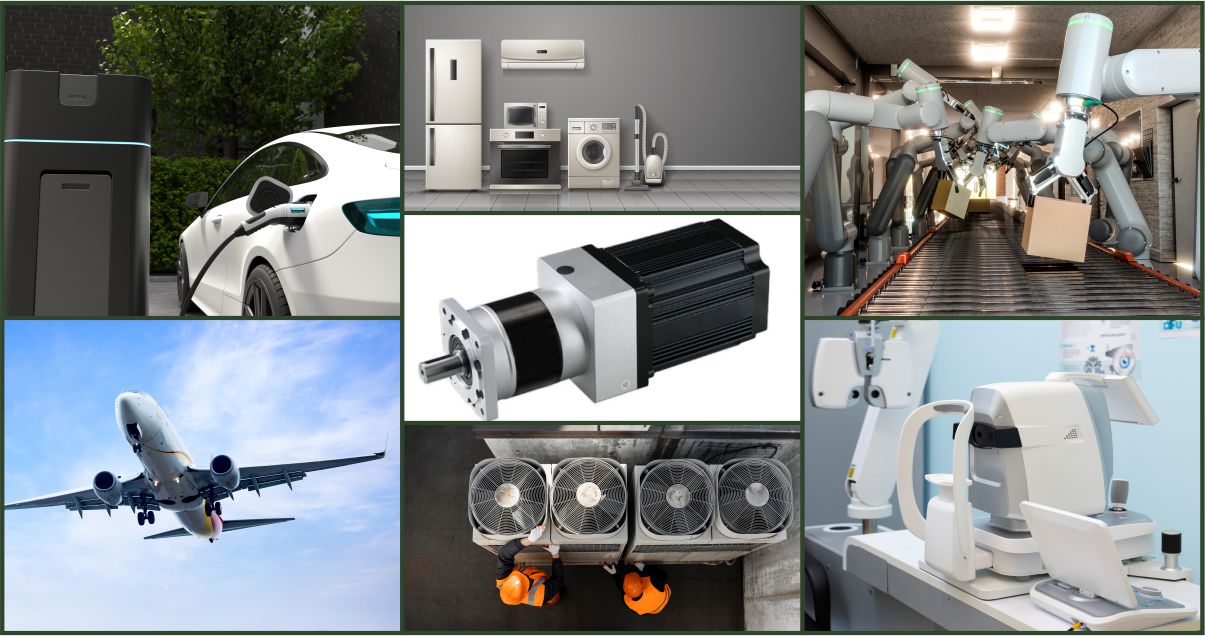
Electric motors are integral components in various industrial and commercial applications, powering machinery, HVAC systems, conveyors and more. Bearings are critical components that support the motor's rotating parts. Inadequate bearing lubrication can lead to excessive wear, overheating and ultimately motor failure. Proper lubrication of electric motor bearings is essential for maintaining the longevity and efficiency of the motor. This guide will provide a comprehensive overview of how to choose the right grease for your electric motor bearings and how to apply the correct amount to ensure optimal performance.
ELECTRIC MOTOR BEARINGS:
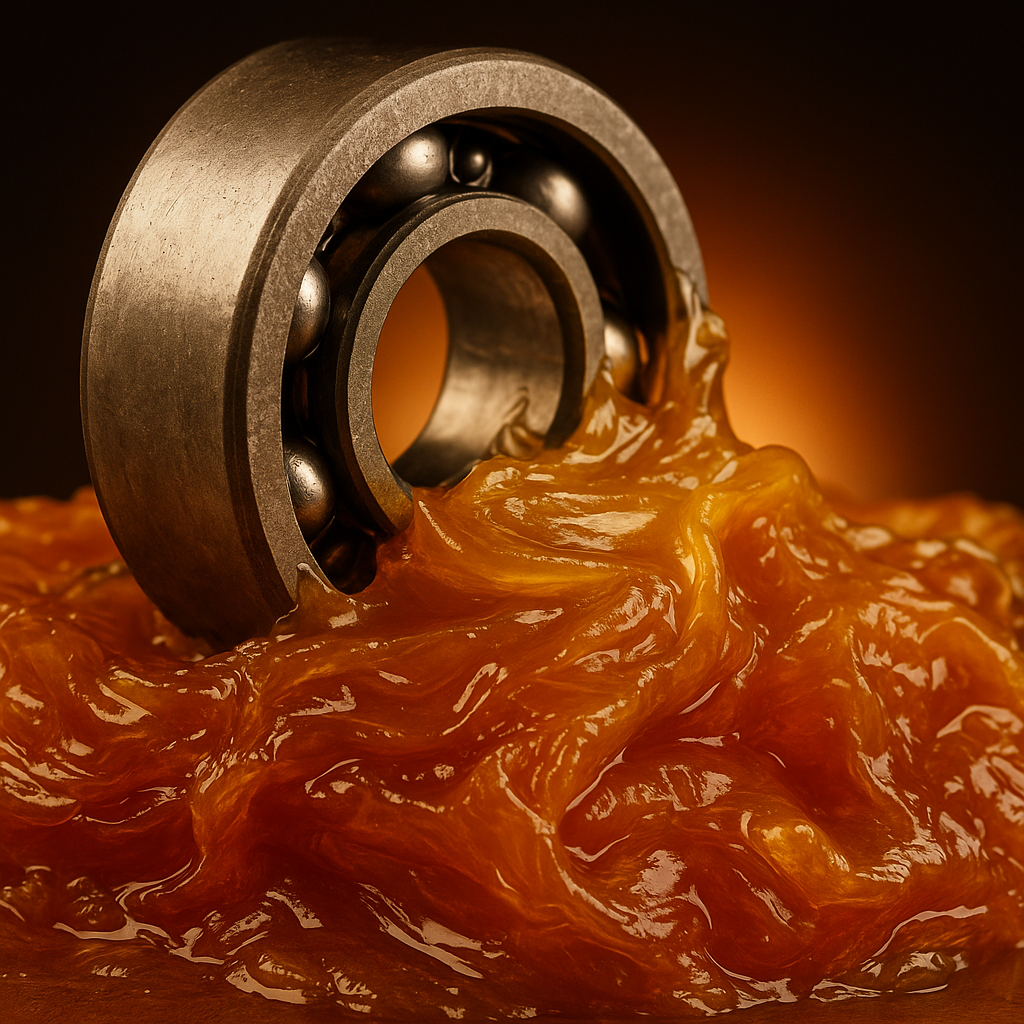
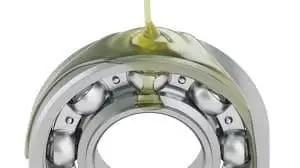
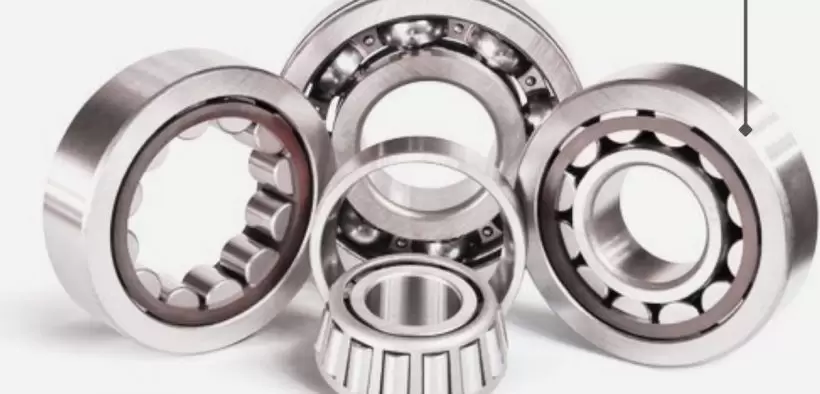
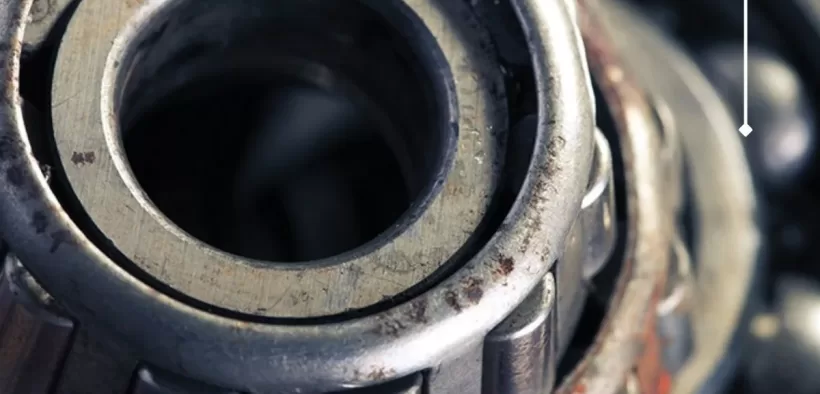
In electric motors, a wide variety of bearing types are used, including deep groove ball bearings, angular contact ball bearings, cylindrical roller bearings, spherical roller bearings, and spherical roller thrust bearings.
In small horizontal electric motors, deep groove ball bearings are most commonly used. In larger or heavily loaded machines, roller bearings are typically preferred.
FACTORS THAT INFLUENCE BEARING LIFE AND SPECIALTY LUBRICANT PERFORMANCE
The life of a bearing in a electric motor application depends on the operating conditions and lubricant used. Here are some key factors to consider before selection of the most suitable lubricant :
Speed : Operating speed influences both bearing and lubricant life. Number of electric poles and its supply frequency determine the speed in an induction motor. For example, the maximum speed for a two pole motor at 50 Hz is 3000 RPM and at 60 Hz 3600 RPM. Generally, for high-speed applications ball bearings are more suitable than roller bearings.
Load : The type of connector used between the drive and driven unit has a direct influence on bearing loads and lubricant as well. Bearings in a belt or gear drive type assembly are generally heavily loaded than a coupling drive. Therefore, mostly cylindrical roller bearings are used at the drive end.
Temperature : Typically, operating temperature for bearings in an electric motor ranges from 70 to 110 °C.
Orientation of the shaft : Vertically mounted machines need special consideration of bearings and lubricant compared to horizonatal mounted machines.
Vibrations : Motors are expected to run quietly. Bearing life deteriorates in environments where machinery is subjected to vibrations caused by an external source and need specialized lubricant.
Sealing efficiency : Electric motors can also be double-sealed bearings which are generally designed to be lubricated for life. Motors with open or single-shielded or sealed bearings should be relubricated periodically to replenish grease that may have deteriorated, leaked, or become contaminated.
Environment : Electric motors running in harsh conditions like water, dust, moisture, steam, and chemicals may experience contamination, corrosion, bearing wear and lubrication failure.
Wrong Lubrication : Bad lubrication conditions resulting from wrong grease type, wrong grease amount can also damage bearings.
ELECTRIC MOTOR - GREASE REQUIREMENT
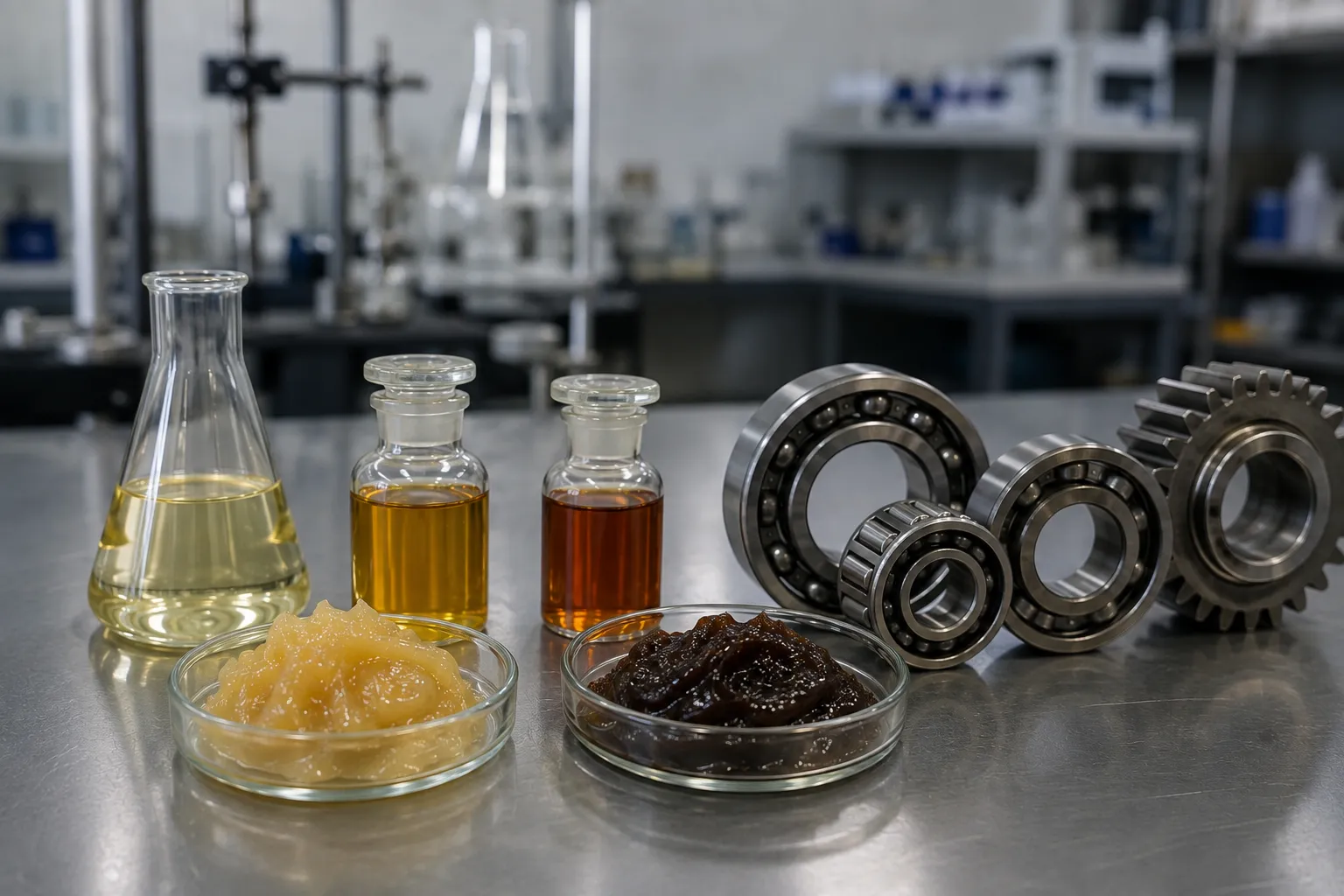
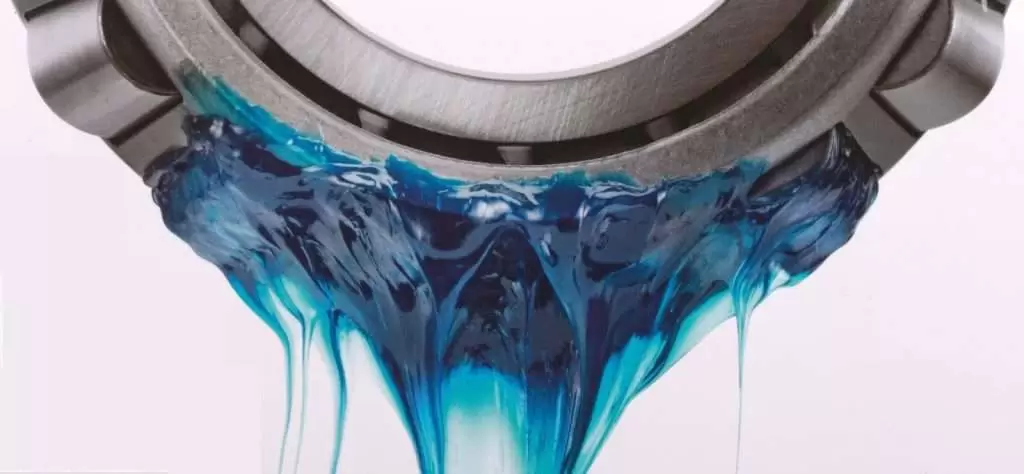
Selecting the right grease is crucial to ensure the longevity and efficiency of your electric motor bearings. Here are some key factors to consider:
--> Type of Base oil and thickener influences the performace over a temperature range. Mineral oil based greases with Lithium or Polyurea based thickeners are commonly used in industry.
--> The oil viscosity in the grease must match the operating conditions of the motor including the load and speed. The typical viscosity for electric motor grease ranges between 100 to 250 cSt at 40°C.
--> Grease consistency of neither too thick nor too thin is required to provide a good balance between pumpability and staying power. NLGI 3 is recommended for large bearings and vertical shaft arrangements. The thumb rule for electric motor is that the number of Poles is inversely proportional to the speed (rpm). Typically NLGI 3 consistency is used for 4P, 6P, 8P, 10P electric pole motors while NLGI 2 is typically used for high speed 2P electric Motors.
--> Grease should resist oxidation at high temperatures which causes the grease to harden and lose its lubricating properties.
--> Grease with excellent thermal stability & shear stability is essential for long life performance.
--> Grease with low friction behaviour and anti-wear performance is essential for long term protection of the bearings.
GREASING & REGREASING :
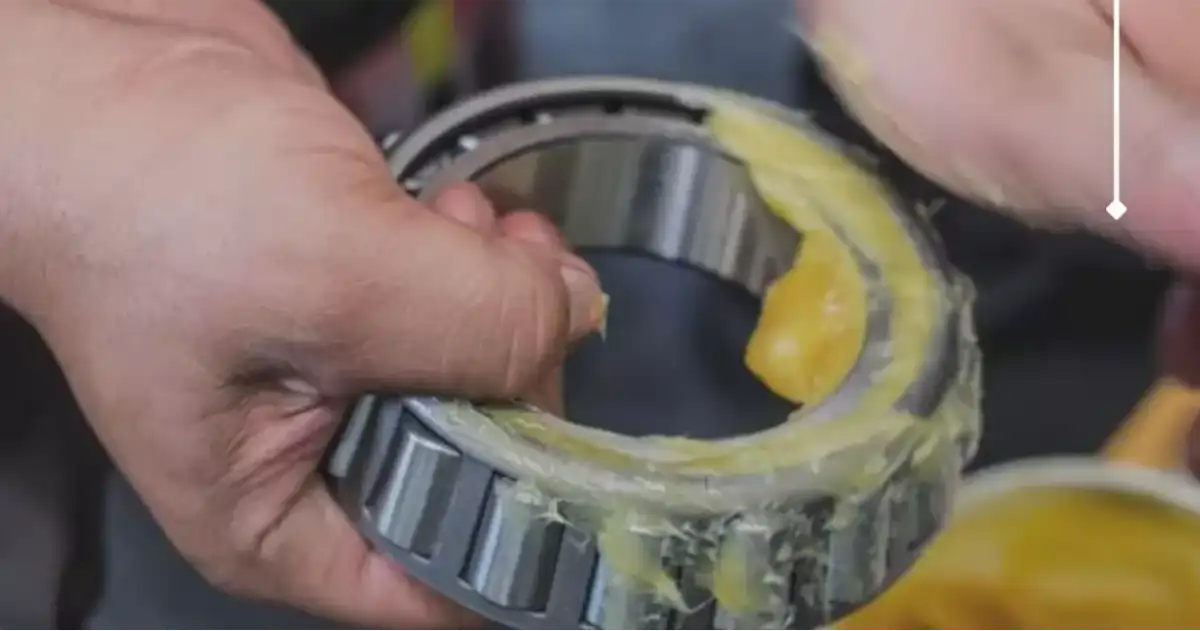
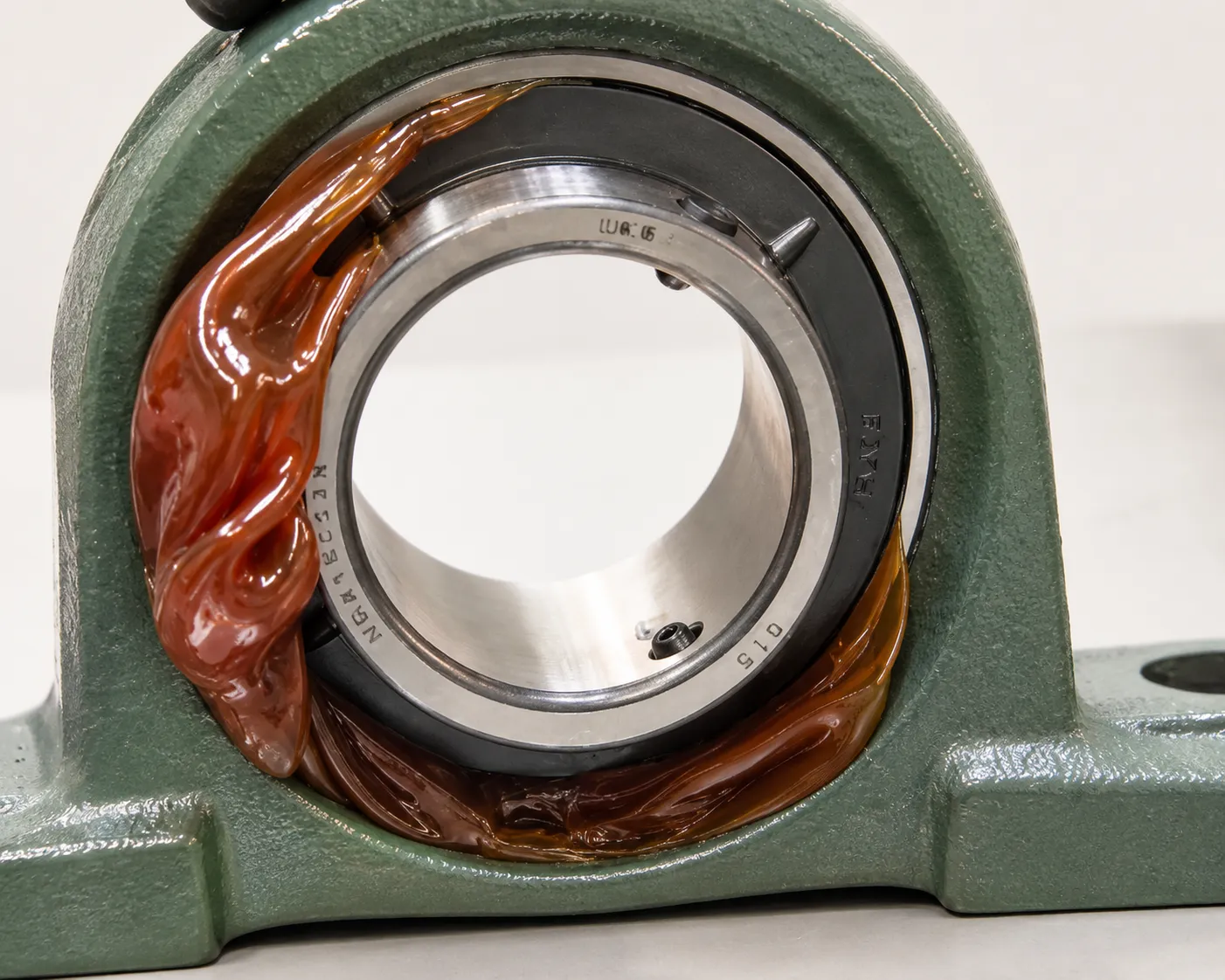
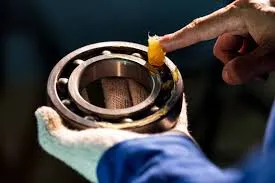
Ensuring the correct amount of grease in an electric motor bearing is crucial during initial greasing and when regreasing. Greasing methods vary according to the bearing designs and its housing.
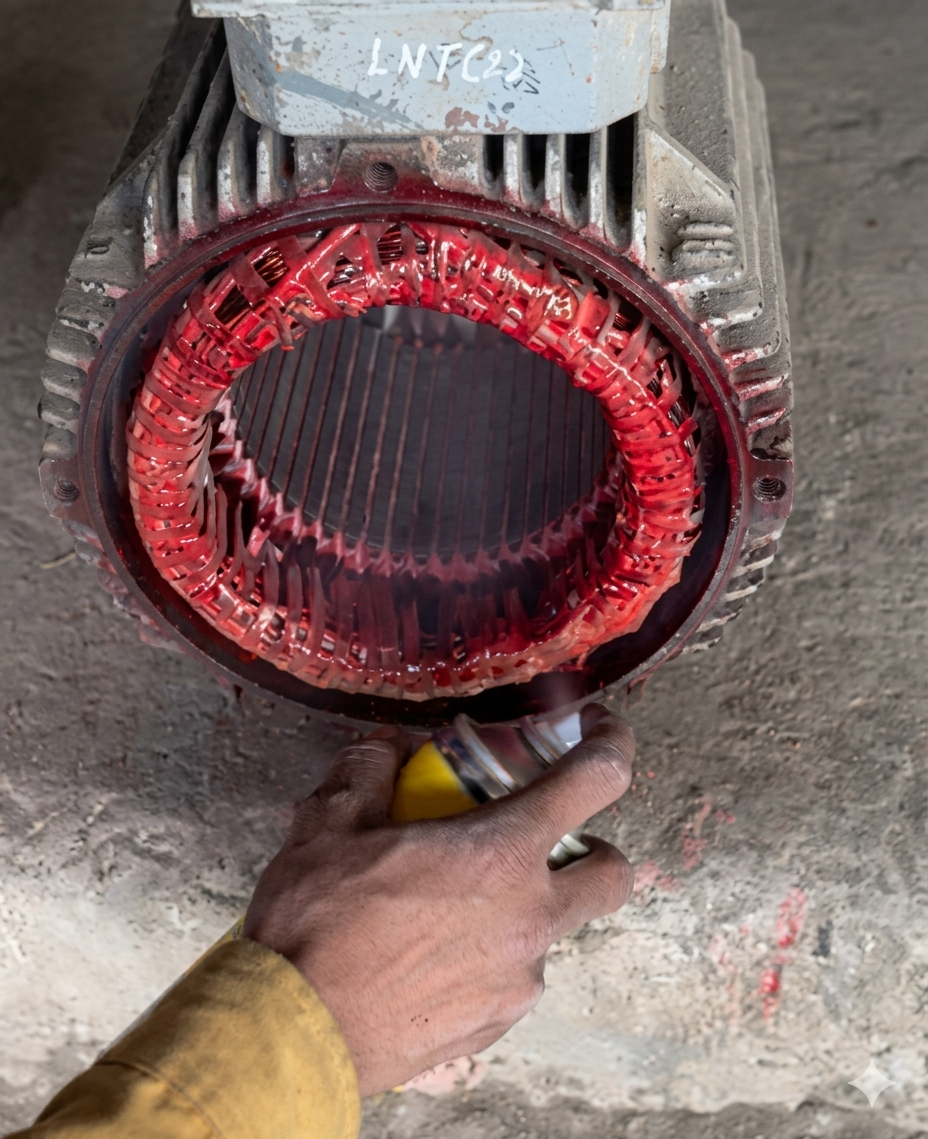
However, amount of grease in the bearing plays a very important role. Insufficient grease can cause bearing failure due to inadequate lubrication, while excessive greasing may lead to failure by forcing the lubricant into the windings, potentially damaging the motor.
Typically, the major bearing used in electric motors is Deep Groove Ball Bearings and approximate quantity for regreasing is typically 45 to 60 grams. Approximate regreasing frequency for Drive End & Non Drive End is typically 3000 Hrs & 3500 Hrs with Mineral Oil-Lithium based greases. Regreasing intervals may extend depending on the type of grease used in the bearings.
To summarize, the performance of electric motor bearings is greatly affected by speed, load, temperature and envirionmental conditions. One can significantly extend bearing life, by addressing these factors proactively and selecting the right grease. Mosil Lubricants provide high-performance greases specifically designed for electric motor bearings, ensuring optimal protection and efficiency in various operating conditions. These greases offer superior lubrication, reducing wear and extending bearing life even in demanding environments."




















![Gear Drive Lubricant Selection [Gearbox Lubricants]](https://mosil.com/assets/uploads/blog/blog_1782972100_6a45fec4dbc03.webp)



![The Ultimate Guide To Grease Thickeners [Thickening Agents]](https://mosil.com/assets/uploads/blog/blog_1754991852_689b0cec60a8a.jpg)