


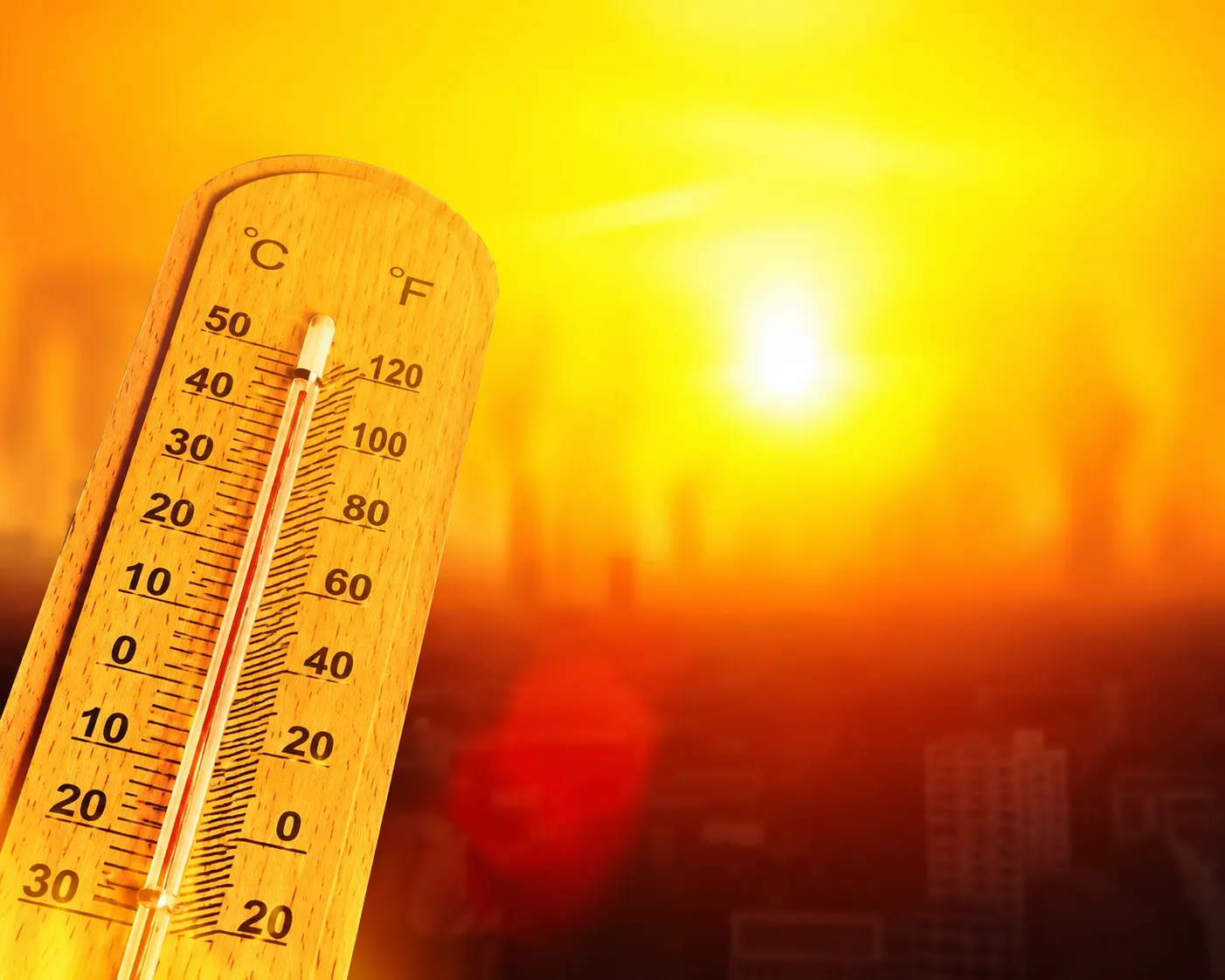
When selecting a grease for an application, temperature is one of the most important factors to consider. While several technical specifications influence the performance of grease, the operating temperature of the application is often the most critical factor that determines whether grease will work satisfactorily or not.
In this blog, we will explore the key temperature ranges and other grease parameters that influence grease selection.
Key Temperature Ranges for Grease Selection in Industrial Lubricants
When assessing which grease is appropriate for an application, we must look at several temperature-related factors:
Minimum Range of Grease: This is the lowest temperature at which the grease continues to perform effectively. If the temperature falls below this range, the grease may harden or lose its ability to lubricate properly.
Maximum Range of Grease: The maximum range represents the highest temperature the grease can withstand before breaking down or becoming ineffective. Beyond this point, the grease may liquefy, leading to equipment failure.
Minimum Operating Temperature (at application): This is the lowest temperature the equipment will encounter during operation. The grease needs to maintain its lubrication properties at this temperature to prevent damage due to insufficient lubrication.
Maximum Operating Temperature (at application): This is the highest temperature the machinery will experience during operation. If the grease fails at this temperature, it could cause excessive wear or overheating.
Usual Operating Temperature (at application): This is the real game-changer. This refers to the temperature at which the machine normally operates. A grease that works perfectly within the usual operating temperature will ensure smooth operation and extend equipment life. Greases that are formulated with the right additives and thickeners for this temperature will provide reliable performance under normal conditions.
Additionally, In the usual operating temperature range, continuous temperatures are the regular, sustained levels where grease must maintain performance, while short-term peak temperatures are occasional spikes that the grease should handle briefly without degradation.
SPECIALTY LUBRICANTS
Key Technical Properties Influencing Grease Performance Across Temperature Range
When recommending or selecting a grease for high-performance applications, understanding the technical properties that define its temperature tolerance is crucial:
Drop Point: Understanding Thermal Stability
The Drop Point of grease represents the upper-temperature limit beyond which the thickener begins to break down. The Drop Point serves as an indicator of the thickener's thermal stability. Greases with higher drop points are more resistant to structural degradation under high temperatures. Two thickeners with the same drop point can still perform differently at the same temperature.
Pour Point of Base Oil: Cold Temperature Flow Characteristics
The Pour Point of the base oil in grease is critical in low-temperature applications. The type of base oil (mineral and synthetic) plays a significant role in determining the pour point, with synthetic oils often outperforming mineral oils in icy environments.
Flash Point of Base Oil: High-Temperature Safety Considerations
The Flash Point is the temperature at which h the vapors from the base oil can ignite. While it may not directly affect lubrication performance, the flash point provides valuable insight into the safety and fire risks associated with grease at elevated temperatures. The base oil’s composition, particularly its volatility, defines the flash point. Synthetic oils generally have higher flash points than conventional oils.
NLGI Grade: Tailoring Consistency to Application Needs
The NLGI grade is directly related to the viscosity of the base oil and the thickener system, determining the grease’s ability to flow under operating conditions. A higher NLGI grade generally offers greater structural integrity at higher temperatures but may become too stiff to flow at lower temperatures. Conversely, lower NLGI grades are more suitable for applications requiring good flow characteristics at low temperatures but may lack stability under heavy loads or higher heat.
General Temperature Range
To select a high temperature grease, it's essential to consider the temperature range and factors causing product degradation. Long-term grease performance depends on mechanical stability, oxidative stability, and thermal stability, which are interconnected. In high-temperature applications, thermal stress often leads to degradation, especially when oxidative failure occurs due to air contact, similar to industrial oil-lubricated systems. In the table below the general temperature range of use for grease selection are mentioned.
Conclusion :
Selecting the right grease requires a thorough understanding of temperature limits, from minimum and maximum grease ranges to the usual operating temperature of the equipment. Key properties like drop point, pour point, flash point and NLGI grade help match the grease to specific temperature needs and operating conditions. By balancing these factors, the right grease can provide reliable lubrication, enhance machinery performance, and extend equipment life.






















































![Gear Drive Lubricant Selection [Gearbox Lubricants]](https://mosil.com/assets/uploads/blog/blog_1788344519_6a97f8c75d604.webp)







![The Ultimate Guide To Grease Thickeners [Thickening Agents]](https://mosil.com/assets/uploads/blog/blog_1754991852_689b0cec60a8a.jpg)