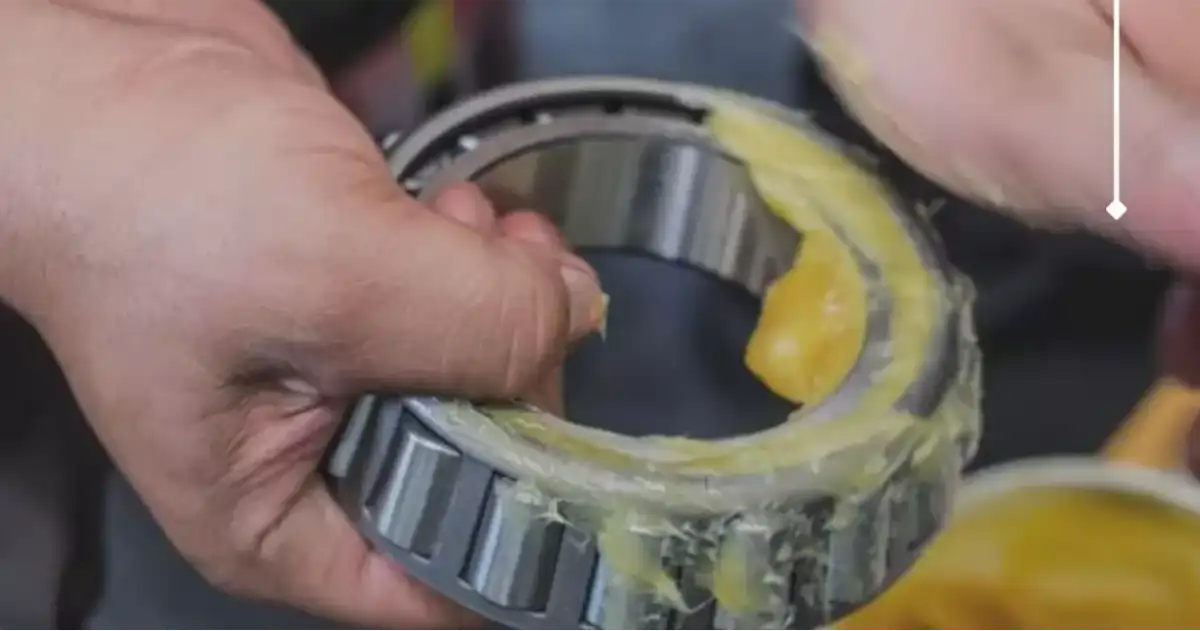


IMPORTANCE OF LUBRICANT HANDLING & SAFETY
Recent legislation in all developed as well as developing countries have focused public attention on health and safety hazards while using chemical products and placed a responsibility on such product suppliers to reduce risks. This has resulted in more general availability of information about specific dangers and preventive actions. During last decade, many industries have faced enormous monetary losses in the maintenance department due to accidents on the shop-floors. After inspections it became evident that many of the accidents would not have occurred if proper safety and material handling policies were in effect. Personnel involved in lubrication must be aware of the hazards associated with the handling and safety of the lubricant.
LUBRICANT HANDLING & STORAGE
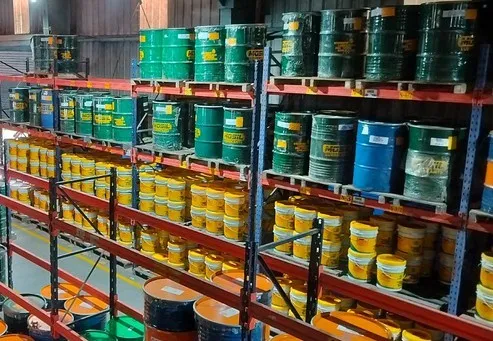
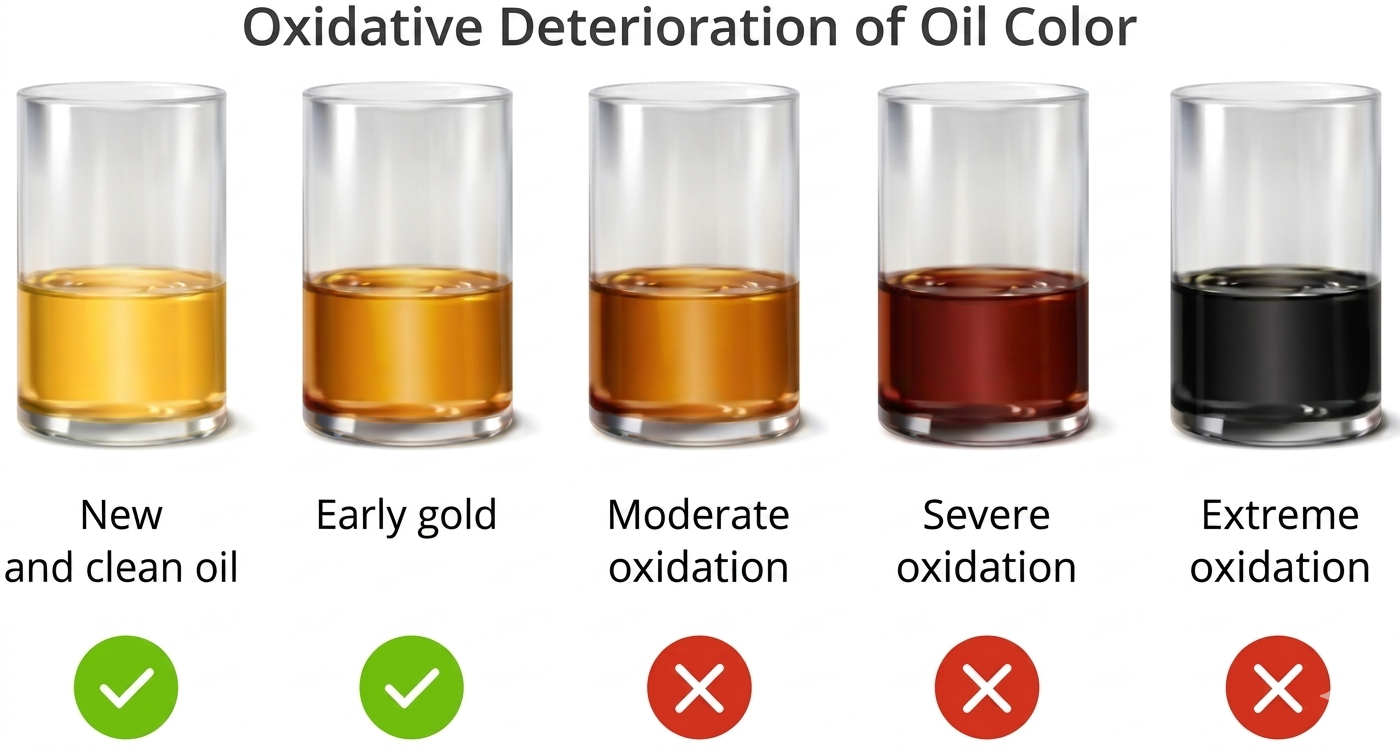
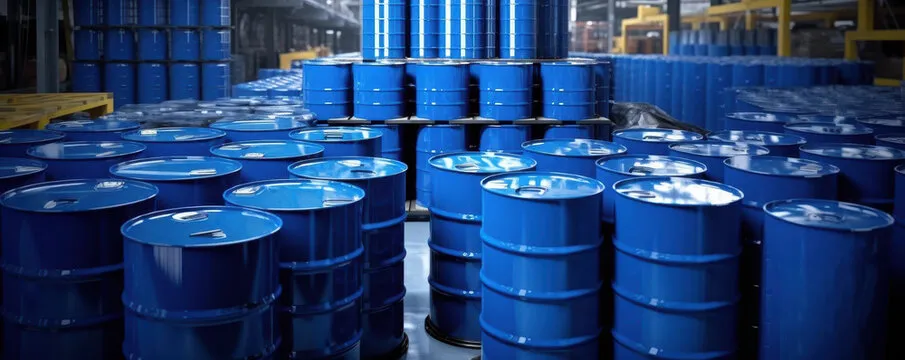
Oils must be stored in clean sealed drum, in dry place and may remain in perfect condition for many years. Once the containers are opened, the deterioration rate is more and the size of container chosen should be sufficient for 1 to 3 months supply.
HEALTH & SAFETY
HAZARD & ACCIDENT POSSIBILITY
Accidents while shifting drums
Oil and Grease spills
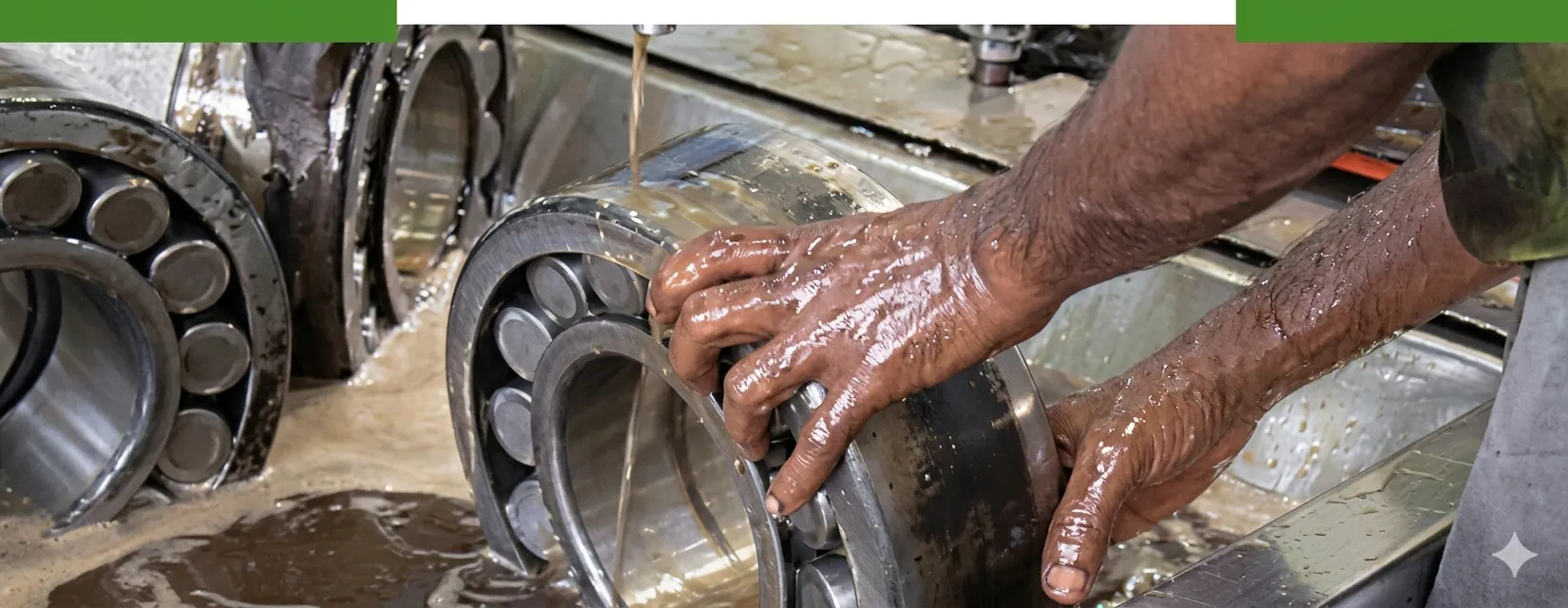
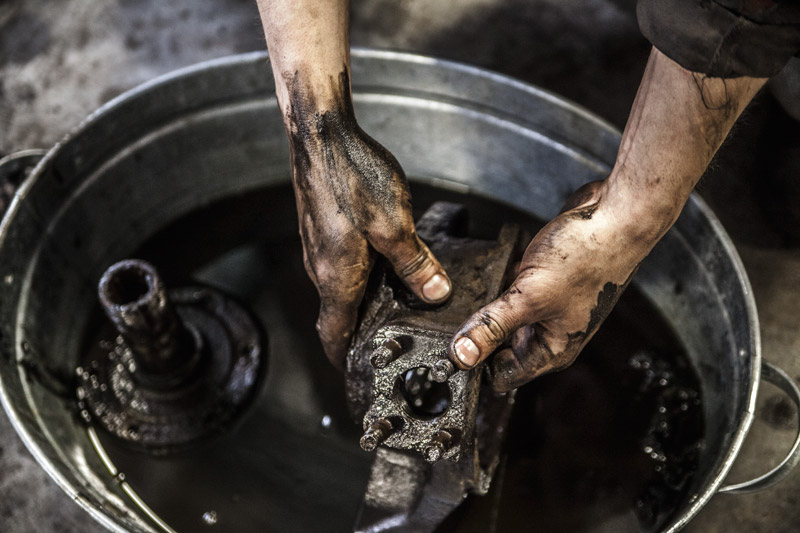
Hazards to skin
Improper tool handling
Fire hazards
Accidental consumption
Inhaling Toxic Vapors, mist of oils, etc.
HEALTH ASPECT & CARE
This article is intended to give a broad picture of the types of hazards which can arise while handling lubricants and the safety practices that should be implemented.
Authoritative data on health hazards for all sorts of chemical materials are published by most governments and other public bodies. Hazards of particular lubricants are described in the relevant manufacturers' safety data sheets.
For information about lubricant hazard or safety precautions to be used with lubricants, those responsible for lubrication matters, in conjunction with works safety officers and medical officers, should consult the detailed safety data sheet provided by the lubricant supplier.






















































![Gear Drive Lubricant Selection [Gearbox Lubricants]](https://mosil.com/assets/uploads/blog/blog_1788344519_6a97f8c75d604.webp)




![The Ultimate Guide To Grease Thickeners [Thickening Agents]](https://mosil.com/assets/uploads/blog/blog_1754991852_689b0cec60a8a.jpg)