

From Surface Protection to Long-Term Preservation: Understanding Rust Preventive Oils
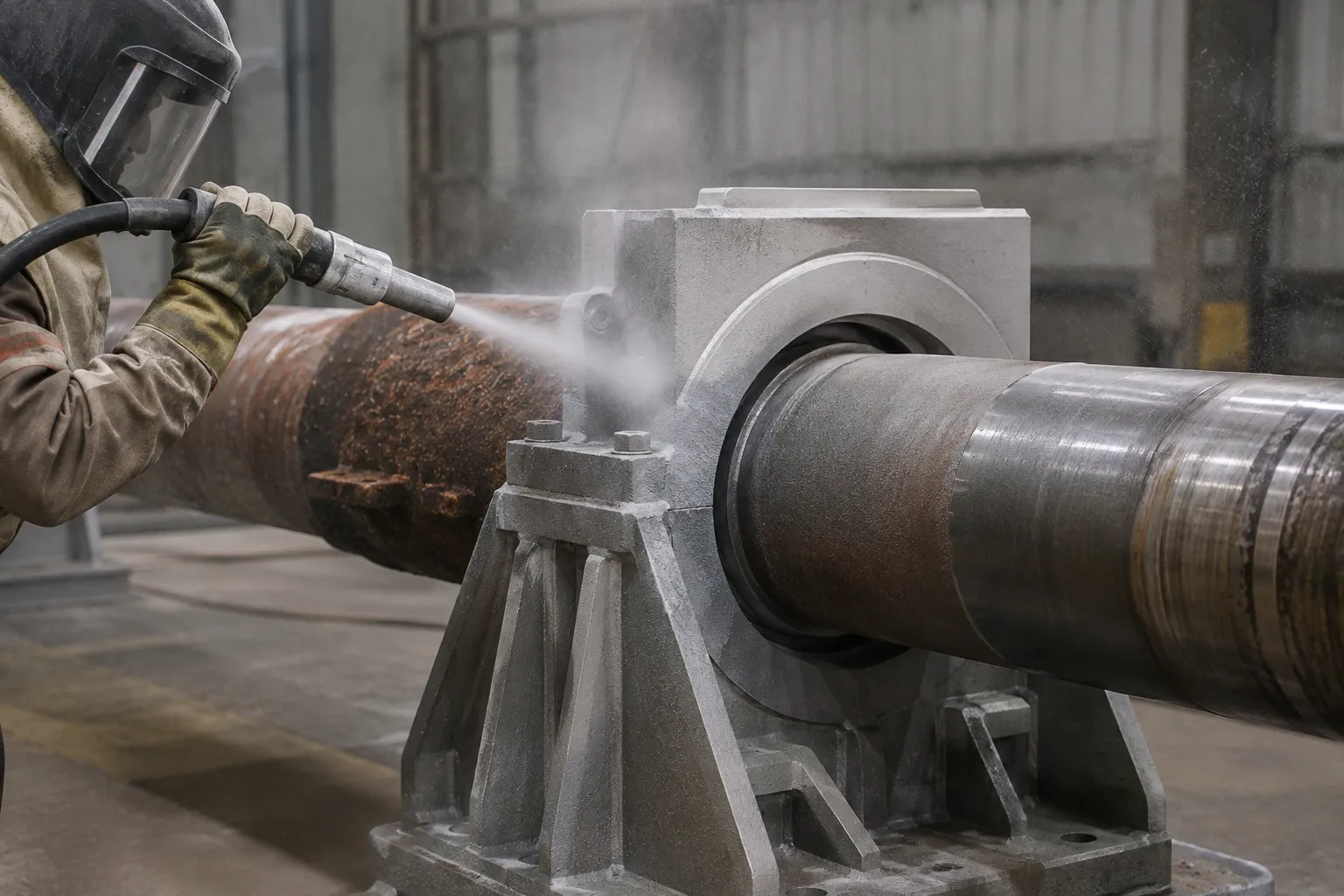
Metal components are often exposed to moisture, humidity, salts and other environmental contaminants during manufacturing, storage and transportation. Without protection, these conditions can lead to rust formation.
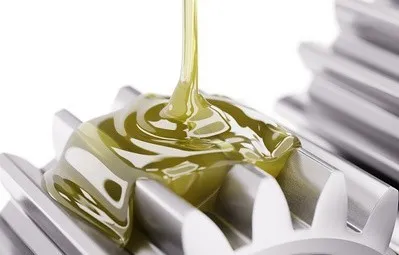
Rust preventive oils are specially formulated to provide protection to metal surfaces by forming a protective film that helps reduce contact between the metal and corrosive elements. The selection of the right rust preventive oils depends on factors such as the storage environment, required protection period, film characteristics, application method and ease of removal.
What is Rust?
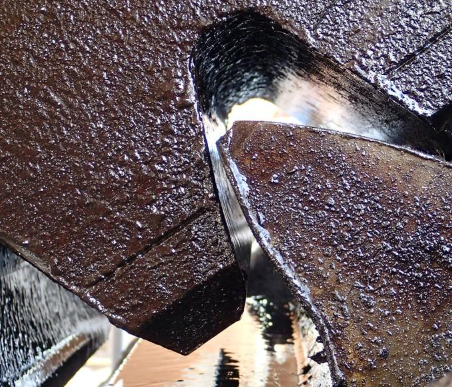
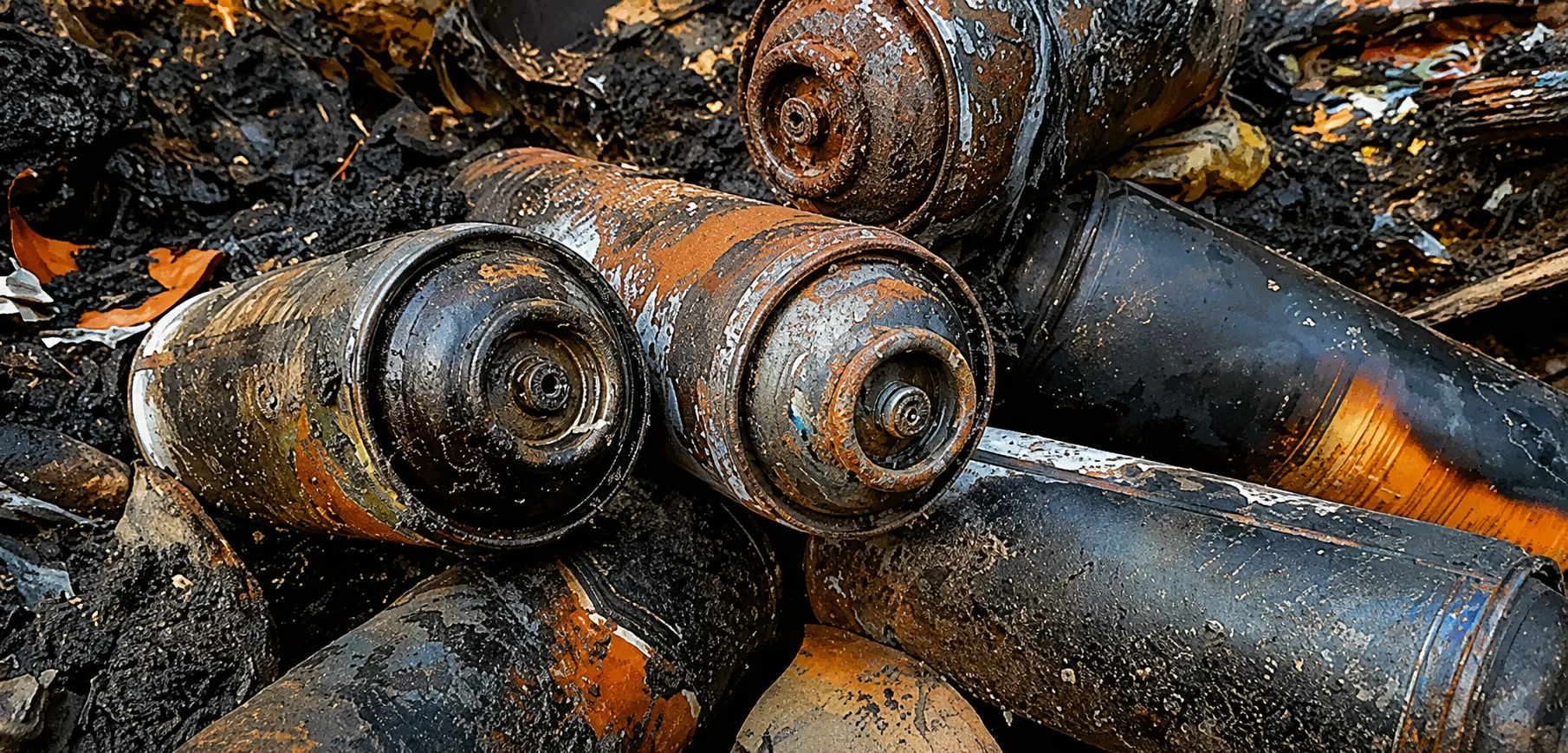
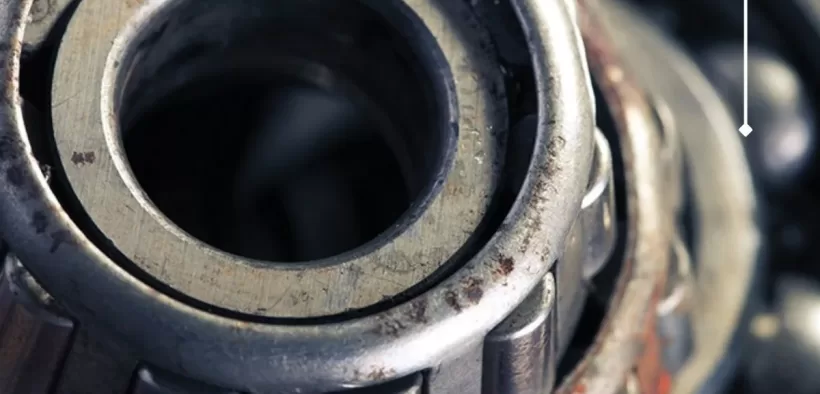
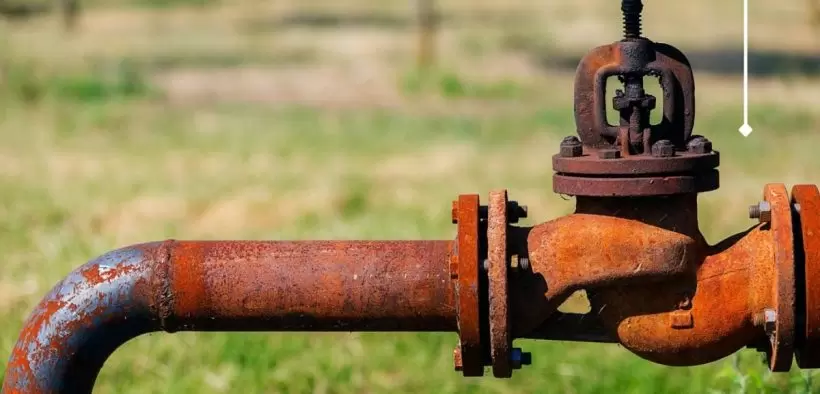
Rust is a form of corrosion that occurs primarily on iron and iron-containing alloys,when exposed to oxygen and moisture. It is the visible result of an electrochemical reaction in which iron gradually reacts with its surrounding environment, forming iron oxides commonly seen as a reddish-brown layer.
The rusting process requires moisture to act as an electrolyte, allowing electrochemical reactions to take place on the metal surface. Factors such as high humidity, water, condensation, salts, chemicals, and temperature variations can accelerate rust formation.
Therefore, protecting metal surfaces from moisture and corrosive environments is essential. Rust preventive oils provide protection by forming a protective film on the metal surface, helping prevent corrosive elements from reaching the underlying metal.
What is Rust Preventive Oil?
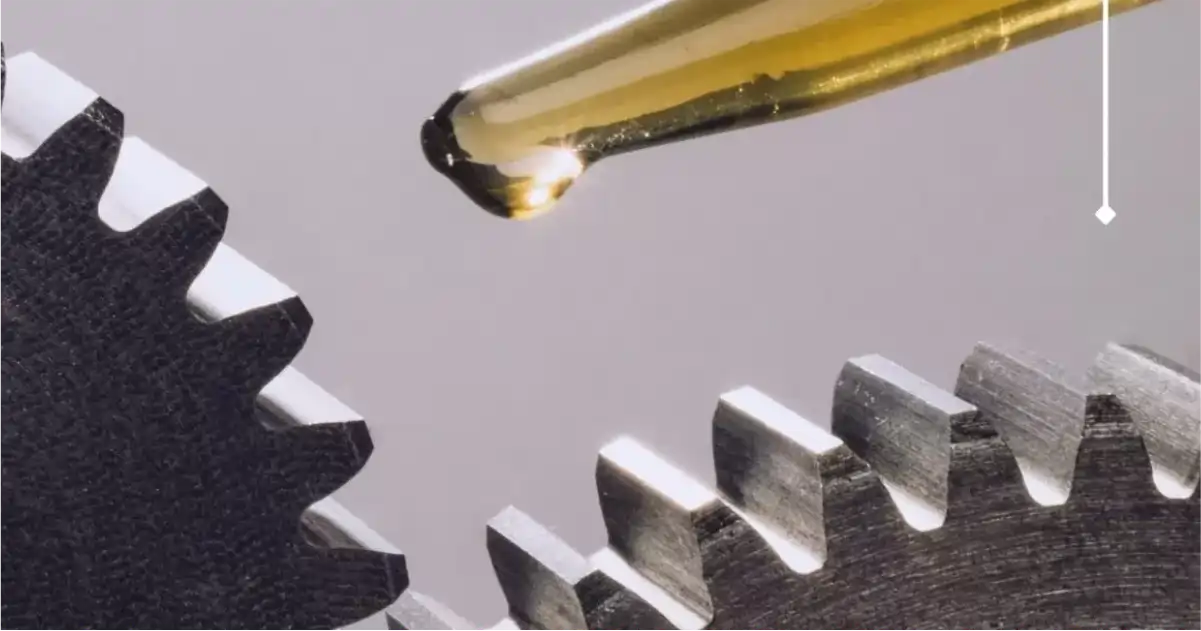
Rust preventive oil is a specially formulated protective fluid designed to temporarily protect metal surfaces from rust during manufacturing, storage and transportation. It contains corrosion-inhibiting additives that help protect the metal by forming a protective film over the surface and depending on the formulation, may also displace moisture.
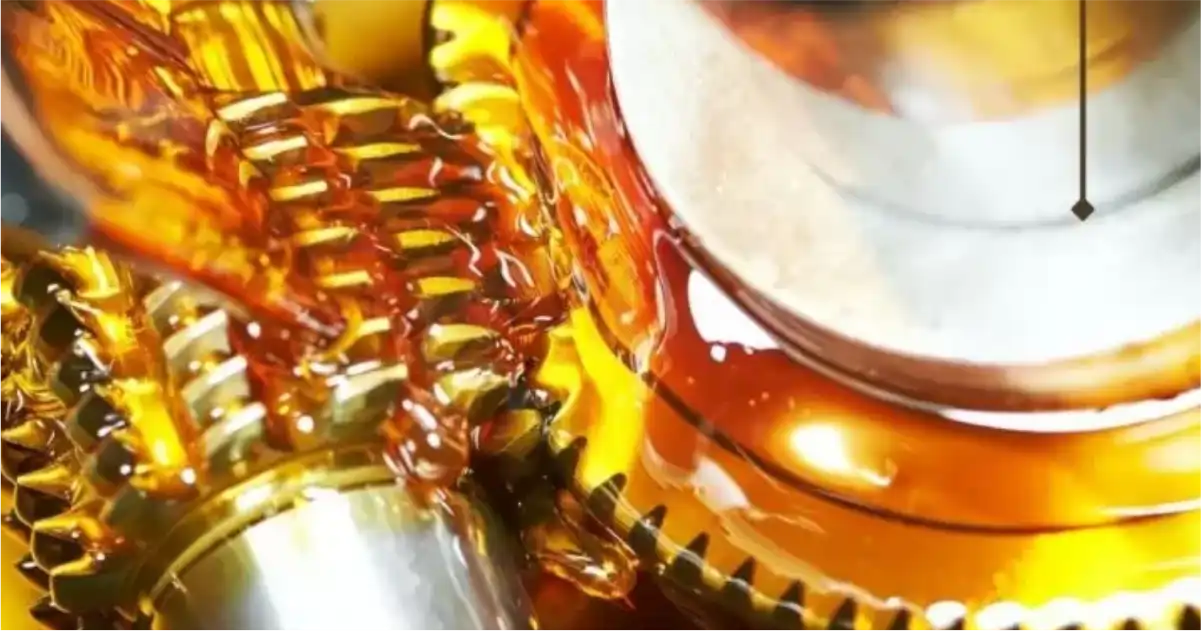
Unlike conventional lubricants whose primary purpose is to reduce friction and wear, rust preventive oils are primarily formulated to preserve the condition of metal surfaces and prevent corrosion during periods when the component is not in service.
Depending on the required protection period and environment, rust preventives can leave different types of films, such as thin oily, dry, waxy or heavier protective films. The choice of product depends on factors such as the metal surface, storage conditions, required protection duration, application method and ease of subsequent removal.
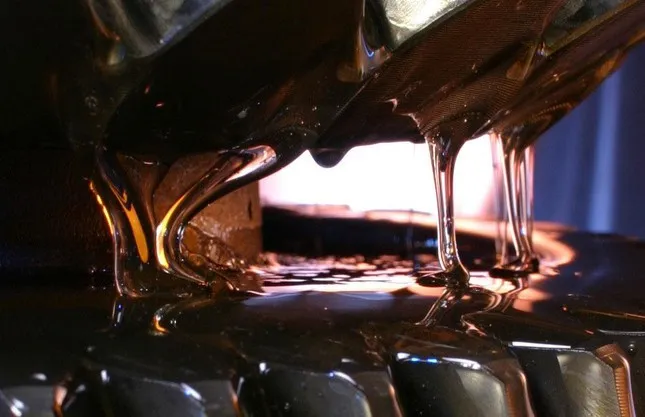
Rust preventive oils protect metal surfaces primarily by forming a protective film over the surface. This film acts as a barrier between the metal and corrosive elements such as moisture, oxygen, salts, and atmospheric contaminants, reducing the conditions required for rust formation.
Types of Rust Preventive Oils
Rust preventive oils can be classified based on the type of protective film they form, their water-displacing ability and the level and duration of protection required. The major types include:
1.Thin-Film Rust Preventives
These products form a light, thin protective film on the metal surface. They are generally suitable for short-term or inter-process protection, where easy application, high coverage and easy removal are important. Thin-film products are commonly used for machined components and finished parts during manufacturing, storage, or transportation.
2.Water-Displacing Rust Preventives
These formulations are designed to displace water or moisture from the metal surface before forming a protective film. They are particularly useful when components have been exposed to washing, aqueous processes, humidity, or condensation.
3.Waxy or Heavy-Film Rust Preventives
These products form a thicker, more persistent waxy or dry protective film. They are generally selected when longer-term protection or more demanding storage and transportation conditions are expected. The heavier film provides a stronger physical barrier but may require cleaning before the component is put into service.
4.Thixotropic Rust Preventives
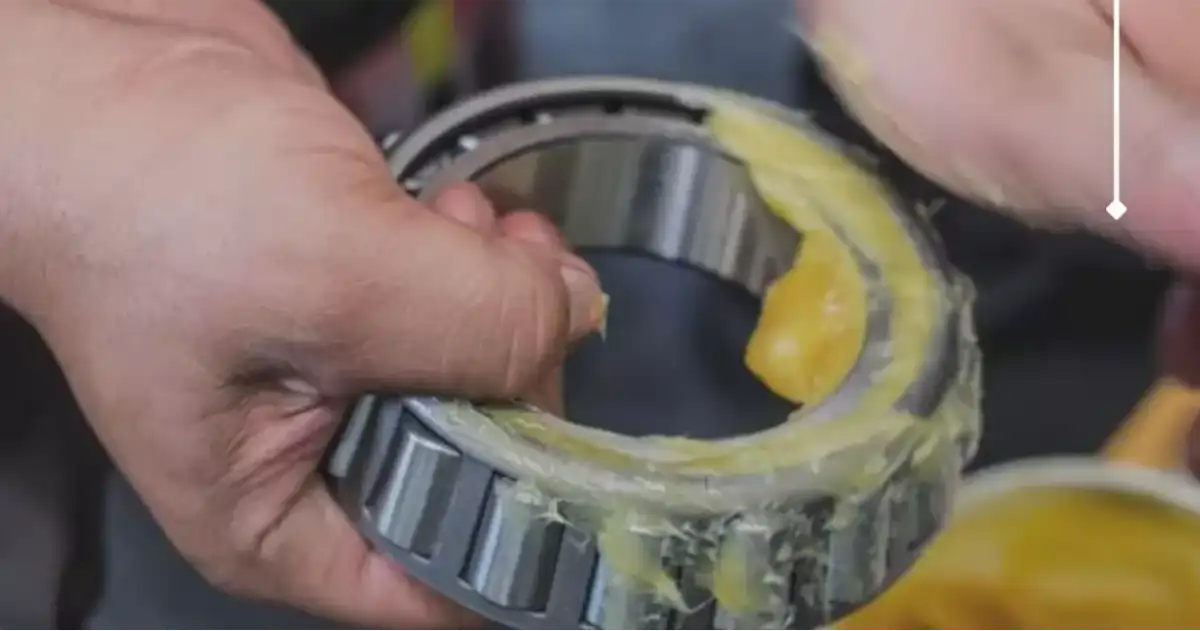
Thixotropic products are formulated to form a persistent protective film while remaining easier to apply. Their consistency can help the product remain on surfaces, making them useful for long-term corrosion protection and components with complex geometries.
5.VCI-Based Rust Preventives
Volatile Corrosion Inhibitor (VCI) products provide corrosion protection through inhibitors that act within an enclosed environment, in addition to the protection provided by the oil or coating itself. They can be particularly useful for packaged components and enclosed storage conditions.
The selection of a rust preventive should therefore be based on the required protection period, storage environment, exposure to moisture, desired film characteristics, application method, and ease of removal.
Indoor vs Outdoor Protection
The environment in which a metal component is stored or transported plays an important role in selecting a rust preventive. When a metal component is stored inside a covered/closed area, it is not directly exposed to rain, sunlight or harsh weather conditions. Therefore, depending on the storage duration and humidity level, products forming a light oily or thin protective film may be suitable for indoor or inter-process protection.
Outdoor protection is more demanding because components may be exposed to rain, humidity, condensation, temperature fluctuations, dust, and other atmospheric contaminants. Rust preventives used for such conditions generally require a more persistent and weather-resistant protective film, particularly when protection is required for extended periods.
The selection should therefore consider storage environment, exposure conditions, protection duration, film type and ease of removal. The same rust preventive should not automatically be used for every storage condition.
Salt Spray Test
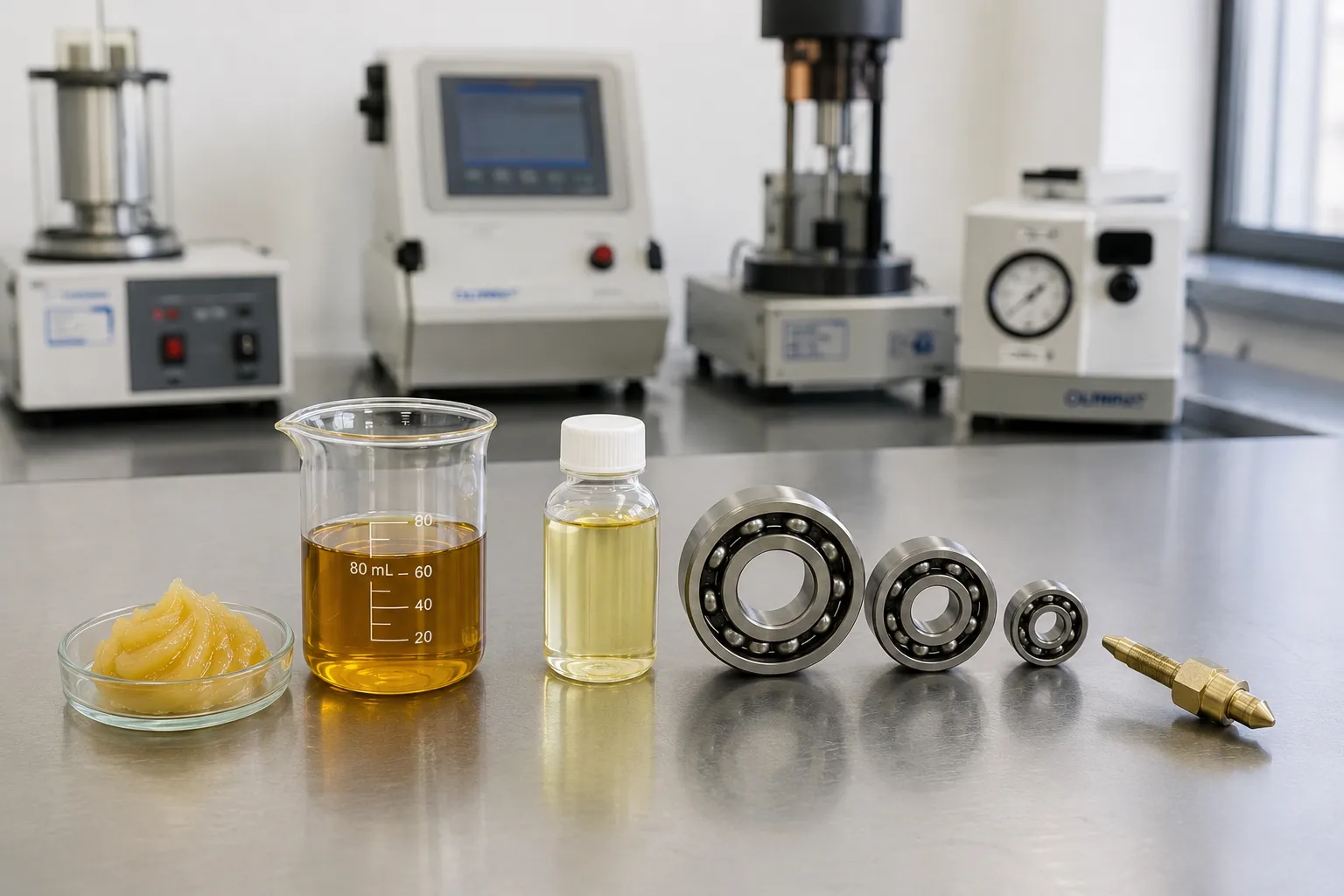
The Salt Spray Test is a widely used test for evaluating the corrosion resistance of metals, coatings and corrosion-protective treatments. In this test, the test specimen is exposed to a fine salt-water fog inside a controlled chamber for a specified period. The specimen is then evaluated for signs of corrosion or rust according to the defined evaluation criteria.
The standard test method is ASTM B117.
For rust preventive oils, salt spray hours indicate how long the protected metal can withstand the specified test environment before reaching the defined failure or corrosion criterion. A higher test duration can provide useful comparative information when products are tested under the same conditions.
Humidity Cabinet Test
The Humidity Cabinet Test is an laboratory test used to evaluate the ability of a rust preventive to protect metal surfaces under controlled, high-humidity conditions. The standard test method is ASTM D1748.
In this test, a metal specimen coated with the rust preventive is placed inside a humidity cabinet where it is continuously exposed to controlled high humidity and elevated temperature. The specimen is periodically inspected for signs of rust and the time taken to reach the specified failure criterion is recorded.
Therefore, humidity cabinet hours provide a comparative indication of the rust-preventive performance of a product under the specified test conditions. A longer time before rust formation generally indicates greater resistance under that particular test.
However, humidity cabinet hours should not be directly interpreted as the exact number of hours or months the product will protect a component in actual storage or outdoor conditions. Real-world performance depends on factors such as humidity, temperature, contamination, film thickness, application and storage environment.
Coverage Area and Film Type
The coverage area of a rust preventive oil depends largely on the amount of product applied and the required protective film thickness. A thinner film generally requires less product per unit area and can therefore provide higher coverage, while a heavier film requires more product and provides a more protective layer.
The relationship can be understood as:
For example, a light protective film may be suitable when high coverage and easy removal are required, while a heavier, more persistent film may be preferred for longer-term protection or demanding environmental conditions. However, a thicker film should not automatically be considered better, as excessive application can increase product consumption and may make subsequent cleaning or processing more difficult.
Actual coverage depends on the product formulation, specified film thickness, application method, surface condition, and application efficiency. Therefore, coverage values should be determined from the manufacturer's technical data and actual application requirements rather than using a universal coverage value for all rust preventive oils.
Selecting the Right Rust Preventive
Selecting the right rust preventive oil depends on the application, environment, required protection period, and desired film characteristics. Before selecting a product, consider the following factors:
- Storage environment: Indoor, sheltered outdoor or exposed outdoor conditions.
- Protection duration: Short-term inter-process protection or long-term storage and transportation.
- Moisture exposure: Humidity, condensation, rain, washing processes or salt contamination.
- Film requirement: Light, persistent, or heavier protective film based on the required level of protection.
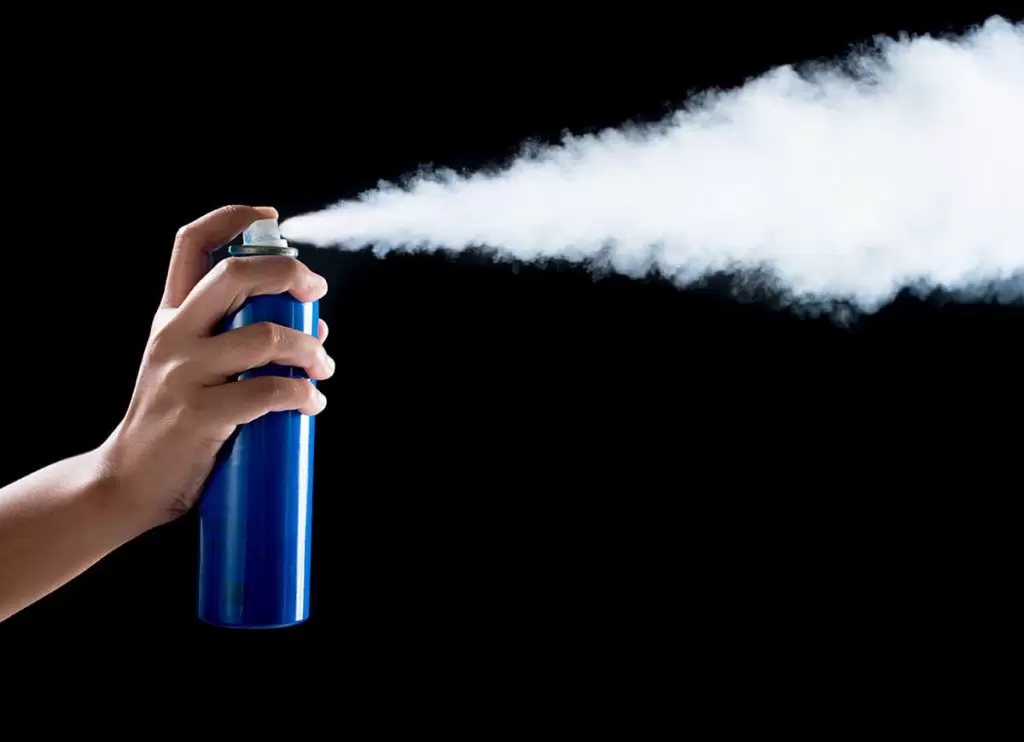
- Application method: Brushing, spraying, dipping or other suitable methods.
- Coverage and consumption: Required film thickness and quantity of product needed per unit area.
- Removal requirements: Whether the protective film needs to be removed before further processing, assembly, or use.
The right rust preventive is therefore not simply the product offering the highest laboratory test value. It is the product whose protection characteristics match the actual operating and storage conditions of the metal component.
Conclusion
Rust prevention is an important part of maintaining the quality and reliability of metal components during manufacturing, storage and transportation. Selecting the right rust preventive oil requires consideration of the storage environment, required protection period, moisture exposure, film characteristics, application method, coverage and removal requirements.
Different rust preventive formulations provide different levels of protection depending on the conditions in which the component is stored or transported. Therefore, the product should be selected based on the actual application requirements rather than using the same rust preventive for every condition.
Effective rust prevention is not simply about applying a protective oil—it is about choosing the right protection for the metal surface, environment and required duration. With proper product selection and application, industries can help minimise corrosion, maintain component quality and support longer storage life.












































![Gear Drive Lubricant Selection [Gearbox Lubricants]](https://mosil.com/assets/uploads/blog/blog_1788344519_6a97f8c75d604.webp)





![The Ultimate Guide To Grease Thickeners [Thickening Agents]](https://mosil.com/assets/uploads/blog/blog_1754991852_689b0cec60a8a.jpg)