

From Priming to Performance: Understanding the Complete Lubrication Lifecycle of Open Gears
The answer lies in the different stages of its service life. From the first application of lubricant during priming, through controlled running-in and finally to long-term operational lubrication, each stage has a specific purpose. A proper stage-wise lubrication approach helps protect gear tooth surfaces, improve load distribution and support reliable long-term operation
OPEN GEAR LUBRICATION
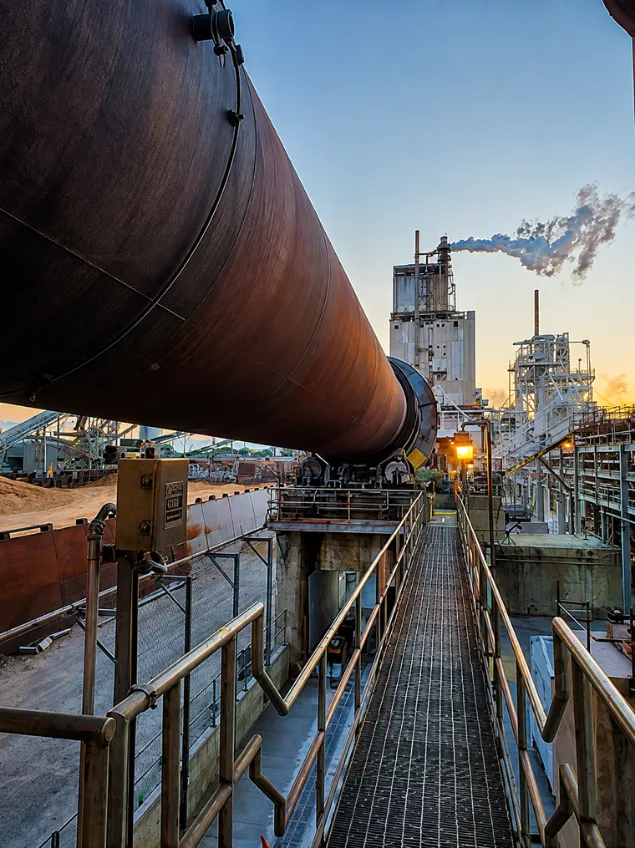
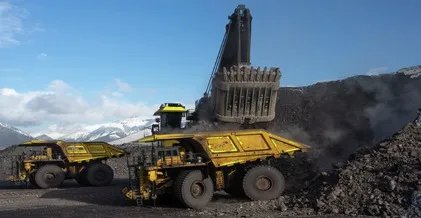
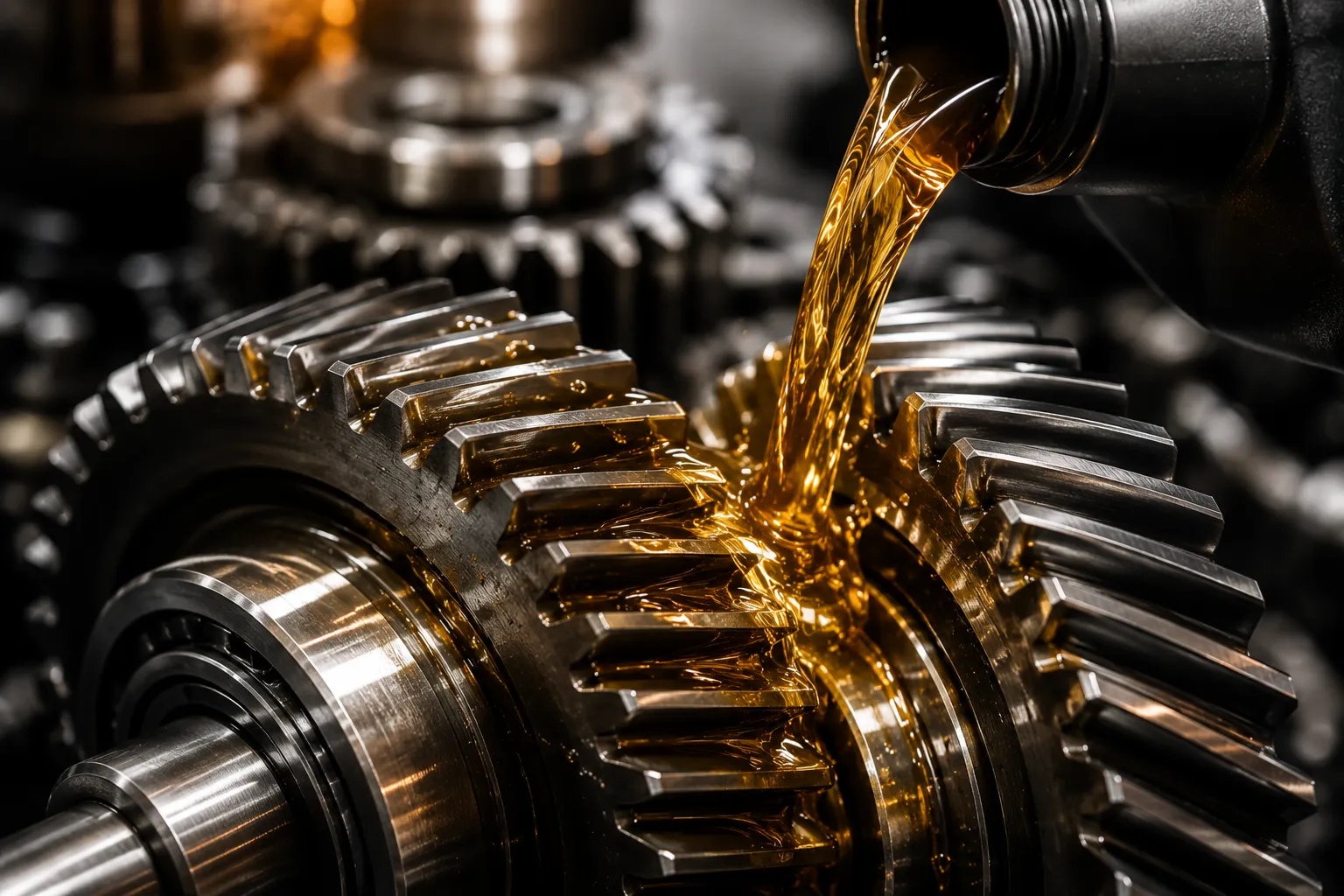
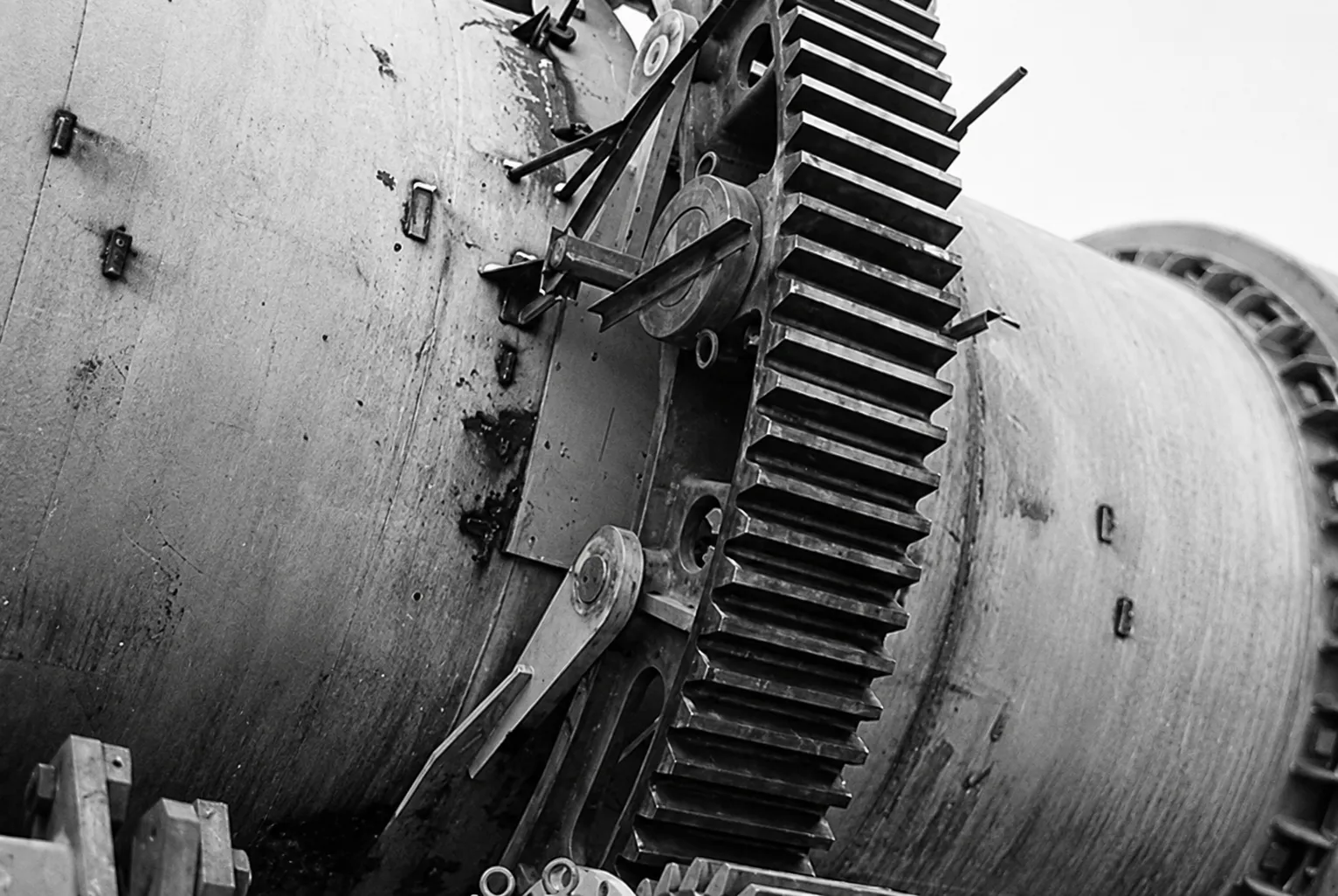
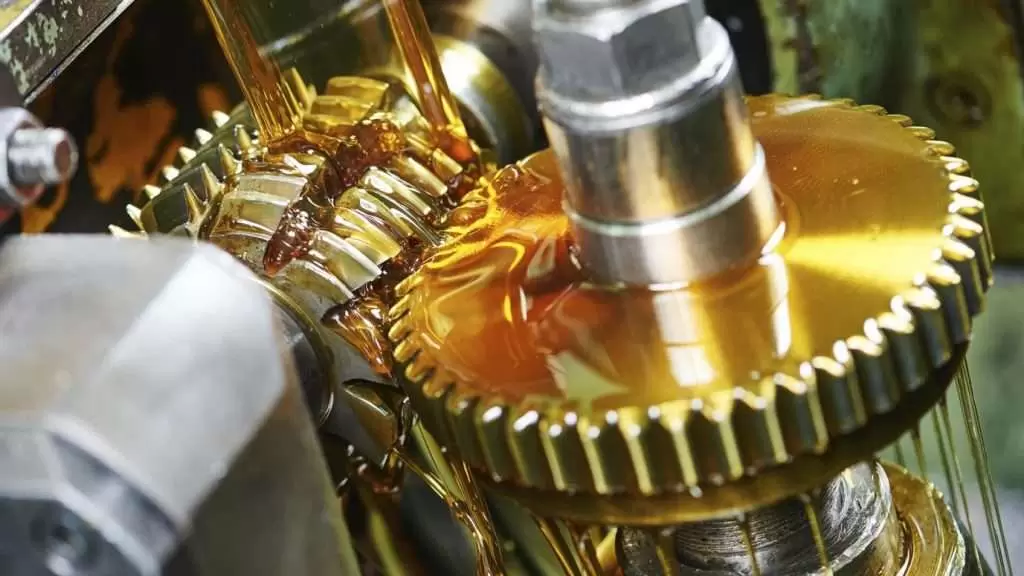
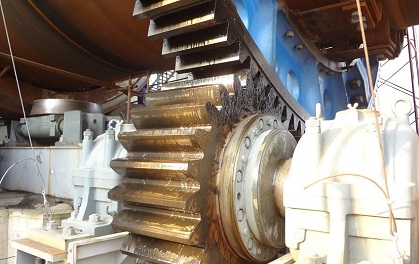
Open gear drives are widely used in heavy-duty industrial applications such as cement kilns, ball mills, grinding mills, mining equipment and other large rotating machinery. These gears operate under high loads and are directly exposed to dust, moisture, contamination and changing environmental conditions.
Unlike enclosed gearboxes, open gears require an effective lubrication strategy throughout their service life. The lubrication requirement of a new or repaired gear is different from that of a gear operating under normal conditions. Therefore, the complete lubrication lifecycle can be divided into three important stages: priming, running-in and operational lubrication.
An effective open gear lubricant must be able to:
- Maintain a protective film under heavy and shock loads.
- Adhere to exposed gear tooth surfaces Resist dust, moisture and environmental contamination.
- Reduce wear, scuffing and surface damage.
- Protect against corrosion where required.
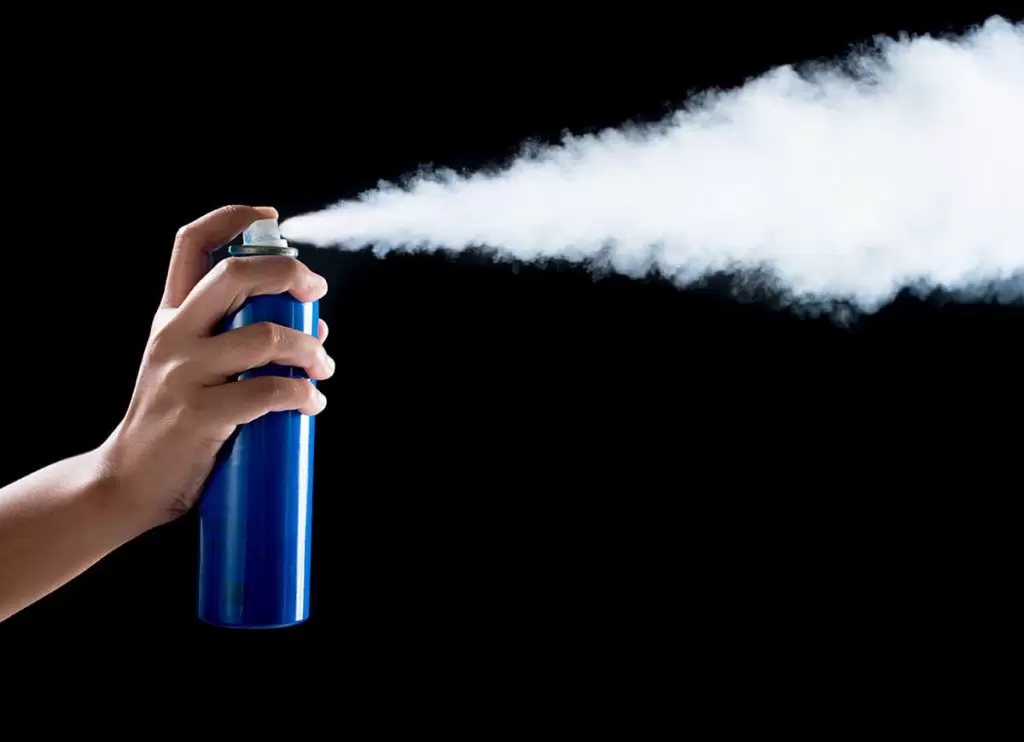
- Remain suitable for the selected lubrication and spray system.
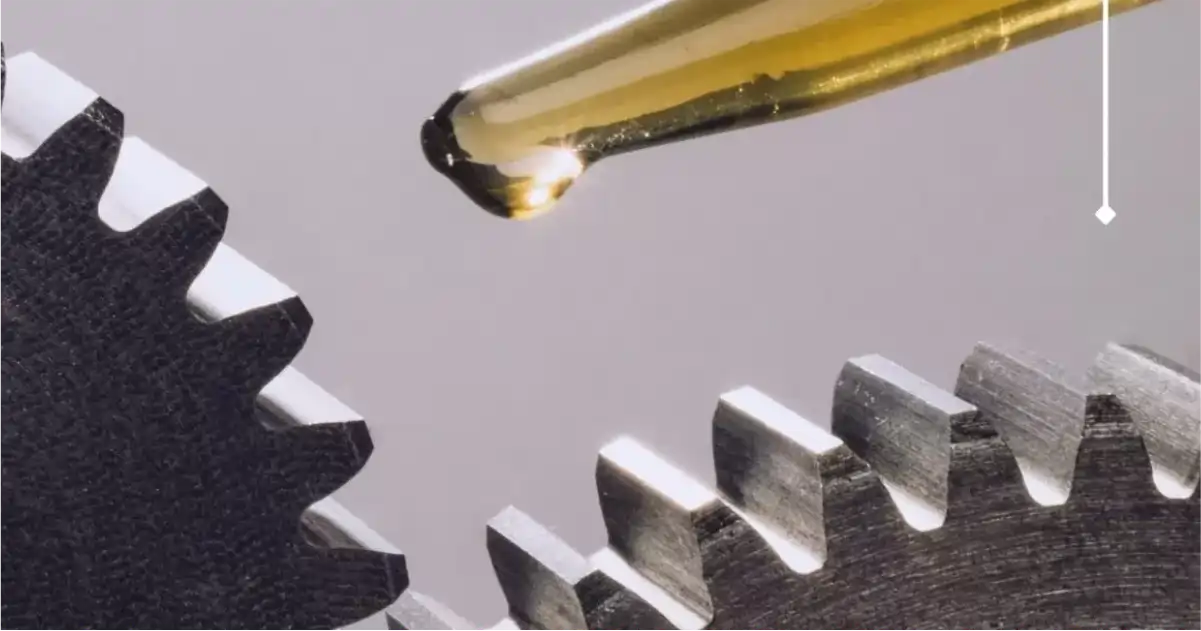
1. Priming: Initial Protection and Contact Assessment
Priming is the first stage of lubrication for a new or repaired open gear. It is carried out before or during the initial commissioning of the equipment.
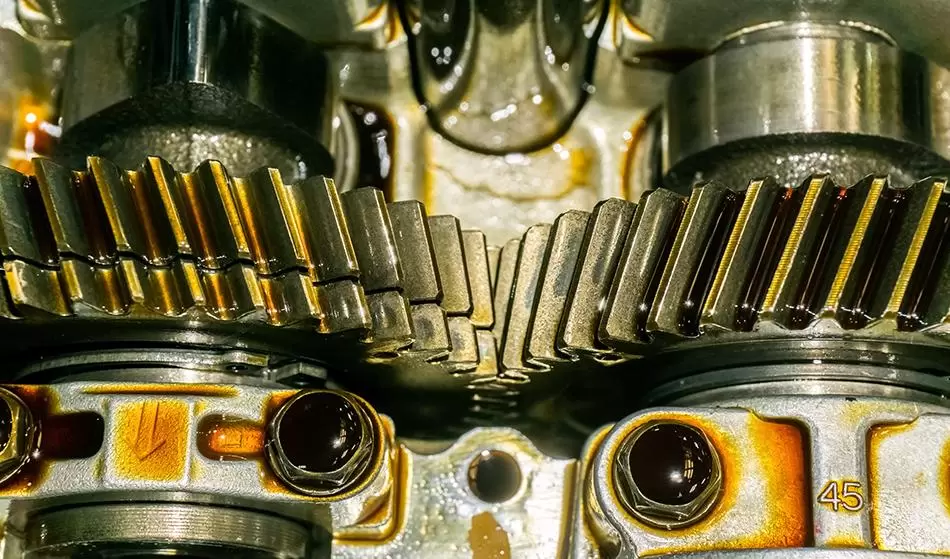
The primary purpose of priming is to provide an initial protective layer on the gear tooth surfaces. During the first rotations, it can also help in assessing the actual contact pattern between the pinion and the gear.
A proper contact pattern is important because the load should be distributed over a sufficient area of the tooth surface. Poor contact can result in high local stresses, which may lead to scuffing, excessive wear, overheating and premature surface damage
Key objectives of priming:
- Provide initial protection to the gear teeth
- Reduce the risk of damage during initial operation
- Support installation and alignment checks
- Help assess the gear contact pattern
- Provide corrosion protection where required
- Priming is therefore an important step in preparing the gear for the next stage of its operating life.
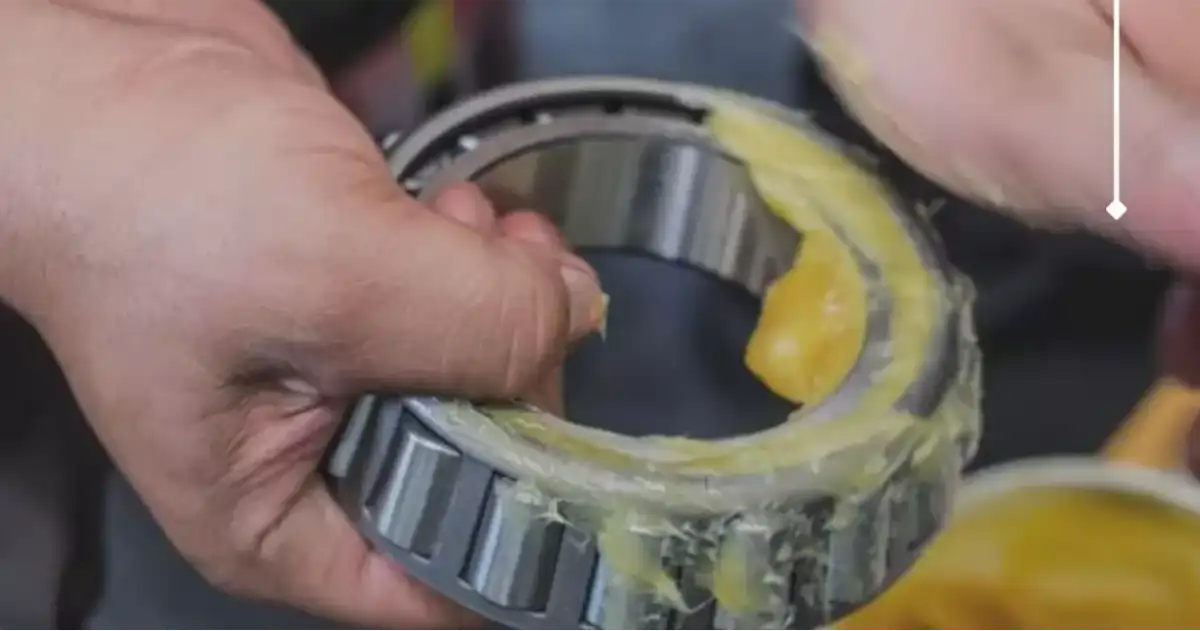
2. Running-In: Improving Tooth Surface Contact
After priming, a new or repaired gear may require a controlled running-in process. Even accurately manufactured gears have microscopic surface irregularities, known as asperities. When two gear teeth come into contact, these surface high points can create areas of high local pressure.
The purpose of running-in is to support controlled smoothing of the working tooth surfaces and improve the contact pattern between mating gears. This increases the effective load-carrying contact area and helps distribute the operating load more uniformly.
The running-in process helps to:
- Reduce excessive surface roughness
- Improve the gear tooth contact pattern
- Increase the effective load-carrying area
- Reduce localised contact stresses
- Prepare the gear for long-term operation
Running-in should not be confused with uncontrolled wear. The objective is not to remove excessive material from the gear teeth but to achieve a more favourable and stable contact condition.
During this stage, parameters such as contact pattern, tooth surface condition, temperature and lubrication performance should be monitored.
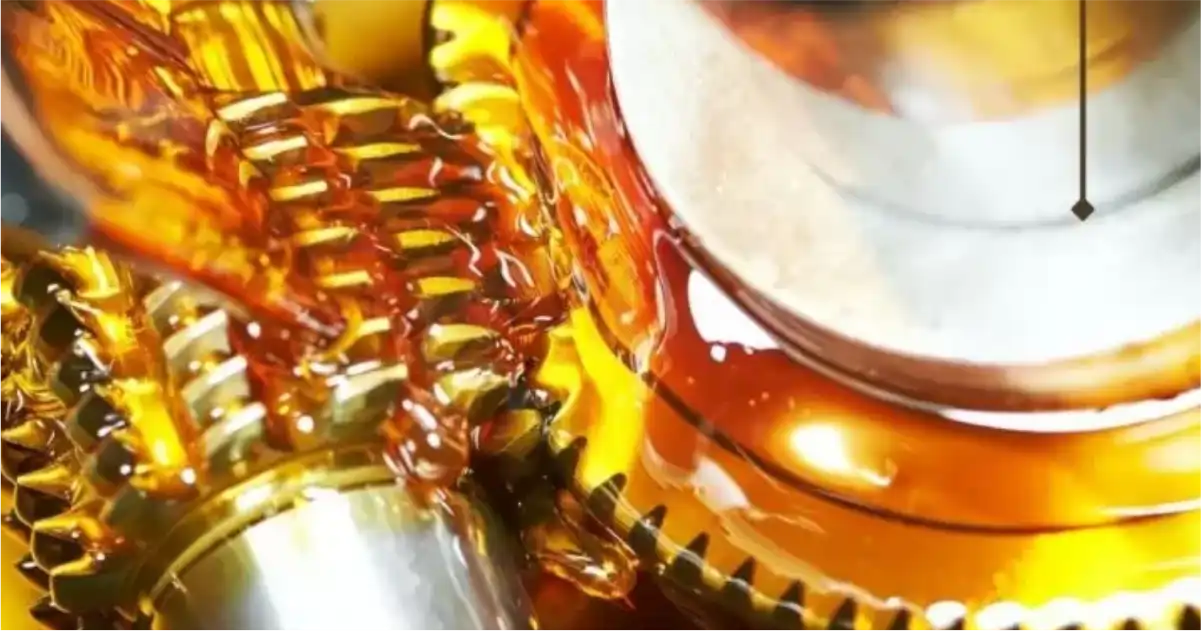
3. Operational Lubrication: Long-Term Gear Protection
Once the gear has achieved a satisfactory contact condition, it enters the operational lubrication stage. This is the longest stage of the gear's service life.
During normal operation, the lubricant must provide continuous protection against friction, wear and heavy loading. Open gears often operate under demanding conditions involving high torque, shock loads, dust and temperature variations.
An effective operational lubrication strategy should provide:
- Adequate lubricating film strength
- High load-carrying capability
- Good adhesion to exposed gear teeth
- Protection against wear and scuffing
- Resistance to environmental contamination
- Reliable performance under varying operating conditions
The operating conditions—including load, speed, temperature, gear condition and environment—should be considered while developing the lubrication strategy.
The Complete Lubrication Lifecycle
The three stages can be summarised as follows:
1.Priming-Initial protection and contact pattern assessment.
2.Running-In :Improving tooth surface condition and load distribution.
3.Operational Lubrication:Continuous protection during operation.
Conclusion:
Open gear drives operate under demanding industrial conditions, making effective lubrication essential for equipment reliability. A complete approach involving priming, running-in and operational lubrication helps address the different requirements of the gear throughout its lifecycle.
Priming protects the gear during initial operation, running-in helps optimise the contact surfaces, and operational lubrication provides long-term protection during service.
By combining proper lubrication practices with regular inspection and correct application, industries can help improve load distribution, reduce wear, minimise the risk of gear damage and support longer equipment service life.
Effective open gear lubrication is not just about applying lubricant—it is a continuous process that begins with the first rotation and continues throughout the life of the equipment.


















![Gear Drive Lubricant Selection [Gearbox Lubricants]](https://mosil.com/assets/uploads/blog/blog_1788344519_6a97f8c75d604.webp)


![The Ultimate Guide To Grease Thickeners [Thickening Agents]](https://mosil.com/assets/uploads/blog/blog_1754991852_689b0cec60a8a.jpg)