

Why Lubrication Matters in Material Handling Lifts?
Material handling lifts play an important role in the construction industry by transporting materials, equipment between different floors of a building. These lifts are designed to operate under demanding conditions, often involving heavy loads, frequent movement, dust and exposure to outdoor environments.
One of the critical components responsible for their smooth and reliable operation is the rack and pinion mechanism. Since this mechanism involves continuous contact between metal teeth under load, proper lubrication is essential to minimize friction, reduce wear and protect the components. Selecting the right lubricant, particularly an adhesive grease, helps maintain an effective lubricating film and supports reliable equipment performance.
What Is a Rack and Pinion Mechanism and How Does ItWork?
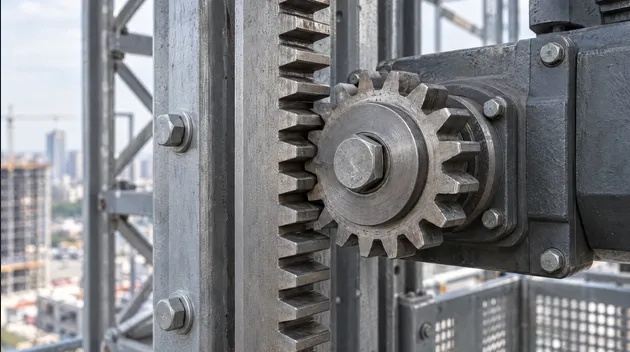
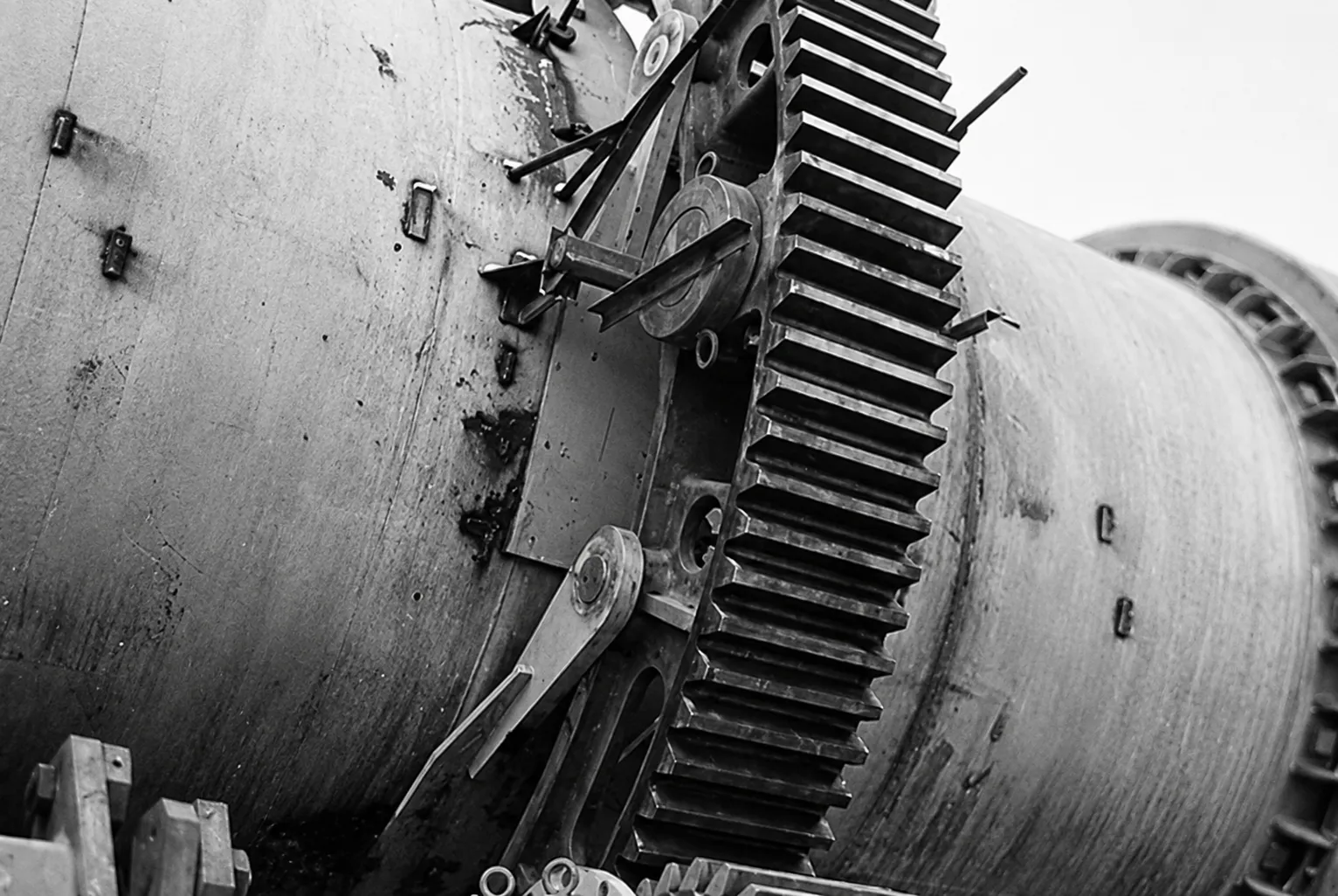
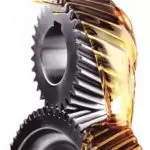
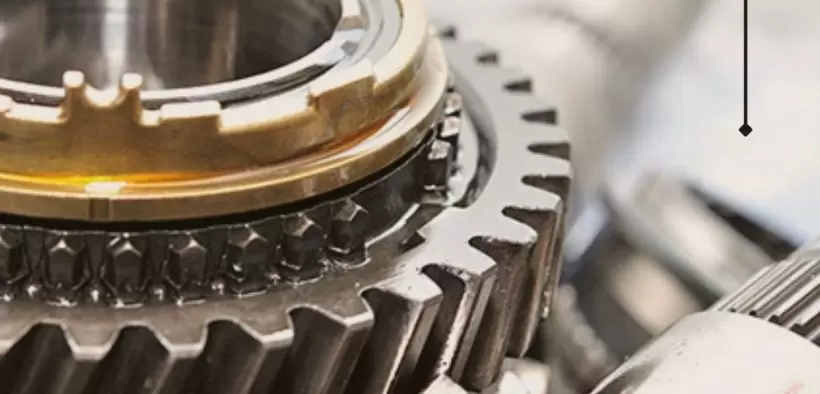
A rack and pinion is a mechanical gear arrangement used to convert rotational motion into linear motion. It consists of two main components: a rack and a pinion.
1. Rack: The rack is a straight, bar-shaped component with equally spaced teeth along its length. In a material handling hoist, it is generally installed vertically along the hoist mast.
2. Pinion: The pinion is a circular gear with teeth designed to mesh with the teeth of the rack. It is connected to the hoist's drive system and rotates during operation.
Working Principle:
When the hoist motor operates, it drives the pinion gear, causing it to rotate. The teeth of the rotating pinion continuously engage with the stationary rack teeth. This engagement converts the rotational movement of the pinion into the linear movement of the hoist platform.
When the pinion rotates in one direction, the platform moves upward and when it rotates in the opposite direction, the platform moves downward.
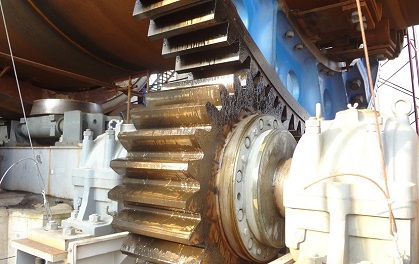
During this operation, the rack and pinion teeth remain in repeated contact while transmitting the load. This continuous engagement creates friction and mechanical stress at the contact surfaces. Therefore, maintaining proper lubrication between the gear teeth is essential to minimise wear, reduce friction, and ensure smooth and reliable operation.
Why Does Rack and Pinion Require Proper Lubrication?
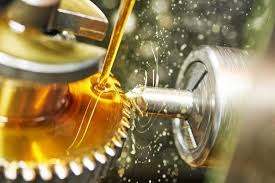
In a material handling hoist, the rack and pinion mechanism operates through continuous engagement of metal teeth while carrying heavy loads. During this process, the contact between the moving gear teeth generates friction and places stress on the contact surfaces. Without adequate lubrication, this can lead to increased friction, accelerated wear and damage to the gear teeth.
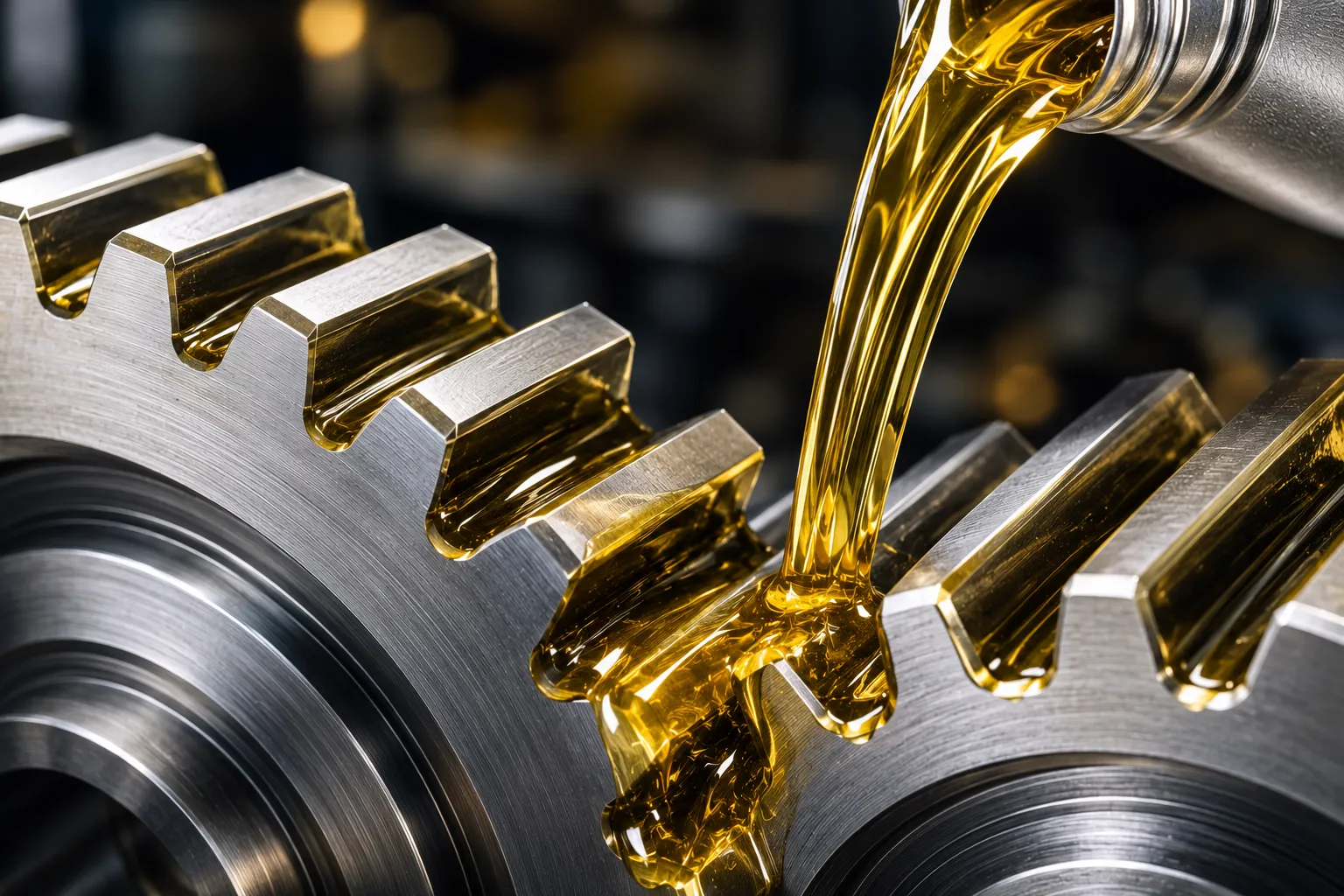
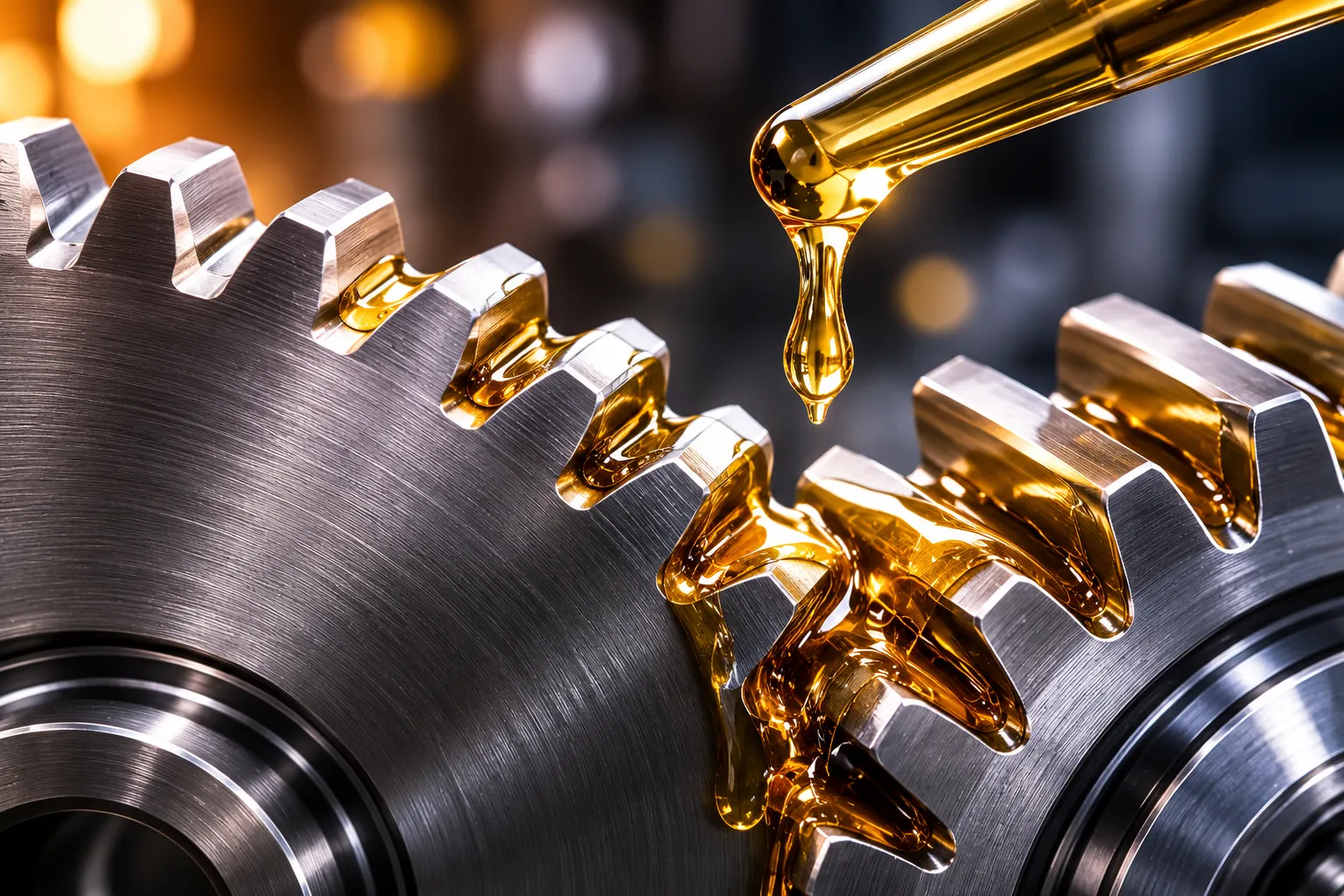
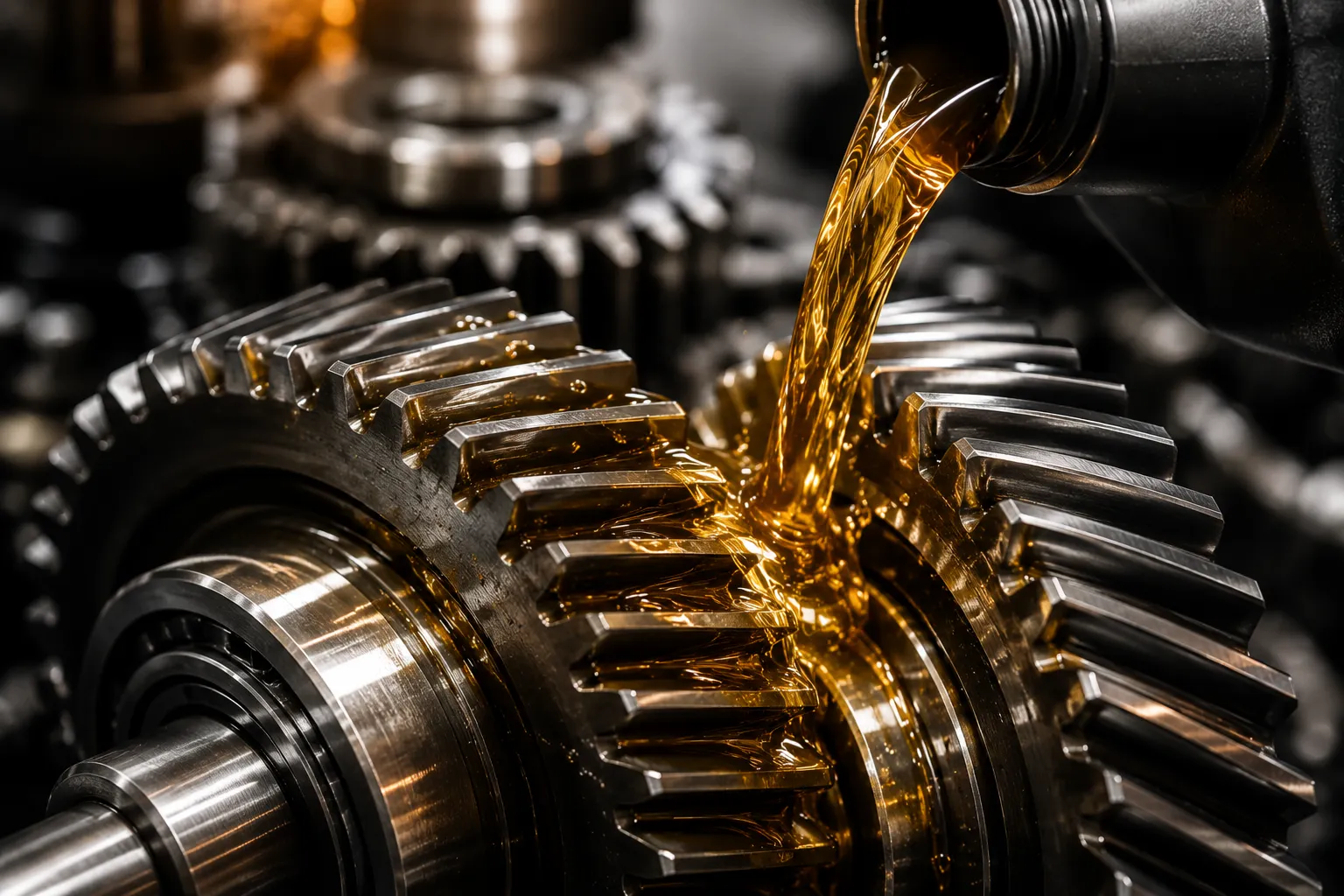
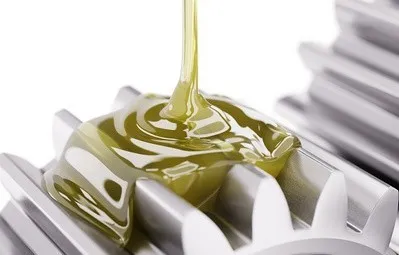
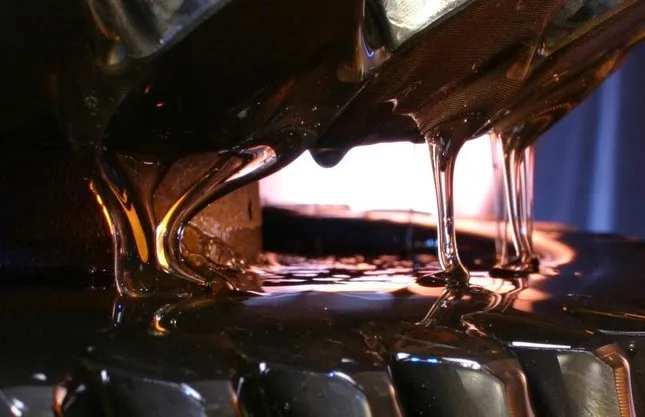
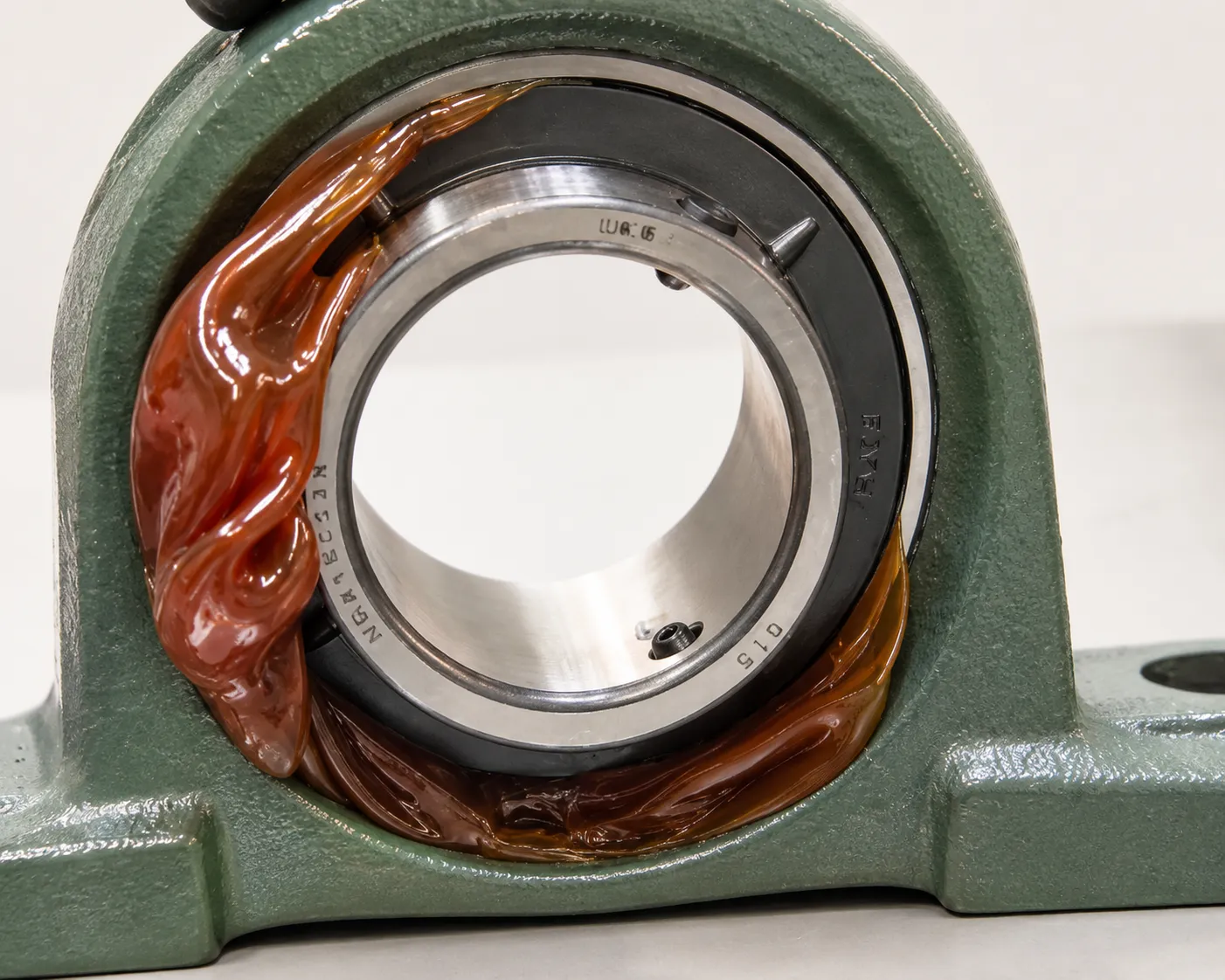
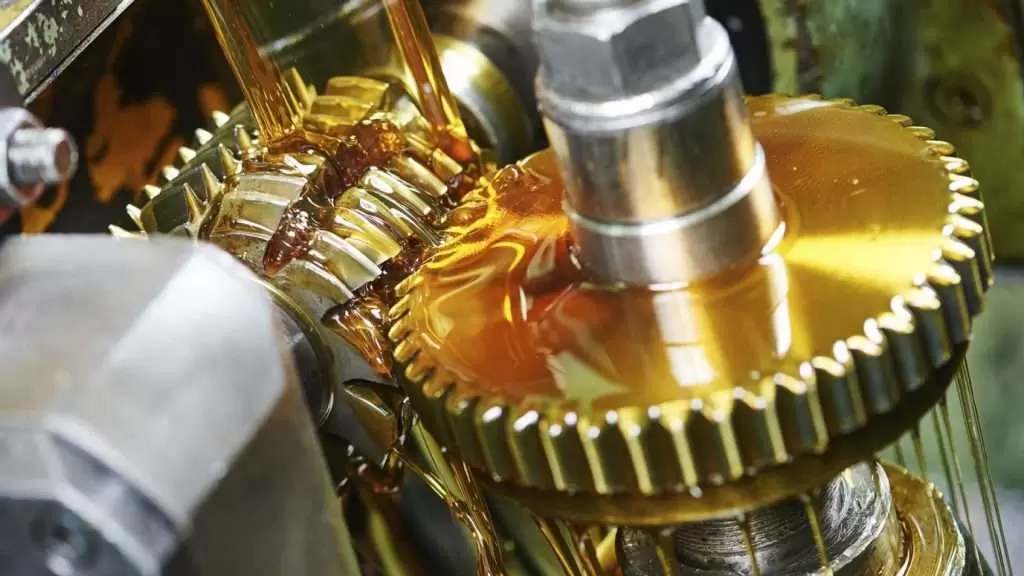
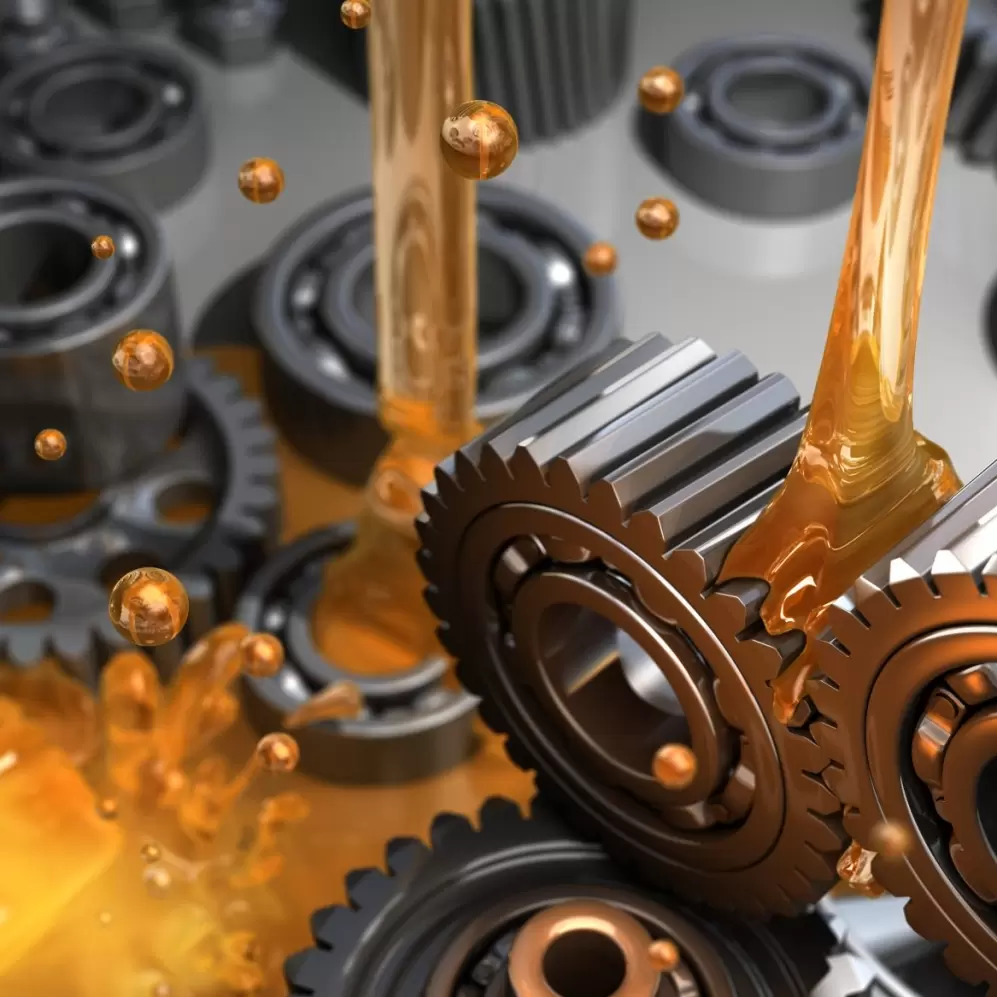
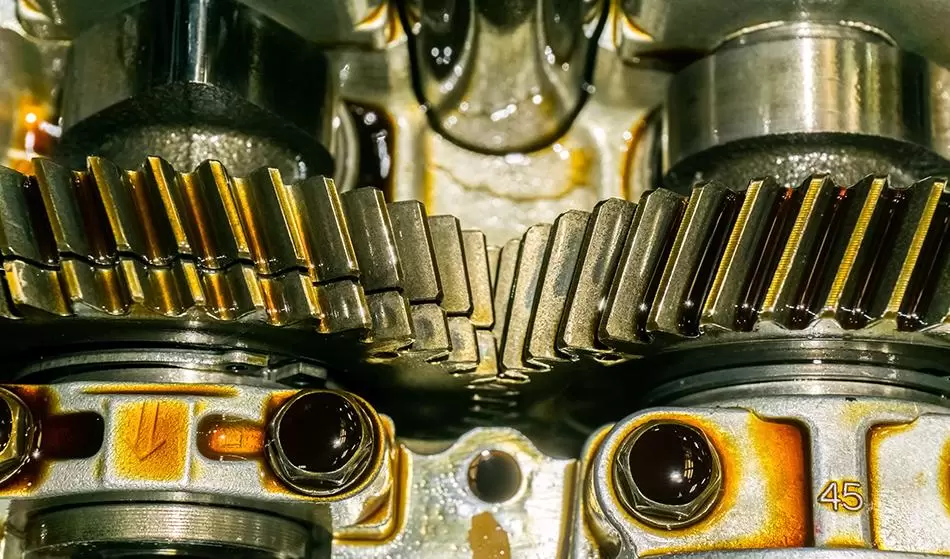
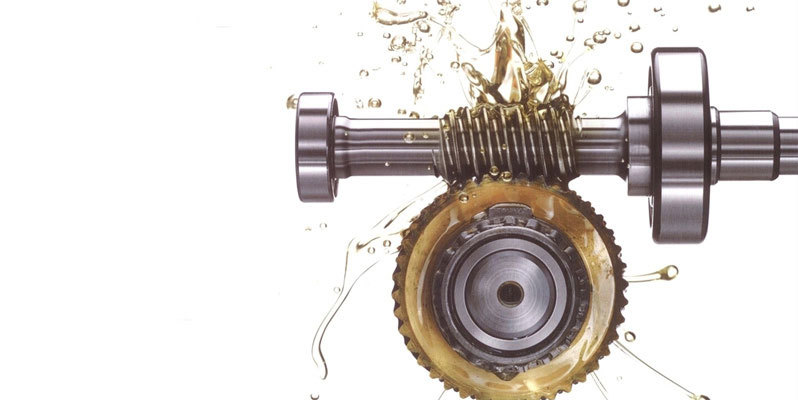
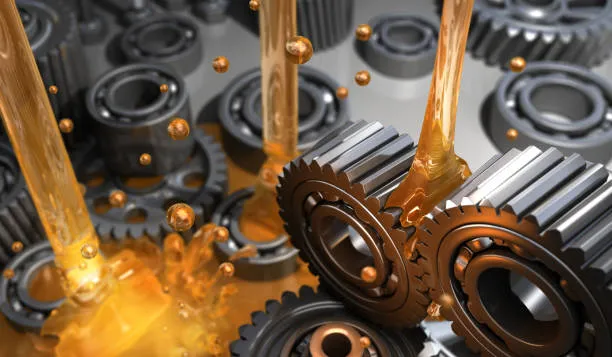
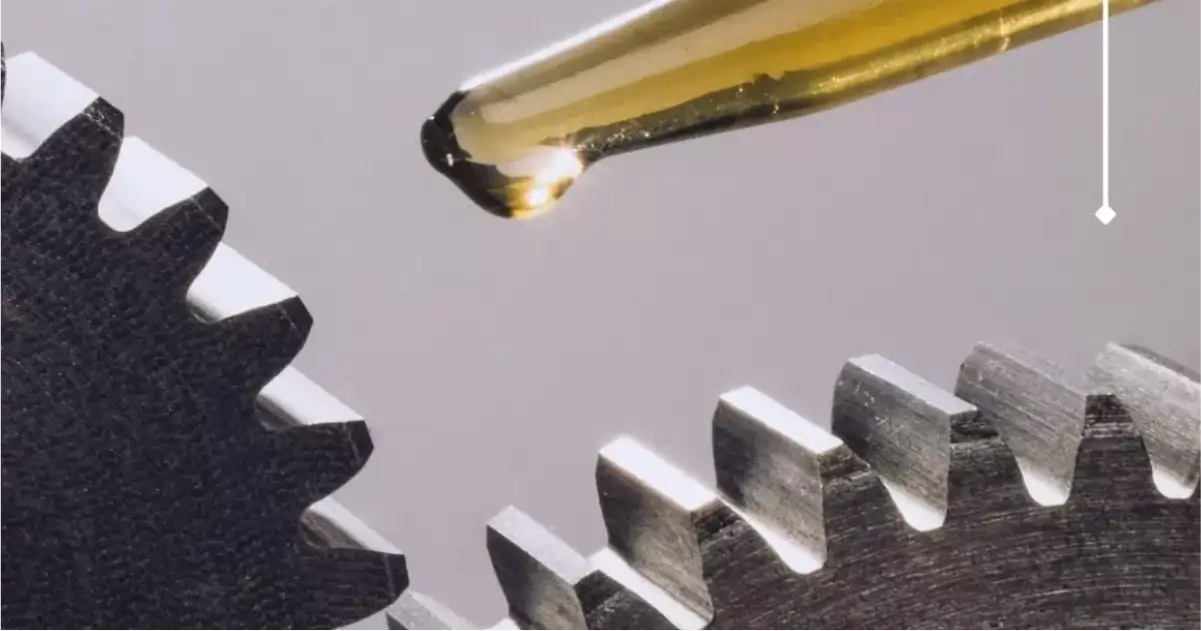
Proper lubrication plays an important role in maintaining the performance and service life of the rack and pinion mechanism. It forms a protective film between the contacting surfaces, helping to minimise direct metal-to-metal contact and reduce friction and wear.
Additionally, the lubricant helps protect exposed metal surfaces against corrosion caused by moisture and changing environmental conditions. It also helps maintain smoother gear engagement during repeated lifting and lowering operations.
Therefore, selecting a suitable lubricant is essential to protect the rack and pinion components, support reliable operation and minimise maintenance requirements.
Why Is Adhesive Grease the Right Choice for Rack and Pinion Systems?
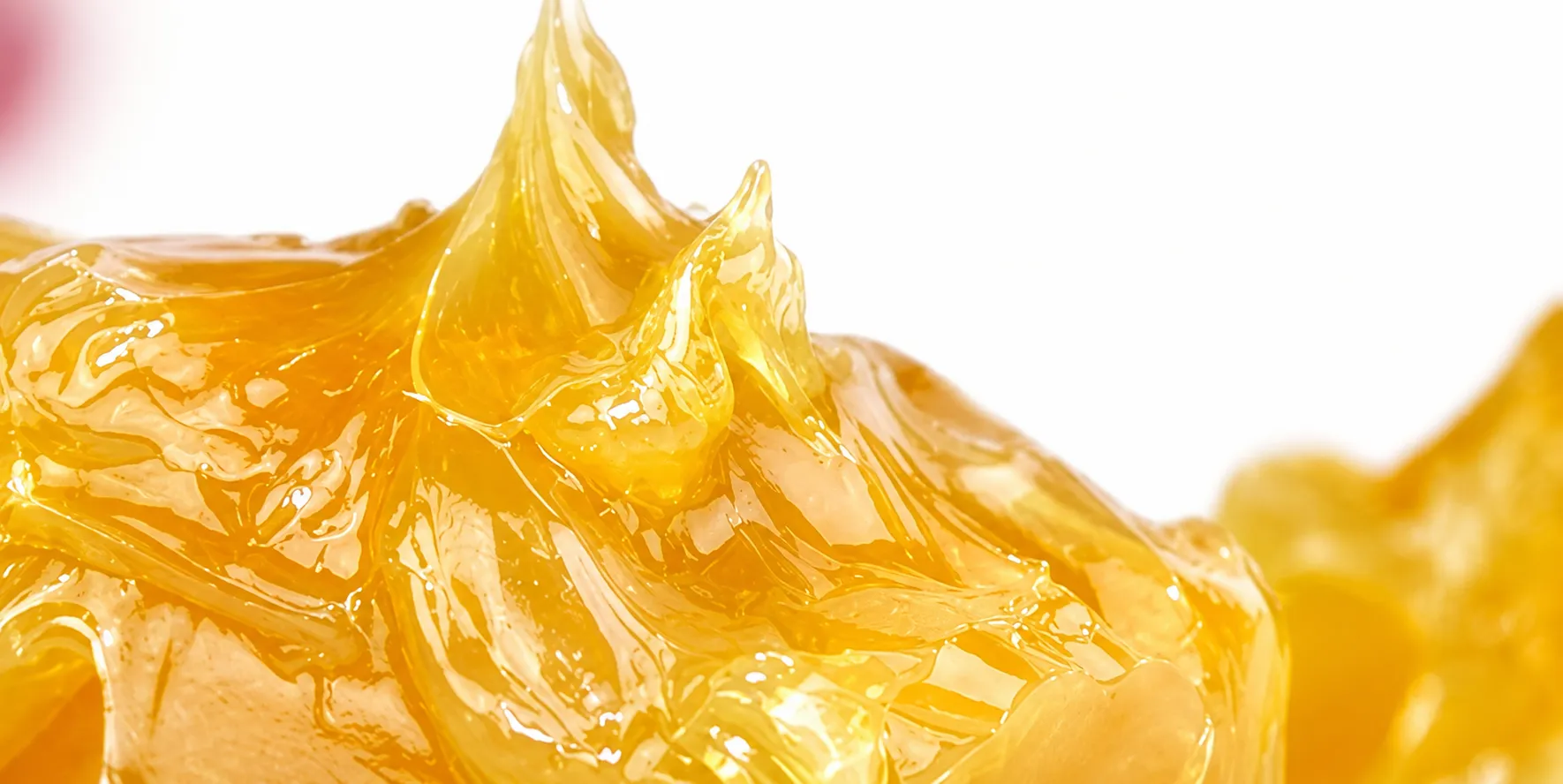
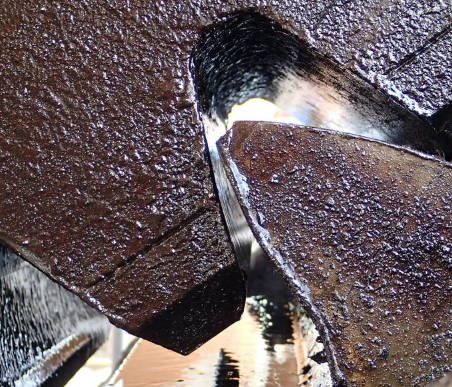
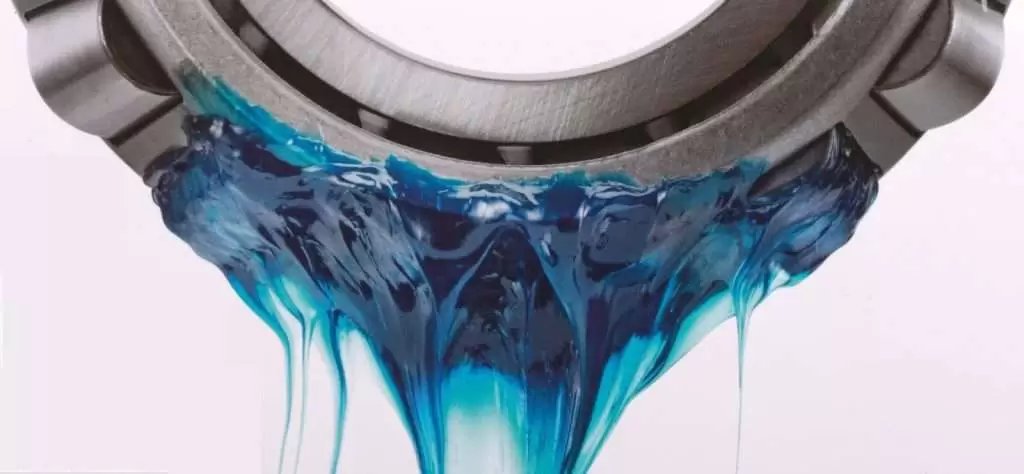
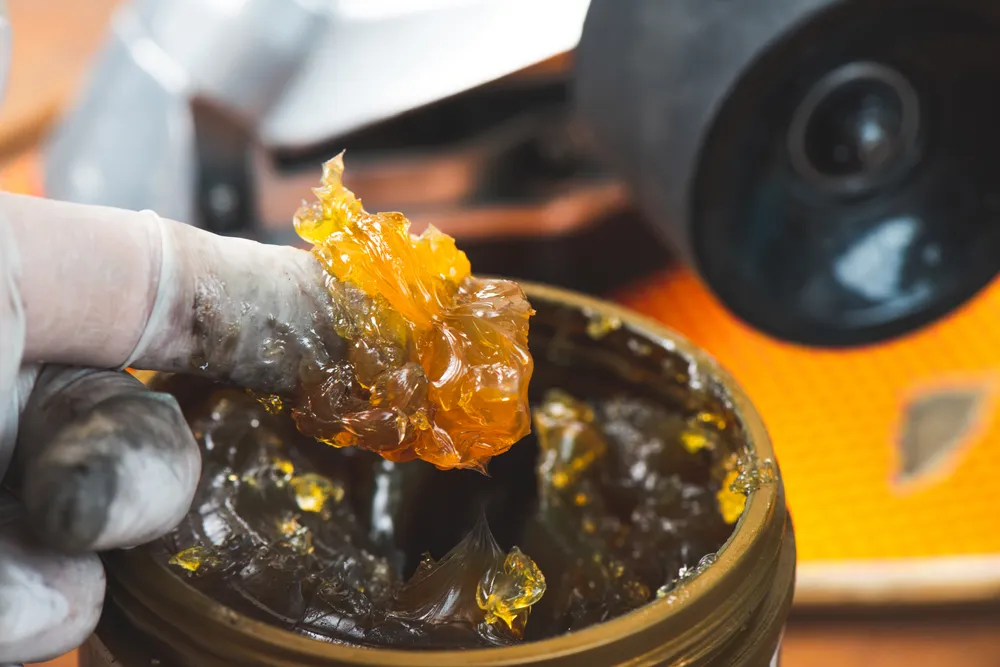
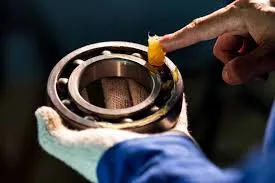
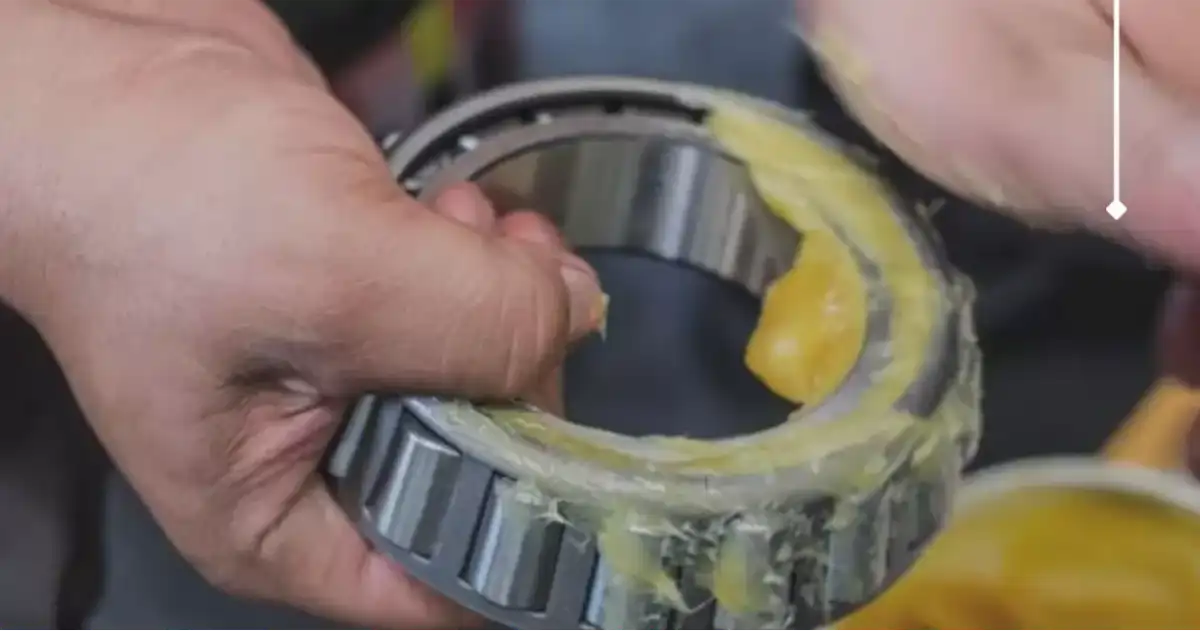
Adhesive grease is specially formulated to provide strong adhesion to metal surfaces, helping it remain on components even during continuous movement and repeated mechanical engagement. This property makes it a suitable lubrication choice for exposed rack and pinion systems used in material handling hoists.
Unlike greases that may get easily displaced during operation, adhesive grease helps maintain a lubricating film on the rack and pinion teeth. This film supports effective lubrication during repeated contact between the gear surfaces.
The key benefits of using adhesive grease in this application include:
1. Excellent Adhesion and Film Retention:Its adhesive properties help the grease remain on the exposed rack teeth during repeated engagement with the pinion, reducing lubricant displacement.
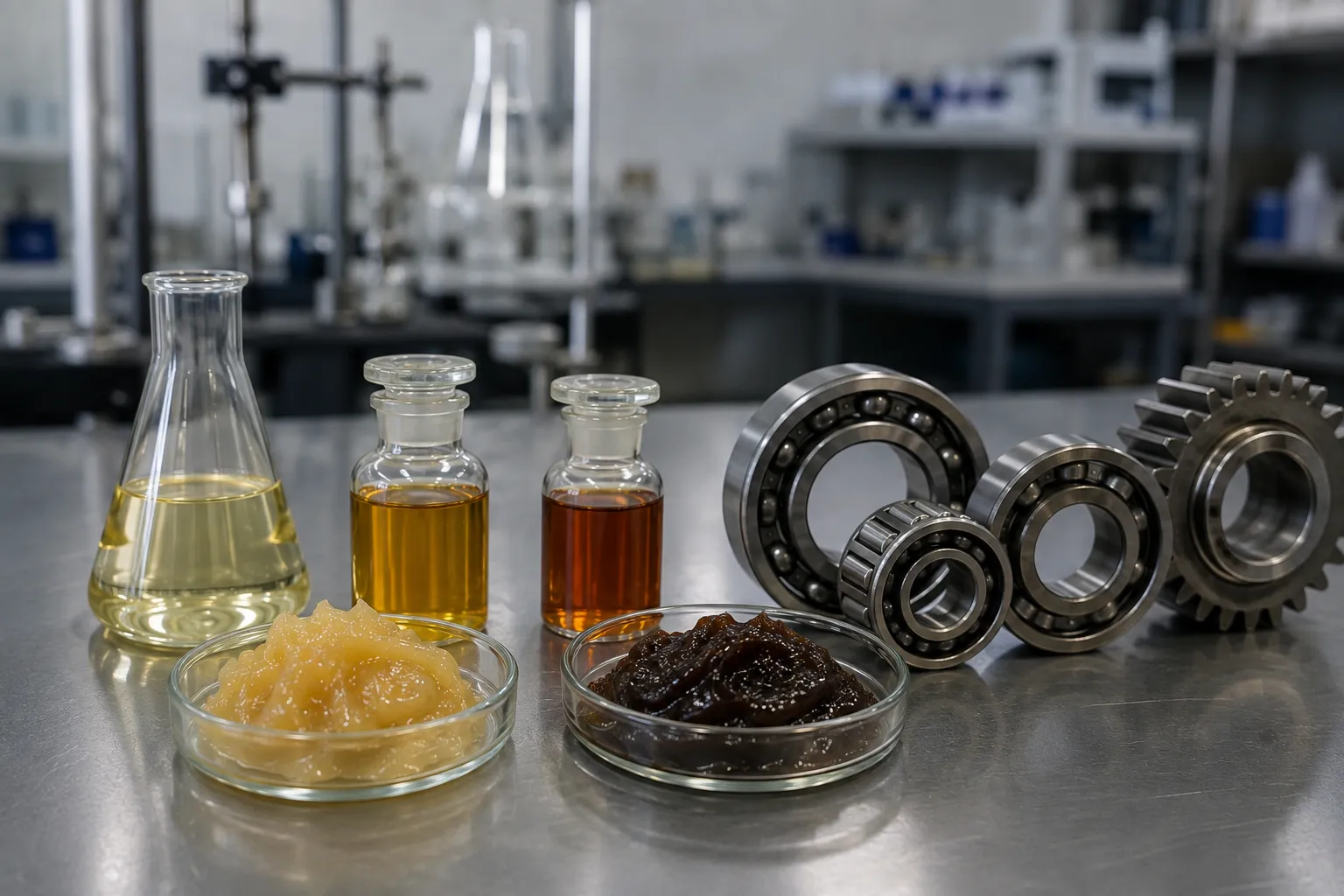
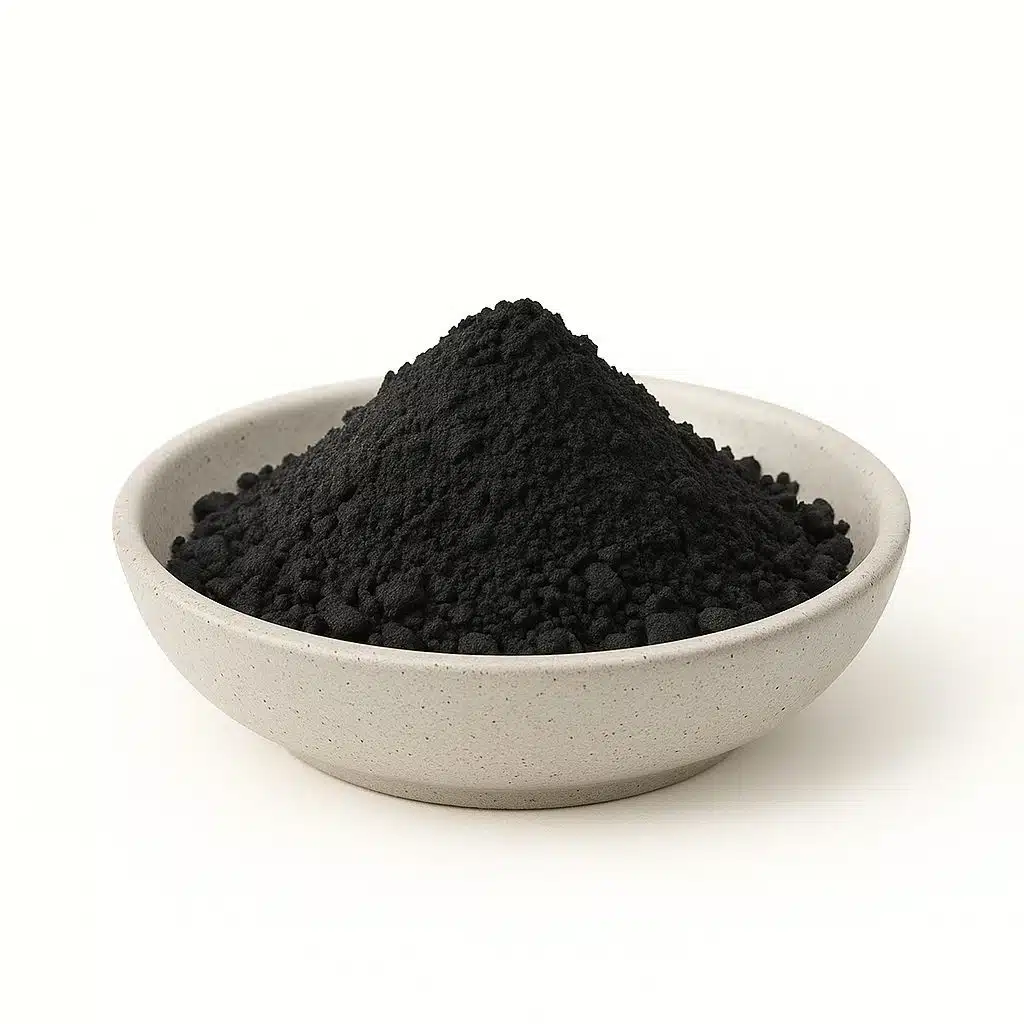
2. Solid Lubricants for Heavy Load Protection:Solid lubricants such as Molybdenum Disulphide (MoS₂) and Graphite play an important role in applications involving heavy loads and high contact pressure. They help form a protective lubricating layer between contacting metal surfaces, reducing direct metal-to-metal contact and minimising friction and wear. Even under demanding load conditions, these solid lubricants provide additional protection to the rack and pinion teeth, supporting reliable operation and longer component life.
.3.Friction and Wear Reduction:It helps maintain a lubricating film between contacting metal surfaces, minimising direct metal-to-metal contact and reducing friction and wear.
4.Heavy Load Protection: A suitable adhesive grease with high load-carrying capacity helps protect gear teeth against the mechanical stresses experienced during frequent lifting and lowering operations.
5. Water and Corrosion Protection:Its ability to adhere to metal surfaces, along with appropriate water-resistant properties, helps protect exposed components against moisture and corrosion.
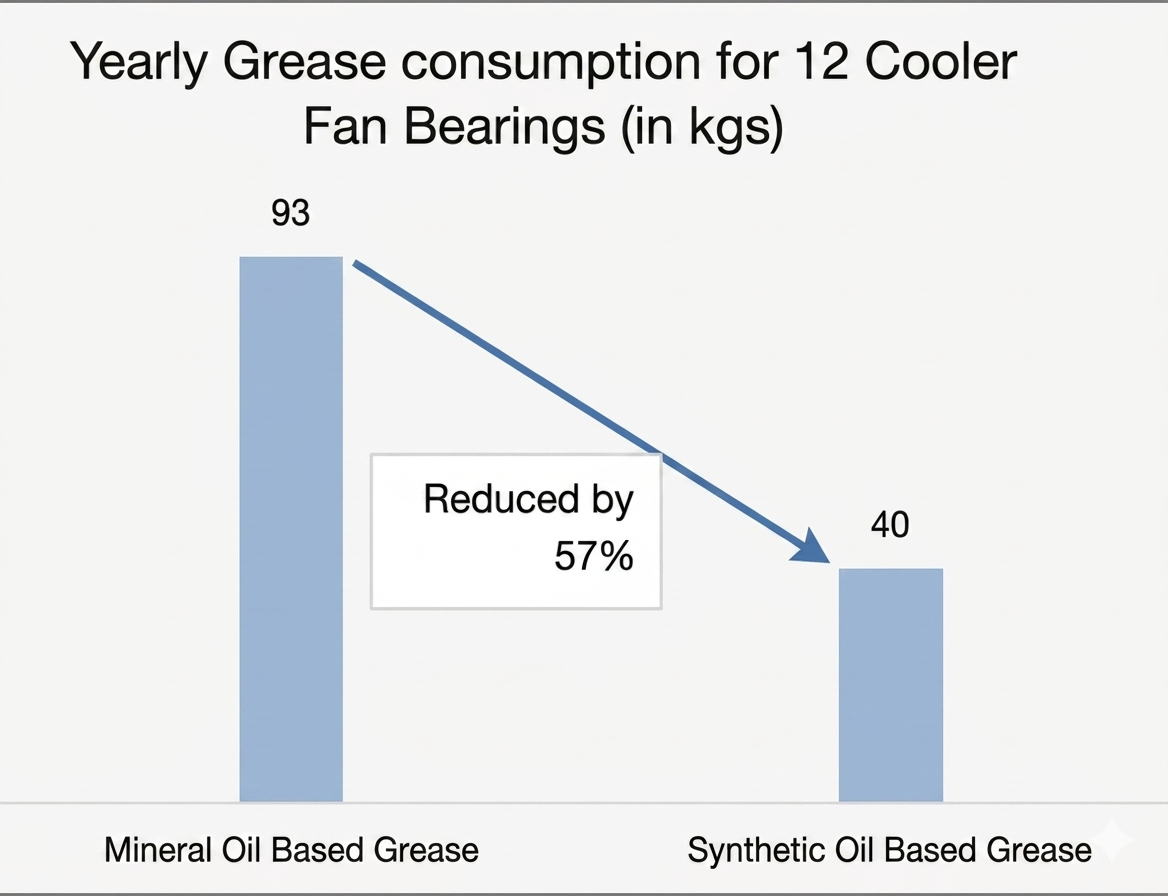
6.Longer Lubrication Intervals:Better grease retention can help maintain lubrication for longer periods, potentially reducing the frequency of re-lubrication, grease consumption and maintenance efforts.
For effective performance, adhesive grease should be selected based on the operating load, speed, temperature and environmental conditions. The right formulation helps maintain a protective lubricating film and supports reliable rack and pinion operation.
What Are the Consequences of Improper Rack and Pinion Lubrication?
Inadequate or improper lubrication of rack and pinion systems can negatively affect equipment performance and component life. When the lubricating film is insufficient, direct contact between metal surfaces increases, resulting in higher friction and accelerated wear of the gear teeth.
Some common consequences of improper lubrication include:
- Excessive Tooth Wear: Increased friction can cause premature wear and damage to rack and pinion teeth.
- Increased Noise and Vibration: Poor lubrication can affect smooth gear engagement, leading to abnormal operating noise and vibration.
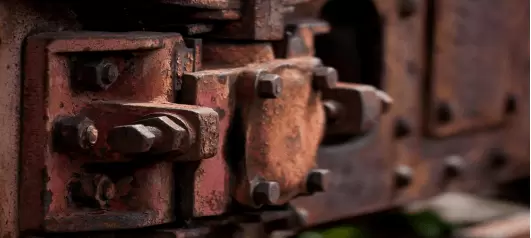
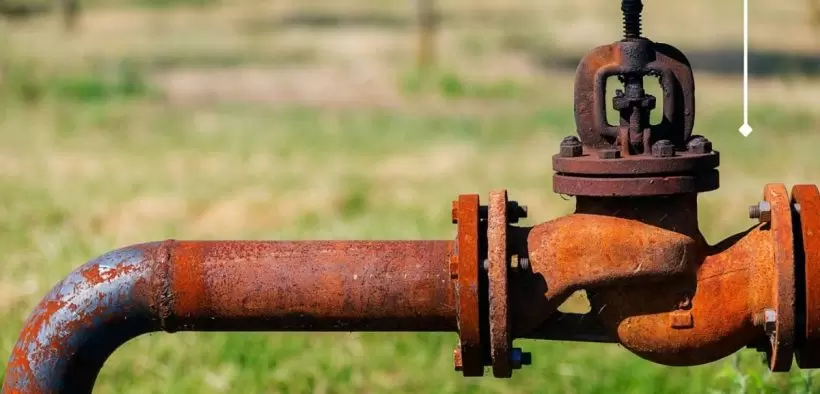
- Corrosion: Exposure to moisture without adequate lubricant protection can lead to rust formation on metal surfaces.
- Frequent Maintenance: Poor grease retention may require repeated re-lubrication and increase grease consumption.
- Unexpected Downtime: Severe wear or component damage can result in equipment breakdown, costly repairs and interruption of construction activities.
Proper lubricant selection and regular maintenance are therefore essential for reliable operation and longer component service life.
Best Practices for Rack and Pinion Lubrication
Selecting the right grease is only one part of effective rack and pinion lubrication. Proper application and regular inspection are equally important to maintain equipment performance and prevent premature wear. The following practices should be followed:
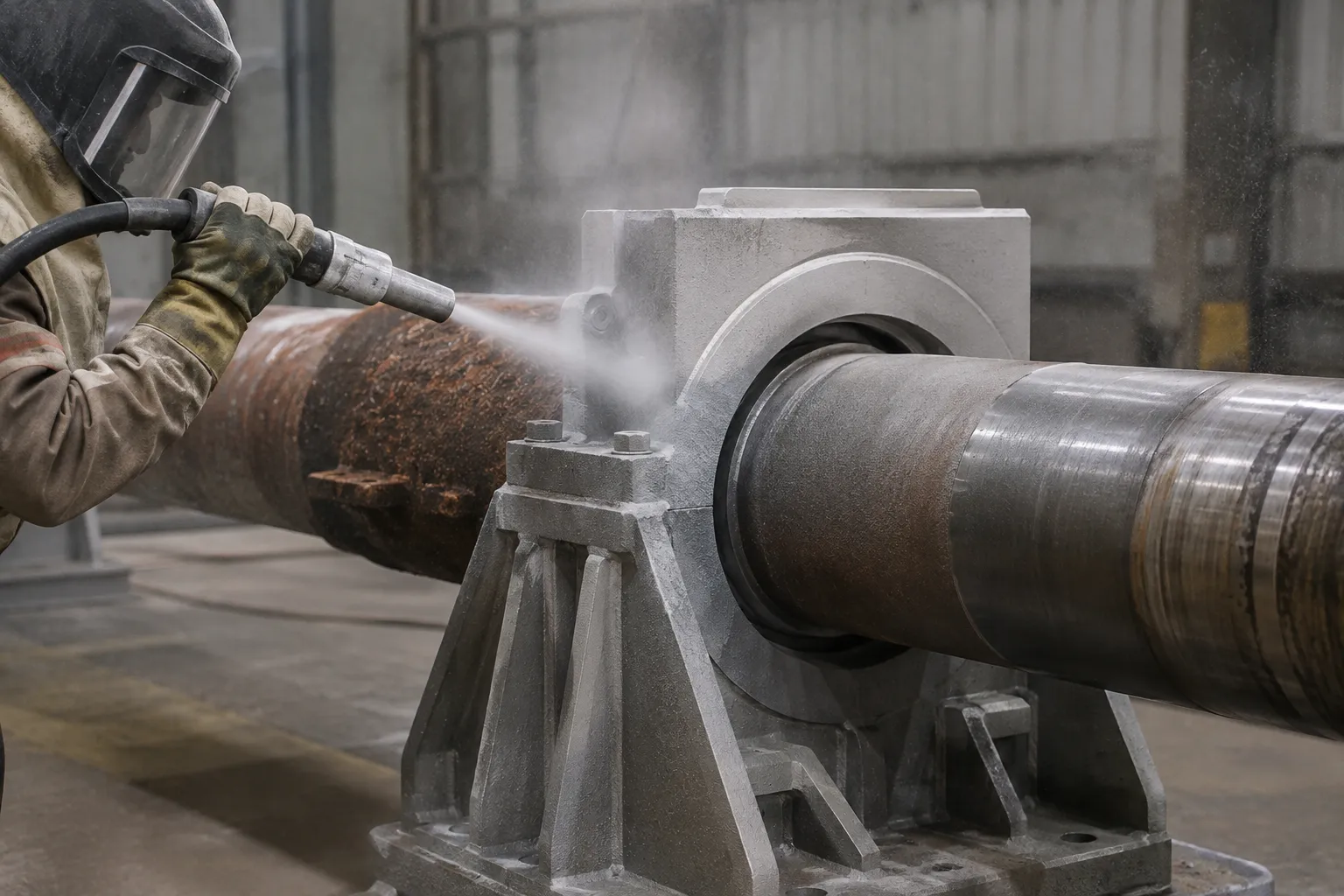
- Clean the Surface: Remove accumulated dust, dirt and old grease before applying fresh lubricant, following the equipment manufacturer's cleaning recommendations.
- Apply Grease Uniformly: Ensure adequate and even coverage across the rack teeth to maintain a consistent lubricating film.
- Follow Recommended Lubrication Intervals: Establish re-lubrication schedules based on operating conditions, grease performance and equipment manufacturer's guidelines.
- Inspect Regularly: Check for grease film retention, contamination, corrosion and abnormal tooth wear.
- Monitor Operating Conditions: Pay attention to unusual noise, vibration or changes in equipment performance.
Conclusion
Rack and pinion systems play a vital role in the safe and reliable operation of material handling lifts. Since these mechanisms operate under continuous load and are exposed to dust, moisture and repeated mechanical movement, proper lubrication is essential to minimise friction, reduce wear and protect the gear teeth.
Adhesive grease, with its strong surface adhesion, lubricating film retention and suitable load-carrying properties, offers an effective lubrication solution for these demanding applications. Selecting the right grease and following proper lubrication practices can help extend component life, reduce maintenance requirements and improve equipment reliability.
Ultimately, effective lubrication is not just about reducing friction; it is about ensuring consistent equipment performance and minimising unplanned downtime.