
In many industrial heavy duty machineries, lubricants must withstand high loads without allowing metal-to-metal contact. For such lubricants, two terms often stand out: Extreme Pressure (EP) performance and Antiwear (AW) characteristics. This blog explores the science of load-carrying capacity, the difference between EP and AW additives, Four Ball Weld Load and Wear Scar Tests and how to interpret test results.
THE MECHANISM OF PROTECTION: BASE OILS, ADDITIVES AND SOLID LUBRICANTS
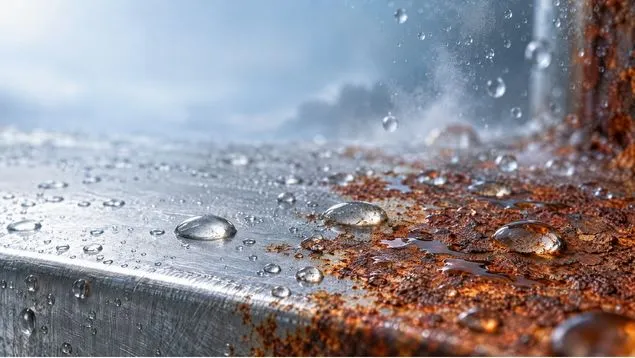
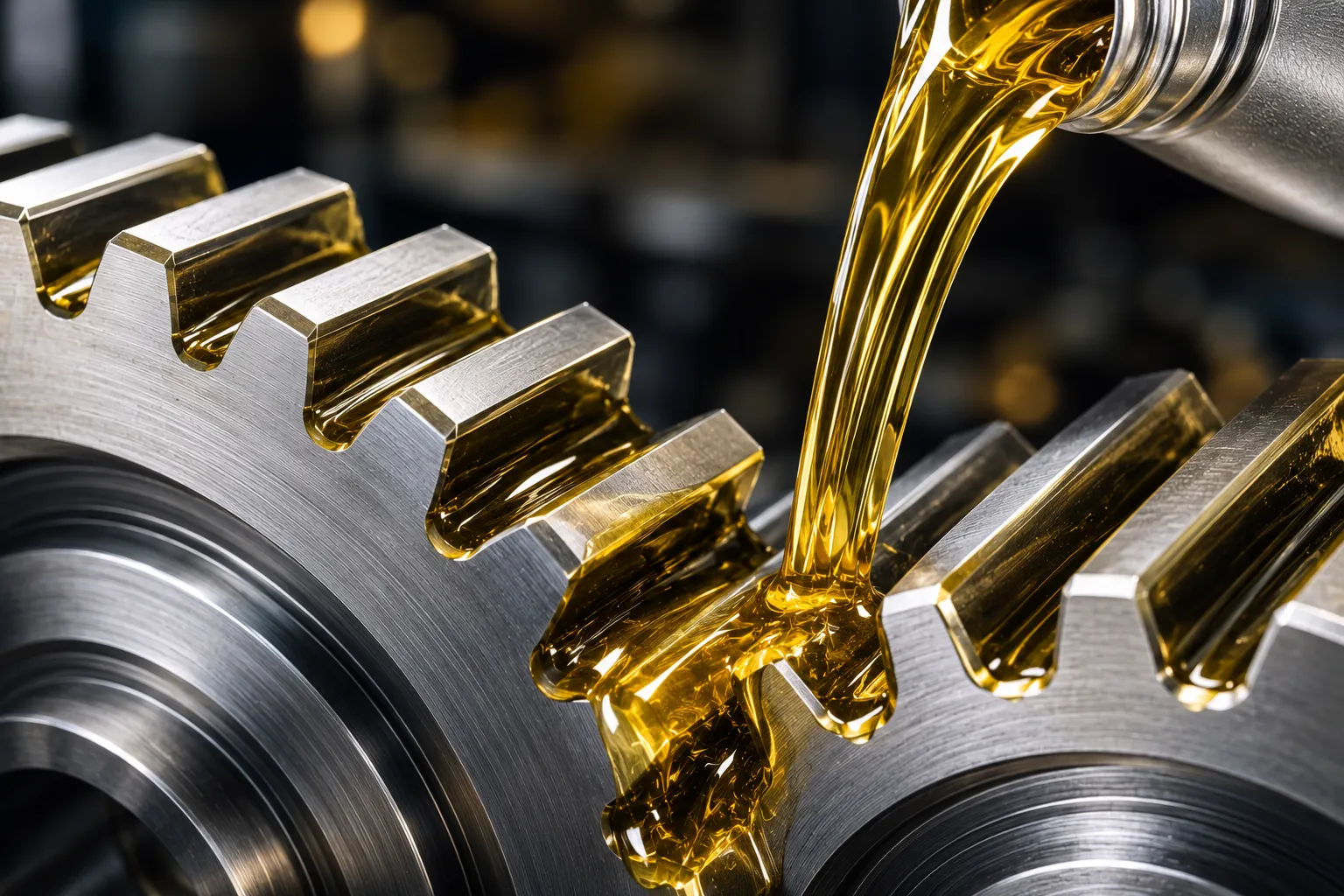
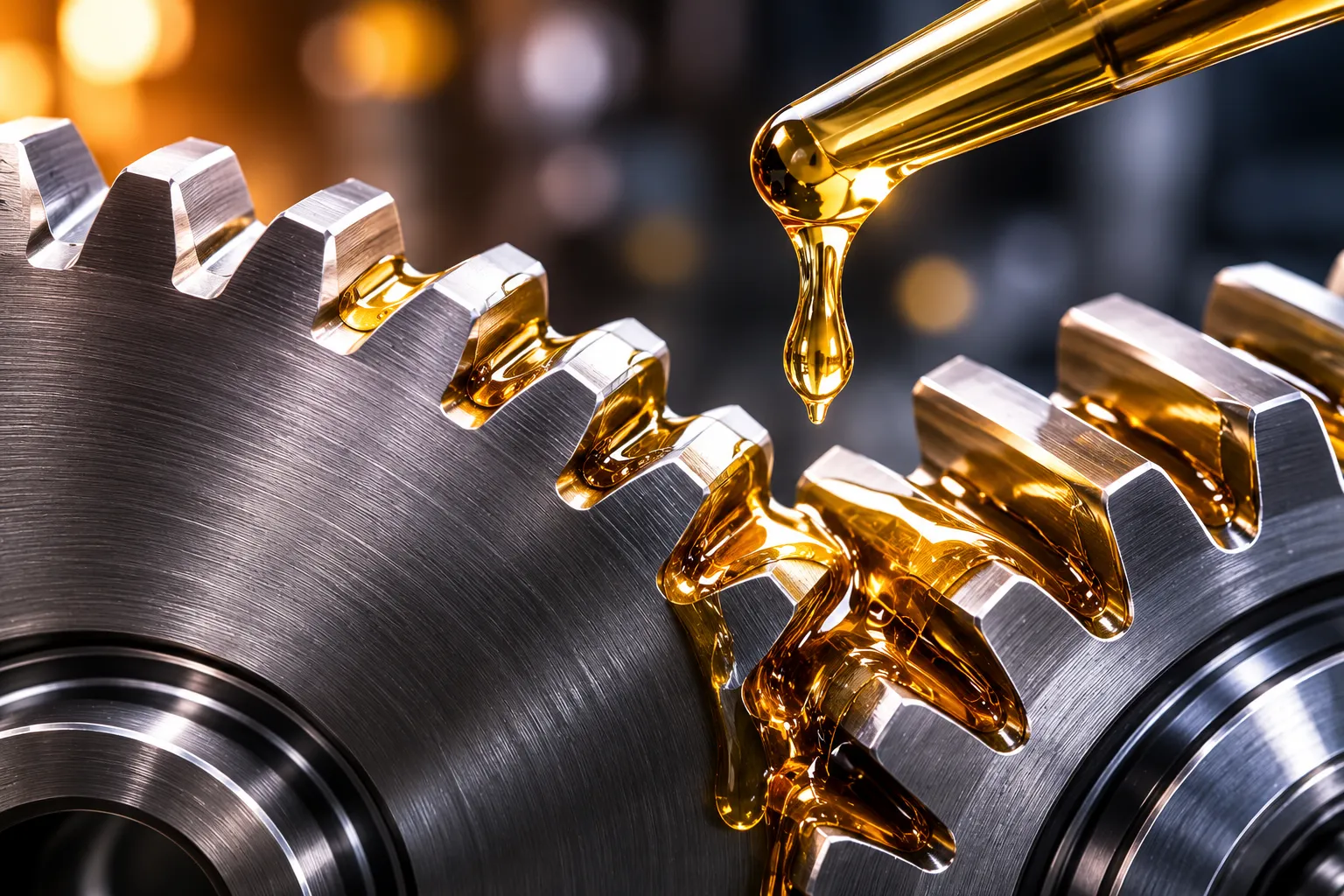
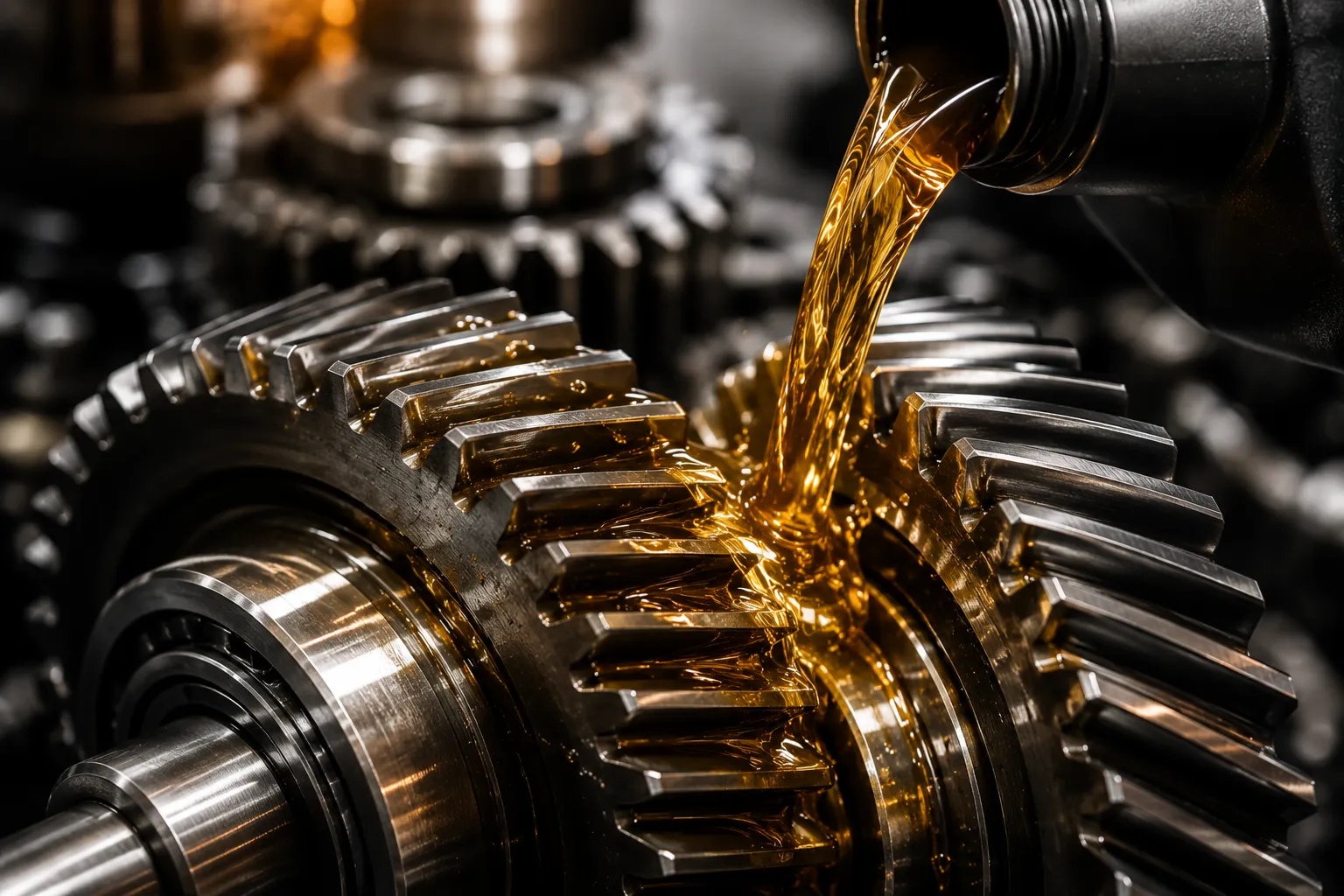
In ideal lubrication conditions, surfaces are separated by a film of oil. However, under high load condition, this oil film thins out, leading to a boundary lubrication regime where metal asperities (peaks) come into contact causing wear. In critical conditions of Shock loading, Start-stop, Low-speed/high-load contacts, the base oil alone is not sufficient for protection. This is where additives come into play. These are called as Antiwear and Extreme Pressure Additives.
AW additives are typically polar chemicals, such as Zinc Dialkyldithiophosphate (ZDDP) which get activated at moderate temperatures. They attach to metal surfaces to form a sacrificial layer that protects the surface and prevents wear from mild, sliding contact.
EP additives are designed for survival. Under severe loads and high temperatures, compounds containing sulfur, phosphorus or chlorine react chemically with the metal surface to form a high-strength, solid film (like iron sulfide) preventing the underlying metal from welding together.
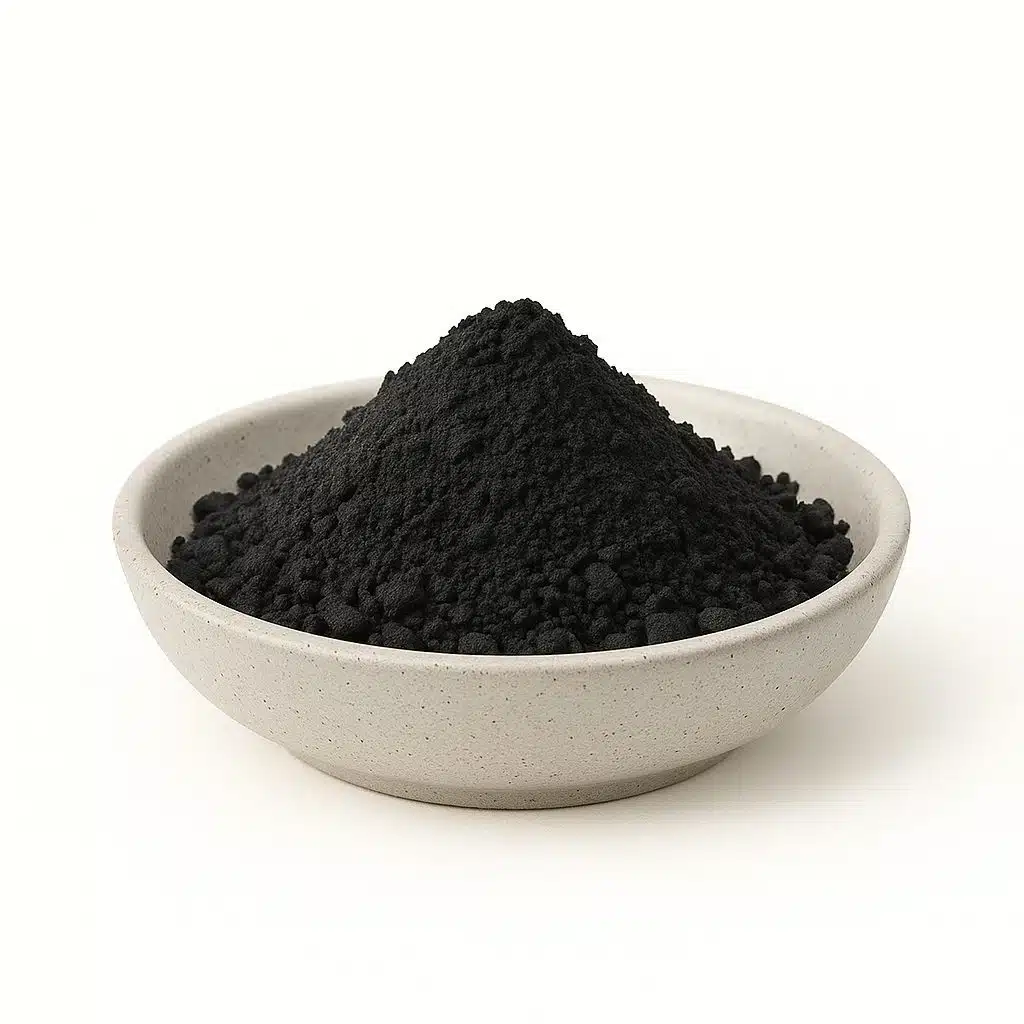
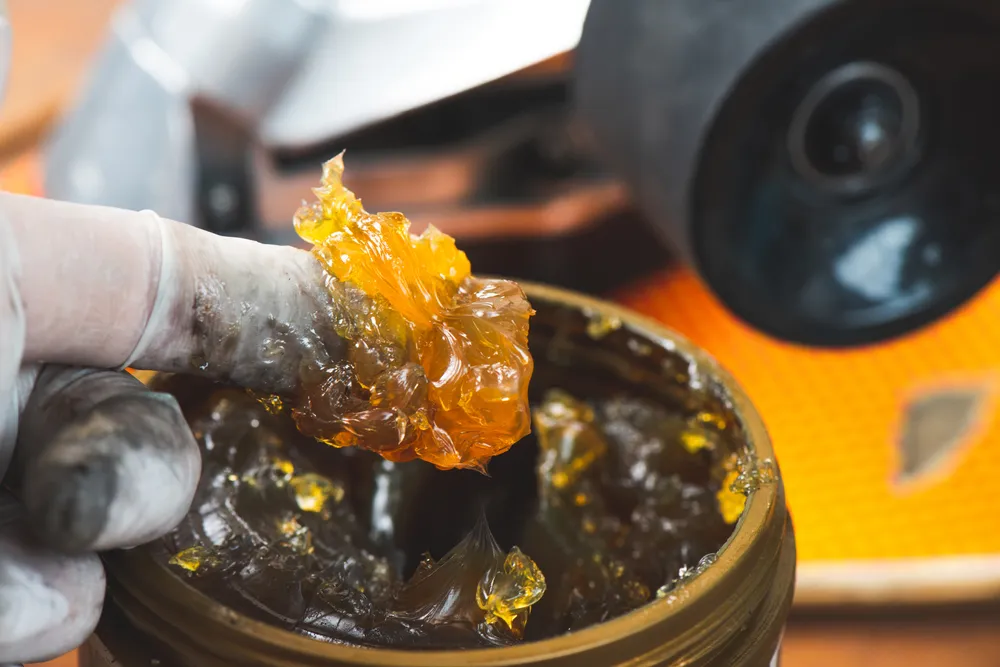
Solid Lubricants (MoS₂, Graphite etc.): These work primarily through a physical mechanism. They are not reliant on a chemical reaction. Their effectiveness depends on their ability to adhere to the surface and form a shear stable physical barrier that reduces friction and wear across a wide range of conditions.
The combined action of base oil film formation, EP & AW additive-driven chemical protection and in some cases solid lubricant reinforcement ensures reliable performance across varying lubrication regimes, particularly in heavily loaded or slow-moving industrial applications and at high temperature condition.
HOW TO EVALUATE EP & AW PERFORMANCE?
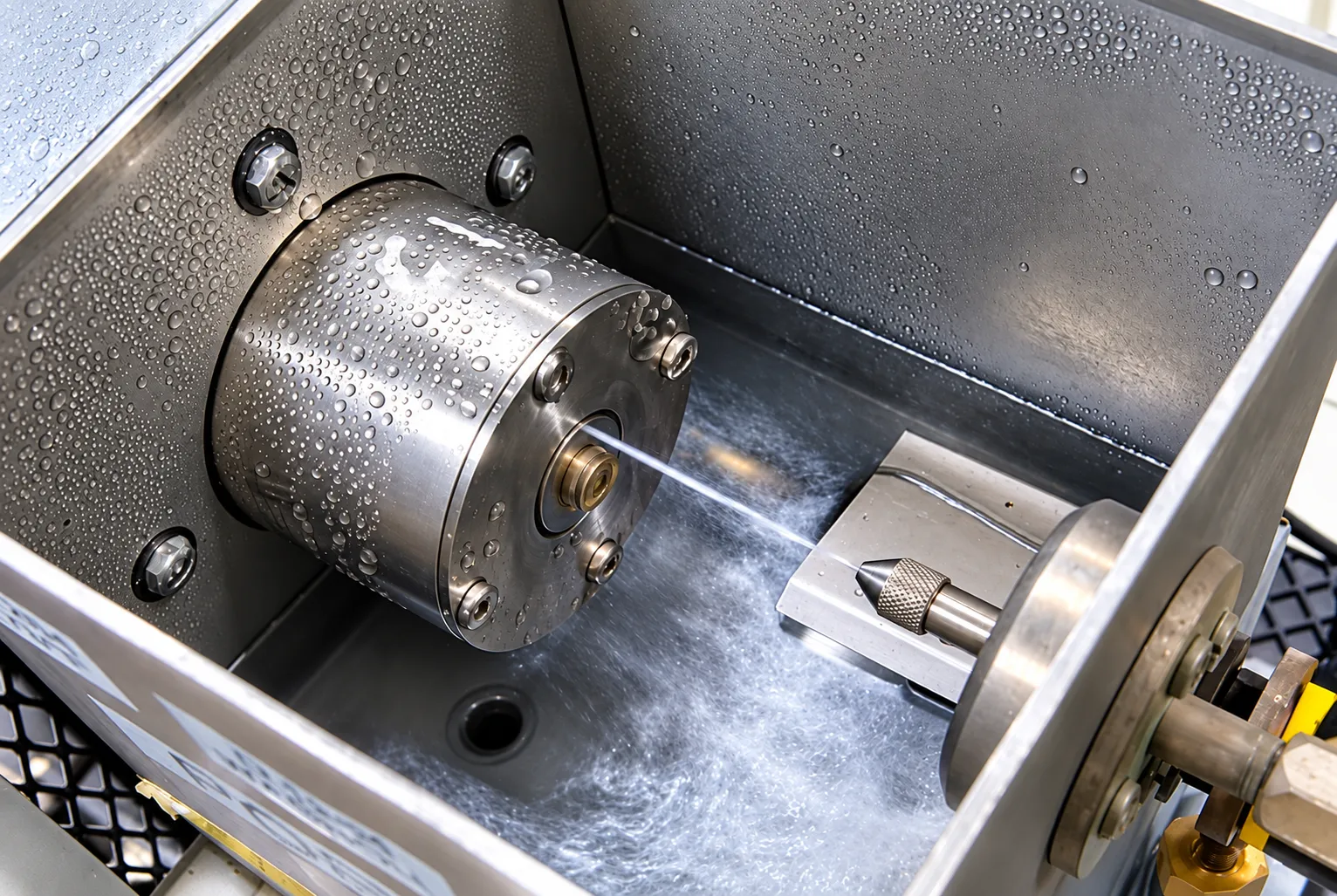
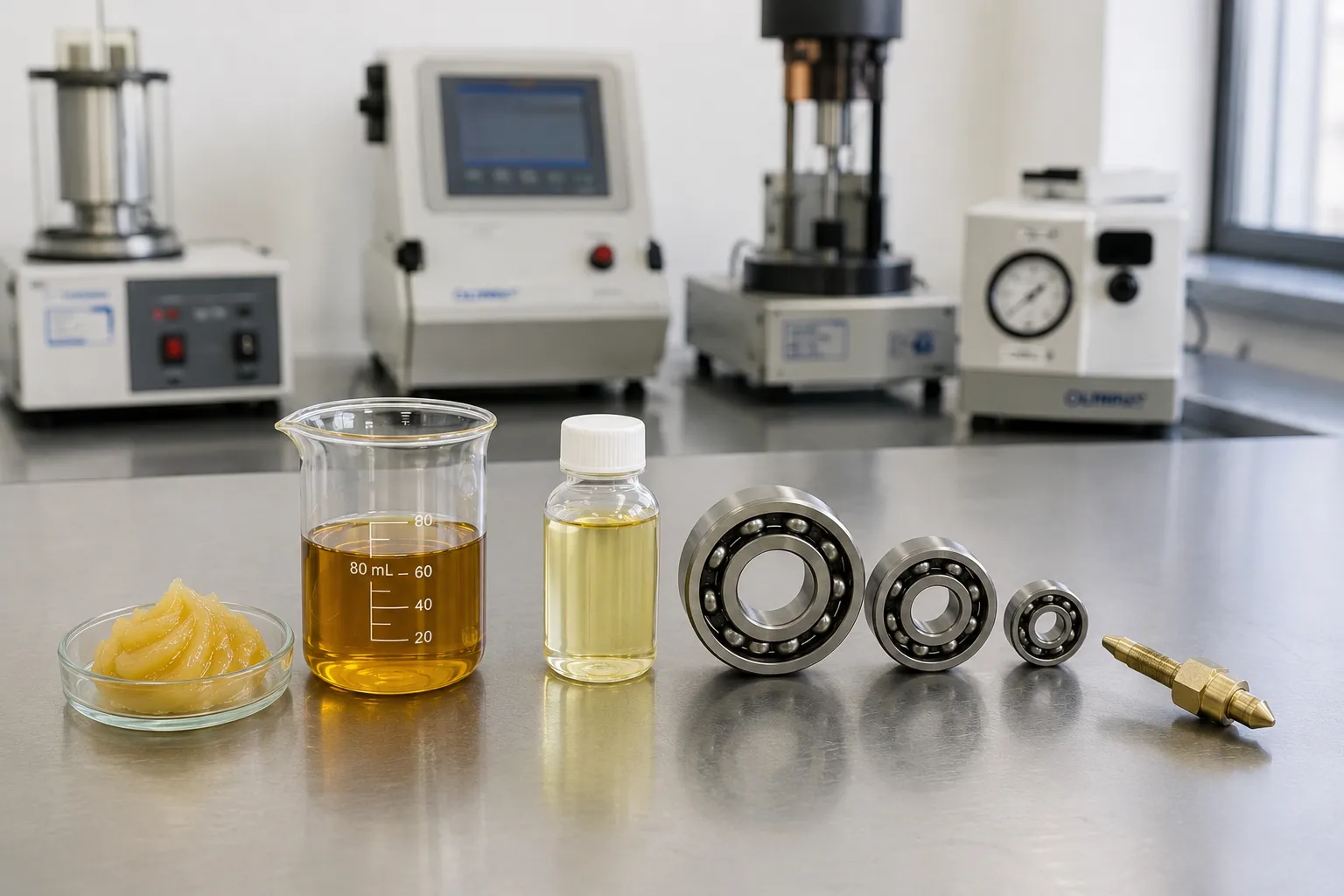
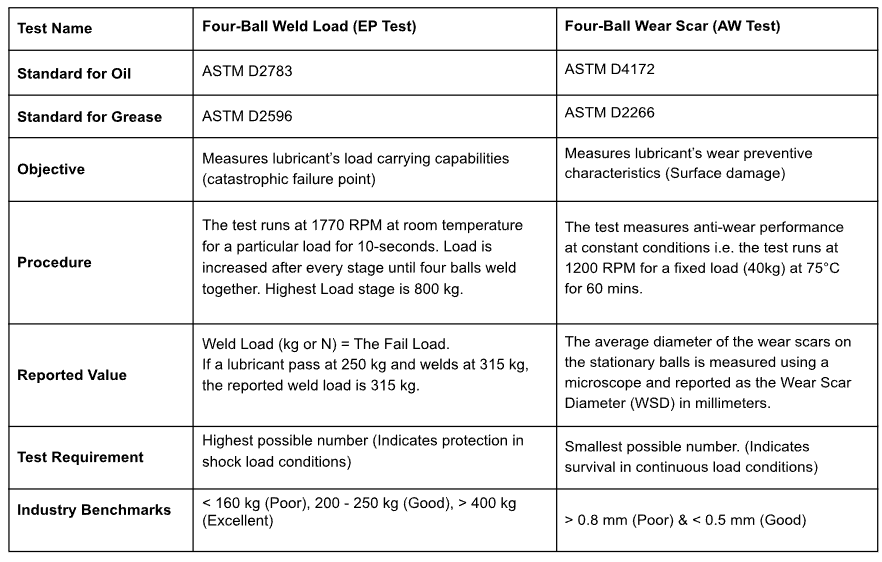
The Four-Ball tester is the industry standard for evaluating load carrying properties. It consists of one steel ball rotating under load against three stationary balls immersed in the lubricant. However, depending on how you run the test, you get two completely different tests : Weld Load (EP) and Wear Scar (AW) test.
The weld load measures catastrophic failure resistance, while wear scar measures gradual wear protection under constant load.
The Four-Ball test machine is known as an
excellent tool for quality control and screening additive packages of oils and greases.

Load Wear Index (LWI) formerly known as the Mean Hertz Load:
Load Wear Index (LWI) represents the average of the corrected loads determined for all loads preceding the weld point in the Four-Ball Weld Load test. It gives a more complete picture of performance across the load spectrum. A higher LWI indicates better EP performance because it means the lubricant maintained relatively smaller wear scars across multiple load stages before finally failing. The LWI typically ranges from 20 to +80 kgf for most of the lubricants.
CORRELATION OF FOUR BALL WELD LOAD TEST WITH REAL-WORLD APPLICATIONS:
A good test result of high weld load and small wear scar is necessary for a grease to protect a bearing and it correlates well with a lubricant's ability to form protective tribofilms under extreme contact pressure. However, for oil in a critical gearbox application, passing the Four-Ball test is just the first step.
In a famous study cited by lubrication experts, common household items like milk and beer actually showed higher Four-Ball Weld Loads than some non-EP mineral oils. Yet, when tested on the more realistic FZG gear test, the mineral oil performed as expected, while the milk and beer failed instantly. The Four-Ball EP test simply couldn't replicate the complex dynamics of the gear mesh. The Four-Ball test creates a "point-on-point" sliding contact, whereas gears experience “rolling-sliding" contact. Therefore, for critical applications, engineers use more specific tests like :
-> Timken OK load Test : ASTM D2782 (for Oils) and ASTM D 2509 (for Greases). It measures load on a line-contact.
-> FZG Scuffing Test DIN 51354 : The Gold Standard for Gearboxes. It measures load on actual gear teeth.
KEY TAKEAWAY:
The Four-Ball tester is an excellent tool for quality control and screening EP & AW additive packages in lubricants. However, it’s correlation to real machinery has limits. If a lubricant fails here, it will likely fail in the field. However, passing does not guarantee success in complex gearboxes.
FREQUENTLY ASKED QUESTIONS (FAQs)
Q1. What is the difference between Antiwear (AW) and Extreme Pressure (EP) additives?
AW additives protect metal surfaces under moderate loads and temperatures by forming a sacrificial protective film. EP additives activate under severe loads and high temperatures, creating a chemical barrier that prevents metal-to-metal welding and catastrophic failure.
Q2. What are the most common EP additive chemistries?
EP additives typically contain sulfur, phosphorus, chlorine, or combinations of these elements. These compounds react with metal surfaces under extreme conditions to form protective films.
Q3. What is the Four-Ball Weld Load Test?
The Four-Ball Weld Load Test evaluates a lubricant's extreme pressure performance by determining the load at which the rotating steel ball welds to the stationary balls. A higher weld load generally indicates better load-carrying capability.












![Gear Drive Lubricant Selection [Gearbox Lubricants]](https://mosil.com/assets/uploads/blog/blog_1788344519_6a97f8c75d604.webp)

![The Ultimate Guide To Grease Thickeners [Thickening Agents]](https://mosil.com/assets/uploads/blog/blog_1754991852_689b0cec60a8a.jpg)