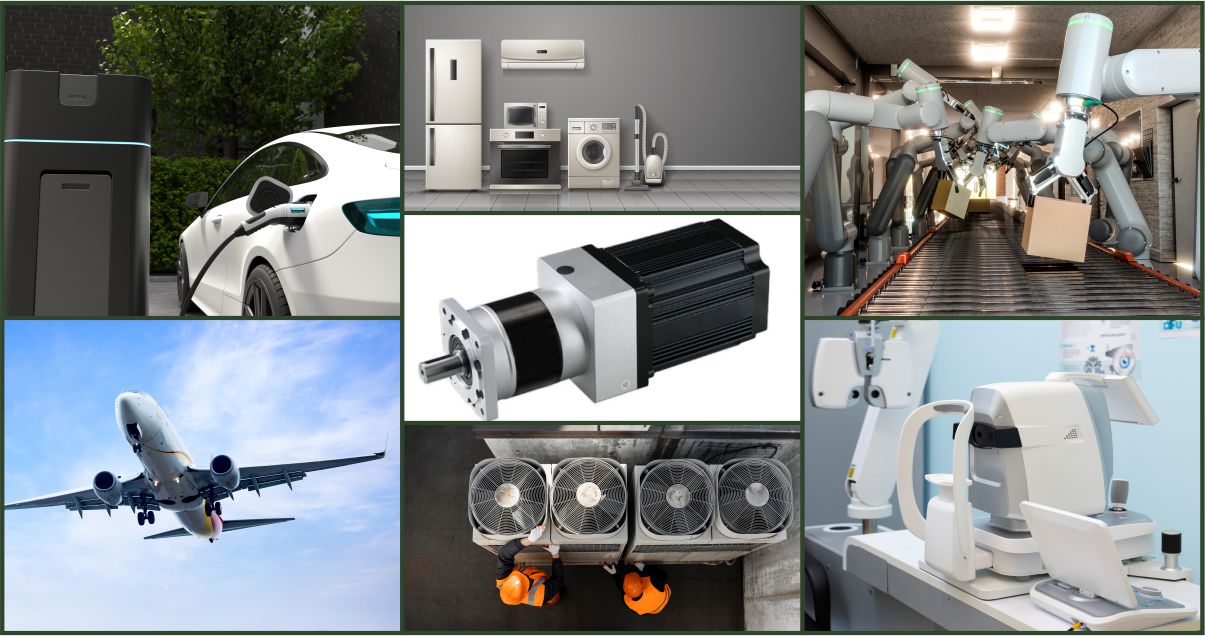
Across modern industries, productivity and competitiveness are increasingly driven by high-speed machinery. Whether it is spindles in manufacturing lines, high-RPM electric motors, compressors, pumps, turbines, or precision bearings, operating speeds continue to rise to meet output, efficiency, and quality demands.
However, as rotational speeds increase, lubrication reliability becomes a critical limiting factor. Many premature equipment failures attributed to “mechanical issues” are, in reality, lubrication-related failures. Ensuring the right lubrication strategy is essential to achieving long equipment life, energy efficiency, and uninterrupted operations.
WHY HIGH - SPEED MACHINERY DEMANDS SPECIALIZED LUBRICANTS
High-speed equipment imposes severe stresses on lubricants that are not typically seen in low- or moderate-speed applications:
Elevated frictional heat generation
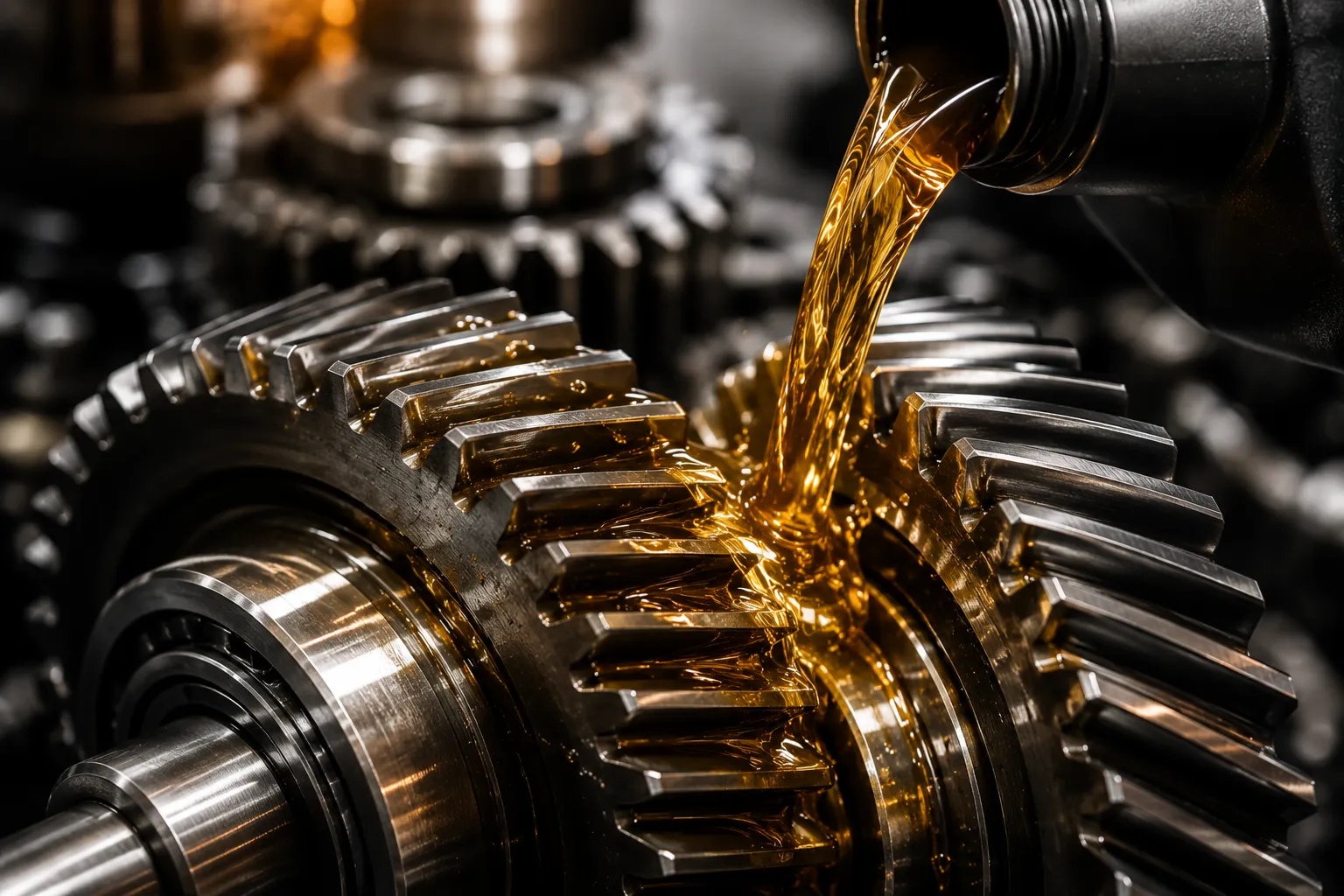
High shear forces cause viscosity loss
Reduced lubricant residence time in the contact zone
Greater sensitivity to contamination
Centrifugal forces leading to lubricant throw-off
These factors make conventional lubrication practices insufficient for high-speed applications.
HIGH – SPEED EQUIPMENT AND ASSOCIATED LUBRICANT CHALLENGES
Heat Build-Up and Thermal Degradation
At high speeds, even small increases in friction can cause rapid temperature rise. Excess heat accelerates:
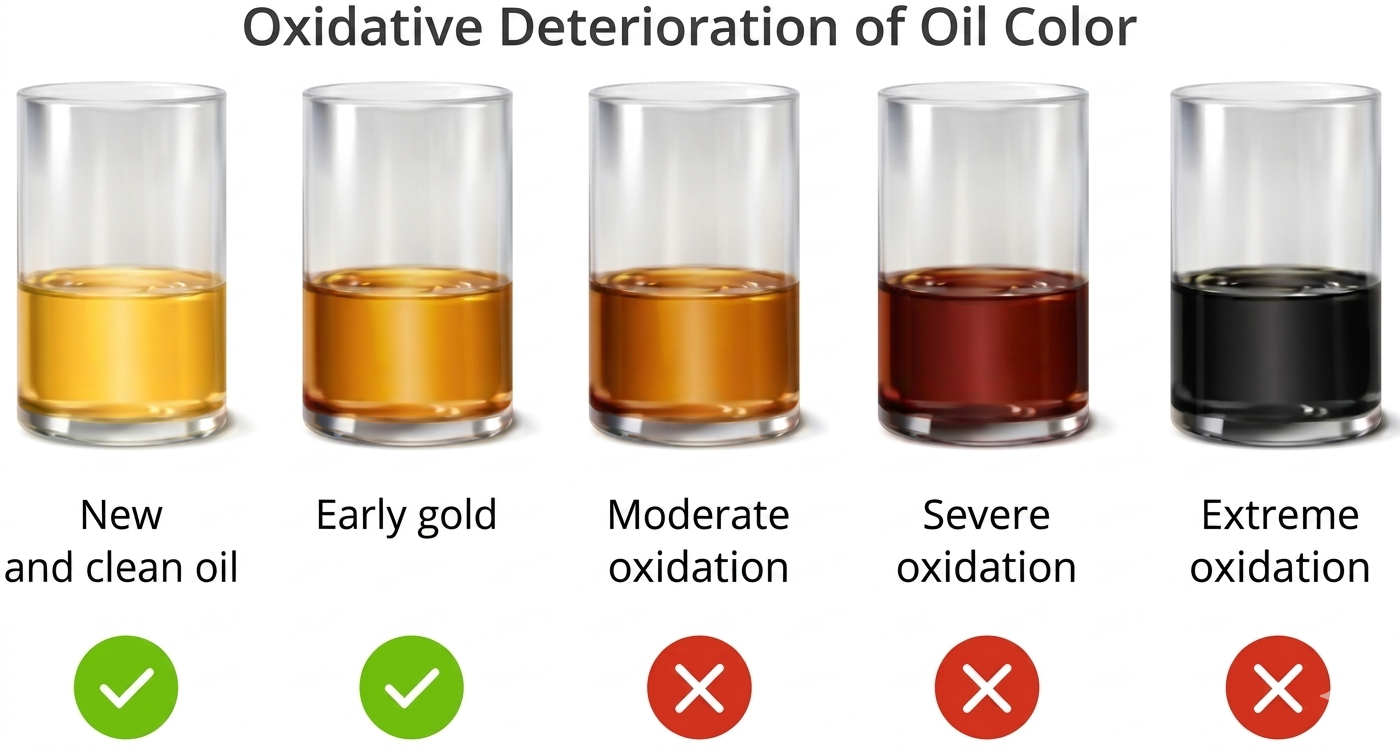
Oxidation of oils
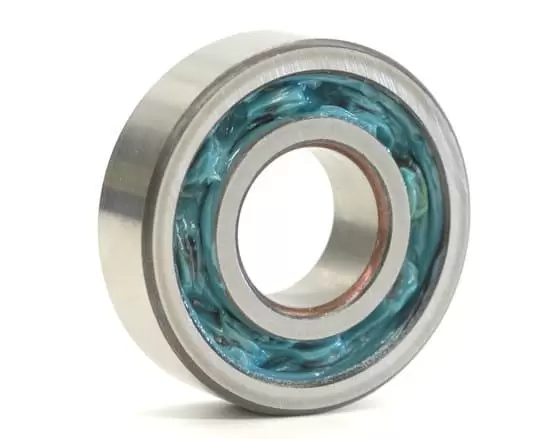
Thickener breakdown in greases
Formation of deposits and varnish
Once lubricant degradation begins, bearing and component life reduce exponentially.
Shear Stress and Viscosity Loss
High shear rates can permanently reduce lubricant viscosity, particularly in formulations with poor shear stability. Loss of viscosity results in:
Thinner lubricant films
Increased metal-to-metal contact
Accelerated wear and fatigue
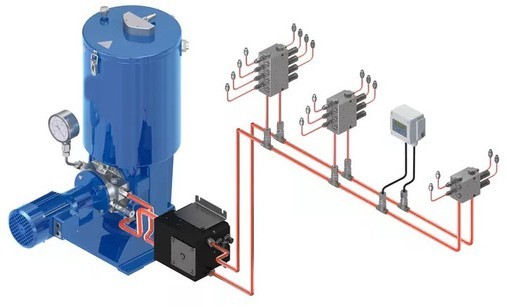
Lubricant Starvation and Distribution Issues
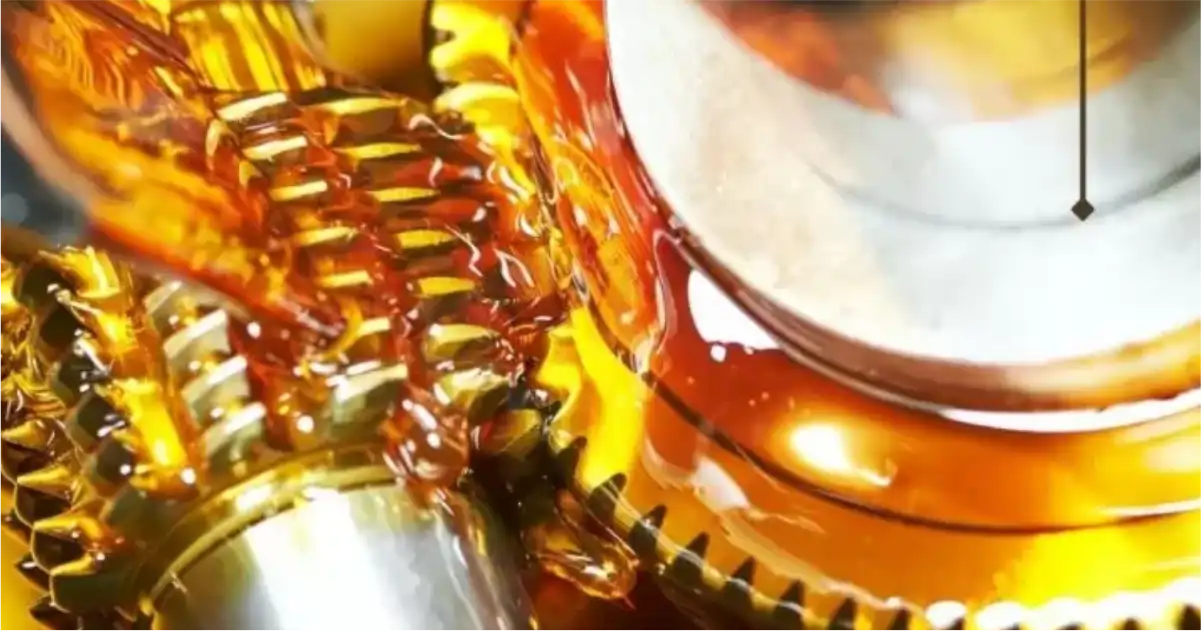
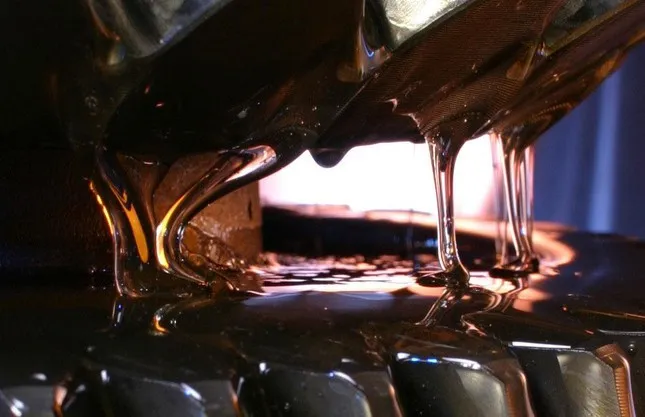
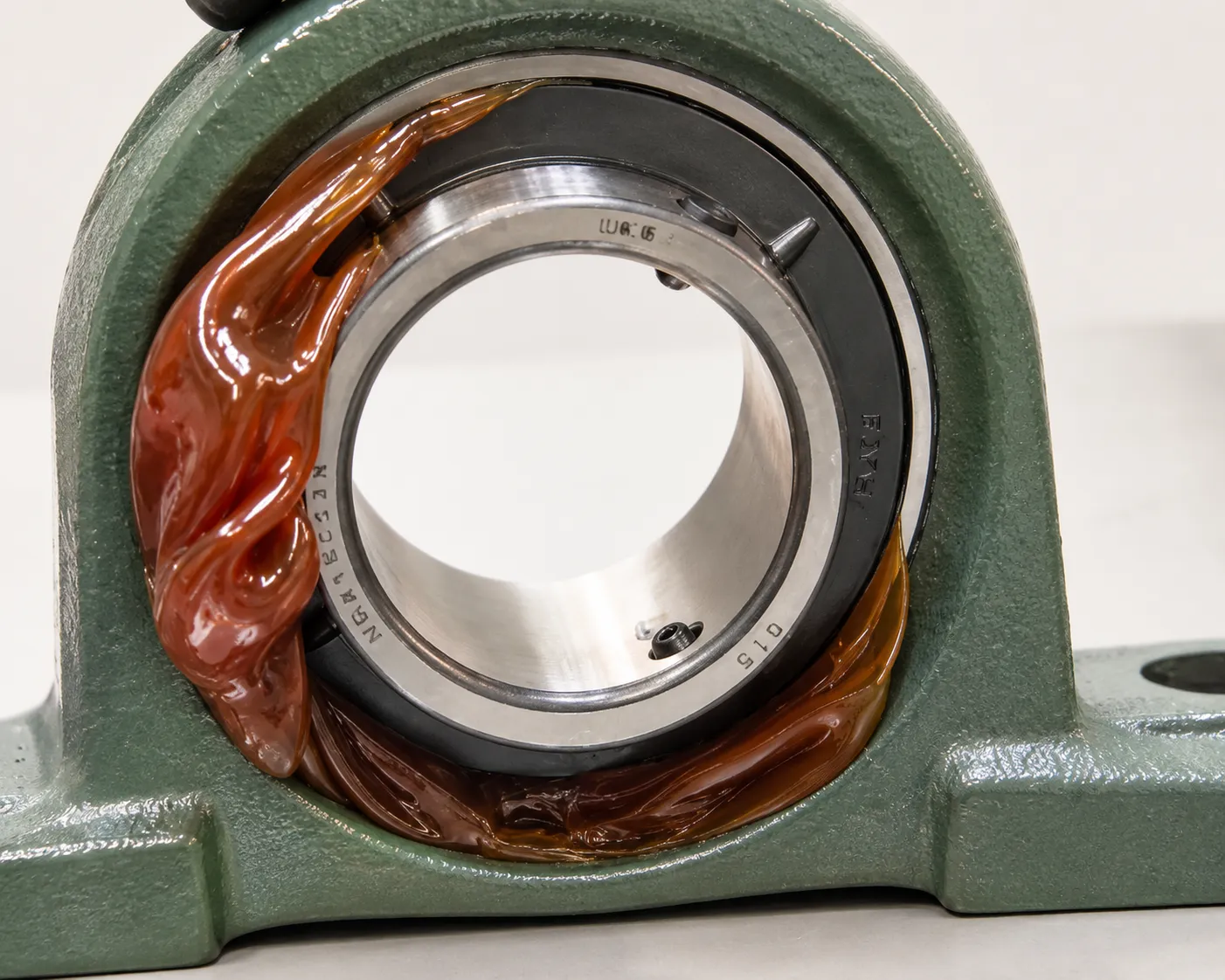
At high RPMs, lubricants may not remain in the contact zone long enough to form a stable film. Greases may channel, and oils may be flung away due to centrifugal forces, leading to localized lubrication failure.
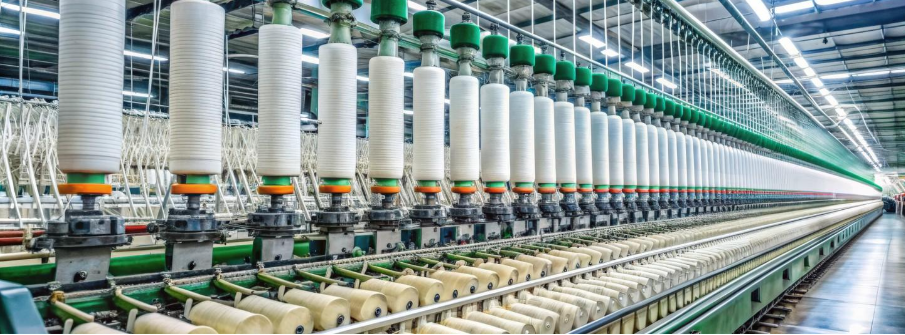
In textile machinery, high speeds combined with continuous duty cycles and lint-rich environments make lubricant retention and distribution especially critical. Any interruption in lubrication at spindles, bearings, or rollers can rapidly affect machine efficiency and product quality, making application-specific lubrication strategies essential in textile operations.
OIL VS GREASE: TEXTILE INDUSTRY AS THE SELECTION REFERENCE
Oil Lubrication in Textile Spindles
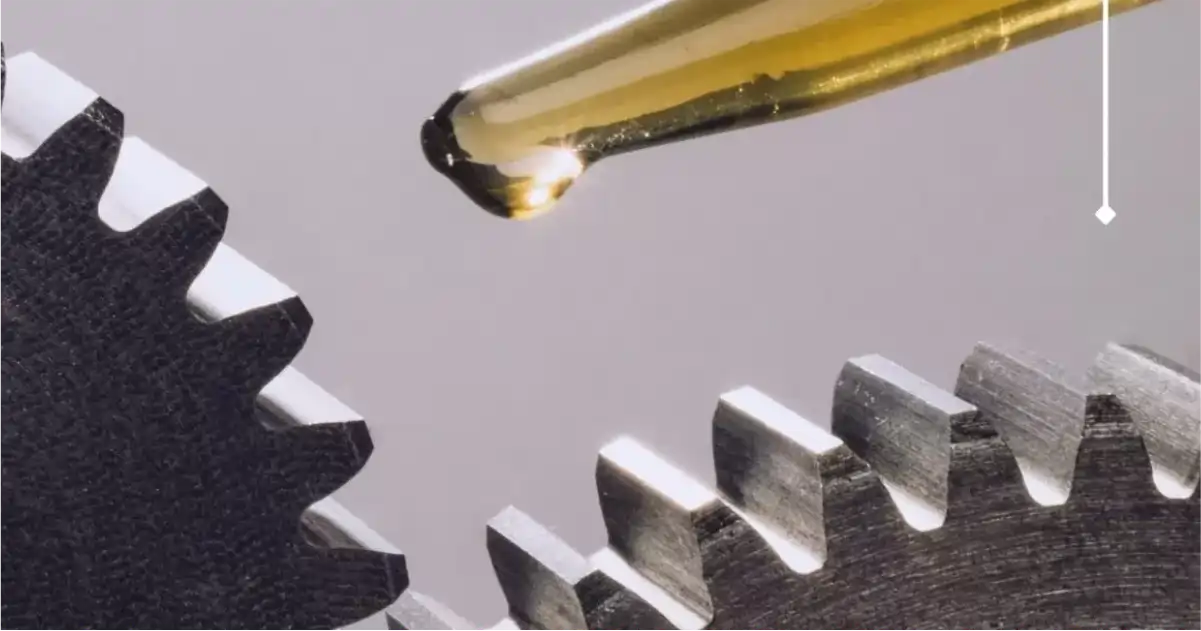
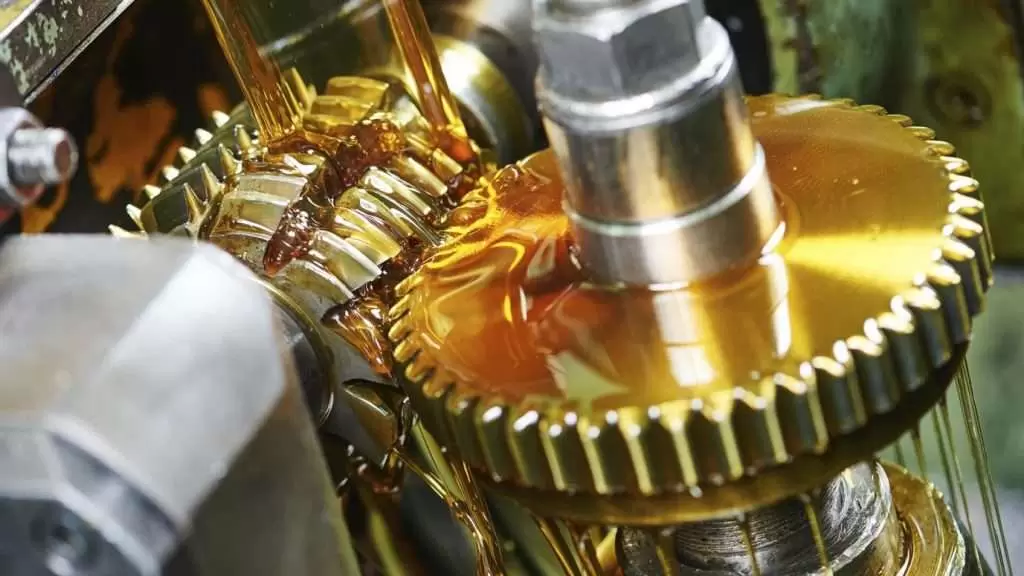
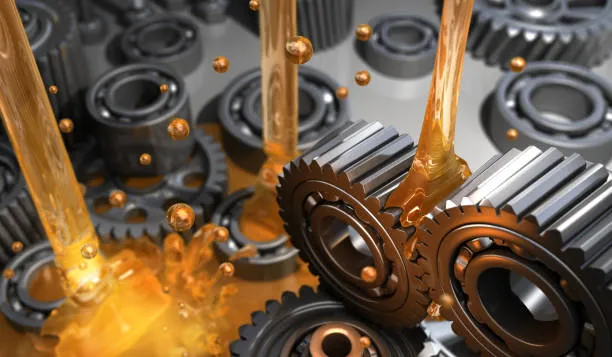
Oil lubrication using high-performance industrial lubricants and industrial gear oils is widely employed in:
Ring spinning spindles
High-speed bearings in textile machinery
Its advantages—including efficient heat dissipation, reduced friction, and reliable equipment performance—make oil lubrication suitable for a wide range of high-speed industrial applications.
Textile Bearings and Rollers: Specialty Lubricant Requirements
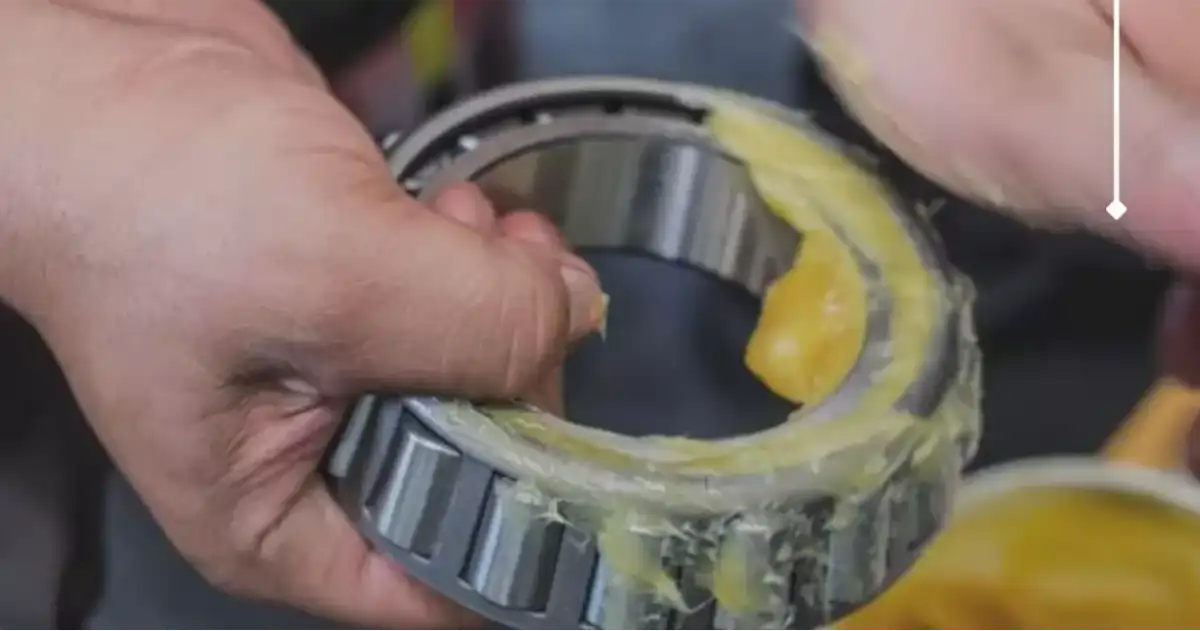
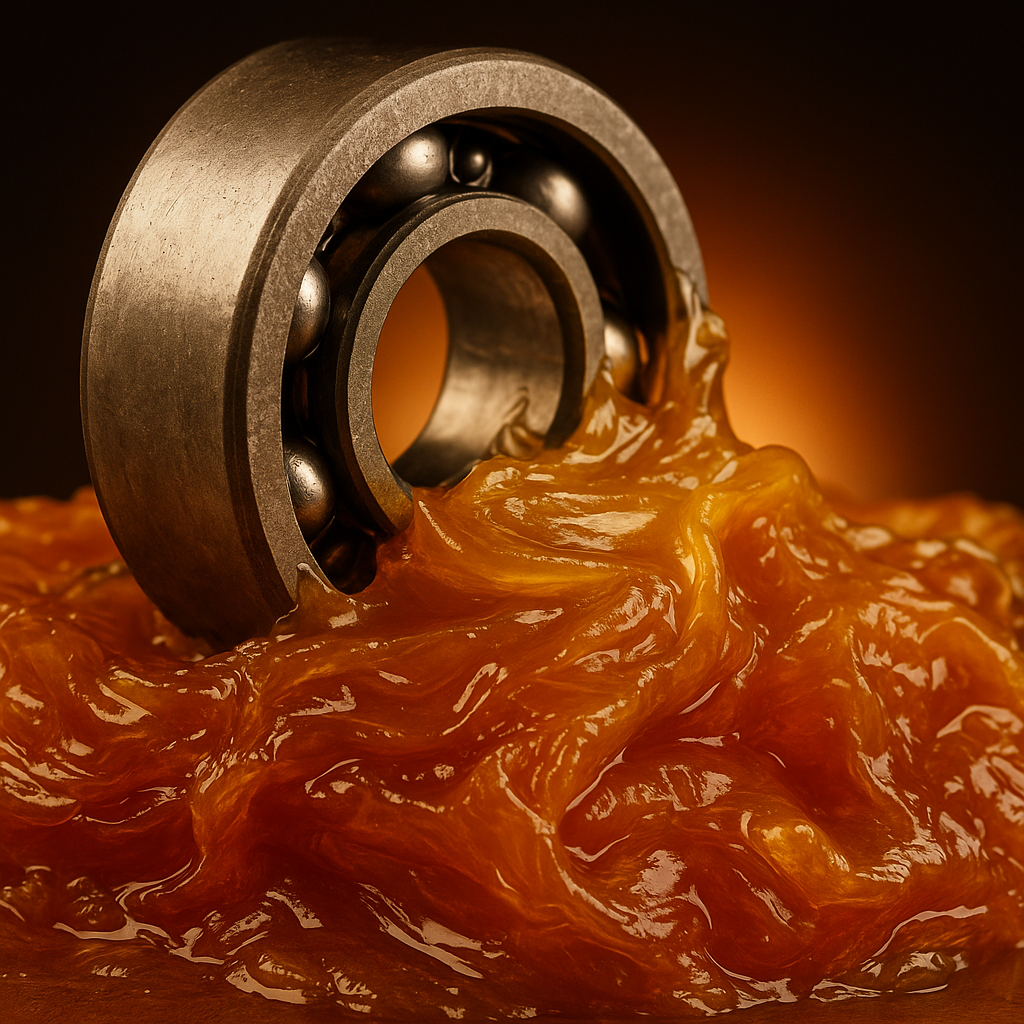
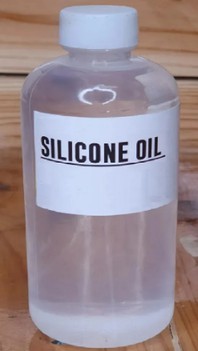
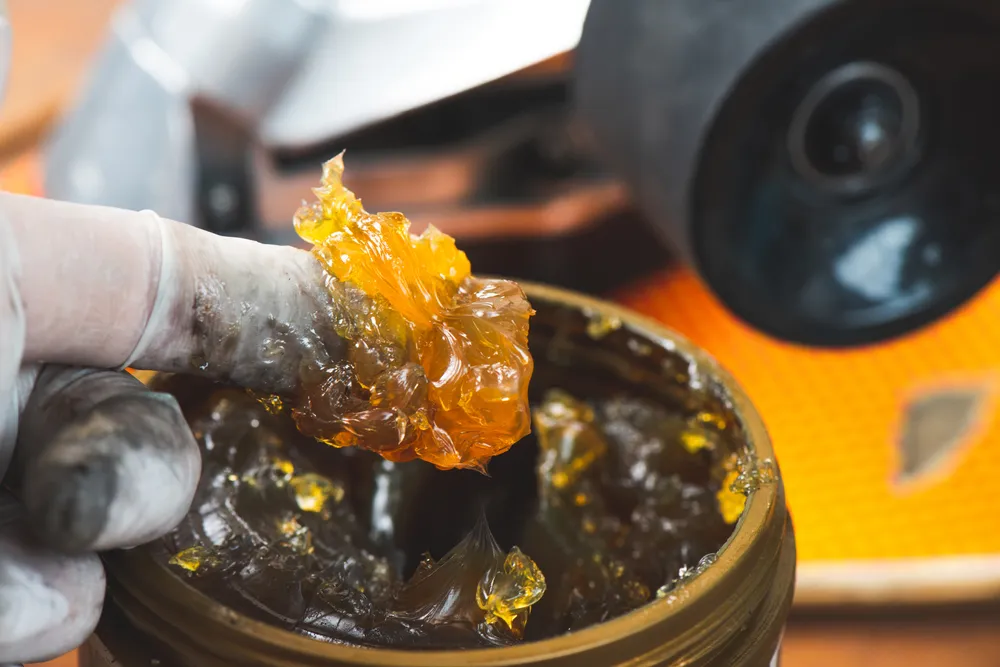
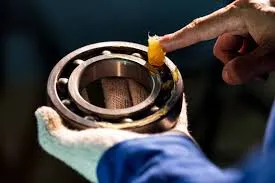
For applications where protection against lint, dust, and contaminants is critical, synthetic grease, silicone grease, and other specialty lubricants are commonly preferred. High-speed textile greases should provide:
Low base oil viscosity
High mechanical stability
Controlled oil release
These requirements closely align with lubrication demands in automotive, steel, FMCG, and other industrial sectors where high-temperature grease, dielectric grease/sealants, and valve lubricants are frequently used.
Managing Heat and Energy Loss: Textile as a Performance Benchmark
In textile mills, inadequate lubrication can result in:
Higher power consumption
Increased yarn breakage
Reduced machine efficiency
The use of optimized lubrication solutions, including advanced industrial lubricants, low-friction coatings, and corrosion protection technologies, has been shown to significantly reduce operating temperatures and improve equipment efficiency benefits that extend across all high-speed industrial machinery.
Additionally, supporting maintenance products such as rust preventives, aerosol sprays, cleaners and degreasers, and electrical contact cleaners help maintain machine reliability and long-term operational performance.
KEY LUBE LESSONS FROM TOP - RUNNING TEXTILE MILLS
The textile factories that keep their gear humming without constant breakdowns swear by a few no-nonsense habits:
Picking the right lube based on that DN factor (you know, speed x bearing bore).
Never overdoing the re-lube amounts—measure it out religiously.
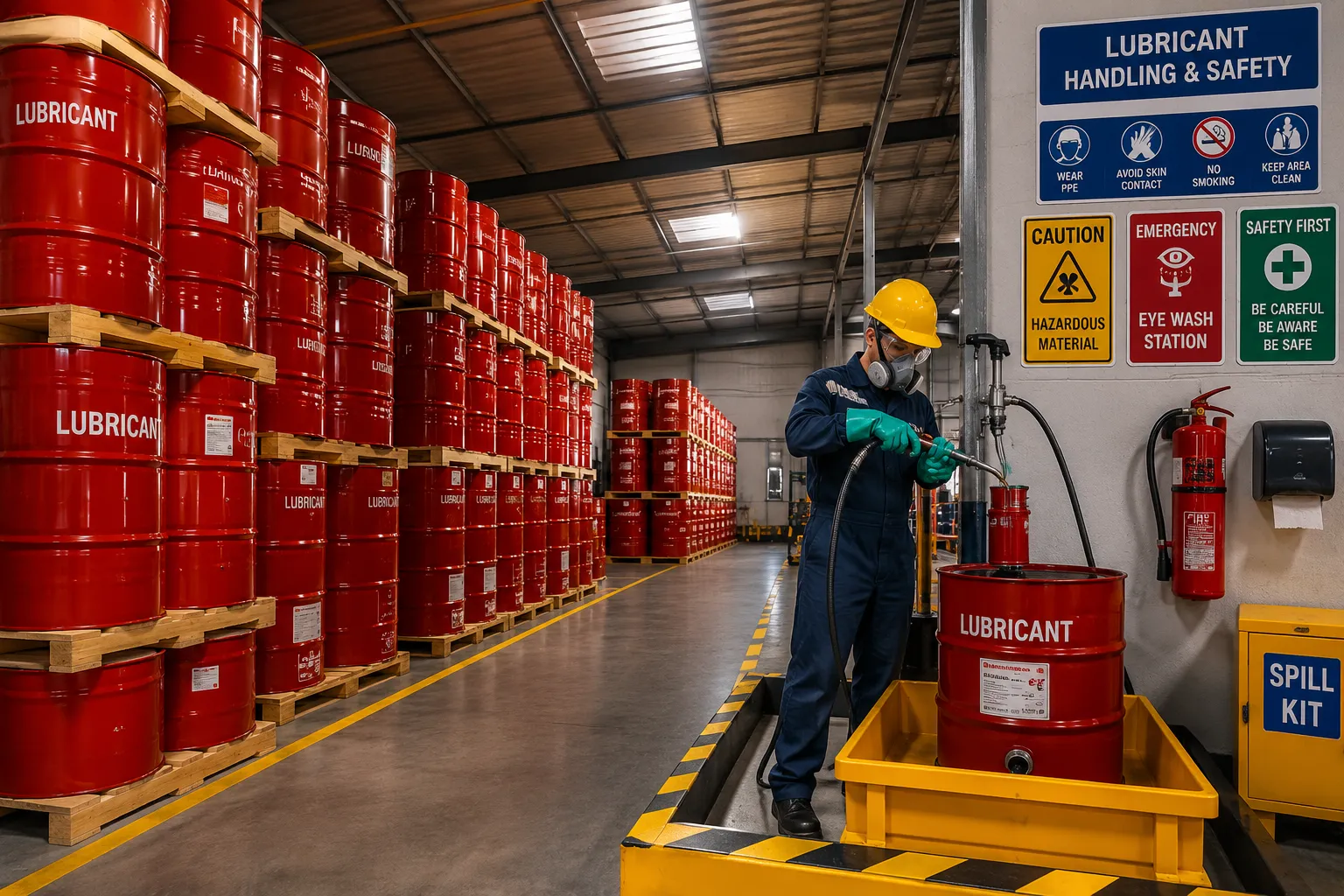
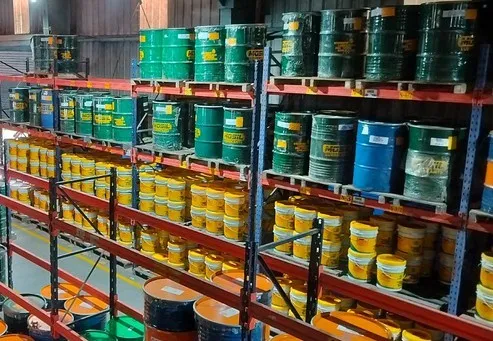
Keeping lubricants spotless during storage and handling, no shortcuts.
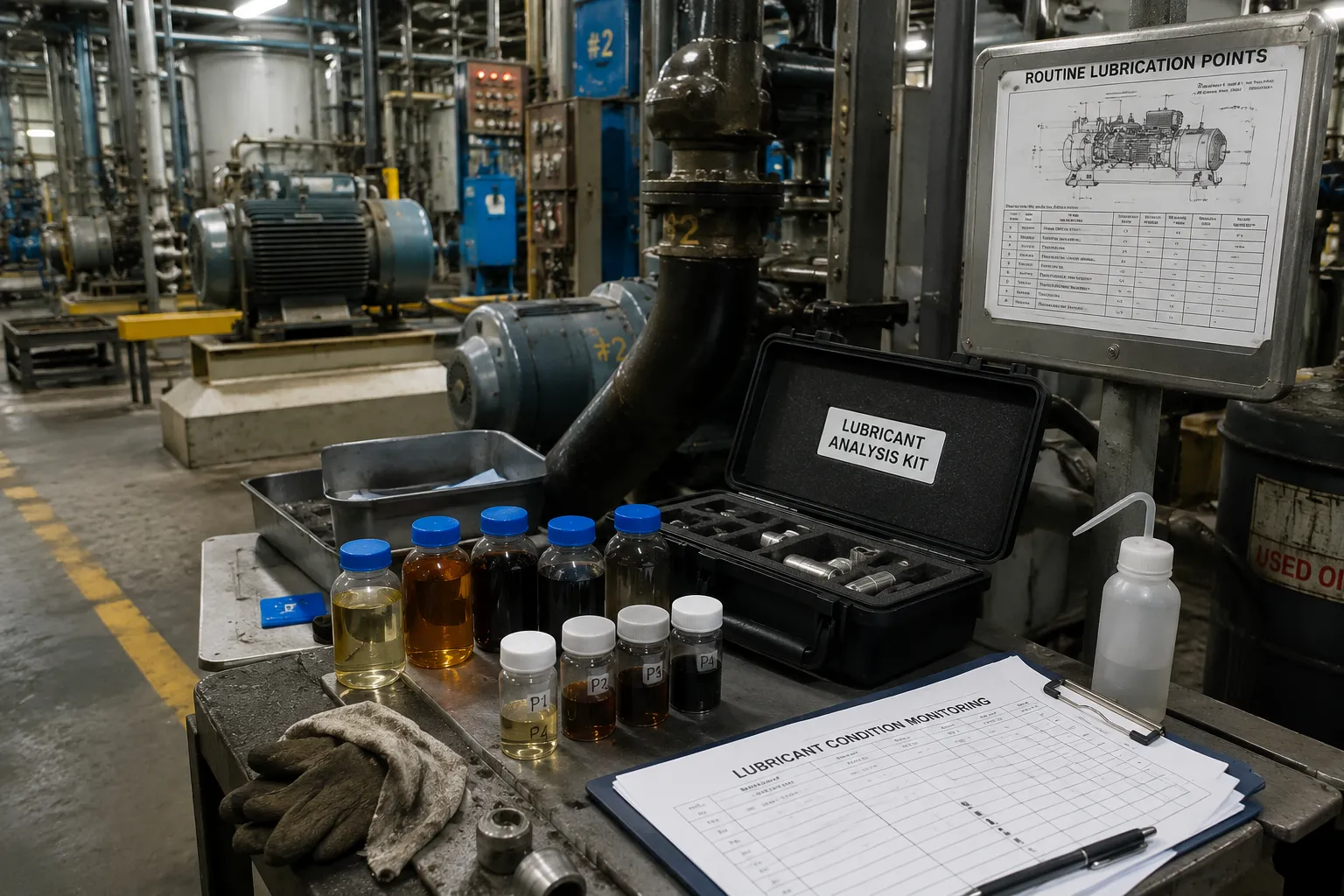
Staying on top of temps and vibes to catch issues early.
These tricks work just as well in any fast-spinning industrial setup.
CONCLUSION
The textile industry serves as a benchmark for understanding lubrication reliability in high-speed machinery. Its demanding operating conditions expose lubrication weaknesses faster than many other sectors. Lessons learned from textile lubrication correct viscosity selection, shear stability, heat management and cleanliness, are directly applicable across modern manufacturing industries.
By adopting lubrication strategies proven in textile mills, industries operating high-speed machinery can achieve longer equipment life, lower energy consumption, and improved operational reliability.
FREQUENTLY ASKED QUESTIONS (FAQs)
Q1. Why do high-speed machines require specialized lubricants?
High-speed machines generate higher temperatures, shear forces, and centrifugal effects that can degrade conventional lubricants. Specialized lubricants are designed to maintain film strength, reduce friction, and provide reliable protection at elevated speeds.
Q2. How does lubricant viscosity affect high-speed machinery performance?
Viscosity directly influences lubricant film formation. Excessively high viscosity can increase heat generation and energy consumption, while very low viscosity may fail to provide adequate wear protection.
Q3. What is lubricant starvation, and why does it occur in high-speed equipment?
Lubricant starvation occurs when insufficient lubricant reaches the contact surfaces. In high-speed applications, centrifugal forces can displace lubricants from critical areas, reducing film thickness and increasing wear.


































![Gear Drive Lubricant Selection [Gearbox Lubricants]](https://mosil.com/assets/uploads/blog/blog_1782972100_6a45fec4dbc03.webp)



![The Ultimate Guide To Grease Thickeners [Thickening Agents]](https://mosil.com/assets/uploads/blog/blog_1754991852_689b0cec60a8a.jpg)