

LUBRICANT CHURNING
ABSTRACT
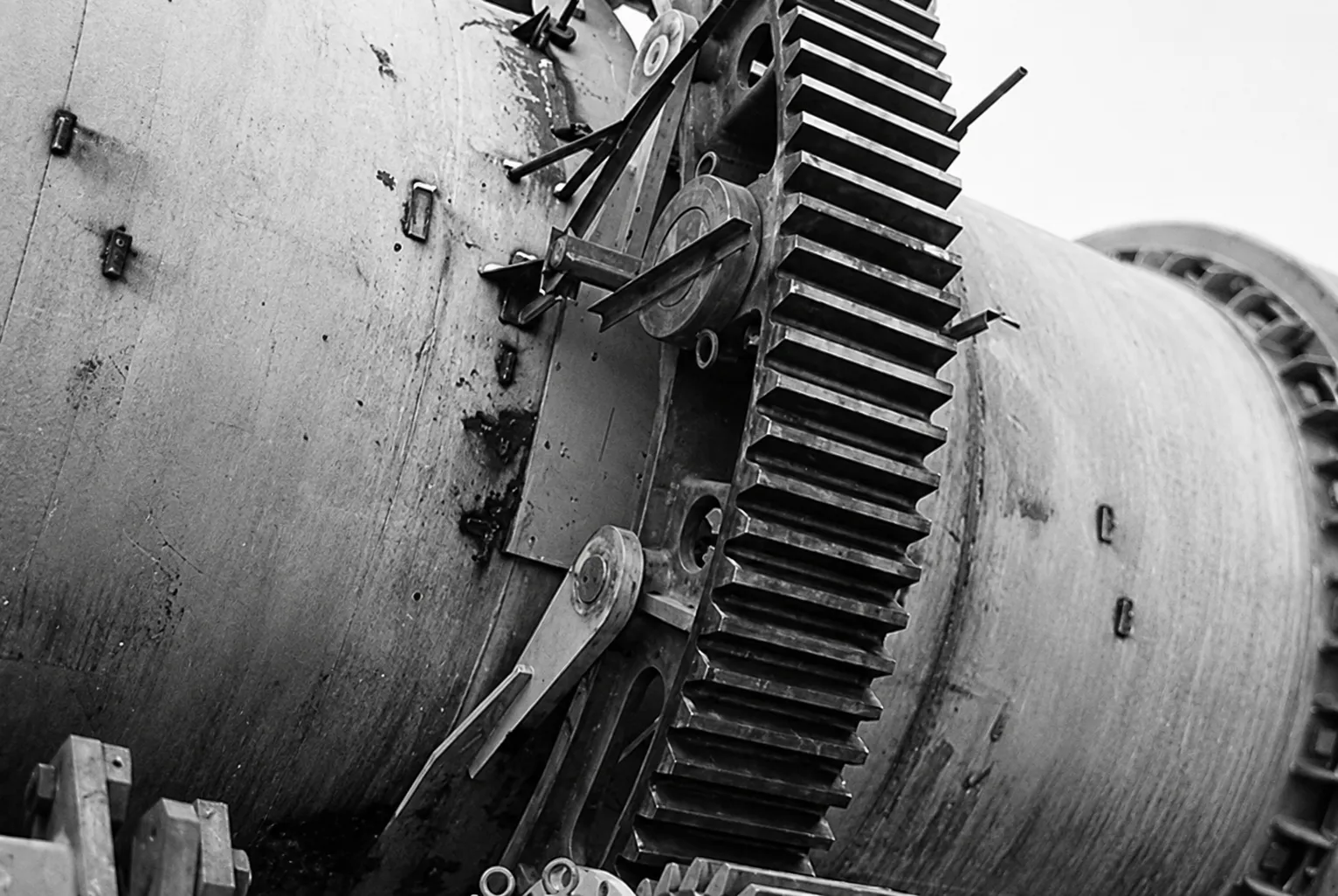
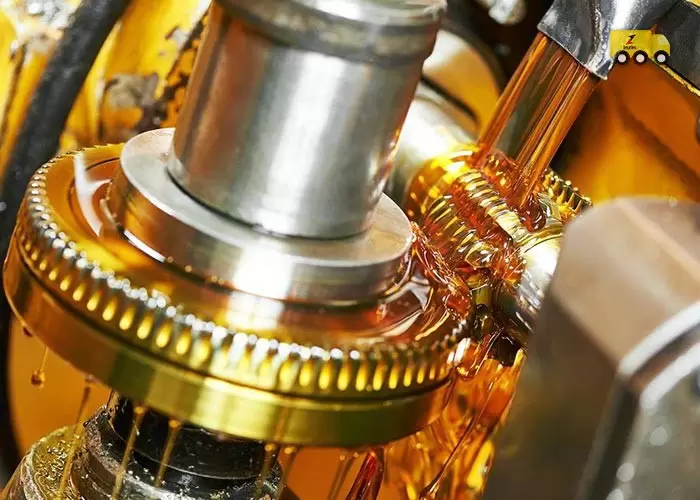
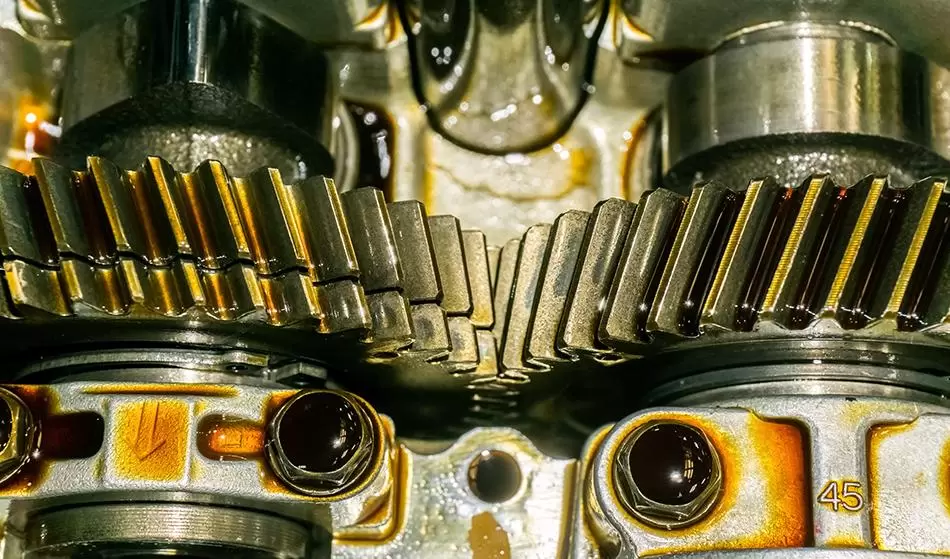
Heavy-duty gear drives operating at high speeds which transmit high powers tends to have a considerable friction power loss. These power losses transform into heat, therefore the operating temperature of the transmissions has to be calculated with all the power-dependent and power independent losses taking into consideration. The efficiency of gear drives depends upon many factors; mainly on the tooth and bearing friction losses, but besides them, in certain circumstances, lubricant churning losses also need to be taken into consideration.
KNOW MORE
Let's understand about Lubricant Churning and how does it affect the lubricating parts like gears, bearings, and the gear oil itself.
TORQUE
Bearings and gears require a force to begin turning and to continue rotating once they are set in motion. The measurement of this force is referred to as torque.
Starting torque is usually more than the running torque. These forces are variable depending on several parameters.
FACTORS OF CHURNING
It can be compared to walking into the shallow waters. If you reach ankle-deep water, it is still fairly easy to move (equivalent to running torque). However, if you go further into deeper water, it becomes much more difficult to walk. This requires you to work harder and causes you to exhaust out quicker.
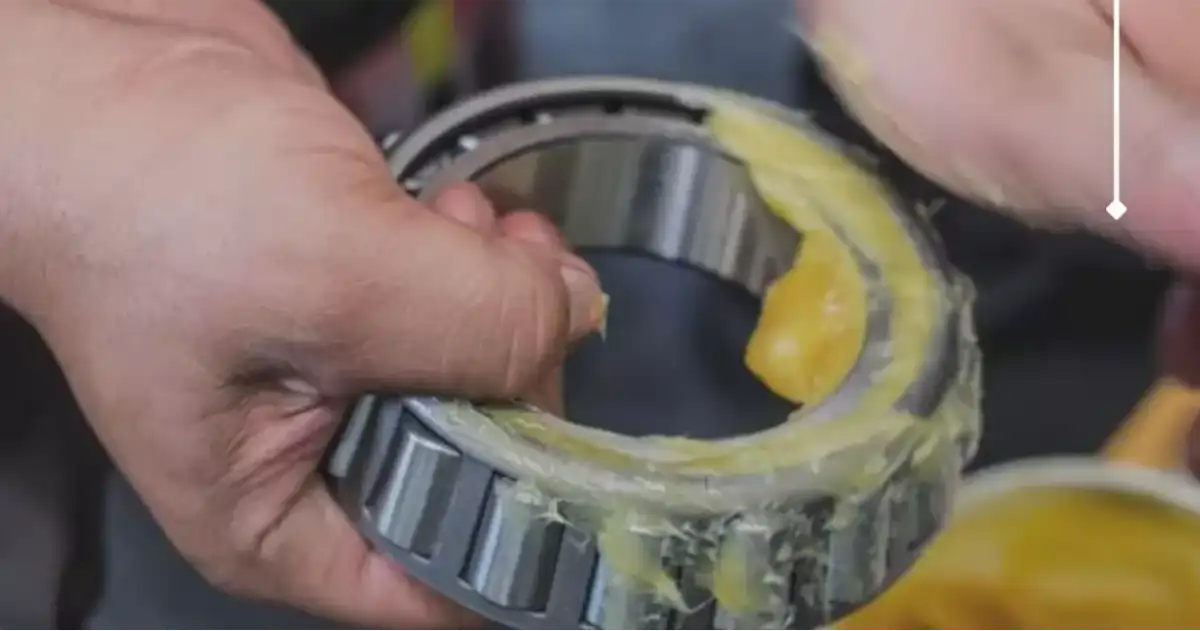
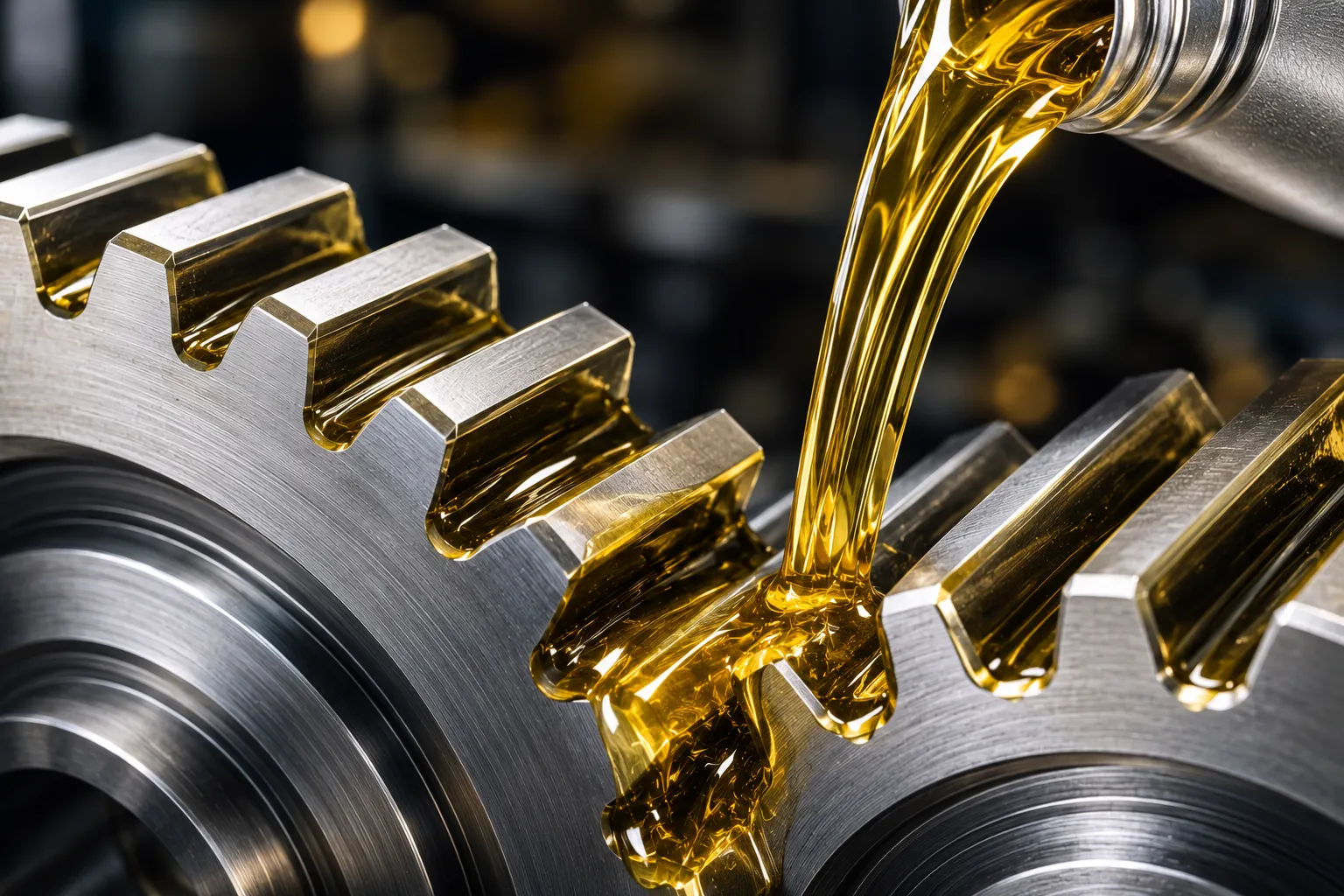
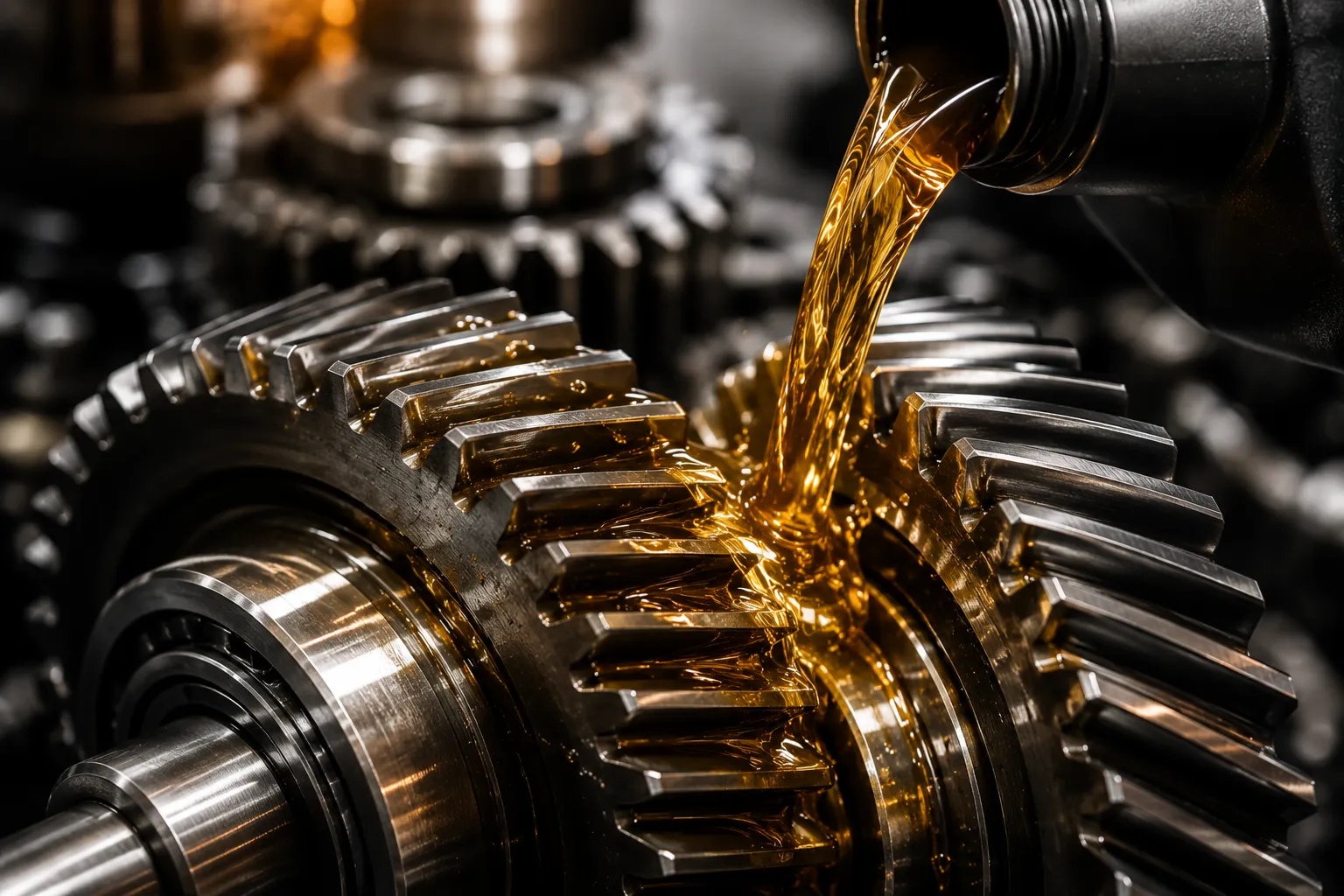
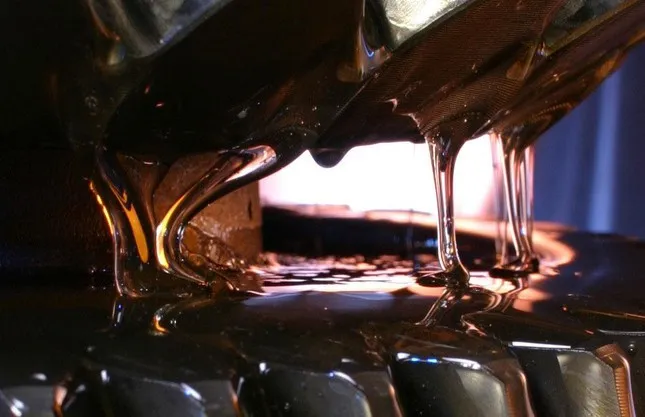
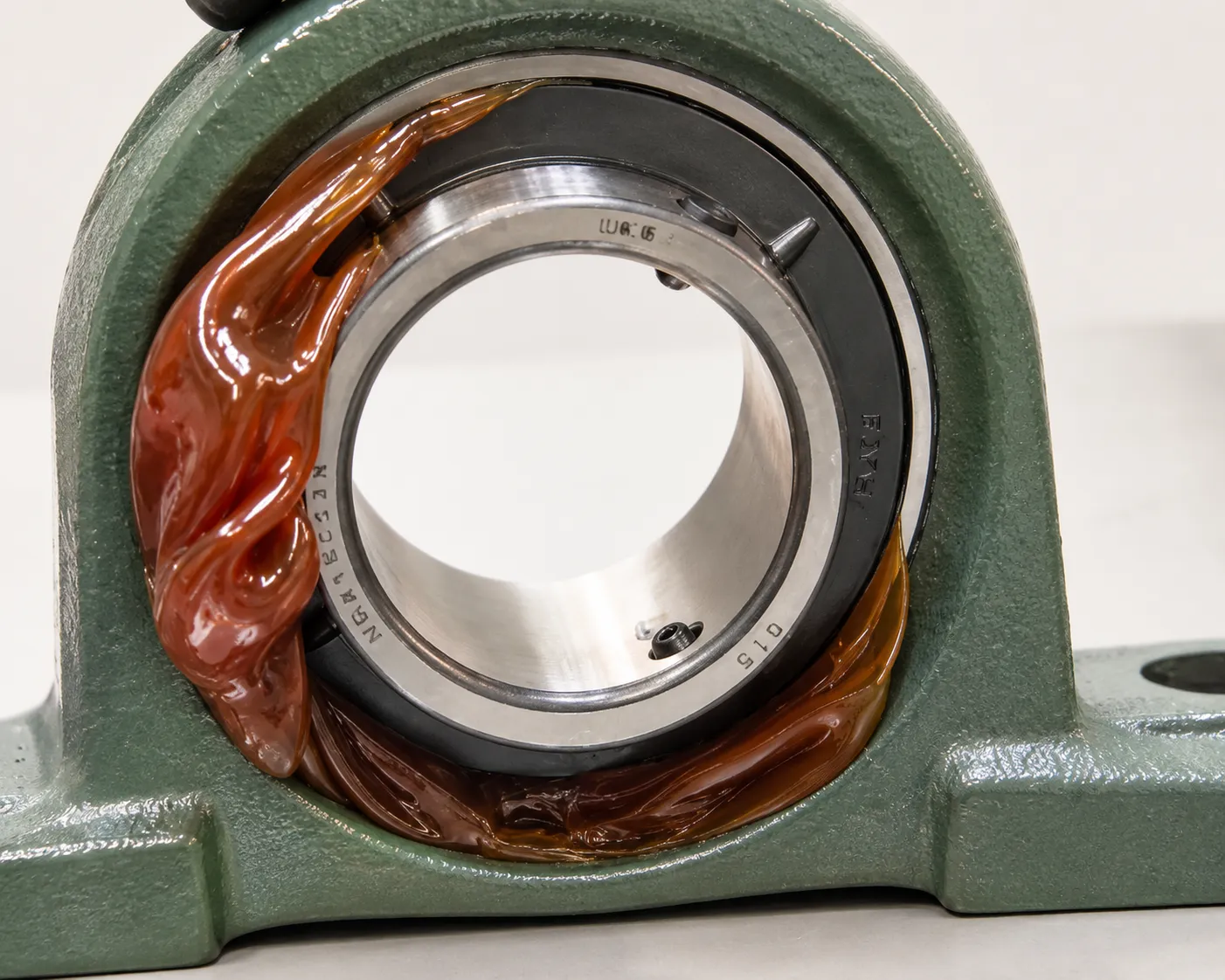
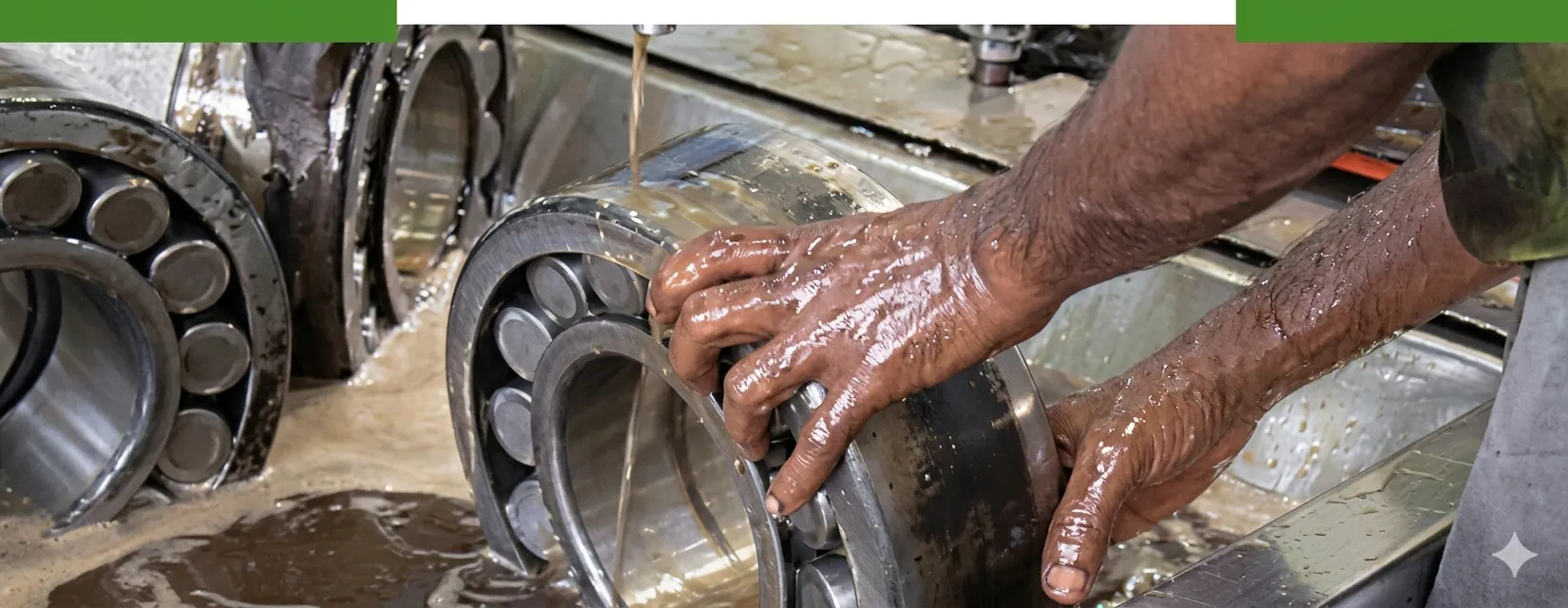
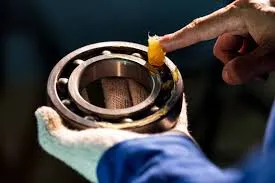
If the lubricant level is high due to much gear oil is added and the bearings are over-greased, the machine needs to work harder to push through the added lubricant. This is the basis of that churning condition.
COMPARISON
It can be compared to walking into the shallow waters. If you reach ankle-deep water, it is still fairly easy to move (equivalent to running torque). However, if you go further into deeper water, it becomes much more difficult to walk. This requires you to work harder and causes you to exhaust out quicker.
The same thing happens to a machine when the lubricant level is much more than required. It works much harder to push through the lubricant, which results in higher operating temperatures, decreased efficiency, and a reduction in the life of both the lubricant and the machine.
ROLE OF INDUSTRIAL LUBRICANT
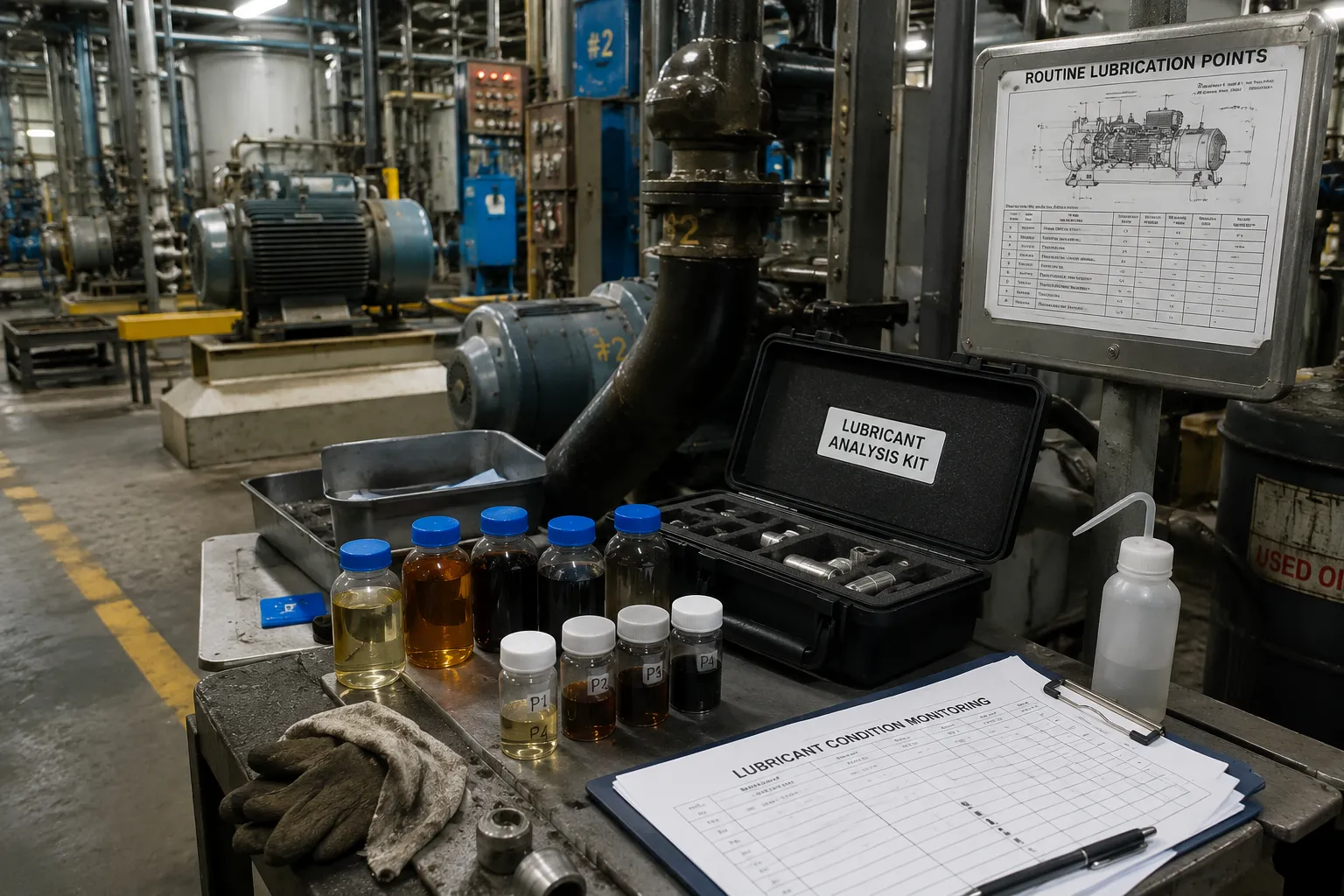
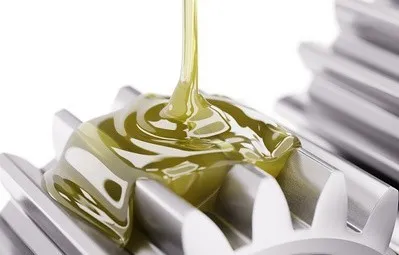
Besides the lubricant level, another factor is the Industrial lubricant being used. As the most important physical property of a lubricant is viscosity, the proper viscosity must be selected according to the speed, load, temperature, and general running conditions of the machine. If the viscosity is low, then excess friction due to metal-to-metal contact is generated, causing machine wear and chances of premature failure. If the viscosity is more, this leads to viscous drag, which causes very similar issues as having a lubricant level that is too high. Neither of these situations is desirable for the equipment.
By choosing the right Industrial lubricant as well as ensuring the appropriate lubricant level, you can give your equipment the best chance for error-free operation.















































![Gear Drive Lubricant Selection [Gearbox Lubricants]](https://mosil.com/assets/uploads/blog/blog_1788344519_6a97f8c75d604.webp)




![The Ultimate Guide To Grease Thickeners [Thickening Agents]](https://mosil.com/assets/uploads/blog/blog_1754991852_689b0cec60a8a.jpg)