

The paper and pulp industry operates in one of the most demanding industrial environments and selecting the right lubricant is not just about reducing friction — it is essential for overall cost saving for the plant.
This guide explains the lubrication challenges faced by paper mills, the best lubricants for different applications and common maintenance practices that help maximize equipment reliability.
Why Lubrication is Critical in Paper & Pulp Mills ?
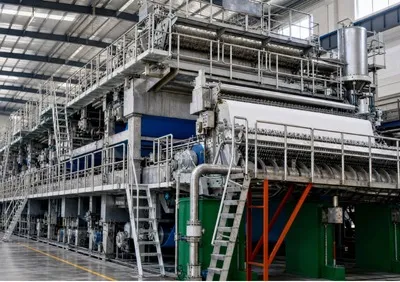
Modern paper mills contain several rotating components operating around the clock. Bearings, gears, chains, conveyors, pumps, dryers and rollers must function reliably.
Proper lubrication helps to:
- Reduce friction and wear.
- Protect against corrosion.
- Extended bearing life.
- Lower operating temperatures.
- Reduce energy consumption.
- Lowering maintenance frequency.
- Minimize unexpected downtime.
- Increase equipment reliability.
Effective lubrication delivers substantial savings in maintenance and operating costs. In contrast, even a minor lubrication failure can bring an entire production line to a halt, resulting in significant production losses.
🔹Lubrication Challenges in Paper Mills :
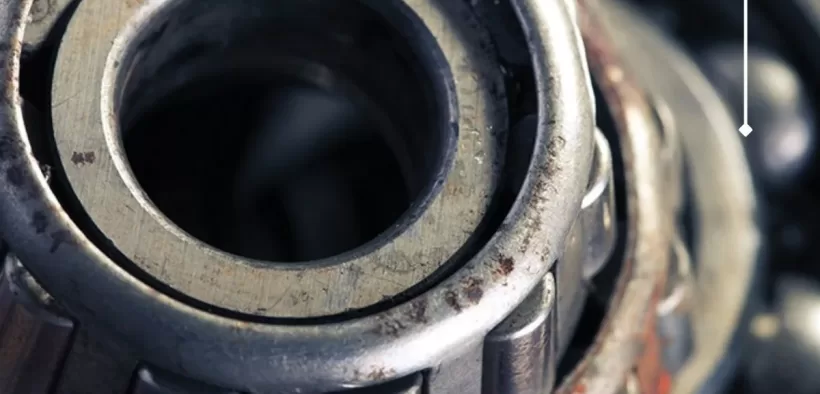
Primary issues associated with the failed lubrication in paper mills are overheated bearings and gearboxes, rusted or worn bearings, worn gears, noisy bearings, grease leakages etc.
Paper plants are equipped with various machinery at each stage of the manufacturing and each lubrication point has unique lubrication challenges depending on the operating conditions.
1. Water Ingress: Both Water and chemicals are heavily present in the paper pulp. Therefore, lubricants used in the pulp processing equipments like wet section roller bearings and conveyors may encounter water washout and chemical degradation. This reduces the lubricant film strength faciliating metal-to-metal contact, leading to wear and bearing damage.
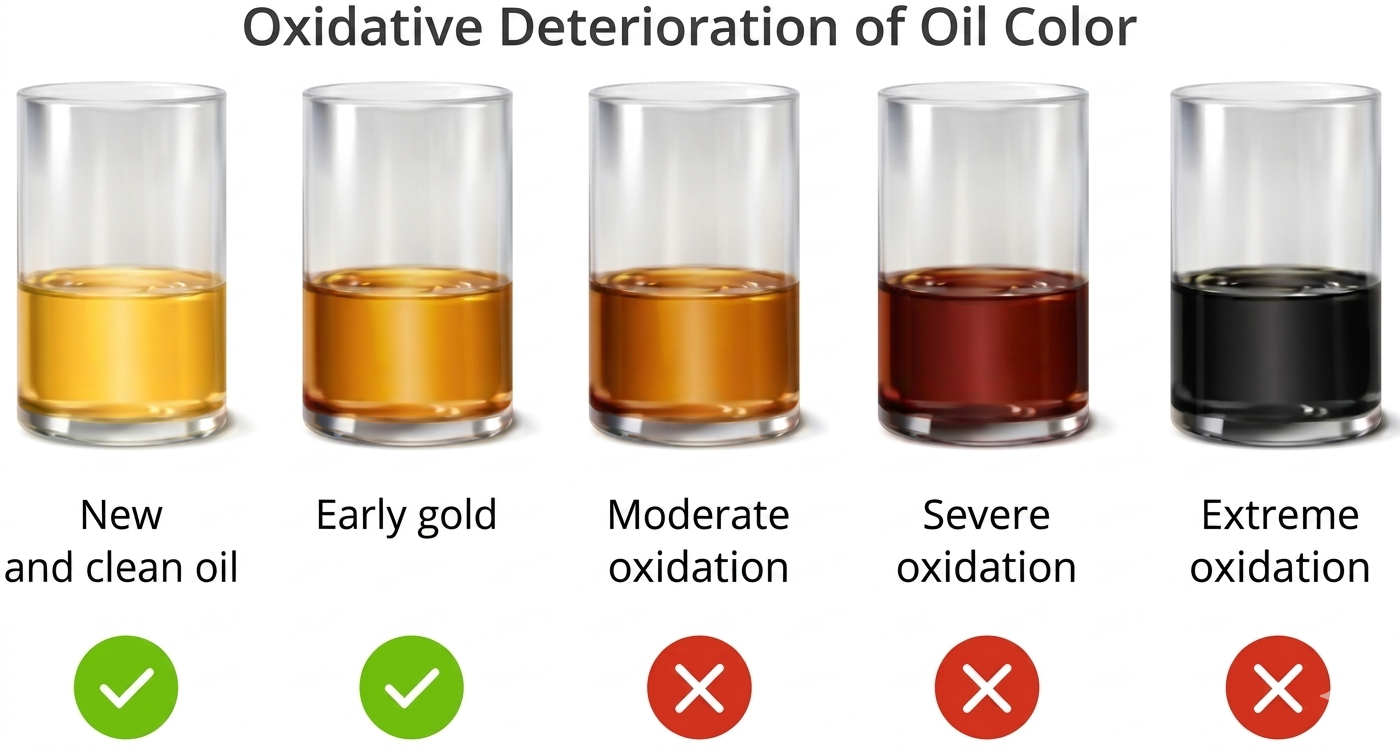
2. Steam Exposure: Steam and high humidity in the dryer section can introduce moisture into bearings, causing grease degradation, corrosion and reduced lubrication performance. High temperatures further accelerate oxidation, reducing lubricant service life.
3. Contamination: Paper dust, pulp fibers, fillers, chemicals, starch and process water frequently contaminate lubricants, reducing their service life.
4. Continuous Operation: Many mills operate 24/7, leaving very little opportunity for maintenance. This results in increased load on the machines causing loss of mechanical stability of the lubricant and further reducing lubricant life as well as equipment life.
🔹How Moisture Affects Lubricant Performance in Paper Industry?
Moisture is one of the biggest enemies of industrial lubricants.
When water enters a lubricant, it can:
- Reduce lubricant film strength
- Cause change in grease consistency
- Accelerate oxidation
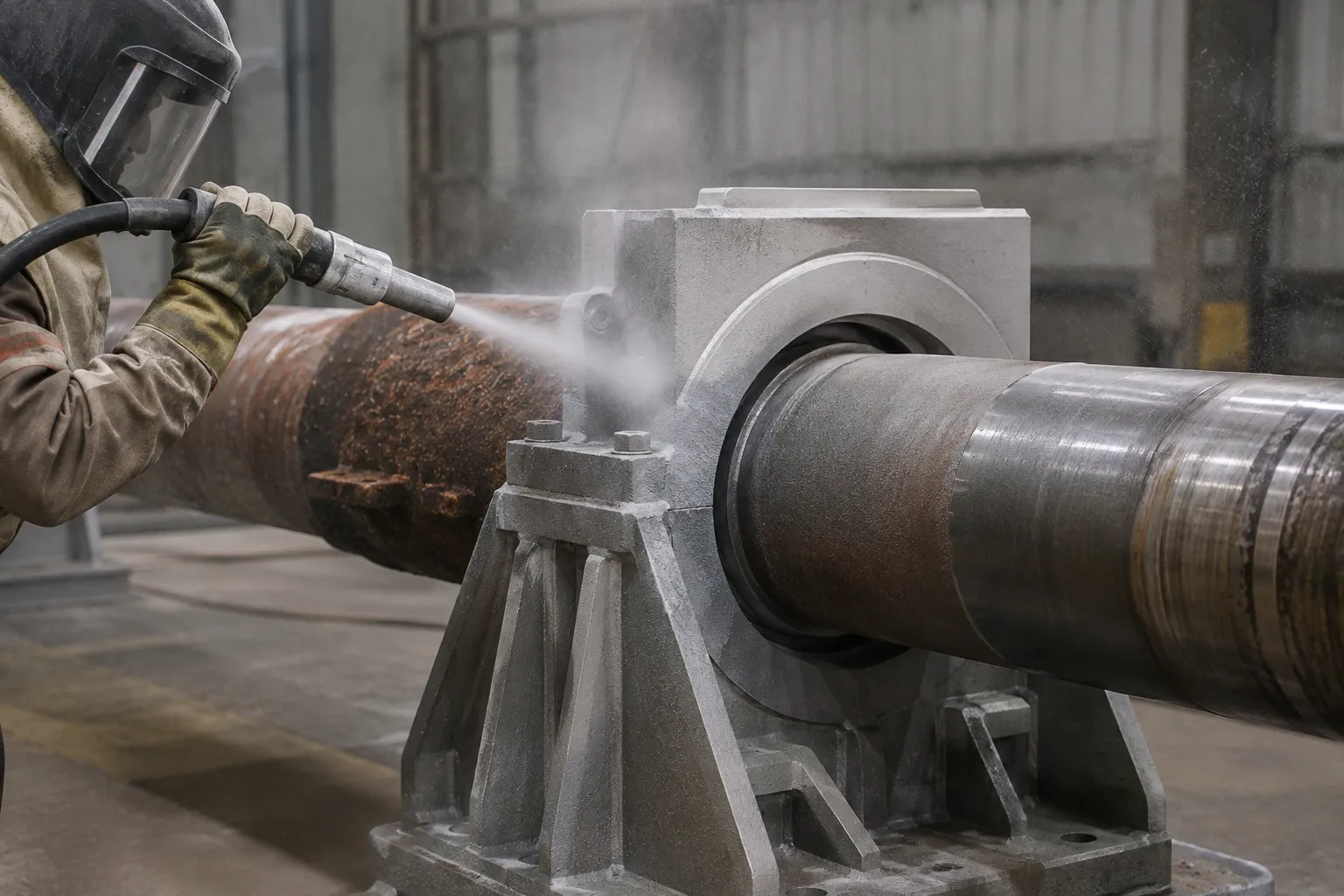
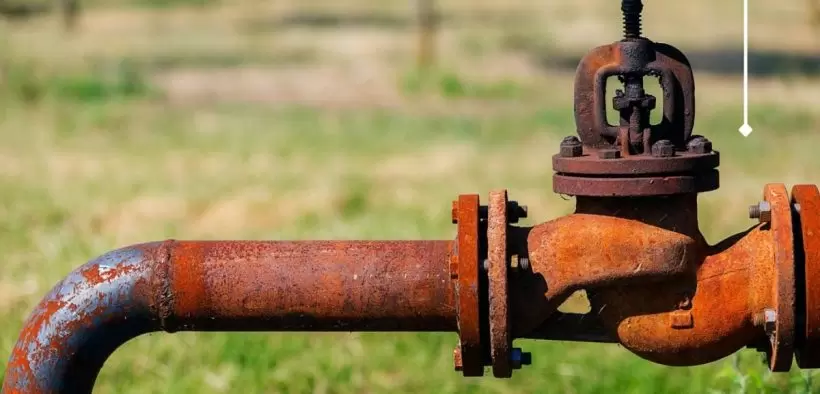
- Cause rust and corrosion
- Wash grease away from bearings
- Promote additive depletion
- Increase bearing wear
- Induce foaming in gearboxes
The result is premature equipment failure, increased maintenance costs and unexpected shutdowns.
Therefore, water-resistant lubricants are essential in paper mills.
🔹Which Lubricants are Suitable for Paper Plant Machines?
Different sections of a paper machine require different lubrication solutions.
| Equipment | Recommended Lubricant |
| Wet section bearings | Water-resistant EP grease with corrosion protection |
| Press roll bearings | Heavy-duty EP performance grease with mechanical stability |
| Dryer bearings | High-temperature grease with oxidation resistance |
| Calendar roll bearings | Grease with oxidation resistance and thermal stability |
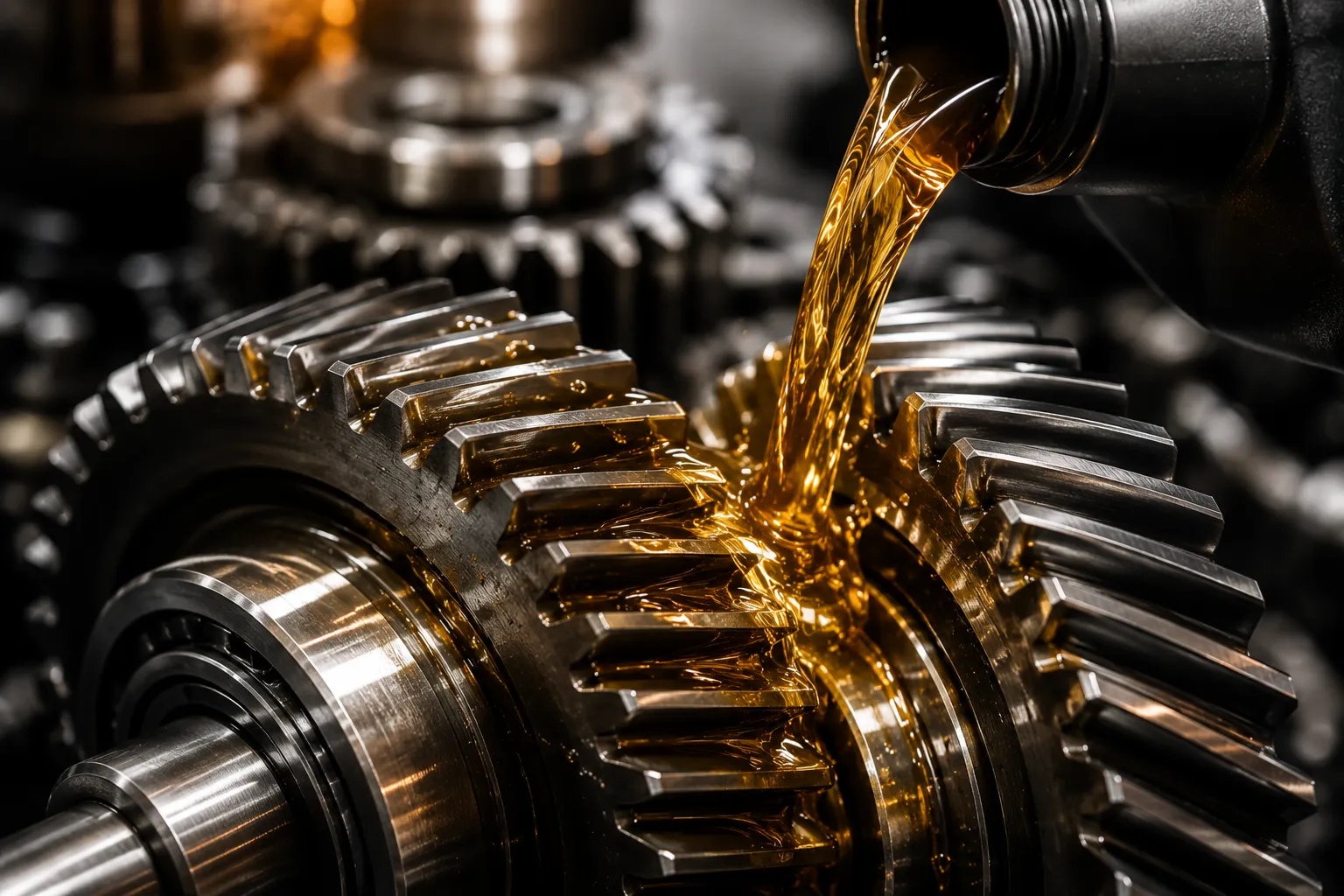
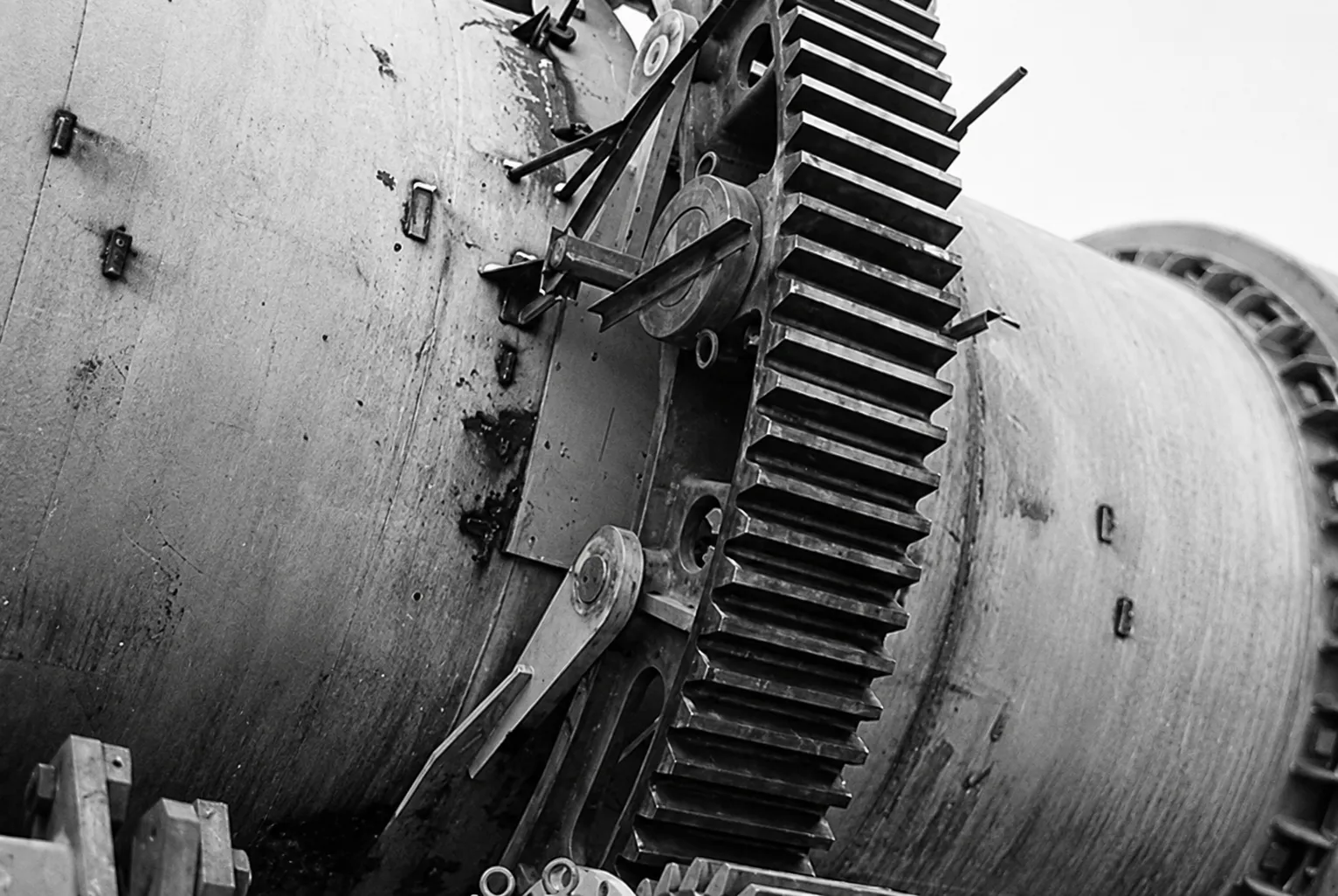
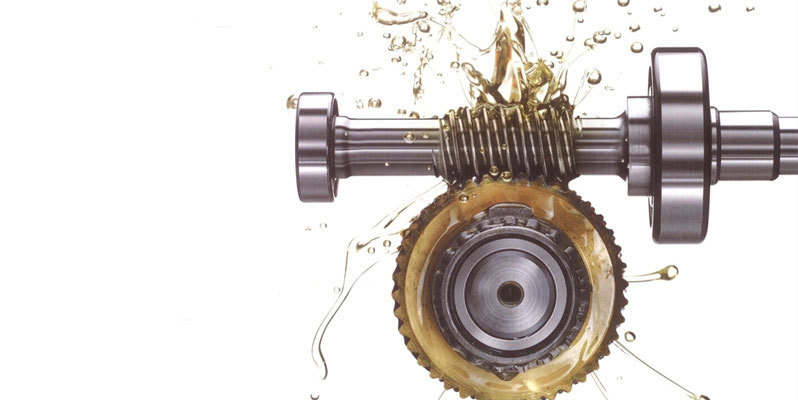
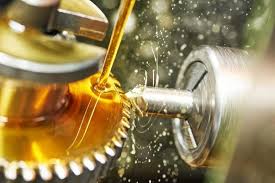
| Gearboxes | Industrial EP performance gear oils |
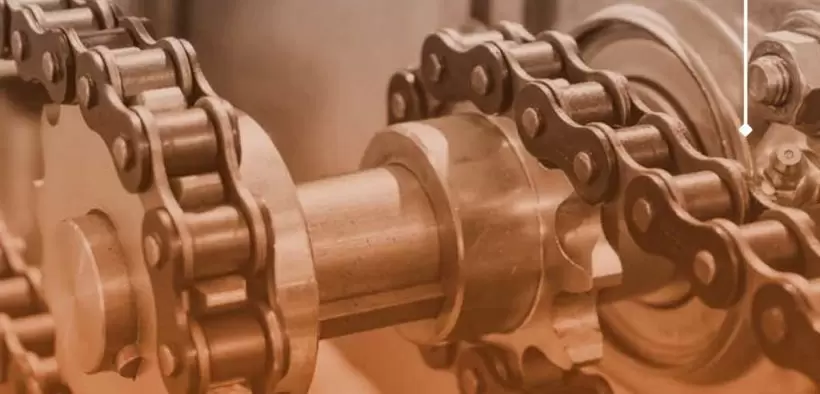
| Chains | High-temperature chain lubricant |
| Conveyor bearings | Multipurpose EP grease with water resistance and load carrying capability |
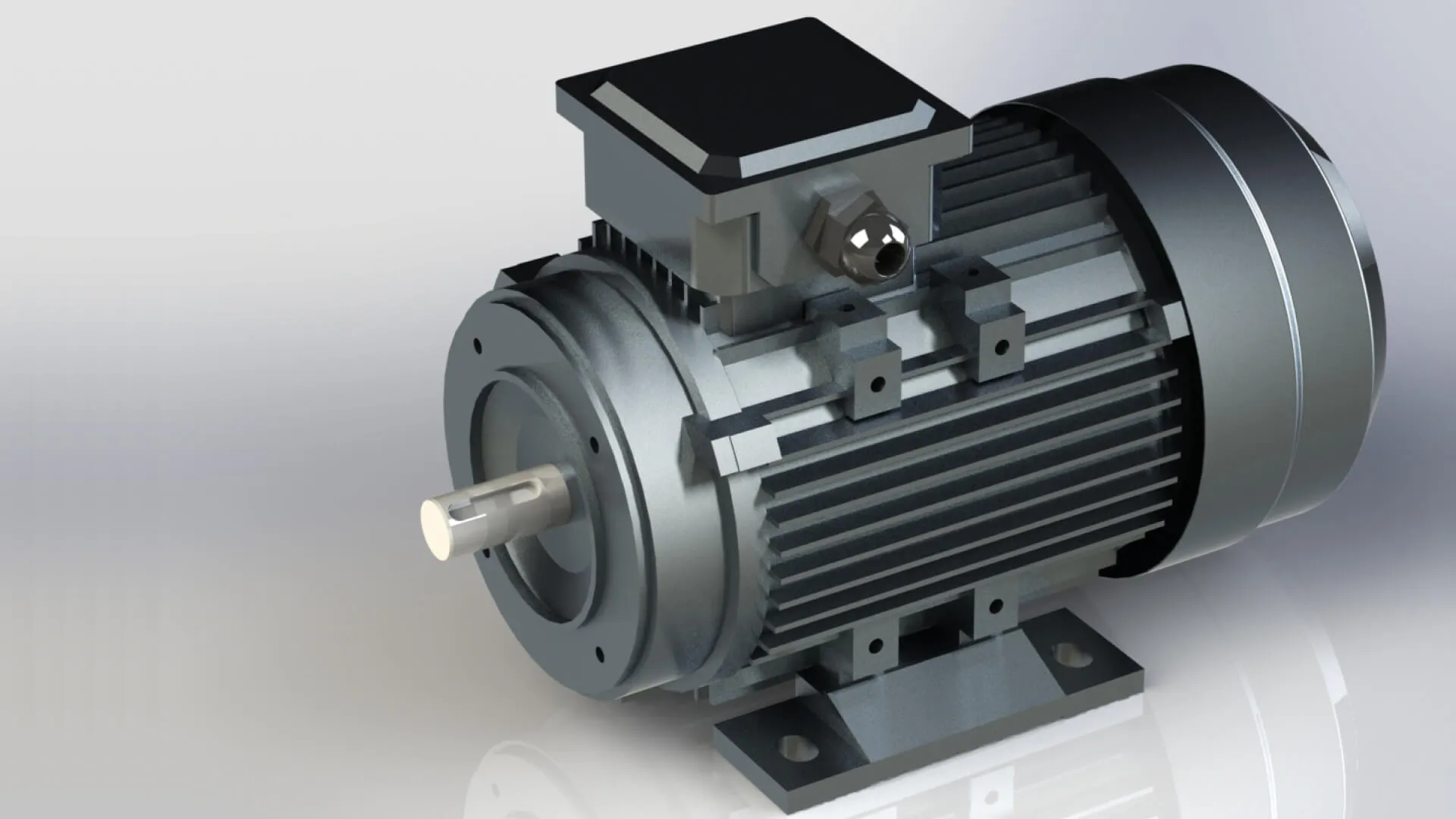
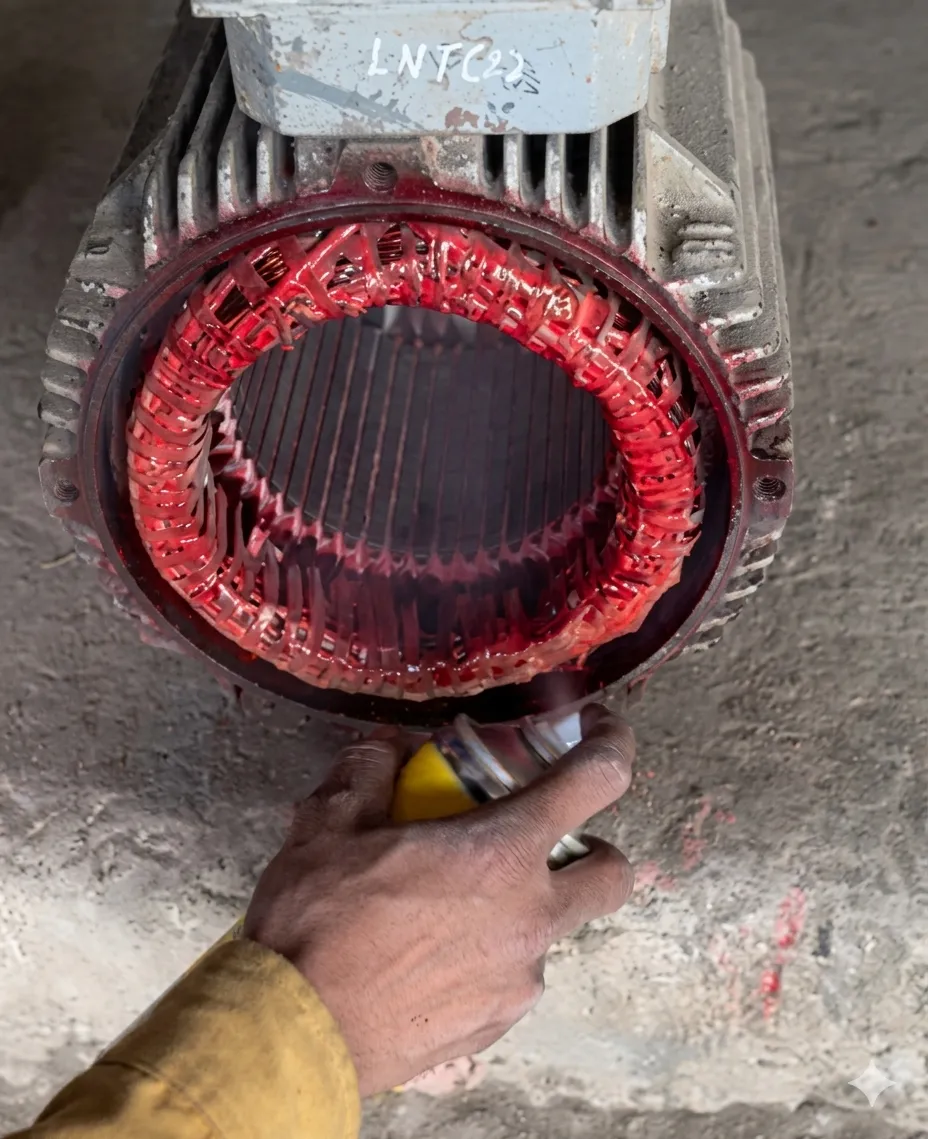
| Electric motor bearings | Premium bearing grease, Low noise, oxidation stability |
🔹Which Grease Technology Works Best in Paper Mills?
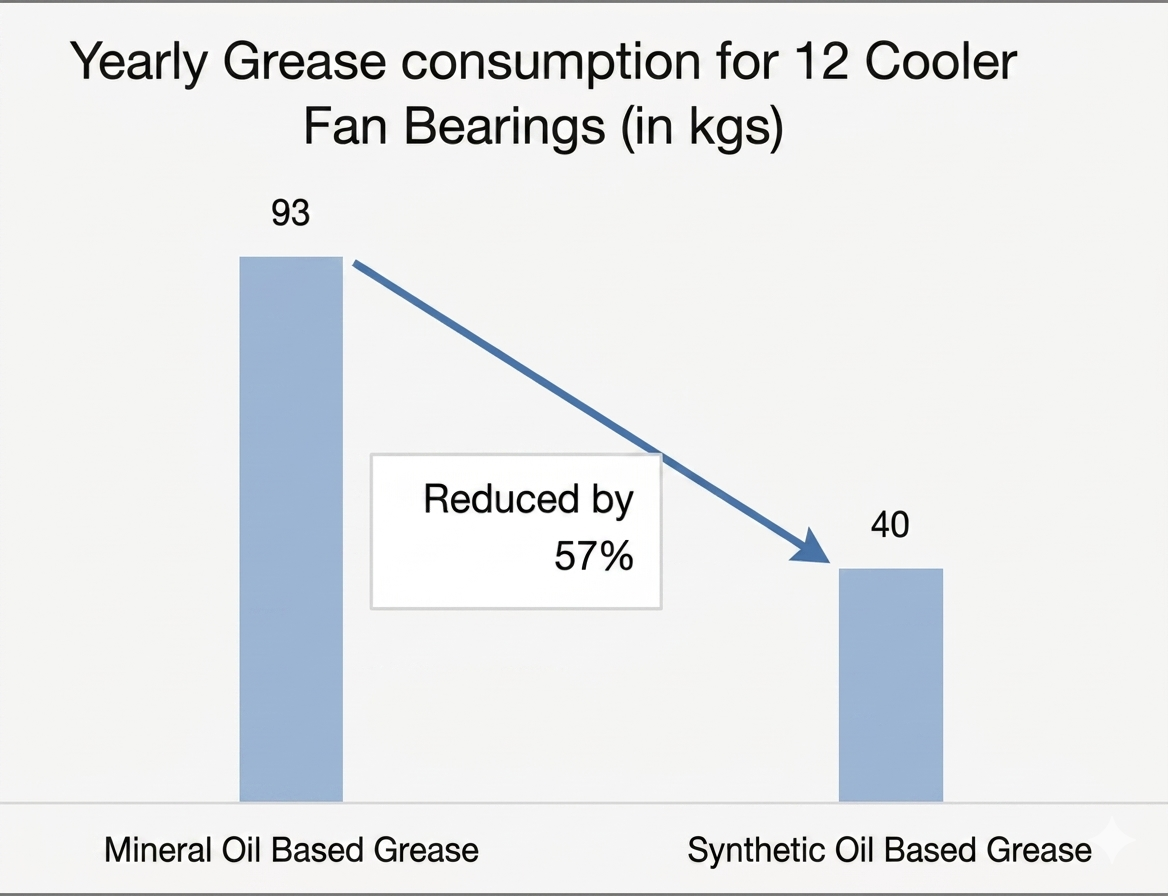
Mineral oil-based lubricants are widely used due to their cost-effectiveness and reliable performance. For critical applications, synthetic lubricants based on PAO or ester oils are preferred due to their superior oxidation stability and extended service life. For greases, Calcium Sulfonate thickener is the preferred choice in wet environments because of its exceptional water washout resistance, corrosion protection and load-carrying capability. Lithium Complex based greases with special water resistant polymer technology also work well in both wet and dry sections of paper plants. A high-quality grease should also contain Extreme Pressure (EP), Anti-Wear (AW), rust and corrosion inhibitors and oxidation inhibitors to ensure reliable protection.
| Grease Thickener | Key Advantages | Best Applications in Paper Plant |
| Calcium Sulfonate Complex Grease |
✔ Excellent water washout resistance ✔ Superior corrosion protection ✔ High load-carrying capacity |
• Wet section bearings • Conveyor and Roll bearings • Outdoor equipment |
| Aluminum Complex Grease |
✔ Very good water resistance ✔ Excellent adhesion to metal surfaces ✔ Good corrosion protection |
• Bearings and equipments exposed to moisture |
| Polyurea Grease |
✔ Excellent oxidation resistance ✔ Long relubrication intervals ✔ High-temperature performance |
• Electric motor bearings • High-temperature bearings • Clean operating environments |
🔹How Often Should Paper Mill Equipment Be Lubricated?
There is no single lubrication interval suitable for every application. Relubrication depends on bearing size, operating speed, temperature, water exposure, load, contamination levels and type of Grease and Oil used.
General guidelines include:
- Wet section bearings: More frequent lubrication due to water exposure.
- Dryer section bearings: Longer intervals with high-temperature grease.
- Electric motors: Follow manufacturer recommendations.
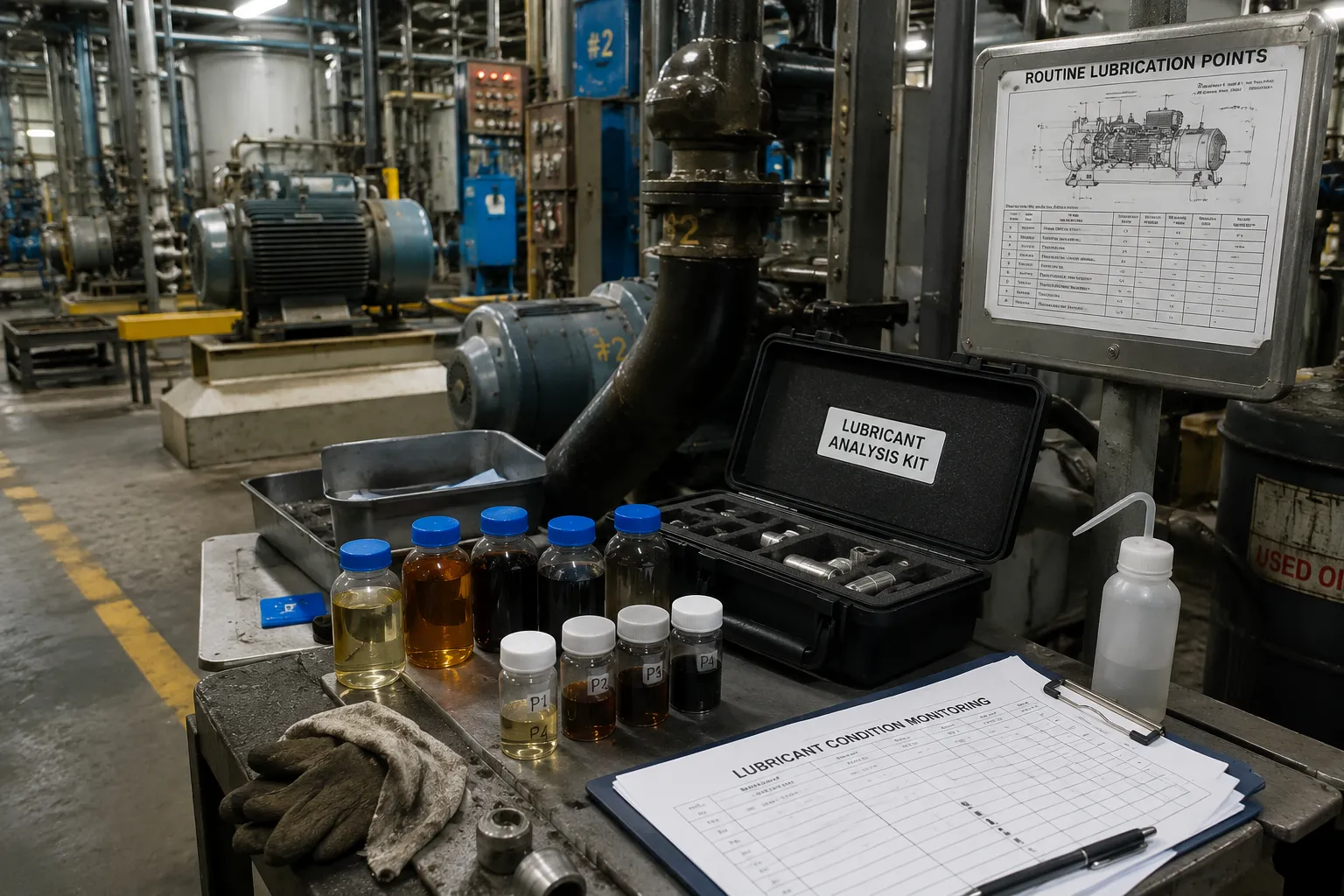
- Gearboxes: Regular oil condition monitoring and scheduled oil changes to be followed.
- Using condition monitoring rather than fixed schedules often provides the best results.
Best Maintenance Practices for Paper Mills
- Follow a Lubrication Schedule – Lubricate equipment at recommended intervals
- Use the Correct Lubricant – Select oil and grease that match the equipment and application requirements.
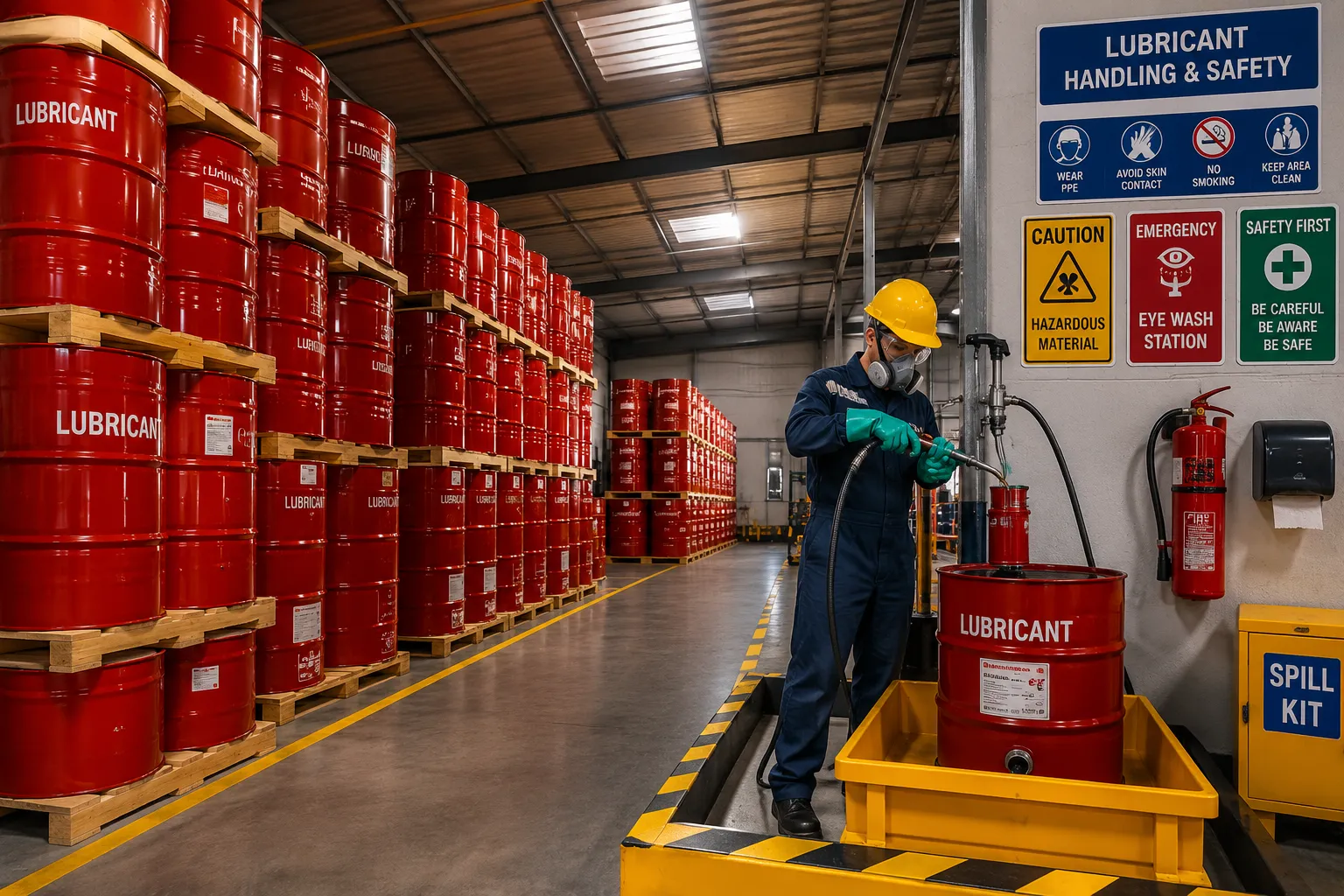
- Prevent Contamination – Keep lubricants clean by using sealed containers and clean dispensing tools.
- Monitor Lubricant Condition – Perform routine oil analysis and grease inspections to detect problems early.
- Inspect Seals – Replace damaged seals promptly to prevent water and contaminant ingress.
- Train Maintenance Personnel – Ensure proper lubrication practices and lubricant handling.
- Maintain Lubrication Records – Record lubricant usage, intervals and inspection results regularly
🔹 Conclusion :
Paper and pulp mills operate in environments where moisture, heat, loads and contamination place extreme demands on machinery. An effective lubrication strategy ensures equipment reliability and overall cost .


























![Gear Drive Lubricant Selection [Gearbox Lubricants]](https://mosil.com/assets/uploads/blog/blog_1788344519_6a97f8c75d604.webp)

![The Ultimate Guide To Grease Thickeners [Thickening Agents]](https://mosil.com/assets/uploads/blog/blog_1754991852_689b0cec60a8a.jpg)