

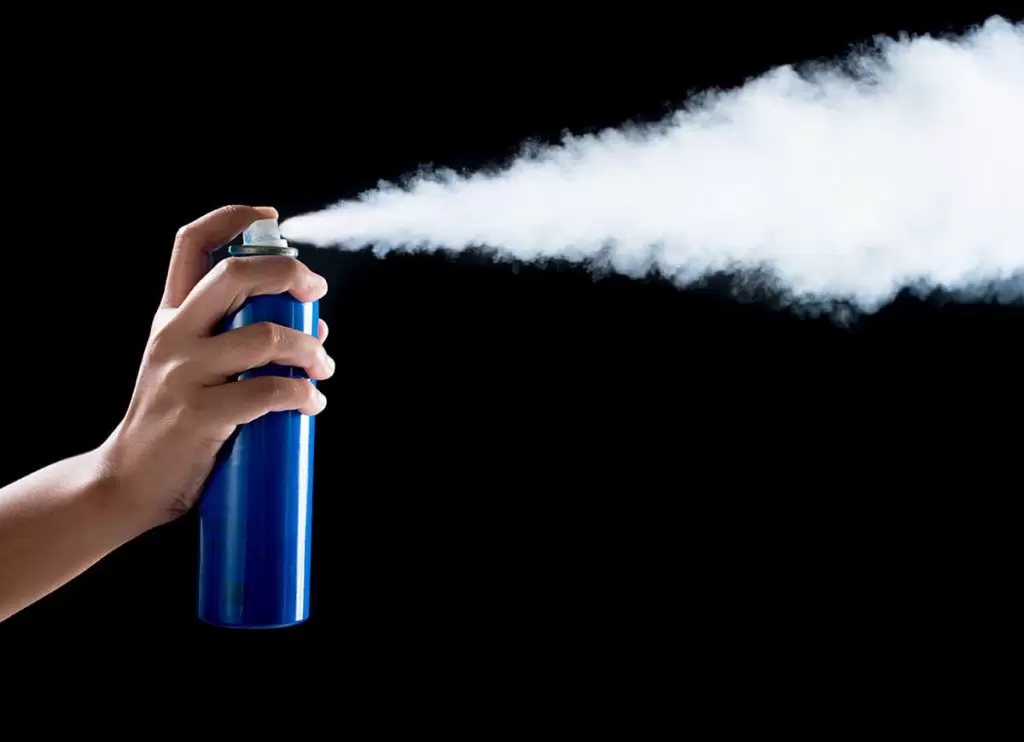
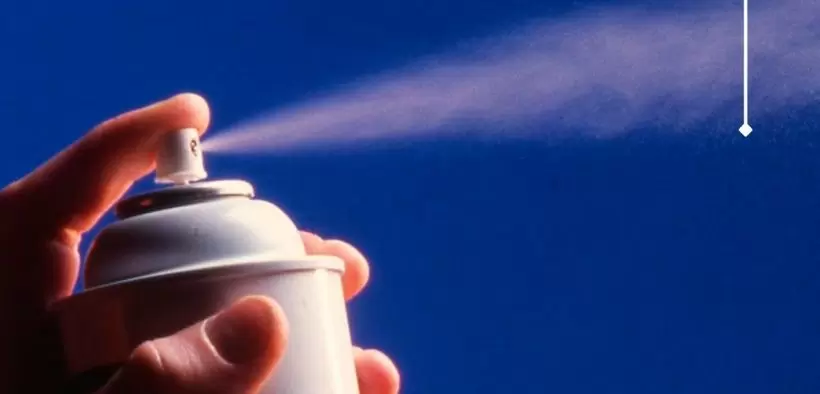
Aerosols offer convenience with efficiency by harnessing the power of propellants to deliver a precise, fine mist of Industrial lubricants even in hard-to-reach areas. In this post, we'll explore how these propellants work to expel the product effectively, while also highlighting the potential dangers of improper use.
What Is the Purpose of Aerosol Propellants?
An aerosol can is composed of two essential components: the active ingredient (the product) and the propellant. The propellant’s role is to generate the internal pressure needed to force the product out as a fine, consistent spray. Without this pressurizing agent, the can’s internal pressure would drop as the product is used, leading to a weakened and uneven spray that eventually stops when the pressure equals the surrounding atmosphere. This not only affects performance but also leaves behind unused product.
Types of Aerosol Spray Can Propellants and Their Trade-Offs:
Compressed Gas Propellant: Some aerosol cans employ compressed gases such as nitrogen or carbon dioxide. These gases are cost-effective and non-flammable, making them a safe option for many applications. However, as the product is used, the internal pressure gradually drops, leading to reduced dispersal efficiency over time.
Liquid Gas Propellants: The most widely used propellants in aerosol cans are liquefied gases like butane, isobutane, or propane. When stored under pressure, these gases remain in a liquid state and vaporize as the product is dispensed, maintaining consistent internal pressure and ensuring a steady, uniform spray. The primary drawback is their flammability, which necessitates careful handling and storage.
Chlorofluorocarbon (CFC) Propellants: CFCs were popular because they combined the benefits of a constant pressure system with non-flammability. However, their detrimental impact on the ozone layer led to a global phase-out starting in the late 1970s and banning their use in many countries.
Factors Affecting Propellant and Concentrate Ratio in Aerosol Spray Formulations
The difference in propellant percentage between water-based and solvent-based formulated aerosols depend on various factors:
Solubility and Compatibility with Propellants
Water-Based Aerosols: Water doesn’t readily dissolve in most propellants, particularly hydrocarbon-based ones. This requires the use of higher propellant content to properly expel the product while maintaining spray consistency. Solvent-Based Aerosols: Solvents such as alcohols, acetone or hydrocarbons mix well with propellants, allowing for a lower percentage of propellant while still ensuring smooth product delivery.
Vapor Pressure and Spray Performance
Water has a higher surface tension and lower volatility than solvents, making it harder to atomize into fine droplets. As a result, more propellant is needed to create the necessary pressure for an effective spray pattern.
Solvent-based formulations evaporate quickly and mix easily with propellants, requiring less propellant to achieve the same spray force and droplet size.
Product Stability and Phase Separation
Water-based formulations often require emulsifiers or co-solvents to maintain stability with the propellant, increasing the need for a higher propellant-to-product ratio to keep the mixture homogeneous.
Solvent-based aerosols naturally remain stable in a pressurized environment, allowing for a lower propellant content while maintaining performance.
Dangers Associated with Aerosol Spray Propellants :
While aerosol propellants are essential for efficient product delivery, they also pose several safety and environmental risks. Understanding these dangers is crucial for manufacturers, retailers and end-users to ensure safe handling and compliance with regulatory guidelines. Below are the key hazards associated with aerosol propellants and ways to mitigate them :
Flammability Risks: One of the most significant dangers of aerosol propellants, particularly hydrocarbon-based ones like propane, butane and isobutane, is high flammability. These substances have low ignition points and can easily catch fire when exposed to sparks, open flames or high temperatures.
Health Hazards of Aerosol Propellants: Inhalation or prolonged exposure to aerosol propellants can lead to severe respiratory and neurological health risks. The risk level depends on the type of propellant used and the frequency of exposure.
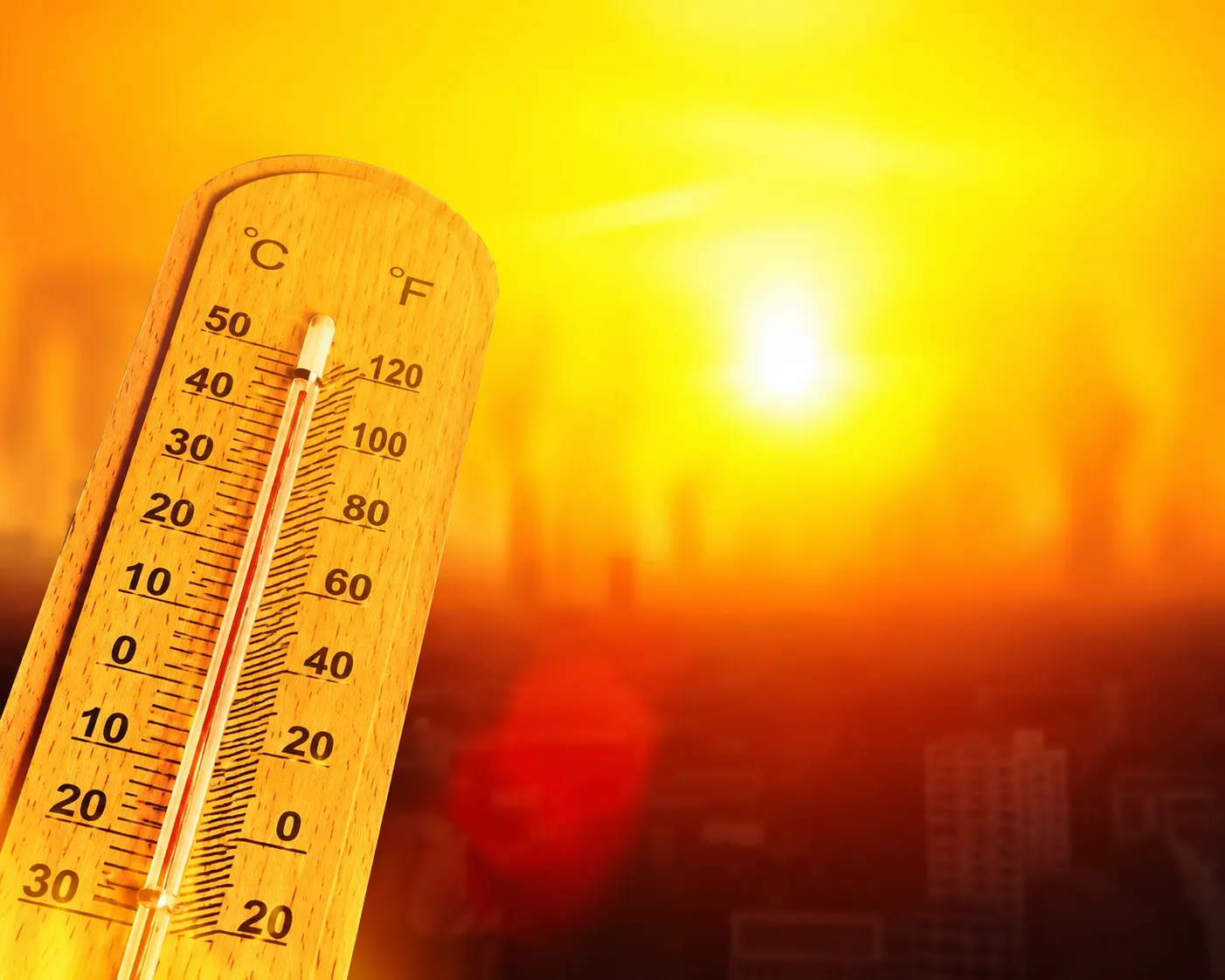
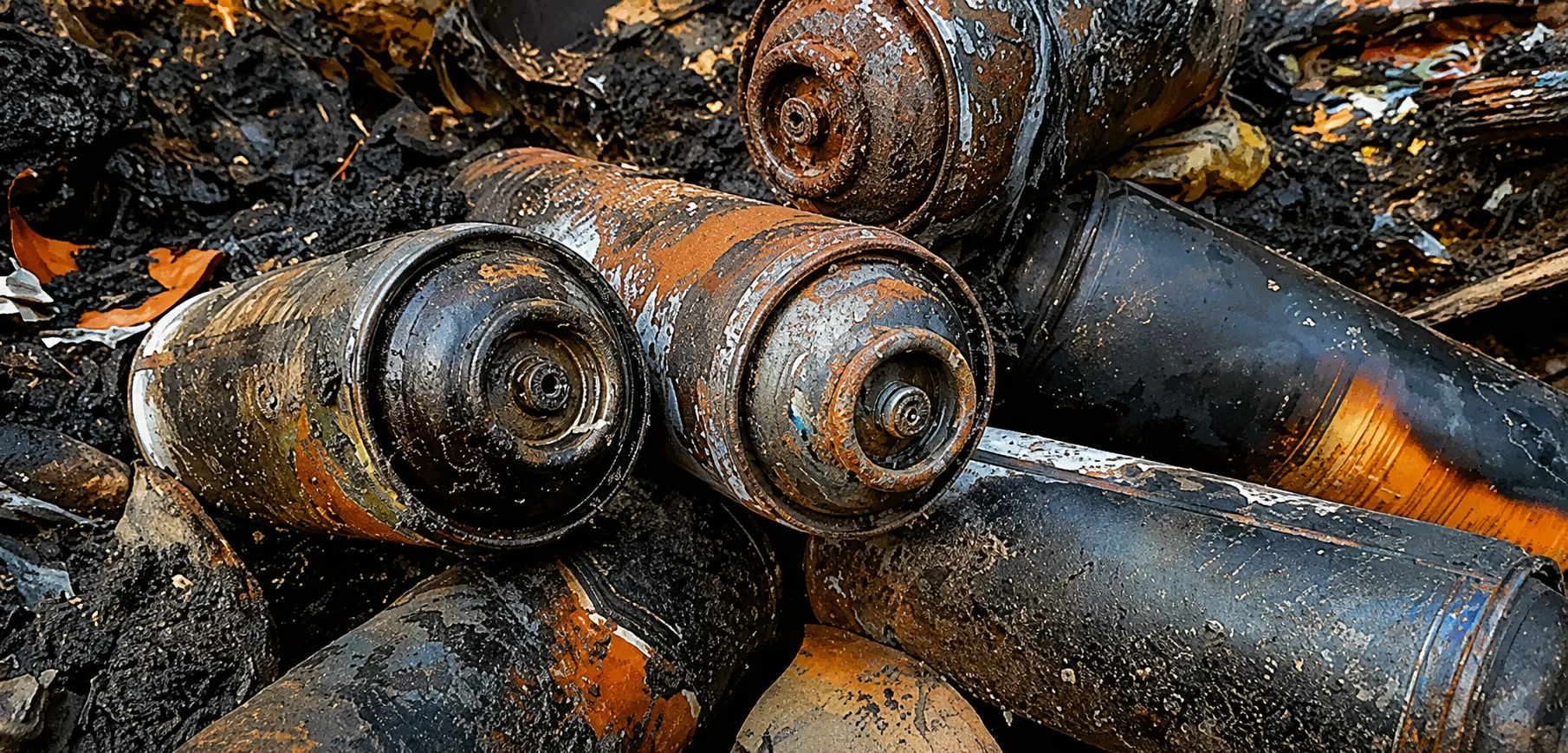
Chemical Toxicity and Environmental Impact: Many aerosol propellants contain volatile organic compounds (VOCs), which can have harmful effects on both human health and the environment. Certain aerosol propellants, like chlorofluorocarbons (CFCs) and hydrofluorocarbons (HFCs), have been phased out due to their harmful effects on the ozone layer. While modern alternatives such as hydrofluoroolefins (HFOs) are more environmentally friendly. Pressurized Aerosol Cans: Aerosol cans contain pressurized gas or liquid, making them vulnerable to rupture or explosion under unsafe conditions. High temperatures (above 50°C/122°F) can increase internal pressure, causing canister bursts, while puncturing or crushing releases pressurized gases forcefully. Improper disposal in fire or incinerators can also result in violent explosions.
Safe Storage and Handling of Aerosol Propellants :
To minimize risks, proper storage and handling of aerosol propellants are essential. Best practices include:
Storing cans in cool, dry areas away from direct sunlight and heat sources.
Keeping containers upright to prevent leakage and accidental discharge.
Avoiding puncturing or incinerating aerosol cans.
Using personal protective equipment (PPE) when handling industrial propellants. Adhering to safety protocols helps prevent accidents and ensures long-term usability.
Regulatory Compliance for Aerosol Propellants :
Aerosol propellants are subject to stringent regulations to minimize health and environmental risks which include:
Environmental Protection Agency (EPA) standards on VOC emissions.
Occupational Safety and Health Administration (OSHA) guidelines for workplace safety.
United Nations (UN) transport regulations for hazardous materials.
REACH (EU) Compliance for chemical safety assessments.
Conclusion
Aerosol propellants are essential for efficient product delivery but come with safety and environmental risks. Choosing the right type - compressed gas or liquefied gas affects performance and safety. Proper storage, handling, and compliance with regulations help minimize hazards like flammability, toxicity and explosions. Switching to eco-friendly alternatives can reduce environmental impact while maintaining efficiency. Responsible use and disposal ensure safety and sustainability in the aerosol industry.







































![Gear Drive Lubricant Selection [Gearbox Lubricants]](https://mosil.com/assets/uploads/blog/blog_1788344519_6a97f8c75d604.webp)





![The Ultimate Guide To Grease Thickeners [Thickening Agents]](https://mosil.com/assets/uploads/blog/blog_1754991852_689b0cec60a8a.jpg)