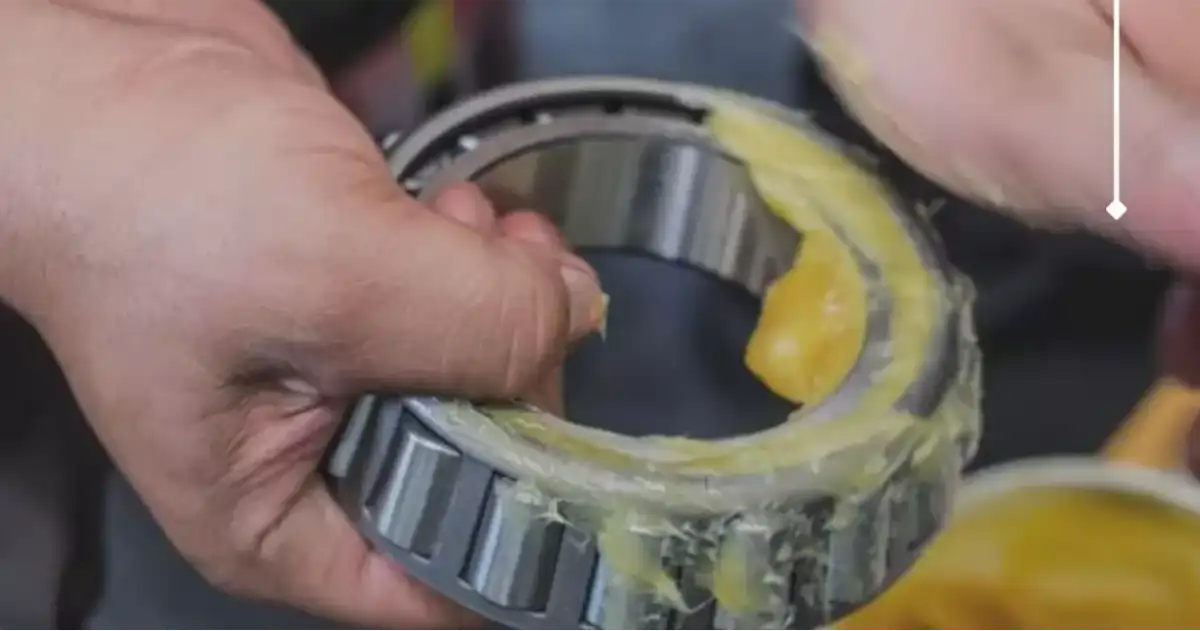


In the food and pharma industry, product safety is not just a priority—it is a legal and ethical obligation. Yet one area continues to generate significant confusion: the use of appropriate lubricants in machinery.
Lubricants play a critical role in ensuring smooth equipment operation, reducing wear, preventing failures and extending machinery life. However, when moving parts operate in close proximity to products intended for human consumption, general industrial lubricants pose an unacceptable health risk. This has led to a widespread demand for a specialized category of maintenance fluids and greases known as a food grade lubricants. This blog unravels the most common industry misconceptions, helping manufacturers and consumers make informed decisions.
Misconception 1 : "Food grade” means the lubricant is entirely edible
The term "food grade" often causes confusion. It is a common misconception that food grade lubricants are made of edible ingredients. In reality, they are industrial lubricants formulated with base stocks (mineral or synthetic oils) and additives, similar to typical lubricants, but with one crucial difference: theyare engineered tobe non-toxic, physiologically inert, tasteless and odorless.
The "Incidental Contact" Rule :
If a product is contaminated with a food-grade lubricant, it is still considered adulterated and unfit for consumption. It is designed for use in machinery where there is a possibility of "incidental contact" with the product. Incidental contact means a tiny, technically unavoidable trace amount—limited to 10 parts per million (ppm)—may come into contact with the food without posing a health risk.
Some manufacturers avoid food grade lubricants due to fear of poor performance. However, modern food grade lubricants are formulated with high-performance synthetics (like PAO, esters, PAG and Silicone Oils) and advanced additives. They offer excellent protection against friction, wear, heat and oxidation. Food grade oils & greases are equally capable to endure severe environmental stresses like sub-zero blast freezers, scorching baking ovens, high moisture or water ingress and aggressive chemical environment without breaking down.
Misconception 2 : Food grade lubricants are less effective than conventional lubricants
Some manufacturers avoid food-grade lubricants due to fear of poor performance. However, modern food grade lubricants are formulated with high-performance synthetics (like PAO, esters, PAG and Silicone Oils) and advanced additives. They offer excellent protection against friction, wear, heat and oxidation. Food grade oils & greases are equally capable to endure severe environmental stresses like sub-zero blast freezers, scorching baking ovens, high moisture or water ingress and aggressive chemical environment without breaking down.
Misconception 3 : Food grade lubricants are required only if there is direct product contact
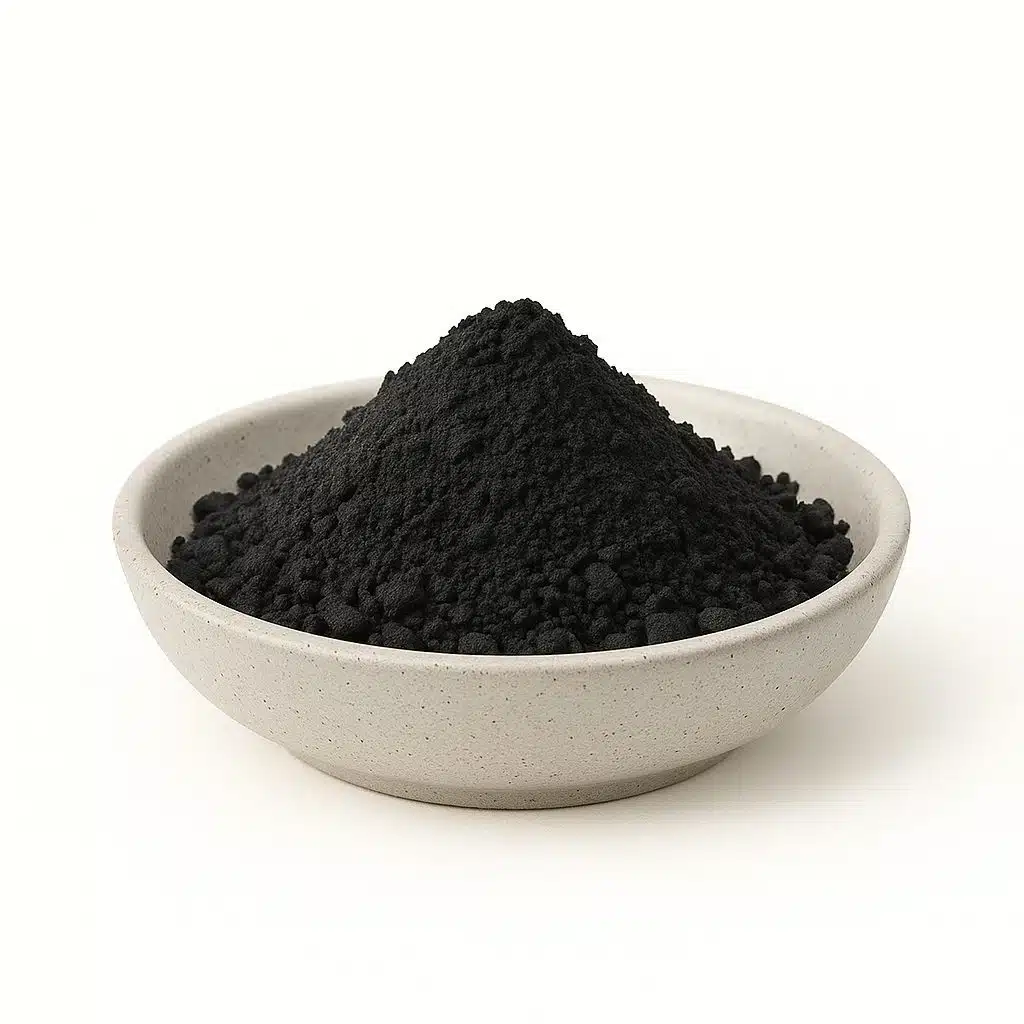
A dangerous misconception is that lubricants used in gearboxes below a conveyor belt don't need to be food grade because they won't come in contact with the food products. This is false. Leaks can happen and these lubricants often contain hazrdous substances like Barium, Lithium or Graphite, which can cause severe health issues if ingested. In reality, many areas such as conveyor chains, bearings, gears, compressors, hydraulic systems and packaging machinery may require food grade lubrication depending on the application and risk prevention mandates as per the Hazard Analysis Critical Control Point (HACCP) safety protocols.
Misconception 4 : All Food Grade Lubricants Have the Same Level of Compliance
Many operators mistakenly believe that any product labeled as a "food grade lubricant" carries a blanket approval for use anywhere in a manufacturing facility. In reality, compliance is highly stratified into distinct tiers based on the potential risk of product exposure. Industry professionals should be aware of the following compliance organizations :
NSFInternational: NSF is the globally recognized organization for certifying food grade lubricants under its Non-Food Compounds Program. It categorizes lubricants into H1, H2 & H3 classes.
ISO 21469: This is a higher, more comprehensive international standard. It requires not only a safe formulation (like H1) but also on-site audits of manufacturing plants to ensure hygiene and prevent cross-contamination.
FDA(USA): FDAdefines approved ingredients for lubricants used in food processing environments under 21 CFR 178.3570, forming the basis for acceptable lubricant formulation.

Misconception 5 : Only the Food Manufacturing Industry Needs Food Grade Lubricants
The misconception that only food manufacturing plants need food grade lubricants is dangerously narrow, as food grade lubricants are critical anywhere incidental contact with human food, animal feed or potable water is possible. This includes the entire supply chain, from agricultural harvesting equipment and grain elevators to commercial bakeries, beverage bottling plants and even pharmaceutical and cosmetic facilities. Even packaging operations, such as the canning or jarring lines, are subject to this requirement because lubricants from sealing equipment can contact the container's rim or the food inside. Ultimately, the regulation applies to the entire "food contact" environment, meaning any facility where food is processed, handled or stored.
💡A Useful Distinction in Food Grade and Biodegradable Lubricants:
The NSF classification of food grade lubricants focus solely on food safety and toxicity, not environmental impact.
A lubricant can be non-toxic and safe for food contact without being biodegradable or ecofriendly. While NSF H1 and H3 food-grade lubricants are strictly non-carcinogenic—as they cannot contain carcinogens, mutagens or teratogens—they are not always biodegradable or inherently eco-friendly.
Conclusion:
A food grade lubricant is not simply a lubricant with a safety label; it is a carefully engineered product designed to meet the demanding requirements of food-related industries without compromising the performance. Understanding classifications and correct applications helps manufacturers and consumers make informed decisions. Choosing the right food grade lubricant ensures reliable machinery performance while supporting food safety, regulatory compliance and customer confidence. The best lubrication solution is one that delivers both operational efficiency and responsible hygiene and health hazard management.



















































![Gear Drive Lubricant Selection [Gearbox Lubricants]](https://mosil.com/assets/uploads/blog/blog_1788344519_6a97f8c75d604.webp)






![The Ultimate Guide To Grease Thickeners [Thickening Agents]](https://mosil.com/assets/uploads/blog/blog_1754991852_689b0cec60a8a.jpg)