When machinery fails, Industrial lubricantsare frequentlythe first to face scrutiny. However, studies and field datarevealthatover60%oflubrication-relatedfailuresstemfromflawsinthelubricationsystemitself,notthelubricant.This blog unpacks the systemic gaps—from improper design to poor maintenancepractices—that compromiselubrication efficiency,leadingto costly downtime. By shifting focus from blaminglubricantstoaddressingthese rootcauses,industriescanenhancereliability,reducecosts,andextendequipmentlife.
Lubricants are indispensablefor minimizingfriction, wear and heat in machinery. Yet, whencomponents fail, the lubricant is often hastily accused of being “ineffective”or “low quality.”While sub-par lubricants can play a role, thebigger picture lies in how lubricants are stored, applied, monitored and maintained. Misalignedlubricationsystems, not the grease or oil itself,are often the true villains behind prematurefailures. Let’s dissect the systemic issues andhow to resolve them.
Common Lubrication System Failures
Design & Installation Flaws
Issue: Incorrect selection of lubrication methods (e.g., over/under-greasing, wrong oil viscosity for the system).
Impact: Inadequate lubrication coverage, leading to dry spots or excessive heat
Contamination Control Failures
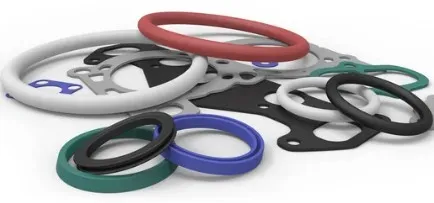
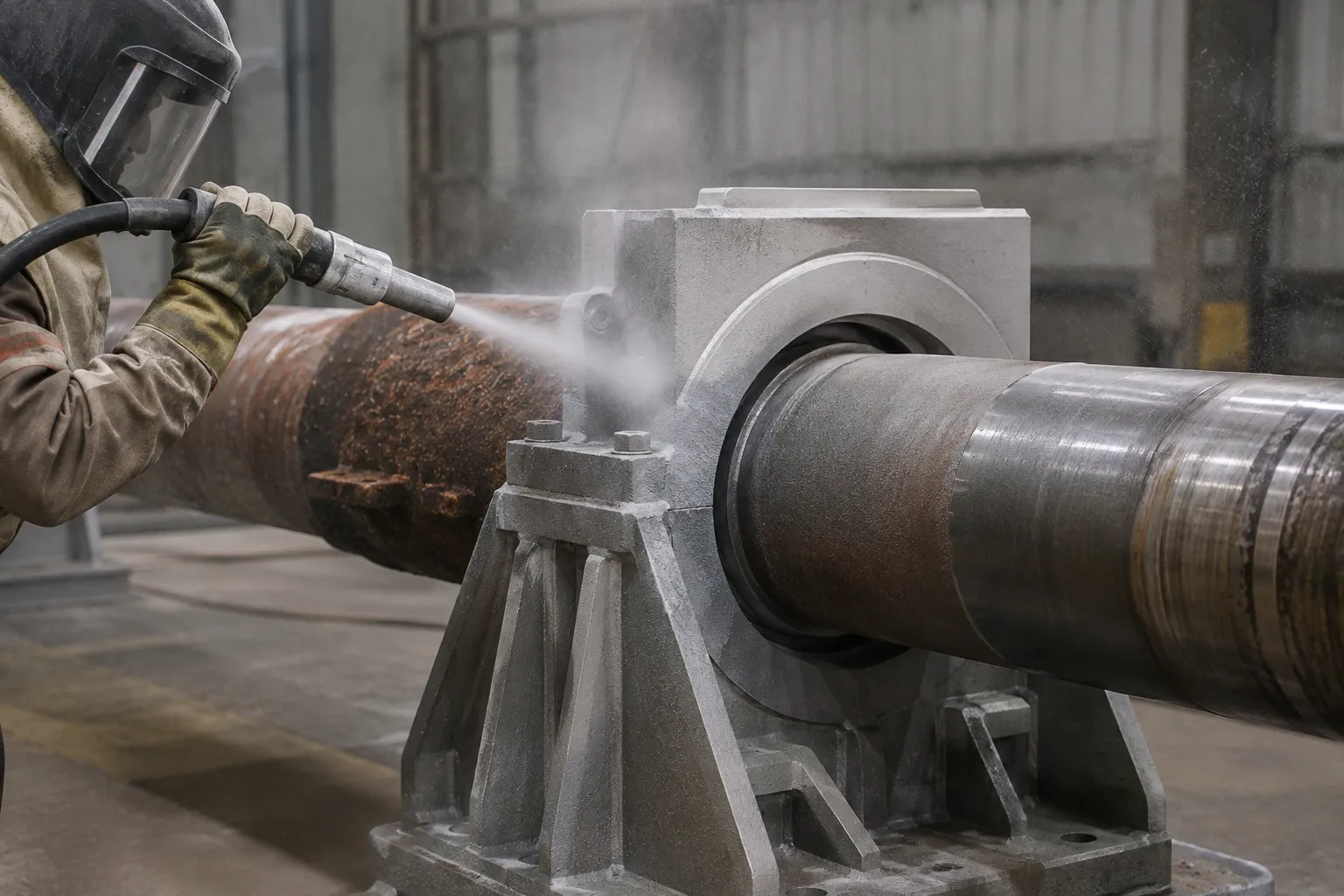
Issue: Dust, water or metal particles infiltrating through faulty seals, dirty storage or poor handling.
Impact: Abrasive wear, additive depletion and accelerated oxidation of the lubricant.
Human Error in Handling
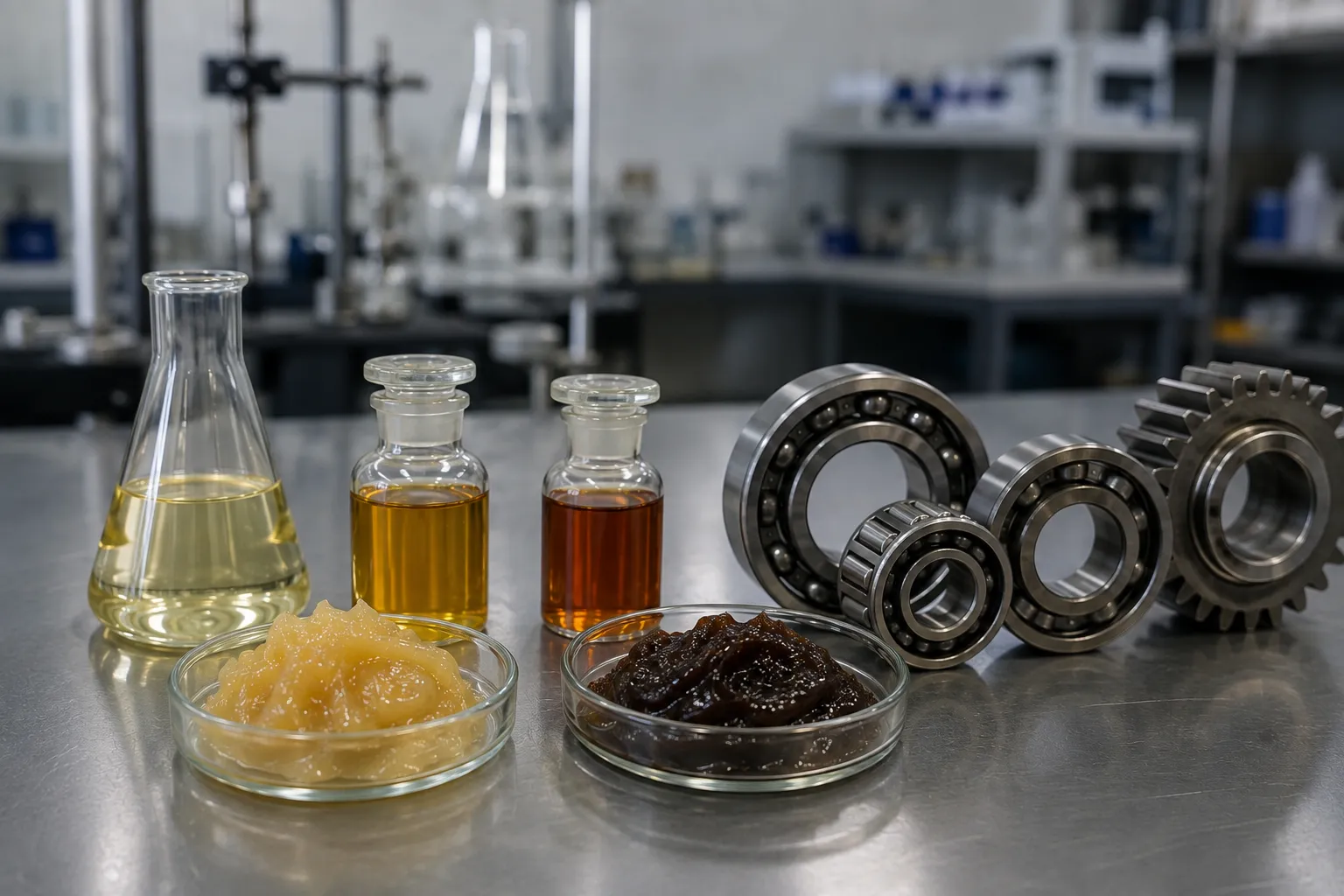
Issue: Cross-contamination of greases, improper relubrication intervals or using uncalibrated tools.
Impact: Incompatible thickeners/oils degrade performance, causing sludge or blockages.
Inadequate Maintenance Practices
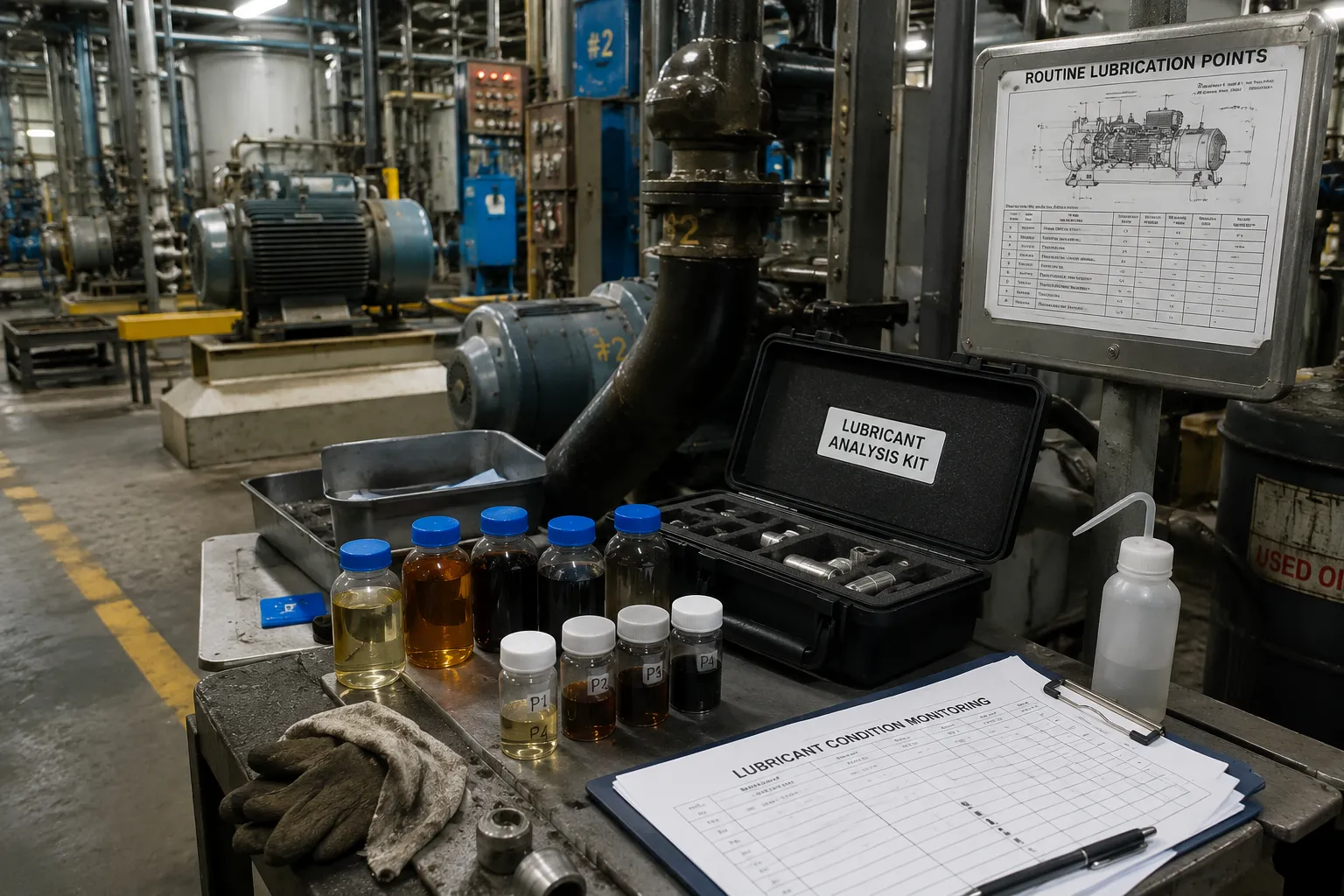
Issue: Skipping oil analysis, ignoring filter replacements or relying on outdated schedules.
Impact: Degraded lubricant properties go undetected until failure occurs.
Monitoring & Feedback Gaps
Issue: Lack of real-time data on lubricant health (temperature, moisture, viscosity).
Impact: Reactive repairs instead of proactive maintenance.
WHY INDUSTRIAL LUBRICANTS ARE OFTEN WRONGLY BLAMED :
Ease of Replacement
Why It Happens: Replacing a lubricant is often seen as a quick, low-cost "fix" compared to overhauling an entire lubrication system or addressing mechanical flaws. e.g:
Swapping out oil or grease takes minutes while repairing a faulty pump, resealing a contaminated reservoir or redesigning a lubrication circuit requires time, labor and investment.
Management may prioritize short-term cost savings over long-term systemic improvements. Consequences: Temporary fixes mask underlying problems (e.g., persistent contamination, misalignment, or overheating).
Repeated lubricant changes waste resources and erode trust in maintenance practices.
The Reality: Lubricants are rarely the sole culprit. For instance, if a bearing fails due to overgreasing (a system issue), replacing the grease won’t solve the problem. The root cause—excessive lubrication intervals or improper grease gun calibration remains unaddressed.
Visibility Bias
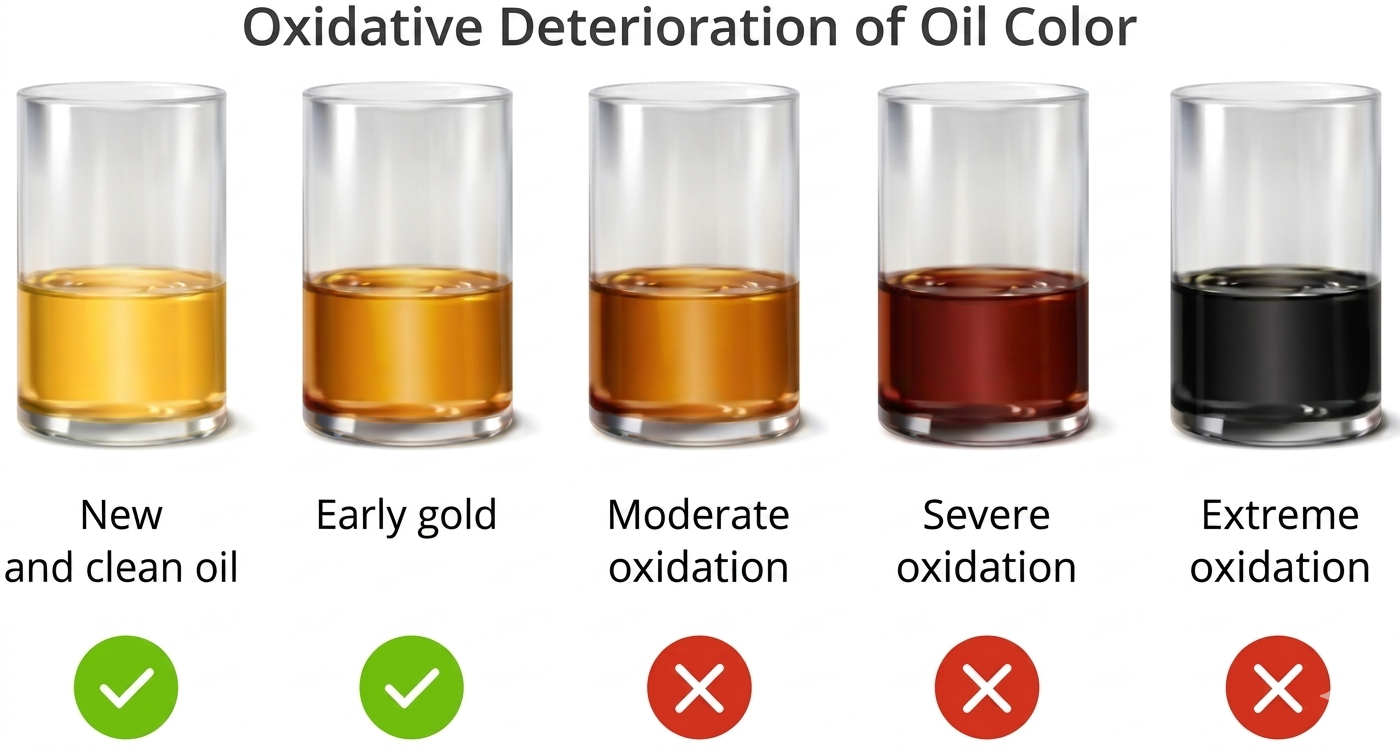
Why It Happens: Tangible Evidence: Degraded lubricants provide visible or sensory clues, such as discolored oil, sludge or a burnt smell that make them an easy target. Conversely, systemic flaws like poor filtration, air ingress or incorrect viscosity selection are invisible without specialized testing.
Psychological Factor: Humans tend to trust what they see. If oil appears dirty, it’s natural to blame it, even if the contamination originated from a failing seal or dirty storage tank.
Consequences: Critical system flaws go unnoticed, leading to recurring failures.
Teams may cycle through multiple lubricant brands, assuming "quality issues," while ignoring the real problem.
Misdiagnosis
Why It Happens: Symptoms like overheating, unusual noise or vibration are often misinterpreted as lubricant failure. For instance:
A noisy pump might be blamed on "poor lubrication," but the actual cause could be cavitation (caused by air ingress) or misalignment.
Overheating bearings might prompt a lubricant switch, but the issue could stem from overloading, insufficient lubricant flow or blocked passages.
Consequences: Treating symptoms instead of causes leads to repeated failures and downtime.
Technicians may lack training or tools to perform root-cause analysis, defaulting to lubricant replacement as a "safe" response.
Shifting the Mindset: From Blame to Collaboration
Lubricants and lubrication systems are interdependent. A high-performance lubricant cannot compensate for a poorly designed or maintained system, just as a robust system cannot overcome the limitations of an incompatible or degraded lubricant.
Steps to Avoid Misdiagnosis:
Adopt Condition Monitoring: Use tools like particle counters, moisture sensors and vibration analysis to identify system flaws early.
Standardize Root-Cause Analysis: Investigate failures systematically, don’t stop at the lubricant.
Educate Teams: Train personnel to recognize that lubricants are enablers, not band-aids.
Strategies to Build a Robust Lubrication System
Conduct a Lubrication Audit: Map all lubrication points, methods and schedules.
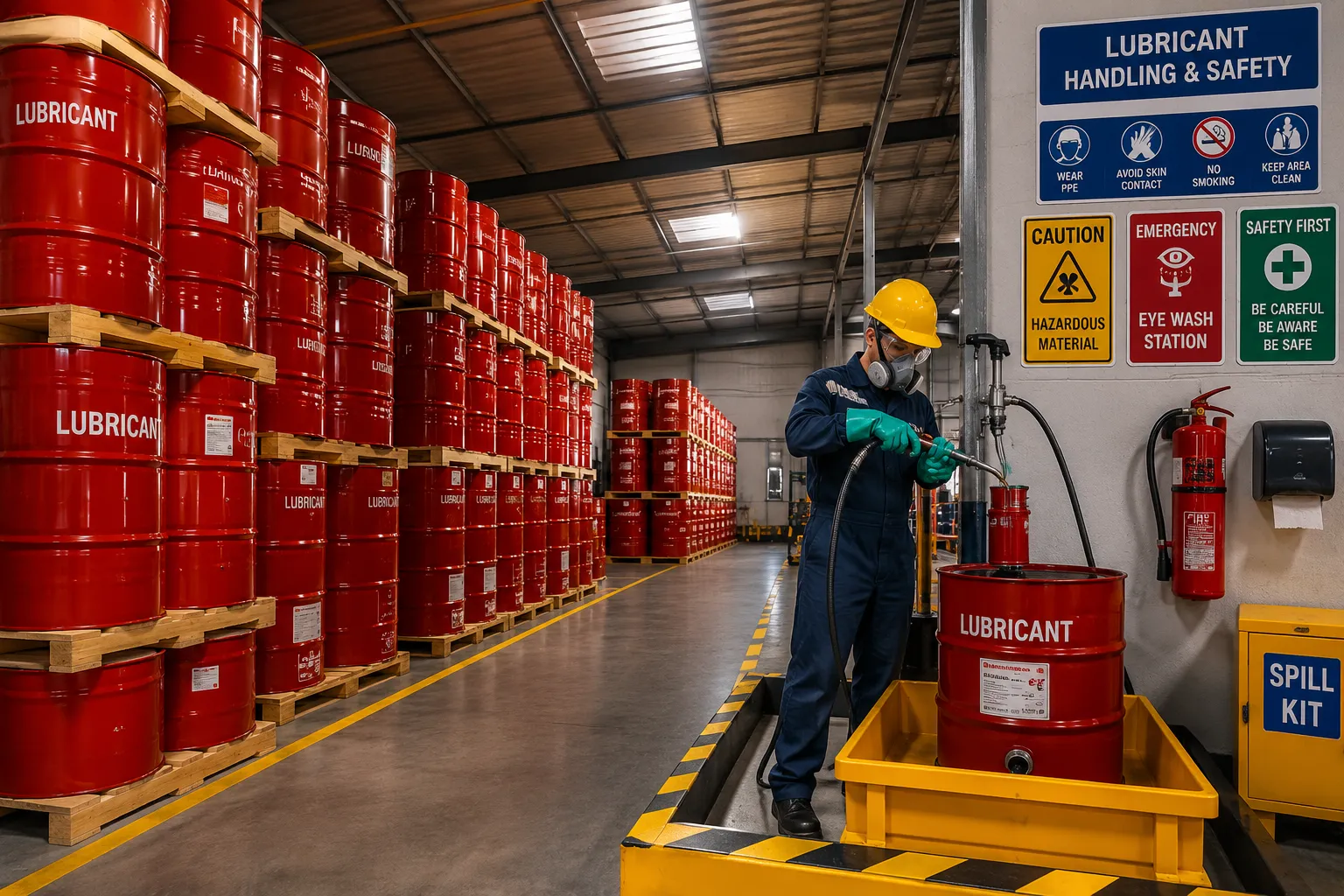
Invest in Training: Certify lubrication technicians to handle, store and apply lubricants correctly.
Upgrade Contamination Control: Use high-efficiency filters and closed-loop transfer systems.
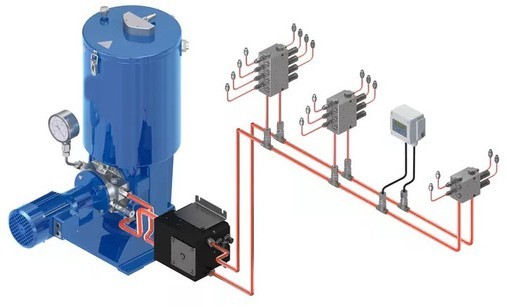
Leverage Technology: Deploy automated greasers, IoT-enabled oil analysis and centralized systems.
Standardize Procedures: Document SOPs for lubricant handling, disposal and emergency response.
Conclusion
The adage “a chain is only as strong as its weakest link” applies perfectly to lubrication systems. While lubricants are critical, their performance hinges on the ecosystem they operate in. By addressing systemic weaknesses—contamination, human error, poor monitoring—industries can stop scapegoating lubricants and start solving the real problems. Proactive investment in lubrication system integrity doesn’t just prevent failures; it builds a culture of reliability that pays dividends in productivity and profitability.
















![Gear Drive Lubricant Selection [Gearbox Lubricants]](https://mosil.com/assets/uploads/blog/blog_1782972100_6a45fec4dbc03.webp)

![The Ultimate Guide To Grease Thickeners [Thickening Agents]](https://mosil.com/assets/uploads/blog/blog_1754991852_689b0cec60a8a.jpg)