

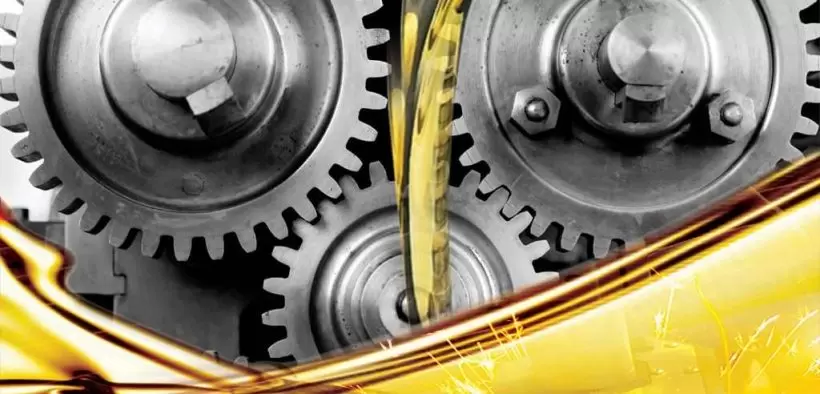
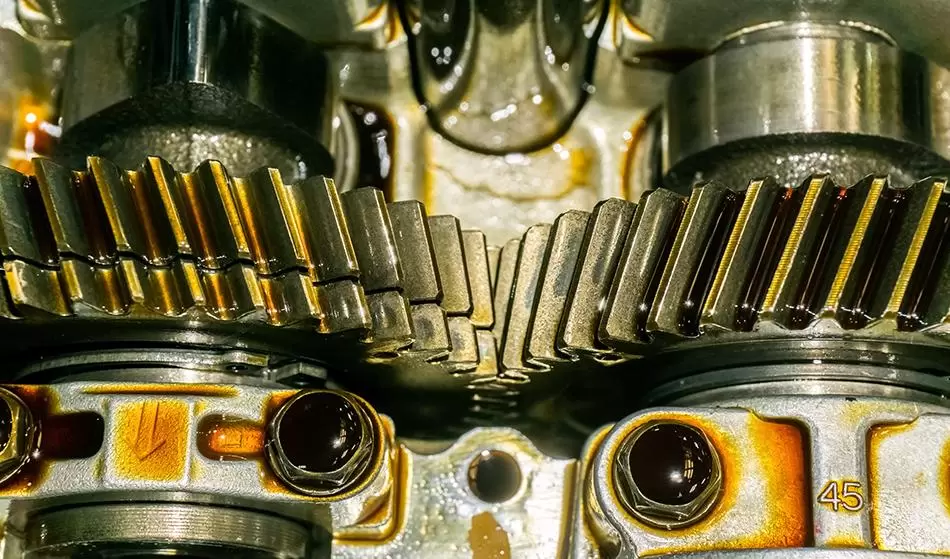
In industries where heavy machinery reigns supreme, open gears play a crucial role in transmitting power efficiently under intense conditions. However, these components face extreme wear and tear due to their exposure to dirt, moisture and heavy loads. That’s where open gear lubricants come into play. This comprehensive guide will delve into everything you need to know about these vital lubricants—from their importance to the various types available and how to select the right one for your application.
WHY ARE OPEN GEAR LUBRICANTS ESSENTIAL?
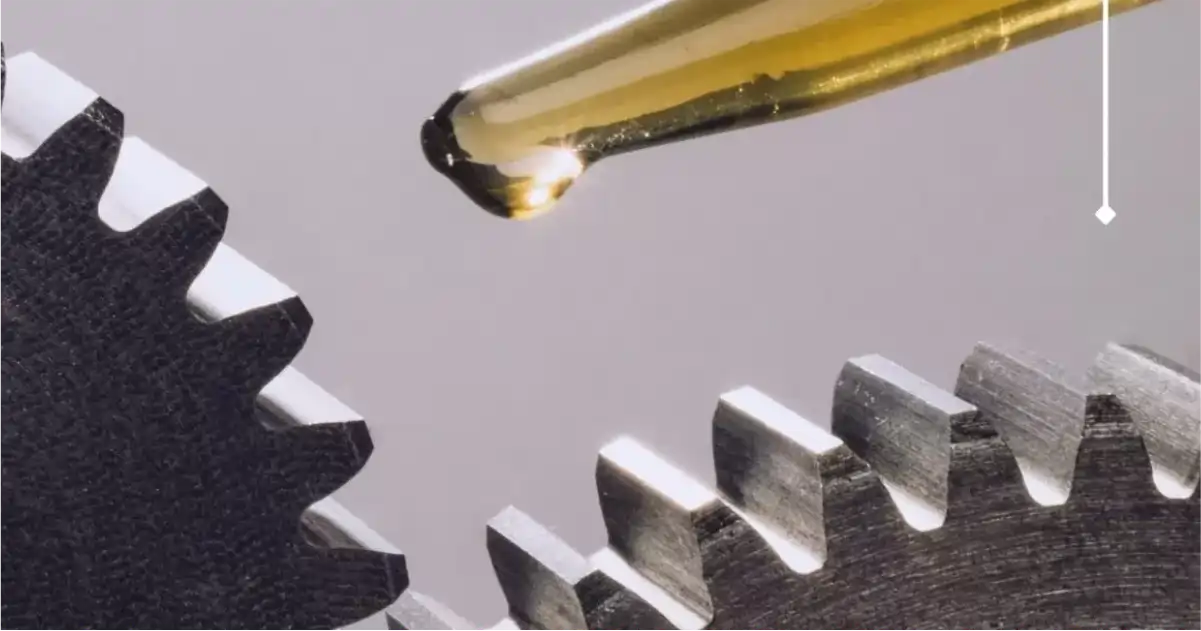
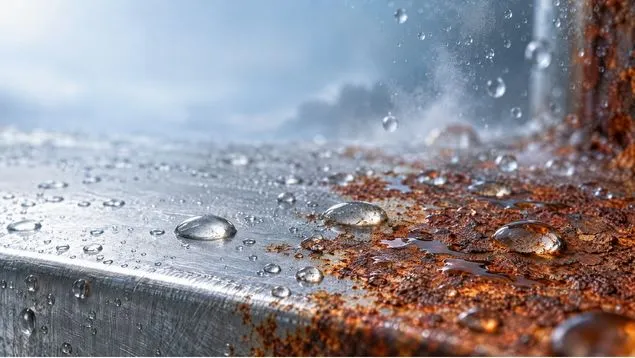
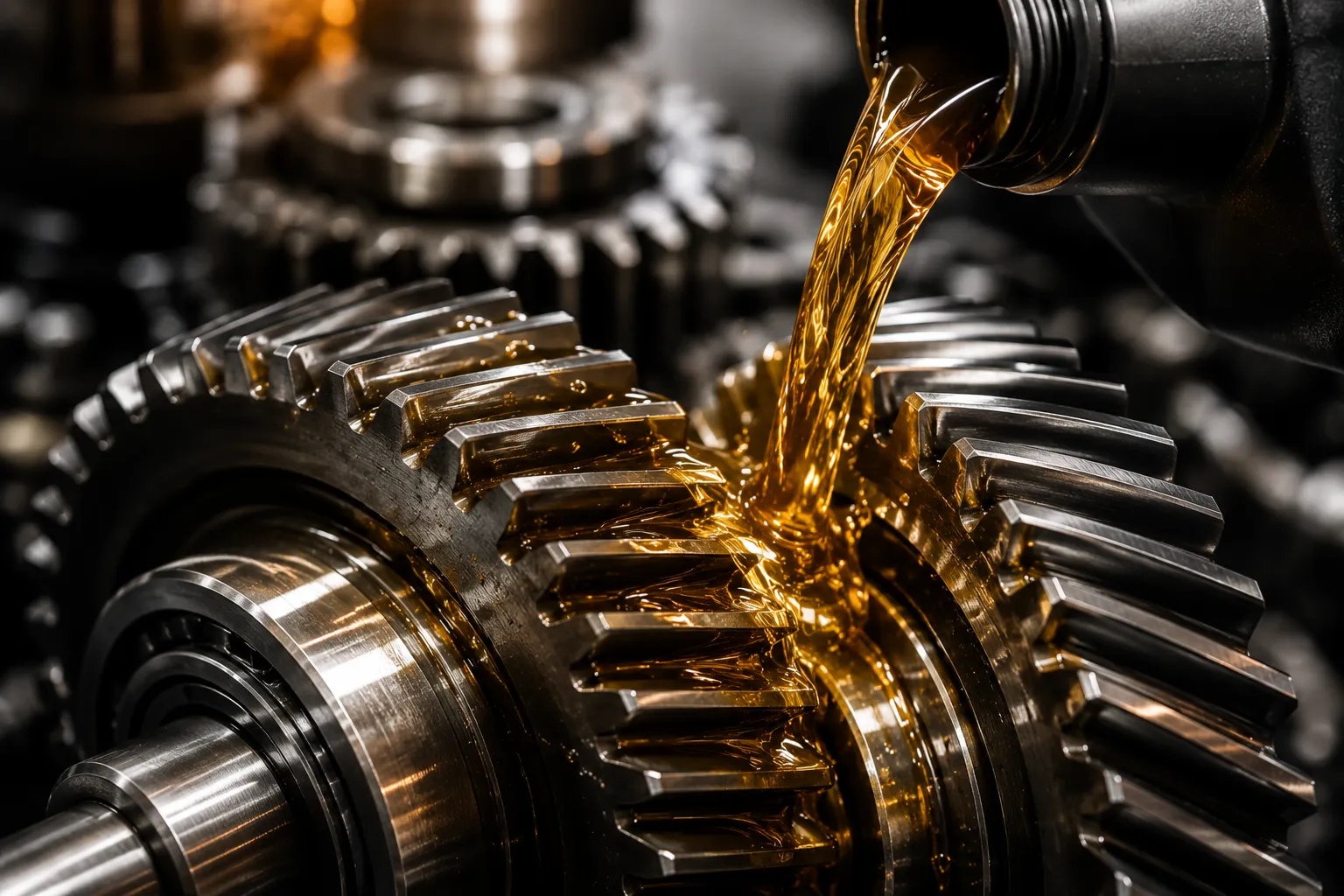
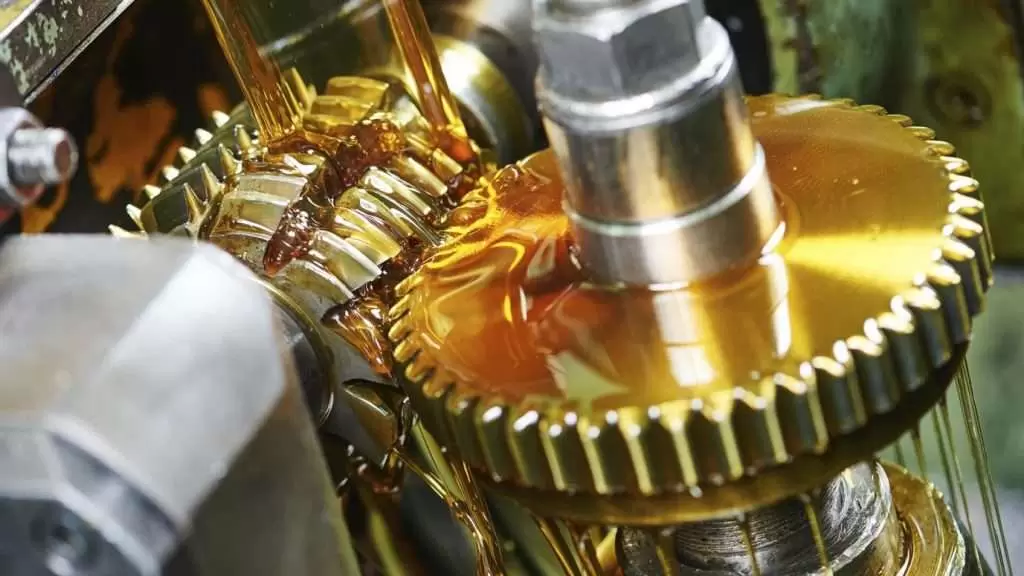
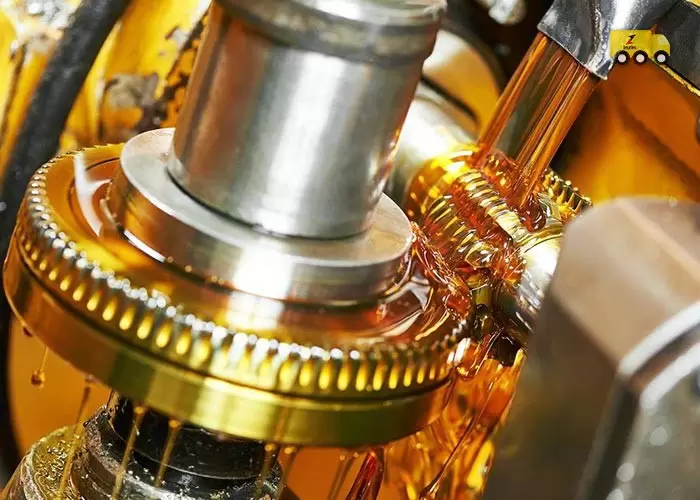
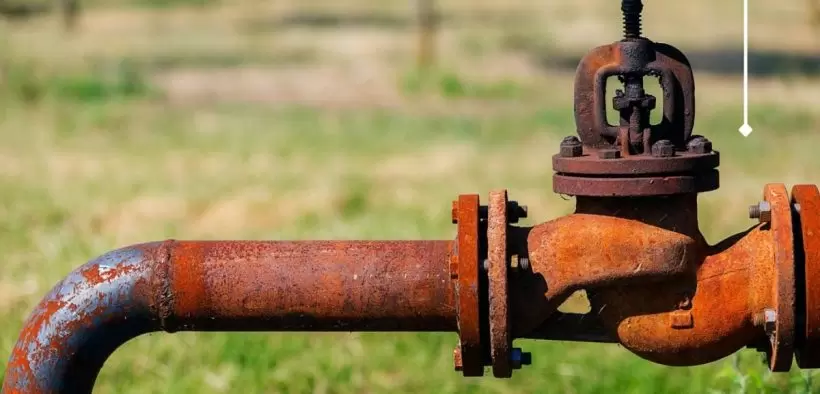
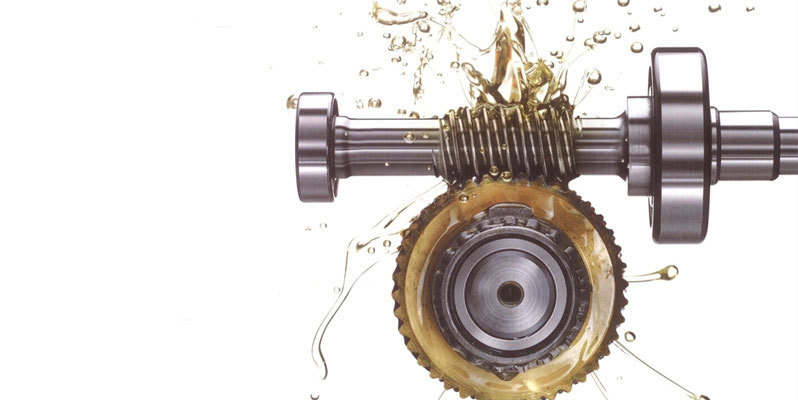
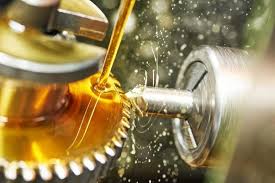
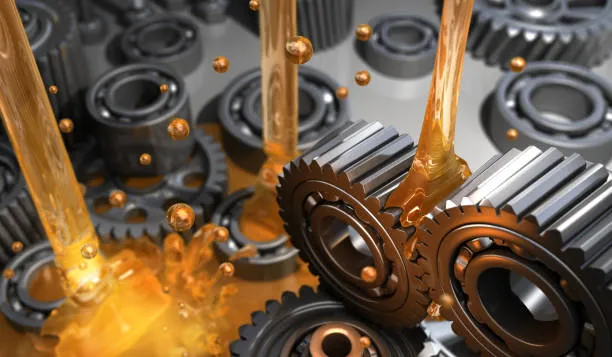
Wear Protection: Open gears experience extreme pressure and loads. Lubricants prevent excessive wear by forming a protective film. Corrosion Resistance: Exposure to environmental contaminants can lead to rust. Lubricants shield the gears from moisture and corrosive elements.
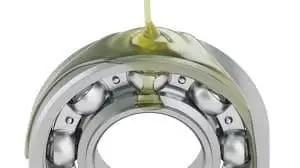
Operational Efficiency: Proper lubrication minimizes friction , reducing energy consumption and extending equipment life.
TYPES OF OPEN GEAR DRIVE
Type 1 Open Gear Drives: Features and Applications
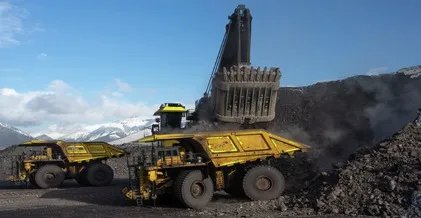
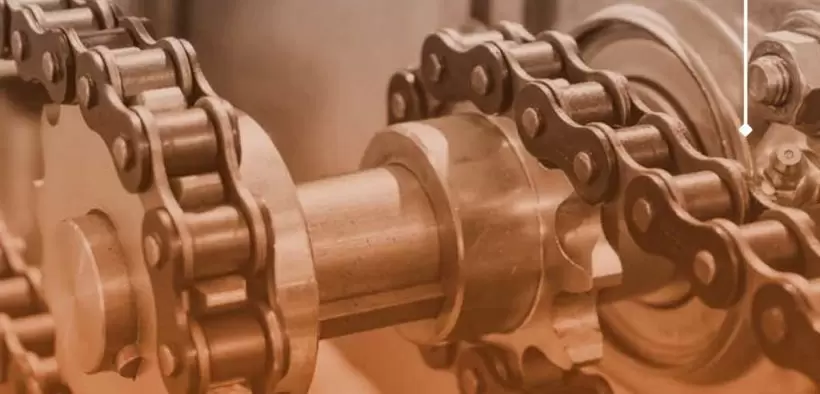
Type 1 open gear drives utilize an actuator and a rack system to transmit power. This configuration is commonly employed in machinery such as cable hoist drums, swing motion drives, mechanical boom lifts, shuttle transfer units and the hoist and drag drives of mining equipment like shovels, draglines and excavators.
These gear drives are often bidirectional, allowing motion in both directions. However, their operational characteristics—such as tooth geometry, surface finish, pitch line, and intermittent load conditions—frequently place them in thin lubrication film or boundary lubrication environments. Type 1 drives typically employ spur-type gears. The primary roles of lubricants in Type 1 open gear drives include reducing friction between the meshing gear teeth and cushioning the system against shock loads. When the lubricant effectively delivers these benefits and contaminants or wear debris remain at manageable levels, the lifespan of these open gears can be significantly extended.
Type 2 Open Gear Drives: Characteristics and Uses
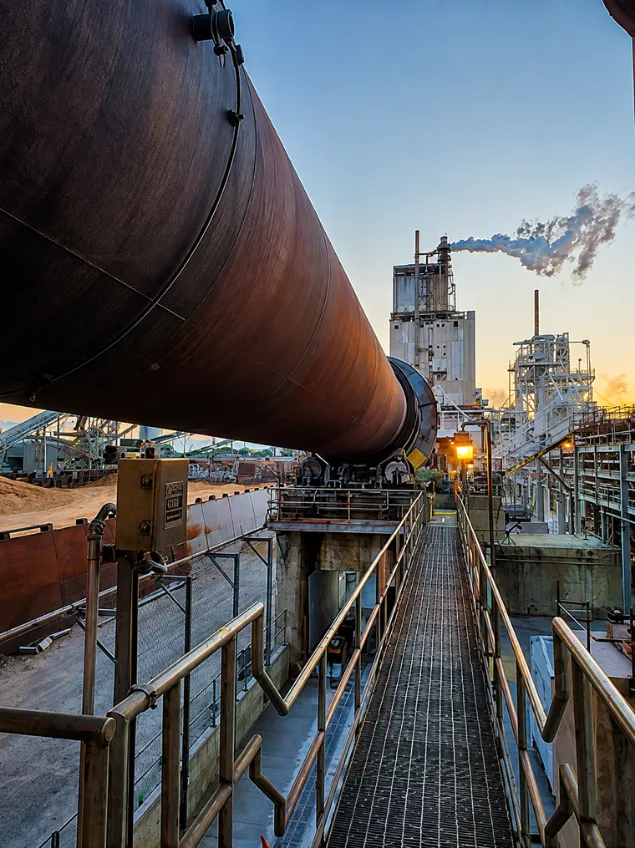
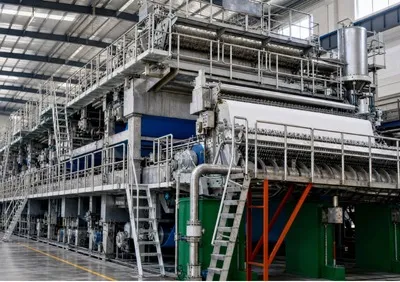
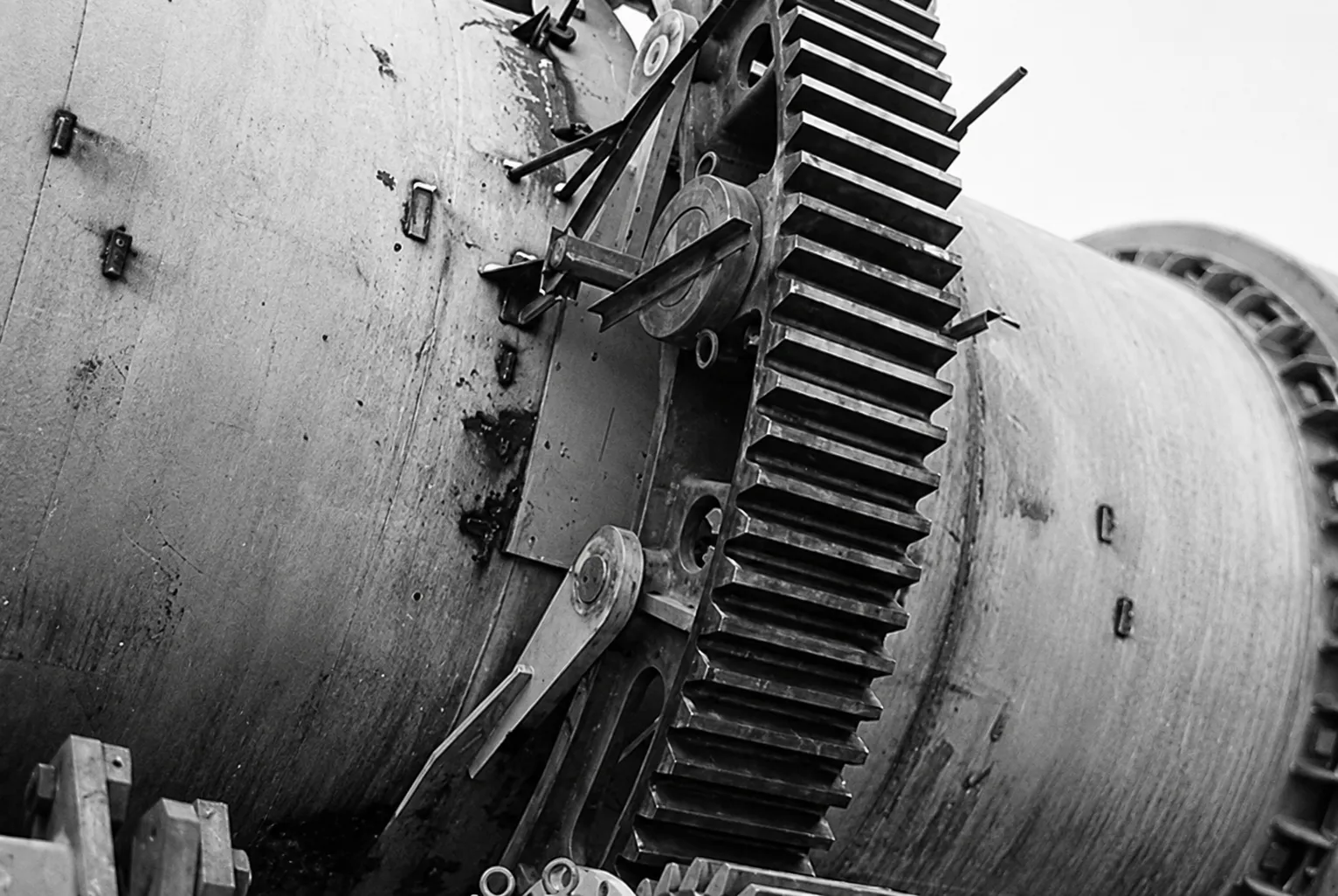
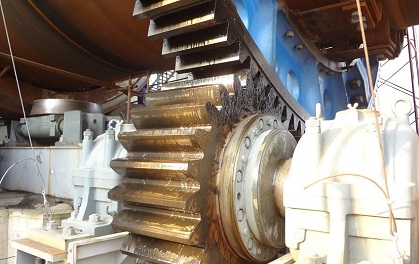
Type 2 open gear drives are composed of an actuator, a pinion and a gear—or in some cases, a series of interconnected gears designed to handle continuous loads. These drives are integral to stationary or semi-stationary machinery such as kilns, grinding mills, rotary furnaces, dryers, debarkers, rubber mills, paper mills and finishing mills. These gear drives Is unidriectional.
Unlike Type 1 drives, Type 2 systems operate under consistent, heavy loads and are frequently pushed to their design limits. These gears are often exposed to harsh conditions, including abrasive contaminants and significant wear debris. Single helical and double helical gear designs are typically used in Type 2 open gear drives due to their ability to handle continuous and demanding operations effectively.
Both types of open gear drives underscore the importance of selecting the right lubricant to ensure optimal performance, reduce wear, and extend the lifespan of the equipment.
METHODS FOR INDUSTRIAL LUBRICANTS APPLICATION IN OPEN GEAR :
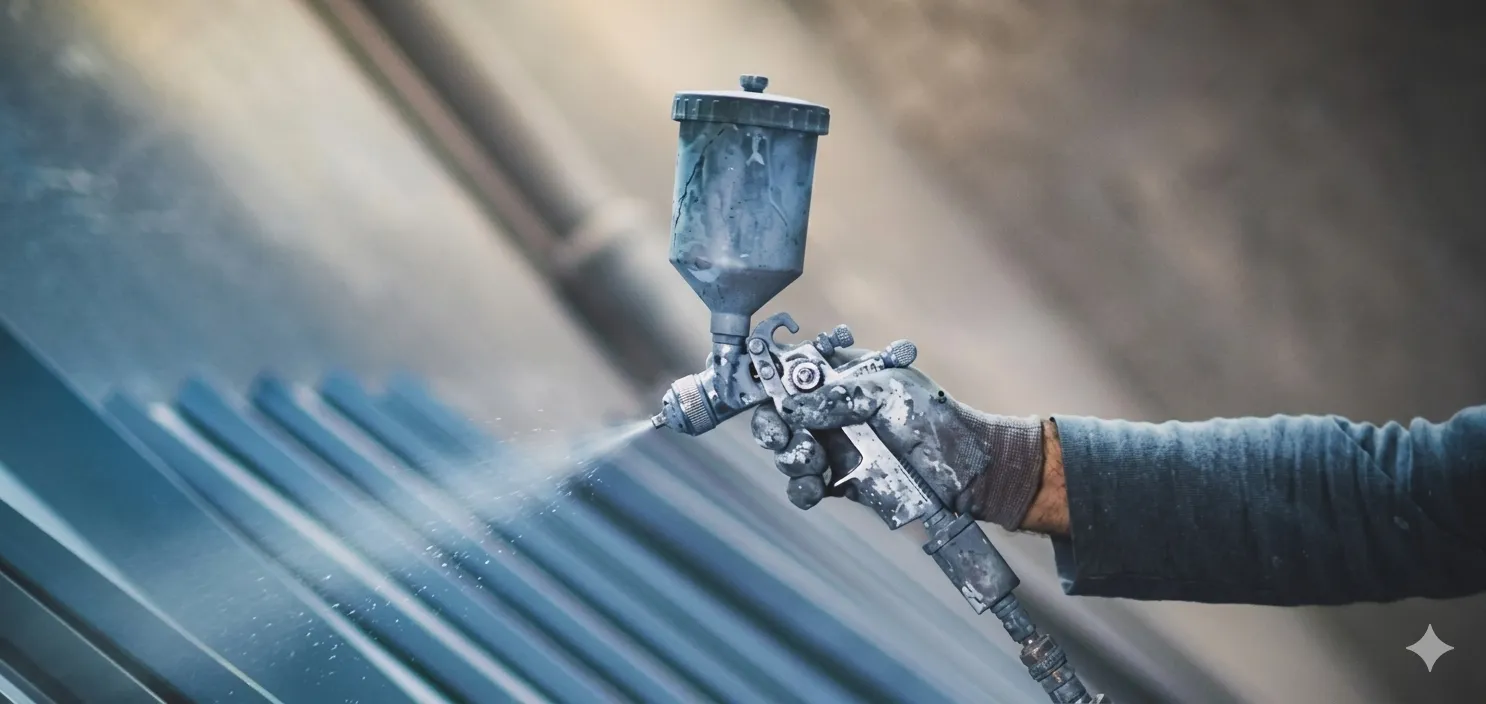
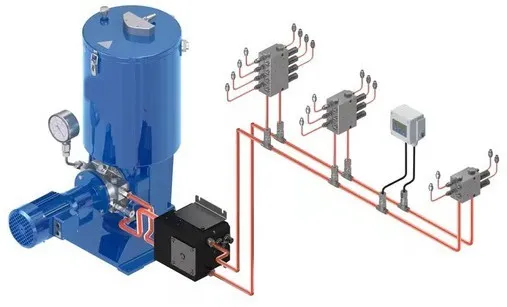
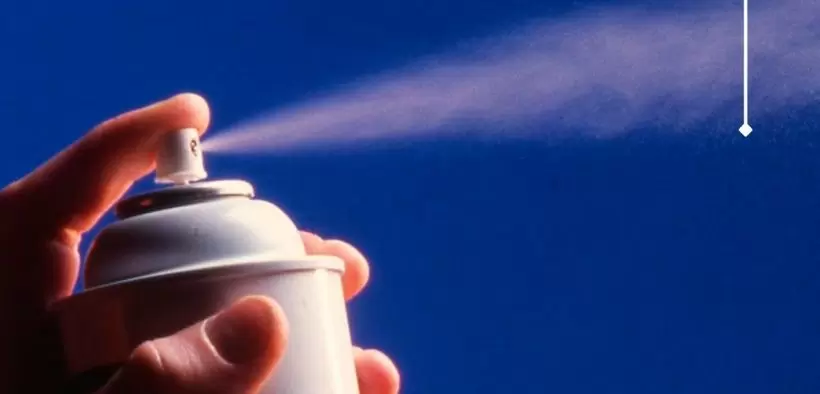
When choosing an open gear lubricant, consider the application method. Common methods include spray systems, drip feed, oil bath (splash or immersion) and manual application (brush or pour). The lubricant must suit the method:
Spray/Drip Systems: Must flow easily through equipment.
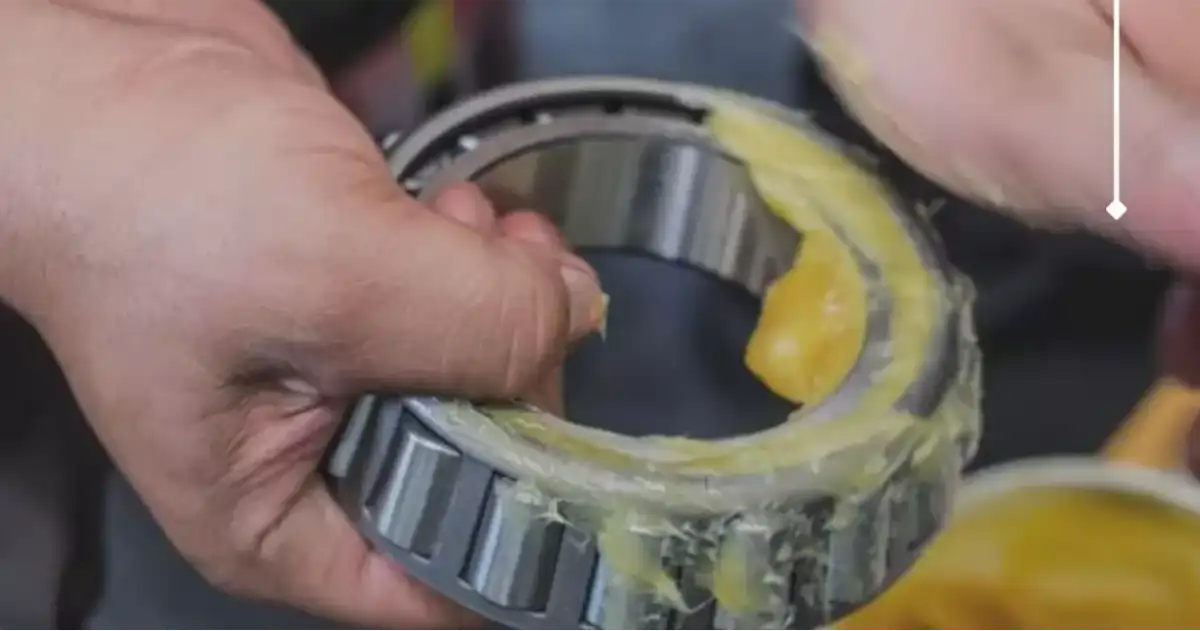
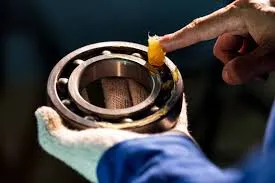
Brush Application: Should spread evenly on teeth.
Splash Systems: Shouldn't be too thick to avoid channelling.
General Requirement: Must stay tacky during operation to resist squeeze-out and be pumpable under ambient conditions.
UNDERSTANDING LUBRICATING FILM THICKNESS IN SPECIALTY LUBRICANTS
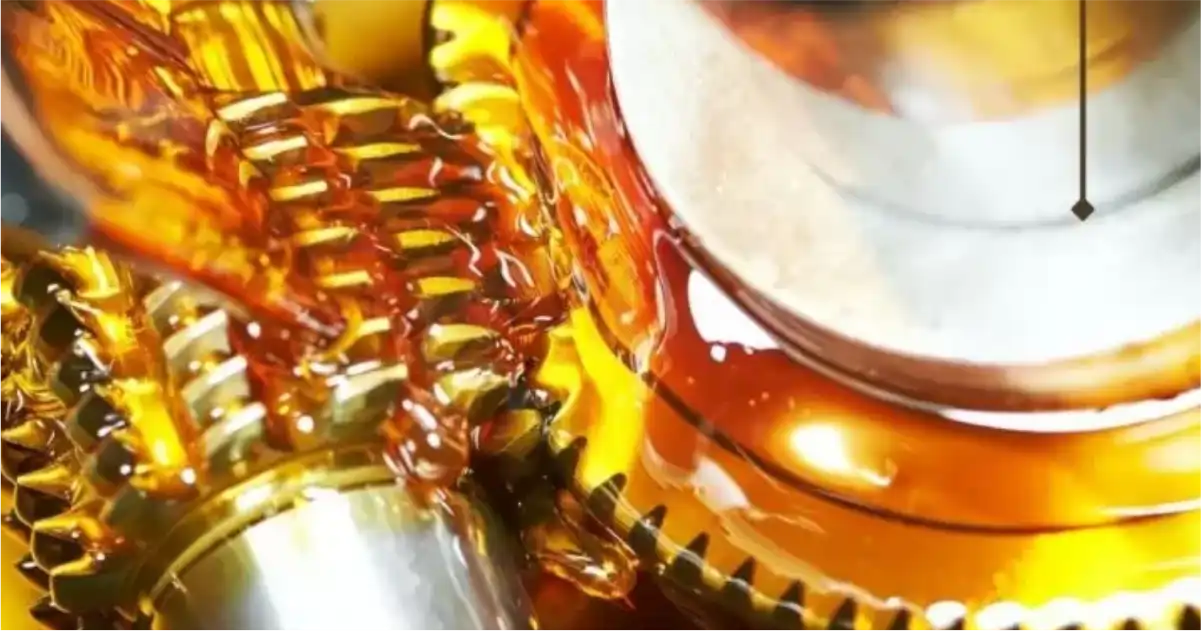
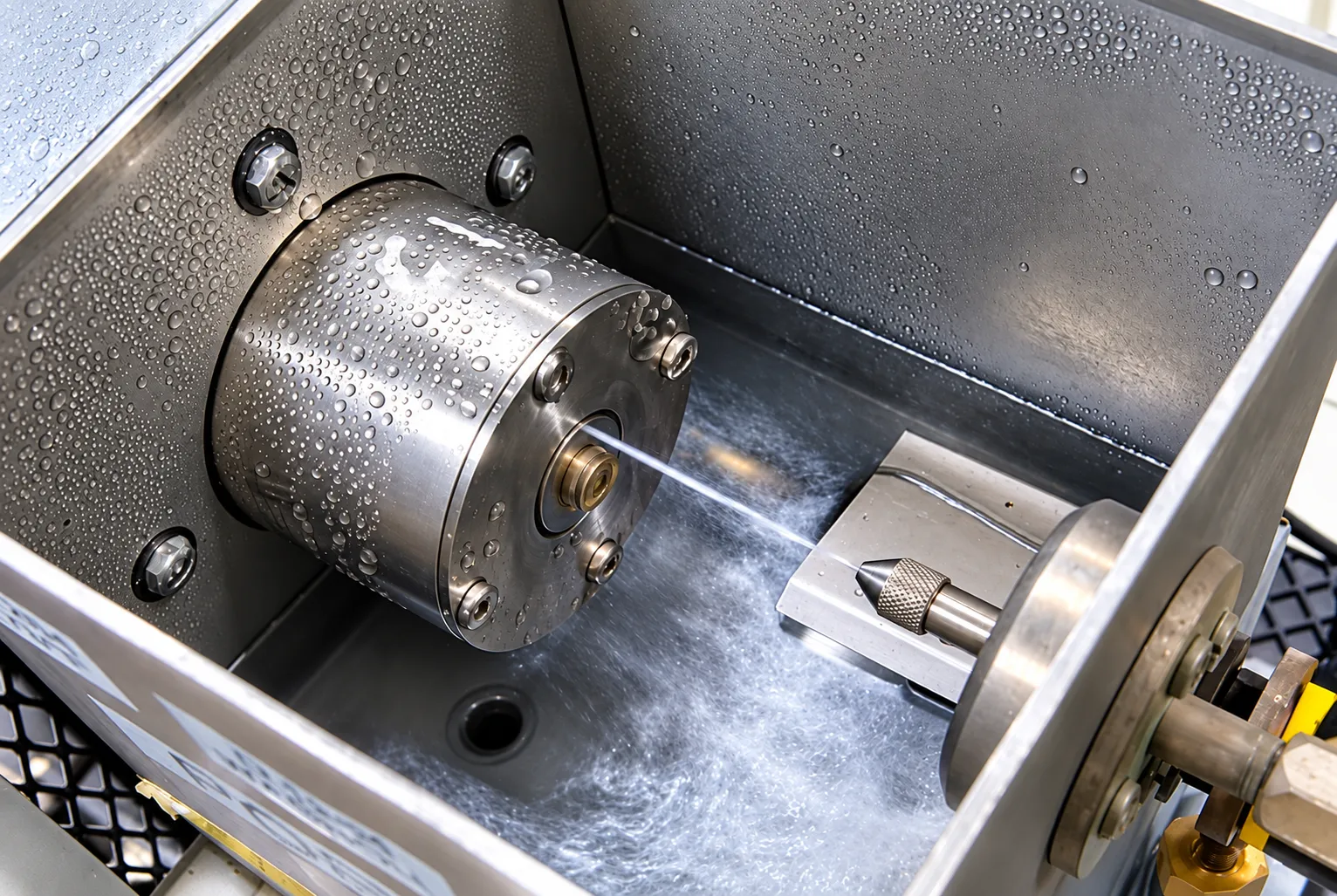
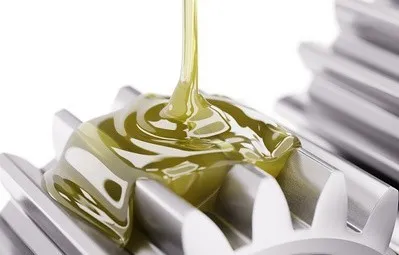
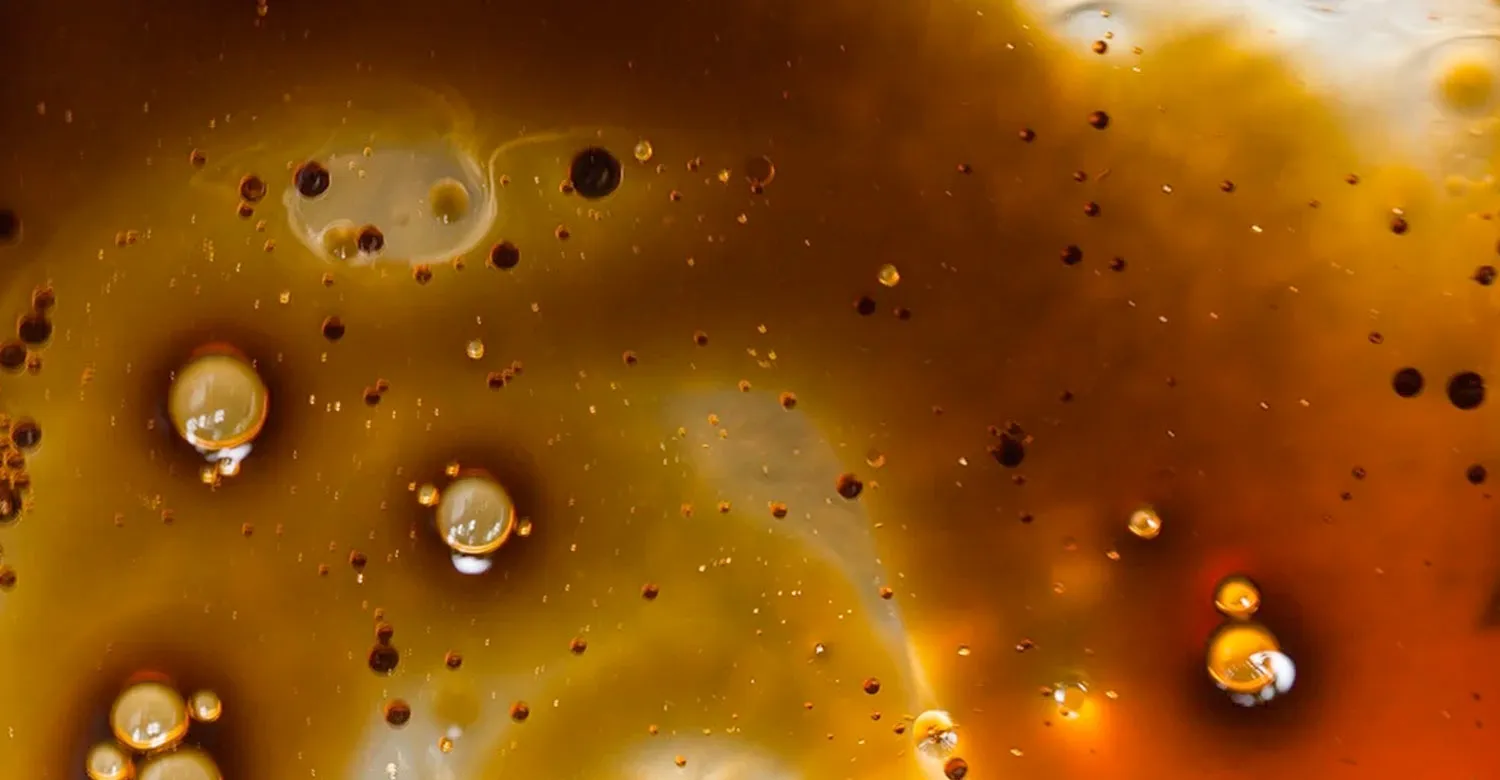
Open gearing relies on elastrohydrodynamic (EHD) lubrication, where the lubricant forms a thin film to protect the gear teeth under high pressure. The film thickness depends on factors like the lubricant's viscosity, gear speed, temperature, load and gear shape.
Gears experience high pressure in small areas, yet they are effectively lubricated due to two reasons:
The pressure causes the gear surfaces to flex slightly, spreading the load.
The lubricant's viscosity increases under pressure, boosting its ability to carry the load.
A key measure is the Lambda ratio, which compares the lubricant film thickness to the surface roughness of the gears. A lower ratio (close to 1) means more direct contact between the gears.
The calculation focuses on the lubricant's base oil viscosity and doesn't account for additional thickening agents or solid lubricants. Some open gear lubricants contain light-viscosity fluids to improve flow in cold temperatures. These lighter fluids evaporate during operation, leaving behind a sticky, durable lubricant film that clings to the gears.
TYPES OF OPEN GEAR SPECIALTY LUBRICANTS :
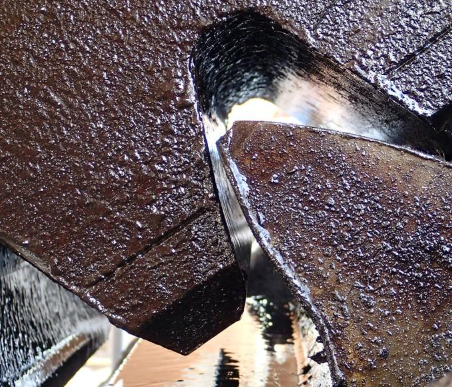
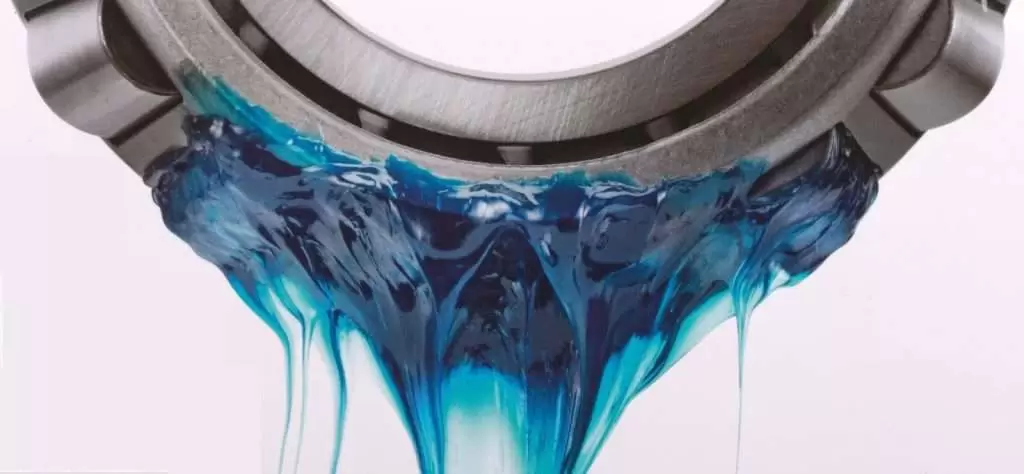
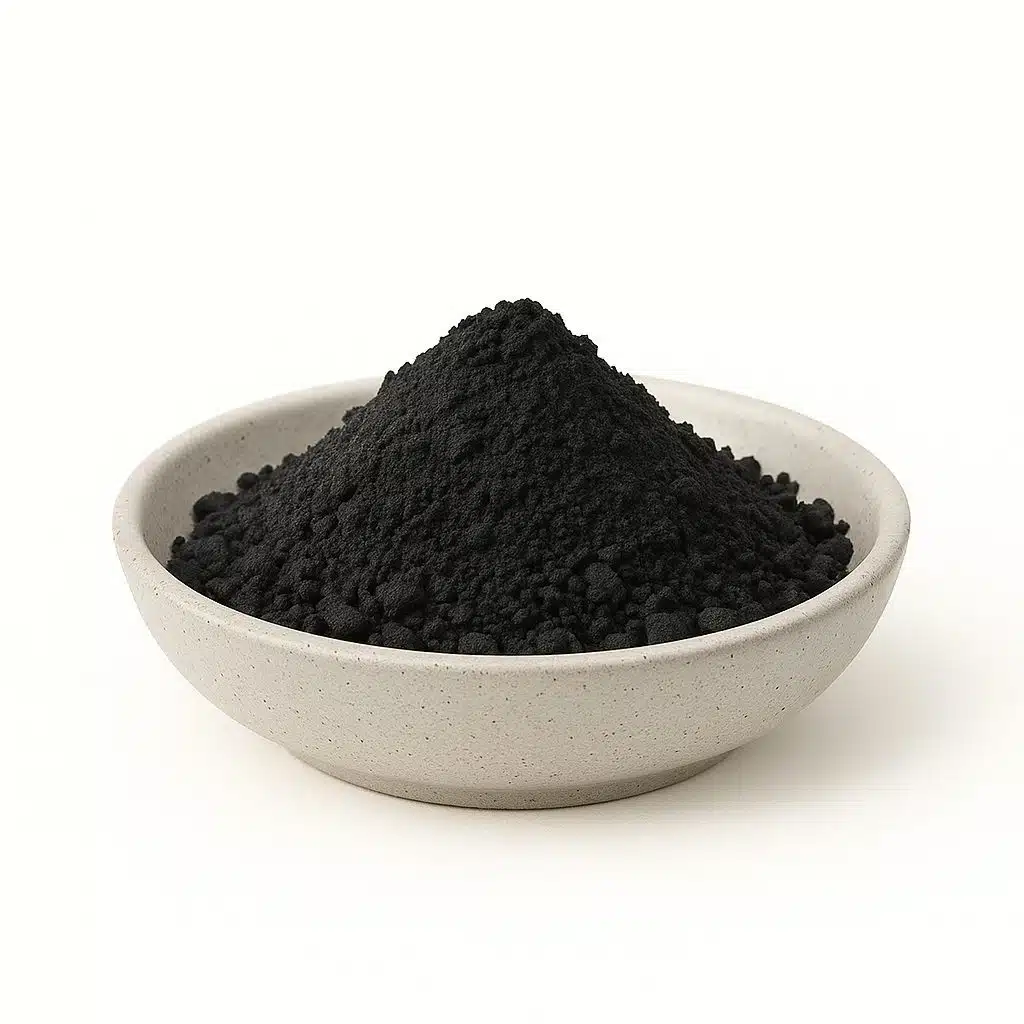
Asphaltic Type: Made with high-viscosity residual compounds like asphalt and bitumen. After application, the solvent evaporates, leaving a durable, adhesive coating. Cost-effective and provides excellent performance.
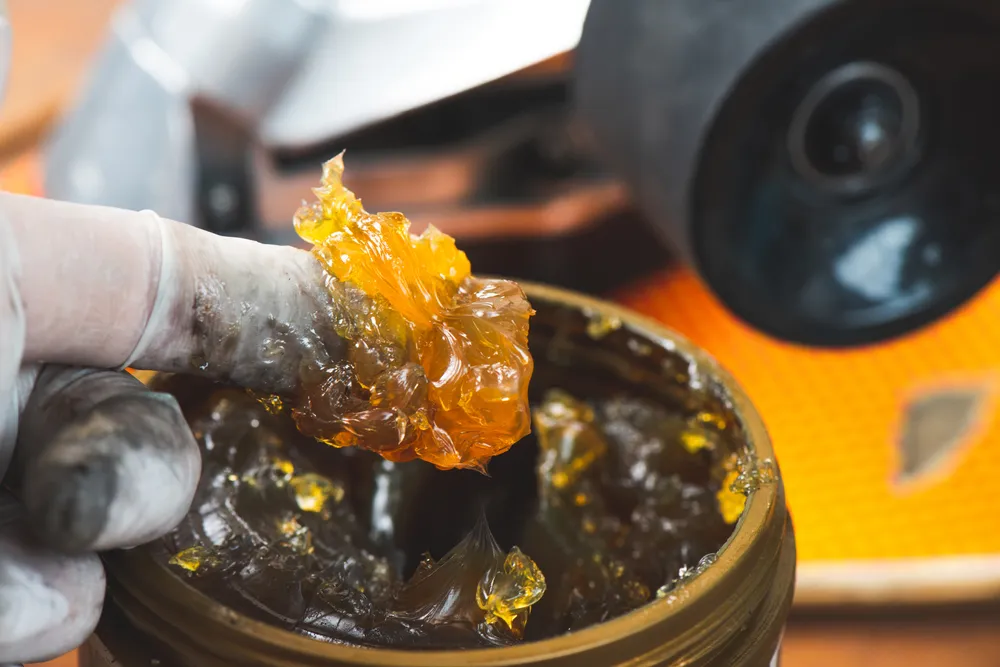
Semi-Fluid Grease & Cutbacks: Formulated with medium-to-high viscosity base oil, bitumen and additives. Some include solvents for easier sprayability.
Gel Polymer Thickened Type: Uses polymeric thickeners and solid lubricants to form a
thixotropic film. Works with spray, splash, or immersion systems and performs well in dusty conditions.
High Viscosity Synthetic Oils: Contains synthetic oils, solid lubricants, and performance additives. Reduces friction and operating temperatures while enhancing performance.
IIN SUMMARY, OPEN GEAR LUBRICANTS ARE VITAL FOR PROTECTING MACHINERY FROM WEAR, CORROSION, AND FRICTION, HELPING TO EXTEND EQUIPMENT LIFE AND IMPROVE EFFICIENCY. CHOOSING THE RIGHT LUBRICANT DEPENDS ON THE GEAR TYPE AND OPERATING CONDITIONS. PROPER LUBRICATION METHODS AND THE RIGHT LUBRICANT, SUCH AS ASPHALTIC OR SYNTHETIC OILS, ENSURE OPTIMAL PERFORMANCE AND DURABILITY.




















![Gear Drive Lubricant Selection [Gearbox Lubricants]](https://mosil.com/assets/uploads/blog/blog_1788344519_6a97f8c75d604.webp)

![The Ultimate Guide To Grease Thickeners [Thickening Agents]](https://mosil.com/assets/uploads/blog/blog_1754991852_689b0cec60a8a.jpg)