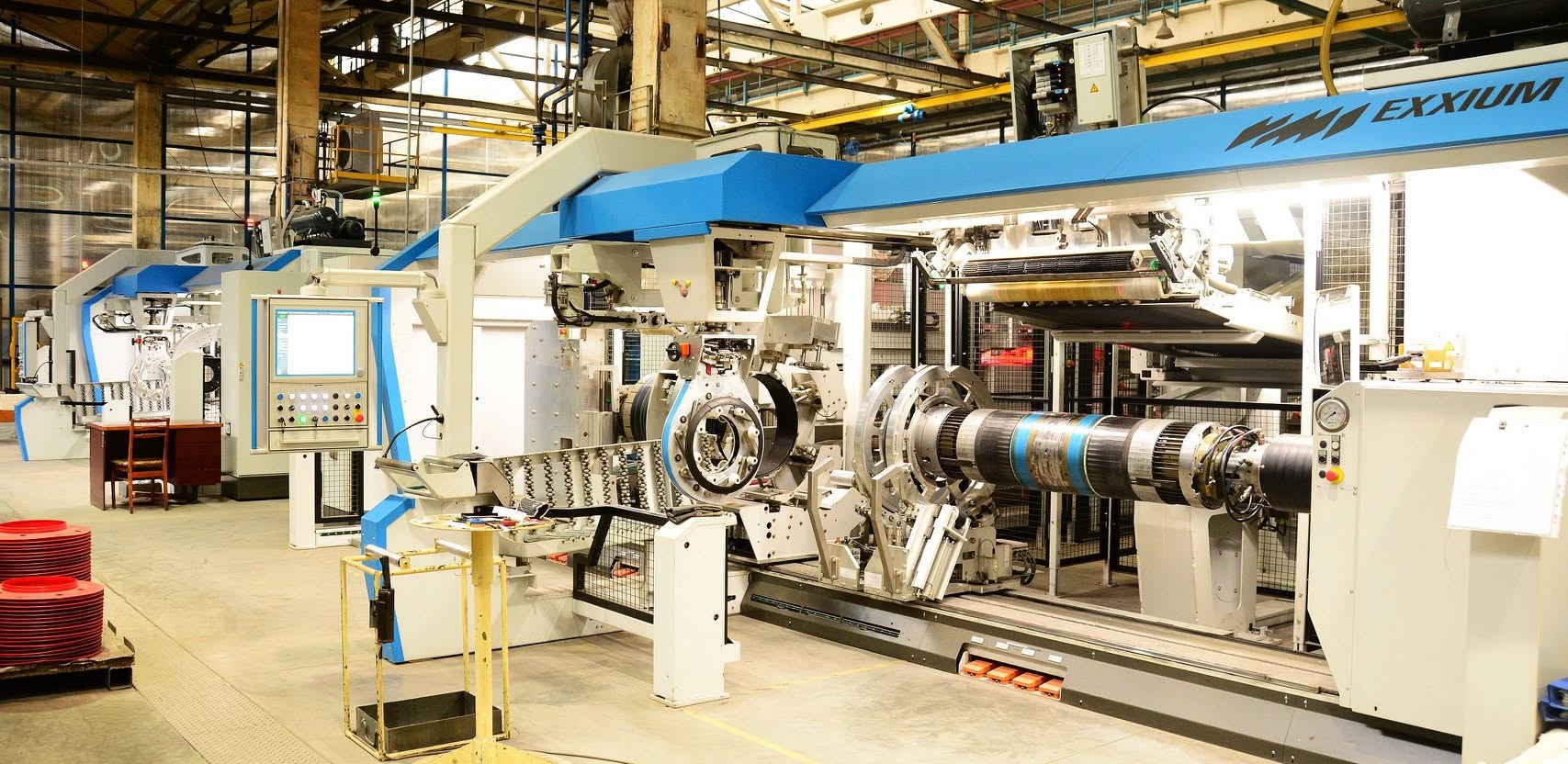
Walk into any tyre manufacturing plant in India, and one machine quietly dictates the rhythm of the entire operation, the Tyre Building Machine (TBM). It is not just another piece of rotating equipment. It is the heart of the plant. Every green tyre begins here. If the TBM stops, production stops. It’s that simple. Now imagine this machine running 24/7 in Indian conditions. Ambient temperatures frequently touching 35–45°C. Rubber dust floating in the air. Mixed levels of automation—some stations fully servo-controlled, others semi-manual. High output expectations. Tight delivery commitments. Does lubrication still sound like a small maintenance activity? Or does it begin to look like a reliability strategy?
UNDERSTANDING THE TYRE BUILDING MACHINE (TBM) ECOSYSTEM
Before discussing lubrication points, it’s important to understand what makes the TBM such a complex lubrication challenge. Unlike a simple rotating machine, a TBM is an integration of multiple motion systems working in harmony.
You have:
-> Servo-driven linear axes
-> High-load clamping mechanisms
-> Precision ball screws
-> High-speed stitching rollers
-> Gear-driven drum expansion systems
-> Pneumatic cylinders
->Hydraulic assist mechanisms
CRITICAL LUBRICANTS FOR TBM COMPONENTS
When we break the TBM down subsystem-wise, lubrication challenges become clearer and more actionable.
Building Drum & Bead Lock Mechanism
The building drum and bead lock mechanism in a TBM operates under severe mechanical conditions. It undergoes continuous expansion and contraction with every tyre built, along with high clamping loads, repeated sliding motion, and constant exposure to rubber dust and particles.
Let’s look at the stresses involved:
a. Metal-to-metal contact during clamping
b. Slow-speed, high-load sliding
c. Frequent start-stop cycles
d. Direct exposure to rubber contamination
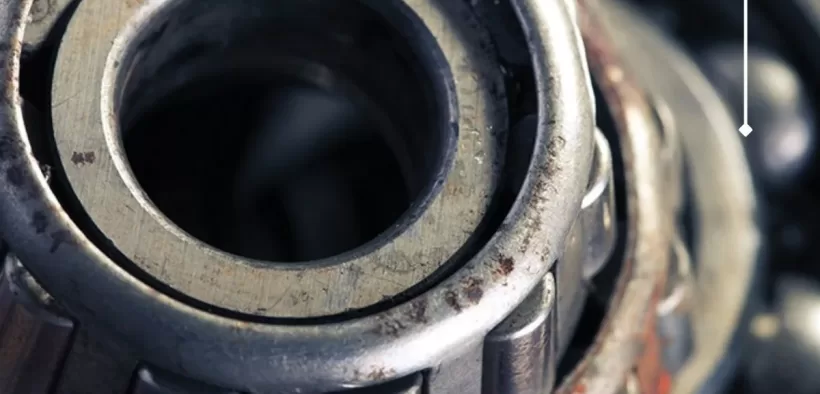
If lubrication is inadequate here, fretting corrosion begins. Galling follows. Surface finish degrades. Clamping accuracy drops. Eventually, bead lock seizure occurs—and when that happens, downtime is inevitable.
The lubrication challenge here is threefold:
-> Prevent metal surface welding under load.
-> Resist contamination from rubber dust.
-> Avoid excessive lubricant that may transfer to green tyres.
Linear Guideways & Ball Screws
Precision is everything in modern TBMs. Servo-controlled positioning systems ensure accurate ply placement, tread alignment, and repeatability. At the center of this precision are linear guideways and ball screws.
These components demand:
-> Low friction coefficient
-> Smooth motion without stick-slip
-> High positional repeatability
-> Resistance to dust ingress
Even slight lubrication inconsistencies can cause positioning error. Stick-slip motion in a linear guide might seem minor, but in tyre building, microns matter.
For these components, lubrication must prioritize:
-> Consistent film thickness
-> Shear stability
-> Good adhesion without excessive tackiness
-> Resistance to rubber dust contamination
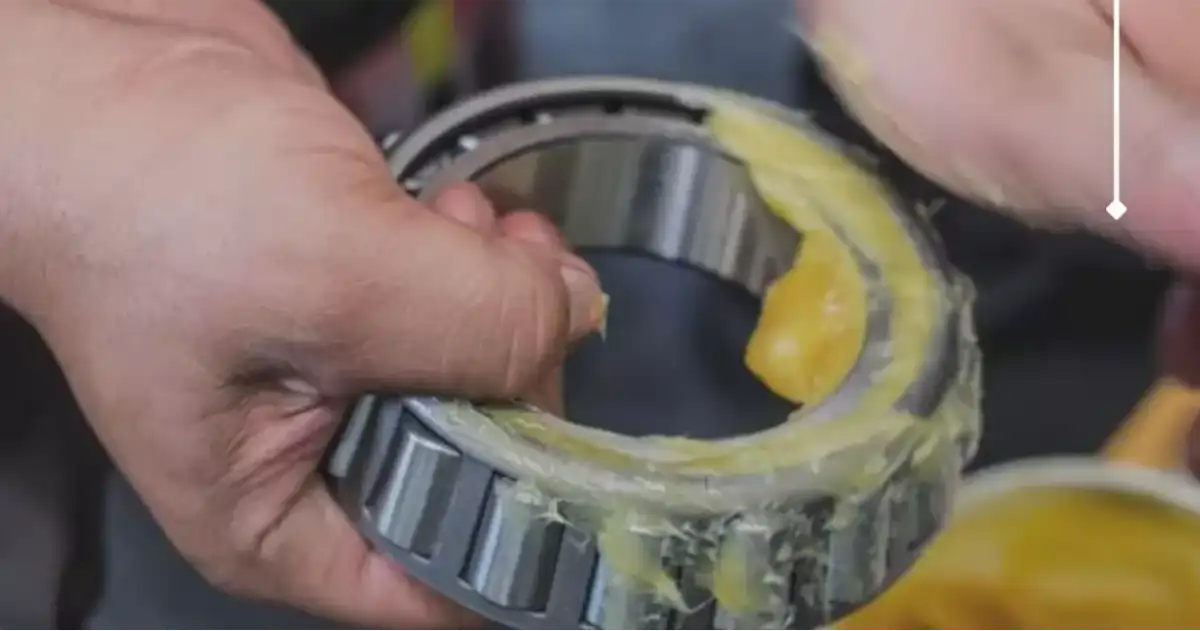
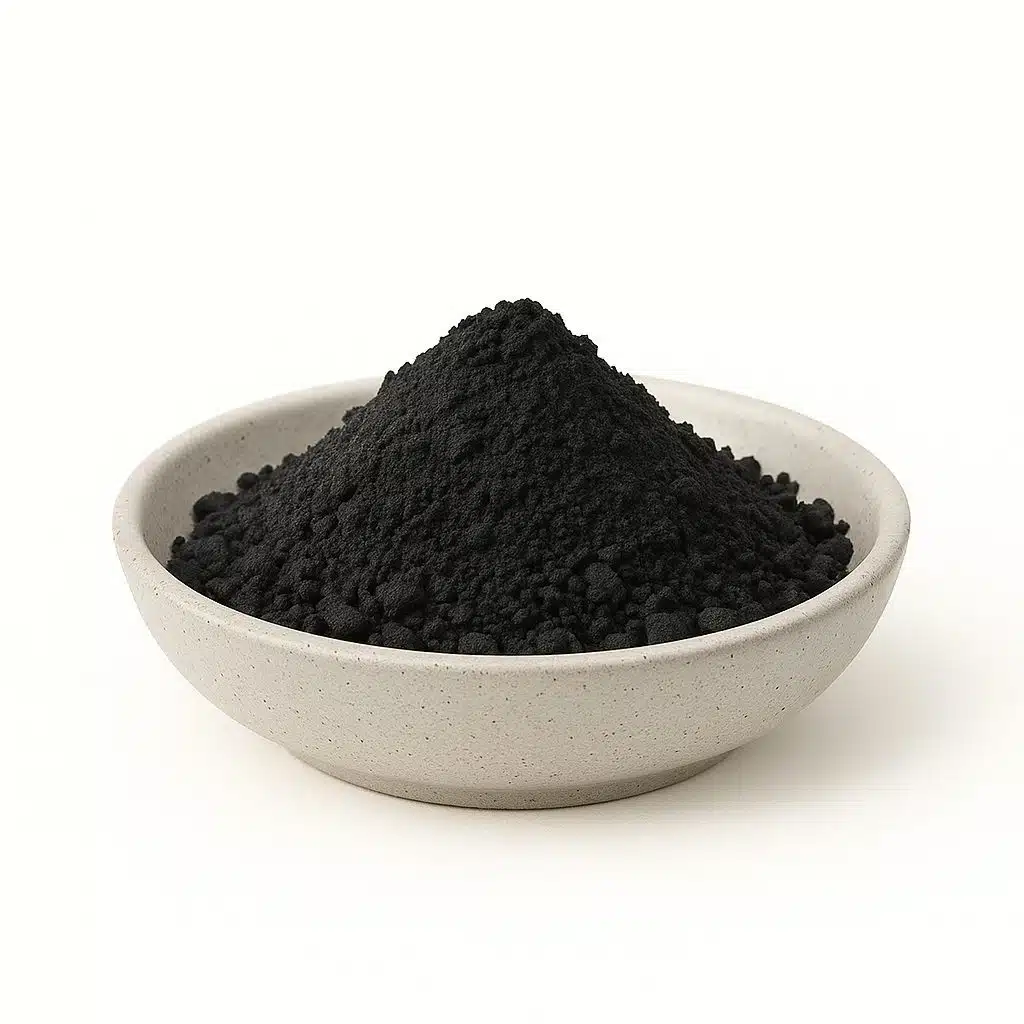
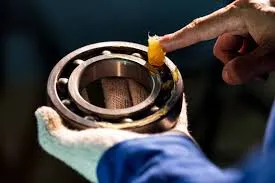
For bead lock mechanisms operating under high load and sliding motion, a grease with strong film strength and contamination resistance is required. MOSIL SN-700, a polyurea-based grease, is recommended for this application as it provides excellent load-carrying capacity, good resistance to rubber dust contamination, and reliable protection against fretting and galling. Its stable structure also helps maintain consistent lubrication during repeated TBM operating cycles.
CONCLUSION
The Tyre Building Machine (TBM) operates under demanding conditions such as high loads, continuous cycles, and rubber dust contamination. Proper lubrication of critical components like bead locks, linear guideways, and ball screws is essential to ensure smooth operation and maintain precision.
Using the right lubrication strategy helps prevent wear, reduce downtime, and improve overall machine reliability, making lubrication a key factor in efficient TBM performance


























![Gear Drive Lubricant Selection [Gearbox Lubricants]](https://mosil.com/assets/uploads/blog/blog_1782972100_6a45fec4dbc03.webp)



![The Ultimate Guide To Grease Thickeners [Thickening Agents]](https://mosil.com/assets/uploads/blog/blog_1754991852_689b0cec60a8a.jpg)