

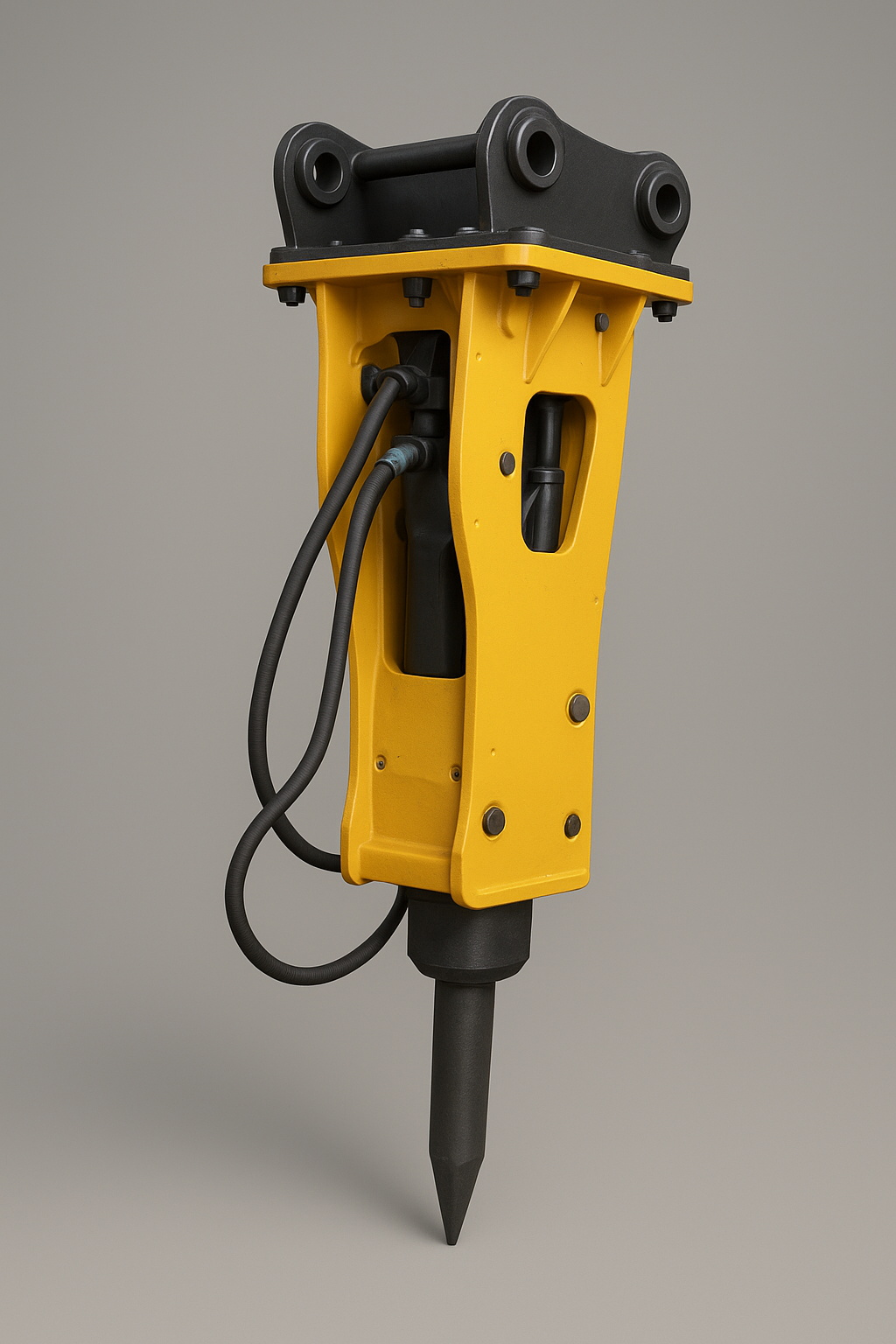
Rock breakers – also called hydraulic breakers or hammers – are heavy-duty attachments mounted on excavators, backhoes or stationary booms. They utilize hydraulic pressure to deliver high-impact blows that fracture hard materials, such as rock or concrete. Widely used in mining, quarrying, construction and demolition, rock breakers clear oversized boulders and blockages at crusher feeds and conveyor belts, greatly improving productivity.
U N D E R S T A N D I N G W H A T A R O C K B R E A K E R I S
A rock breaker is essentially a hydraulic hammer designed to break rock or concrete without explosives. It typically consists of a hydraulic power unit (HPU), a boom and arm assembly, and a working tool (chisel or moil point) at the tip. The HPU pumps pressurized oil into the breaker, forcing a piston to strike the tool repeatedly. The impact energy is transferred through the tool to the rock, causing fractures.
Hydraulic Power Unit (HPU): Pressurizes hydraulic fluid to drive the piston.
Boom/Arm: Positions and holds the breaker, targeting the tool at the rock.
Tool/Chisel: The hardened steel tip that contacts the rock and delivers blows.
This design makes rock breakers extremely efficient. For example, breakers can clear blockages at crusher feeds and hoppers, keeping material moving and minimizing downtime. They provide precise breaking force, reducing manual labor and avoiding the safety and environmental issues of blasting.
P E O F R O C K B R E A K E R
The type of rock determines how much energy is needed and what breaker class should be used. Soft rocks like limestone require light-duty breakers with high BPM. Hard rocks like granite or quartzite need heavy-duty breakers with low BPM but high impact energy. Limestone is one of India’s most common sedimentary rocks. Breakers with 75–100 mm tool diameters and 500–1000 BPM are ideal for limestone. Sandstone, another sedimentary rock, is common in Rajasthan and Uttar Pradesh. It has medium hardness, so medium-class breakers for 10–25 ton excavators perform well on sandstone. They usually operate at 350–650 BPM with tool diameters between 100–135 mm. Granite is a hard igneous rock found in South India. These typically have tool diameters over 135 mm and BPM around 300–500. Basalt or trap rock, is another tough igneous rock from the Deccan plateau. These breakers work best at 200–450 BPM with tool diameters between 150–165 mm. Quartzite is among the hardest metamorphic rocks in India. They use large chisels over 165 mm in diameter and operate at 200–350 BPM.
The harder the rock, the slower but more powerful the breaker should be. Soft rocks need frequent but lighter impacts for clean fragmentation. Hard rocks require fewer but deeper blows to crack dense structures. Selecting the right breaker also depends on hydraulic pressure and oil flow. Carrier compatibility ensures consistent power and safety during operation. Rock mass condition—such as cracks or weathering- affects energy requirements. Lubrication plays a key role in breaker performance and durability.
W H Y S P E C I A L T Y L U B R I C A N T S A R E E S S E N T I A L F O R P R O P E R R O C K B R E A K E R G R E A S I N G
Lubrication is critical in a rock breaker because the tool and bushings slide and impact continuously at high speed. Without grease, metal parts grind against each other under heat and shock. Insufficient lubrication is the #1 cause of premature wear in hydraulic hammers. Lack of grease creates a high-friction, high-heat environment that rapidly wears bushings and the tool shank, often causing the tool to bind or seize. Over time this leads to severe damage: worn pistons, damaged seals or even broken tools. To avoid these problems, rock breakers must be greased frequently during use. In normal operating conditions, the industry rule is to grease the tool and bushing area every two hours of continuous operation. In harsh conditions – such as breaking through tough rock or working in dusty, wet or high-temperature environments – grease should be applied frequently. Greasing before each startup is also recommended, since an overnight shutdown can allow grease to settle or drain away.
T Y P E S O F G R E A S E U S E D I N R O C K B R E A K E R S
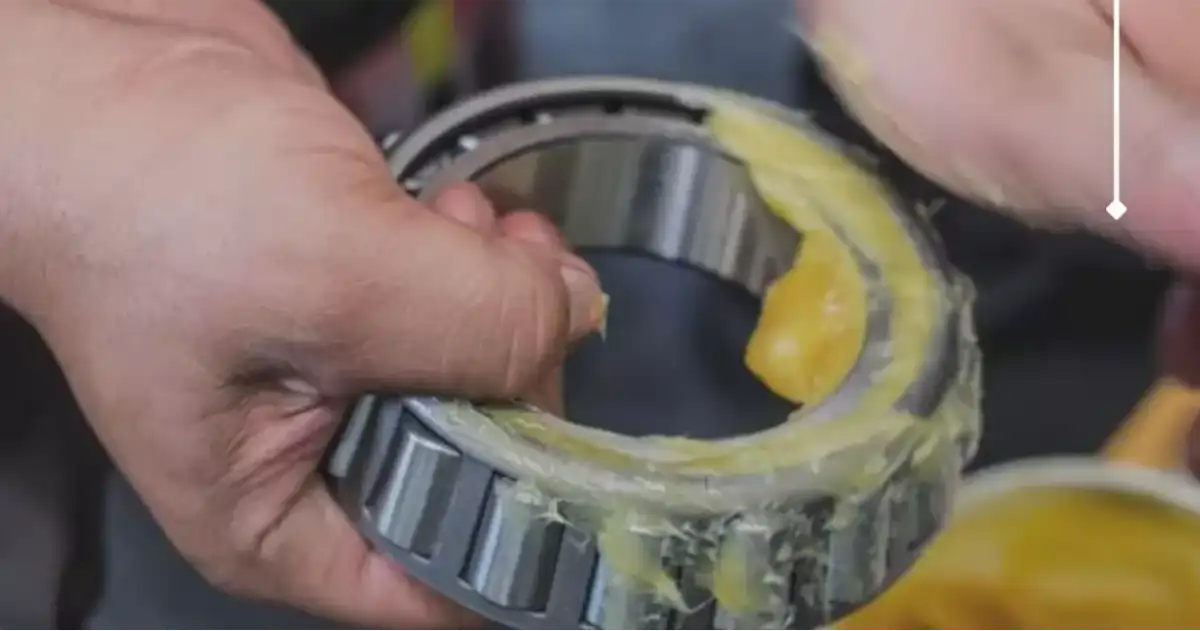
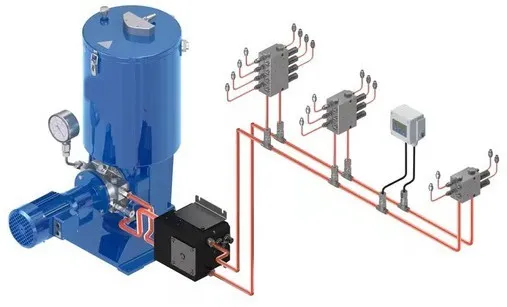
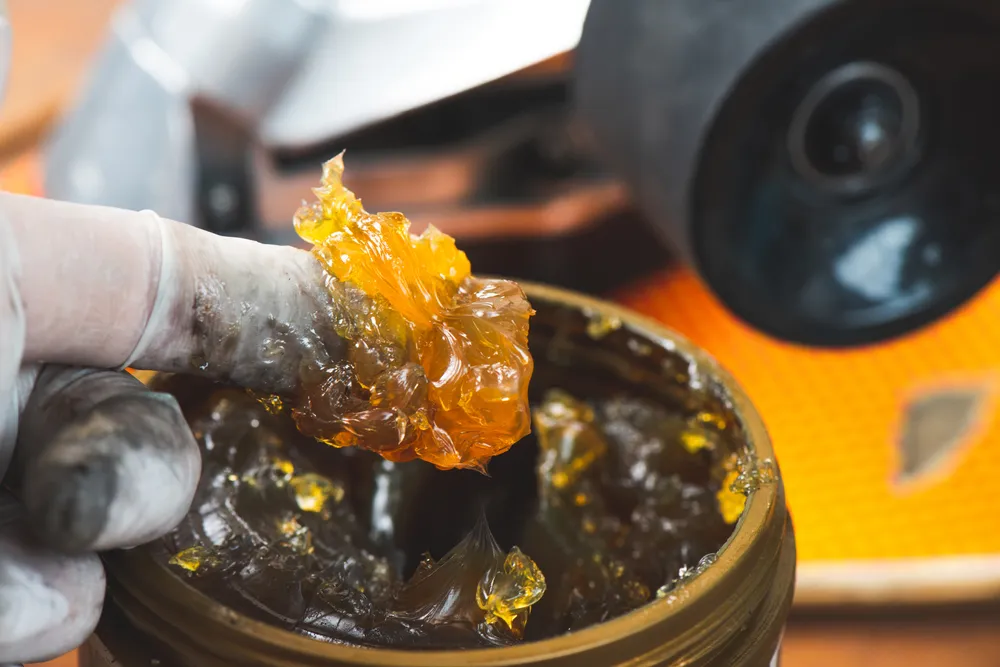
Not all greases are equal for hydraulic breakers. These tools demand high-performance lubricants that can withstand extreme pressure and temperature. Standard general-purpose grease usually lacks the necessary additives and will break down quickly. Instead, use a grease formulated for heavy-duty impact use: typically a high-temperature, extreme-pressure (EP) molybdenum (moly) grease or chisel paste. These products contain solid lubricants (like moly-disulfide) and have dropping points well above 150 °C. Rock breakers with centralized lubrication systems use softer greases (NLGI 1–2) for easy flow, while manually greased breakers rely on thicker grades (NLGI 2) for better adhesion and wear protection.
S T E P - B Y - S T E P G U I D E T O G R E A S I N G A R O C K B R E A K E R
Gather tools and follow safety precautions. Use a clean, high-pressure grease gun. Wear gloves and eye protection to avoid skin contact or splatter. Park the carrier (excavator) on level ground, shut off the engine and secure the breaker in a vertical position (tool pointing down) for proper greasing
Clean old grease and debris. Before applying new grease, wipe away any caked-on grease or dirt from the tool and bushing area. Debris left on the tool can contaminate fresh grease and accelerate wear.
Position the tool for greasing. With the hammer vertical and the tool resting on the ground or a solid base, apply slight pressure with the carrier’s hydraulics so the piston and tool are slightly retracted inside the breaker housing. This creates room to pump grease into the bushings.
Apply grease until it overflows. Attach the grease gun to the breaker’s grease nipple (usually on the hammer body). Pump grease steadily; you should see fresh grease “squeeze out” around the working tool and bushings. Continue until clean grease flows out, indicating the system is full. Avoid over-pressurizing – a steady flow means proper filling.
Wipe up excess and inspect. After greasing, wipe off any excess lubricant to prevent attracting dust. Inspect the tool, bushings and seals for wear. Replace any worn parts promptly.
Observe for signs needing immediate greasing. During operation, watch for symptoms that indicate low lubrication. If the breaker sounds louder or vibrates more than usual, if you see any metallic grinding noises, or if the interior of the breaker’s head looks shiny and dry, grease it immediately. A shiny, polished look on the tool or bushing means grease has been wiped away by contact – add fresh lubricant right away.


































![Gear Drive Lubricant Selection [Gearbox Lubricants]](https://mosil.com/assets/uploads/blog/blog_1788344519_6a97f8c75d604.webp)



![The Ultimate Guide To Grease Thickeners [Thickening Agents]](https://mosil.com/assets/uploads/blog/blog_1754991852_689b0cec60a8a.jpg)