

Whether it's heavy-duty industrial equipment or the machines you use every day, getting the right amount of lubrication is vital for smooth operation and long-lasting performance. But watch out - too much or too little lubrication can spell trouble. In this blog, we’ll dive into the common problems caused by over and under- lubrication, offer practical solutions and explore the best methods for applying lubricants.
Over-Lubrication: A Common Industrial Lubrication Mistake and Its Consequences
Over-lubrication is associated with wrong maintenance practices. Here are some common issues encountered by machineries due to excessive lubricant application:
Increased Frictional Drag and Heat Generation :
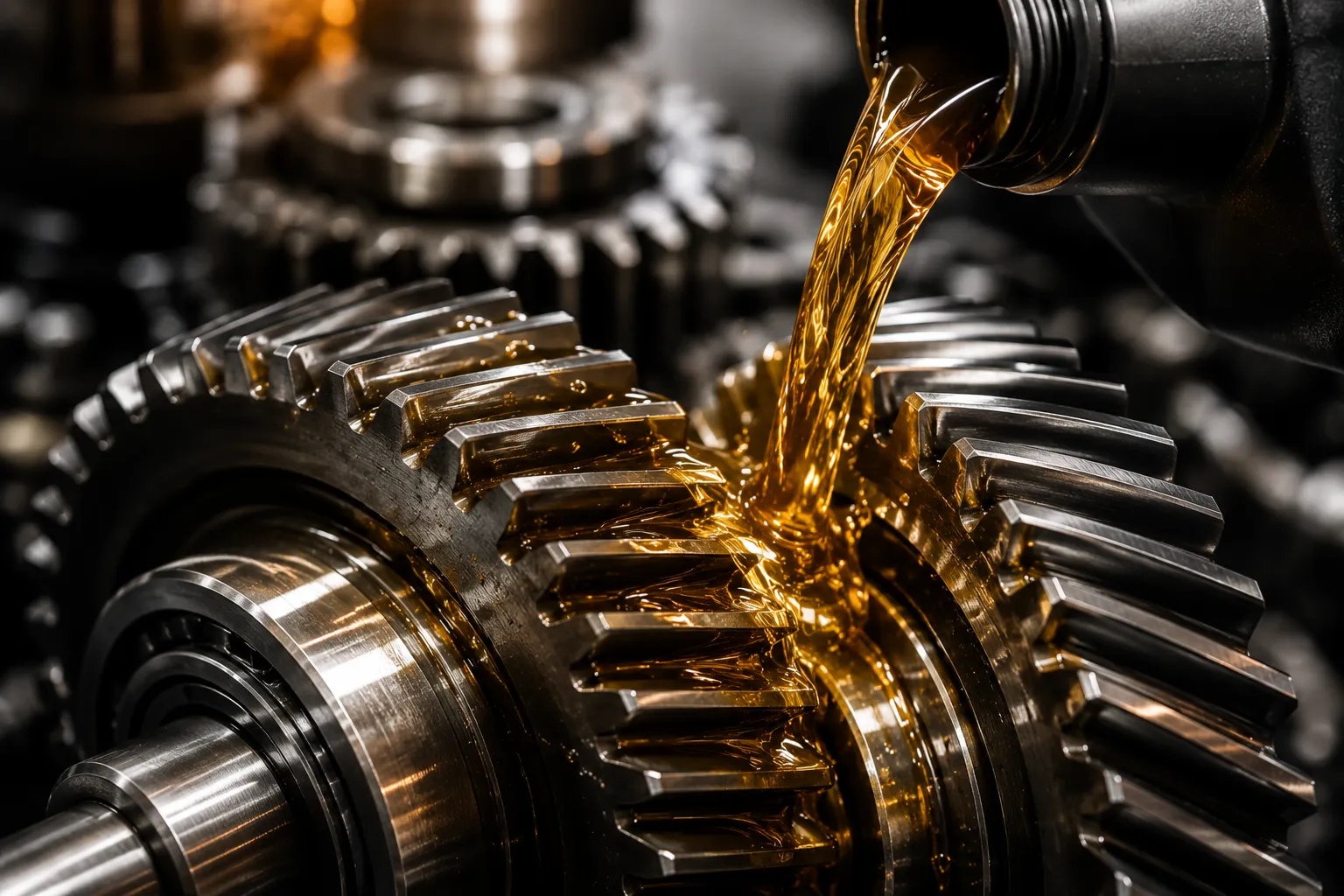
The lubricant in excess may form a thicker film than necessary, causing frictional drag and churning losses. This may impede smooth operation of the moving parts leading to increased energy consumption and excessive heat generation. This heat can cause thermal degradation of the lubricant, reducing its effectiveness.
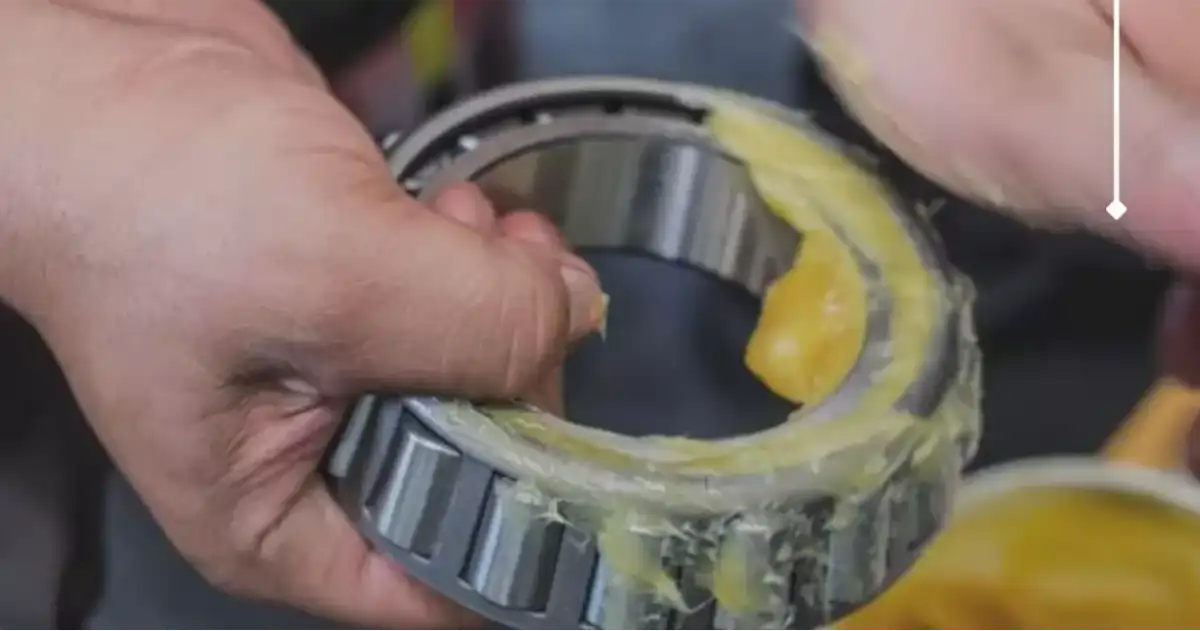
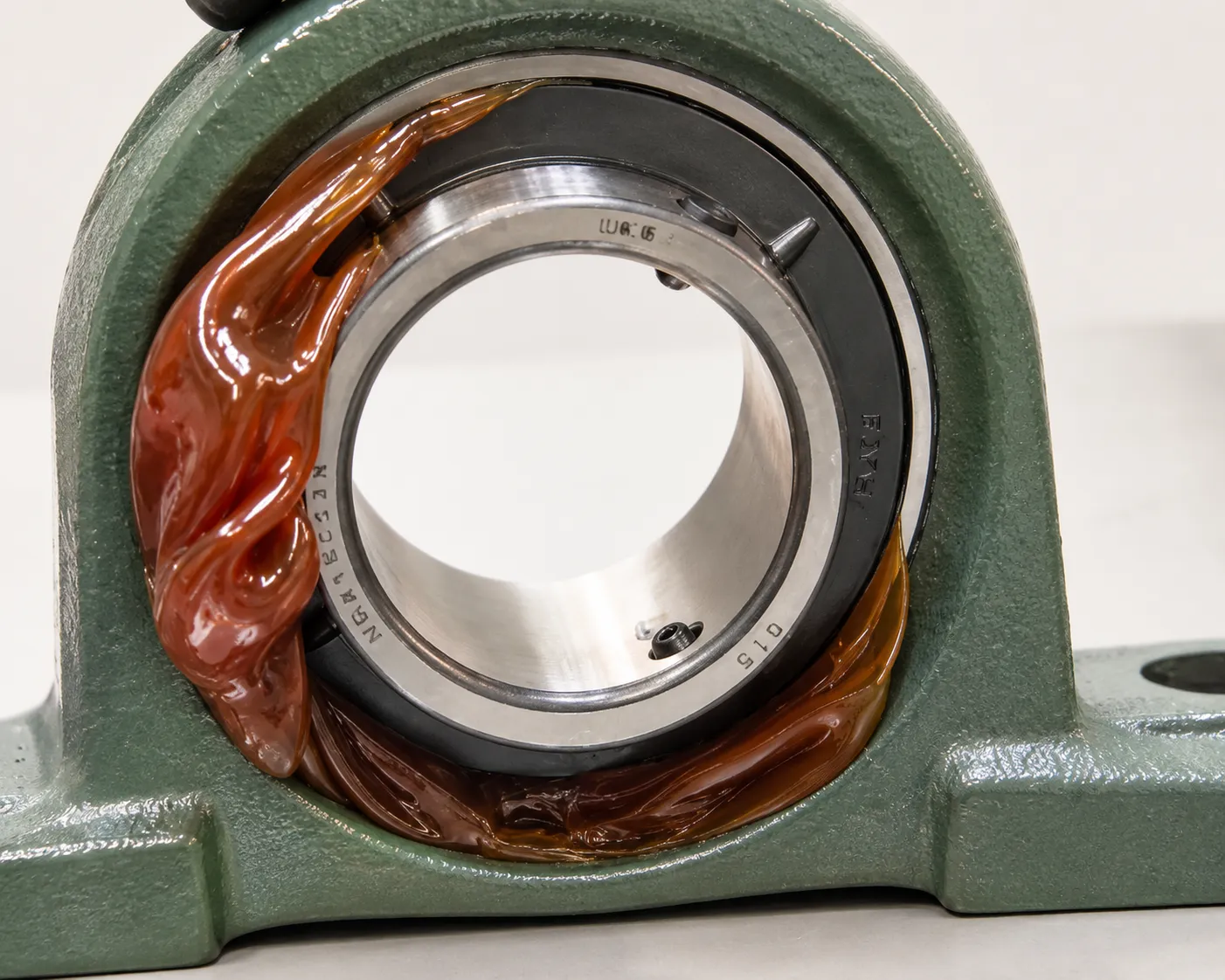
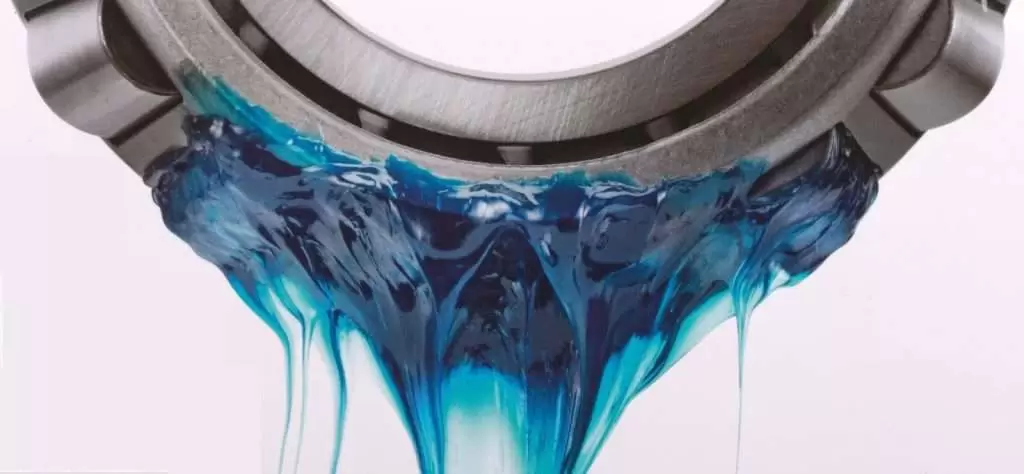
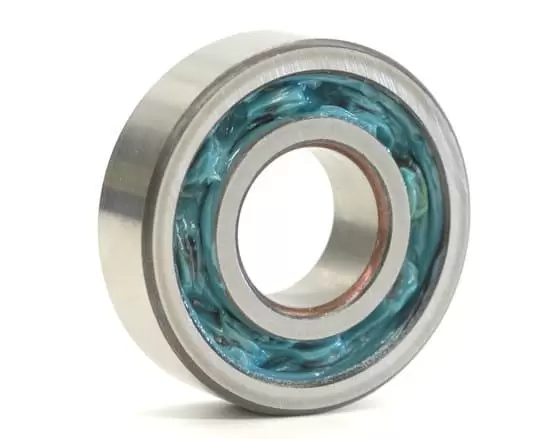
In grease lubricated bearings, thermal degradation due to overgreasing may cause oxidation leading to hardening of the grease.
Seal Damage and Contamination:
Excess lubricant can put pressure on seals, causing them to break or wear out prematurely. This damage can result in leaks and further contamination issues like contamination of the lubricant itself and the surrounding machinery.
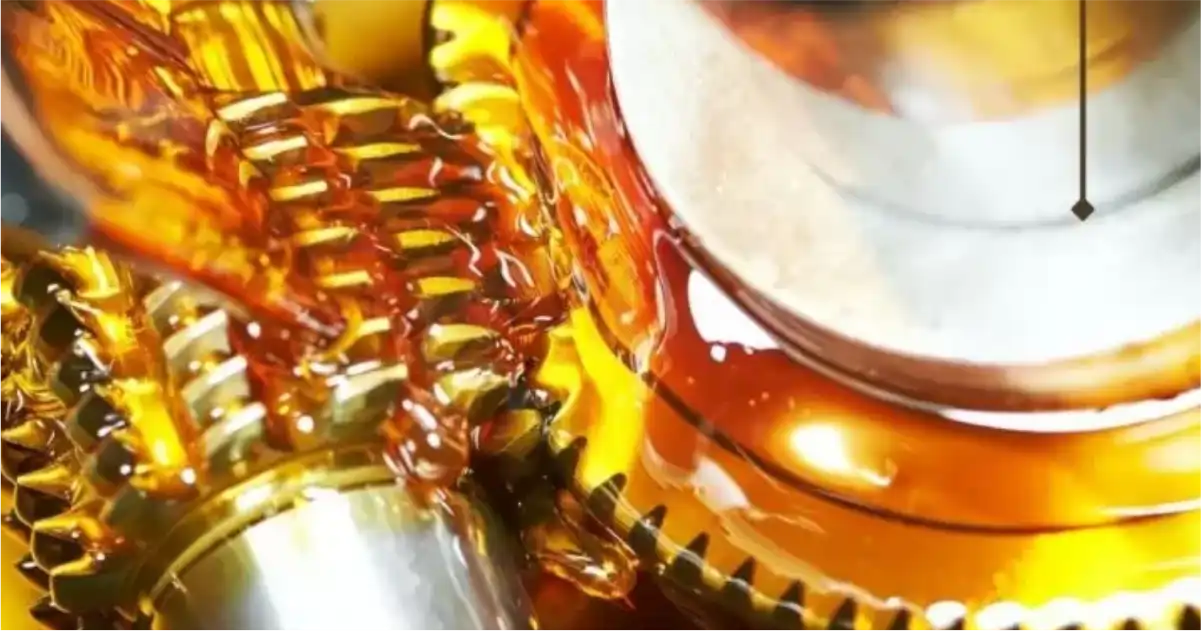
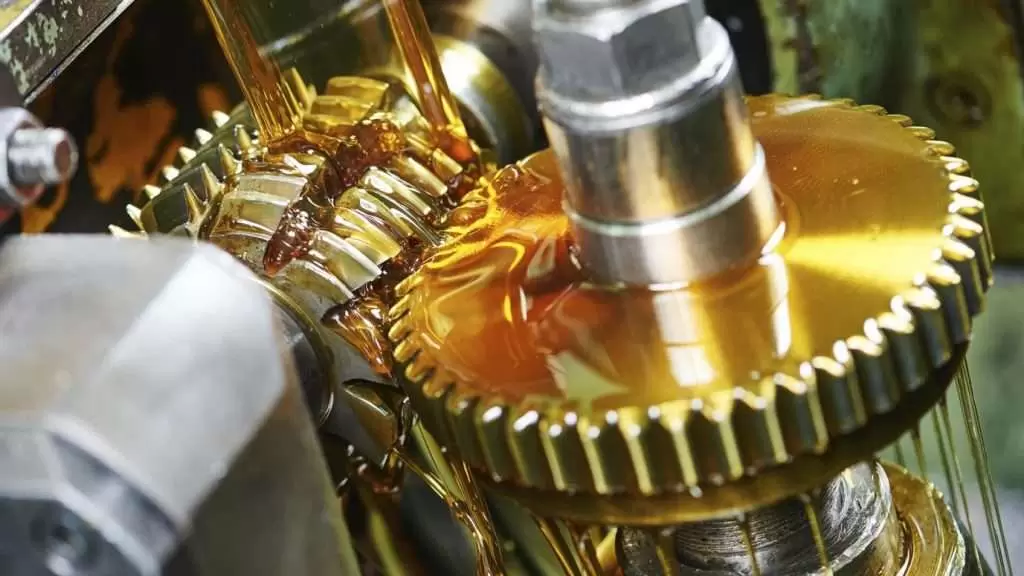
In Oil lubricated equipment like gearbox, there would be overflow of the oil once it operate in it’s full capacity. This oil leakage can result in messy work environments and potential safety hazards, as well as the need for frequent maintenance and clean-up.
Increased Maintenance Costs :
Using more lubricant than necessary can result in increased lubricant consumption cost. Frequent refills, clean-ups, and potential repairs due to leakage or contamination can add up, making overlubrication an expensive mistake.
Under-lubrication : Insufficient Lubrication Causes Severe Damages
Under-lubrication can cause lubricant starvation on the moving surfaces leading to even more machinery damages than overlubrication.
Increased Friction and Wear :
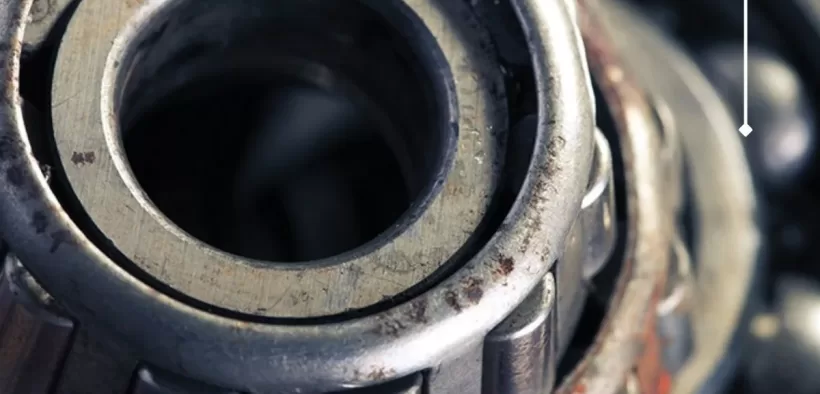
Without sufficient lubricant film, parts rub against each other, leading to increased friction (metal to metal) and wear of the moving surfaces. This causes premature failure of components.
Whether it’s grease or oil, insfficient lubrication is one of the primary causes of excessive wear and tear of the machinery components.
Heat Buildup : Insufficient lubrication means that parts are not properly cooled. This inefficiency in cooling causes operating temperatures to rise leading to degradation of the lubricant itself.
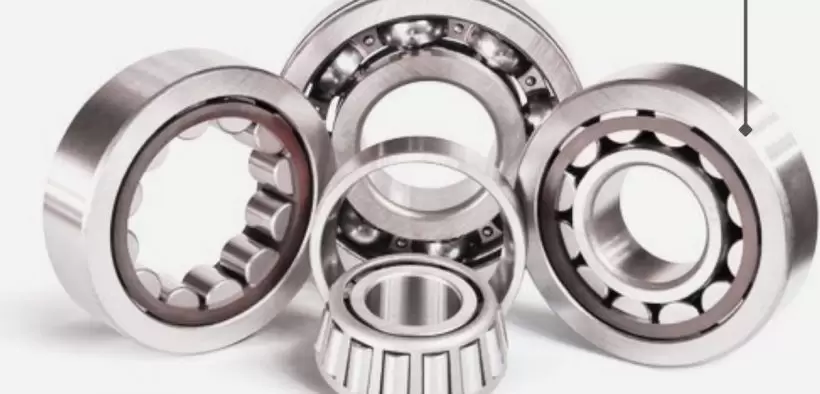
In grease lubricated components like bearings, there is no circulation system like oils to help heat to dessipate rapidly. Therefore, underlubrication can cause serious issues like hot spots on the bearings due to heat spikes. Also this heat can cause parts to expand and contract, leading to misalignment and further wear.
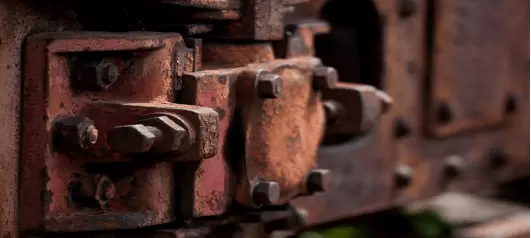
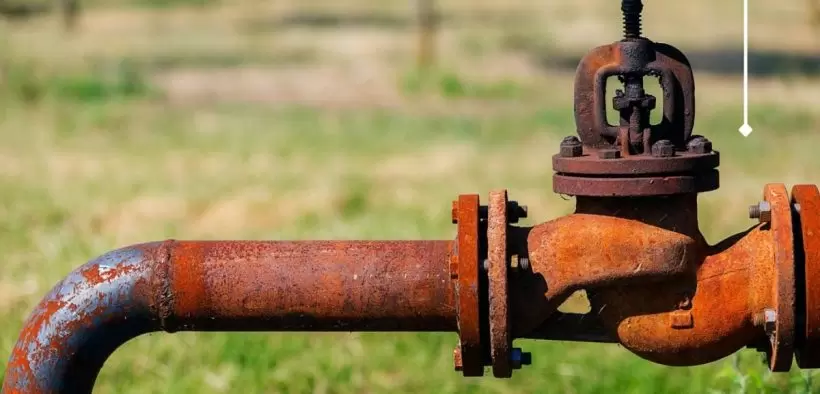
Corrosion : Lubricants often have anti-corrosive properties. Insufficient lubrication can leave metal parts exposed to moisture and air, leading to rust and corrosion.
Noise and Vibration : Under-lubricated machinery tends to be noisier and vibrates more, which can be a sign of imminent failure and also create an uncomfortable working environment.
How to Prevent Over-Lubrication and Under-lubrication ?
- Regular Lubrication Schedule : Implement a strict lubrication schedule to ensure that machinery is lubricated at regular intervals.
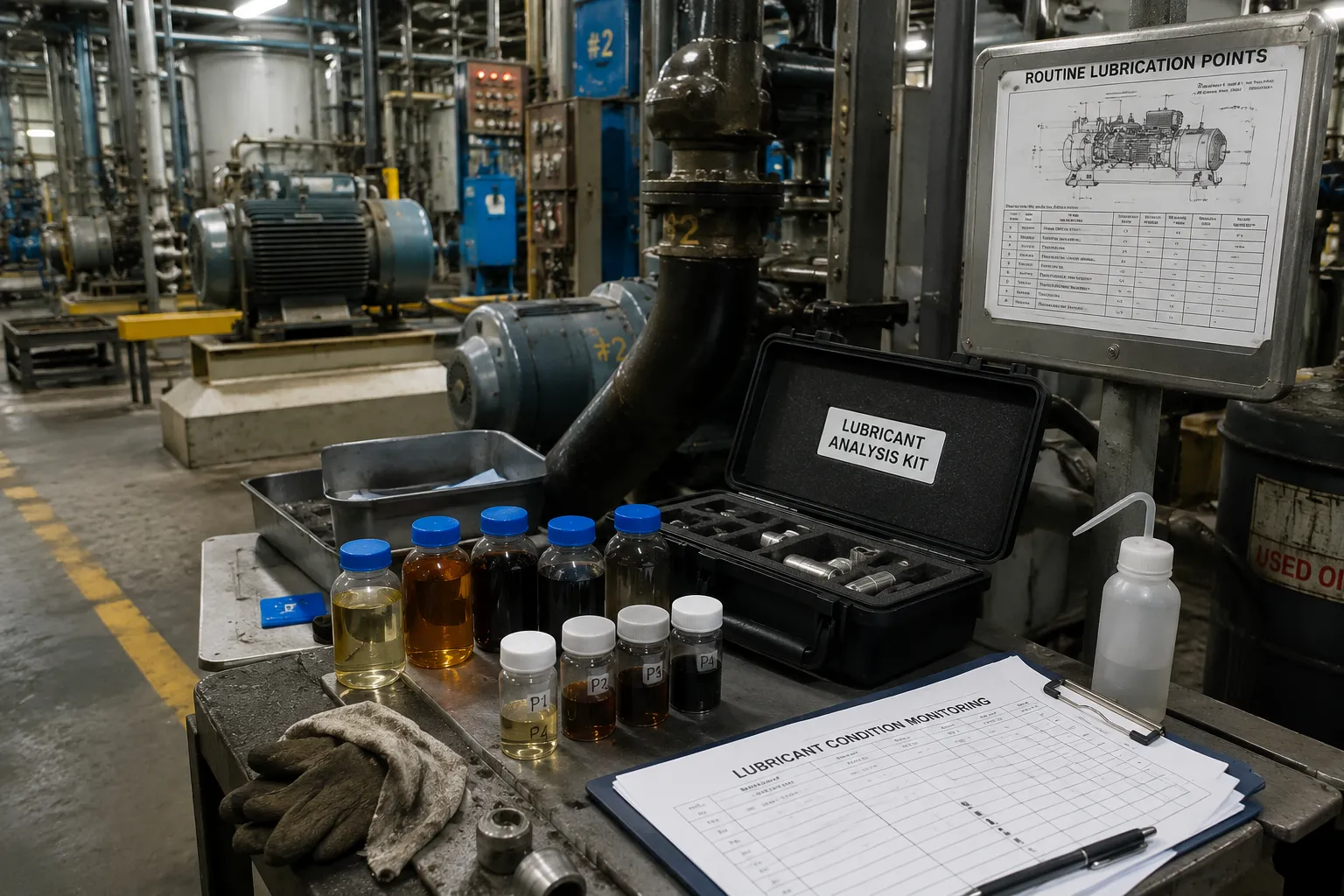
Condition Monitoring : Use condition monitoring tools to check the levels and condition of the lubricant. Techniques like oil analysis and vibration analysis can help detect under-lubrication early.
Use of High-Quality Lubricants : High-quality lubricants often last longer and provide better protection, reducing the risk of under-lubrication.
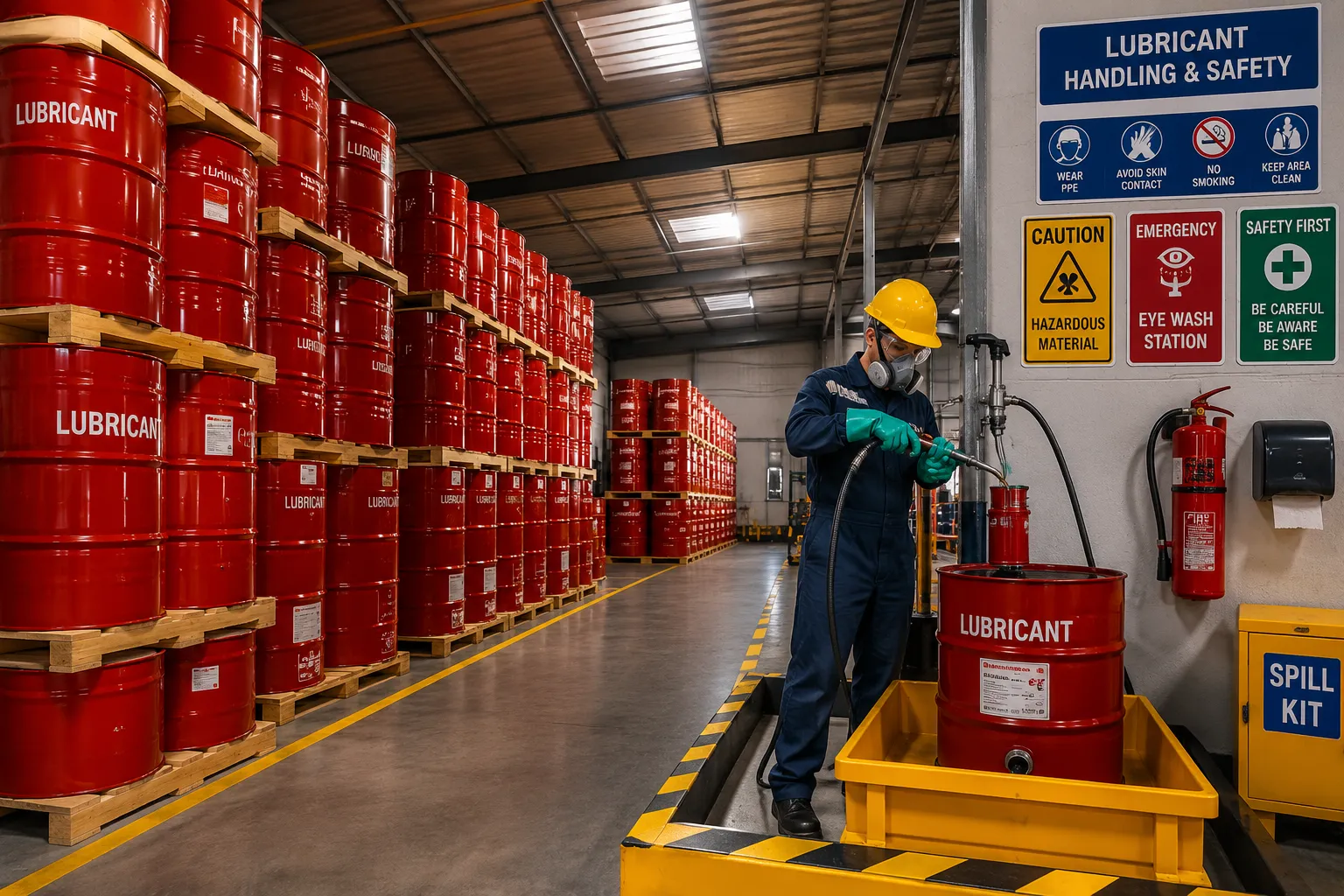
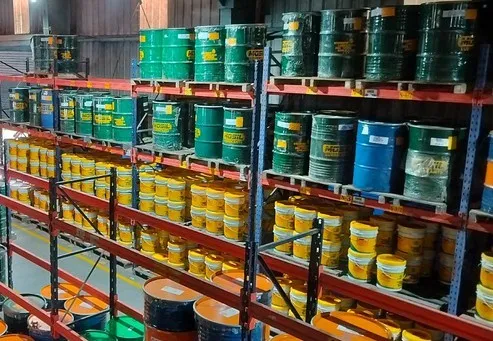
Adequate Storage and Handling : Ensure that lubricants are stored and handled properly to maintain their quality and effectiveness.
Proper Training : Ensure that maintenance personnel are adequately trained to understand the correct amount of lubricant needed for different parts of the machinery.
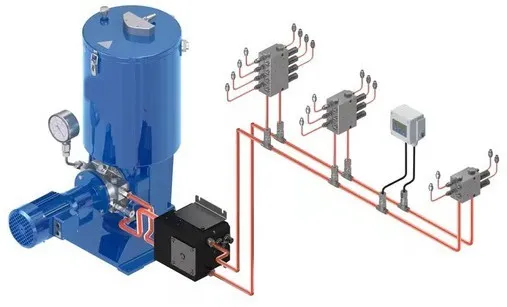
Use of Automatic Lubricators : Automatic lubricators can dispense the correct amount of lubricant at the right intervals, reducing the risk of human error.
Regular Inspections : Conduct regular inspections to identify signs of over-lubrication, such as grease leaking from seals, and adjust practices accordingly.
Correct Lubricant Specification : Use the right type of lubricant as recommended by the manufacturer. Sometimes, a lubricant with a different viscosity or formulation can prevent over-application.
Scheme for Bearing Greasing :
To maintain optimal bearing performance and prevent premature failure, it is essential to implement proper lubrication practices. The initial fill and relubrication processes are critical components of a comprehensive lubrication scheme, ensuring that bearings operate smoothly and efficiently throughout their service life.
Initial Fill Method
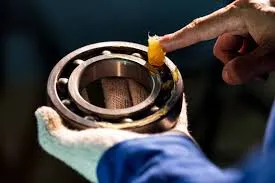
To ensure high operational reliability of a bearing, a consistent supply of lubricant is crucial. It is essential to follow the manufacturer's guidelines during initial greasing or re-greasing. The lubricant must be applied to cover all functional surfaces adequately. For slow-running bearings (DN value < 50,000), both the bearing and housing can be fully filled with grease. In contrast, high-speed bearings (DN value > 400,000) should be filled up to 1/4 of the free space inside the bearing. For bearings with intermediate speeds, filling up to 1/3 of the free space is recommended.
Relubrication Formula
Relubrication of grease is essential to maintain optimal performance and extend the lifespan of the equipment. Over time, grease can break down, become contaminated, or be displaced, leading to inadequate lubrication. If bearings are not relubricated at the appropriate intervals and with the correct amount of grease, they may experience increased friction, wear, and heat generation, which can cause premature failure.
To calculate the appropriate amount, following Formula can be used :
G = 0.005 * W * OD
Where G = Weight of the Grease grams OD = bearing outside diameter, mm W = bearing width, mm
Conclusion
Balancing the amount of lubrication is critical for the efficient operation of machinery. Over-lubrication and under-lubrication each bring their own sets of problems, but with the right practices and tools, these issues can be managed effectively. Understanding the different methods of lubricant application can further enhance the reliability and performance of your machinery. Regular training, proper maintenance schedules, and the use of appropriate tools and lubricants are key to achieving the right lubrication balance.





















![Gear Drive Lubricant Selection [Gearbox Lubricants]](https://mosil.com/assets/uploads/blog/blog_1788344519_6a97f8c75d604.webp)


![The Ultimate Guide To Grease Thickeners [Thickening Agents]](https://mosil.com/assets/uploads/blog/blog_1754991852_689b0cec60a8a.jpg)