

Visiting a customer for application based selling of industrial lubricants is not just about carrying a brochure and talking about products. It requires a clear strategy, depending on whether it is your first visit or your fourth. In
industrial lubricants oils, greases, or specialty products, customer trust is built step by step.
Imagine this: You are a sales engineer visiting a steel plant for the first time. You’re carrying brochures, but in the back of your mind, you know the real success of this visit lies not in how well you present, but in how well you are prepared and listen. Here are 12 key points to keep in mind when preparing for and executing an effective and efficient customer visit in the lubricants industry:
Pre-Visit Preparation (Before entering customer’s premises)
Know Your Product Portfolio Inside Out
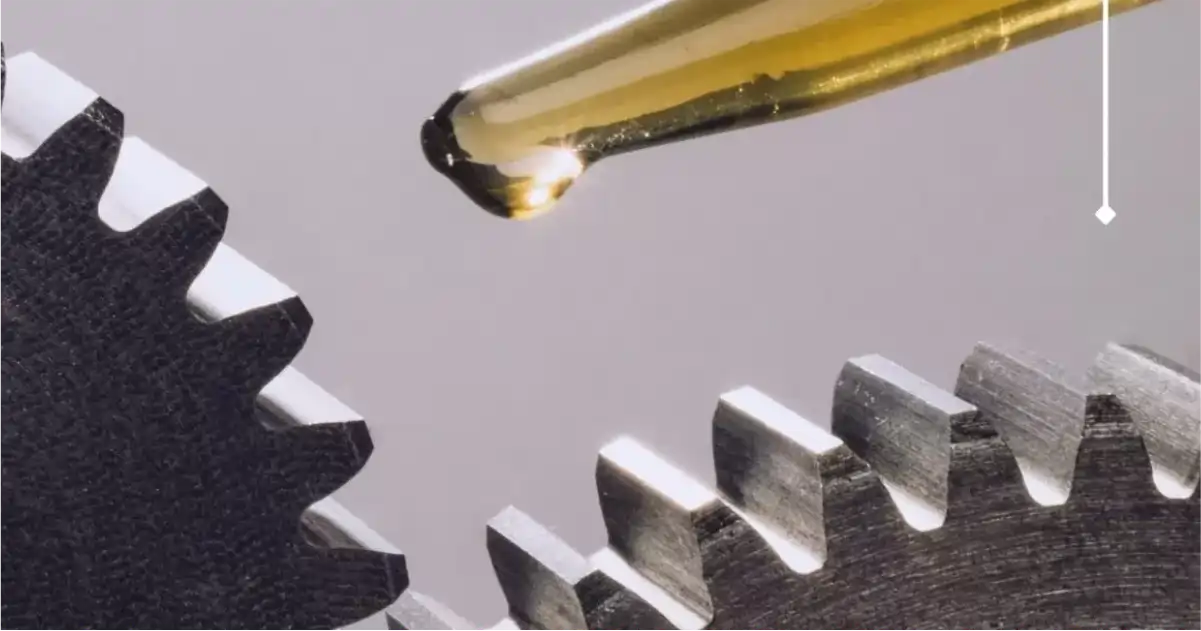
From industrial hydraulic oil, Industrial gear oil, to specialty lubricants (high temp, food grade, EP type), have a clear picture of what your company offers and where each product fits.
Study the Documents in Advance
Be thorough with your company profile, prepare a short but impactful presentation and be ready with the product’s key technical data. Also carry the right supporting documents like product brochures, TDS, case studies, industry approvals, and certifications—these build credibility.
Understand the Customer’s Lubricant Requirement Area
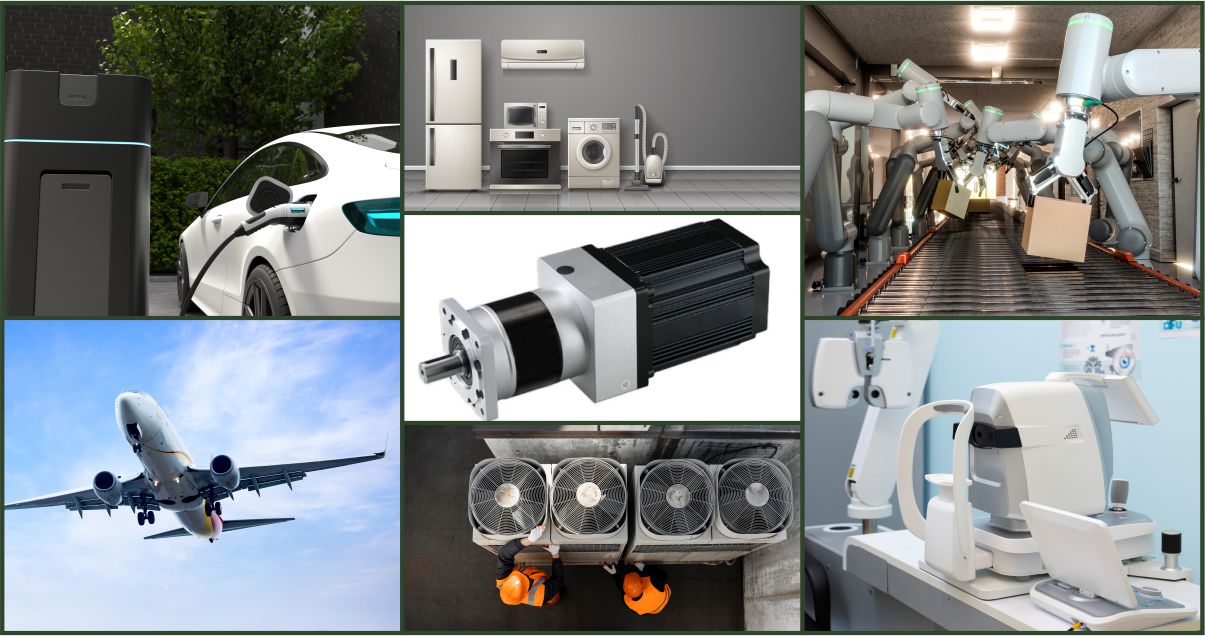
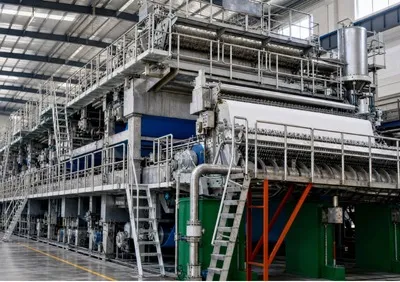
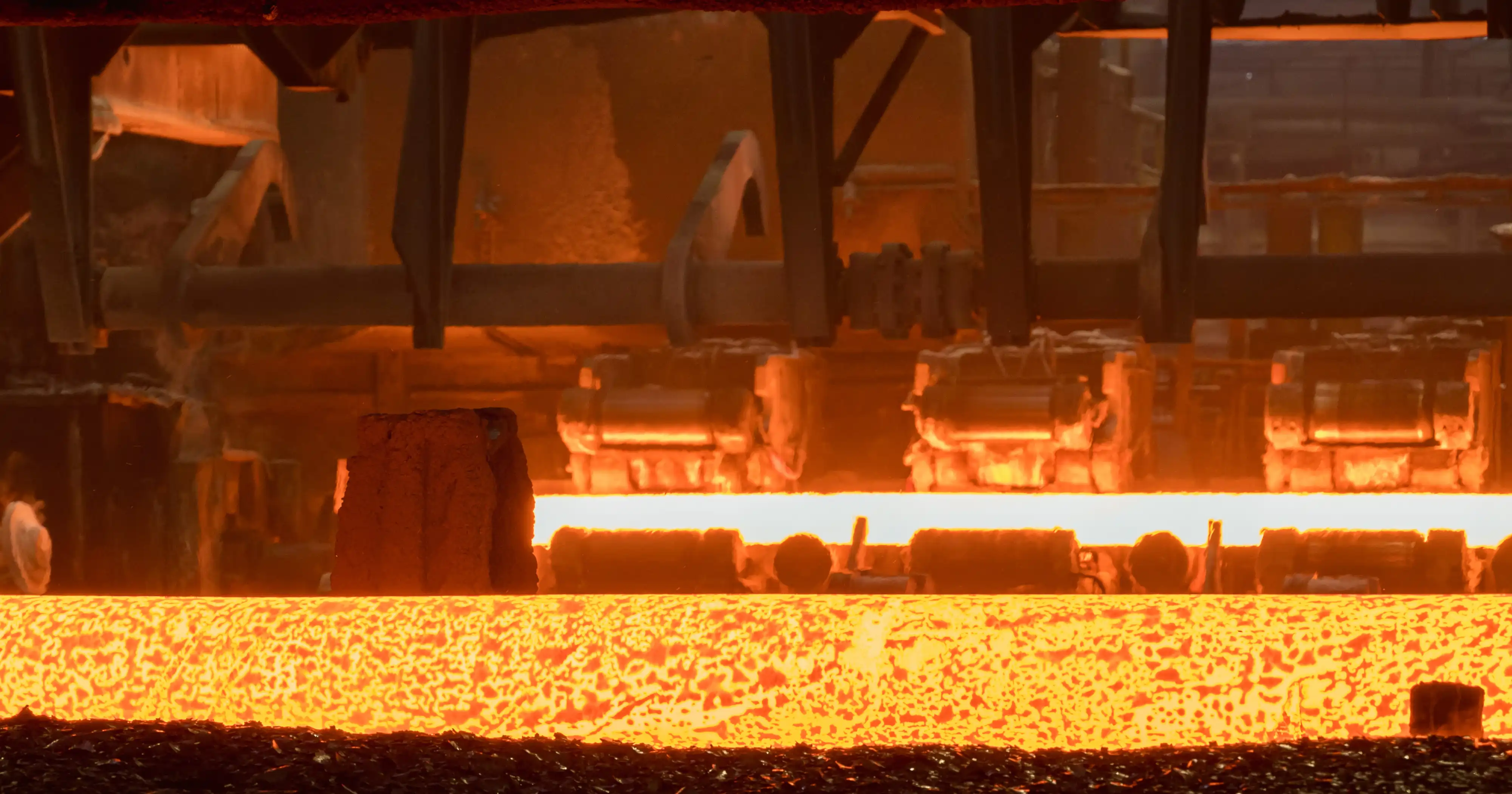
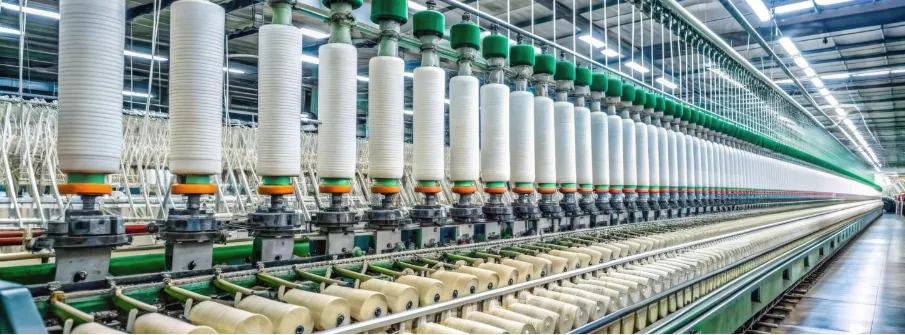
Every industry has different lubrication demands. Steel plants need high-temp greases, textile units focus on non-staining oils, Paper industry requires water-resistant greases, food industries require NSF-approved lubricants and and many plants use synthetic gear oils for heavy machinery. Tailor your approach to their segment.
Be Prepared With Competitor Information
When you walk into a customer’s site, remember: they are already using some lubricant, and that product belongs to your competitor. To know what the competitor is supplying, their USP (price, approvals, service) helps you shift the conversation toward your strengths instead of bad-mouthing them. e.g., If you know competitors have approvals and you don’t, you can focus your approach on local support and successful case studies etc.
At the Customer Site - From the Right Contact to effective Conversation
Identify the Right Decision Maker
Lubricant decisions involve end-users, maintenance, purchase and management. Identify the key decision maker even if you first meet the maintenance engineer, note other influencers like purchase or plant head for future visits.
Map Customer Pain Points
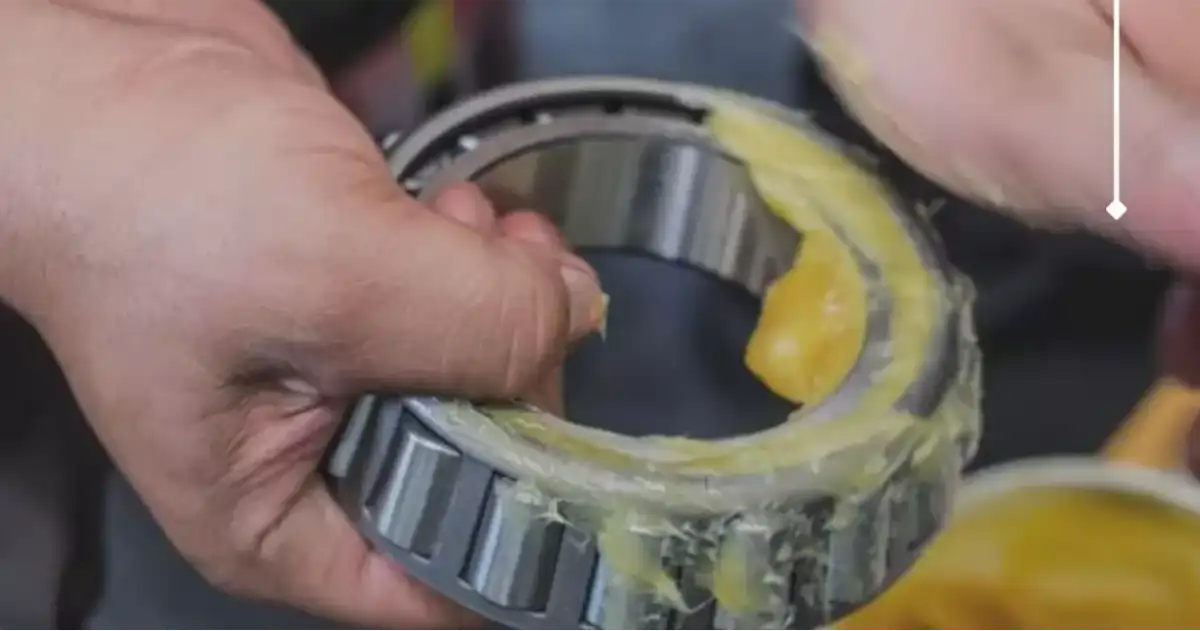
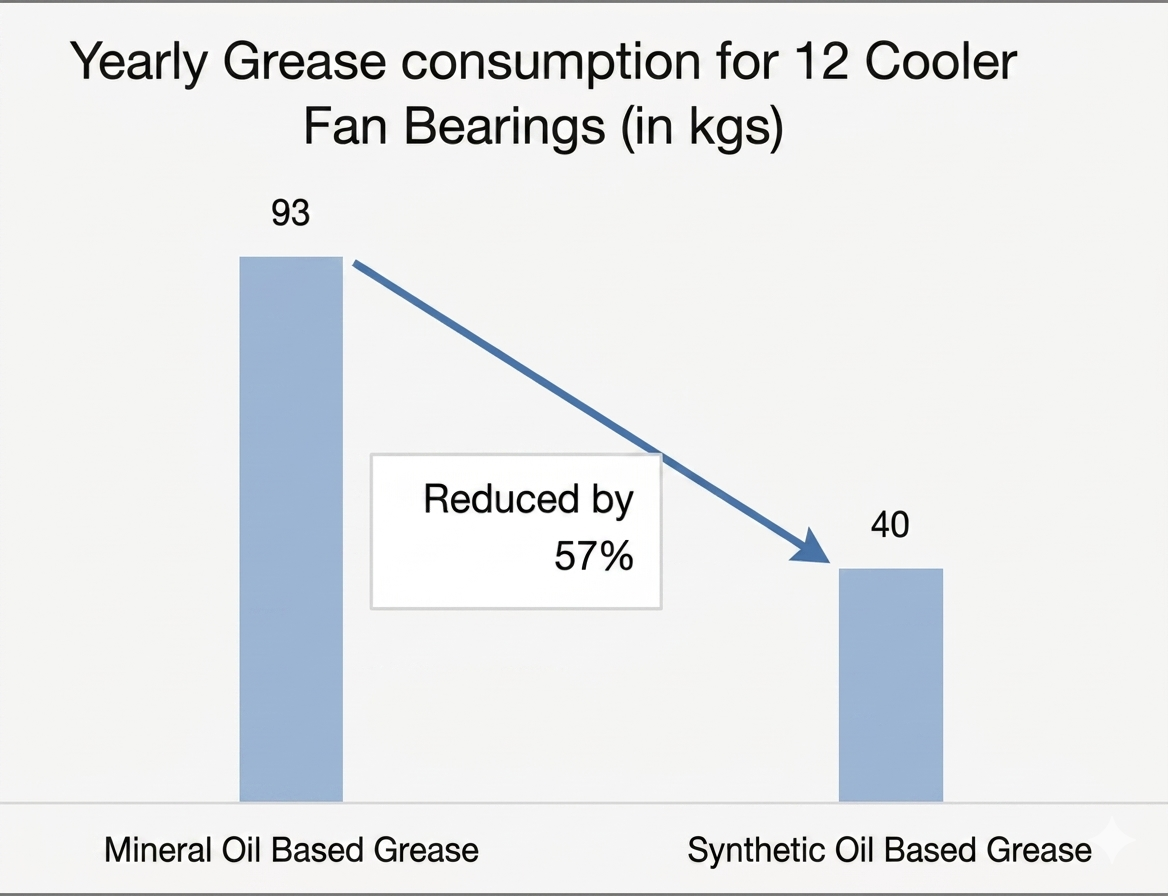
Customers are not looking for just oil or grease; they are looking for solutions to problems like high consumption, leakages, frequent breakdowns or high operating costs. Listen carefully before suggesting. eg. The engineer complains about frequent bearing failures and excessive grease consumption. You don’t pitch yet—you listen carefully. This is the real problem you need to solve.
Ask questions in customer’s language, customer will open up!
If you ask in your language, answers stay short. Your questions should be like, “Does it feel too frequent to you re-greasing bearings in critical machines?”, “Do you feel bearings are lasting as long as they should or are you facing unexpected breakdowns?”, “Do you feel there are some areas where your lubricant could perform better?”
These type of questions gently steers the customer toward value-based discussion.
Speak the Customer’s Language : Keep Technical & Commercial Balance
Don’t overload them with chemical jargon unless they ask for it. Instead, talk about benefits like longer bearing life, energy savings or extended oil drain interval. Some customers want to know product properties in detail, while others care only about price and supply security. Balance your discussion depending on who is in front of you.
Value Presentation, Visit Closure & Future Planning
Focus on Value Creation
In your product presentation, highlight how your lubricant solution can reduce downtime, extend equipment life, or cut overall operating costs. Customers rarely buy “lubricants”; they buy performance and reliability.
Learn to handle resistance
Customer resistance is very real in lubricant sales. It usually comes in the form of “ifs, buts, and howevers” e.g. “But your price is higher.”, “If your grease fails, production loss is huge.”, “However, we’ve been using this brand for 10 years without issue.”
Acknowledge their concern without arguing. Respond with facts, case studies, or trials. Reframe the discussion back to value, reliability, and long-term savings.
Build Trust Through Knowledge, Not Pressure
Customers respect sales engineers who understand lubrication science and provide solutions rather than just pushing sales. Build trust steadily, visit after visit.
Always Leave a Hook for the Next Visit
End the meeting with something that creates continuity - like sharing a technical paper next time, arranging a trial, or scheduling a seminar or presentation for thier team. This ensures the customer expects your return.
From the first handshake to the final deal, success in the lubricants business depends on thorough preparation, value creation and building trust. If you implement these 12 important points, you won’t just sell industrial lubricants - you’ll build long-term partnerships.




































![Gear Drive Lubricant Selection [Gearbox Lubricants]](https://mosil.com/assets/uploads/blog/blog_1788344519_6a97f8c75d604.webp)




![The Ultimate Guide To Grease Thickeners [Thickening Agents]](https://mosil.com/assets/uploads/blog/blog_1754991852_689b0cec60a8a.jpg)