

Polyalkylene Glycols (PAGs) have rapidly moved from niche synthetic lubricants to critical enablers of modern machinery performance. Their unique molecular structure gives them capabilities that traditional mineral oils, PAOs and esters simply cannot match—most notably, extremely low friction, excellent high-temperature stability, and remarkable resistance to sludge formation. However, one property drastically changes their behavior, compatibility and suitability across industries. That is to be either water-soluble or water-insoluble. This blog breaks down these two “faces” of PAG oil—helping you choose the right chemistry for your application.
The Chemistry Behind PAG Lubricants:
Unlike straight-chain hydrocarbons, PAG molecules contain oxygen atoms in the backbone. This gives them:
 High polarity → exceptional lubricity and load-carrying ability
  Strong resistance to varnish & deposit formation
Stable viscosity-temperature behaviour with viscosity index of 180 to 280 Natural detergency
Shear stability even under extreme mechanical stress
PAGs are produced by polymerizing alkylene oxides, primarily, ethylene oxide (EO) and propylene oxide (PO). The ratio, sequence, and “capping” of ethylene oxide (EO) and propylene oxide (PO) determine whether the polymer attracts water or repels water :
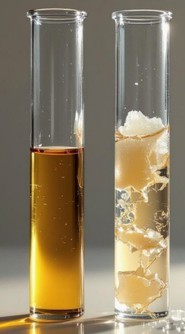
 High EO (Ethylene Oxide) Content - Hydrophilic - Water-soluble PAG
High PO (Propylene Oxide) content or capped PAGs - Hydrophobic - Water-insoluble PAG
Why PAG Oils Are Trending?
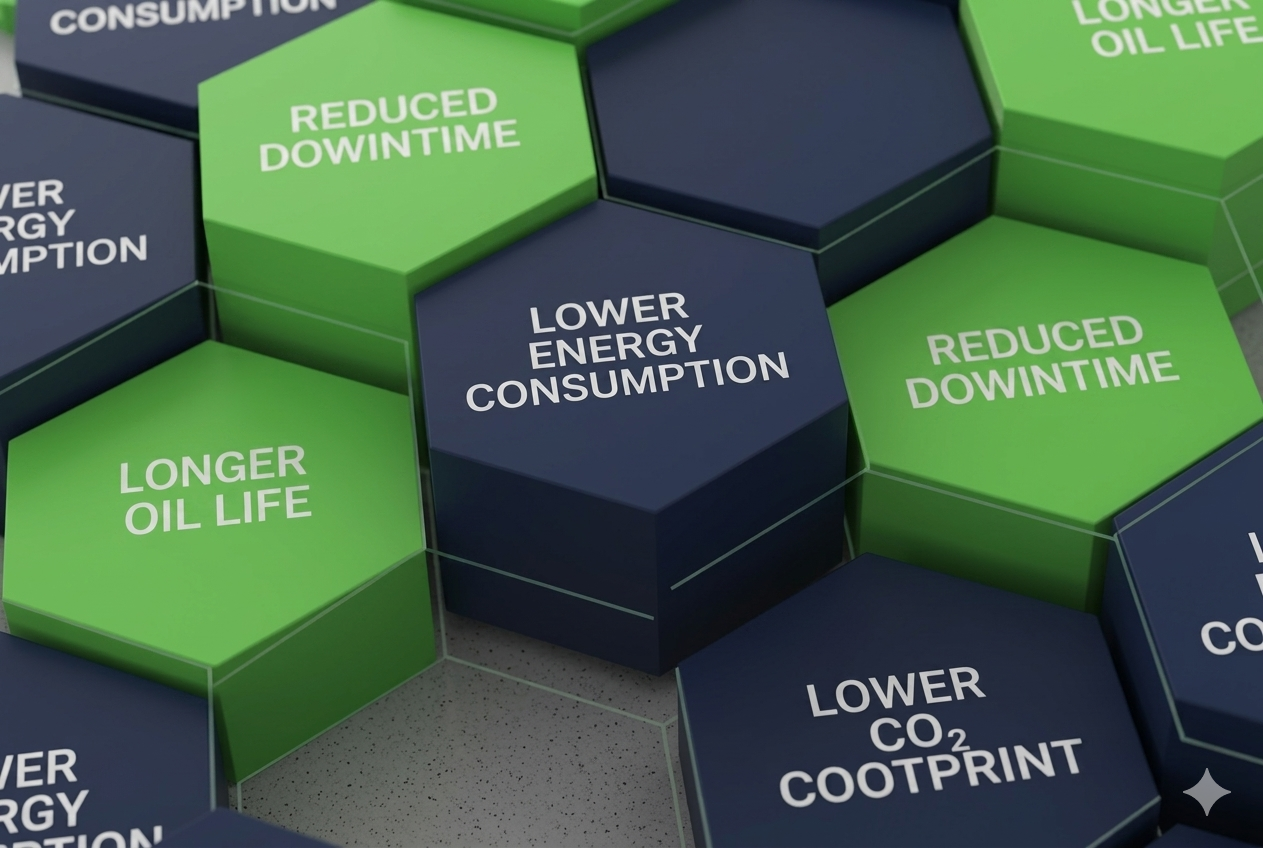
The industry is shifting strongly from mineral-based oils toward advanced synthetics and PAGs are at the center of this transformation because they offer :
Lower energy consumption Longer oil life
Cleaner machinery Reduced downtime Lower CO₂ footprint
🔹 How to Select the Right PAG Oil?
Choose Water-Soluble PAG if :
Cooling is more important than hydrodynamic film thickness Fire safety is a requirement
 Cleanliness and low deposits are critical
The system has water contamination or needs detergent-like action
For example : Fire-resistant hydraulics, Textile quenching operations, Water-compatible compressors, Water-extended cutting & forming fluids, High-speed cooling applications
Choose Water-Insoluble PAG if :
You need a high-performance alternative to mineral or PAO oils
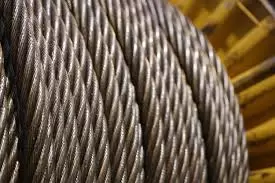
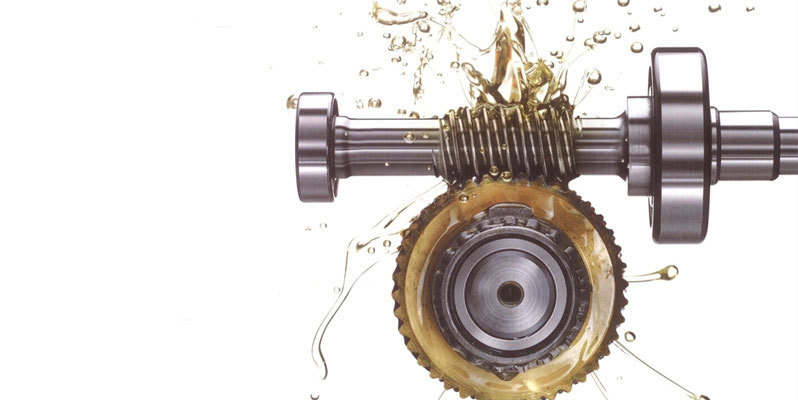
You operate worm gears, screw compressors or high-temp chains You want long oil life and minimal oxidation
You seek energy reduction through low traction chemistry
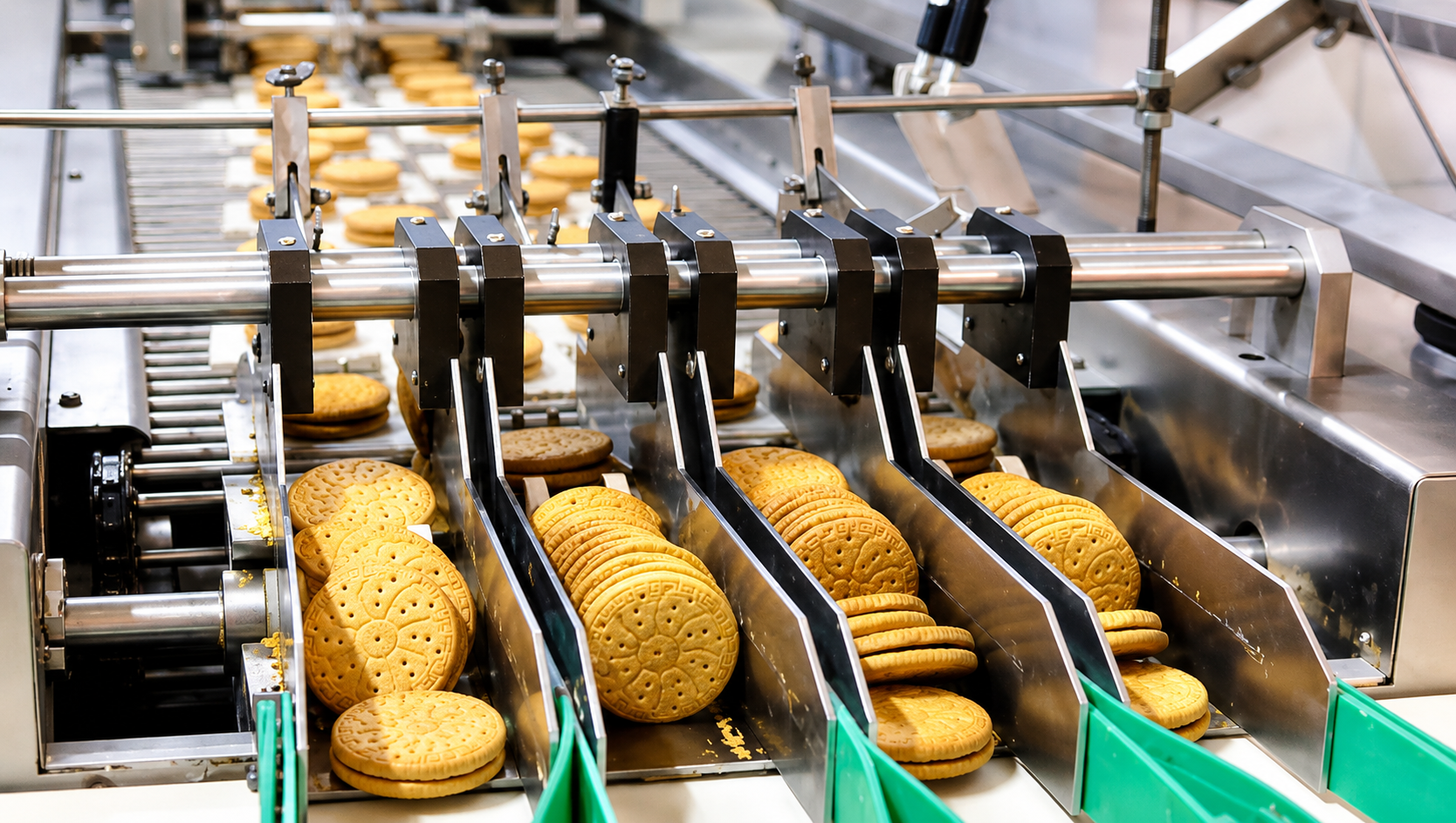
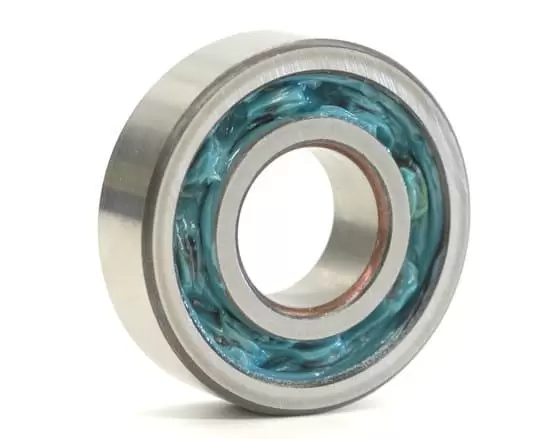
For Example : Worm and helical gear drives, Industrial compressors, Oven chains, Food machinery (NSF grade PAGs), Bearings in humid or wet environments, Long-service-life synthetic lubrication setups,
🔹 Selecting Water-Soluble vs Water-Insoluble PAGs for Gearbox Types:
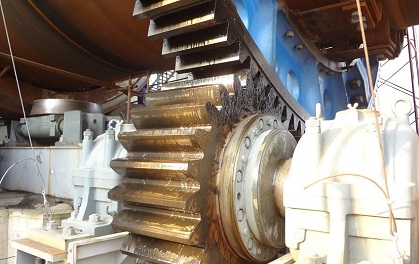
When selecting an industrial gear oil for gearboxes, the choice between water-soluble and water-insoluble PAGs depends heavily on gear geometry, load pattern, operating temperature, and potential exposure to moisture.
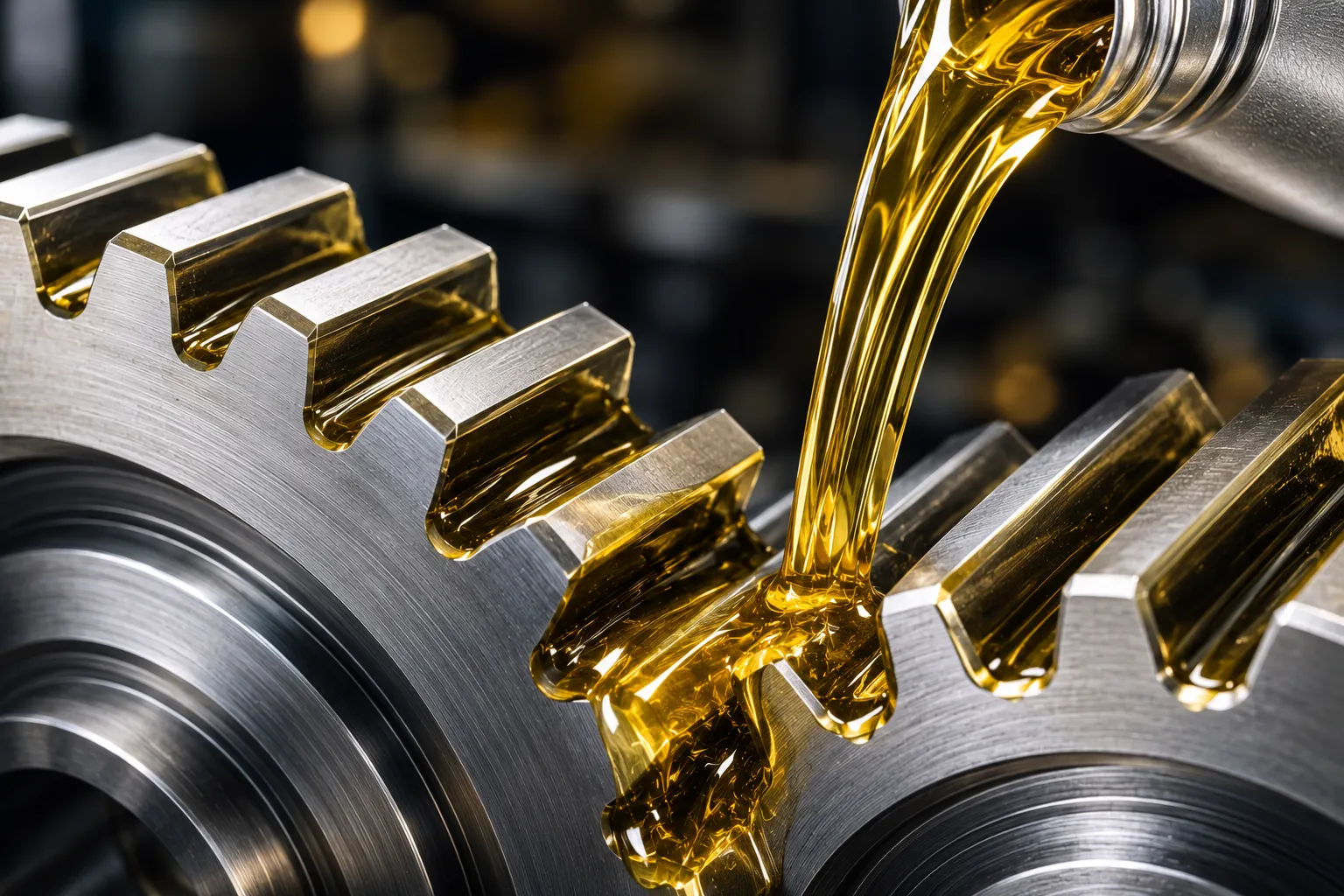
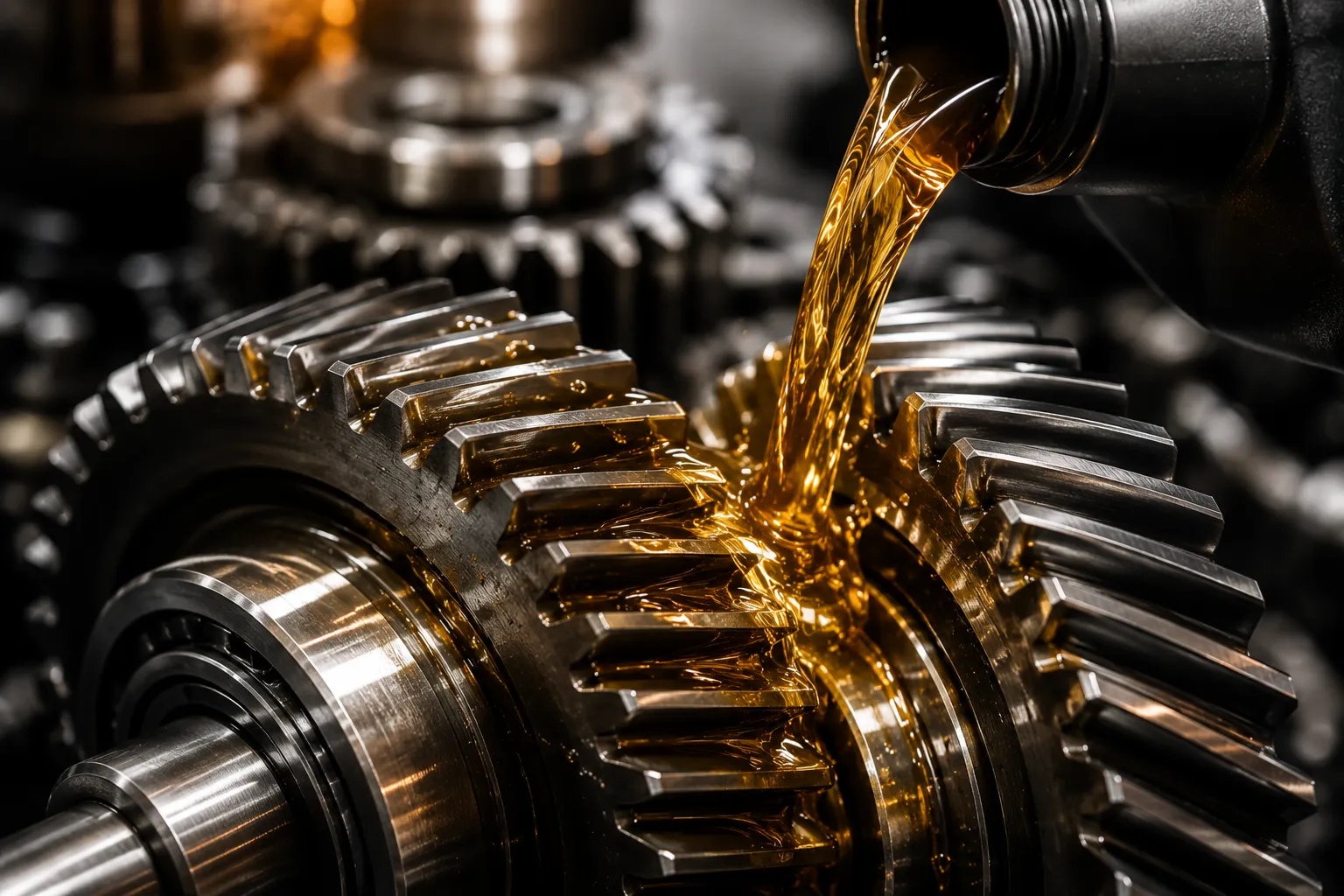
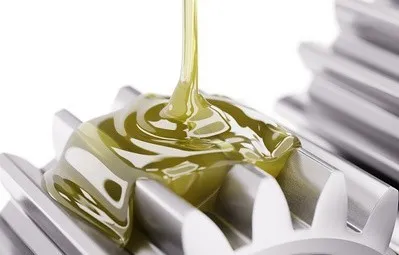
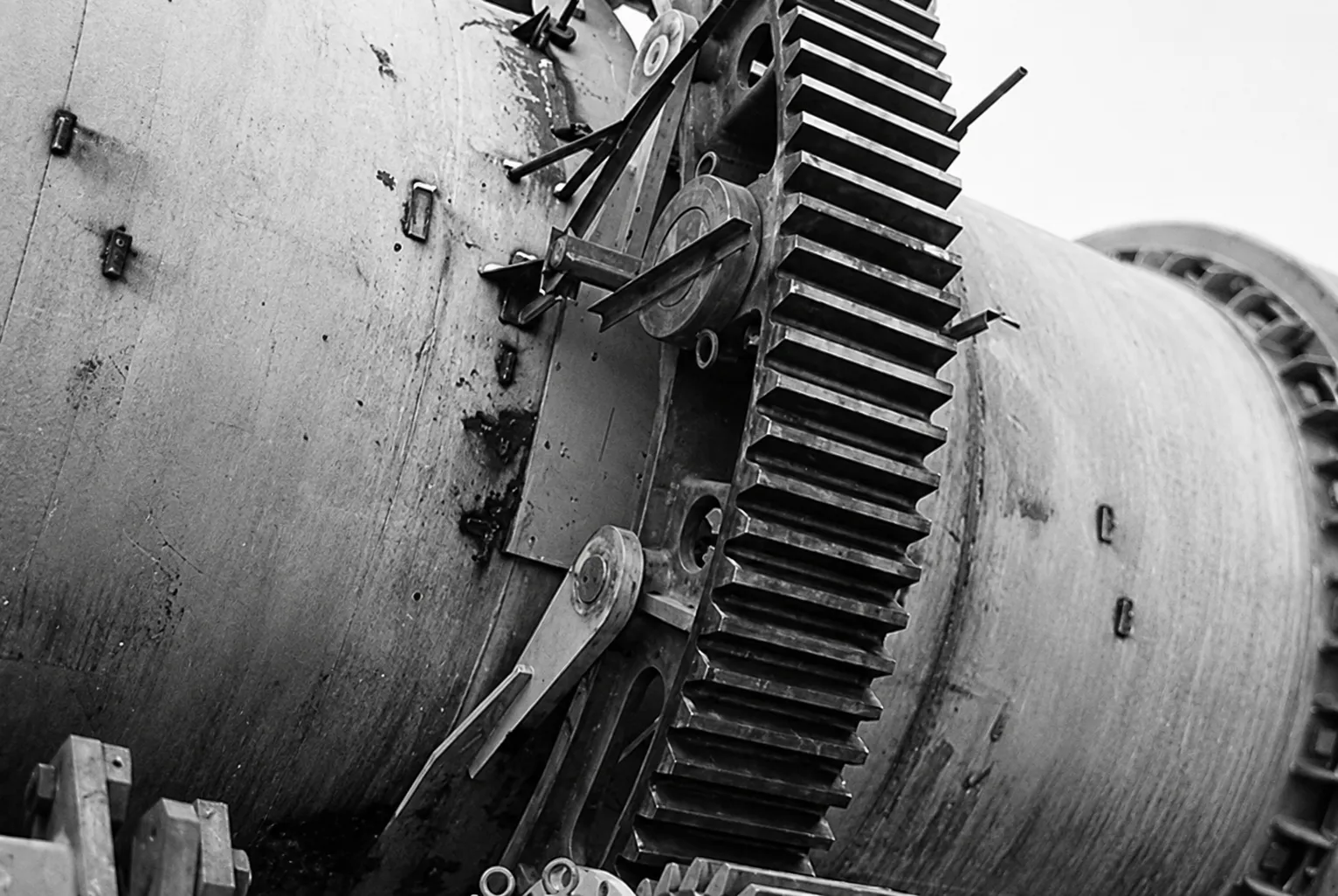
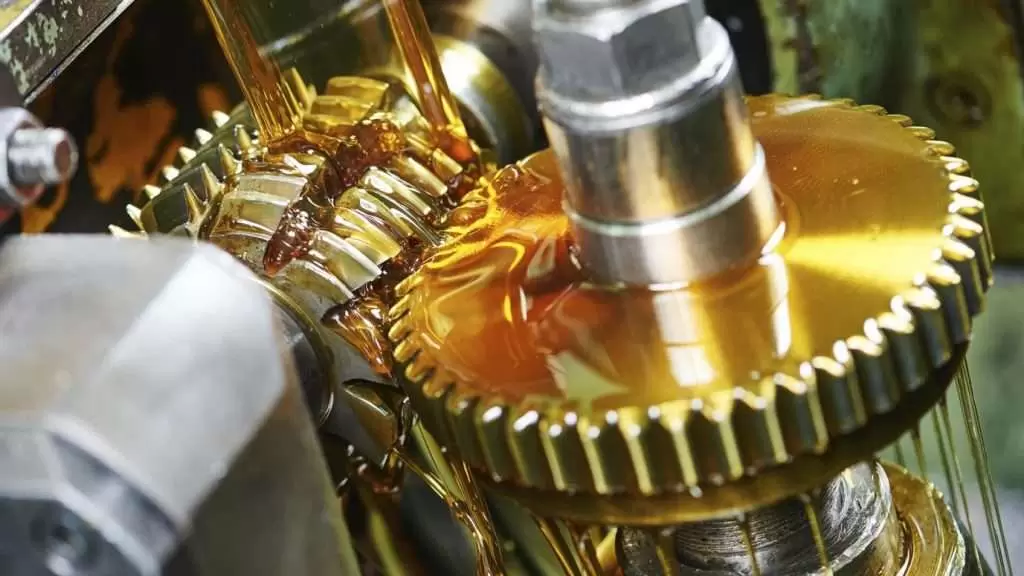
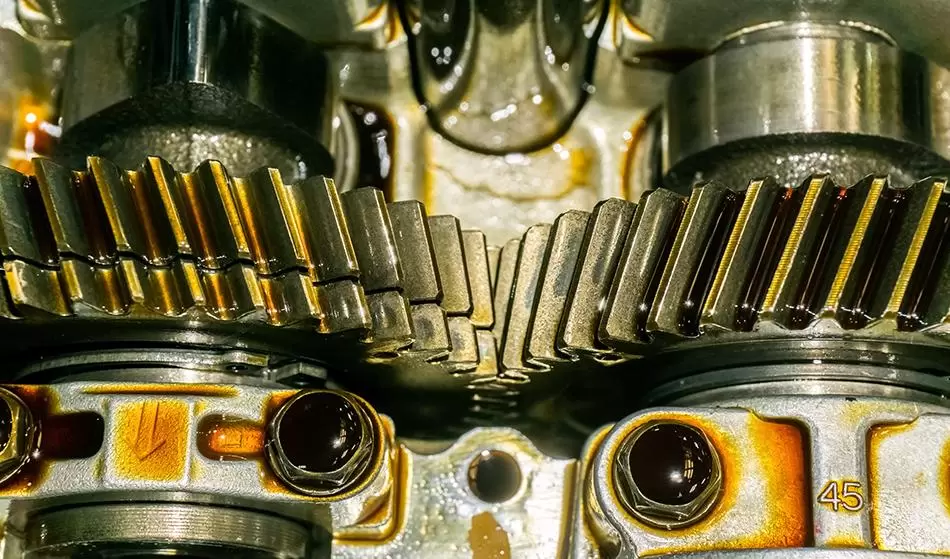
Water-insoluble PAG-based industrial gear oils, particularly PO-rich or capped PAG formulations, are the preferred choice for most enclosed gear systems. Their exceptionally low traction coefficient makes them ideal for worm gears, helical gears, spur gears, and bevel gears operating under high sliding or mixed-film lubrication conditions. In addition, their excellent thermal stability and resistance to sludge formation help extend oil life and improve gearbox reliability under heavy loads.
By comparison, water-soluble PAG-based industrial gear oils are generally not recommended for conventional enclosed gearboxes because their hydrophilic nature can lead to water absorption, potentially reducing lubricant film strength under boundary lubrication conditions. However, they can be suitable for open or semi-enclosed gear systems, textile machinery gears, and light-to-medium load gear trains where heat dissipation, cleanliness, and ease of maintenance are prioritized over maximum film strength.
PAG OILS ARE ENGINEERED FLUIDS—CHEMISTRY TAILORED TO PERFORMANCE. WHETHER WATER-SOLUBLE OR WATER-INSOLUBLE, EACH VARIANT UNLOCKS NEW POSSIBILITIES IN LUBRICATION THAT CONVENTIONAL OILS CANNOT MATCH.
WHEN CHOOSING A PAG OIL FOR YOUR APPLICATION, IT IS IMPORTANT TO CONSIDER FACTORS SUCH AS THE OPERATING TEMPERATURE, LOAD, SPEED AND ENVIRONMENT. CONSULT WITH A LUBRICATION EXPERT OR THE EQUIPMENT MANUFACTURER TO SELECT THE BEST OIL FOR YOUR NEEDS.


































![Gear Drive Lubricant Selection [Gearbox Lubricants]](https://mosil.com/assets/uploads/blog/blog_1788344519_6a97f8c75d604.webp)


![The Ultimate Guide To Grease Thickeners [Thickening Agents]](https://mosil.com/assets/uploads/blog/blog_1754991852_689b0cec60a8a.jpg)