

In modern chemical processing, magnetic drive couplings have become essential for ensuring leak-free, safe, and efficient operations, especially in hydrogenation reactors. These systems eliminate mechanical seals, preventing hydrogen leaks and contamination during high-pressure reactions. Yet, the hidden hero behind their flawless performance is bearing lubrication. This article examines the application of magnetic drive couplings across various reactor types, with a focus on hydrogenation processes and the crucial role that bearing lubrication plays in ensuring safety, performance, and reliability.
U N D E R S T A N D I N G M A G N E T I C D R I V E C O U P L I N G
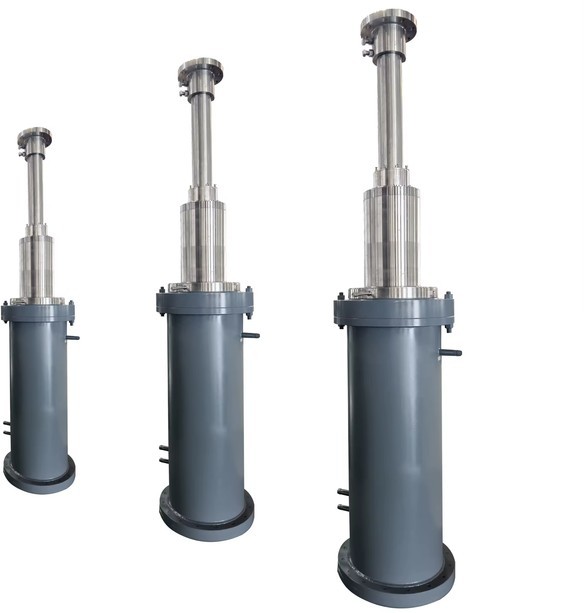
At its core, a magnetic drive coupling is a seal less torque transmission system. Instead of a direct mechanical connection between the motor and the reactor impeller, it utilizes a pair of magnetic fields, one on the driving side (the motor) and one on the driven side (the reactor shaft). These magnetic fields rotate in synchronization, transmitting power through a containment shell that isolates the process fluid from the external environment. This means no shaft penetrates the reactor wall, thus eliminating the risk of leaks. In hydrogenation reactors, where hydrogen is both flammable and reactive, this is a massive safety advantage.
The mag-drive coupling essentially acts as a “barrierless seal,” combining motion transfer and containment in a single mechanism. The heart of the coupling lies in high-performance permanent magnets (like samarium-cobalt or neodymium-iron-boron), which maintain torque even under extreme temperatures. However, while the magnets handle torque, bearings handle motion stability and they need careful lubrication. These bearings are constantly exposed to chemical media, high loads and sometimes abrasive catalysts. Without proper lubrication, wear accelerates, leading to imbalance, vibration and eventual failure of the coupling system.
T Y P E S O F R E A C T O R S U S I N G M A G N E T I C D R I V E S Y S T E M S
Magnetic drive couplings are not confined to a single type of reactor. They are versatile enough to be found in:
Batch Reactors – Used for small scale or specialized reactions. Mag-drives here prevent product loss and cross-contamination.
CSTRs (Continuous Stirred Tank Reactors) – Common in pharmaceutical and petrochemical industries. Sealless operation enhances safety during long continuous runs.
Loop Reactors – Used for polymerization and hydrogenation processes requiring continuous flow. Mag-drives ensure smooth fluid recirculation.
Hydrogenation Reactors – Operate under high hydrogen pressures; any leak could be catastrophic. Magnetic drives ensure containment and reliability.
Each of these reactor types presents unique challenges for bearing lubrication. For instance, in CSTRs, the constant agitation creates high shear stress; in hydrogenation reactors, hydrogen can alter lubricant chemistry if not properly selected.
M A G N E T I C D R I V E C O U P L I N G I N H Y D R O G E N A T I O N R E A C T O R S :
T H E R O L E O F S Y N T H E T I C G R E A S E I N B E A R I N G R E L I A B I L I T Y
Hydrogenation is a chemical process that adds hydrogen atoms to unsaturated organic compounds, typically in the presence of a metal catalyst like nickel or palladium. The process takes place at elevated temperatures and pressures, often above 200°C and 30 bar.
Such extreme conditions demand robust and leak-proof agitation systems, which is why magnetic drive couplings are the preferred choice. Since hydrogenation reactions are highly sensitive to oxygen and moisture, any leak can cause catalyst deactivation or even explosions.
Here, bearing lubrication becomes a balancing act. The lubricant must withstand hydrogen diffusion and must not introduce contaminants that could poison the catalyst. Furthermore, since mag-drives are sealless, the bearing chamber is often flooded with the process fluid itself, making self-lubricating or process-lubricated bearings a necessity.
In hydrogenation reactors, the smooth operation of the mag-drive depends largely on how effectively the bearing lubrication system reduces friction, manages heat, and prevents galling or corrosion. A single lubrication failure could cause localized overheating, magnet demagnetization, or shaft misalignment—all disastrous in a hydrogenation environment.
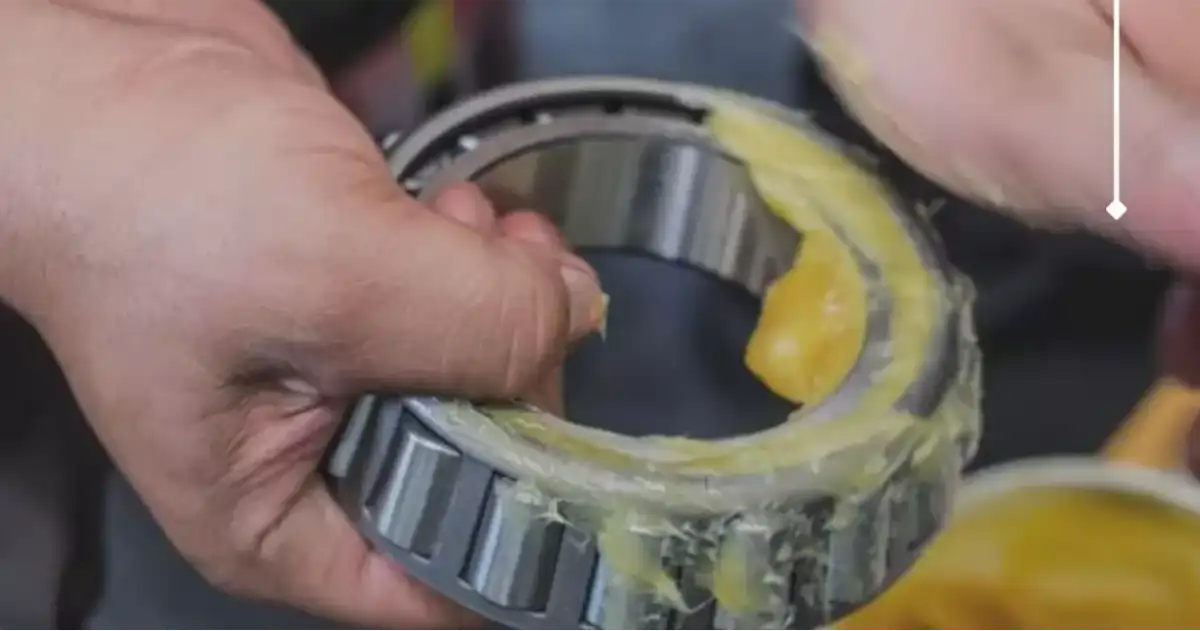
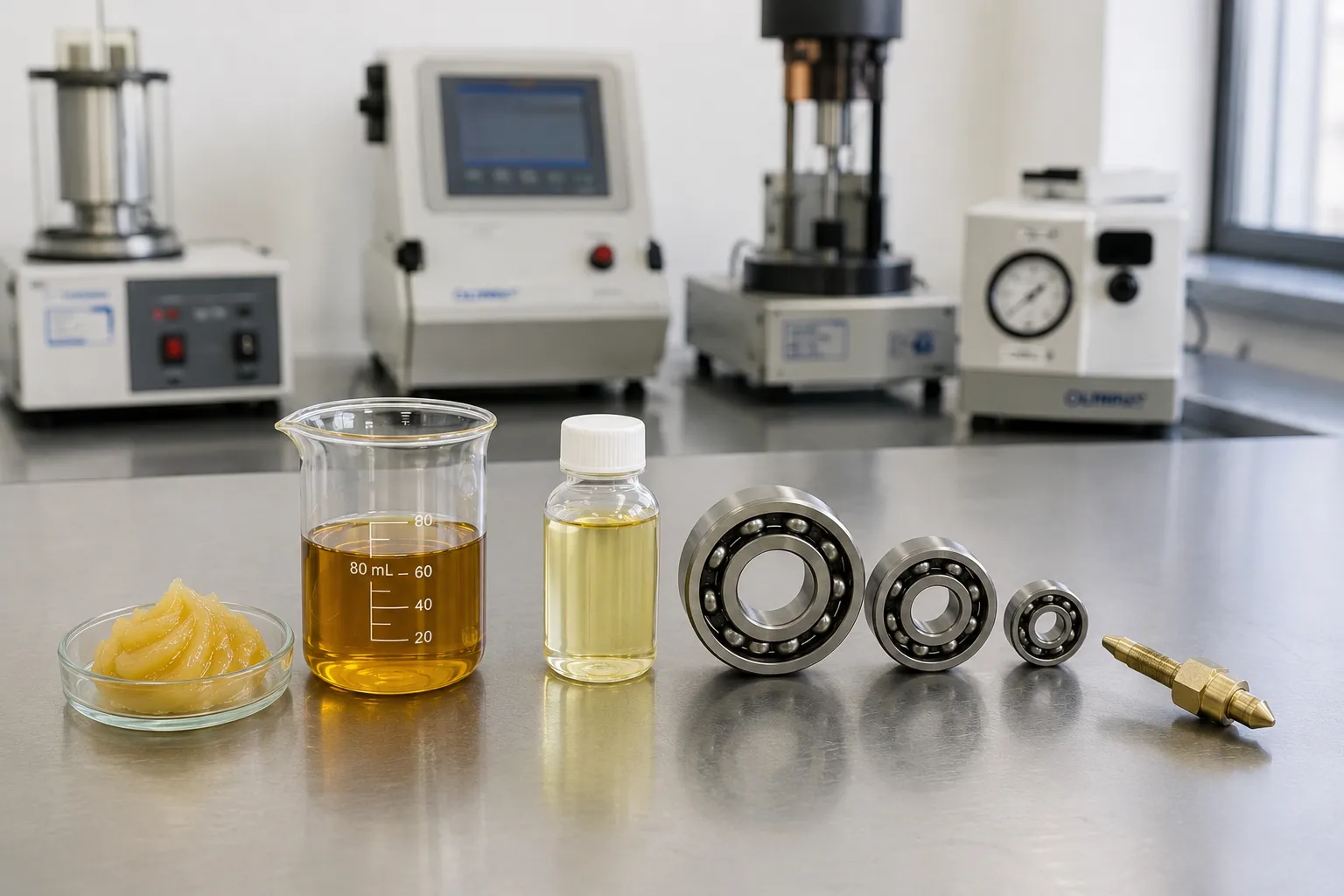
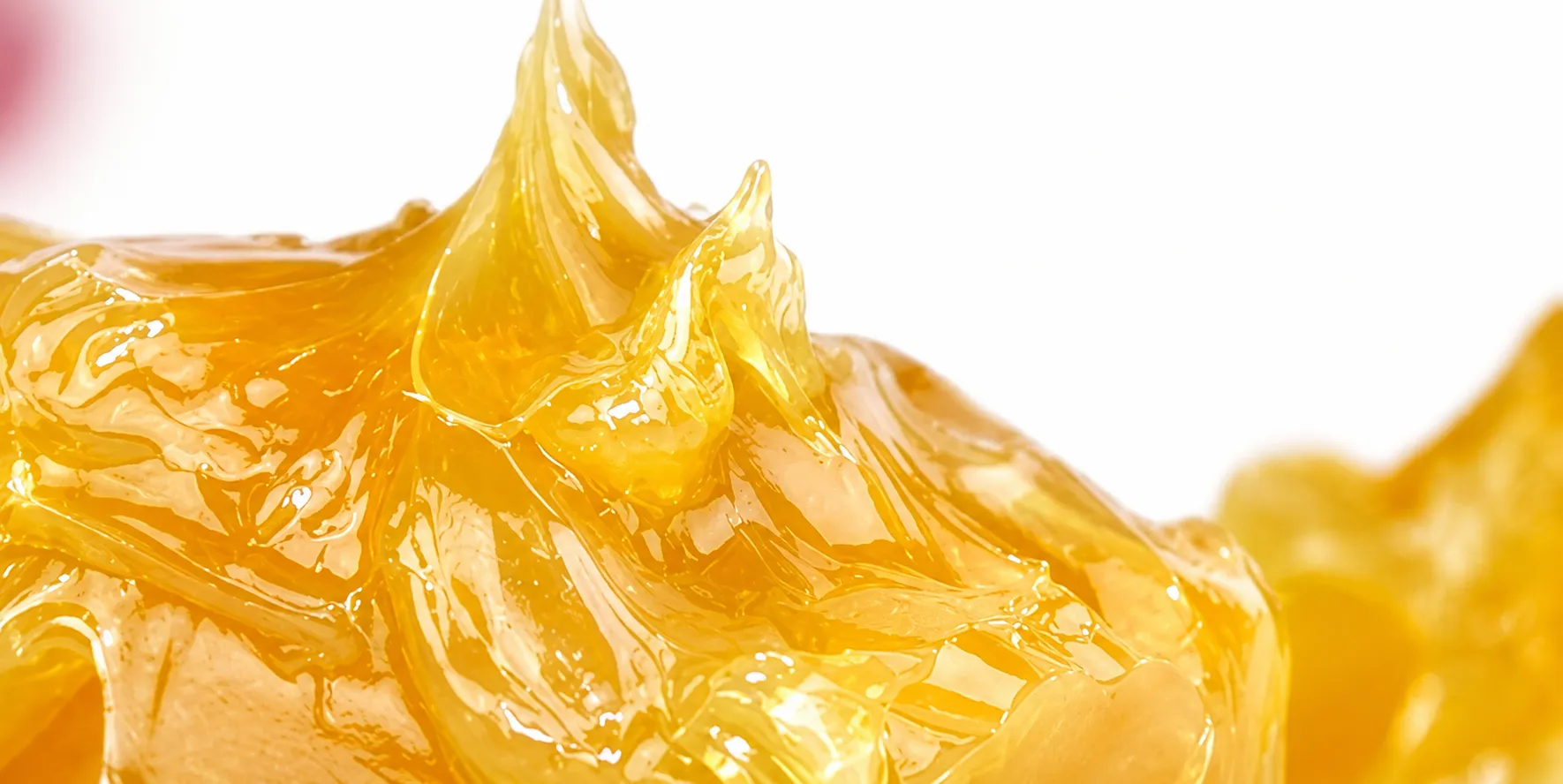
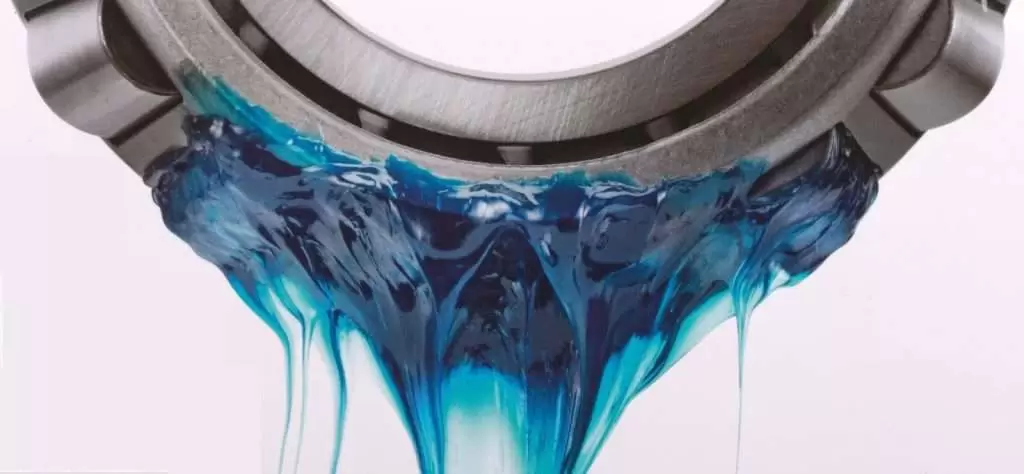
Magnetic drives operate inside a sealed containment shell; any heat produced within the bearing assembly has limited escape paths. This makes bearing lubrication a critical part of the cooling mechanism, as the lubricant helps carry thermal energy away from the bearing surfaces and transfers it toward the containment shell, where it is dissipated into the reactor fluid. Materials like silicon carbide (SiC) are often used for bearings because their high thermal conductivity allows heat to move away from the contact surfaces more efficiently, preventing hotspots and thermal cracking during long hydrogenation cycles, where temperatures can exceed 220°C. When the bearing design requires supplemental lubrication, particularly on the motor-side or auxiliary bearings, PTFE-based grease is preferred because PTFE is completely inert and will not react with hydrogen, catalysts, or organic media present in the reactor. Unlike conventional greases, which may degrade, oxidize, or form unwanted by-products in high-temperature hydrogen environments, PTFE grease remains chemically stable, ensuring continuous cooling and lubrication without risk of contamination. As a result, PTFE-based greases play an essential role in maintaining thermal balance, reducing frictional heat, and extending the operational life of magnetic drive bearings in demanding hydrogenation processes.
C O N C L U S I O N
Lubrication failure in magnetic drive bearings used for hydrogenation reactors can cause rapid and serious damage because the bearings operate in a sealed, high-temperature environment with limited cooling. When lubrication breaks down whether from poor fluid flow, thermal degradation, or contamination bearing surfaces begin to contact directly, creating friction and heat. This can lead to cracking of SiC bearings, glazing of carbon bearings, and ultimately magnet decoupling as the drive struggles to overcome rising torque. In severe cases, the bearing can seize or cause misalignment, compromising both the magnetic drive and the hydrogenation process. Using chemically inert lubricants such as PTFE-based grease, along with proper flow and temperature monitoring, is essential to prevent these failures and ensure reliable operation.

























![Gear Drive Lubricant Selection [Gearbox Lubricants]](https://mosil.com/assets/uploads/blog/blog_1788344519_6a97f8c75d604.webp)




![The Ultimate Guide To Grease Thickeners [Thickening Agents]](https://mosil.com/assets/uploads/blog/blog_1754991852_689b0cec60a8a.jpg)