


In the world of machinery, friction is the challenge and lubricants are the first line of defense. These lubricants are requied to perform across diverse environmental conditions, from freezing cold winters to scorching hot summers. We often focus on a lubricant’s ability to perform in high temperatures but for countless applications, performance in the cold conditions is equally critical. This blog will explore importance of lubricant’s low-temperature performance, key methods used to measure it and the insights that guide the selection of the right lubricant for cold applications.
Why is Low-Temperature Performance Important ?
Imagine a wind turbine’s gearbox straining to start in an arctic weather, a construction vehicle idling on a frozen worksite, or the conveyor motors in a refrigerated food processing plant stalling under load. In these scenarios, using the wrong lubricant can cause catastrophic failures, as oils thicken and greases stiffen to the point of being ineffective in cold conditions. Thickened oils and stiffened greases at low temperatures can cause :
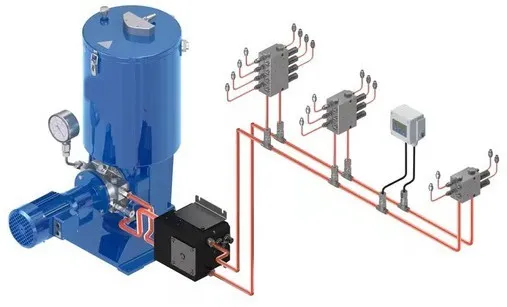
Blockage in centralized lubrication systems, where oils or greases must flow through long, narrow lines.
Difficult equipment startup
Lubricant starvation due to poor mobility of oil or grease.
Increased wear from boundary lubrication conditions.
Increased torque and energy consumption.
Low-temperature lubricant performance is not an option but a fundamental design requirement, for industries operating in cold conditions. Therefore, establishing the lower operating temperature limit of a lubricant is equally as important as defining its upper limit, for example (–70 °C to +120 °C or –40 °C to +160 °C).
Industry-Specific Specialty Lubricant Selection for Enhanced Reliability and Efficiency Lubricant manufacturers are not required to formulate every oil or grease to work in extreme low and high temperatures. Instead, formulation depends on intended application, industry standards and customer needs.
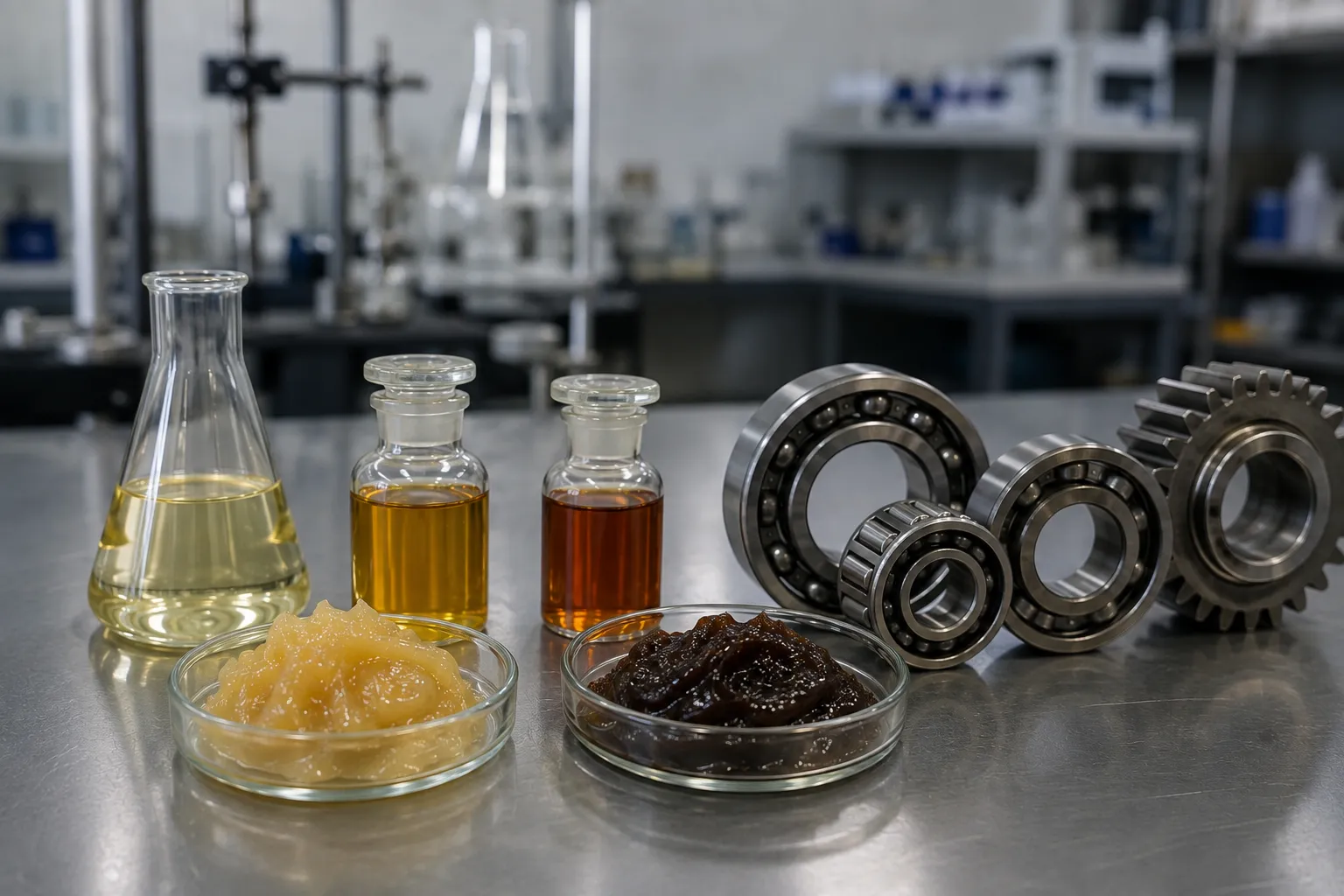
Oils: Low-temperature performance is predominantly determined by the base oil type. Conventional mineral oils contain paraffinic waxes that crystallize and solidify in the cold. In contrast, synthetic oils like PAOs and esters possess a uniform, wax-free structure for fluidity at low temperatures. Pour Point Depressant additives can be used in mineral oils to inhibit wax crystal formation, thereby improving cold flow, but can’t match synthetic base oils.
Automotive Engine Oils: Multigrade engine oils (e.g., SAE 5W-40) are specifically designed to balance cold start fluidity with high-temperature stability. They require specific oil combinations and pour point depressants.
Industrial Gear Oils: Most industrial gear oils are formulated for controlled indoor environments, where extreme cold is not a factor. However, applications in cold regions require low-temperature synthetic oils. OEM specifications of wind turbine gearboxes demand lubricants that can operate reliably across wide temperatures.
Hydraulic Oils: To ensure efficient flow through pumps and valves in low temperature applications, hydraulic oils must be formulated with selectively chosen base oils that resist viscosity thickening.
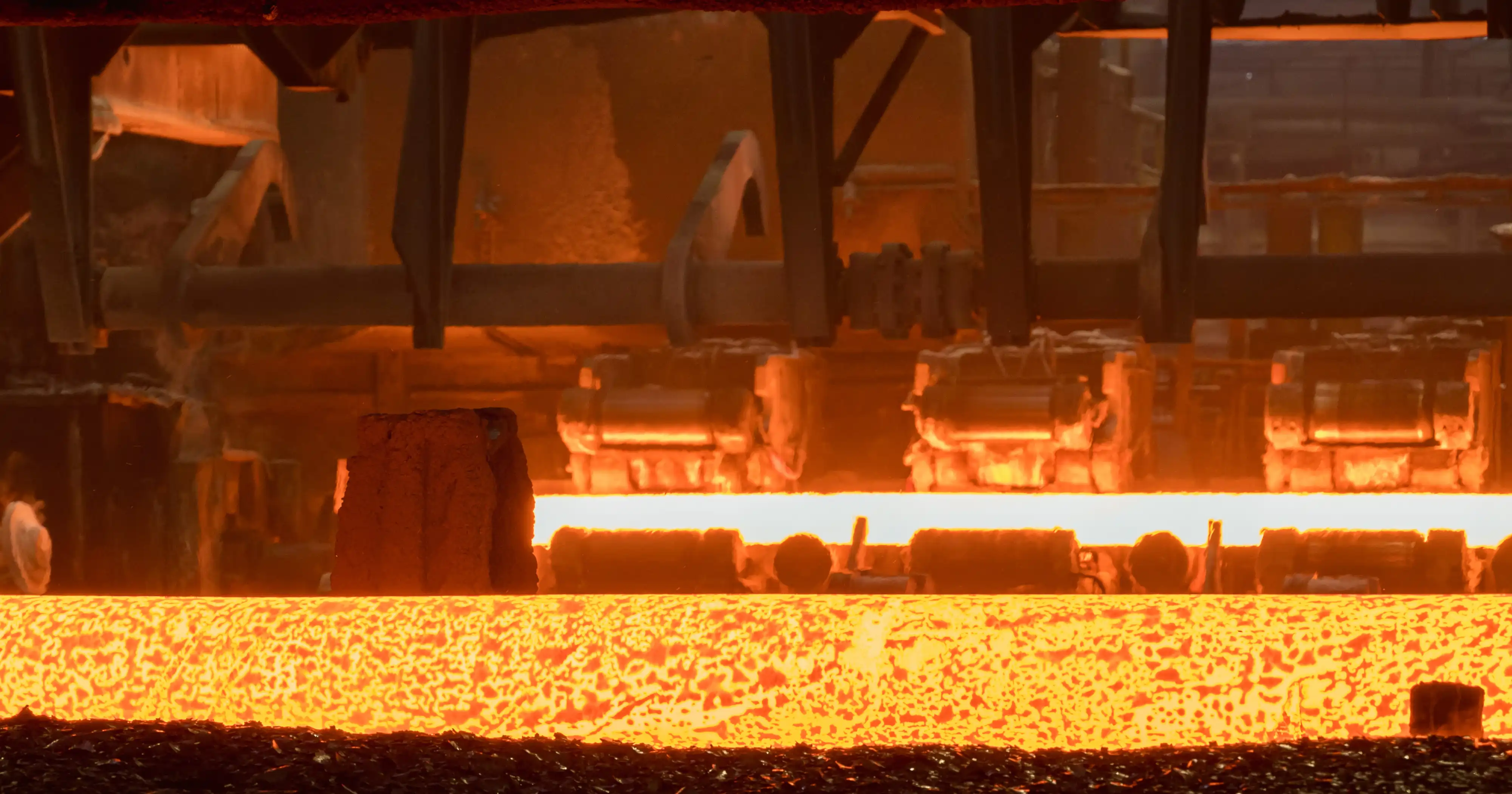
Greases: Automotive and Industrial greases both are highly application-specific. A grease for a steel mill bearing exposed to high heat is not expected to perform in arctic climates. However, greases for aerospace, defence and cold storage systems often require advanced synthetic base oils and special thickeners.
Although a grease's low-temperature performance is dependent mainly on the base oil, it is also significantly influenced by the thickener type. While synthetic base oils justify the cold flow, a thickener's response to cold is also critical as it dictates the grease's consistency, pumpability and most importantly, the torque required to start and move a bearing.
Low temperature Test Methods for Oils & Greases:
Laboratory low-temperature tests are not merely numbers on a datasheet; they are designed to imitate real-world operating challenges.The low-temperature operating range on a lubricant's data sheet is a declaration, backed by a combination of test results ensuring the product will function within those limits without causing failure.
Test Methods for Oils : Lubricating oils are assessed primarily for flowability, viscosity and pumpability at low temperatures. Key test methods include:
Pour Point (ASTM D97 ) :
-> Determines the lowest temperature at which oil remains to flows when cooled slowly.
-> Used as a general indicator of operability limits of engine oils, gear oils, hydraulic oils etc.
Cloud Point (ASTM D2500) :
-> Detects the temperature at which wax crystals first become visible, which leads to filter plugging.
-> Important for paraffinic base oils.
Cold-Cranking Simulator (CCS, ASTM D5293) :
Simulates the effort needed to crank an engine at low temperature.
Measures the oil's apparent viscosity at specific low-temperature conditions (e.g. -10°C to -35°C)
Mini-Rotary Viscometer (MRV, ASTM D4684) :
Evaluates low-temperature pumpability, ensuring oil can circulate in critical parts during startup.
Measures the oil's apparent viscosity at specific low-temperature conditions (e.g. -15°C to -40°C)
Brookfield Viscosity (ASTM D2983) :
Commonly used for automatic transmission fluids, gear oils, and hydraulic fluids to measure viscosity under controlled low-temperature shear.
Test Methods for Greases : Greases, due to their thickener structure, behave differently from oils. Their ability to flow or allow movement at low temperatures is crucial. Important test methods include:
--> Low-Temperature Torque Test (ASTM D1478)
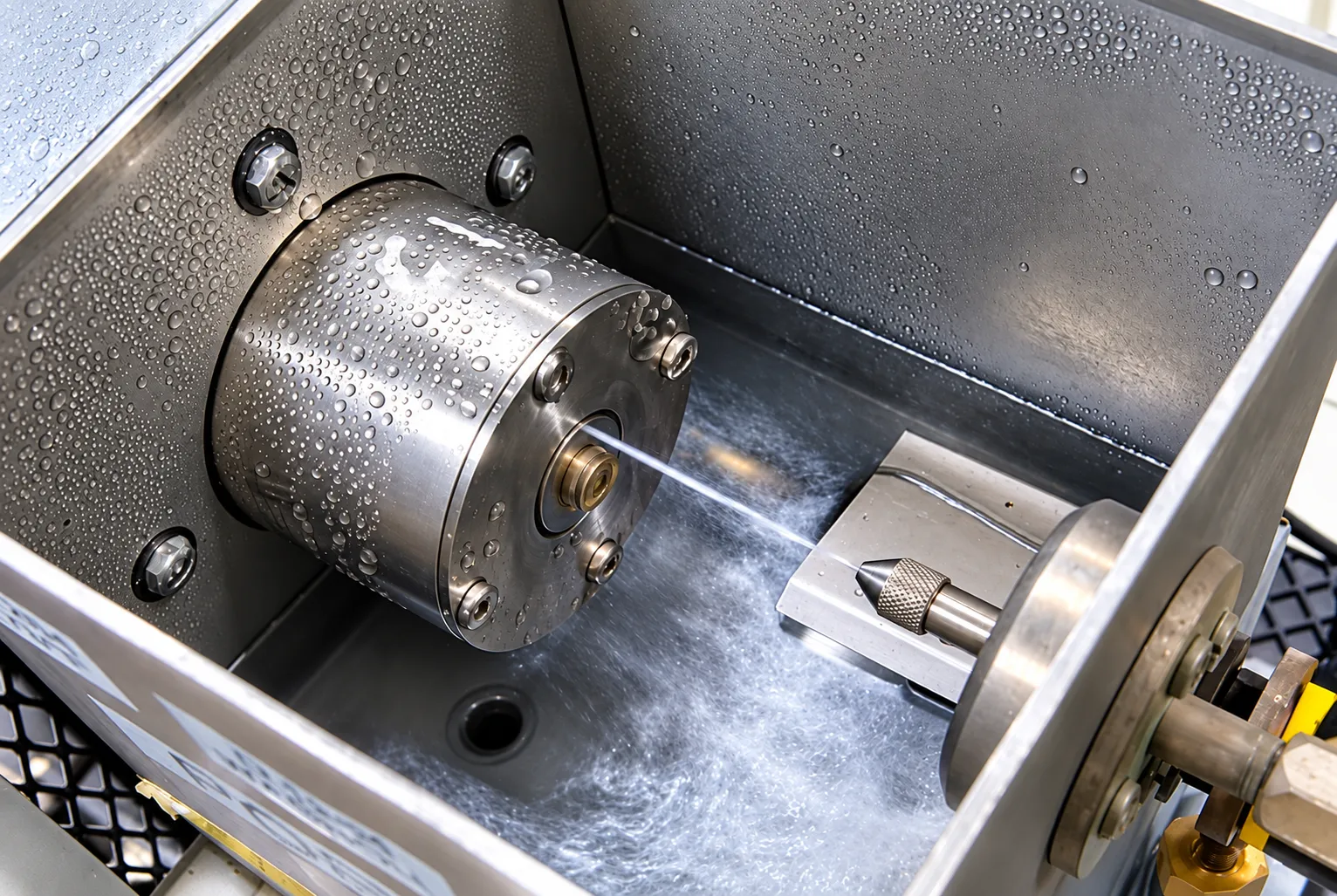
- Measures starting and running torque of grease-lubricated bearings at low temperatures (below −18 °C (0 °F)) .
- Widely used in automotive, aerospace, electric motors etc.
Grease Mobility Test (ASTM D1092)
- Determines grease flow under pressure at low temperatures, vital for centralized lubrication systems where grease must travel long distances through narrow pipes.
- Flow Pressure Test (DIN 51805)
- Measures the lowest temperature at which grease can be pressed through a standardized nozzle.
- Popular in European standards for automotive greases.
Always consult a lubricant’s Technical Data Sheet (TDS) for specific low-temperature test results (Pour point, Brookfield viscosity, low-temperature torque) that are relevant to your application’s operating environment.
In conclusion, to overcome the challenges of cold operating conditions, machines require a deliberate selection of high-performance lubricants based on a clear understanding of their validated low-temperature properties.
































































![Gear Drive Lubricant Selection [Gearbox Lubricants]](https://mosil.com/assets/uploads/blog/blog_1788344519_6a97f8c75d604.webp)







![The Ultimate Guide To Grease Thickeners [Thickening Agents]](https://mosil.com/assets/uploads/blog/blog_1754991852_689b0cec60a8a.jpg)