

IMPORTANCE OF CLEANING IN INDUSTRIAL SECTOR
The purpose of industrial cleaning encompasses a wide range of objectives, all aimed at ensuring the smooth, efficient and safe operation of industrial facilities and equipments. These objectives include :
- Preventing malfunctions or breakdowns : Regular cleaning helps to prevent unscheduled downtime and costly repairs by removing harmful deposits and preventing the buildup of materials that can cause equipment to malfunction or fail.
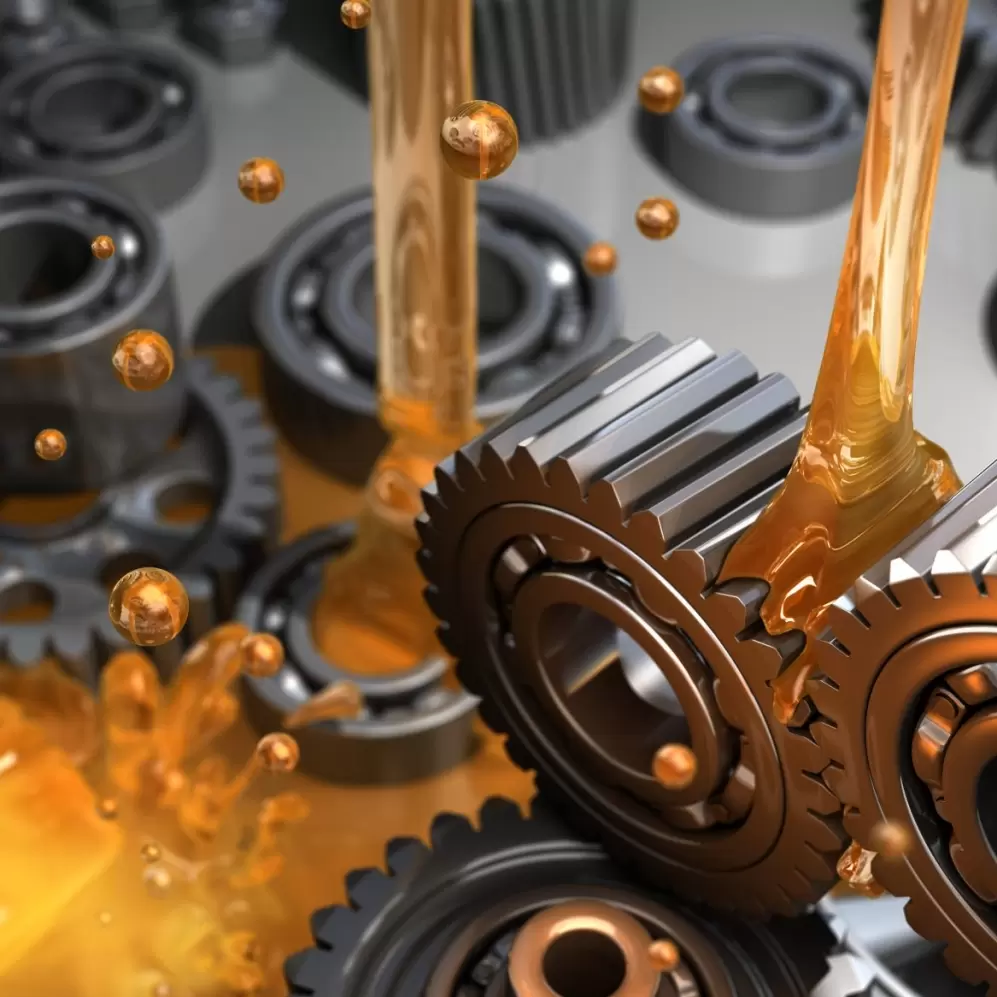
- Increased longevity of equipment : Accumulated dirt, grease and debris can lead to overheating, increased friction and premature wear, thereby reducing the equipment's operational efficiency and lifespan.
- Ensures Product Quality and Safety : Industries like food and beverage, pharmaceuticals and cosmetics need to meet health and safety standards, thus protecting consumer health and maintaining brand integrity.
- Protecting Worker Health and Safety : Cleaning reduces the risk of accidents, injuries and health issues, thus promoting a safer workplace.
- Regulatory Compliance and Environmental Standards : Businesses need to comply strict regulatory requirements regarding workplace cleanliness and environmental impact to avoid legal penalties while demonstrating a commitment to ethical practices.
KEY INDUSTRIES RELYING
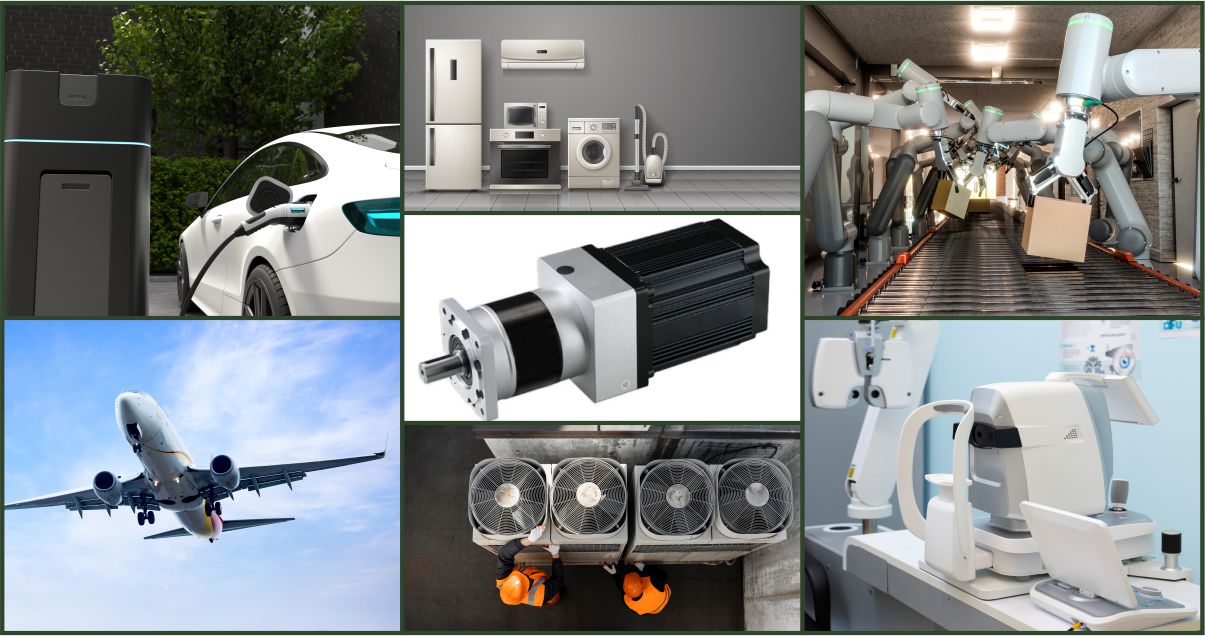
- Manufacturing and production facilities like automotive, electronics, textiles and machinery.
- Chemical, cosmetics and pharmaceutical Industries
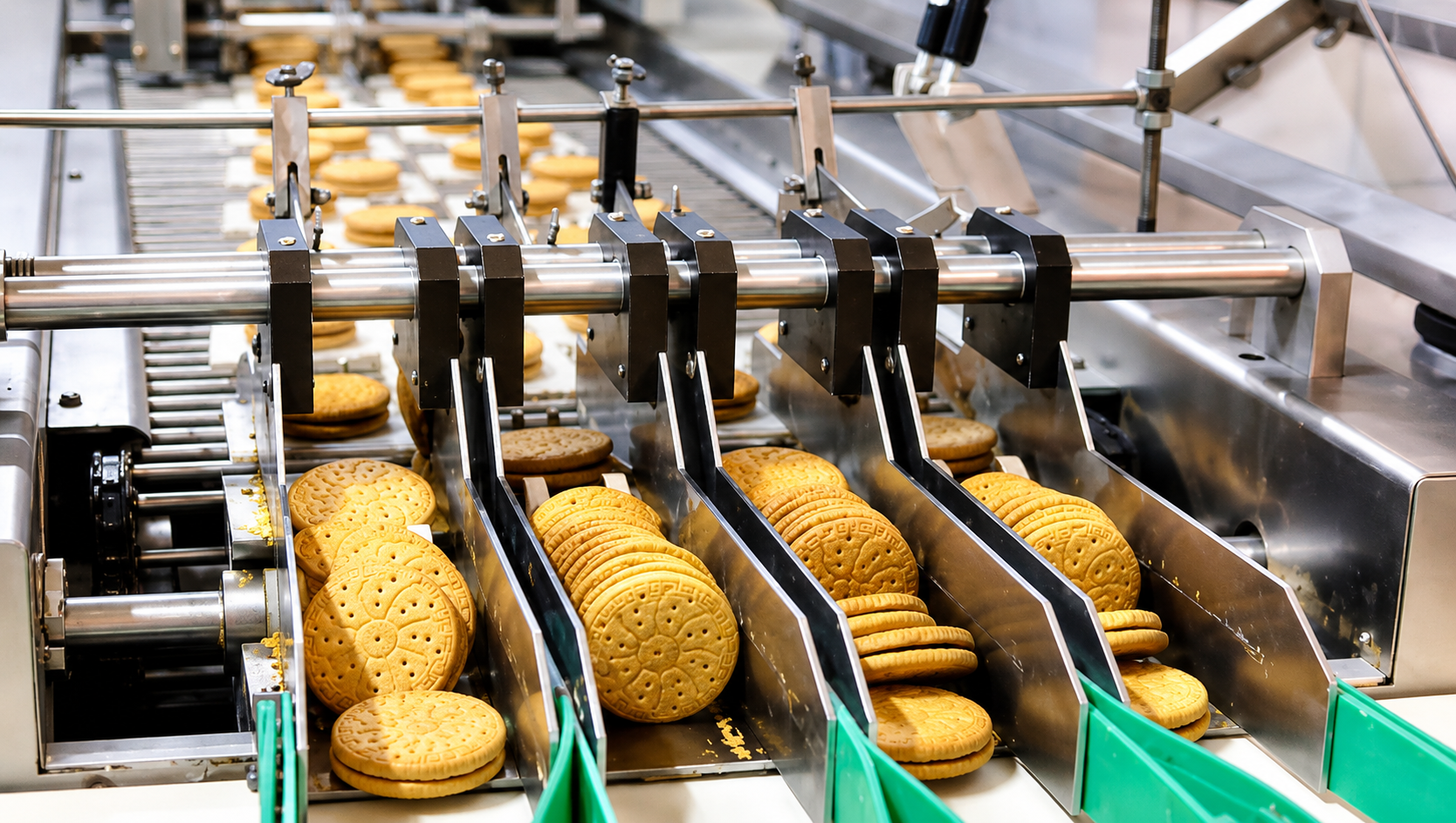
- Food and beverage Processing
- Power plants, water treatment facilities, and renewable energy sites
- Transportation and warehouses
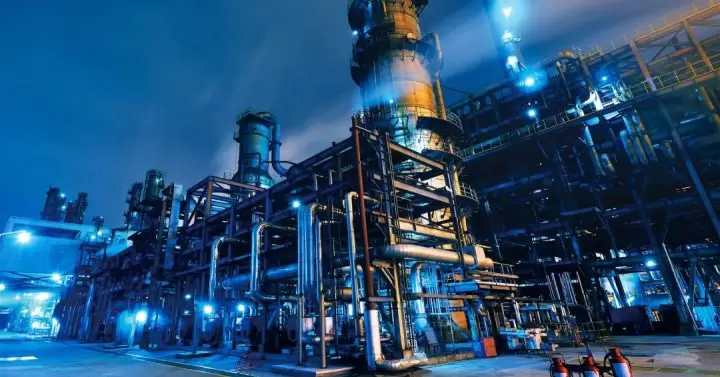
- Oil, Gas, and Petrochemicals
- Waste Management and Environmental Services companies
- Construction and heavy Industries like construction sites, mining, and metalworking facilities
Industrial cleaning requires skilled professionals, specific techniques, specialized equipments and most importantly suitable cleaner solutions to safely clean areas of a facility that may pose hazards.
COMPONENTS TO BE CLEANED WITH INDUSTRIAL CLEANERS
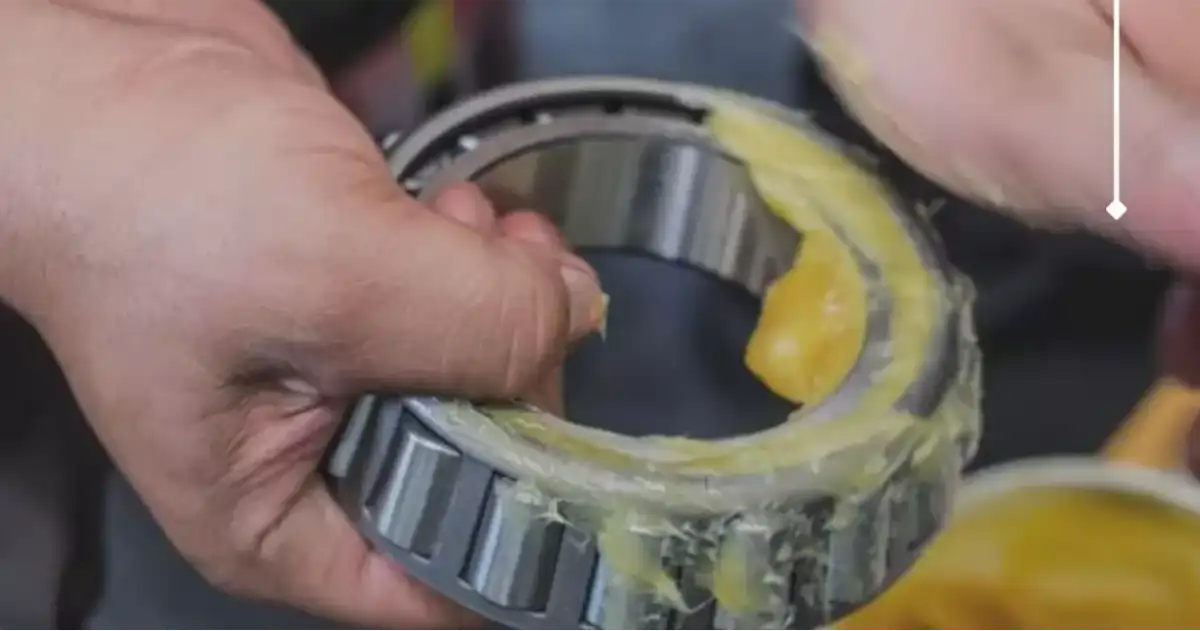
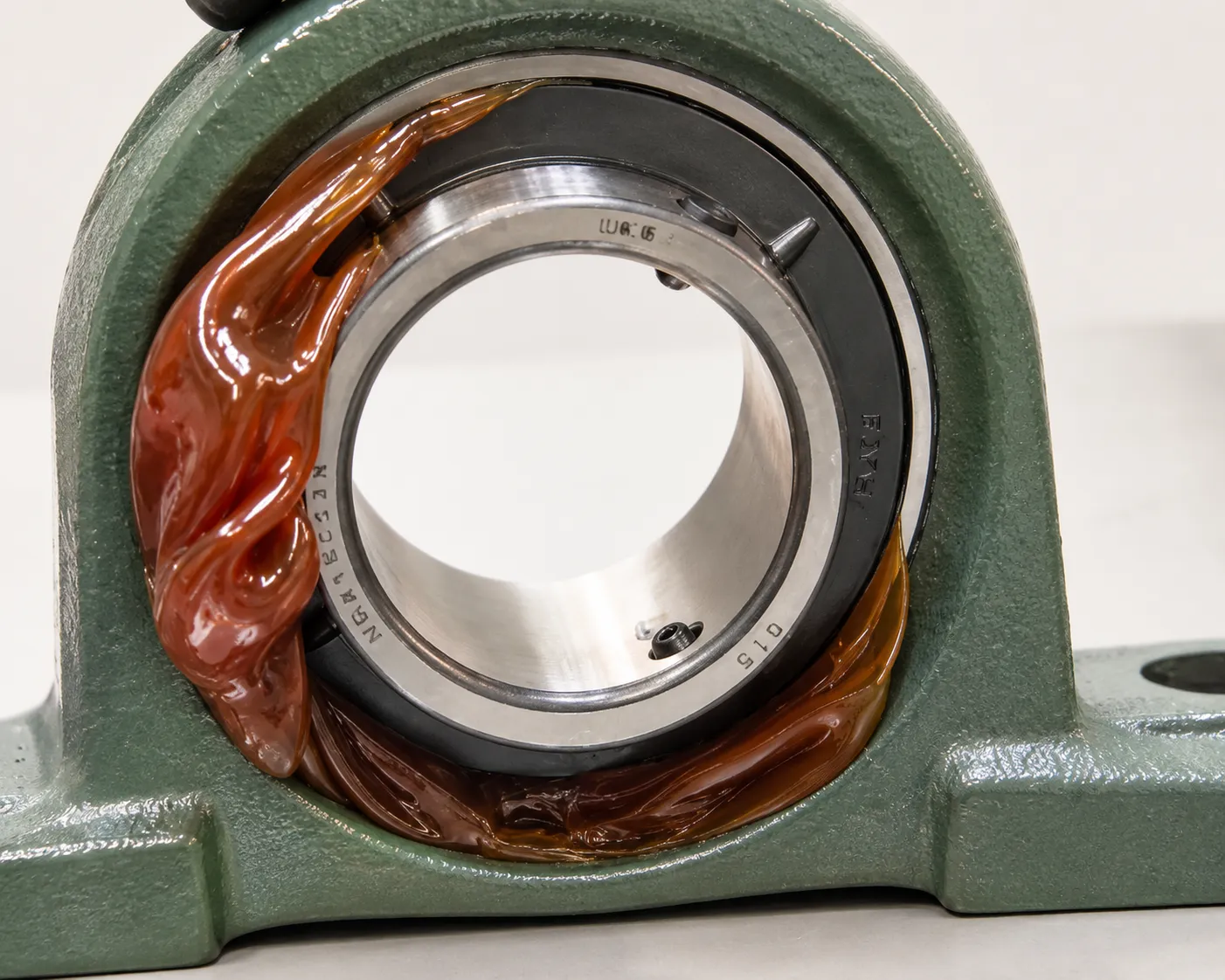
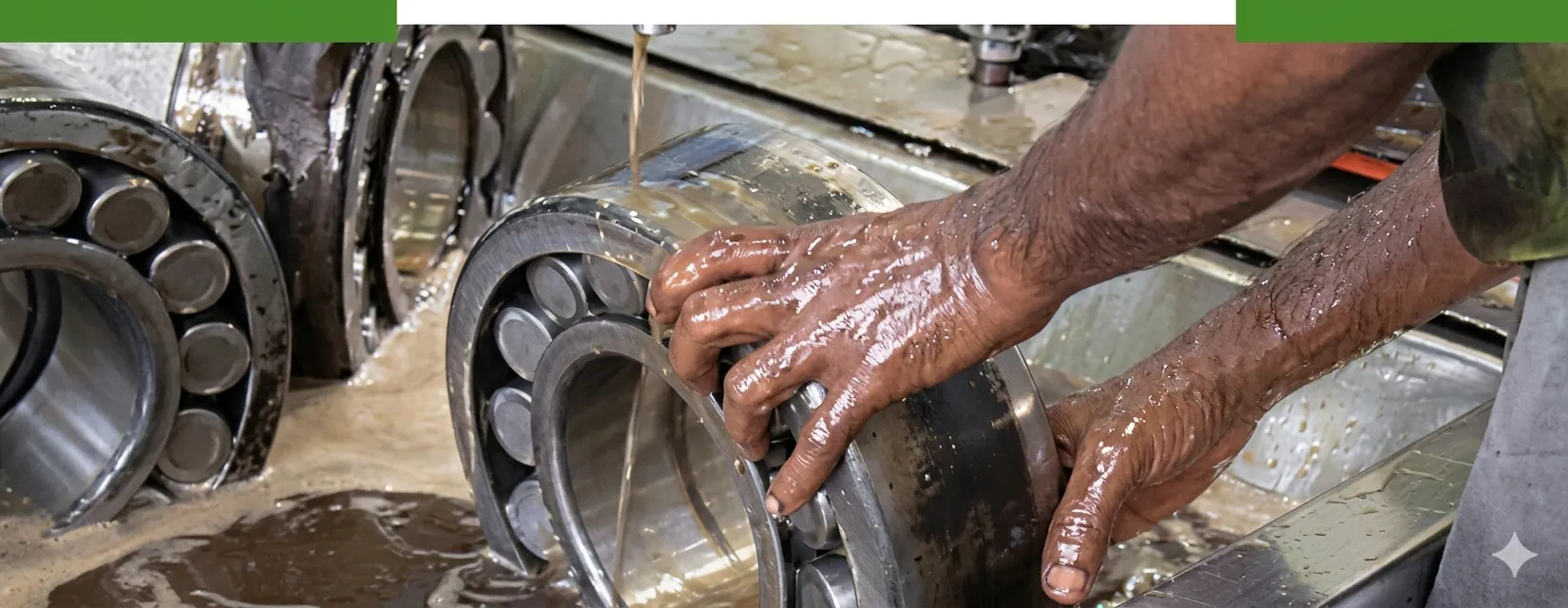
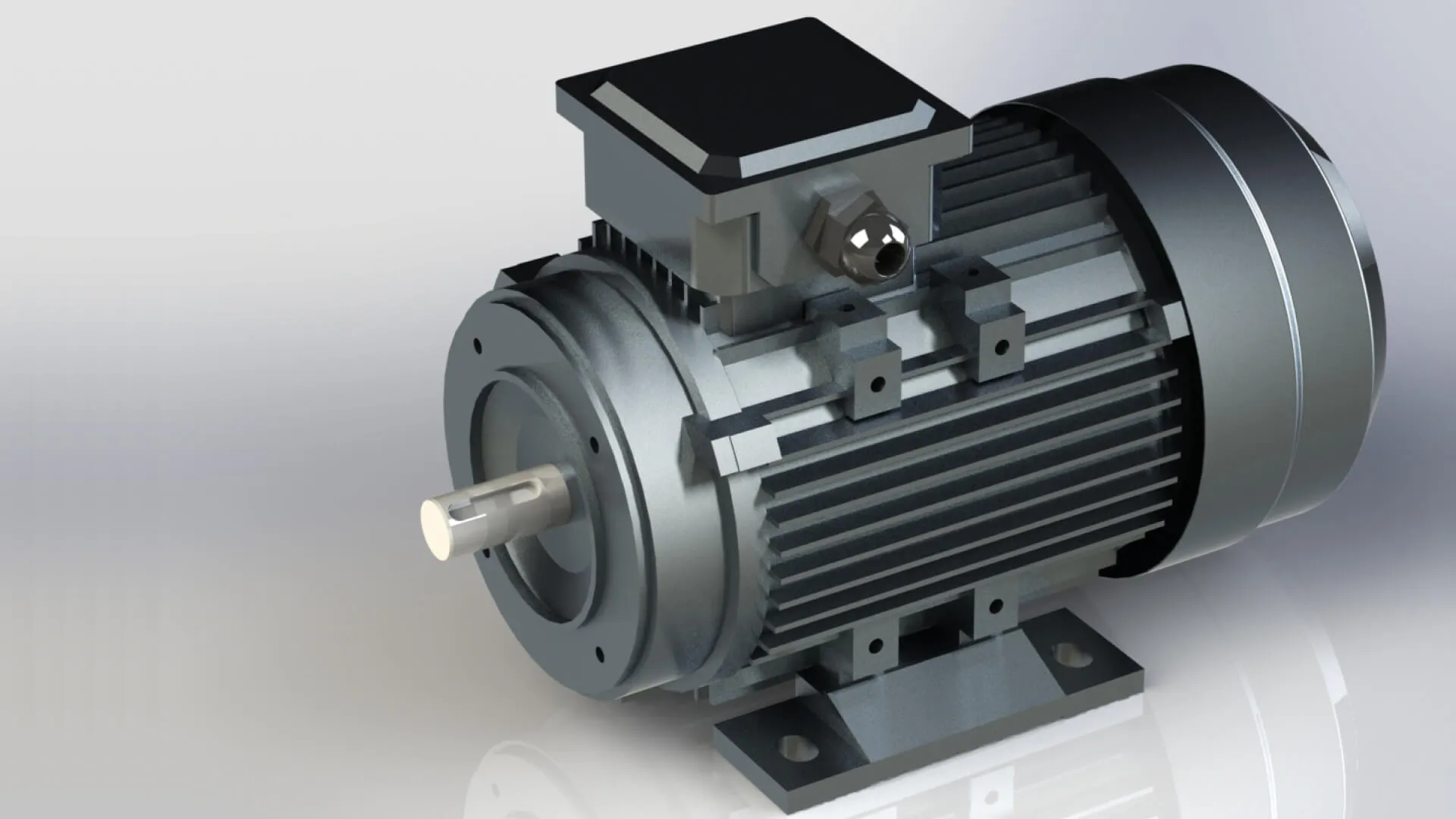
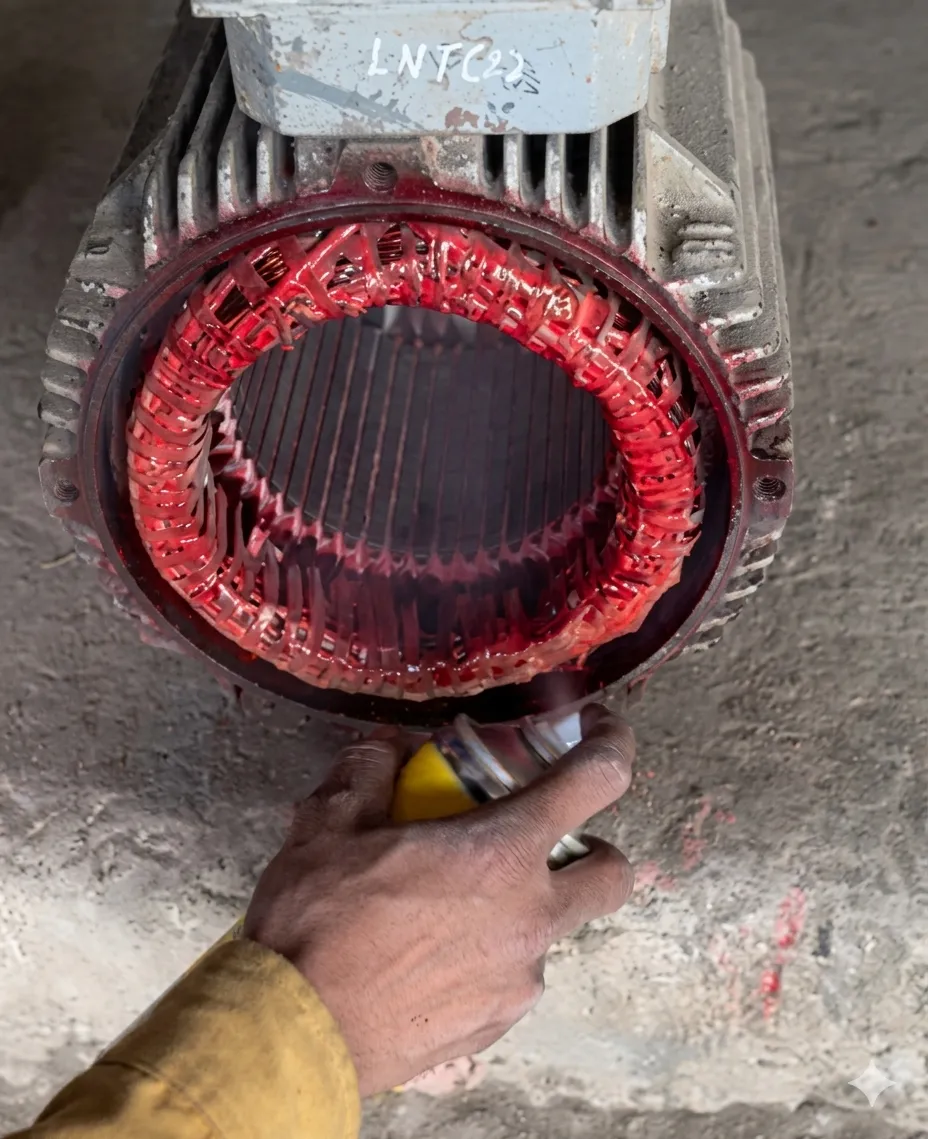
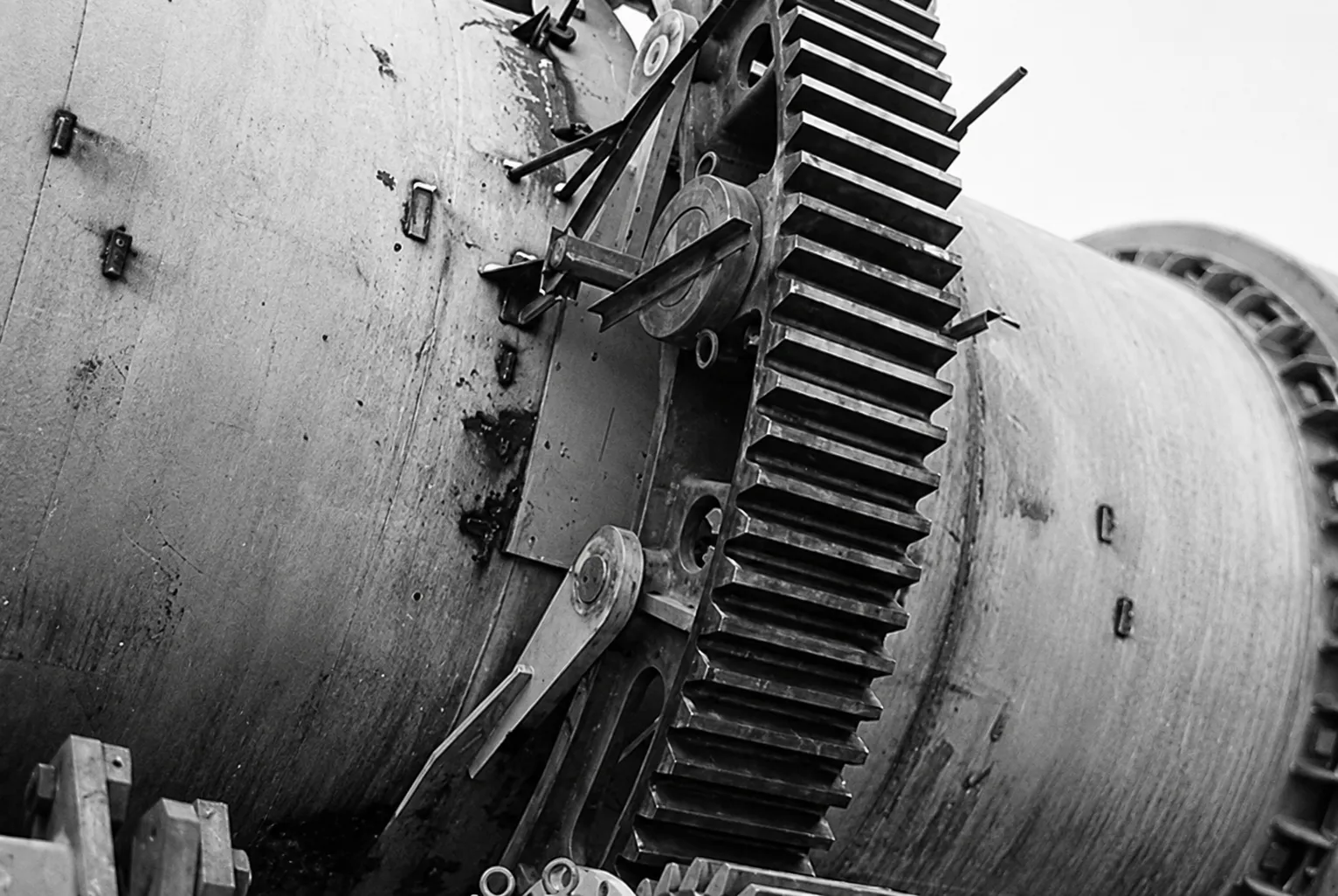
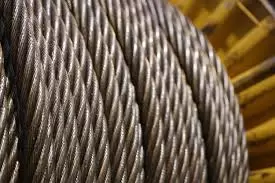
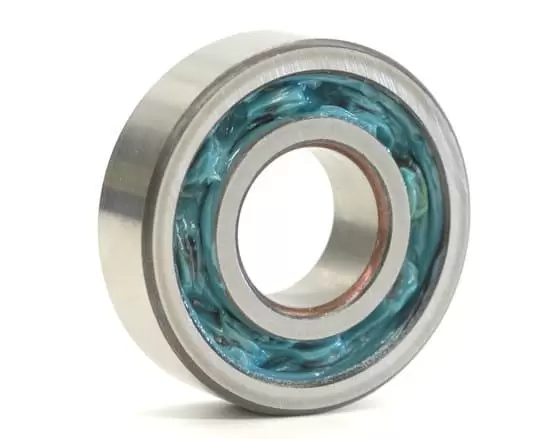
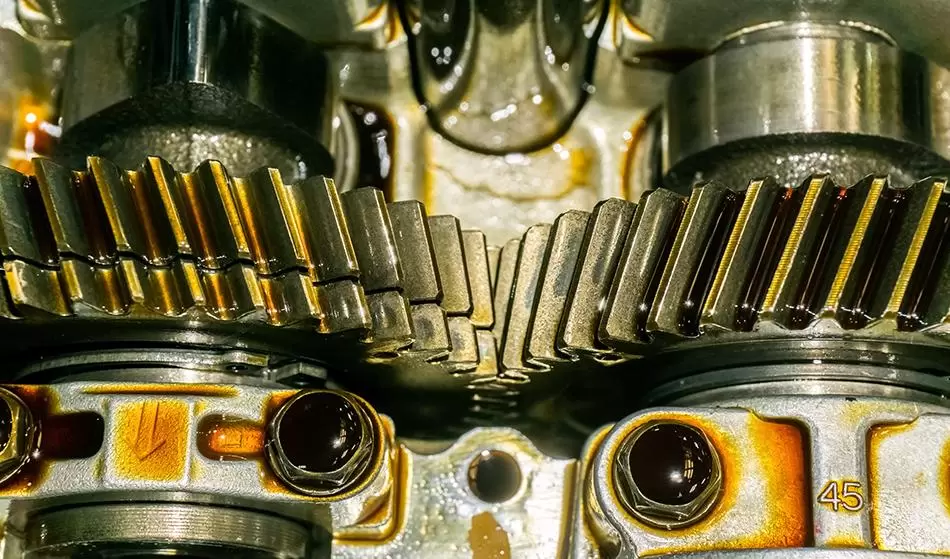
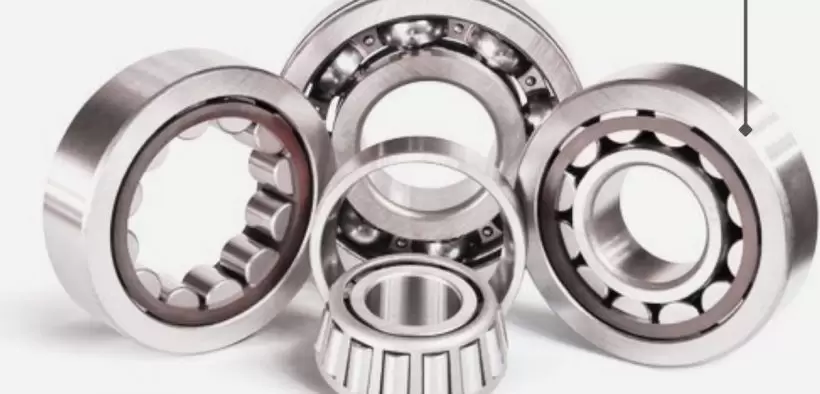
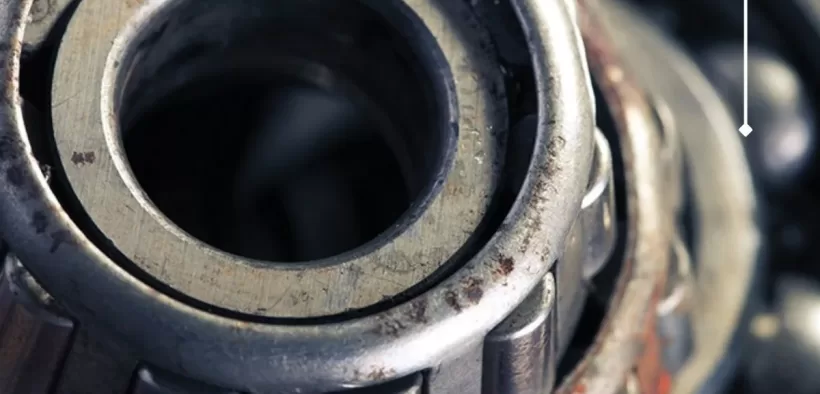
- Bearings, motors, gears, motors, break parts, clutches and other assemply components, moulds & wire ropes
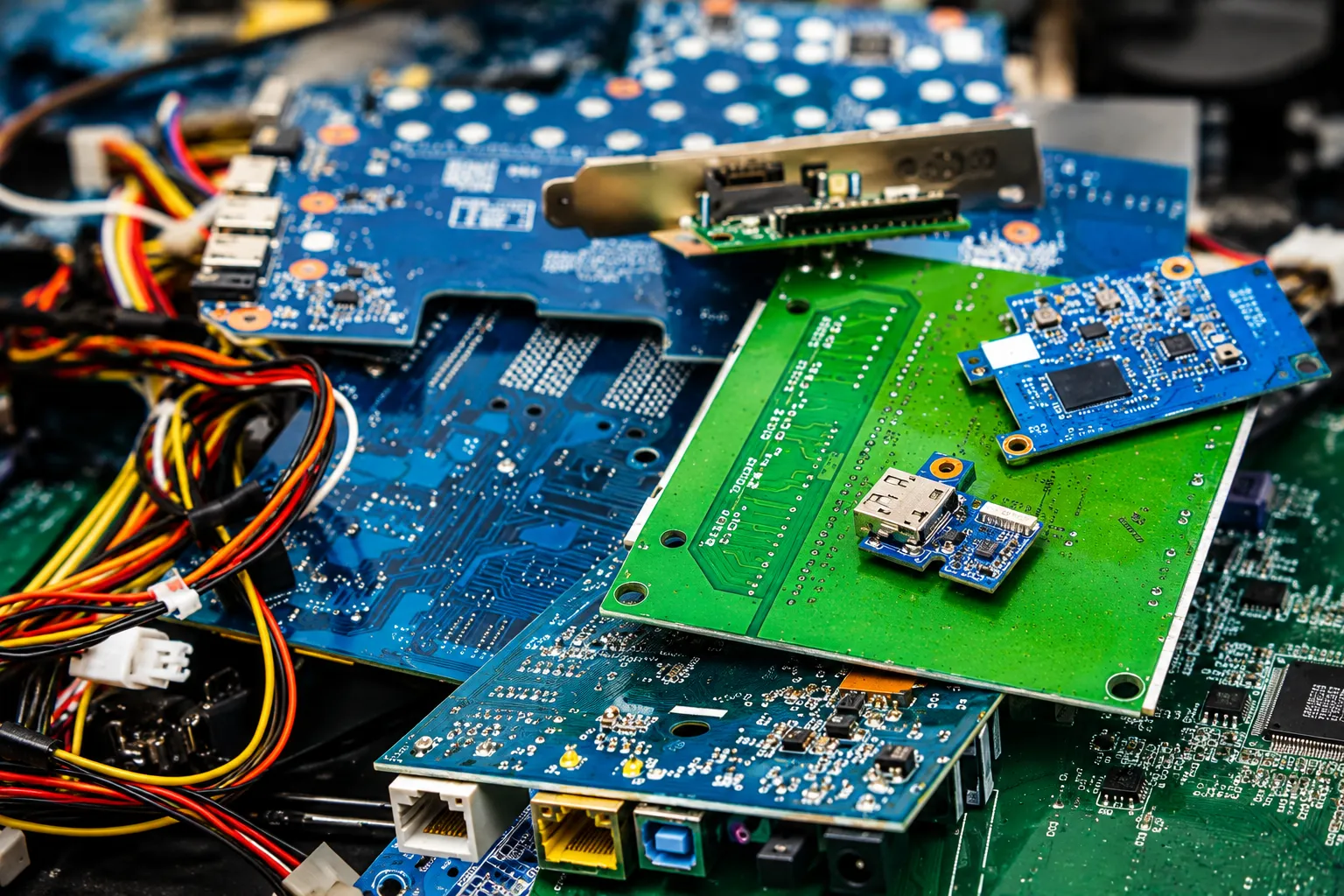
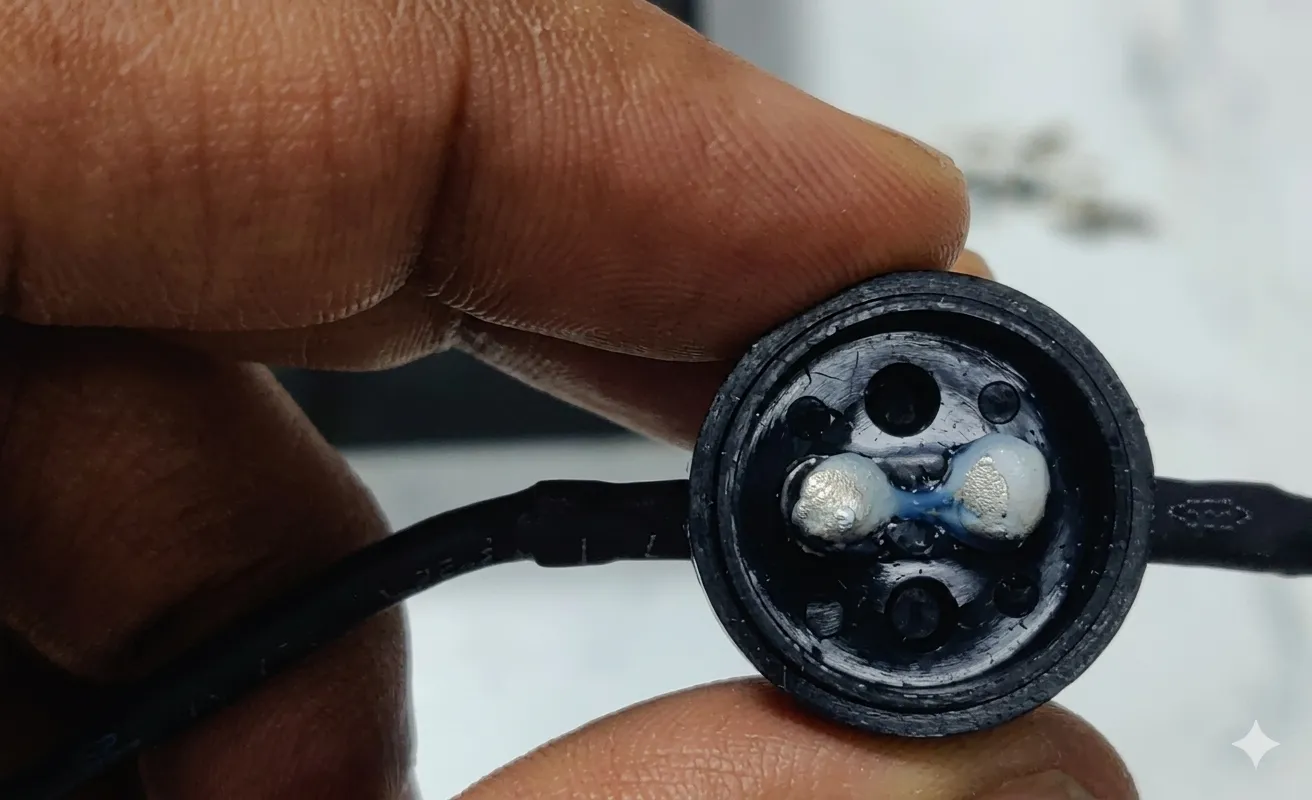
- Electrical connectors, switches, starters, fuse boxes, ignition systems, bus bars, relays terminals, PCBs, Control Instruments
- Splicers of winding machines in textile industry
- Battery terminals, plastic, metal or glass surface
- Rust protective coatings & carbon deposits from the moulds of injection moulding components
TYPES OF INDUSTRIAL DIRT
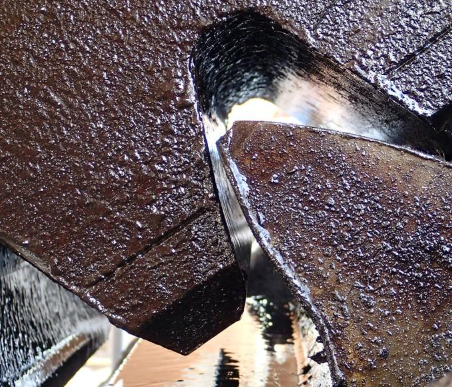
Oil & Grease
Dust & particulate matter
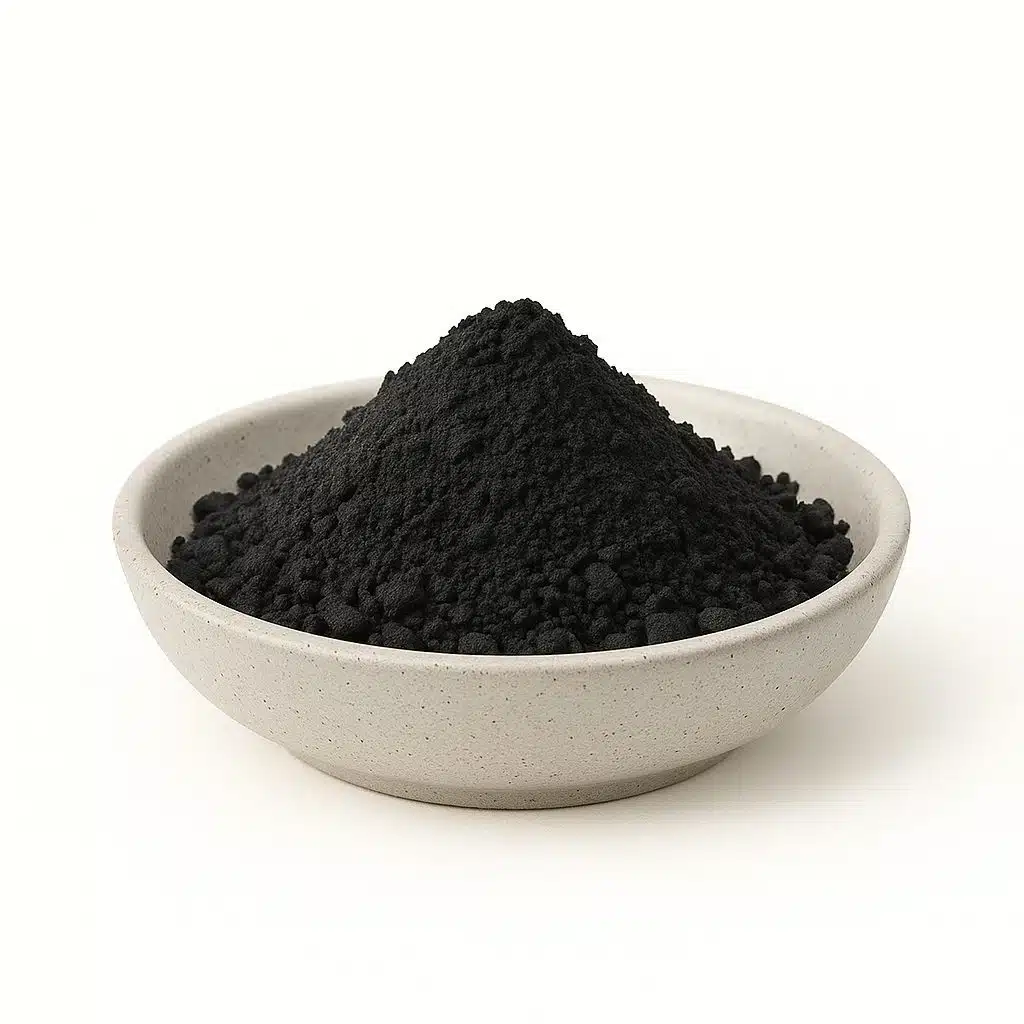
Soot & Carbon deposits
Metal particles, bur & chips
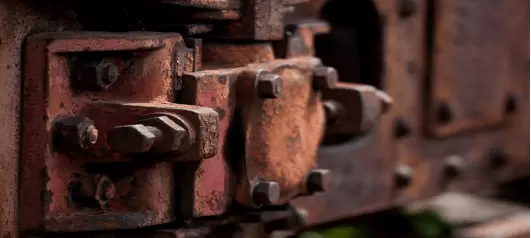
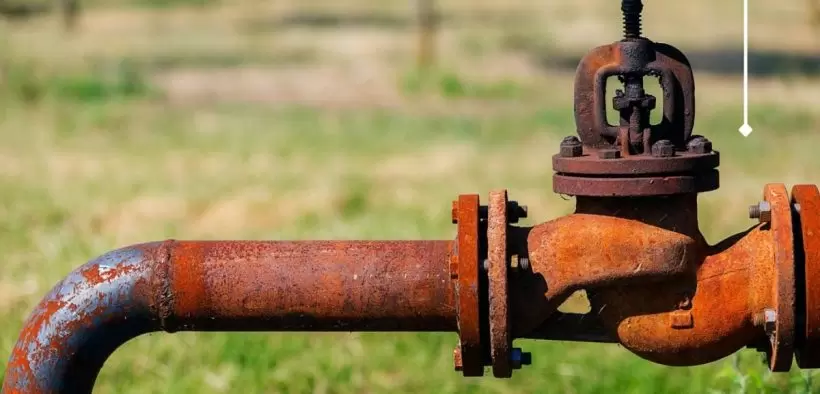
Rust, corrosion & scales
Microorganisms, algae, or molds
INDUSTRIAL CLEANING METHOD
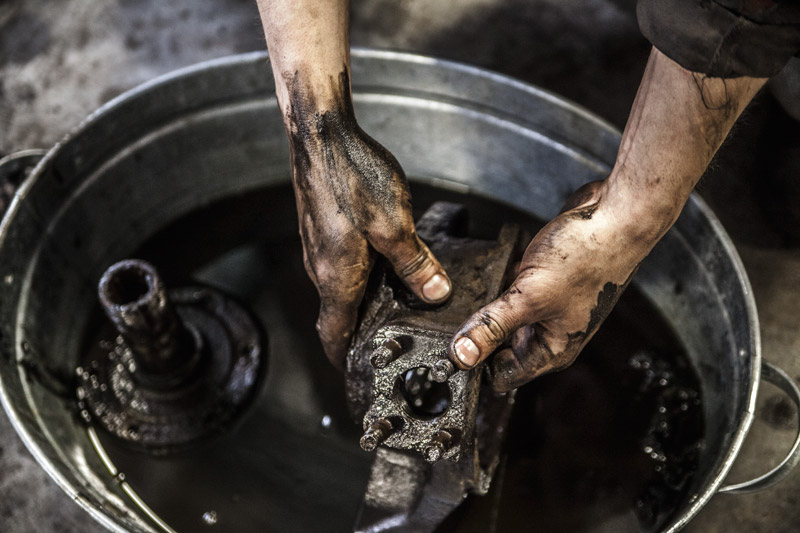
- Dip : Submerging the components in a cleaning solution
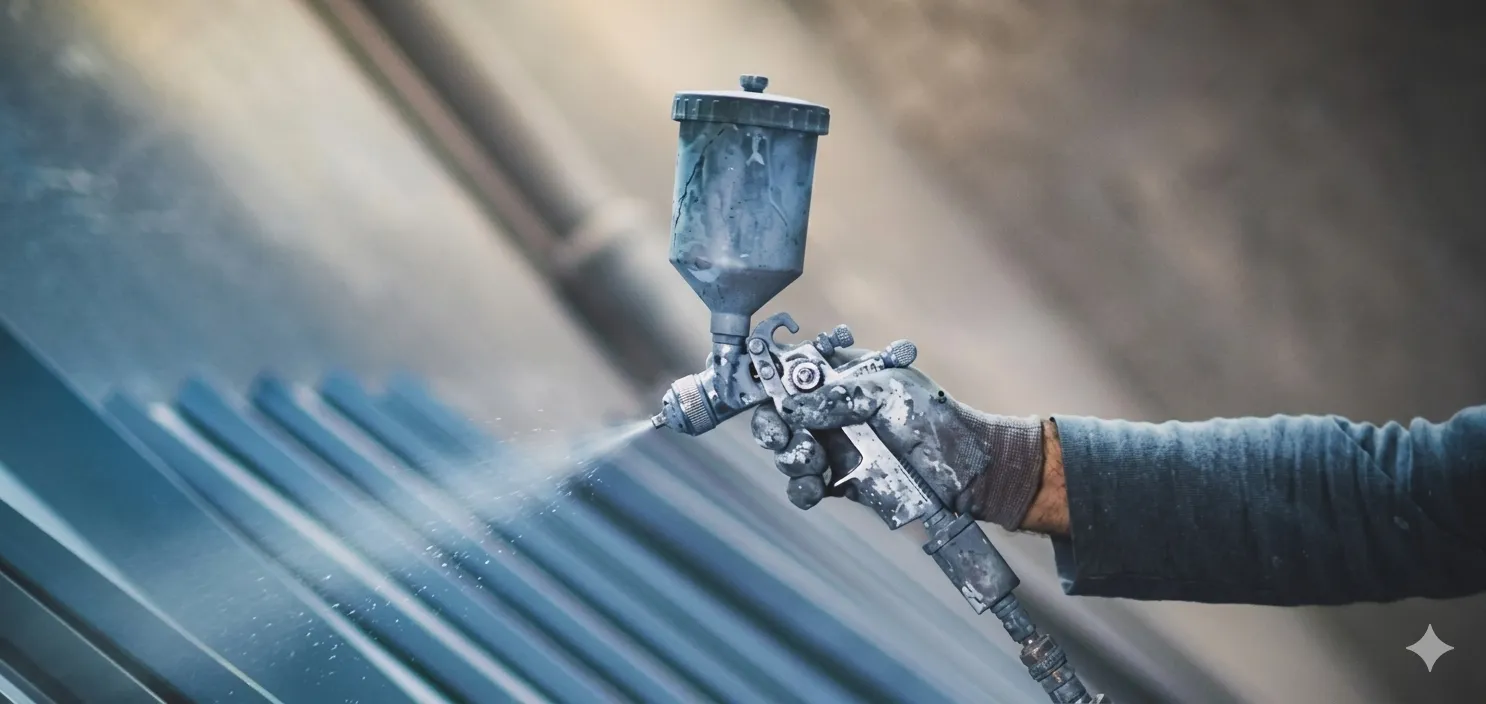
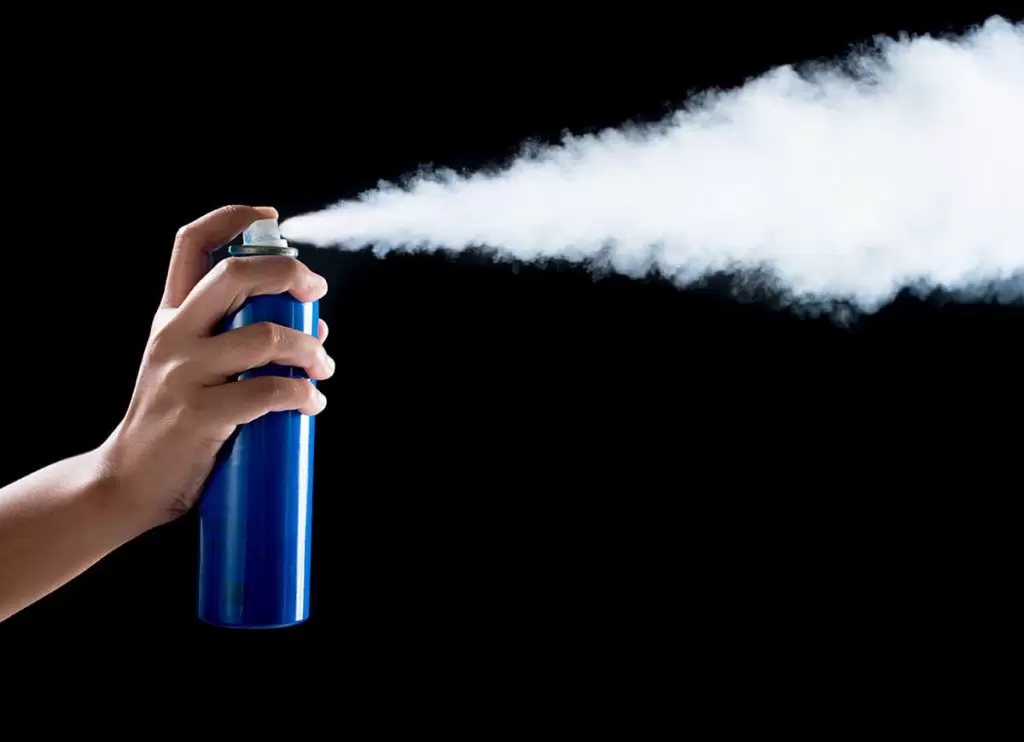
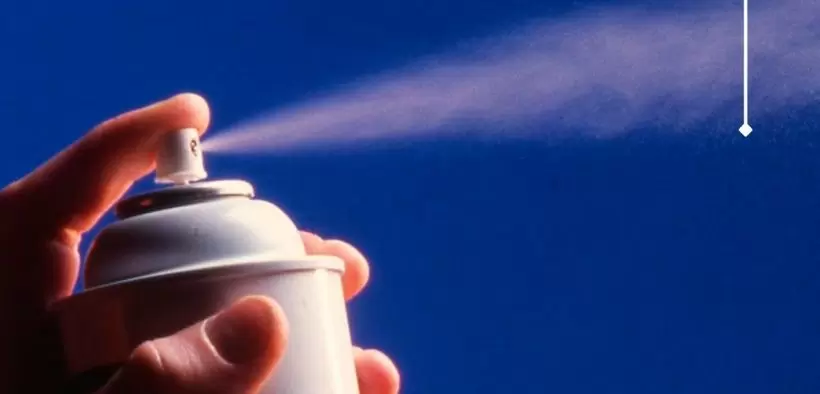
- Spray : Utilizing a pressurized spray of cleaning
- Ultrasonic : Employing high-frequency sound waves in a cleaning solution Tumbling : Placing components in a rotating drum along with abrasive media Swab : Applying a cleaning solution to a surface using a swab or cloth
INDUSTRIAL CLEANER TYPES:
Following types of cleaners are often used in industries for cleaning machinery and equipments:
Solvent based cleaners :They dissolve and remove a range of substances, including moisture, oil, grease, waxy sludge, dirt or any other contaminants effectively
Water Based Cleaner : These are available as Alkaline, Acidic & Neutral cleaners.
Acidic cleaners have pH levels from zero to 7 and remove mineral stains like rusts and scales. Alkaline cleaners are effective against heavy-duty soils, such as grease, oils, and carbon deposits.
Earlier in industry, diesel or kerosene was utilized for cleaning. However, cleaning with diesel poses fire or explosion risk and health hazards due to long-term exposure. Considering these hazards, it's advisable to use less hazardous cleaning solutions. Nowadays, environmentally friendly cleaners are becoming popular. These biodegradable cleaners are designed to break down quickly without causing harm to the environment.
While industrial cleaning requires an upfront investment in terms of time, labor, and resources, it can lead to significant cost savings in the long term. At mosil we have wide range of cleaners and degreasers with Biodegradable & Eco – Friendly Formulations.
Mosil NTKOR - 9625 is a water based food Grade NSF A8 category biodegradable heavy duty cleaner. Mosil DG - 202 is a water soluble biodegradable & eco – friendly degreaser. Mosil DG 500 is Solvent Based Cleaner. Mosil Spray - 18k and Spray - LC are cleaner cum degreaser in aerosol form.
SELECTION GUIDE FOR INDUSTRIAL CLEANERS:
The selection of an industrial cleaner involves careful consideration of various factors to ensure effectiveness, safety, and compatibility with the specific cleaning requirements. Here are key factors to consider during the selection of an industrial cleaner:
Type of Contaminants: Identify the nature of contaminants, such as oils, greases, chemicals, or specific residues, to choose a cleaner with the appropriate properties for effective removal.
Material Compatibility: Consider the metallurgy and material composition of the equipment or surface being cleaned to ensure that the cleaner is compatible and does not cause damage or corrosion.
Cleaning Method: Choose a cleaner suitable for the cleaning method employed, whether it involves dipping, spraying, ultrasonic cleaning, or other specific techniques.
Application Temperature: Consider the temperature at which the cleaner will be applied and ensure that the selected cleaner is effective within the specified temperature range.
Rinseability: Evaluate the ease of rinsing off the cleaner after application, as residues left on surfaces may negatively impact equipment performance or product quality.
Surface Finish Preservation: Consider the impact of the cleaner on the surface finish of the equipment or components to ensure that it does not cause discoloration, pitting, or other cosmetic issues.
Residue-Free Cleaning: Opt for cleaners that leave minimal or no residues, especially in applications where residue-free surfaces are crucial, such as in electronics or medical device manufacturing.
Safety Considerations: Assess the safety features of the cleaner, including flammability, food grade, toxicity, and potential health hazards, to ensure the well-being of workers and compliance with safety regulations.
Environmental Impact: Evaluate the environmental implications of the cleaner, considering factors such as, biodegradability, toxicity, and compliance with environmental regulations.
Regulatory Compliance: Ensure that the chosen cleaner complies with relevant industry standards, regulations, and safety guidelines to avoid legal and regulatory issues.
Cost-Effectiveness: Evaluate the overall cost-effectiveness of the cleaner, considering factors such as concentration levels, dilution ratios, and the efficiency of the cleaning process.
Application Method: Consider the ease of application, whether the cleaner is suitable for manual application, automated systems, ultasonic machines or specific cleaning equipment.
Testing and Trials: Conduct small-scale tests or trials to assess the cleaner's performance on actual surfaces and ensure its effectiveness in the intended application.
By carefully considering these factors, industrial facilities can select cleaners that align with their specific cleaning requirements, promote equipment longevity, and contribute to a safe and compliant working environment.
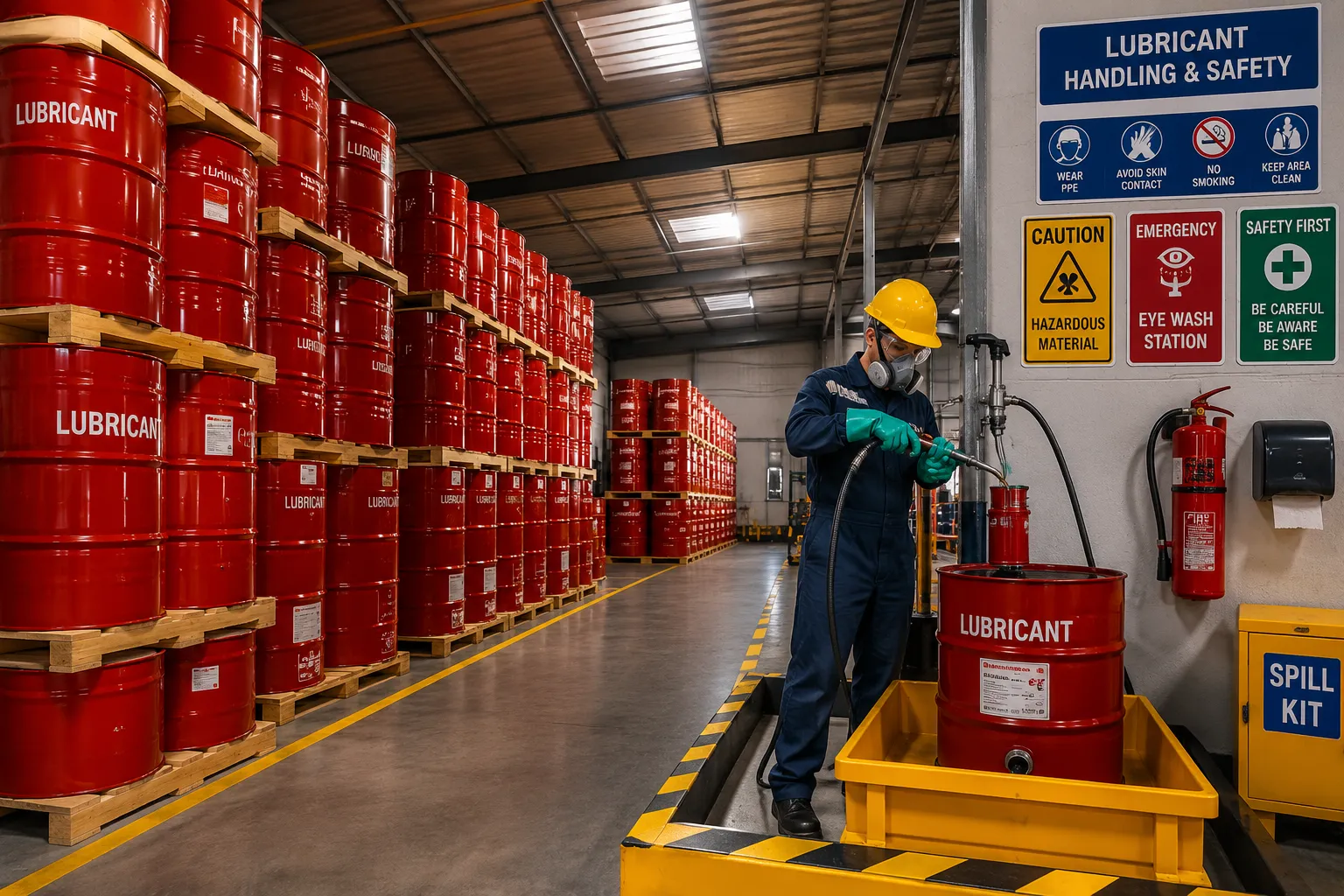
WHEN CLEANING WITH ANY CLEANER SOLUTION FOR YOUR APPLICATION, APPROPRIATE PERSONAL PROTECTIVE EQUIPMENT (PPE), PROPER VENTILATION, ADHERENCE TO RELEVANT SAFETY AND ENVIRONMENTAL REGULATIONS ARE CRUCIAL TO MINIMIZE RISKS. CONSULT WITH YOUR SOLUTION PROVIDER TO SELECT THE CORRECT CLEANER FOR YOUR NEEDS



















![Gear Drive Lubricant Selection [Gearbox Lubricants]](https://mosil.com/assets/uploads/blog/blog_1788344519_6a97f8c75d604.webp)


![The Ultimate Guide To Grease Thickeners [Thickening Agents]](https://mosil.com/assets/uploads/blog/blog_1754991852_689b0cec60a8a.jpg)