

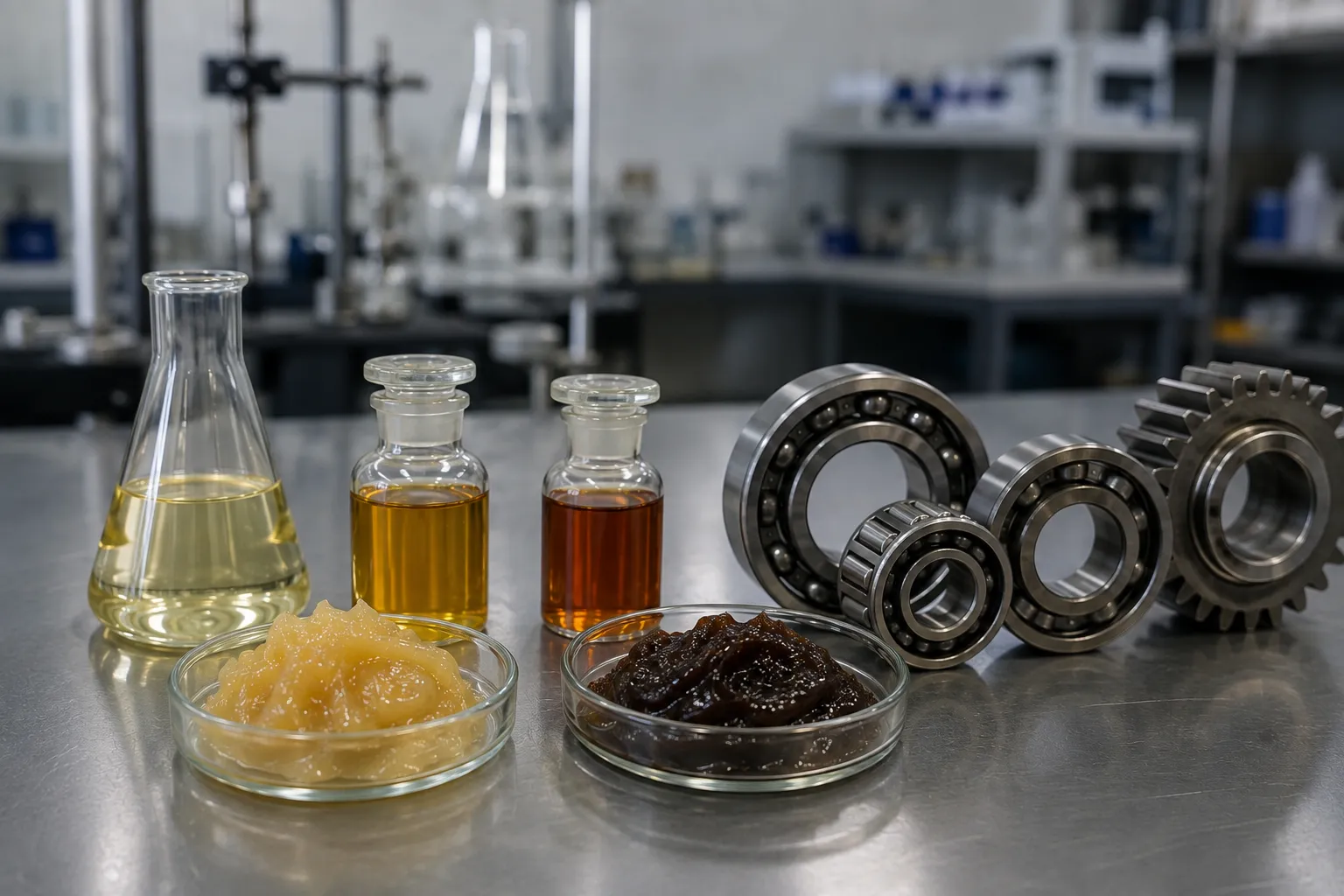
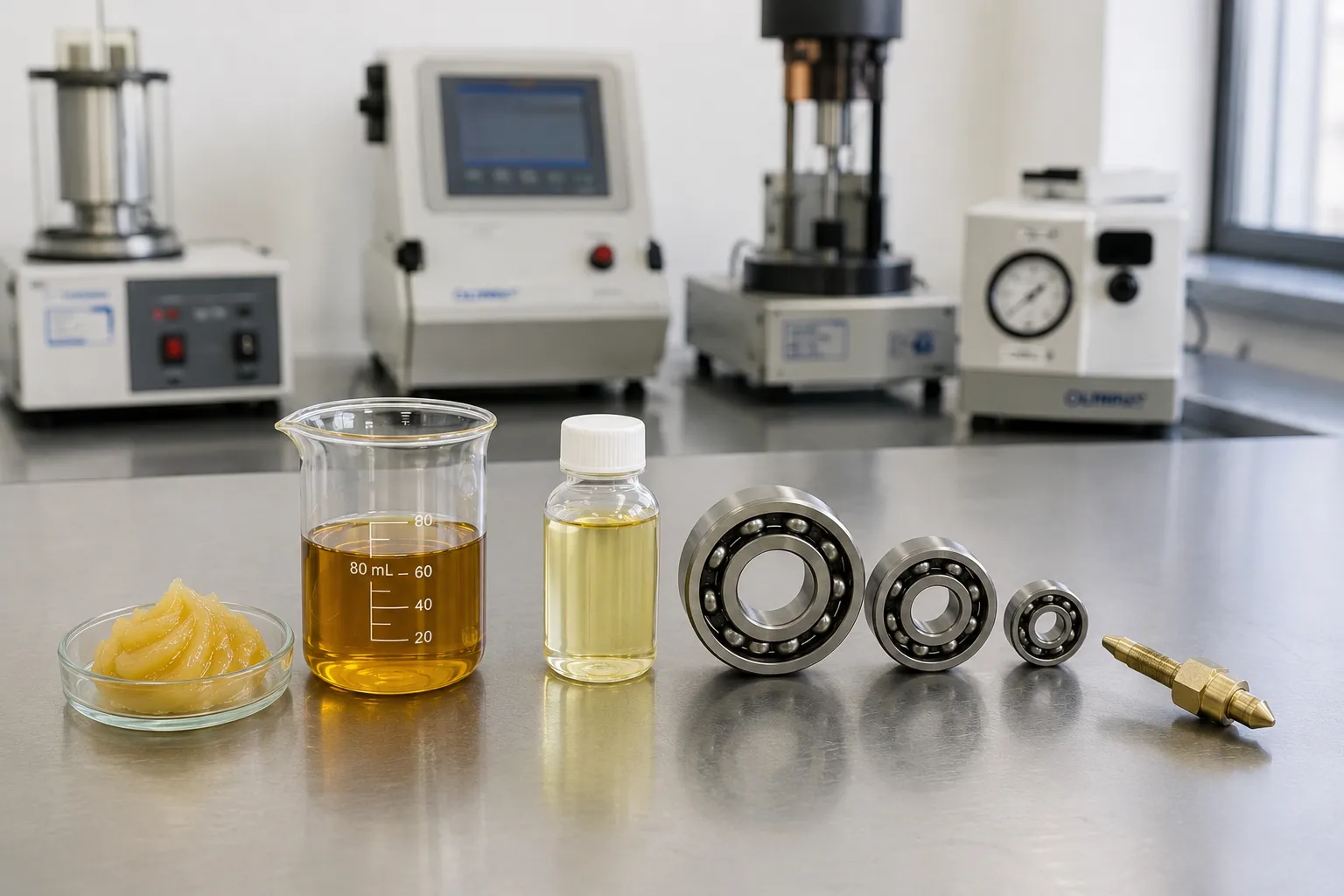
Lubricating oils and greases are essential in maintaining the smooth operation and longevity of machinery. Although both serve the purpose of reducing friction and wear, they have distinct properties and applications. Consequently, the testing parameters for oils and greases differ significantly. This blog summarizes the key test parameters applicable to grease and oils.
FUNDAMENTAL DIFFERENCE BETWEEN OIL AND GREASE :
|
Lubricating Oils |
Greases |
|
Oil = Base Oils + Additives Viscosity |
Grease = Base Oils + Viscosity Thickeners |
|
|
|


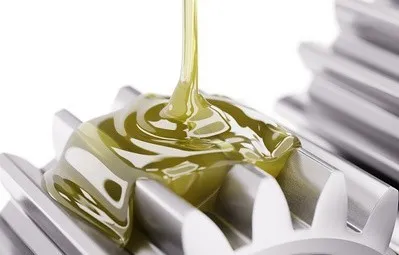
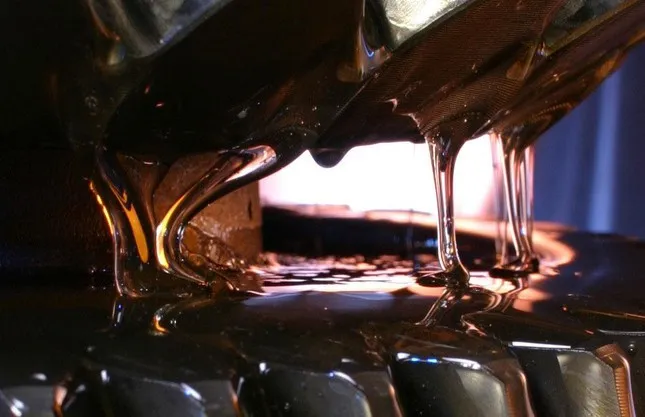
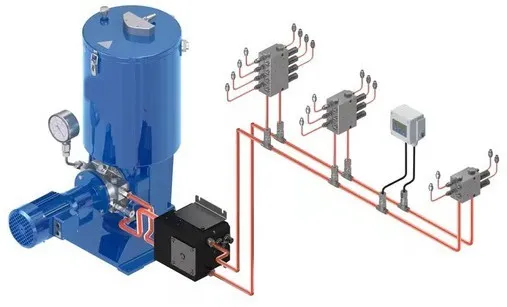
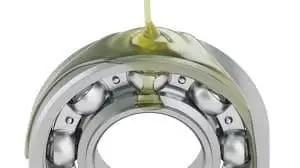
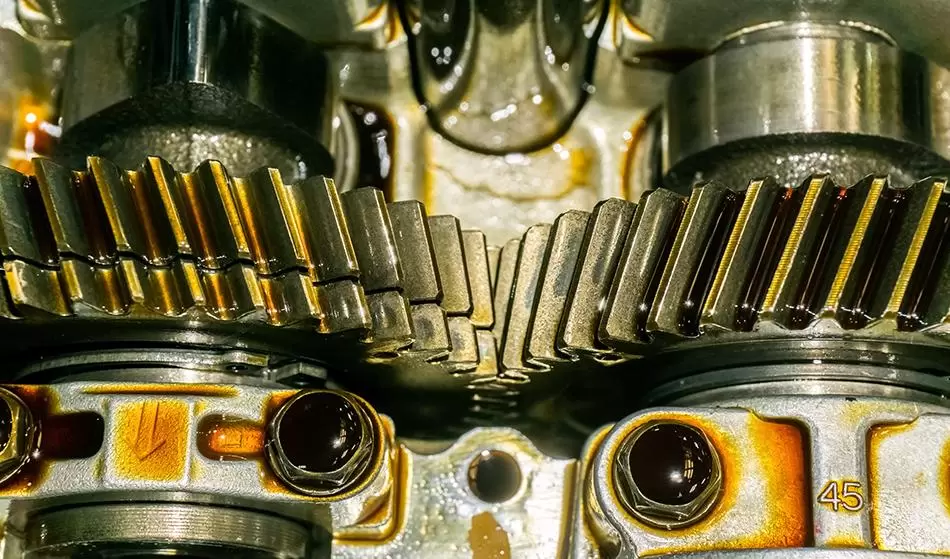
Lubricating oils are fluids with varying degrees of viscosity. Their primary function is to flow and coat moving parts to reduce friction in engines, hydraulic systems and gearboxes.
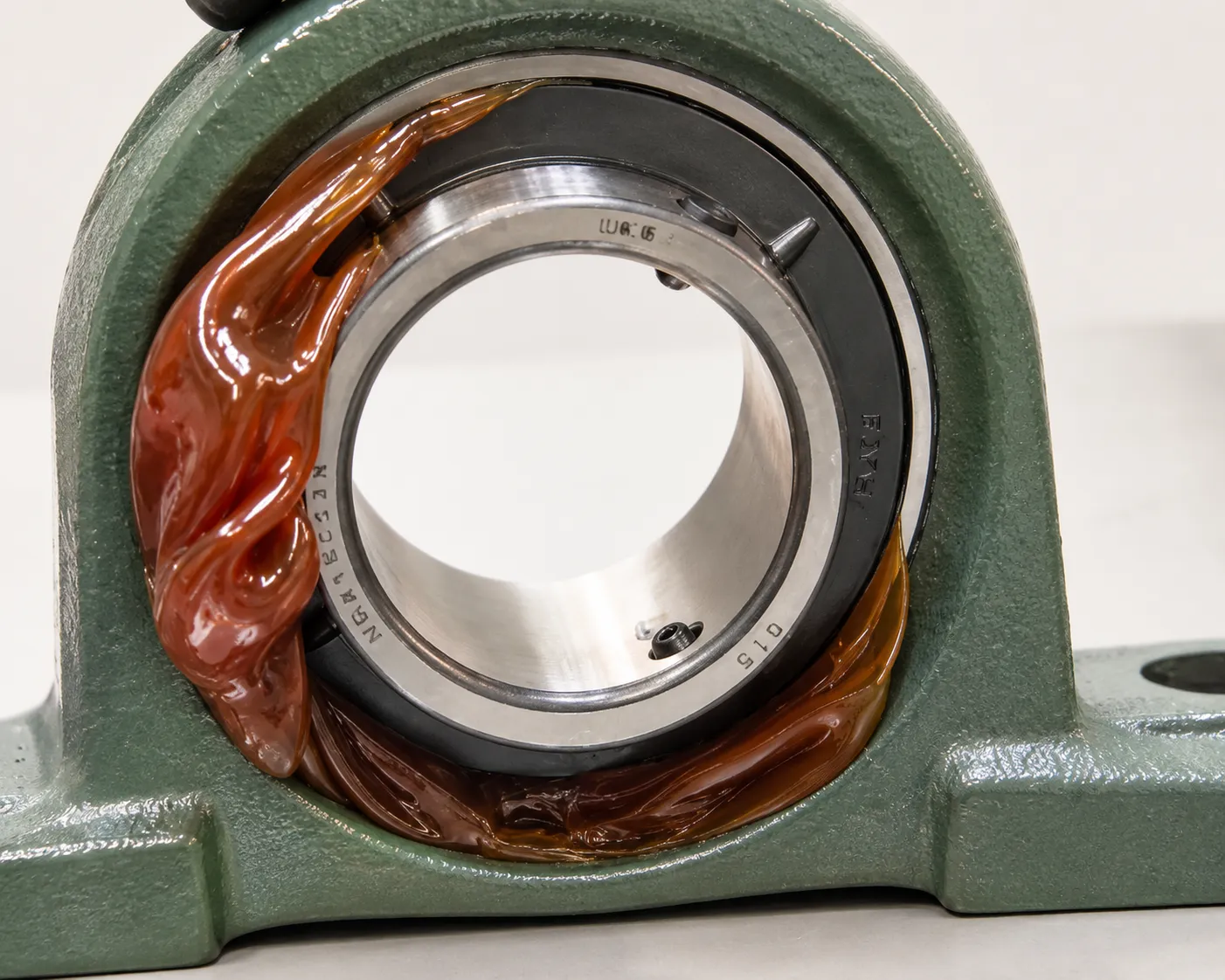
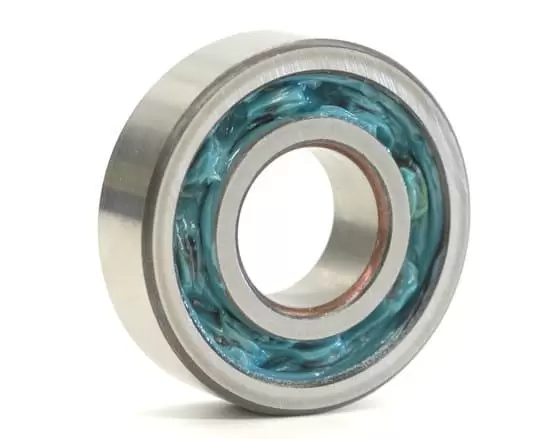
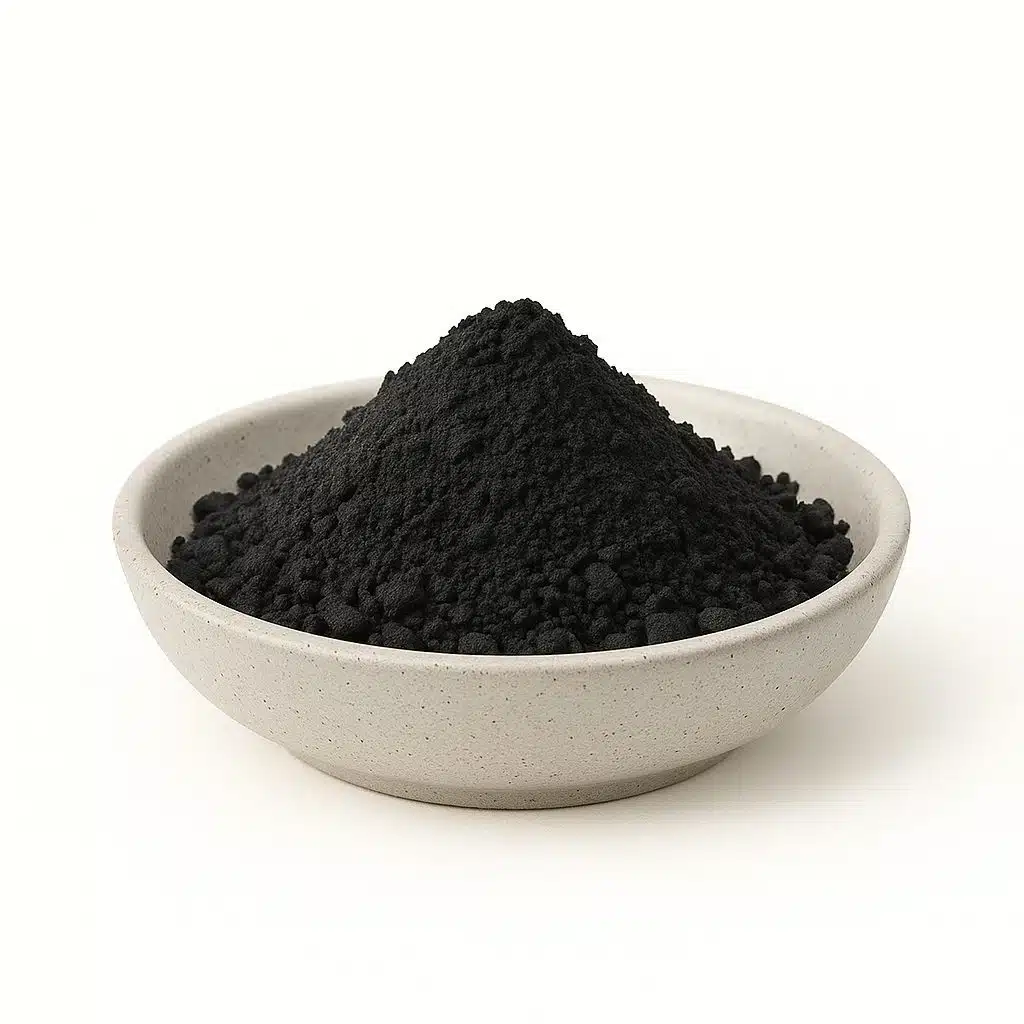
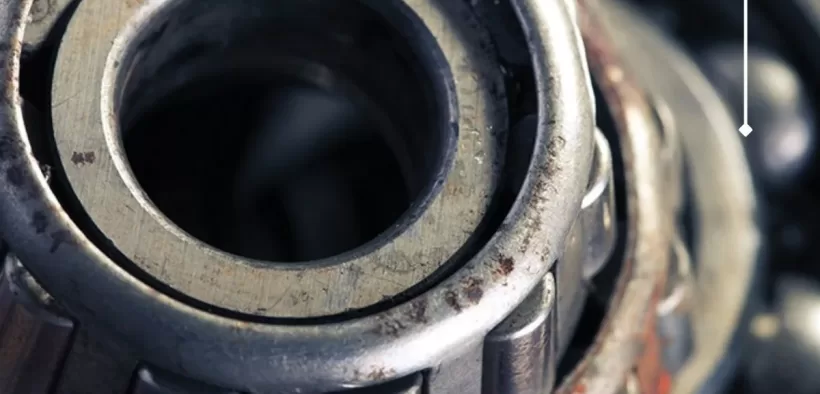
Grease is a semi-solid lubricant, composed of a base oil and a thickening agent. It stays in place, providing lubrication in areas where oil would not be practical due to leakage or centrifugal forces in applications such as bearings and sealed systems.
To ensure these industrial lubricants meet the required standards and perform effectively in various applications, specific test parameters are established. These test parameters help in assessing the quality, stability, safety and suitability of lubricants for different uses. However, the distinct properties and applications of lubricating oils and grease are responsible for different testing parameters. Oils require tests that measure flow characteristics, chemical stability and contamination levels to ensure they provide continuous and effective lubrication. In contrast, grease needs tests that evaluate its consistency, thermal stability and composition stability to ensure it stays in place and performs under challenging conditions.
KEY TEST PARAMETERS :
Following are some of the key Test Parameters applicable to oils and greases : 
Although some of the test parameters are common to both oil and grease, the methods for testing them are different. Also it should be noted that oil contributes 80% to 90% of the overall grease composition. Therefore, test parameters like viscosity, flash point, pour point, TAN, water content are applicable to the base oil of the grease to understand overall performance of the grease.
Understanding which test parameters apply to lubricating oils and which to greases helps to ensure lubricant’s performance, quality and safety. These parameters help manufacturers to produce consistent and reliable lubricants that meet the demands of various applications. Consult with your lubrication expert for suitable test parameters applicable to your grease or oil.
































































![Gear Drive Lubricant Selection [Gearbox Lubricants]](https://mosil.com/assets/uploads/blog/blog_1788344519_6a97f8c75d604.webp)








![The Ultimate Guide To Grease Thickeners [Thickening Agents]](https://mosil.com/assets/uploads/blog/blog_1754991852_689b0cec60a8a.jpg)