

Steel is the backbone of modern infrastructure and industrial development, playing a vital role in sectors such as construction, automotive, energy, transportation, and manufacturing. An integrated steel plant is a large-scale facility that converts raw materials such as iron ore, coal, and limestone into a wide range of finished steel products through a series of interconnected processes. Beginning with ironmaking and steelmaking, the process continues through casting, rolling and finishing operations, producing products ranging from flat steel sheets and coils to structural sections, seamless tubes, and reinforcement bars. The type of final product manufactured depends on the shape of the semi-finished steel produced during casting namely slabs, blooms, or billets and the subsequent rolling route adopted. This integrated manufacturing approach ensures efficient utilization of resources while delivering steel products tailored to diverse industrial applications.
INTEGRATED STEEL PLANT PROCESS IN BRIEF
An integrated steel plant converts iron ore into finished steel products through a series of ironmaking, steelmaking, casting and rolling operations.
Step 1: Ironmaking
-> Iron ore, coke, and limestone are charged into the Blast Furnace.
-> The furnace produces Hot Metal (Molten Iron). Step 2: Steelmaking
-> Hot metal is transferred to the Basic Oxygen Furnace (BOF).
-> Oxygen is blown into the molten iron to remove impurities and control carbon content.
-> The result is Liquid Steel. Step 3: Continuous Casting
The liquid steel is solidified into semi-finished products: Cast Product, Shape, Typical Use
Slab
Wide and flat
Flat products (plates, sheets, coils) Bloom
Large square/rectangular section Structural sections, rails, seamless tubes Billet
Smaller square section
Bars, rods, TMT rebars, wire rods
This is the stage where the steel route starts diverging.
HOW DIFFERENT STEEL PRODUCTS ARE PRODUCED
Slab Route → Flat Products
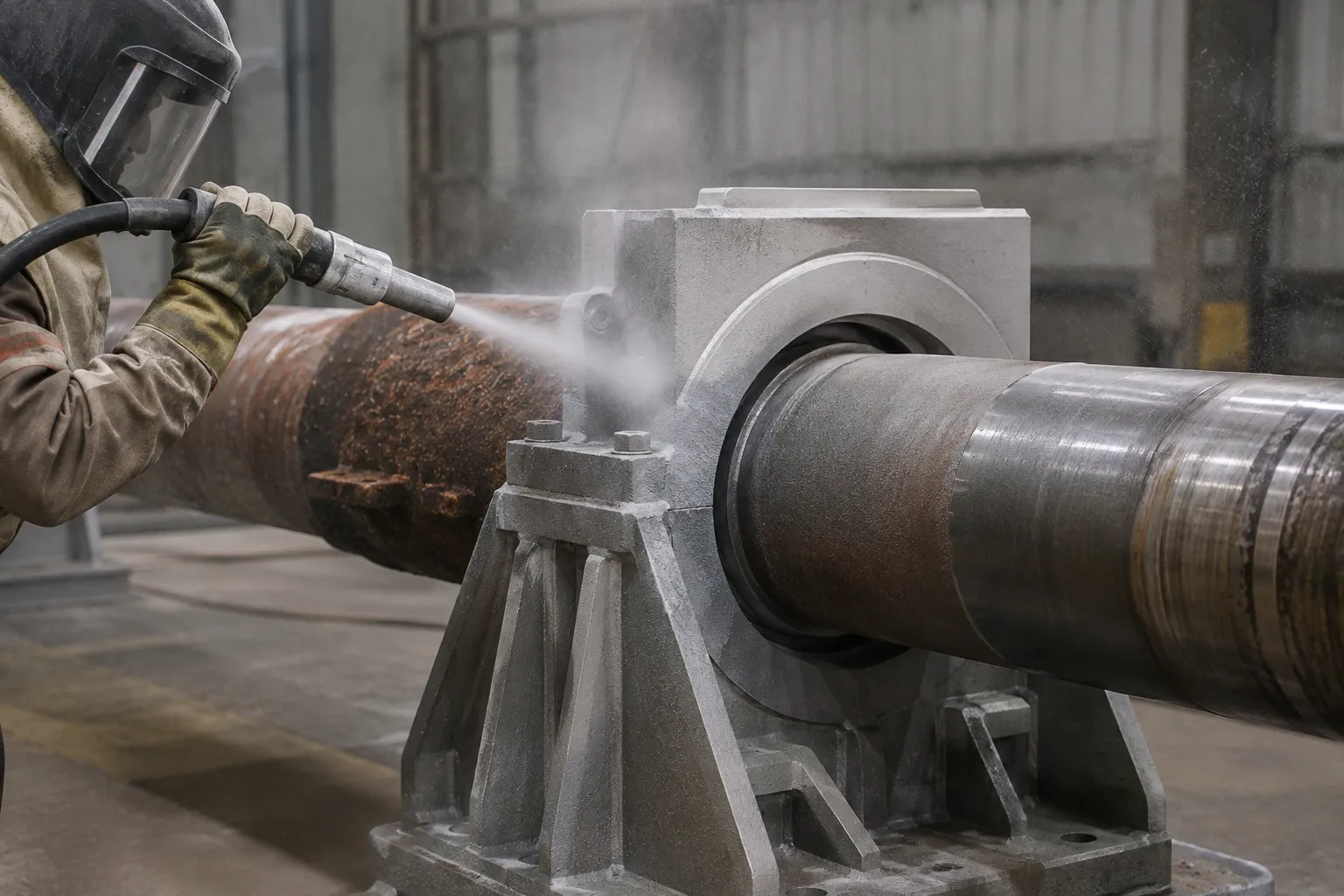
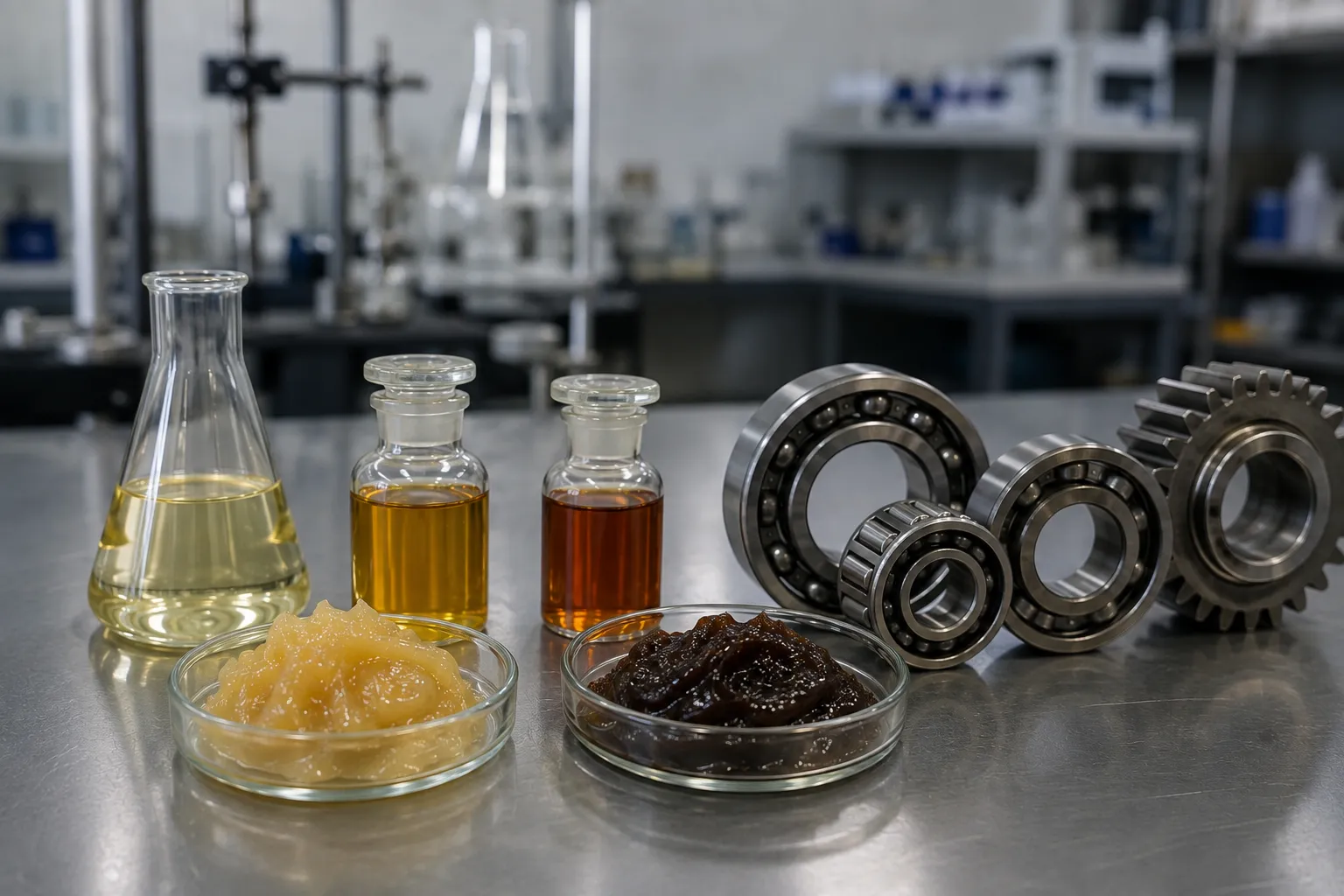
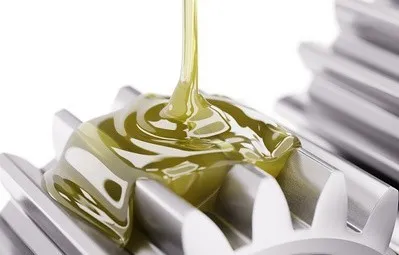
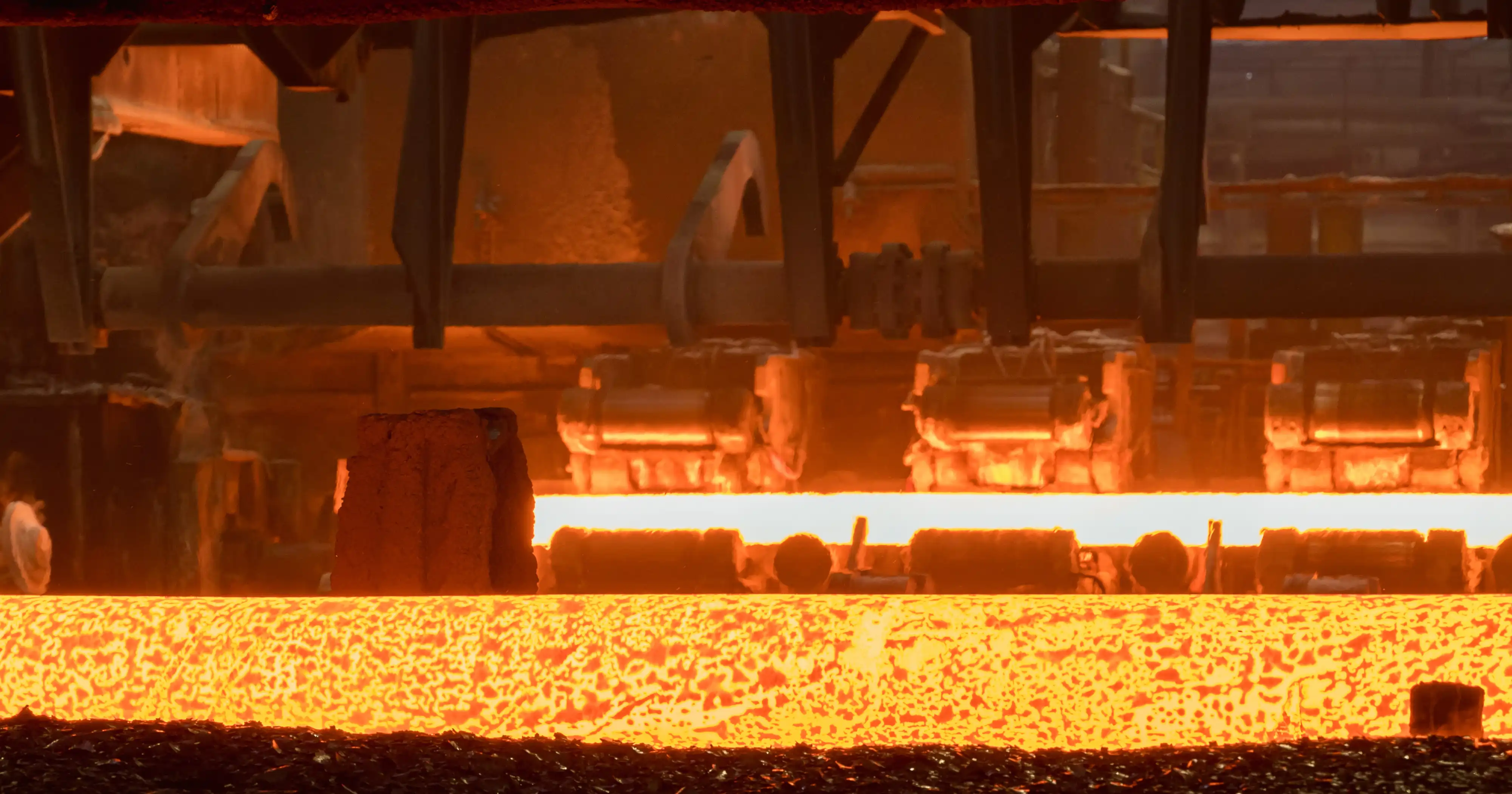
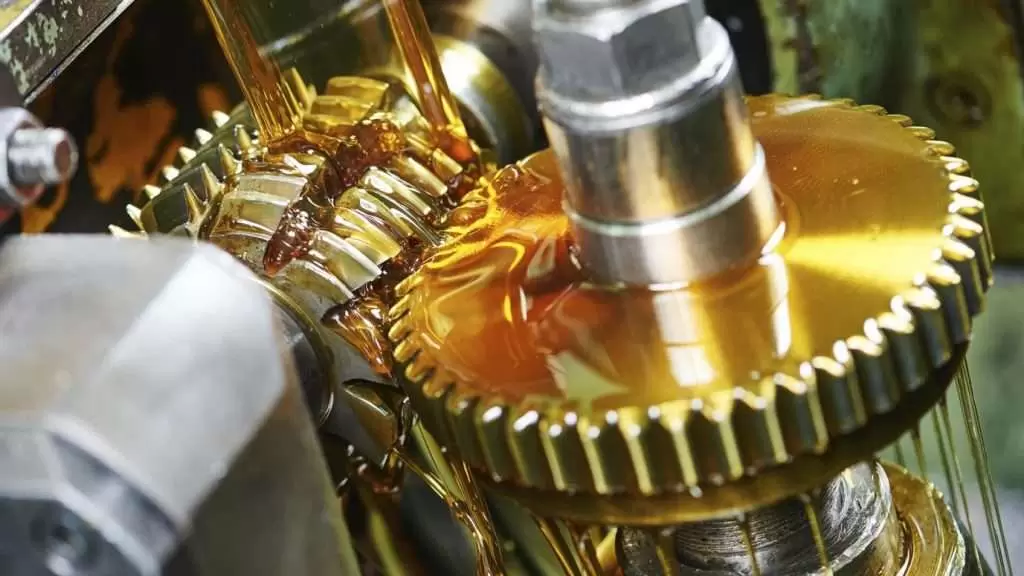
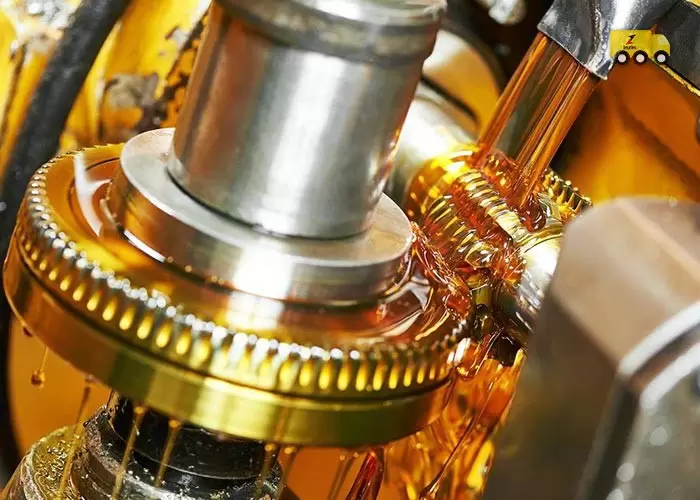
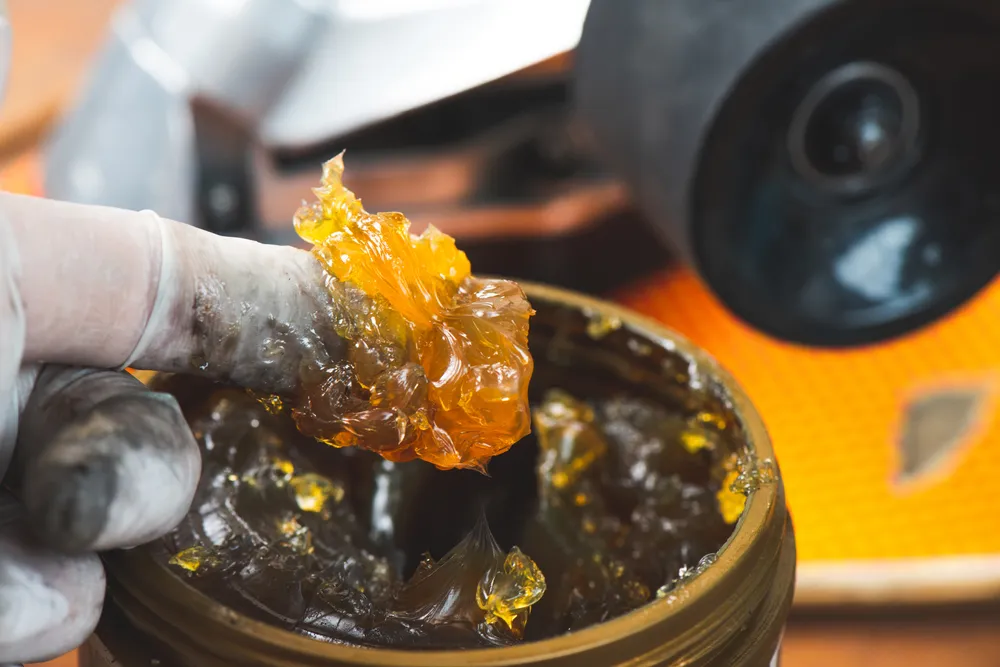
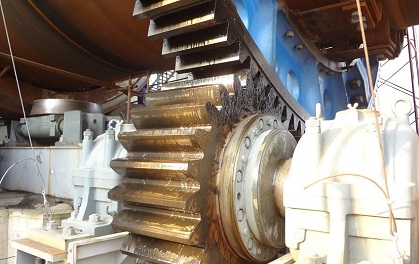
A slab is a wide rectangular semi-finished steel product, typically having a thickness of 150–300 mm and a width of 800–2200 mm. Slabs are primarily used for the production of flat steel products. After continuous casting, slabs are reheated in a reheat furnace and then passed through rolling mills to reduce their thickness and achieve the desired dimensions. Throughout these operations, specialty lubricants such as high-temperature greases, gear oils, hydraulic oils, and circulating oils play a crucial role in protecting bearings, gearboxes, hydraulic systems, and rolling mill components operating under severe loads and temperatures. Depending on the rolling process, slabs can be converted into steel plates, hot rolled coils (HRC), hot rolled sheets, cold rolled coils (CRC), and galvanized or coated sheets. Plates are generally thicker products used in shipbuilding, bridges, pressure vessels, and heavy engineering applications. In a Hot Strip Mill, slabs are rolled into hot rolled coils, which are widely used in automotive, fabrication and pipe manufacturing industries. These hot rolled coils may undergo pickling to remove surface scale and then be processed through a Cold Rolling Mill to produce cold rolled coils with superior surface finish, dimensional accuracy, and mechanical properties. Further coating processes, such as galvanizing or color coating, enhance corrosion resistance, making the products suitable for use in appliances, automotive panels, roofing, and construction applications. Thus, the slab route mainly produces flat steel products such as sheets, coils, and plates, while relying on specialty lubricants to ensure reliable and efficient plant operation.
Bloom Route → Structural Products
A bloom is a large square or rectangular semi-finished steel section, typically having a cross-section greater than 150 × 150 mm. Blooms are primarily used for manufacturing structural steel products and seamless tubes. After reheating, blooms are processed through Structural Mills, where they are rolled into various structural sections such as I-beams, H-beams, channels, angles, and railway rails. These products are extensively used in buildings, bridges, industrial structures, warehouses, transmission towers, and railway infrastructure due to their high load-bearing capacity and structural strength. Blooms can also be routed to Tube Mills, where they undergo piercing and rolling operations to produce seamless tubes and pipes. These seamless products are widely used in boilers, power plants, oil and gas pipelines, heat exchangers, and high-pressure applications where welded joints are undesirable. Therefore, the bloom route is mainly associated with structural steel and tubular products.
Billet Route → Long Products
A billet is a smaller square steel section, generally ranging from 100 × 100 mm to 150 × 150 mm. Billets are the primary raw material for the production of long steel products. After reheating, billets are processed through Bar Mills and Wire Rod Mills. In Bar Mills, billets are rolled into TMT rebars, engineering bars and round bars. TMT bars are extensively used in residential, commercial, and infrastructure construction projects due to their high strength and ductility. Engineering bars are used in the manufacture of shafts, forgings, machine components, and automotive parts. In Wire Rod Mills, billets are rolled into wire rods, which are further processed into products such as fasteners, nails, springs, welding electrodes, wire ropes and various drawn wire products. The billet route therefore, serves industries requiring long steel products with high strength and dimensional accuracy.
C O N C L U S I O N
An integrated steel plant efficiently transforms iron ore into a wide range of steel products through ironmaking, steelmaking, casting, and rolling processes. The key differentiation occurs during continuous casting, where steel is formed into slabs, blooms, or billets. These semi-finished products are then processed through specialized rolling mills to produce flat products, structural sections, seamless tubes, and long products such as TMT bars and wire rods. This flexible manufacturing route enables steel plants to meet the diverse requirements of industries such as construction, automotive, infrastructure, energy and engineering, making steel a fundamental material for modern development.
Frequently Asked Questions (FAQs)
1. What is an integrated steel plant?
An integrated steel plant is a manufacturing facility that converts raw materials such as iron ore, coal, and limestone into finished steel products through a complete process chain including ironmaking, steelmaking, continuous casting, and rolling operations.
2. What is the role of the Blast Furnace in steel manufacturing?
The Blast Furnace produces hot metal (molten iron) by reducing iron ore using coke as a reducing agent. This hot metal serves as the primary feedstock for steelmaking.
3. What products are manufactured from slabs?
Slabs are rolled into flat steel products such as steel plates, hot rolled coils (HRC), hot rolled sheets, cold rolled coils (CRC), galvanized sheets, and color-coated sheets.
4. What products are manufactured from billets?
Billets are used to produce long products, including TMT rebars, engineering bars, round bars, wire rods, wire ropes, springs, fasteners and nails.






















![Gear Drive Lubricant Selection [Gearbox Lubricants]](https://mosil.com/assets/uploads/blog/blog_1788344519_6a97f8c75d604.webp)


![The Ultimate Guide To Grease Thickeners [Thickening Agents]](https://mosil.com/assets/uploads/blog/blog_1754991852_689b0cec60a8a.jpg)