

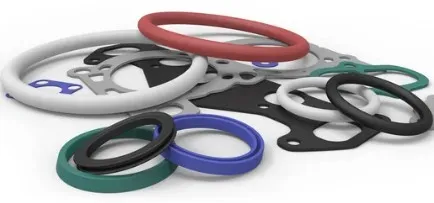
O-rings are indeed an essential component in many industrial applications and equipments. Their name itself indicates their shape which is typically doughnut or torus shape.
O-rings are a type of mechanical gaskets designed to create a seal between two or more parts. Their primary purpose is to create a reliable seal that prevents the leakage of liquids or gases in various industrial processes.
Silicone Grease for O-Ring Lubrication & Protection
For the effective sealing performance of the O-rings, it is necessary that the O-ring should not deteriorate in the presence of various operating conditions like water, steam, agressive chemicals, extreme temperatures and various pressure conditions. Therefore, role of the lubricants or greases is very important in maintaining proper health of the O-rings. Also selection of the right lubricant is necessary for compatibilty issues since O-rings are available in various material types in the industry.
Common types of the O-Rings :
Nitrile (NBR)
Fluoroelastomer (Viton)
Ethylene Propylene Diene Monomer (EPDM)
Silicone
Neoprene
Polyurethane
PTFE (Teflon)
Kalrez O-rings
Perfluoroelastomer (FFKM)
Wondering where O-rings are used in the industry?
O-ring applications are numerous:
- Hydraulic connections in machinery and automotive components to prevent fluid leaks.
- Pneumatic systems to maintain air or gas pressure.
- Air handling units, refrigeration systems, and other HVAC components to prevent refrigerant leaks.
- Faucets, valves, and plumbing fixtures to create watertight seals. Electronic equipments to seal against moisture and dust.
- Medical devices, pharmaceutical and food processing equipments to maintain sanitary conditions.
- Water distribution systems, underwater equipments, offshore drilling systems to prevent water ingress and leaks.
- Pumps, valves, and pipes in chemical processing equipment to prevent chemical leaks.
Why O-Rings need to be lubricated ?
Lubricating O-rings is required for several important reasons:
Reduced Friction: Lubrication acts as a protective barrier between the O-ring and the surfaces in contact. It helps to reduce friction between the O-ring and the mating surfaces, which prevents excessive wear and heat generation.
Ease of Installation: Lubricant makes it easier to install O-rings during assembly. It reduces the risk of the O-ring being damaged during installation, ensuring a proper fit.
Sealing Effectiveness: It allows the O-ring to maintain a tight seal against the mating surfaces, preventing the leakage of liquids or gases. This prevents malfunction of the equipments.
Protection : Lubricants protect the O-ring from deterioration due to harsh operating conditions like extreme temperatures, steam and water ingress, dust and dirt conditions etc
Extended Life : Lubricant helps to prevent damages in the fom of abrasion, twisting, pinching, cutting or tearing of the O-ring.
Noise Reduction: Lubrication can help dampen noise in mechanical systems by reducing the friction and vibrations that often lead to noise.
ARE YOU USING THE RIGHT LUBRICANT FOR YOUR O-RINGS ?
Following factors need to be considered while selecting the most suitable O-ring lubricant, :
Different O-ring materials are compatible with specific types of lubricants and greases. Using a non- compatible lubricant can lead to swelling, softening, sticking or deterioration of the O-ring. This can cause the O-ring to lose its sealing efficiency and lead to leaks.
Using the wrong grease may not provide adequate protection during service against various factors, such as moisture, steam, dust, chemicals or extreme temperatures. This may lead to premature O-ring failure, necessitating more frequent lubrication or O-ring replacements and increasing maintenance costs.
Hydrocarbon-based greases, such as those containing petroleum-based or mineral oil ingredients, are generally not recommended for use with O-rings, especially when the O-rings are made of elastomeric materials like nitrile (Buna-N) or silicone. In applications where non-elastomeric O-ring materials like PTFE (polytetrafluoroethylene) or certain types of plastics are used, petroleum-based greases may be suitable as long as they are compatible with these materials.
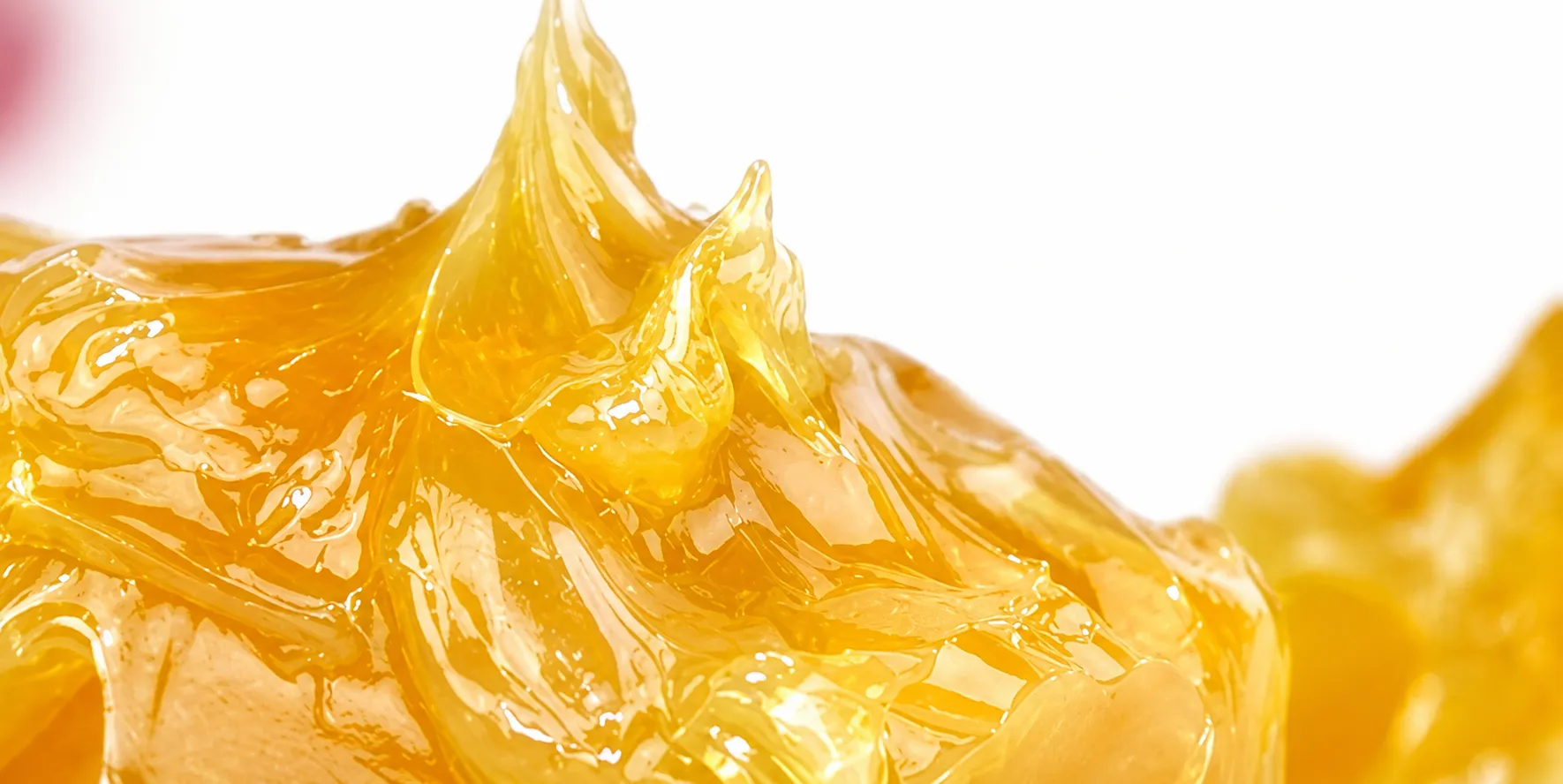
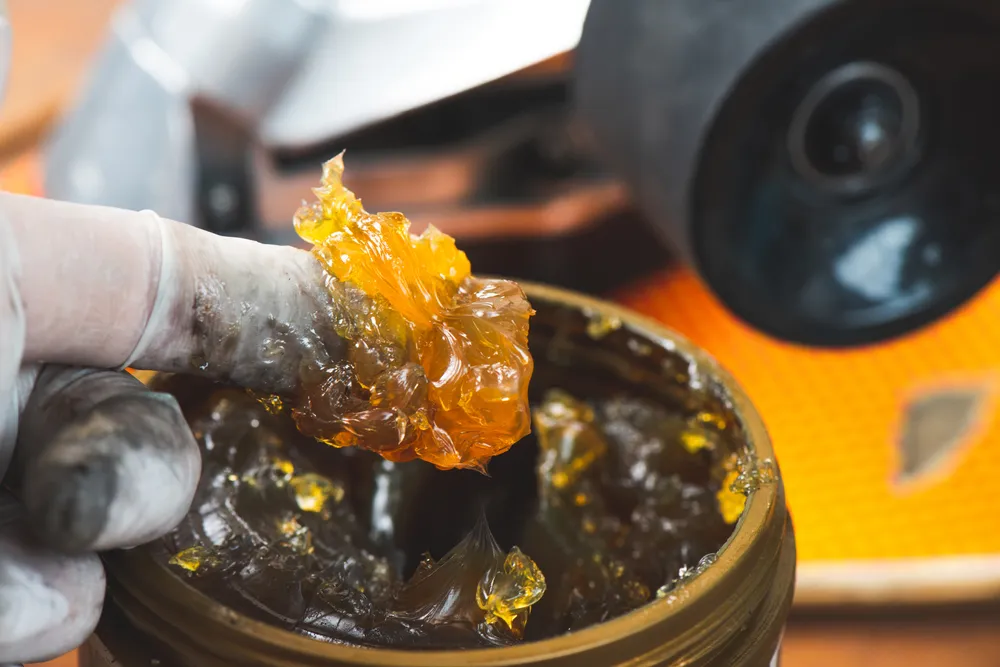
Silicone grease is often considered a more universal choice for lubricating O-rings compared to other types of greases, especially when the specific O-ring material is not known or when the O-rings are made of silicone themselves.
HERE'S WHY SILICONE GREASES ARE COMMONLY USED AS A MORE VERSATILE OPTION?
Material Compatibility: Silicone grease is compatible with a wide range of O-ring materials, including silicone, nitrile (Buna-N), EPDM, fluorocarbon (Viton), and more. This compatibility makes silicone grease a versatile choice when the exact O-ring material is not certain.
Broad Temperature Range: Silicone grease typically has a wide operating temperature range, making it suitable for both low and high-temperature applications. It remains stable and effective in extreme temperature conditions.
Water Resistance: Silicone grease offers good water resistance and can help seal out moisture, making it appropriate for applications where waterproofing is important.
Chemical Resistance: It is resistant to many chemicals and solvents, adding to its versatility in different environments.
Non-Toxic and Food-Grade Options: Silicone greases are available in non-toxic and food-grade formulations, making them suitable for use in applications involving food, pharmaceuticals, or medical equipment.
Long-Lasting Lubrication: Silicone greases provide long-lasting lubrication, reducing friction and preventing O-ring damage during assembly and operation.
Environmental Compatibility: They are generally environmentally friendly and don't pose concerns about contamination or adverse effects on surrounding materials.
While silicone grease is versatile, it's important to use a high-quality, silicone grease that does not contain any additives or contaminants that could potentially affect the O-ring material. Always ensure that the silicone grease you choose is compatible with the specific type of silicone O-ring you are using and that it meets the requirements of your application.
Nevertheless, silicone grease is widely used in a broad range of industries and applications and is often considered a good general-purpose choice for O-ring lubrication when compatibility is a concern.






























![Gear Drive Lubricant Selection [Gearbox Lubricants]](https://mosil.com/assets/uploads/blog/blog_1788344519_6a97f8c75d604.webp)


![The Ultimate Guide To Grease Thickeners [Thickening Agents]](https://mosil.com/assets/uploads/blog/blog_1754991852_689b0cec60a8a.jpg)