
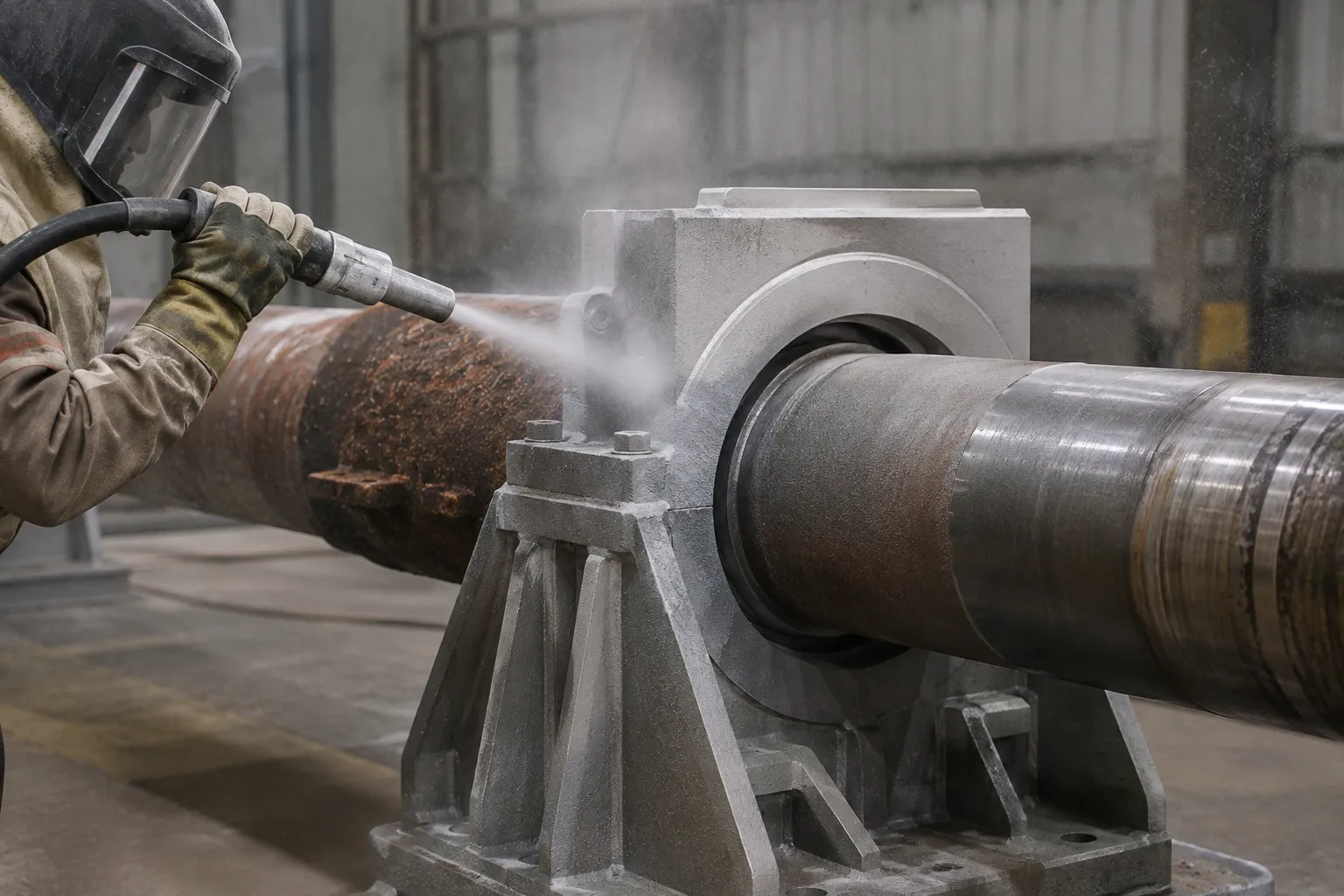
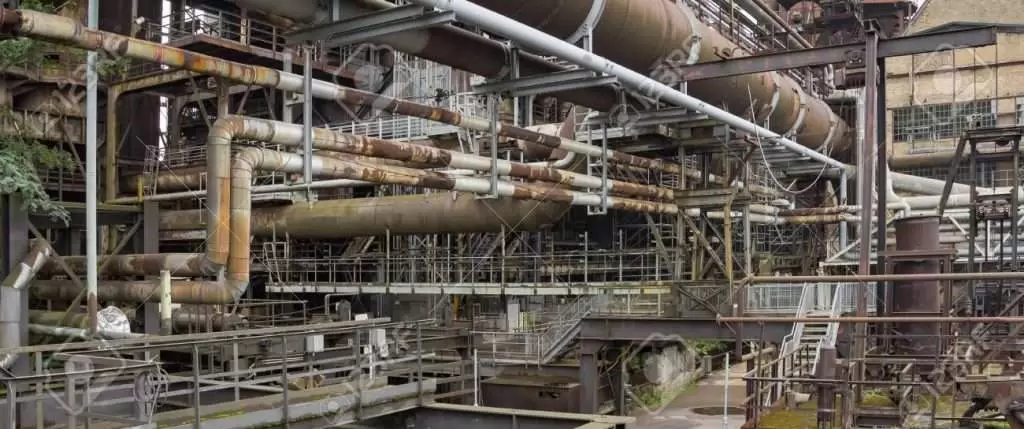
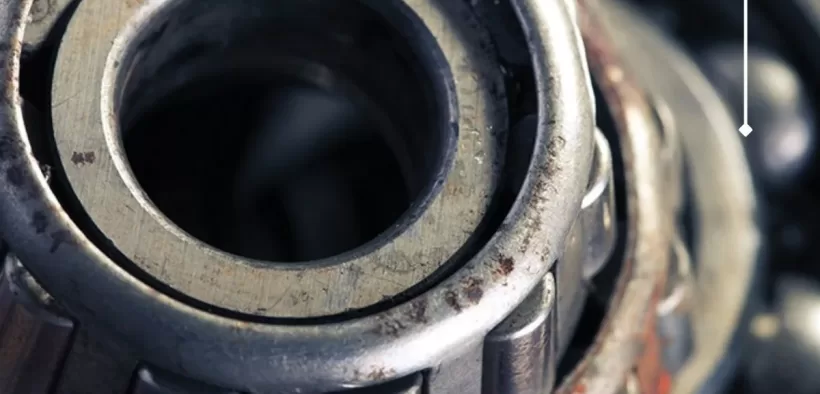
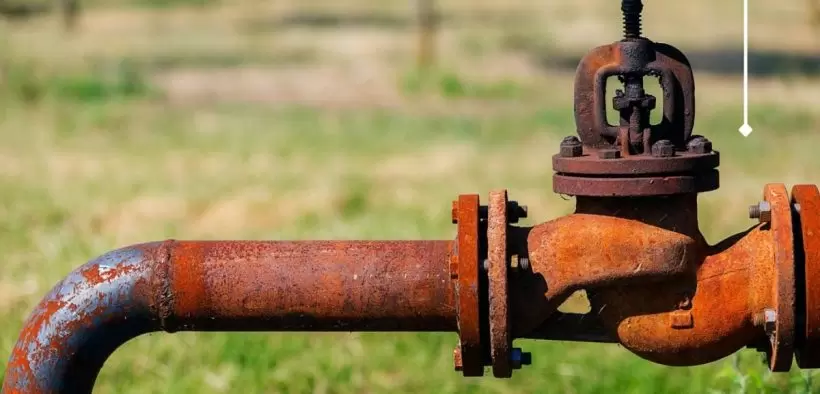
Corrosion is one of the most significant threats to the integrity, safety and longevity of metal structures. From bridges and pipelines to machinery and consumer products, protecting metal surfaces from rust and environmental damage is essential for long-term performance. There are several corrosion protection methods available today, In this blog, we’ll explore how zinc coating compares to other common rust protection methods.
Zinc Rich Paint (Galvanization)
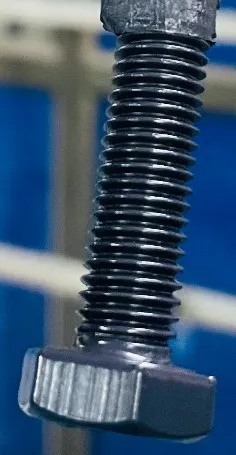
Zinc coatings protect steel from corrosion due to its anodic properties where it will sacrificially corrode before the underlying steel. It’s versatile for both large-scale fabrication and on-site service.
Hot-Dip Galvanizing (HDG)
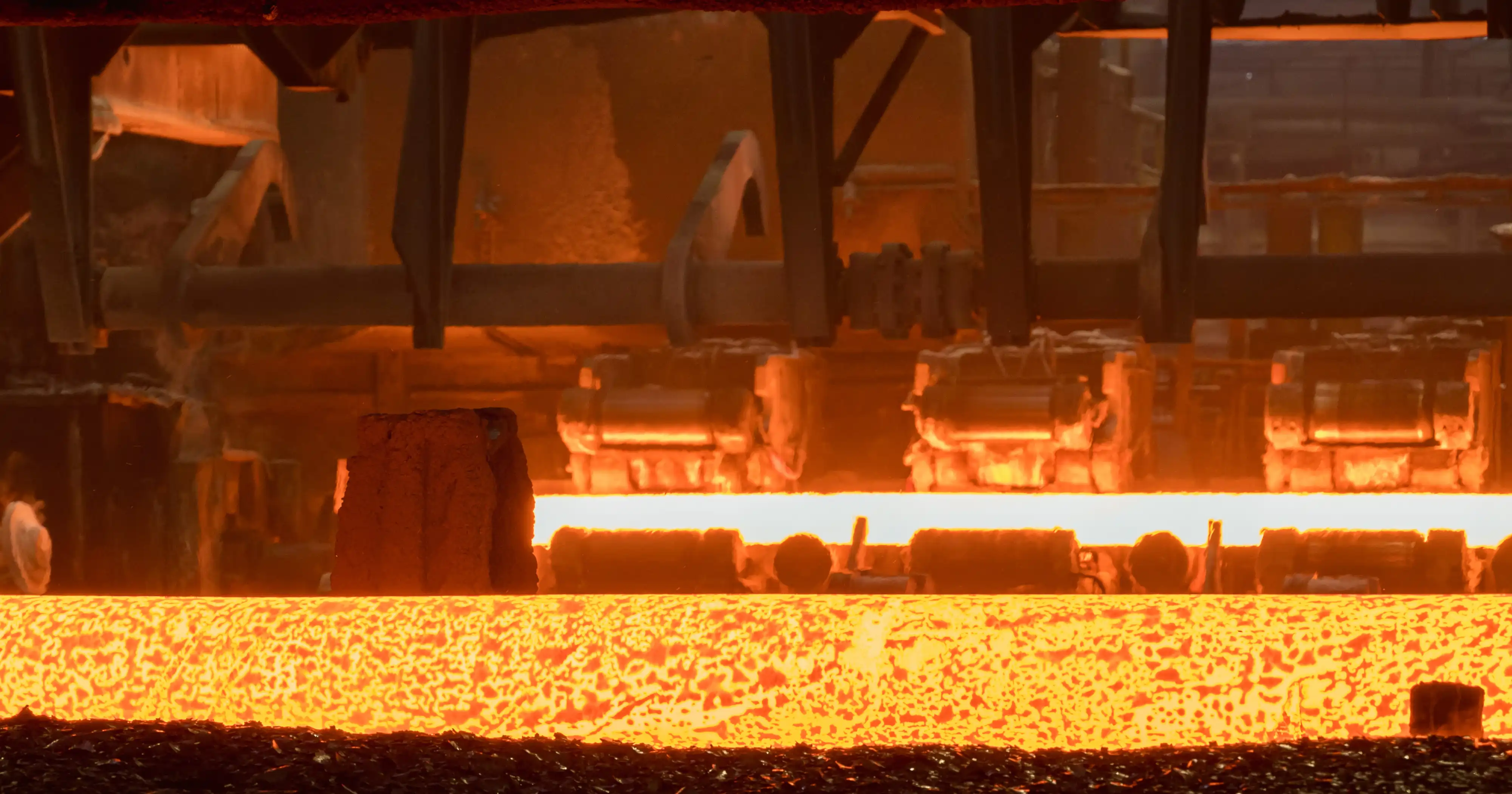
Process: Immersion of cleaned, flux-coated steel into molten zinc (~450 °C), creating a metallurgical bond and intermetallic alloy layers (Gamma, Delta, Zeta, Eta).
Typical Thickness: 85–125 µm.
Typical Service Life: 50–100 years in moderate industrial/corrosive (C3–C4) environments.
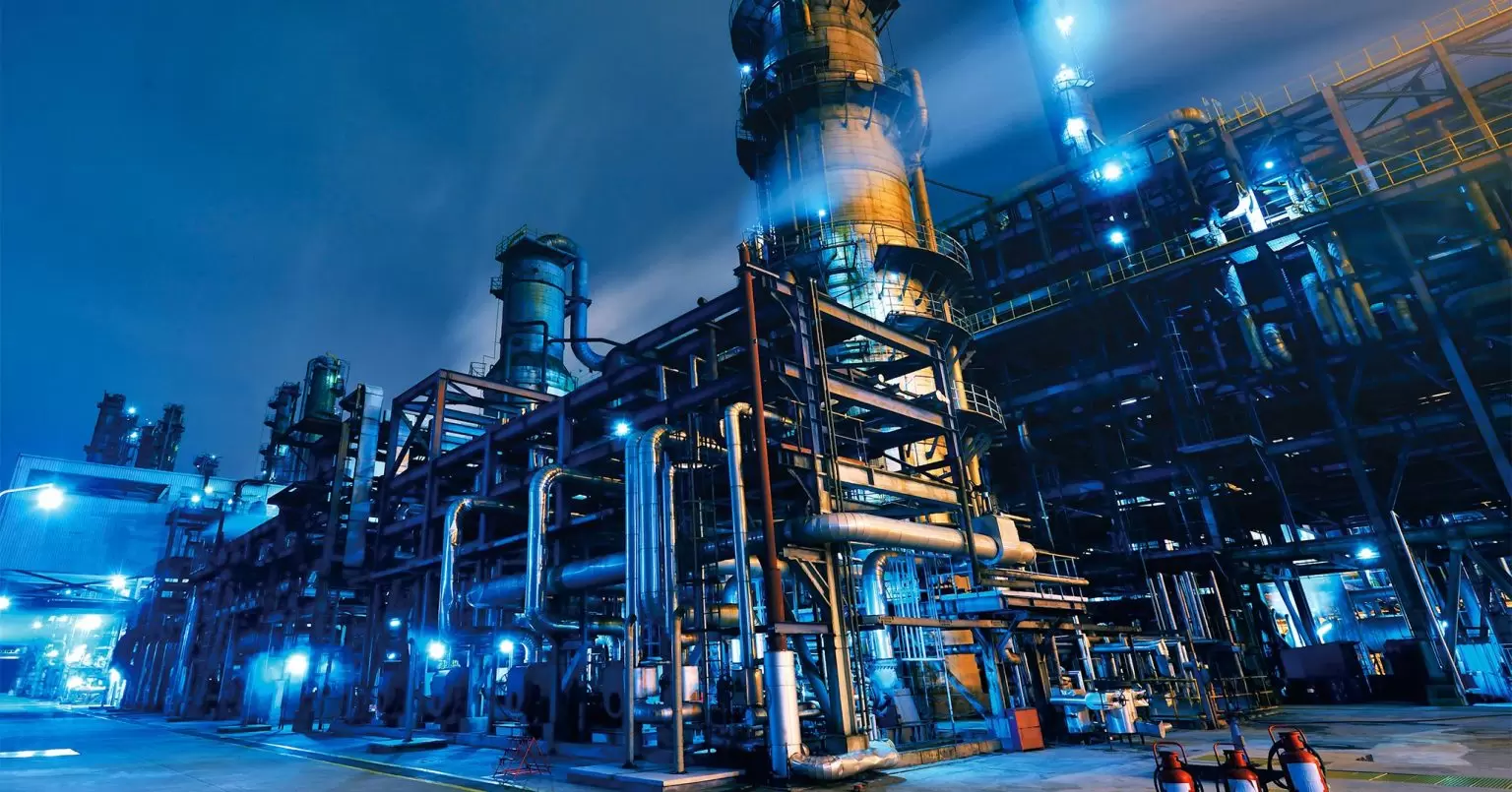
Industrial Applications: Infrastructure & Construction - Bridges, transmission towers, guard rails, structural frames, Factories & Plants - Chemical, fertilizer and oil refinery piping systems, Transportation & Utilities - Railway parts, highway barriers, utility poles, Marine Settings - Coastal platforms, offshore structures.
Pros: Robust barrier + self-healing, extremely durable, minimal upkeep.
Cons: Higher upfront cost, industrial-looking finish, not ideal for intricate components.
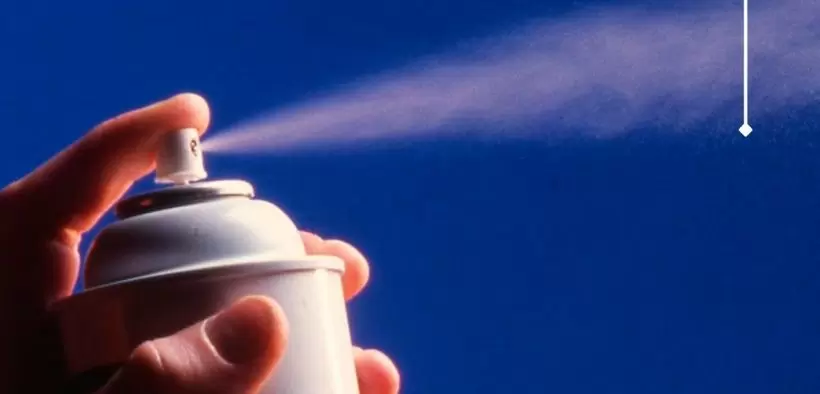
Cold Galvanizing (Zinc Rich Paint / Aerosol / Brush-On)
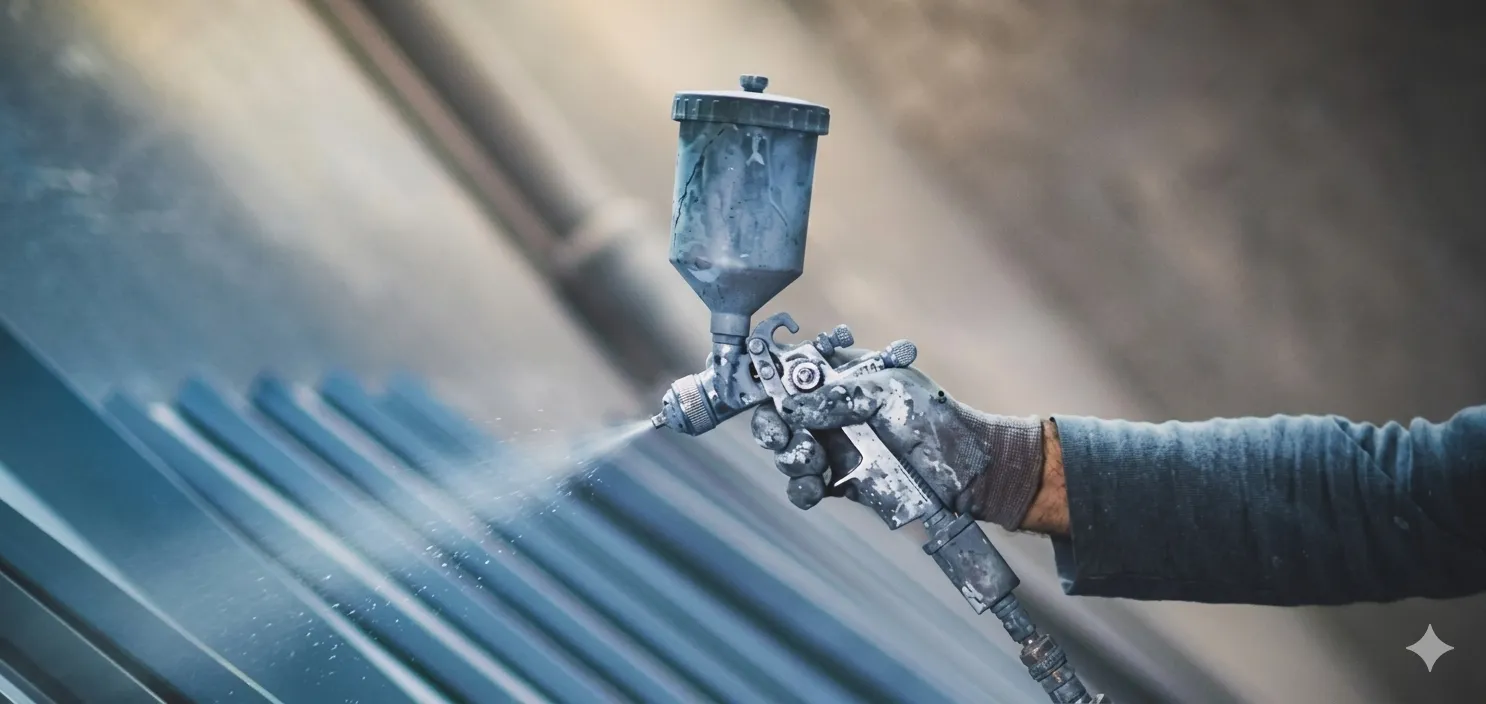
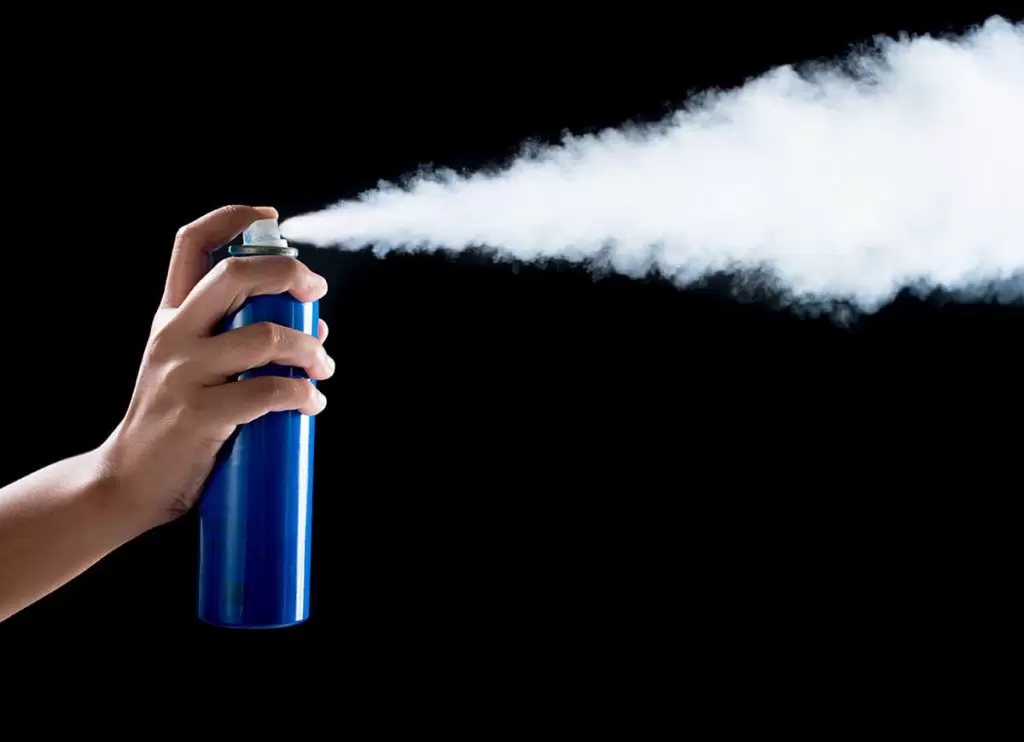
Process: Application of zinc coating via brush, roller, spray-gun or aerosol cans.
Typical Thickness: ~10–100 µm
Performance:
Offers cathodic protection akin to HDG but not metallurgically bonded; thinner and adhesive-bound
Service life is shorter typically 5–10 years, sometimes longer with good surface prep.
Ideal for Field repairs & maintenance - weld seams, scratches, cut edges on galvanized steel, Smaller installations & mobile equipment - trailers, fencing, guard rails, transformer boxes, ladders, Industrial machinery & components - chains, pulleys, construction tools. Marine repair: on-site touch-up of boat parts, small offshore gear.
Benefits: Convenient, low-VOC, safe for weld zones, no plant downtime, cost-effective.
Drawbacks: Thinner coatings, prone to wear in harsh environments, frequent recoating required.
While zinc is the most common metal used for galvanizing, other metals like aluminum, magnesium and even combinations of zinc and aluminum can be used for coating steel. Additionally, tin can be used for coating steel in a process similar to galvanizing, though it's not typically referred to as galvanizing.
Painting: Paint provides a barrier between the metal and the environment. It includes organic paints (epoxy, polyurethane) and zinc-rich primers.
🔧 Advantages: Cost-effective, Custom finishes, Adaptability
⚠ Limitations: Maintenance-intensive, Surface preparation is critical, Shorter lifespan
Anodizing: An electrolytic process mainly for aluminum that thickens the natural oxide layer to enhance corrosion and wear resistance.
🔧 Key Benefits: Superior corrosion resistance, Decorative finish, Hard surface
⚠ Drawbacks: Material limitation, Cost, Limited layer thickness
Plating (Electroplating and Electroless): Plating deposits a thin metallic layer (e.g., nickel or copper) on the metal surface, either via electroplating or chemical reaction (electroless plating).
🔧 Strengths: Improved surface properties, Precision, Material variety
⚠ Weak Points: Adhesion challenges, High cost, Environmental concerns
Powder Coating: A dry finishing process where powdered resin is electrostatically applied and cured under heat, forming a hard, protective layer.
🔧 Advantages: Excellent durability, Eco-friendly, Decorative appeal
⚠ Limitations: Surface prep is key, Heat cure limitation, Higher setup cost
Conclusion
While zinc coating offers unmatched long-term protection and low maintenance for steel in harsh environments, the best corrosion protection methods depend on the metal type, outdoor and indoor operating conditions, required lifespan and aesthetic requirements.







![Gear Drive Lubricant Selection [Gearbox Lubricants]](https://mosil.com/assets/uploads/blog/blog_1788344519_6a97f8c75d604.webp)
![The Ultimate Guide To Grease Thickeners [Thickening Agents]](https://mosil.com/assets/uploads/blog/blog_1754991852_689b0cec60a8a.jpg)