

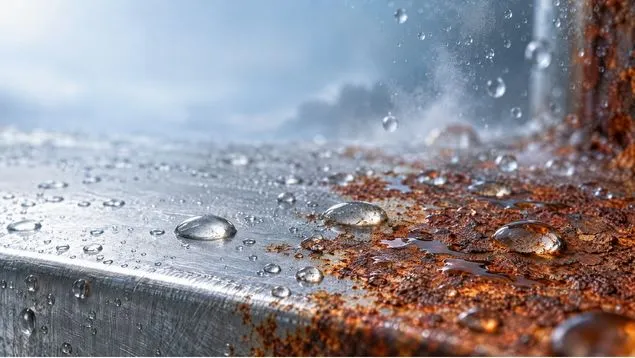
Different types of rust preventive coatings are used in the industry and Anti-Friction Coatings are used as a special rust preventive surface technology solution to meet specific requirements of the industry.
Why Low friction Coatings required?
In various industry applications, component surfaces need to be protected against rust and corrosion as well as friction and wear. Anti-friction coatings perform duel function of coating as well as a lubricant to control frictional properties of the surfaces. Such coatings are ideal for high temperature and load environments where traditional coatings tend to break down.
These coatings are also referred as “Lubricating paints”, “Solid Lubricants Coatings”, “Dry Lubricant Coatings” or “Bonded Coatings”.
How Anti-friction Coatings works?
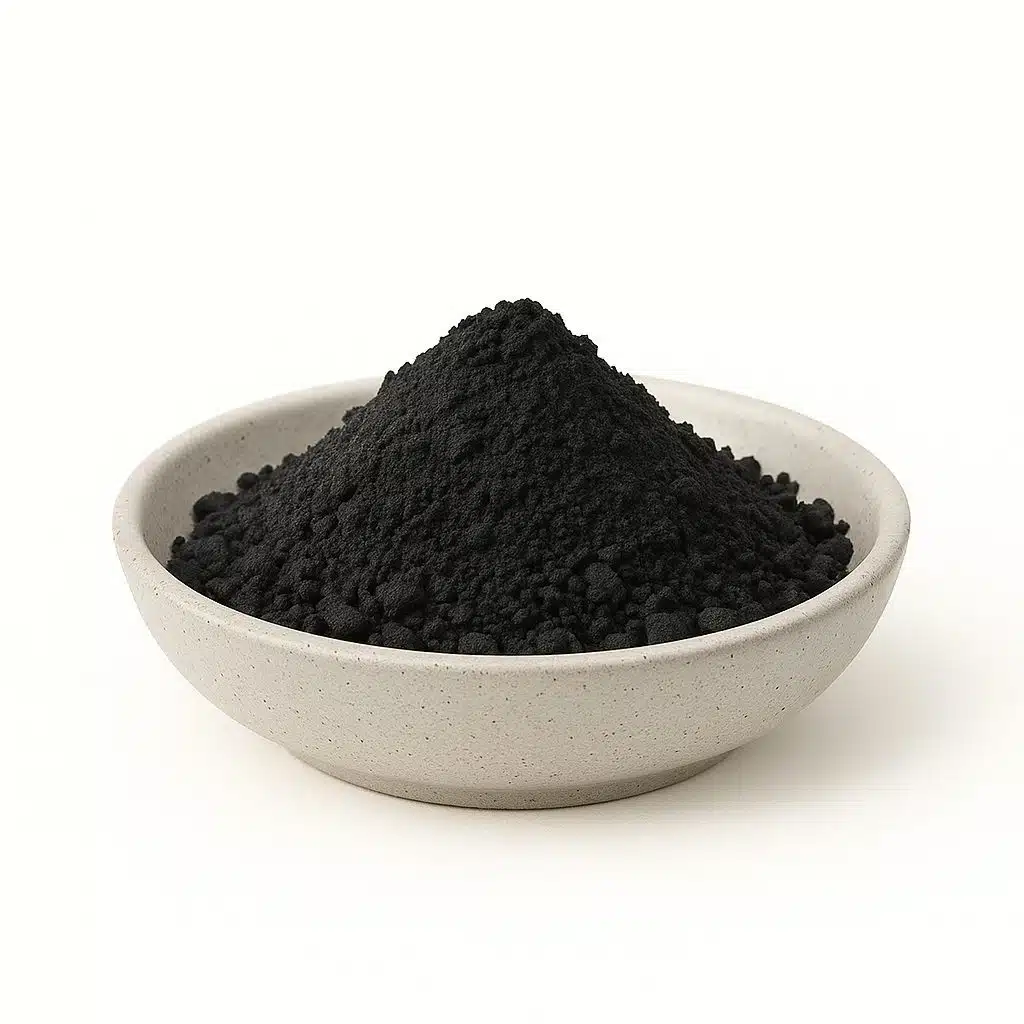
Anti Friction coatings are made up of solid lubricants dispersed in paint like liquid medium consisting of resin blends and solvents. The micro-sized solid lubricants prevent friction occurring between mating surfaces under various temperature, load, speed and environmental conditions.
Typical solid lubricants used in bonded coatings are MoS2, Graphite or PTFE etc.
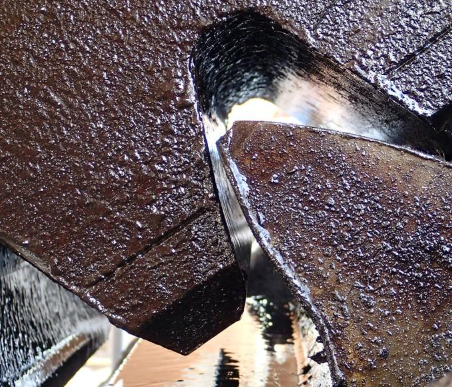
AF coatings form a slippery or gliding film which can reduce friction between metal to metal, metal to plastic and plastic to plastic surfaces.
Advantages of Anti-Friction Coatings:
Dry & clean lubricant film along with improved aesthetic look of the machinery parts.
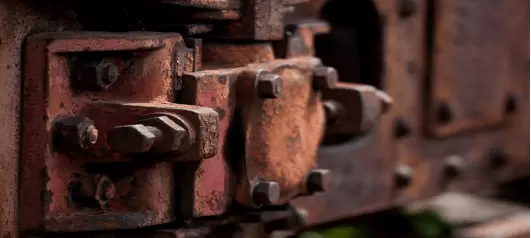
Protection against rust, corrosion, dirt, dust and humid environment.
Resistant to water, mineral oils, chemicals, UV radiation or use in a vacuum.
Optimized friction coefficients to reduce friction occuring between closely placed surfaces or moving parts.
Suitable for applications at temperatures ranging from -70 °C to +400 °C.
Capable to absorb shocks, reduce torque and eliminate noises.
Parameters to consider while selecting the right AF Coatings:
AF Coating selection depends on coating thickness, adhesion, curing time, drying time, temperature range, coefficient of friction, binder type and type of solid lubricants.
Molybdenum disulfide based coatings are suitable for parts with heavy load carrying capacity subjected to high operating temperatures and optimized coefficient of friction.
PTFE based AF coatings are used for lifelong applications which require low coefficient of friction and high temperature resistance.
Graphite based AF coatings are effective to prevent scoring and galling of the surfaces at high temperatures even in moist environments.
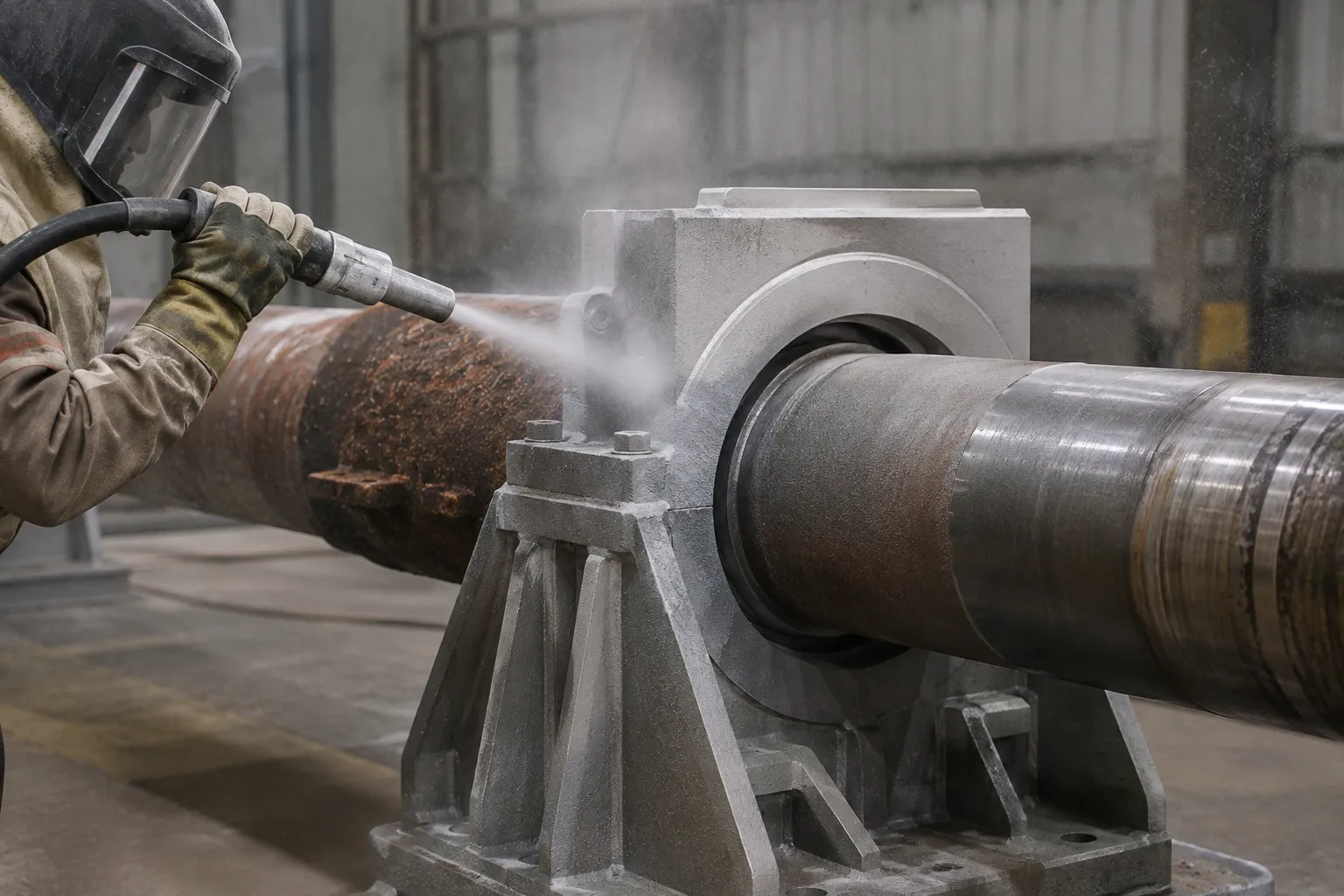
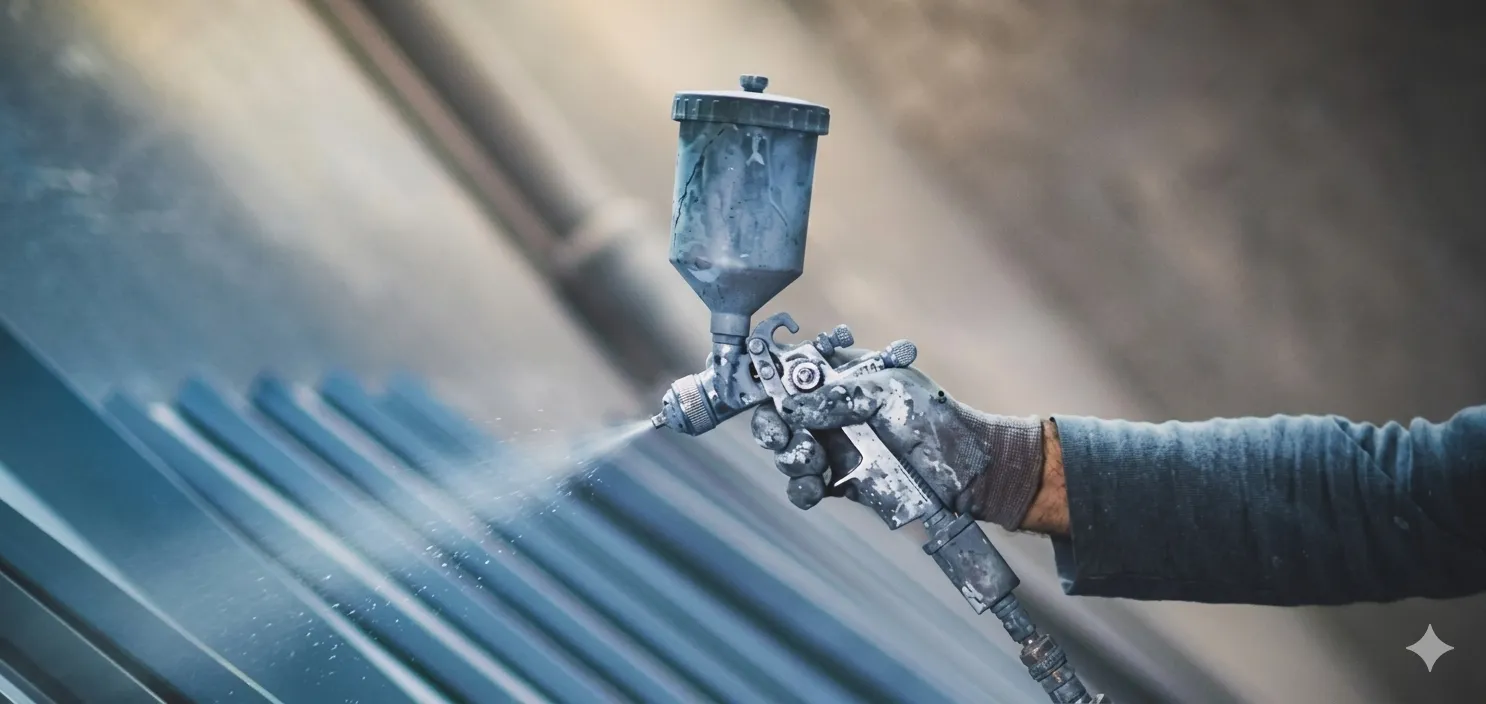
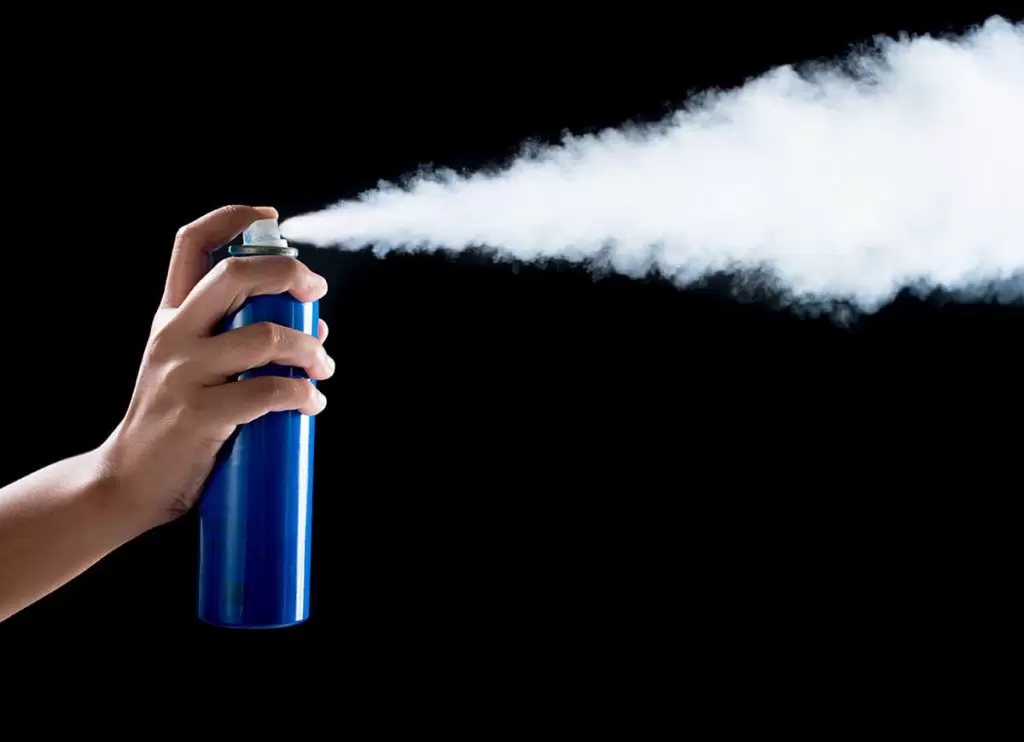
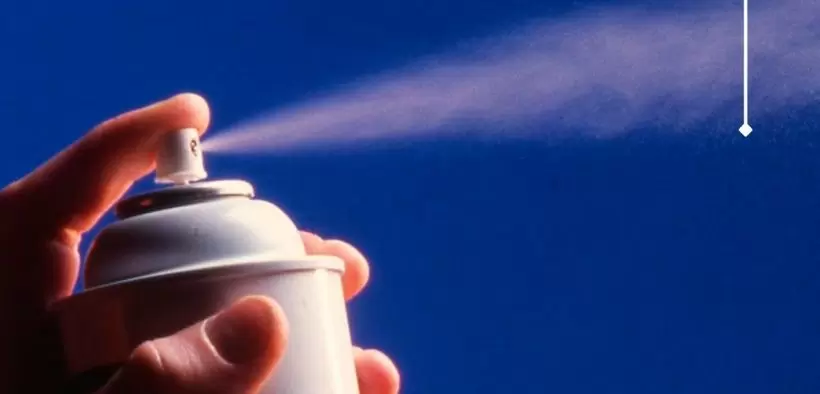
AF coatings can be applied by spraying, dipping, brushing etc. Depending upon the thickness of the layer of the coating, the method for its application is decided.
Typical application area of Anti-Friction Coating:
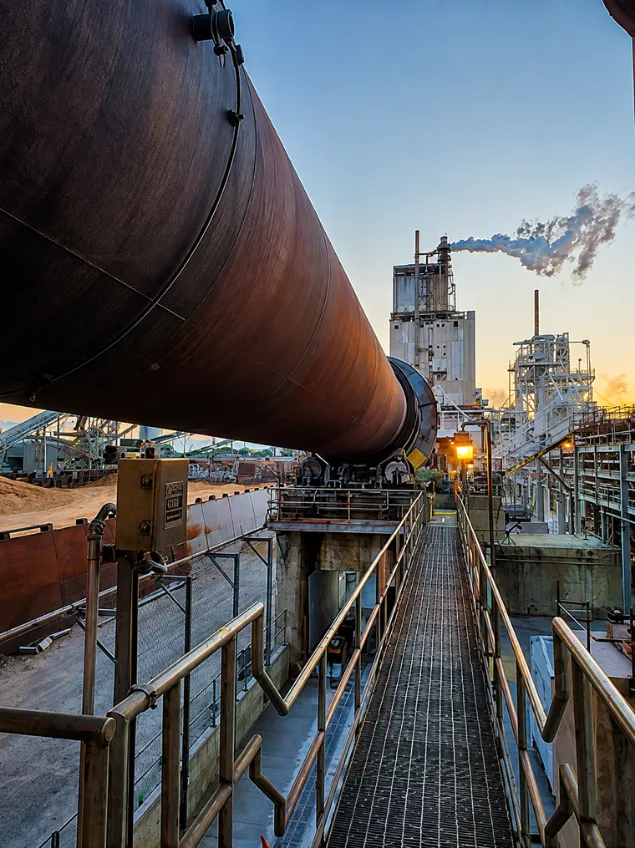
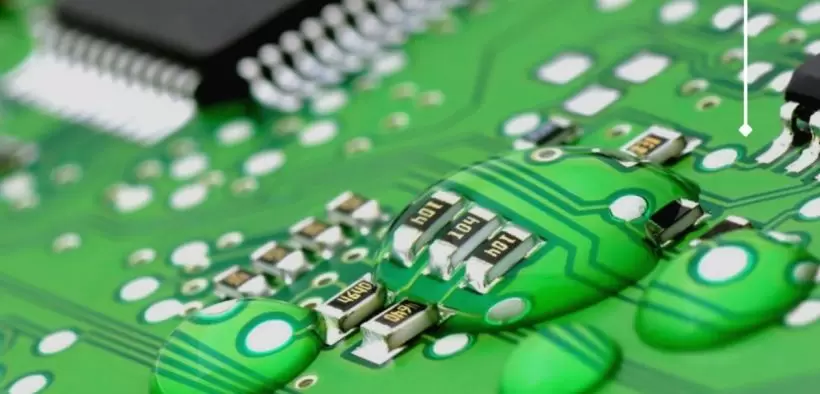
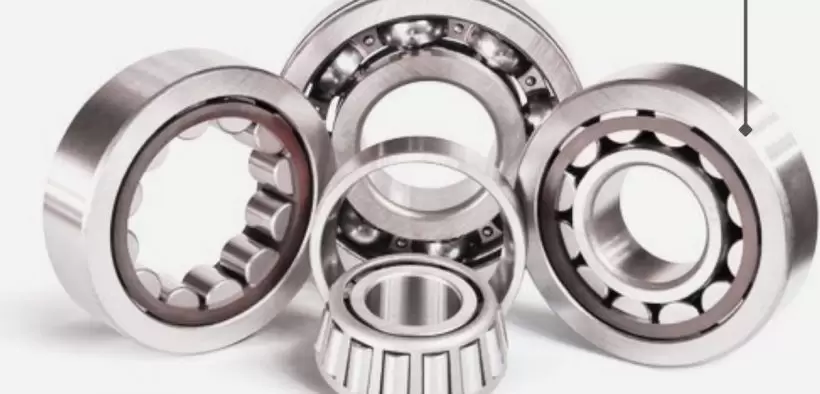
Dry lubricant coatings are used in various industries including automotive, mining, petroleum, power generation etc.
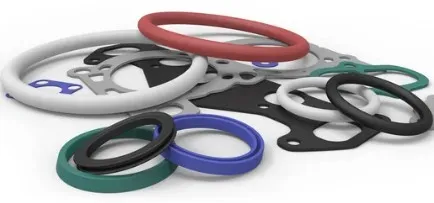
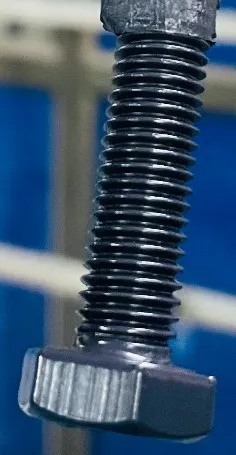
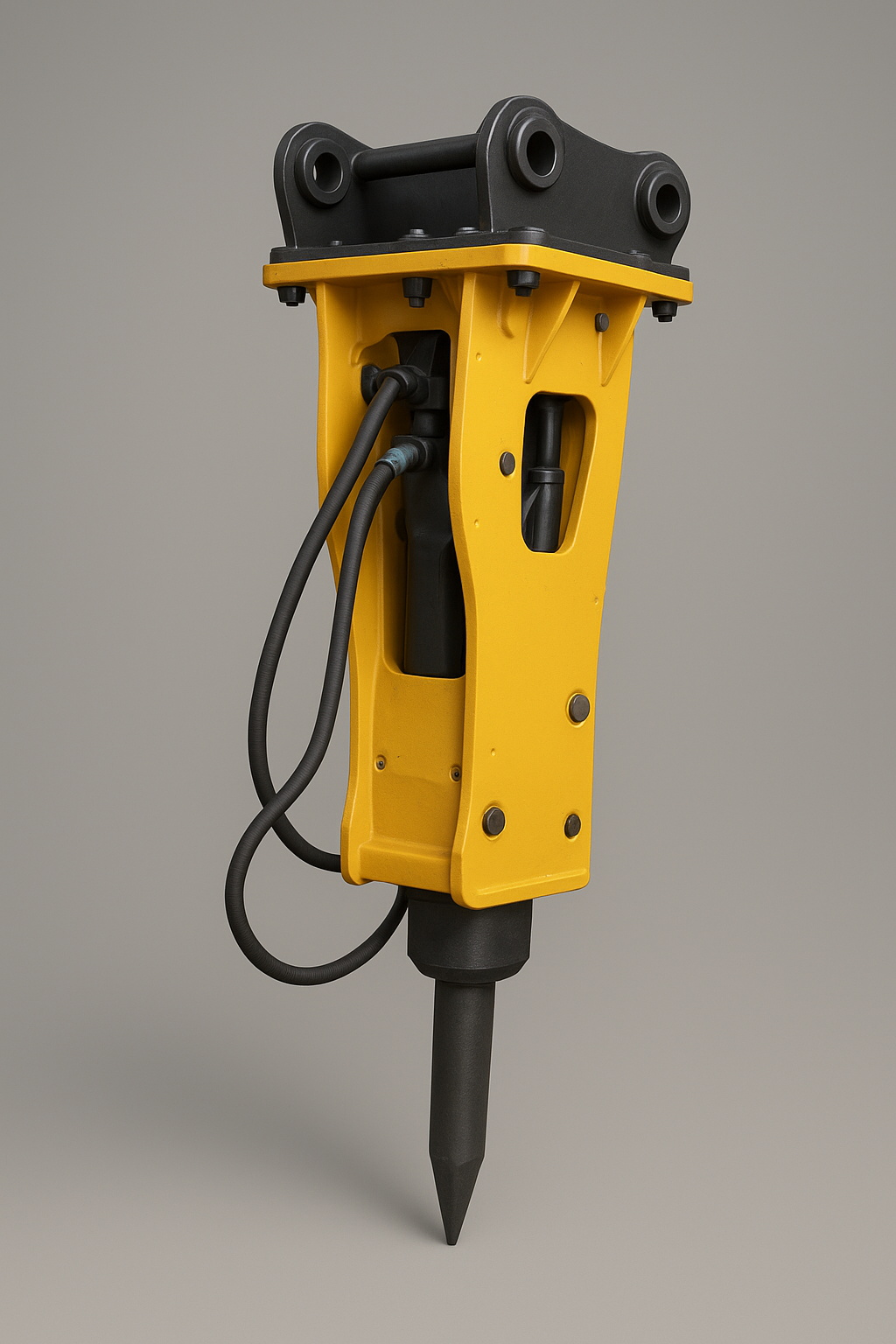
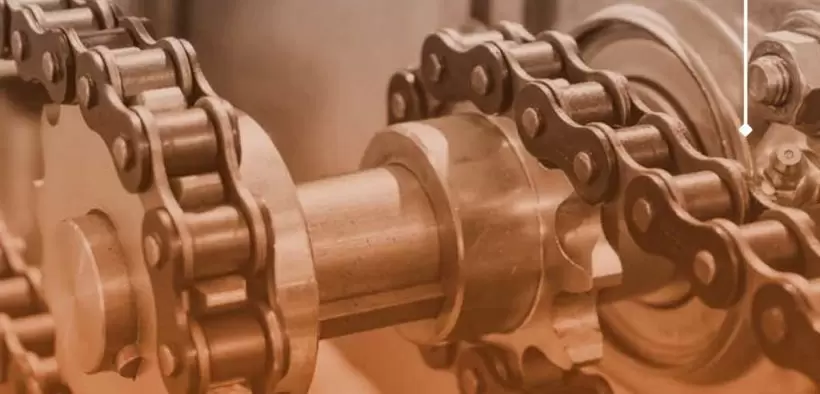
Typical applications include nuts, bolts, hinges, chains, screw connections, springs, glides, gaskets, threaded joints and flanges, couplings, locking mechanisms, brake pad backing plates, shock absorbing systems, miniature gears etc.


















![Gear Drive Lubricant Selection [Gearbox Lubricants]](https://mosil.com/assets/uploads/blog/blog_1788344519_6a97f8c75d604.webp)

![The Ultimate Guide To Grease Thickeners [Thickening Agents]](https://mosil.com/assets/uploads/blog/blog_1754991852_689b0cec60a8a.jpg)