

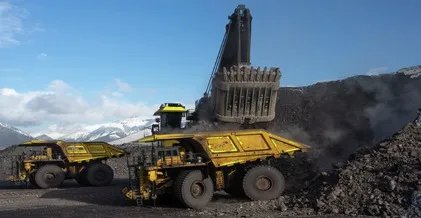
Mining equipment such as crushers, vibrating screens, rock breakers, wire ropes and open gears operate under severe conditions. The right specialty lubricants help protect critical components, improve reliability and reduce downtime. This guide covers key mining lubrication challenges, suitable lubricant solutions and essential maintenance practices for maximizing equipment life.
Why is lubrication essential in mining operations ?
Components in Mining equipment such as bearings, gears, bushes, pins, rollers, wire ropes and hydraulic tools may operate under heavy loads while being exposed to abrasive mineral dust, moisture and vibration. Without an adequate lubricant film, metal-to-metal contact increases.
This can result in:
- Increased friction and heat generation
- Accelerated wear
- Bearing and gear damage
- Corrosion
- Increased vibration
- Higher power consumption
- Shorter component life
- More frequent maintenance
- Unplanned equipment stoppage
Mining lubrication, therefore, isn't just about reducing wear, it must sustain a durable protective film under real-world operating conditions to significantly extend component life.
How mining environment affects lubricant performance?
Mining environments are fundamentally different from clean manufacturing environments.
- Abrasive dust and dirt: Mining dust can contain hard mineral particles that enter bearings, bushings, seals and lubrication points. Once abrasive particles enter a lubricated contact, they accelerate wear between surfaces. Fine dust contamination reduces effectiveness of the lubricant film leading to wear and bearing damage. Therefore, lubricants with better dust tolerence and anti-wear properties are preferred in mining industry.
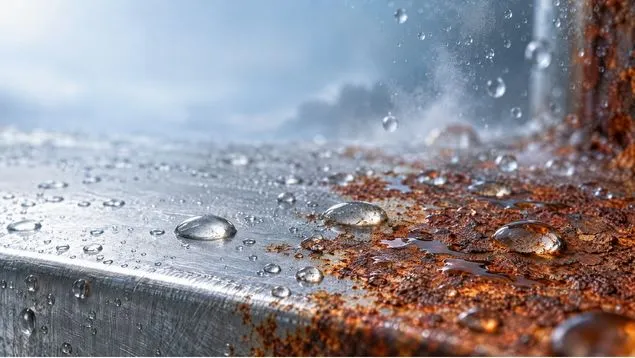
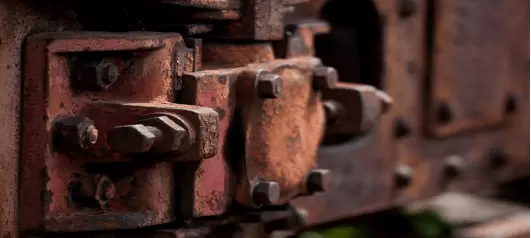
- Water and moisture:Mining equipment like rock breakers, open gears may operate outdoors, near water sprays, in wet ore-handling areas or under humid conditions. Water or moisture ingress affects grease structure, causes lubricant degradation and bearing corrosion. Therefore, applications exposed to water require lubricants with good water resistance, adhesion and corrosion protection.
- Heavy and shock loads:Crusher bearings, rock splitters, rock breakers, open gears may experience loads that are not purely steady. Shocks and vibrations can increase contact stress and challenge the lubricant film. This is why mining applications often benefit from lubricants having high load-carrying capacity, good boundry lubrication and EP performance, good mechanical stability and strong adhesion.
- Long operating hours:Mining equipment is often expected to operate for long periods with minimum interruption. A lubricant that remains effective for longer duration can reduce maintenance intervention and help improve equipment reliability.
Which Lubricant is best for Mining Equipment?
Mining environments are fundamentally different from clean manufacturing environments. There is no single “best mining lubricant”. The correct lubricant depends on the component and operating conditions. A useful approach is to classify applications by the dominant lubrication challenge.
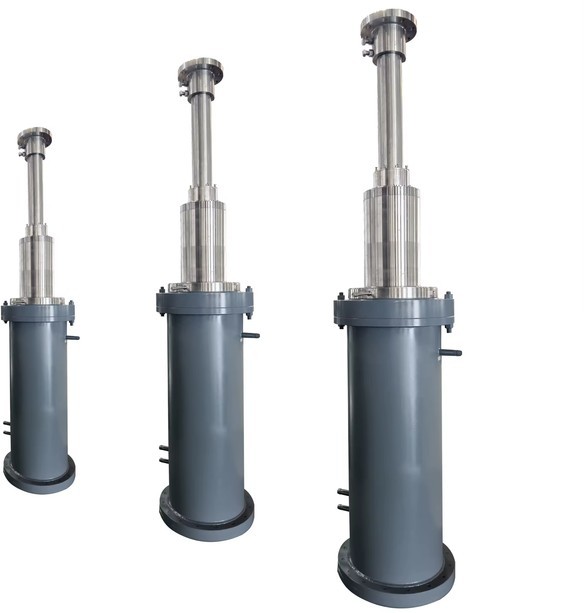
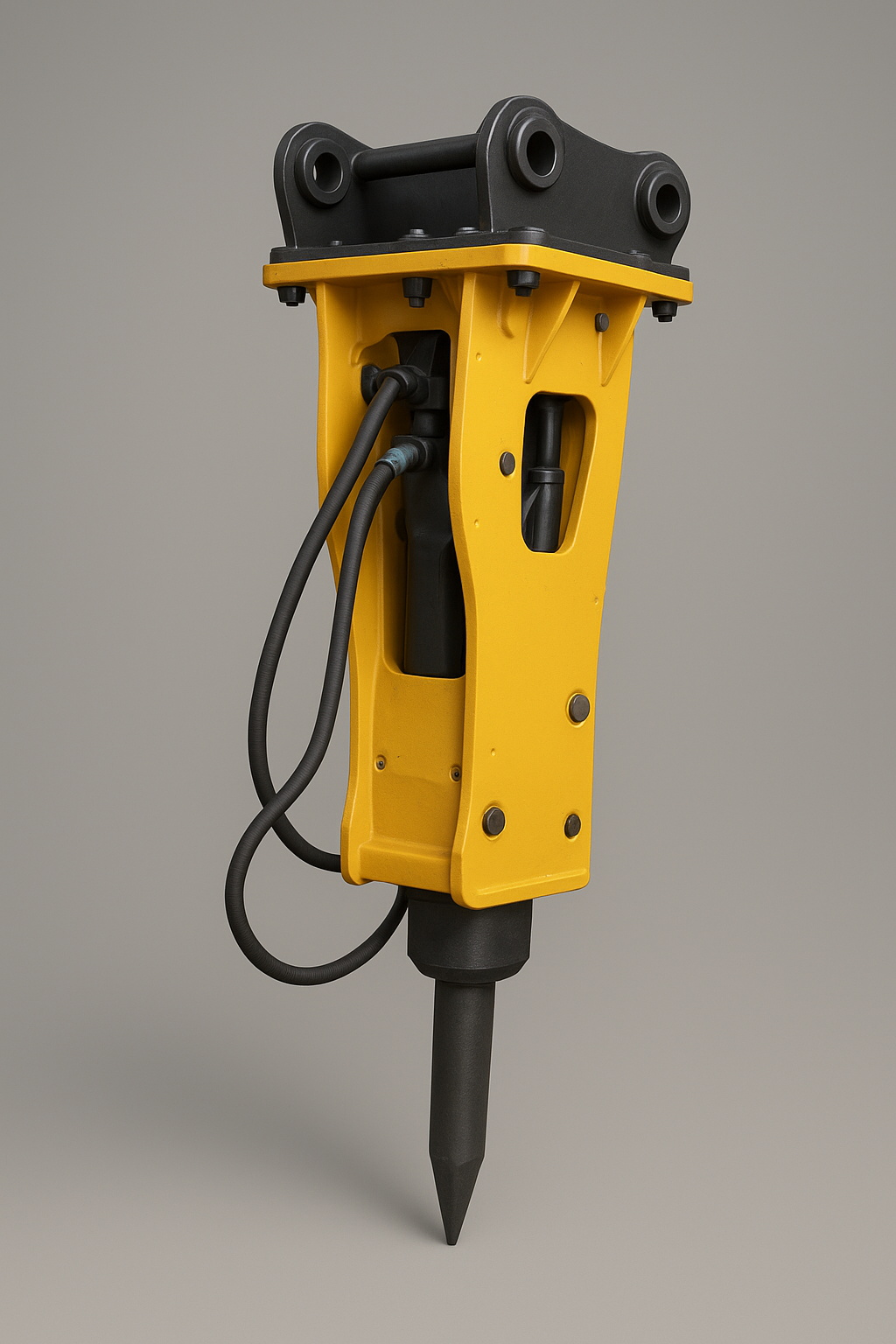
1. Rock Splitters and Rock Breakers:A rock splitter splits massive rocks quietly and precisely. The lubricant experiences repeated impact, sliding, shock loading and water ingress. Rock breaker breaks hard rock or thick concrete through fast, repeated high-impact blows. This causes heating of the breaker causing lubricant degradation and wear. The customer expectation is longer equipment life and longer operating periods without stoppage, even when working with hard rock.
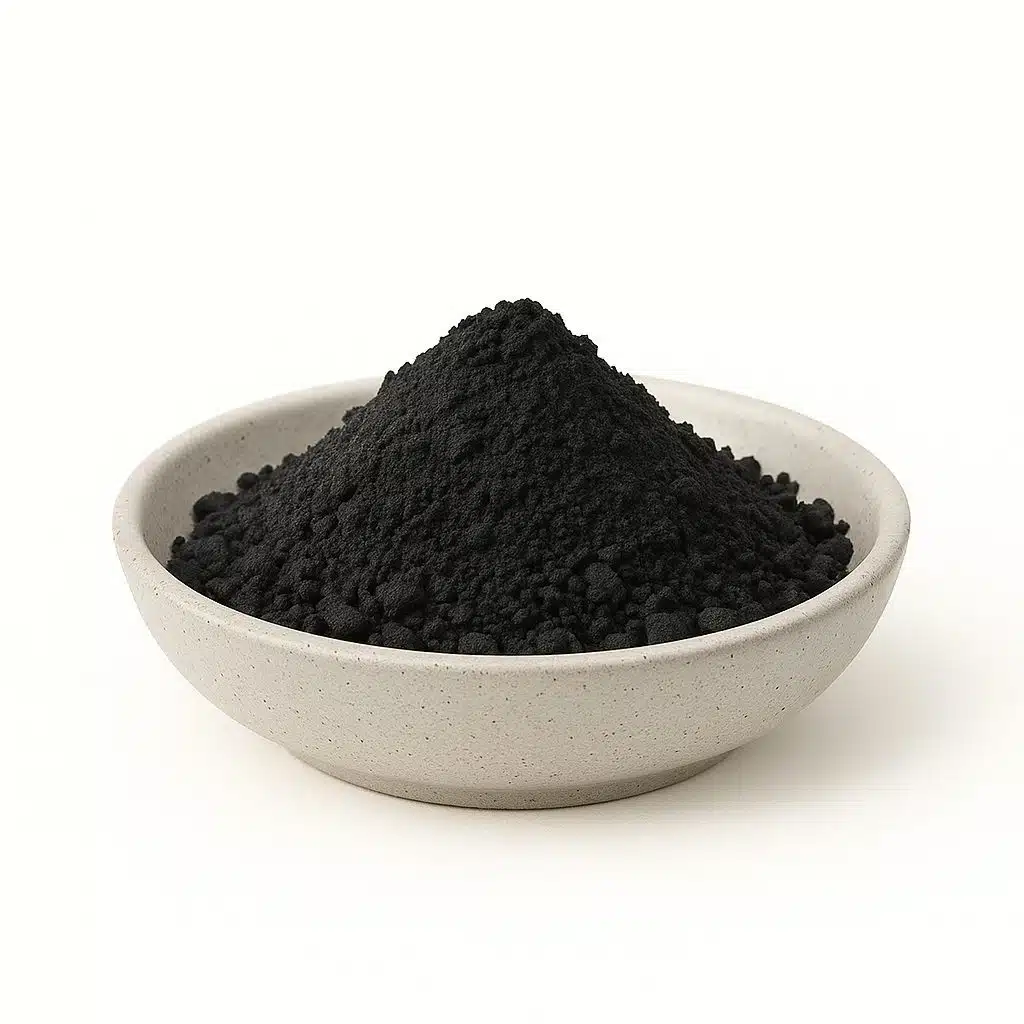
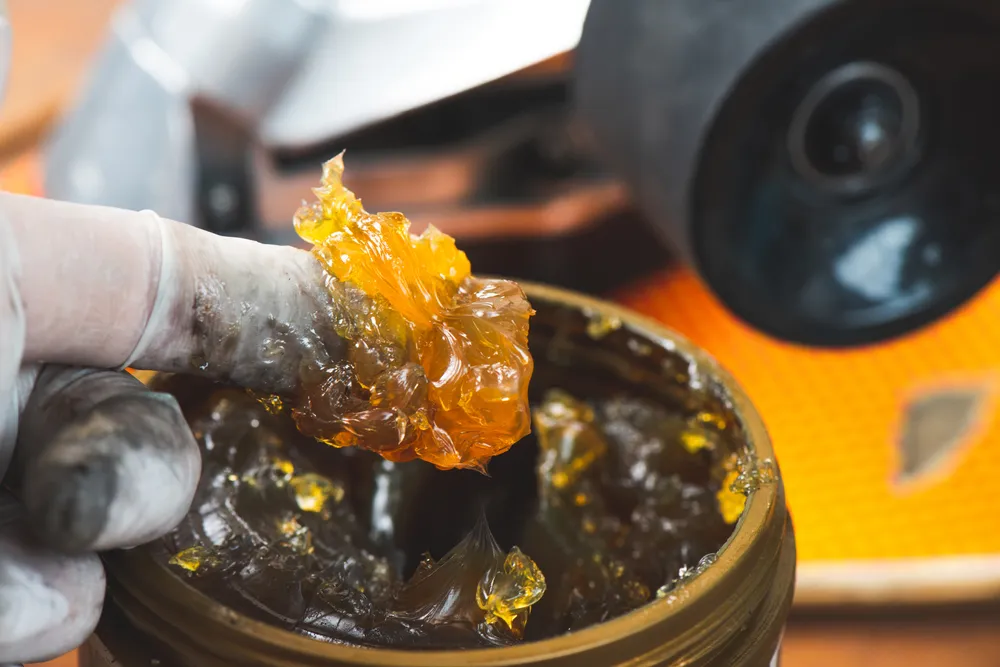
💡A specialty grease paste containing solid lubricants can help provide boundary lubrication when direct metal-to-metal contact and severe sliding occur.
2. Crushers and Vibrating Screens: Crusher and vibrating-screen bearings are exposed to a particularly demanding combination of dust, vibration and heavy loading. Bearings of Vertical Shaft Impactor crusher, Jaw crusher and Cone Crusher experiences different types of speed, load, temperature and vibrations. A failed lubricant film can cause increased lubrication frequency and bearing failure.
💡Greases formulated with optimum base oil viscosity and standard thickeners in combination with solid lubricant helps the bearing and the lubricant to perform for extended periods.
3. Excavators and Heavy Mobile Mining Equipment:Excavators combine several different lubrication regimes in one machine. Boom and arm pins, Bushings, Bucket linkage, Slewing ring, Swing mechanism, Final drives, Track components, Hydraulic system, Engine and transmission systems etc.
Pins and bushes experience oscillating motion rather than continuous high-speed rotation. High loads, dust and shock make lubricant adhesion and load-carrying capacity important.
💡The grease should be selected according to the actual load/environment and according to the specific component rather than treating the entire equipment as one lubrication system. Hydraulic systems should not be treated like grease-lubricated components. The hydraulic fluid must meet the machine manufacturer's requirements for viscosity, anti-wear performance, cleanliness and operating temperature.
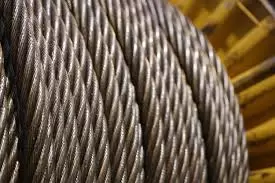
4. Wire Rope Lubrication:Wire ropes are safety-critical components in many mining applications. The customer expectations are increased rope life, maintained flexibility and reduced lubricant consumption.
💡Wire rope lubricant should be capable of penetrating into the rope core and maintain sufficient adhesion without creating an unsuitable external coating. Lubricating solids may reduce friction between strands and corrosion inhibitors should be incorporated for protection.
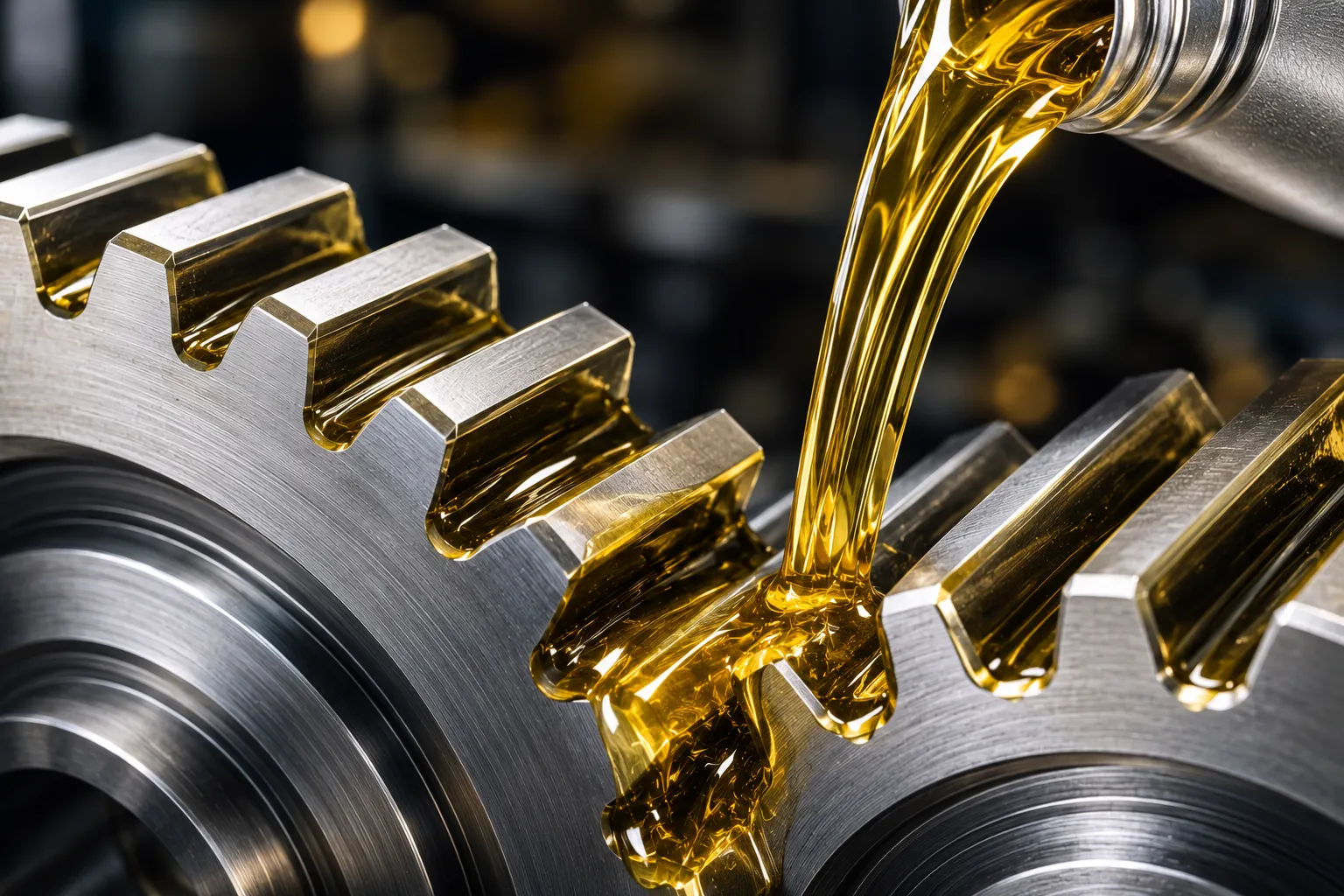
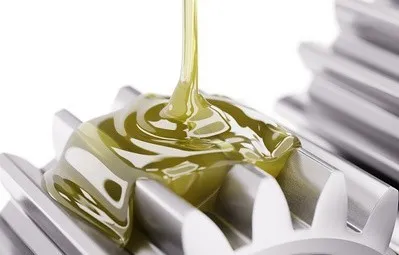
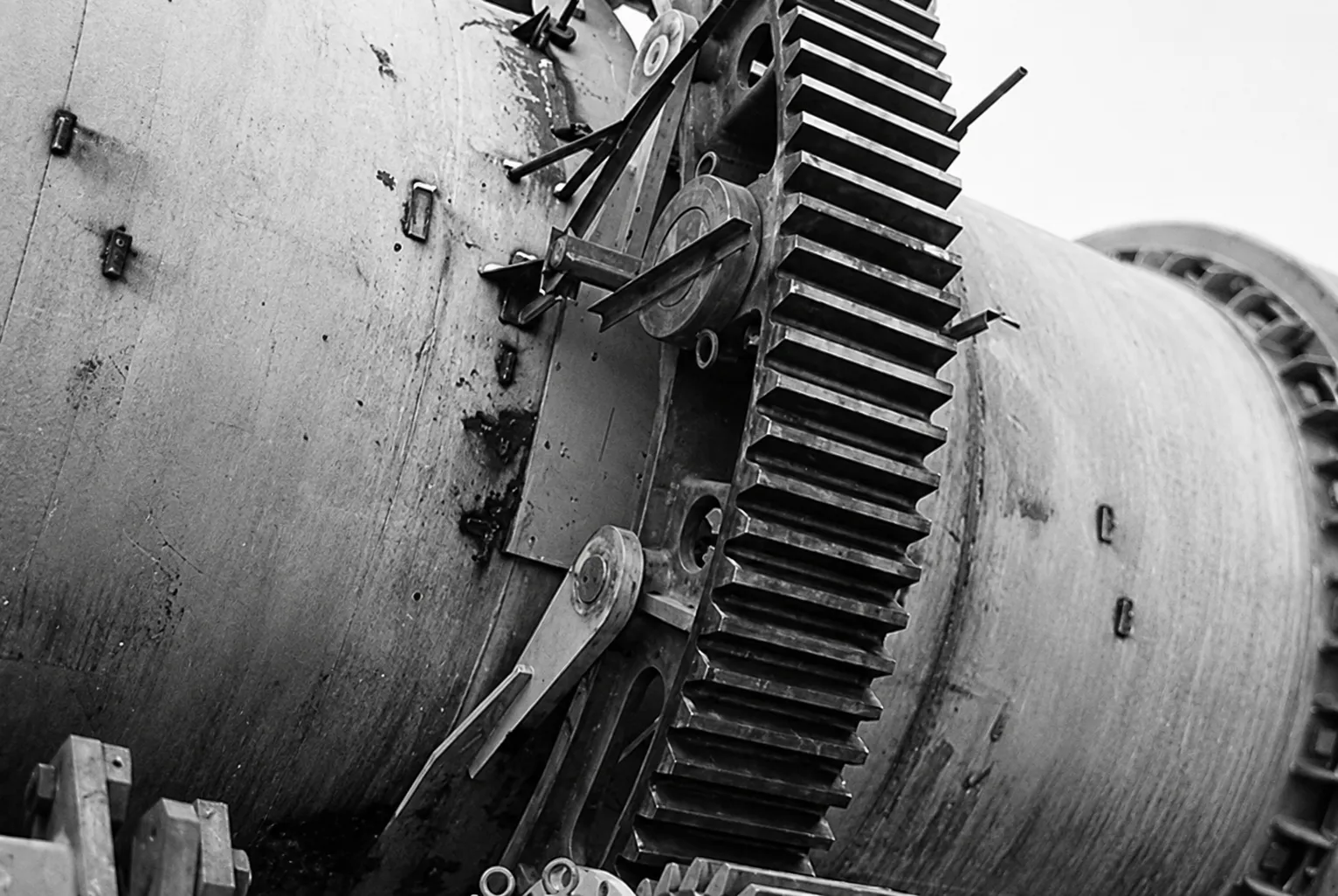
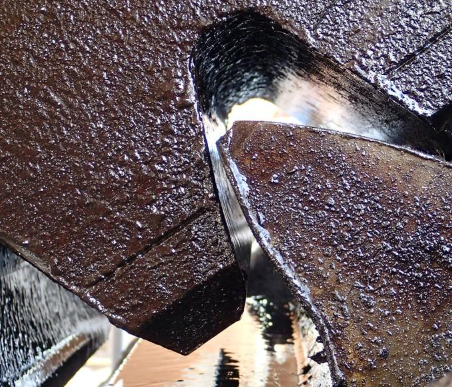
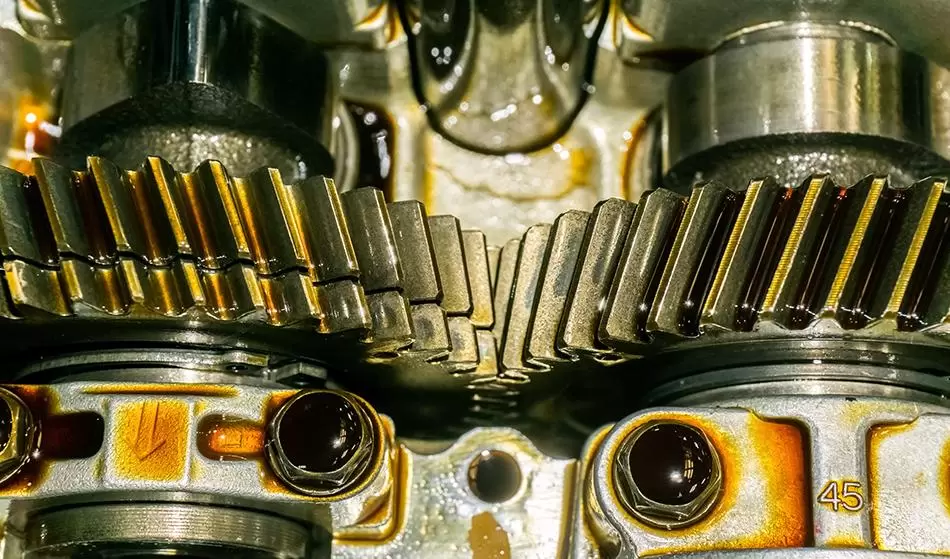
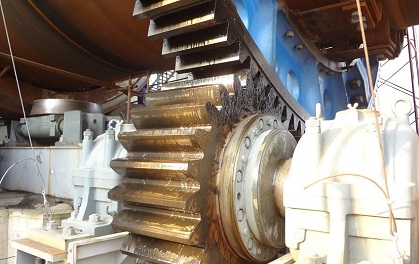
5. Open Gear Lubrication:Open gears used in mining equipment can operate at relatively low speeds while transmitting very high loads. Key problems associated are Gear wear, Increased vibration and Gear tooth breakage. The expected results are minimum gear wear, controlled vibration and uninterrupted production. For open gears, the lubricant must remain on the tooth surfaces despite the combination of: high load, low speed, open exposure, dust and water.
💡Lubricant should have high base-oil viscosity for slow-moving, heavily loaded gears, forming a long-lasting, adhesive, corrosion-resistant film to withstand heavy loads.
What are the common lubrication mistakes causing equipment failures inmining?
Lubricant related equipment failures can be reduced if following common mistakes are avoided :
- Using one grease for everything:Different components such as bearings, open gears, wire ropes and rock breakers have different lubrication requirements. Use application-specific lubricants.
- Inadequate greasing:Over-greasing grease can cause heat generation, leakage and seal damage. Under-greasing can cause lubricant starvation and wear.
- Ignoring contamination: Dust and water can severely affect lubricant performance. Monitor lubrication points, grease guns and lubricant containers to avoid external contamination.
- Changing lubricants without checking compatibility: Mixing incompatible greases can affect grease consistency, oil separation and overall performance.
- Lubricating by calendar alone:Lubrication intervals should consider operating hours, load, temperature, dust, water and actual equipment conditions—not just fixed dates.
- Treating all machine components the same:A single machine may require different greases, gear oils, hydraulic fluids. Each component should be lubricated according to its specific requirements.
How often should mining equipment be lubricated?
There is no universal lubrication interval for mining equipment—the correct frequency depends on equipment design, lubricant type, load, speed, temperature, and environmental conditions. For instance, rock breakers may need relubrication within hours, crusher and vibrating screen bearings, open gears and wire ropes typically suffice with every few days attention if contamination is controlled. A lubrication schedule must be equipment-specific and should incorporate daily shift checks for leaks, noise, contamination, heat and vibration; weekly inspections of fittings, seals, and storage conditions and monthly reviews of consumption, frequency, failures and trend data.
What preventive maintenance practices should mining companies follow?
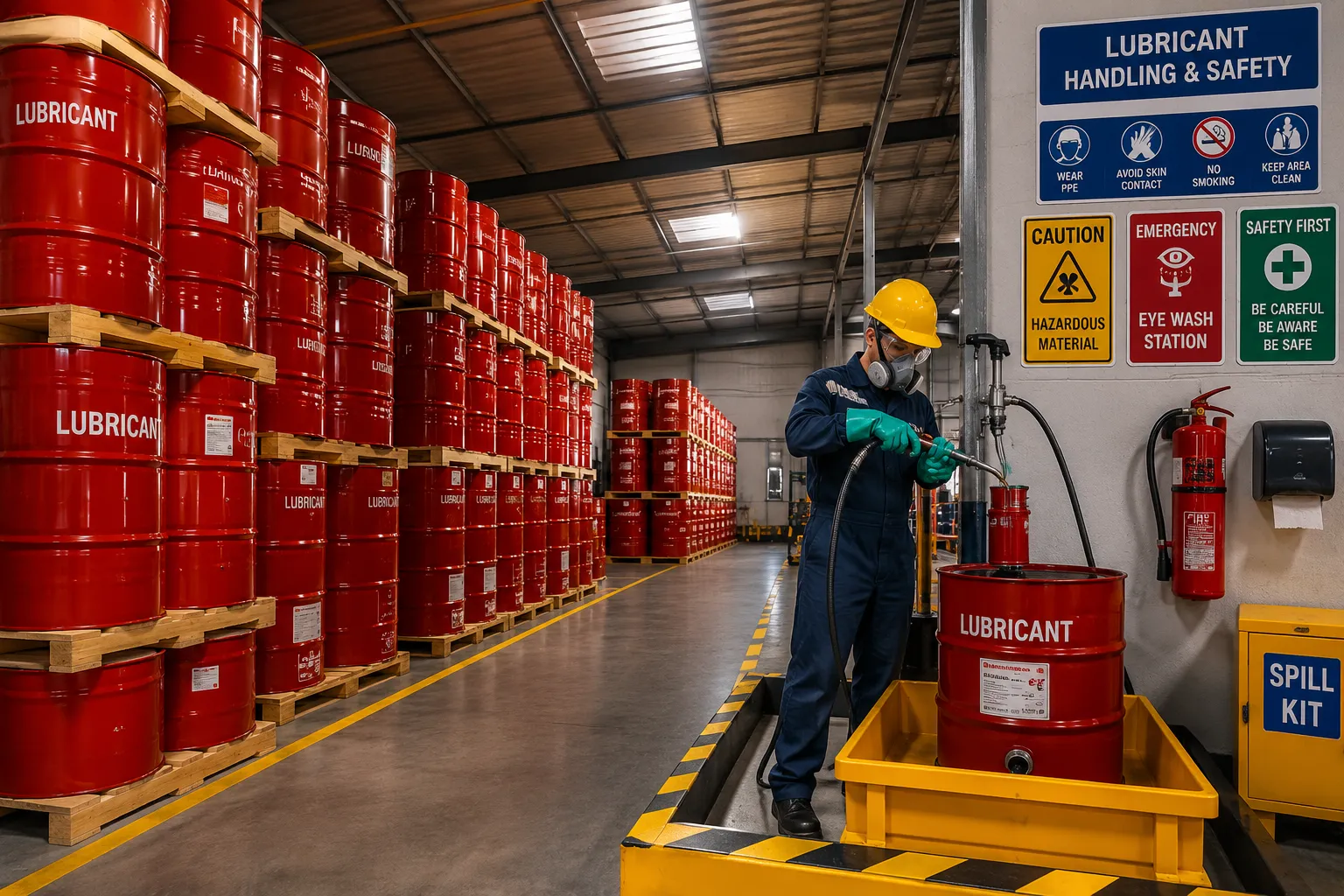
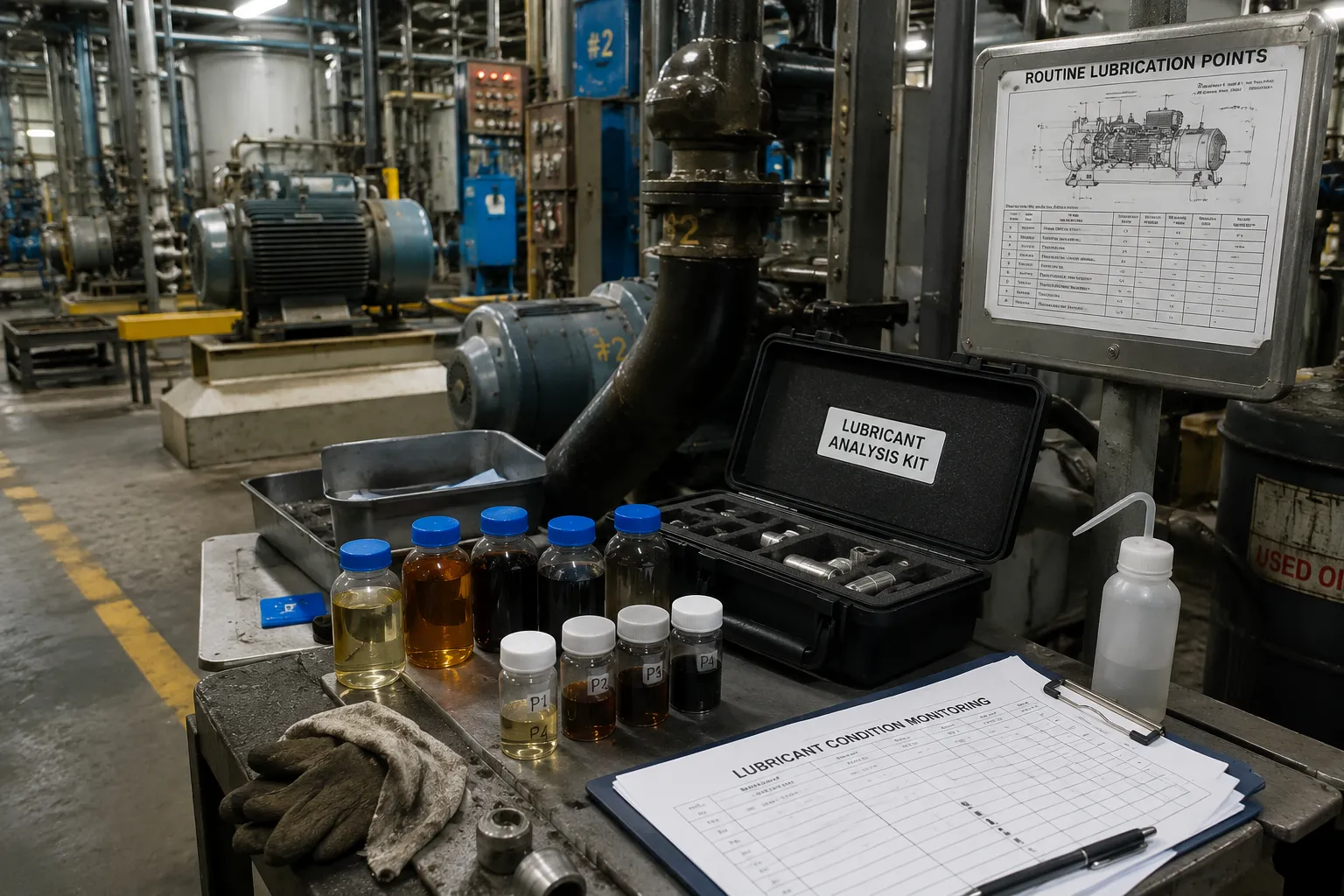
Preventive lubrication is more than a task—it's a system. Mining companies should map every lubrication point, specify the correct product (grade, viscosity, thickener, quantity and temperature range) and set intervals based on technical guidance and actual conditions. Use clean, dedicated tools, store lubricants properly and train personnel on the right product, point, quantity, frequency, contamination control, and early fault detection. Maintain simple records to spot excess consumption, missed schedules or recurring failures. For critical assets, reinforce this with vibration, temperature, oil analysis and visual inspections.
How can lubrication reduce maintenance costs in mining industry?
Effective lubrication can contribute to:
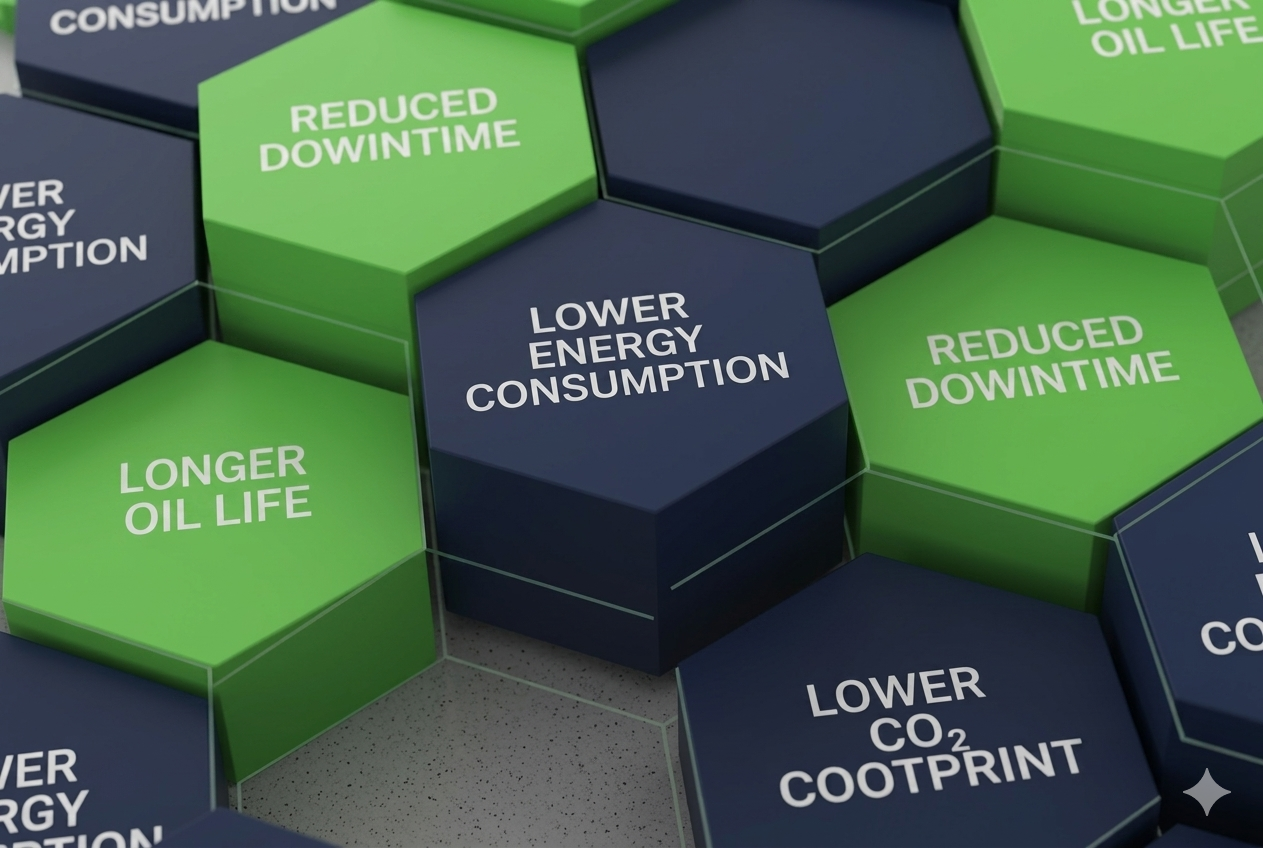
Reduced wear → Longer component life → Fewer failures → Less downtime → Lower maintenance cost
A well-managed lubrication program can reduce: Bearing and gear replacement, Lubricant wastage, Emergency maintenance, Labour cost and Production losses caused by equipment failure.
Therefore, lubrication should be viewed as a part of the overall asset reliability strategy, not simply as a maintenance consumable.
Conclusion
When the right lubricant is combined with correct quantity, correct frequency, contamination control, condition monitoring and preventive maintenance, mining companies can reduce wear, extend component and equipment life and reduce the overall cost of maintenance.
Frequently Asked Questions
1. Why is lubrication essential in mining?
It reduces friction and wear, protects components and helps equipment operate reliably under heavy loads and harsh environmental conditions.
2. What is the best grease for mining equipment?
There is no single best grease. Selection depends on load, speed, temperature, water exposure, contamination, component design and OEM requirements.
3. Which grease is suitable for crusher bearings?
A heavy-duty grease with suitable EP/load-carrying and mechanical-stability properties is generally considered for severe crusher-bearing conditions.
4. Why are solid lubricants such as MoS₂ used in mining?
They provide boundary lubrication and reduce friction and wear under severe load and sliding conditions.
5. How often should mining equipment be lubricated?
The frequency depends on the equipment, lubricant, operating conditions and OEM recommendation. There is no universal interval.
6. Can the same grease be used for all mining applications?
No. Bearings, open gears, wire ropes, rock breakers etc. can have very different lubrication requirements.
7. How does dust affect lubricants?
Dust can contaminate the lubricant and cause abrasive wear. Clean lubrication practices and effective sealing are therefore important.
8. Why is water resistance important in mining greases?
Water can cause corrosion, lubricant washout and deterioration of grease performance. Water-resistant formulations may be required for exposed applications.
9. How can lubrication reduce equipment downtime?
By reducing wear and lubrication-related failures, effective lubrication can help extend component life and reduce unplanned stoppages.
10. What are the most common mining lubrication mistakes?
Common mistakes include over-greasing, under-greasing, using the wrong lubricant, mixing incompatible greases, poor contamination control and ignoring technical recommendations.
11. Why are specialty lubricants used in mining?
Specialty lubricants are designed for specific severe conditions such as impact, heavy loads, high temperatures or dust and water exposure.
12. Can better lubrication reduce maintenance costs?
Yes. Proper lubrication can extend component life, reduce lubricant wastage, minimize emergency repairs and help improve equipment availability.
13. Is lubrication alone enough to prevent mining equipment failure?
No. Lubrication should be combined with correct installation, alignment, sealing, contamination control, inspection and condition monitoring.

















![Gear Drive Lubricant Selection [Gearbox Lubricants]](https://mosil.com/assets/uploads/blog/blog_1788344519_6a97f8c75d604.webp)


![The Ultimate Guide To Grease Thickeners [Thickening Agents]](https://mosil.com/assets/uploads/blog/blog_1754991852_689b0cec60a8a.jpg)