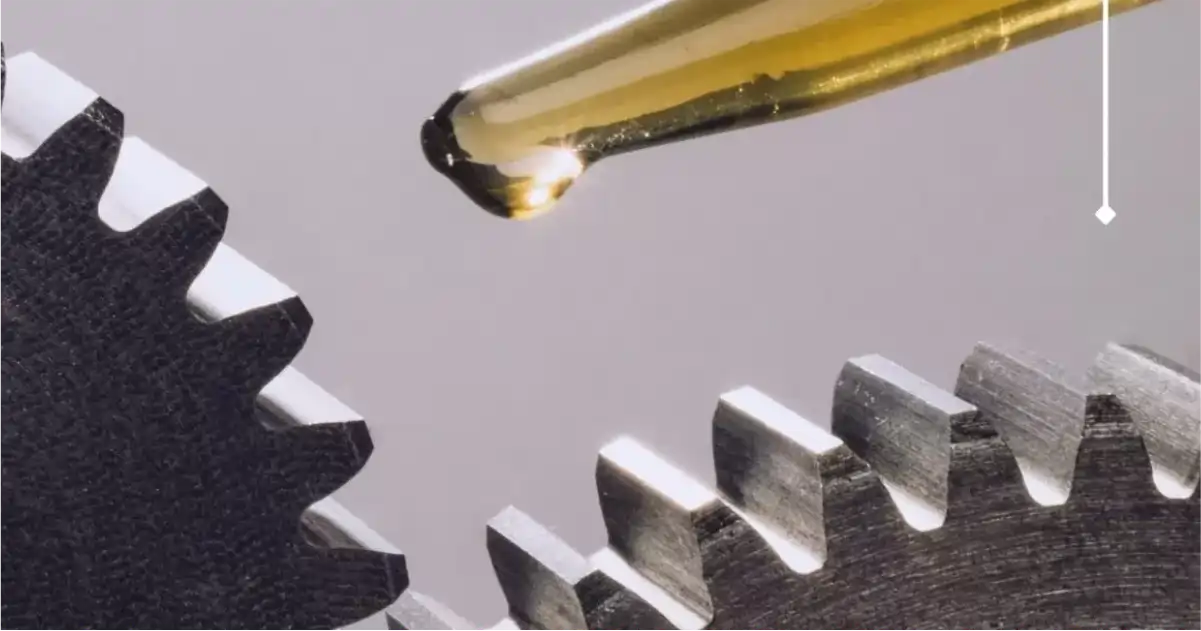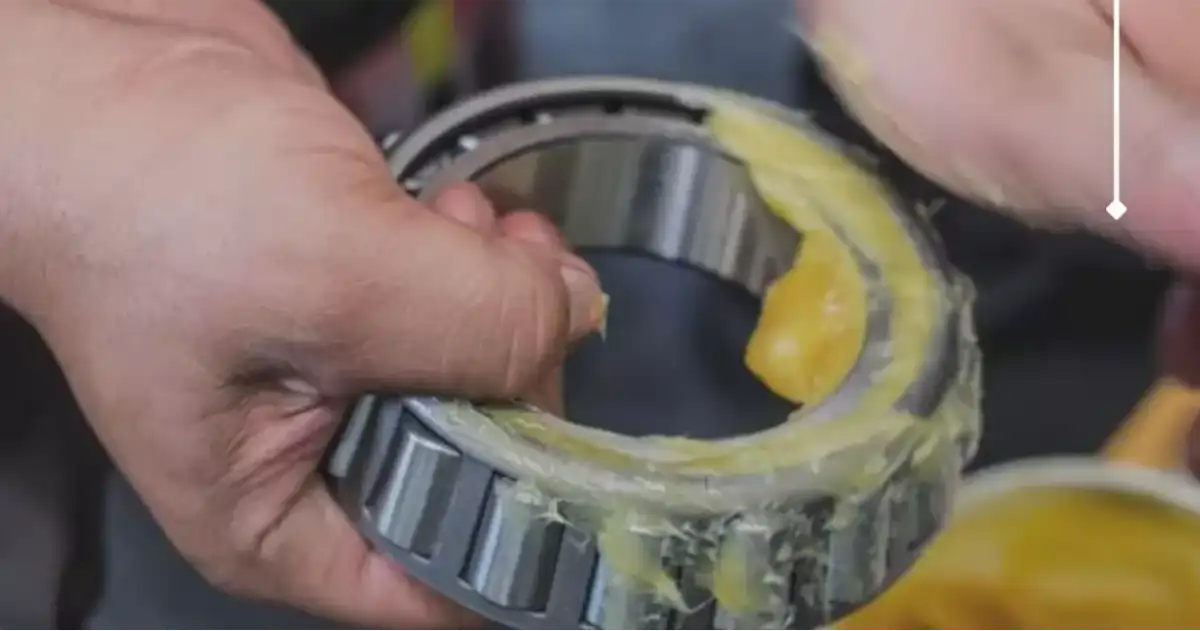


Greases are widely used in various industrial applications mainly for lubrication requirements; electrical and electronic applications being no exception.
The electrical conductivity of greases is typically very low; greases are considered as an insulator rather than a conductor. However, the actual electrical conductivity of a specific grease can depend on its base oil, thickener type, and additives it may contain. Some greases might be formulated with conductive additives to enhance their conductivity for specific applications. Therefore, understanding whether grease is conductive or insulating is necessary for proper application and performance in electrical systems. Here is a detailed comparison:
ELECTRIC CONTACT GREASES :
Conductive greases are sometimes called as electric contact grease, or simply contact grease. These greases reduce resistance and improve the flow of electricity across electrical connections between the contacting surfaces and minimize the risk of voltage drops, arcing and interruptions in the circuit.
Conductive greases can help to prevent corrosion and oxidation on metal contact surfaces, particularly in high humidity or corrosive environments.
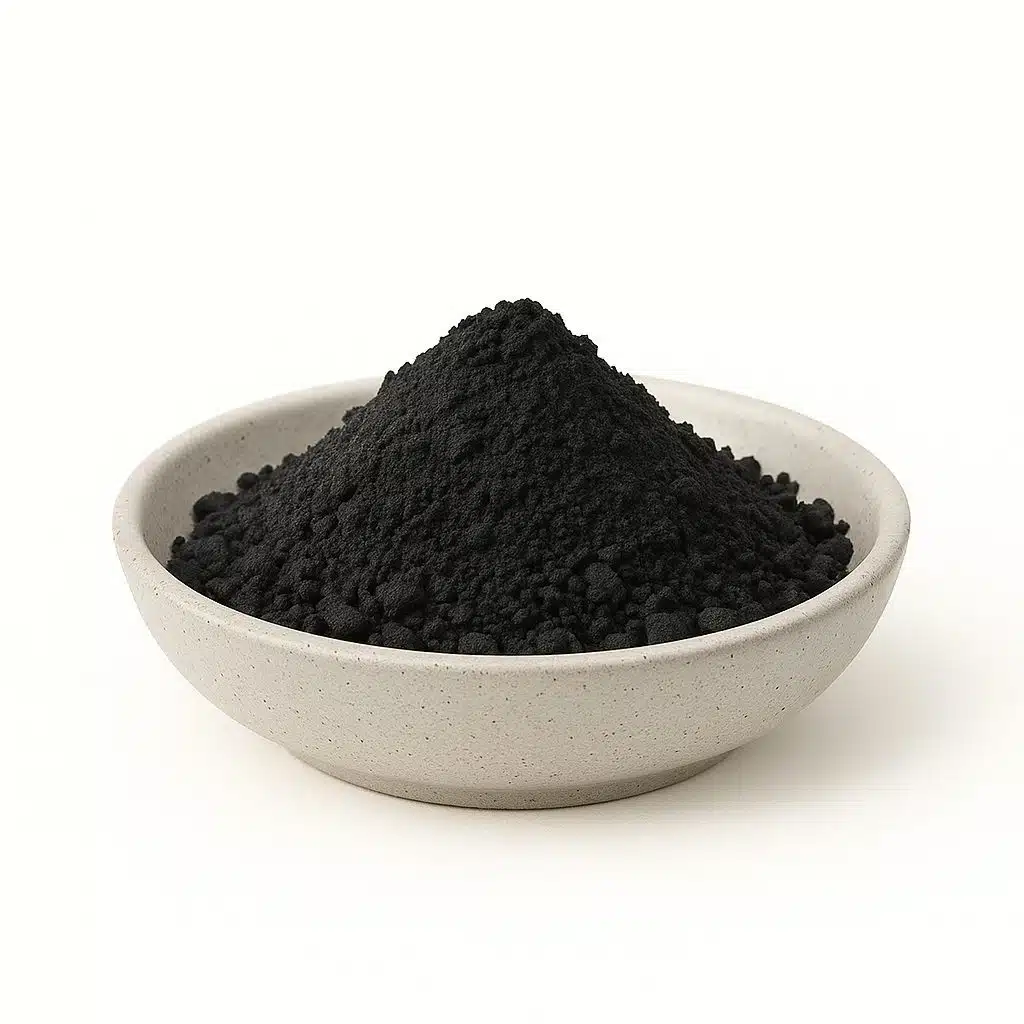
The main component in the contact greases is the conductive particles suspended within the grease matrix, forming a conductive pathway between metal surfaces. Also additives to prevent corrosion and oxidation play important role.
Some electrical conductive greases provide thermal conductivity to dissipate heat effectively. This is useful in applications where electrical components generate heat.
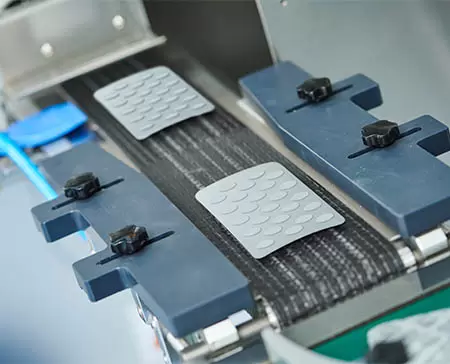
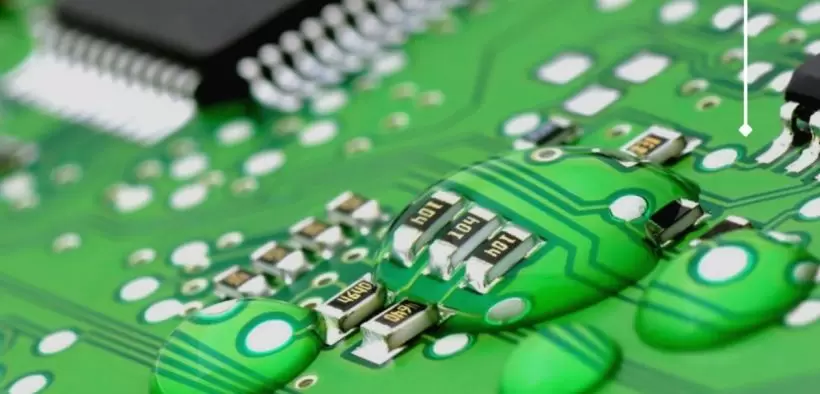
Contact greases are typically used in circuit breakers, isolator jaws of bus bars, battery terminals, switches, LED lighting systems, grounding connections and certain types of electrical contacts.
DIELECTRIC GREASES :
In electrical devices, certain parts must remain electrically isolated from others to function properly. Insulating grease ensures that this isolation is maintained between conductive parts by acting as a sealant-cum-lubricant.
Humidity, moisture and contaminants provide unintended electrical paths causing leakages and flashovers. Dielectric greases provide electrical resistance featuring high dielectric strength to prevent flashovers, corona discharge to minimize electrical leakage.
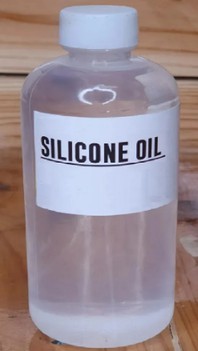
Insulating greases are made from components which resist to conduct electricity, such as silicone, and may contain additives that enhance their water repellancy, thermal stability, ability to adhere to the surfaces and resistance to hardening.
In some cases, electrically insulating but thermally conductive grease is used to aid heat dissipation from components without creating a risk of electrical conduction.
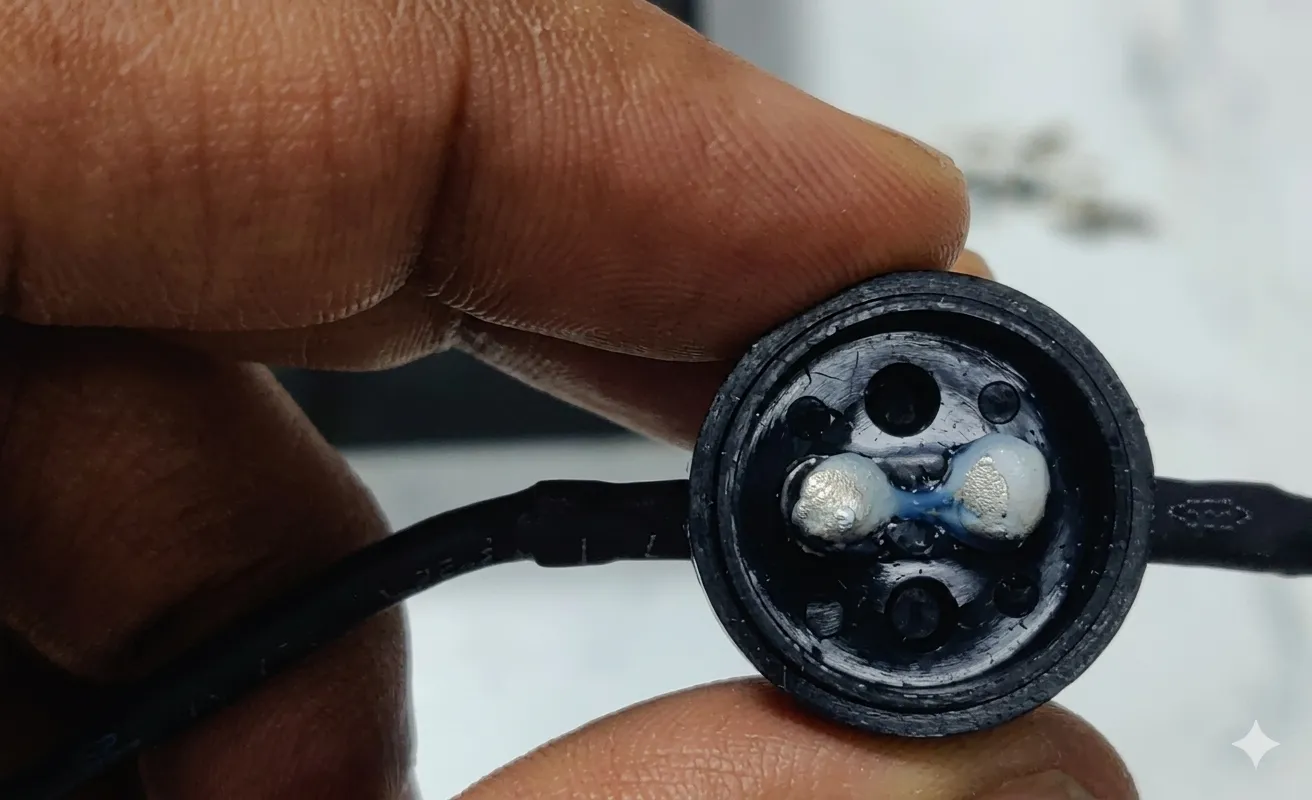
Widely used in high voltage electrical installations, Cable and cable connectors, insulators, ignition systems of automobiles, electrical panels, outdoor installations, plastic and rubber componets etc.
CONDUCTIVE VS. DIELECTRIC GREASES: UNDERSTANDING THE CONTRAST AND COMMON GROUND IN ELECTRICAL APPLICATIONS
The electrical conductivity or insulating property of a grease is not solely determined by any one component but is a complex result of its entire composition, including the base oil, thickener, and any conductive or insulating additives.
Mosil offers a series of contact greases like EC - 111, EC - 211, EC - 221 & EC - 511 having good moisture resistance and are incorporated with rust and corrosion inhibitors to protect the electrical contacts from corrosion and wear. Also MOSIL GS – 65 is a di-electric grease which provides a hydrophobic surface, combating the negative effects of contamination and minimizes electrical leakages in highly polluted areas.
WHEN CHOOSING A GREASE FOR YOUR ELECTRICAL APPLICATION, ONE SHOULD CONSIDER THE REQUIREMENT OF ELECTRICAL CONDUCTIVITY OR INSULATION REQUIREMENT, THERMAL PROPERTIES, ENVIRONMENTAL CONSIDERATIONS, AND THE OPERATIONAL CONDITIONS THE GREASE WILL BE EXPOSED TO.















































![Gear Drive Lubricant Selection [Gearbox Lubricants]](https://mosil.com/assets/uploads/blog/blog_1788344519_6a97f8c75d604.webp)





![The Ultimate Guide To Grease Thickeners [Thickening Agents]](https://mosil.com/assets/uploads/blog/blog_1754991852_689b0cec60a8a.jpg)