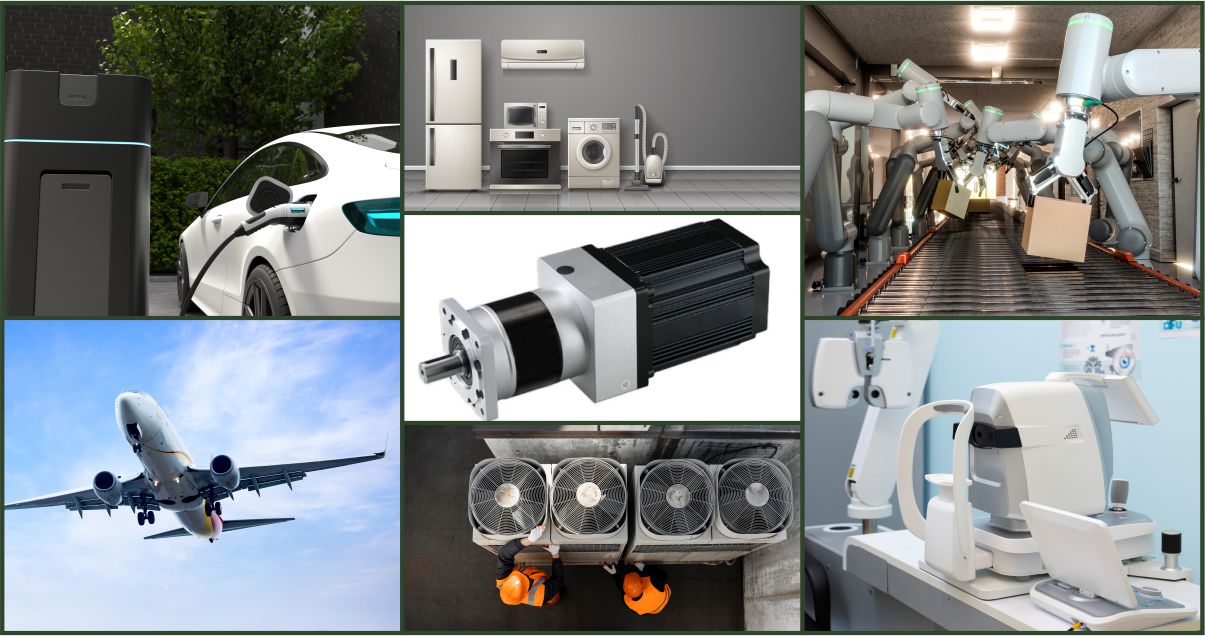
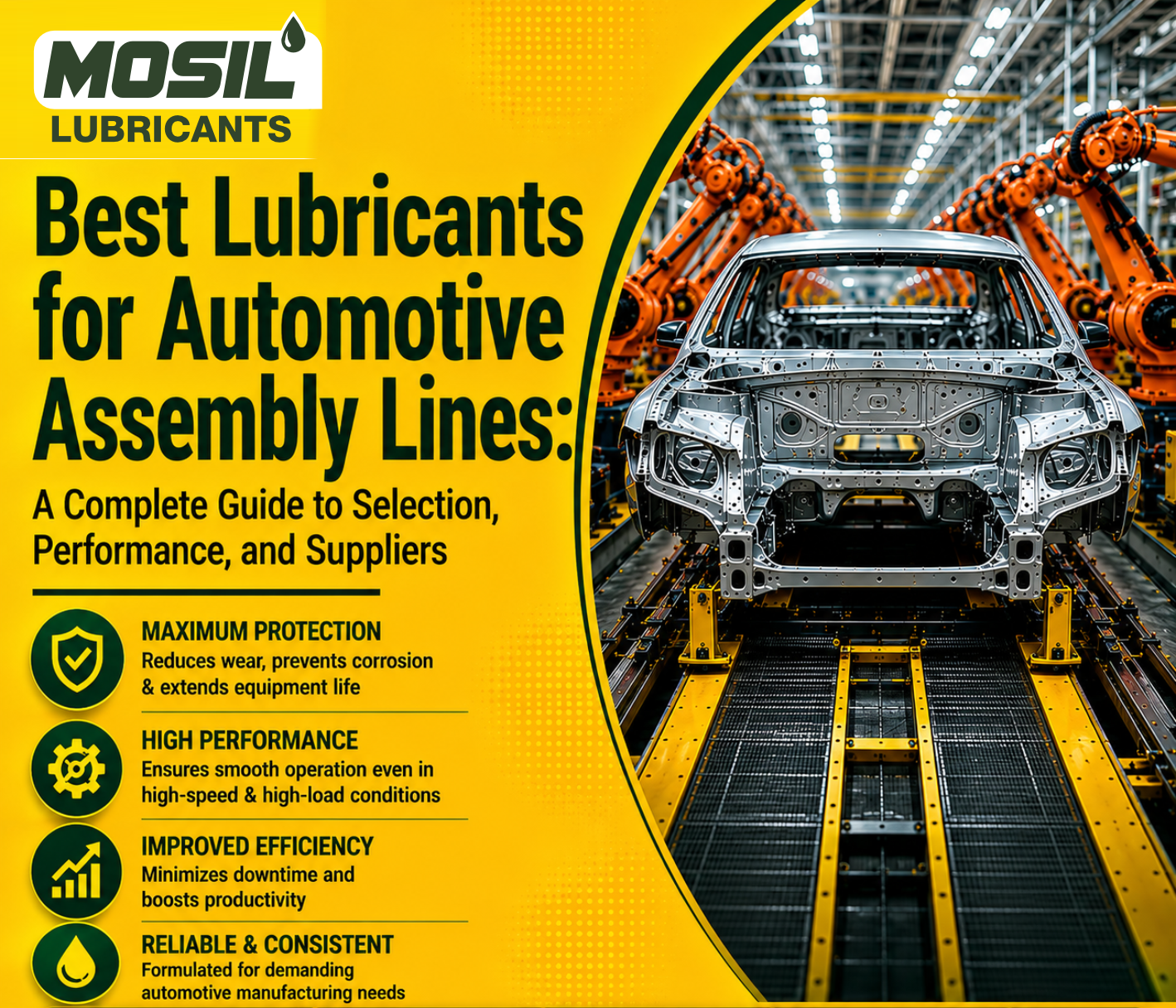
The automotive industry relies on highly automated production lines, precision equipment and continuous manufacturing processes. From robotic assembly stations and conveyor systems to hydraulic presses and gear drives, proper lubrication plays a critical role in maintaining productivity, reducing downtime and extending equipment life.
Choosing the right lubricant for an automotive assembly line involves more than simply reducing friction. Manufacturers must consider operating conditions, equipment requirements, maintenance intervals and production efficiency. This guide explores the top lubricants used in automotive assembly lines, key features to look for and how to select the right supplier for your manufacturing needs.
Why Lubrication Is Critical in Automotive Assembly Lines
Automotive assembly facilities operate under demanding conditions, including high production speeds, heavy loads, elevated temperatures and continuous equipment operation. Effective lubrication helps:
●Minimize friction and wear
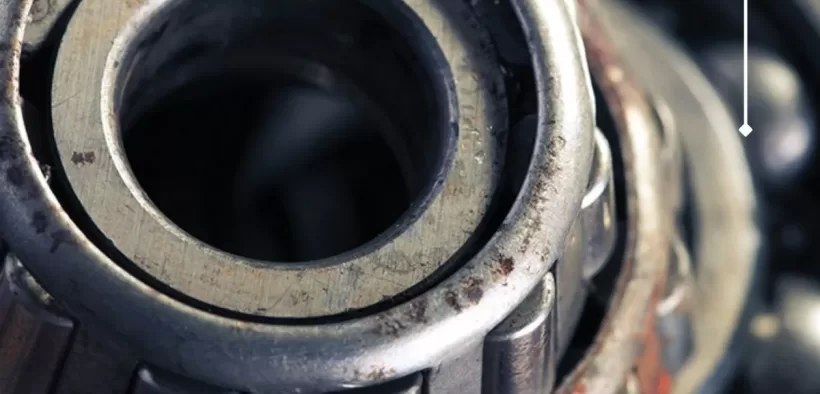
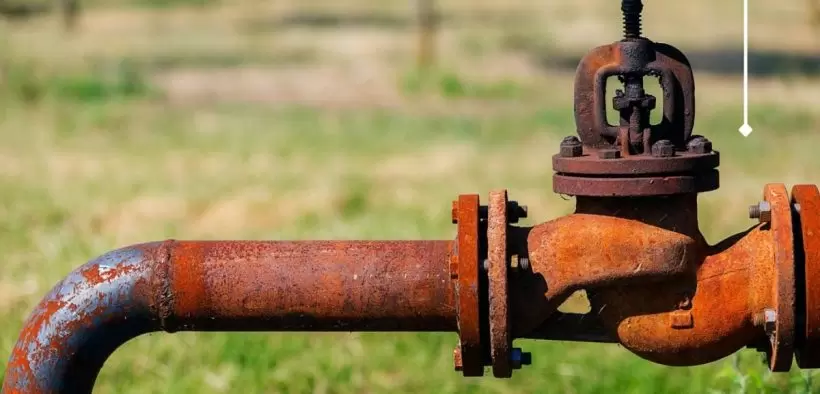
●Protect components from corrosion
●Reduce maintenance requirements
●Improve energy efficiency
●Extend machinery lifespan
●Prevent unplanned downtime
●Support consistent production quality
Without proper lubrication, critical components such as bearings, chains, gears, hydraulic systems and conveyors can experience accelerated wear and reduced reliability.
What Are the Top-Rated Lubricants Used in Automotive Assembly Lines?
Several lubricant categories are commonly used throughout automotive manufacturing facilities.
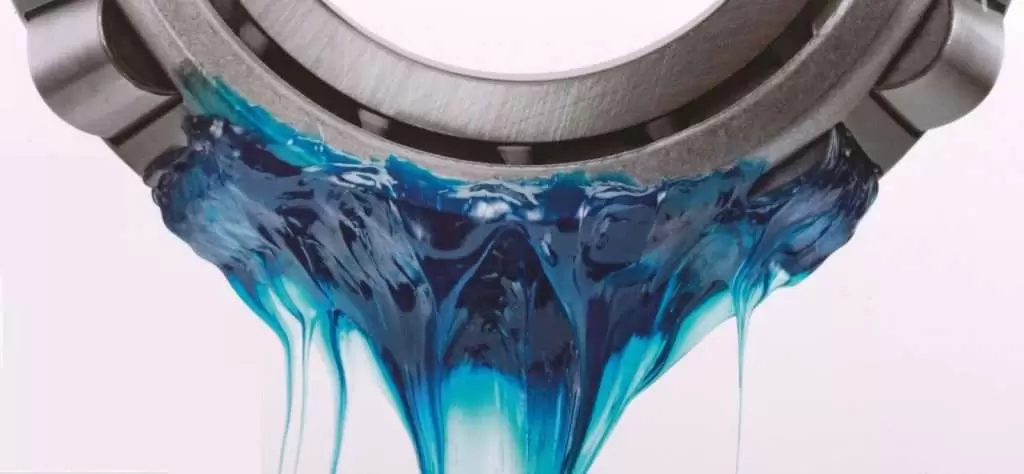
Synthetic Greases
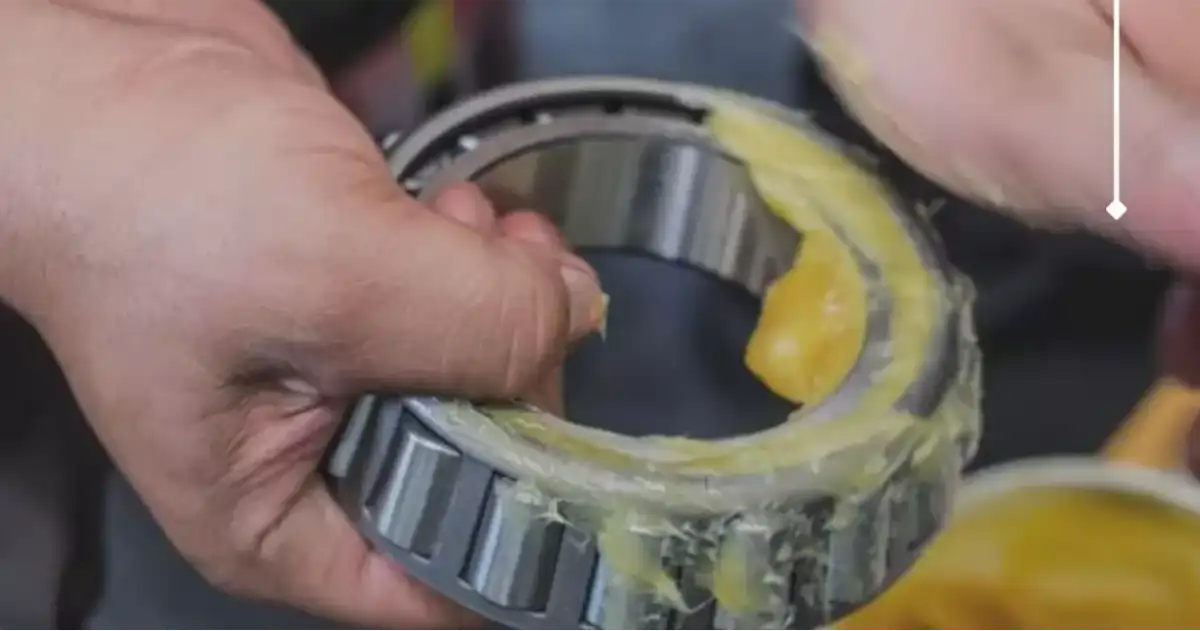
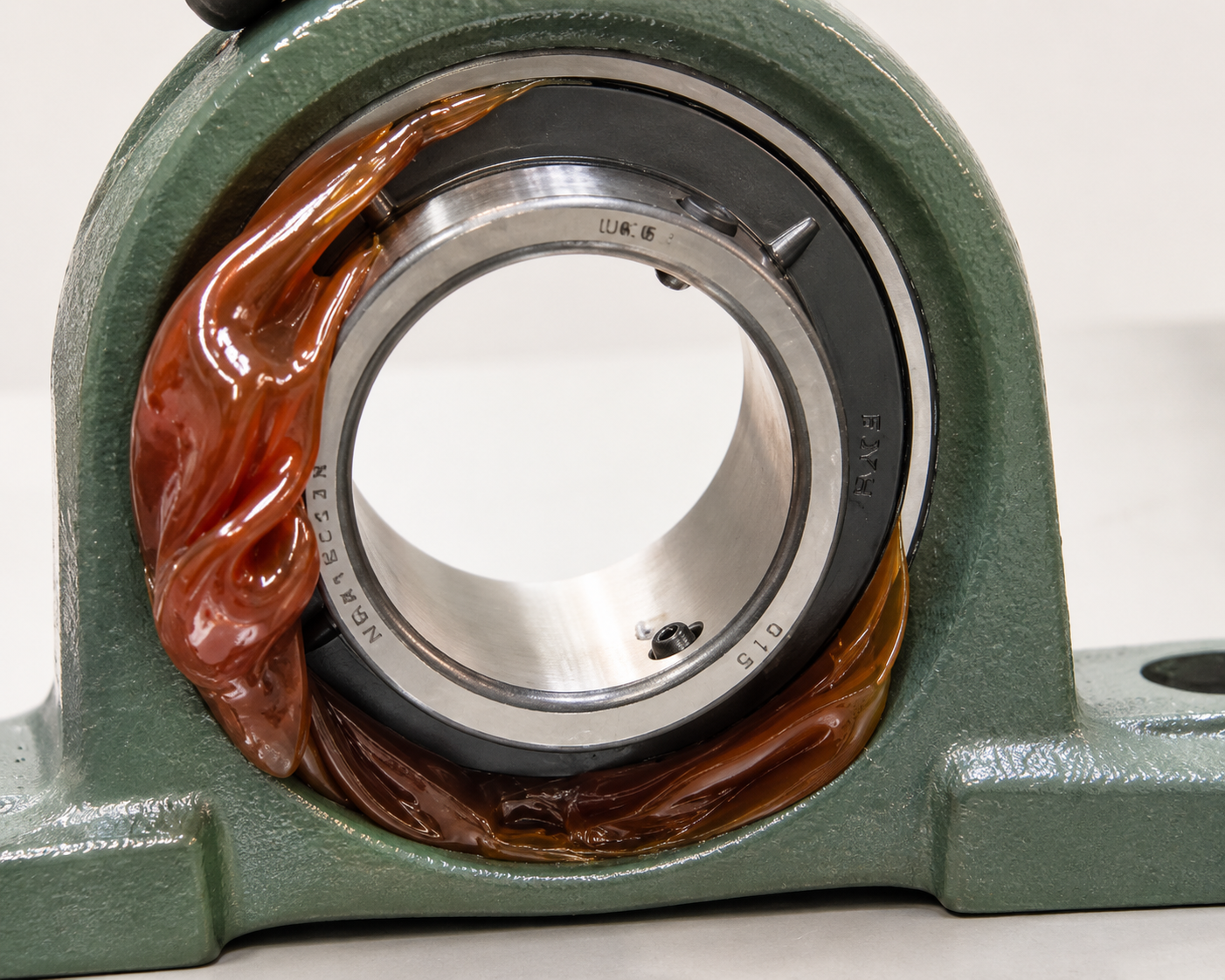
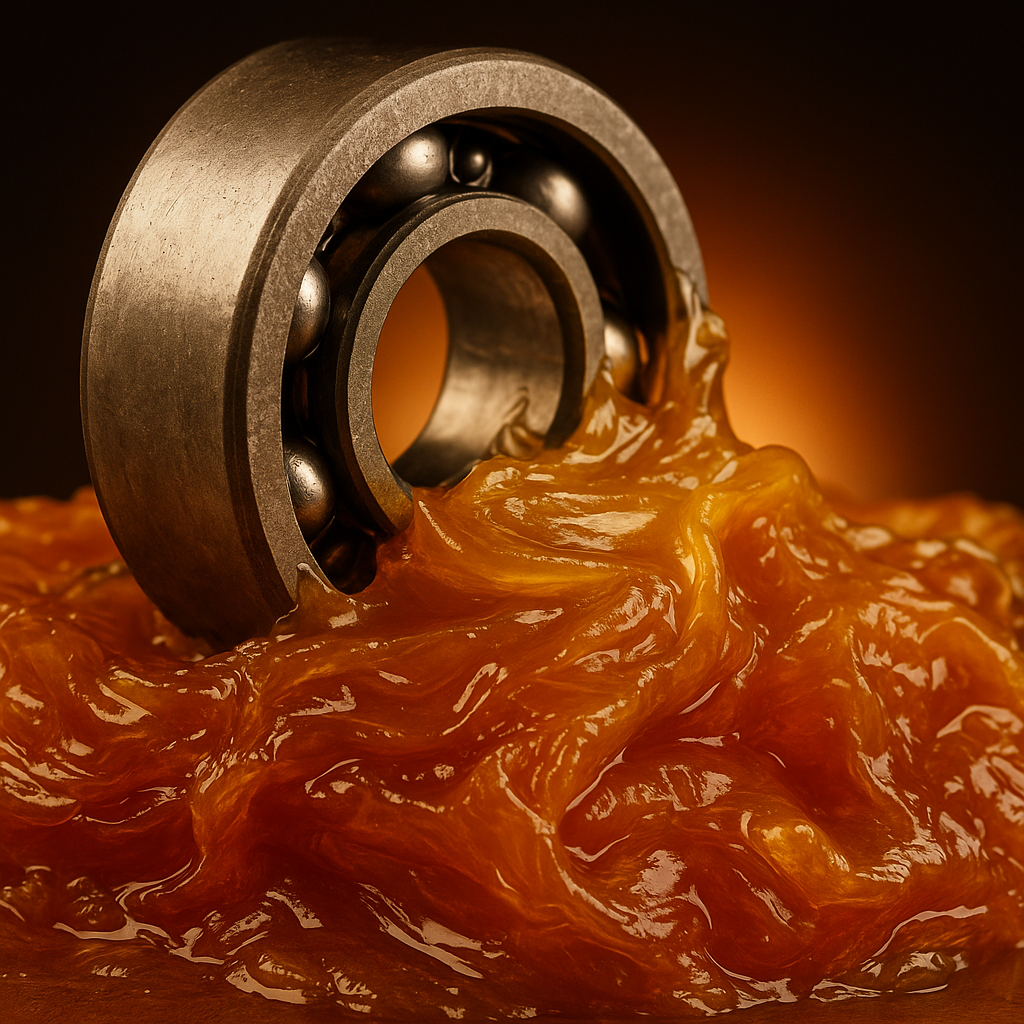
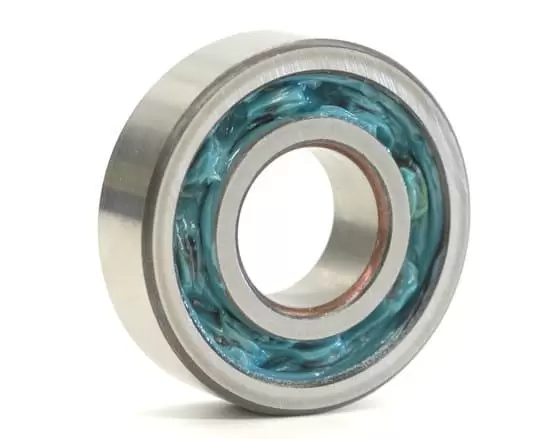
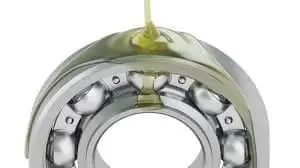
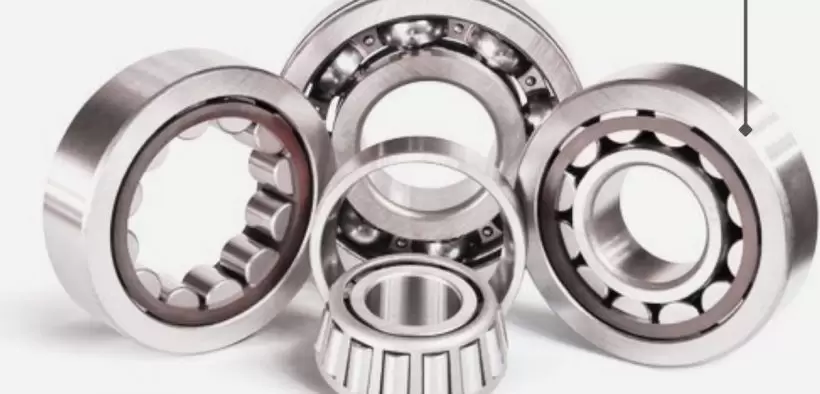
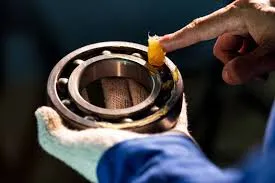
High-performance synthetic greases are widely used for bearings, electric motors, robotic joints and conveyor components. They offer excellent temperature stability, wear protection and extended service life.
Hydraulic Oils
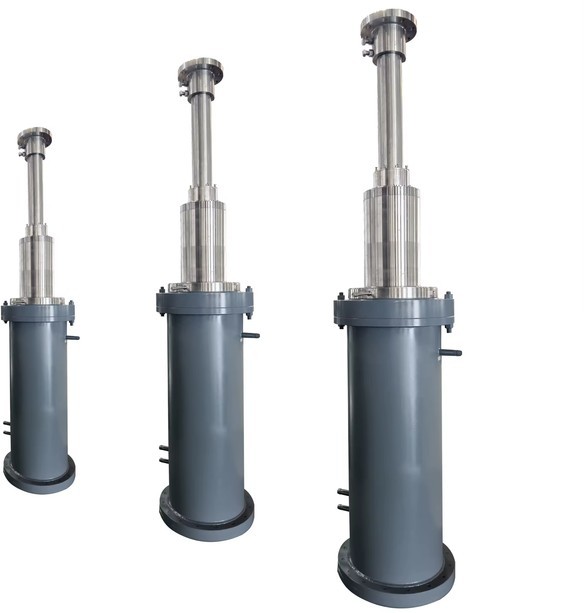
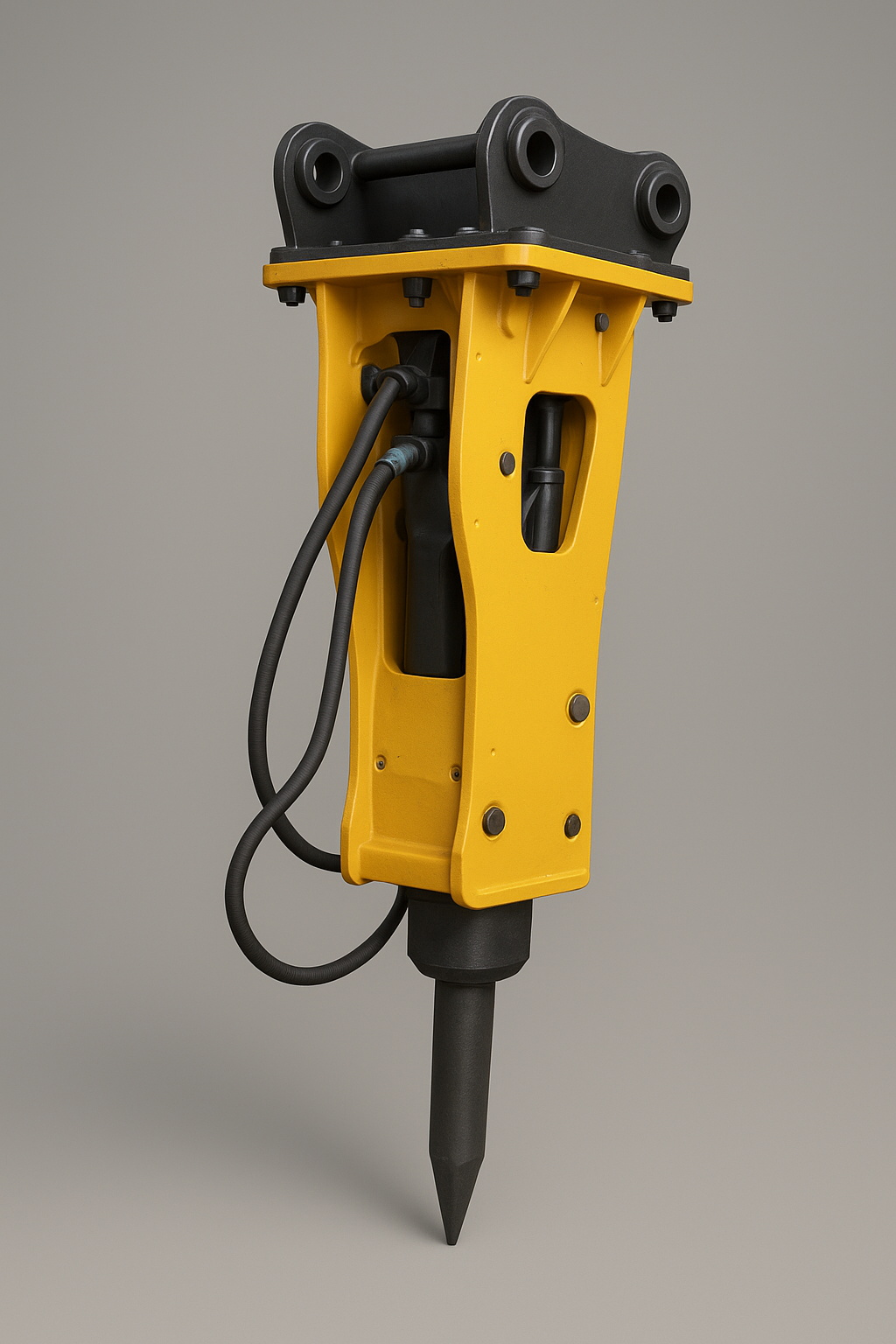
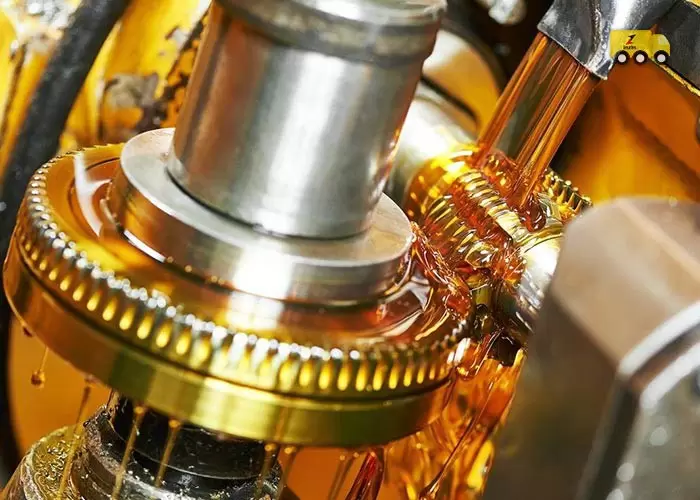
Hydraulic systems power presses, lifting equipment and automated machinery. High-quality hydraulic oils provide superior oxidation resistance, anti-wear protection and smooth system operation.
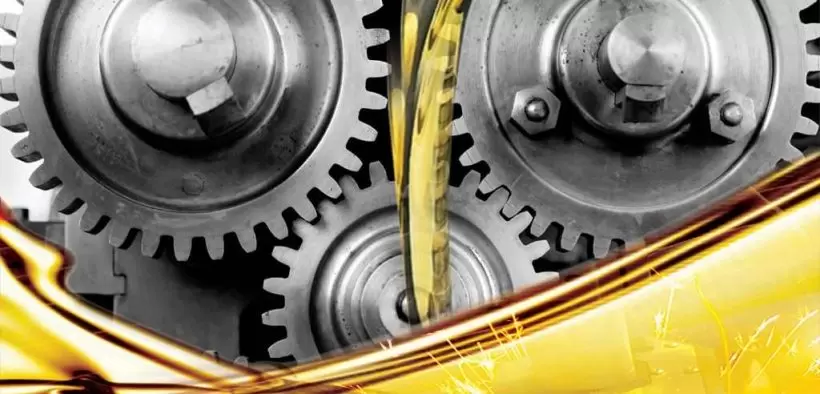
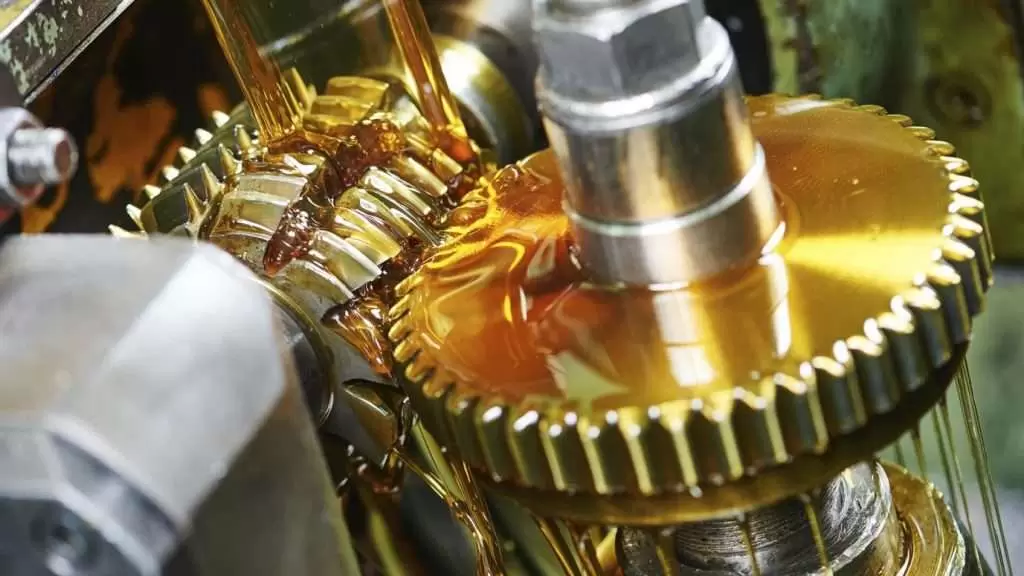
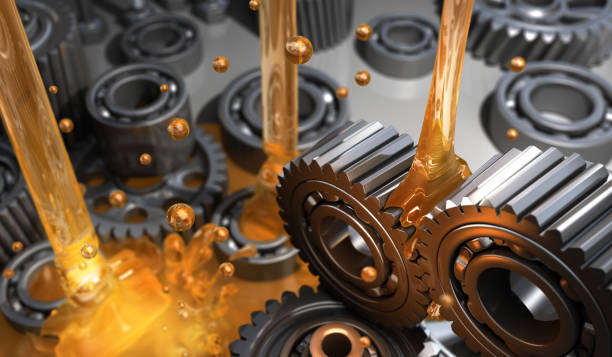
Industrial Gear Oils
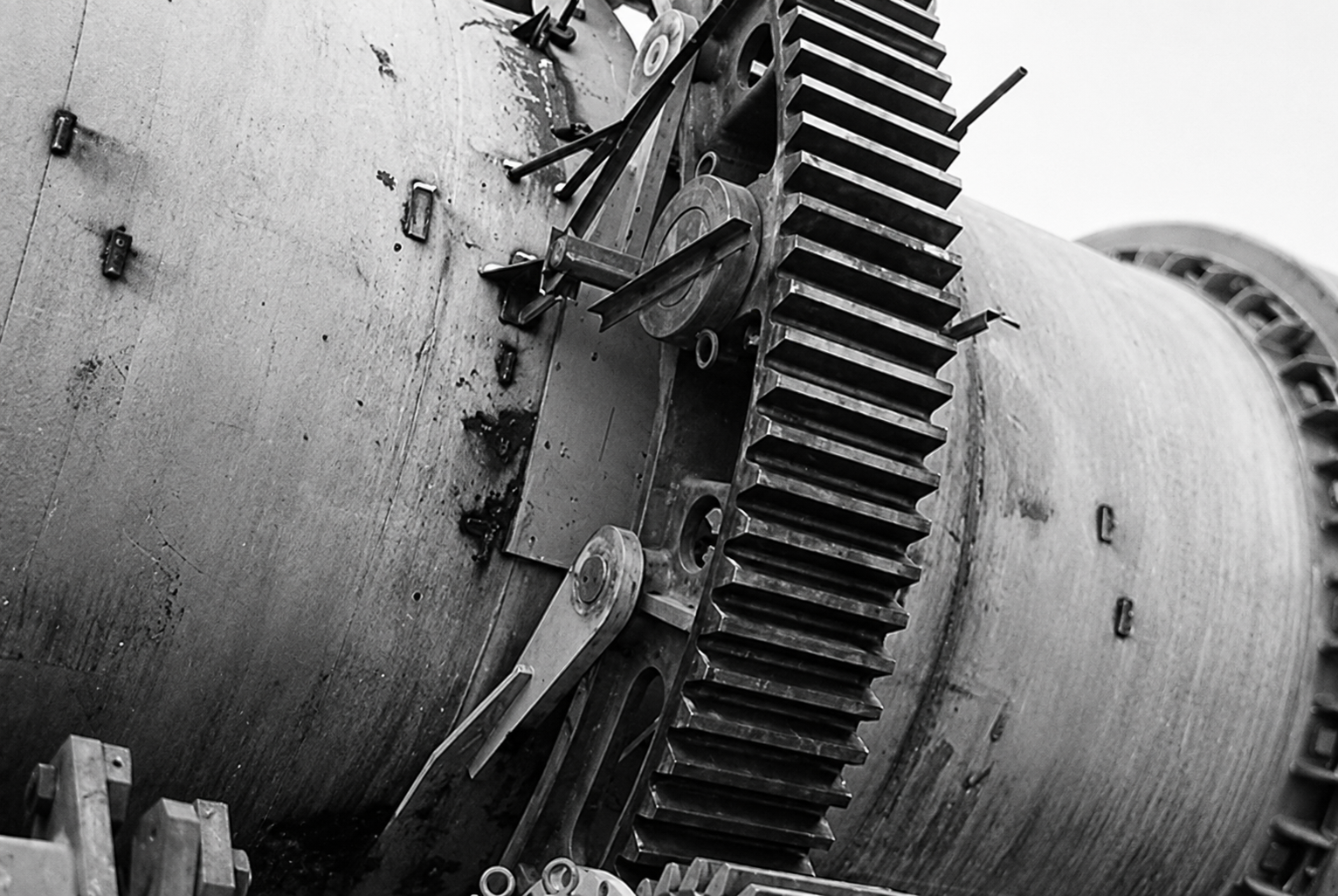
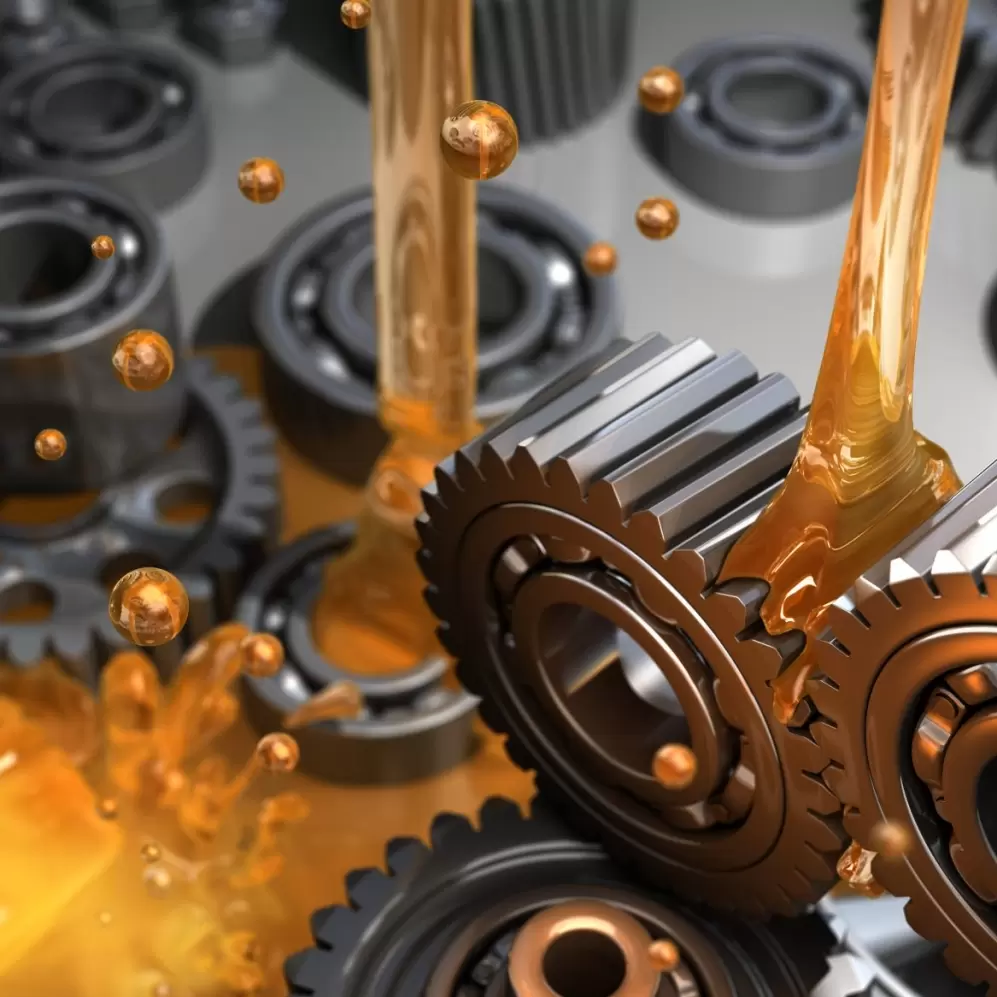
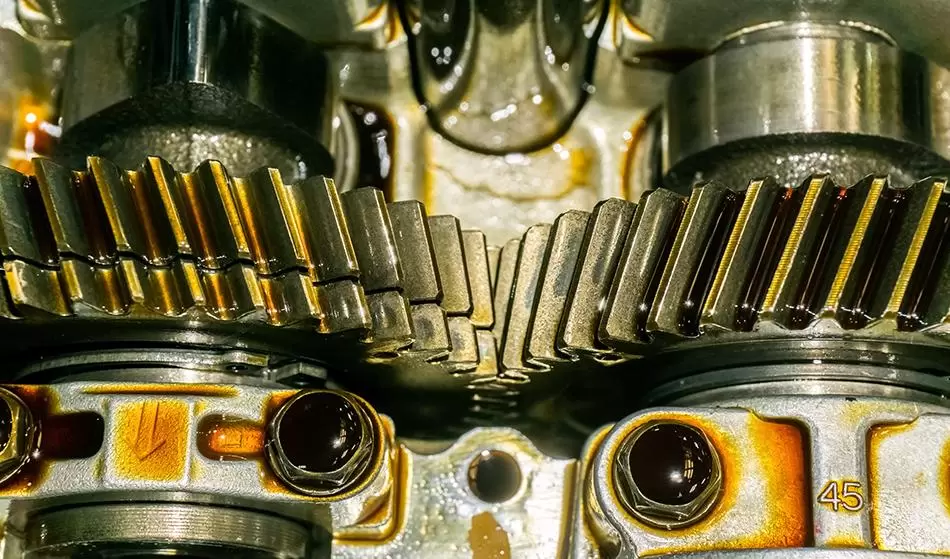
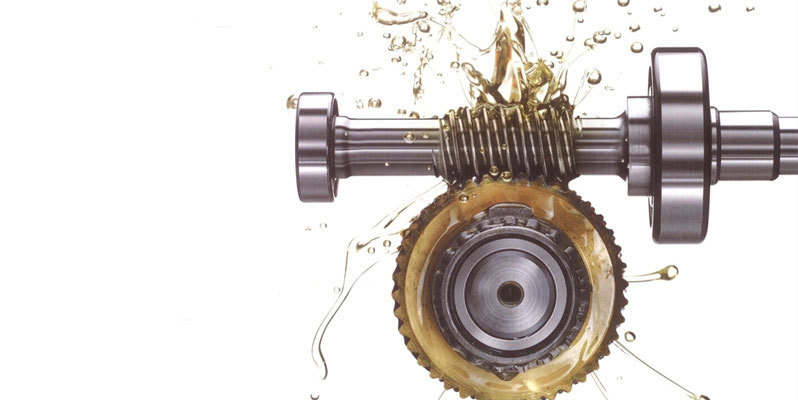
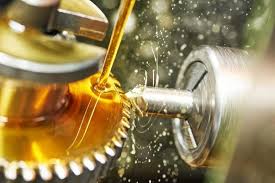
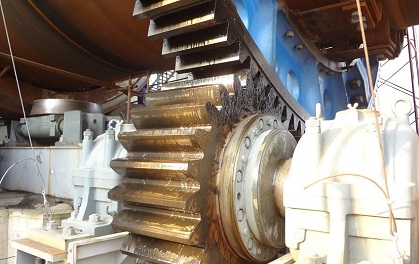
Gearboxes and drive systems require lubricants capable of handling heavy loads and continuous operation. Premium gear oils help reduce friction, wear and energy consumption.
Chain Lubricants
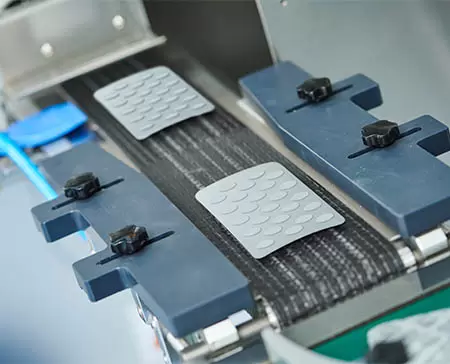
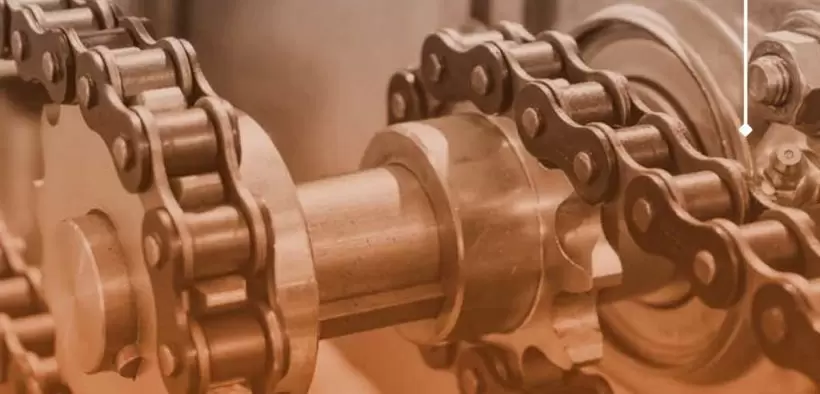
Conveyor systems are essential in automotive assembly plants. Specialized chain lubricants reduce wear, resist contamination and support smooth operation under varying temperatures.
Compressor Oils
Compressed air systems are extensively used throughout manufacturing facilities. Compressor oils help maintain efficiency while protecting internal components from wear and deposits.
Rust Preventive Lubricants
Metal components and assemblies often require temporary corrosion protection during manufacturing, storage and transportation.
What Features Should You Look for in Lubricants for Automotive Production Lines?
Selecting the right lubricant requires evaluating several performance characteristics.
Excellent Wear Protection
Automotive assembly equipment operates continuously under significant mechanical stress. Effective anti-wear additives help protect critical components and reduce maintenance costs.
Thermal Stability
High-speed manufacturing equipment can generate substantial heat. Lubricants should maintain performance and viscosity across a wide temperature range.
Oxidation Resistance
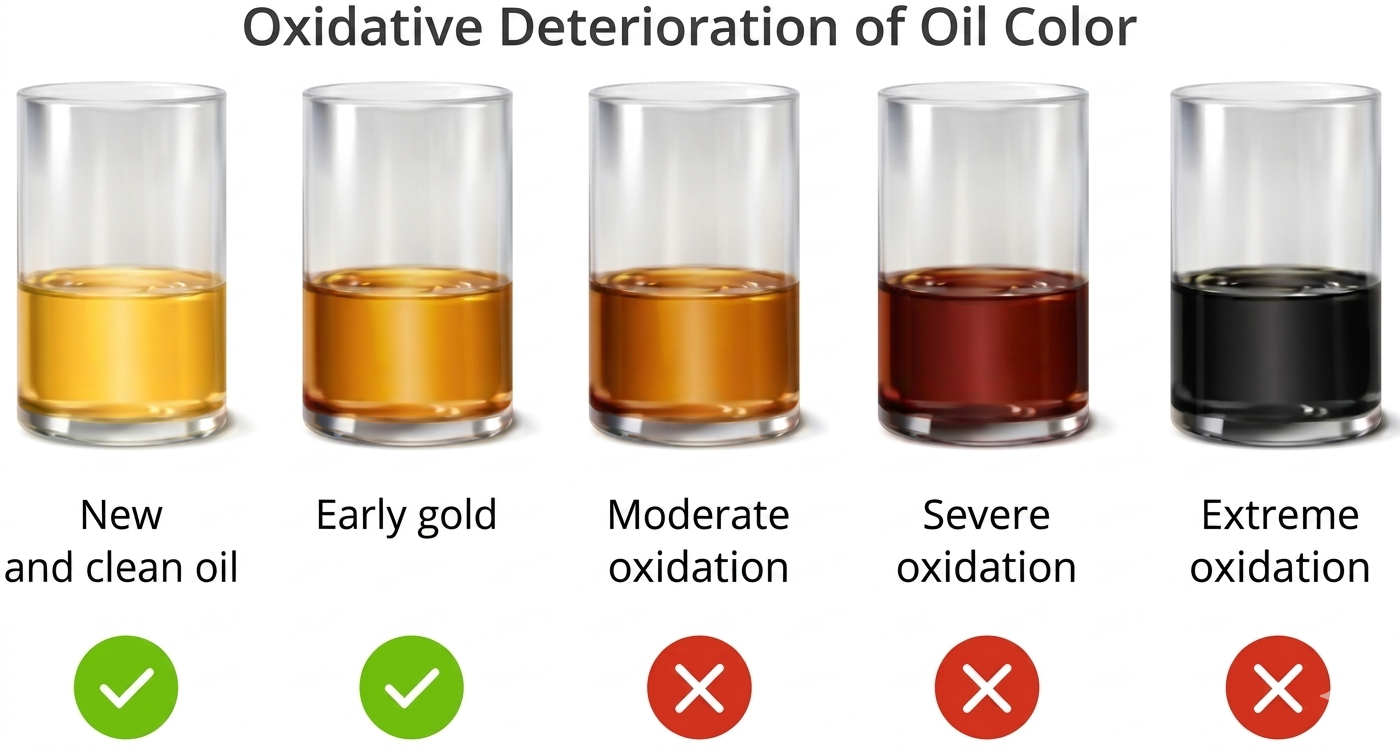
Lubricants exposed to oxygen and elevated temperatures can degrade over time. High oxidation resistance helps extend lubricant life and reduce replacement frequency.
Water Resistance
Many production environments involve moisture, washdowns, or humidity. Water-resistant lubricants help prevent corrosion and maintain performance.
Long Service Life
Extended lubrication intervals reduce maintenance downtime and overall operating costs.
Compatibility with Automated Equipment
Modern automotive facilities use robotics and automated systems that require precision lubrication solutions capable of supporting continuous operation.
Lubricants Designed for High-Speed Automotive Assembly Equipment
High-speed production lines place unique demands on lubrication systems. Equipment operating at elevated speeds requires lubricants that minimize friction while effectively dissipating heat.
For high-speed applications, manufacturers should prioritize lubricants that offer:
●Low friction characteristics
●Excellent thermal stability
●High shear resistance
●Superior oxidation resistance
●Long relubrication intervals
●Consistent viscosity performance
Synthetic lubricants are often preferred for these applications because they maintain performance under extreme operating conditions while reducing energy consumption and wear.
How Lubricants Improve Efficiency in Automotive Production Lines
The right lubrication strategy can significantly impact manufacturing performance.
Reduced Downtime
Proper lubrication helps prevent premature component failures and unexpected equipment shutdowns.
Longer Equipment Life
Reduced wear translates into longer service life for bearings, gears, chains and hydraulic systems.
Improved Energy Efficiency
Low-friction lubricants help equipment operate more efficiently, reducing energy consumption across the production line.
Lower Maintenance Costs
Extended lubricant life and reduced component wear can significantly lower maintenance expenses.
Increased Productivity
Reliable equipment performance helps manufacturers maintain production schedules and meet output targets range and ability to provide application-specific recommendations.
Where Can You Buy Industrial Lubricants Suitable for Auto Assembly Lines?
Industrial lubricants for automotive assembly operations can be purchased through:
Direct Manufacturers
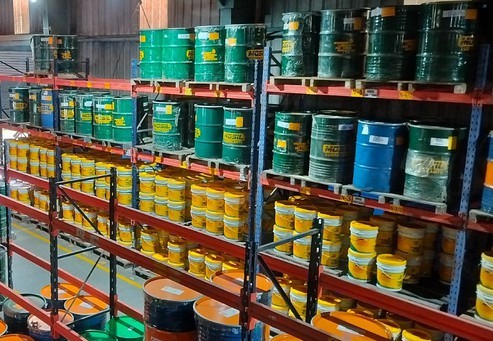
Purchasing directly from lubricant manufacturers often provides access to technical expertise and customized lubrication recommendations.
Authorized Distributors
Distributors can offer local inventory, faster delivery and technical assistance.
Industrial Supply Partners
Many industrial suppliers provide comprehensive lubrication solutions alongside maintenance products and services.
OEM-Approved Vendors
For critical equipment, manufacturers should consider suppliers that meet original equipment manufacturer specifications and performance requirements.
How to Choose the Right Lubricant Supplier
Before selecting a supplier, evaluate:
●Product quality and consistency
●Technical support capabilities
●Industry certifications
●Application expertise
●Product availability
●After-sales support
●Documentation and technical data sheets
A reliable supplier should act as a long-term lubrication partner rather than simply a product vendor.
Conclusion
Automotive assembly lines depend on high-performance lubricants to achieve reliability, efficiency and productivity. Whether selecting synthetic greases, hydraulic oils, gear oils, chain lubricants, or compressor oils, manufacturers should focus on performance characteristics that align with their operating conditions and maintenance objectives.
By choosing quality lubricants and partnering with an experienced supplier, automotive manufacturers can reduce downtime, extend equipment life, improve energy efficiency and support consistent production performance.

































![Gear Drive Lubricant Selection [Gearbox Lubricants]](https://mosil.com/assets/uploads/blog/blog_1782972100_6a45fec4dbc03.webp)



![The Ultimate Guide To Grease Thickeners [Thickening Agents]](https://mosil.com/assets/uploads/blog/blog_1754991852_689b0cec60a8a.jpg)