

The Impact of water on industrial lubricants
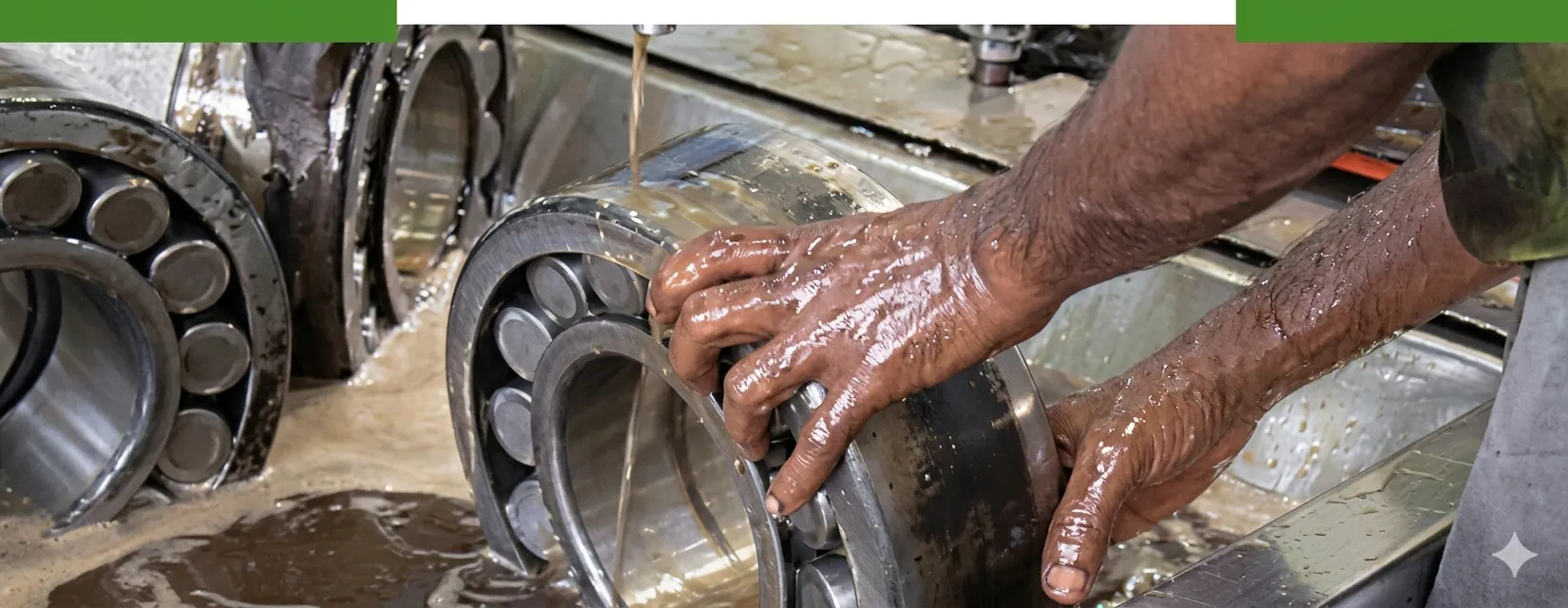
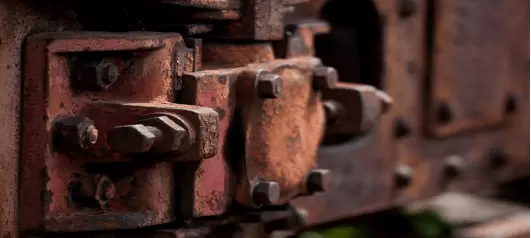
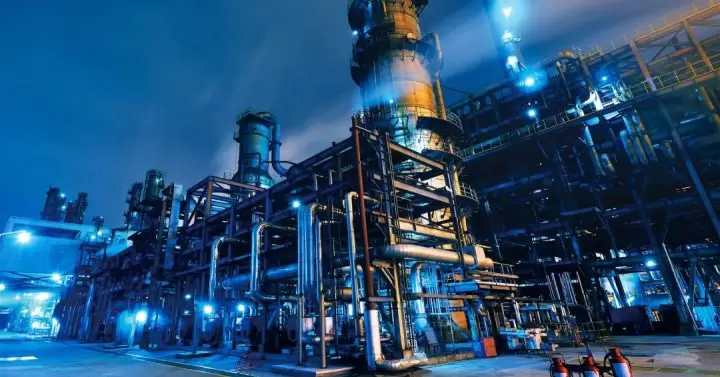
Industrial machinery operates under demanding conditions where high loads, elevated temperatures, dust, moisture, chemicals and water exposure can significantly affect equipment performance and service life. In industries such as steel, cement, mining, pulp and paper, automotive and general manufacturing; water can enter lubrication systems through cooling processes, cleaning operations, water spray, steam, condensation or the surrounding environment. For lubricated components such as bearings, gears, chains, rollers, bushes and pins, the presence of water can reduce lubricant effectiveness, promote corrosion, affect grease consistency and cause the lubricant to be displaced from critical contact surfaces. This can ultimately lead to increased friction, wear, maintenance requirements, and equipment downtime.
What is water washout and why it matters?
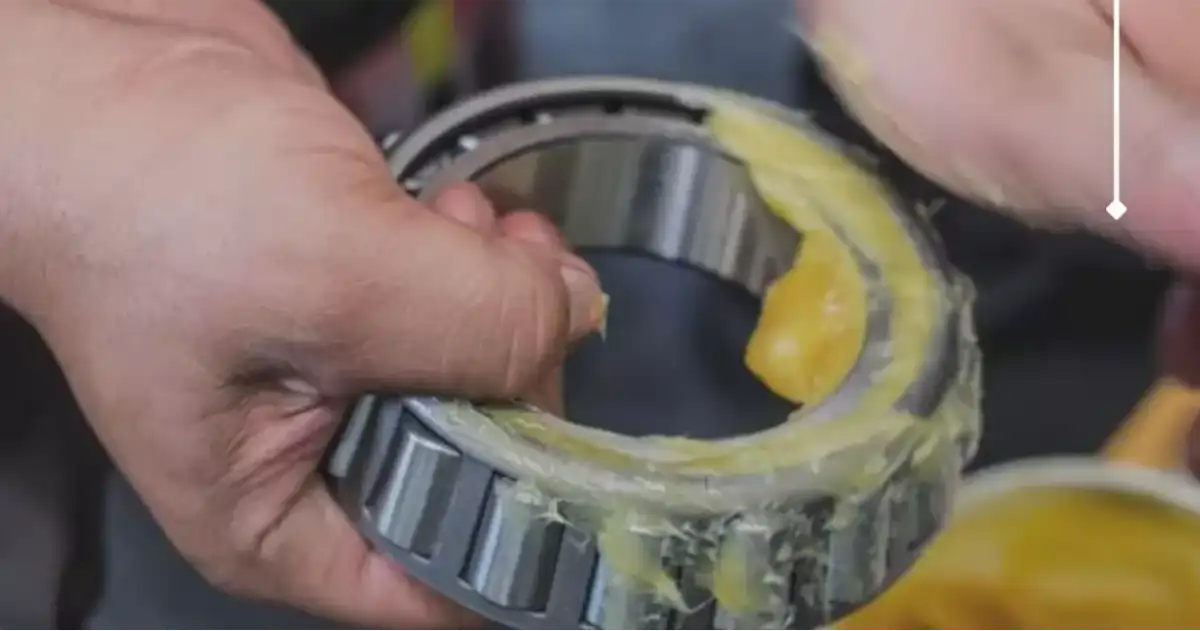
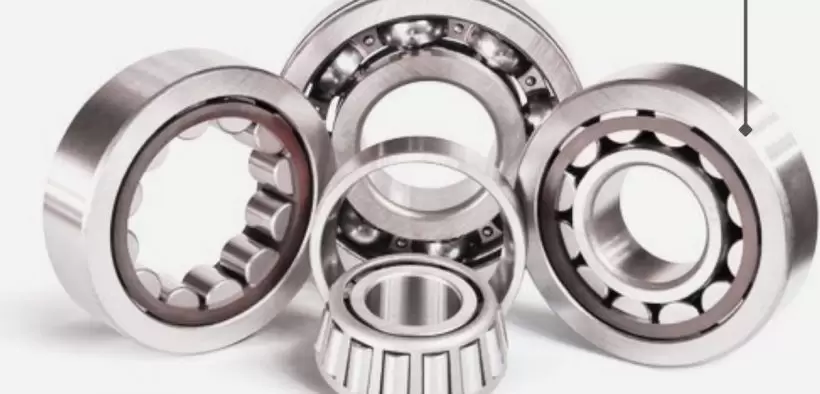
Water washout measures how effectively a grease can resist being removed from a bearing by flowing water. This is particularly important where bearings experience continuous or repeated water exposure. ASTM D1264 is the commonly used test method, evaluating grease loss from a bearing under controlled conditions at 38°C and 79°C. The result is reported as percentage weight loss. Therefore, a lower percentage indicates better water washout resistance. For example, a grease showing 5% loss generally demonstrates better washout resistance than one showing 15%, under the same test conditions. This property is important for paper mills, steel plants, cooling-water systems, mining equipment and wet industrial bearings, where excessive grease loss can lead to inadequate lubrication, corrosion, wear and shorter relubrication intervals.
Testing Mechanism: A specified quantity of grease is packed into a test bearing. The bearing is rotated at a controlled speed while water is continuously introduced under specified conditions. Water and any grease removed from the bearing are collected, and the grease loss is determined and expressed as a percentage of the initial grease quantity. Lower grease loss indicates better resistance to water washout.
What is Water spray off and why it matters?
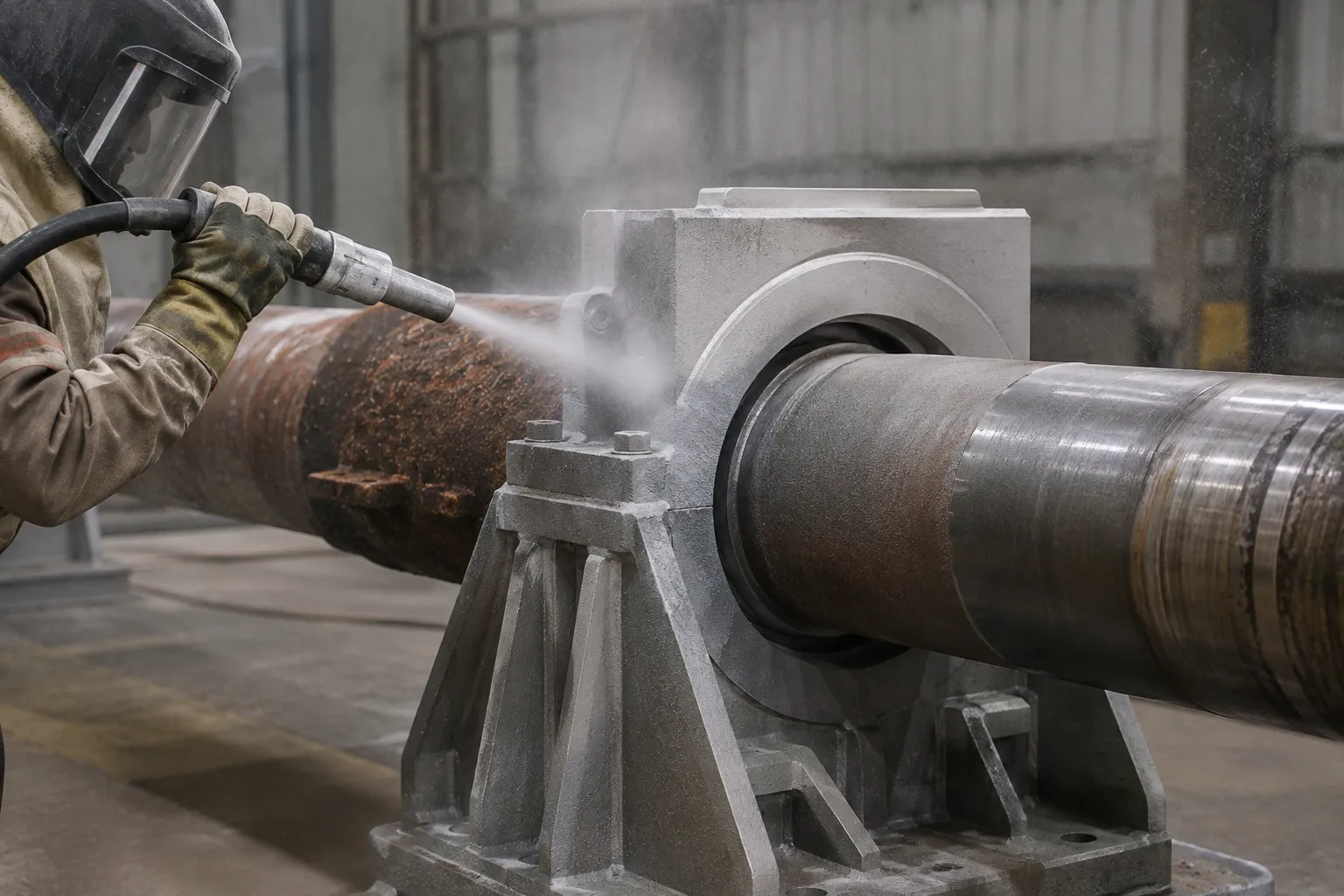
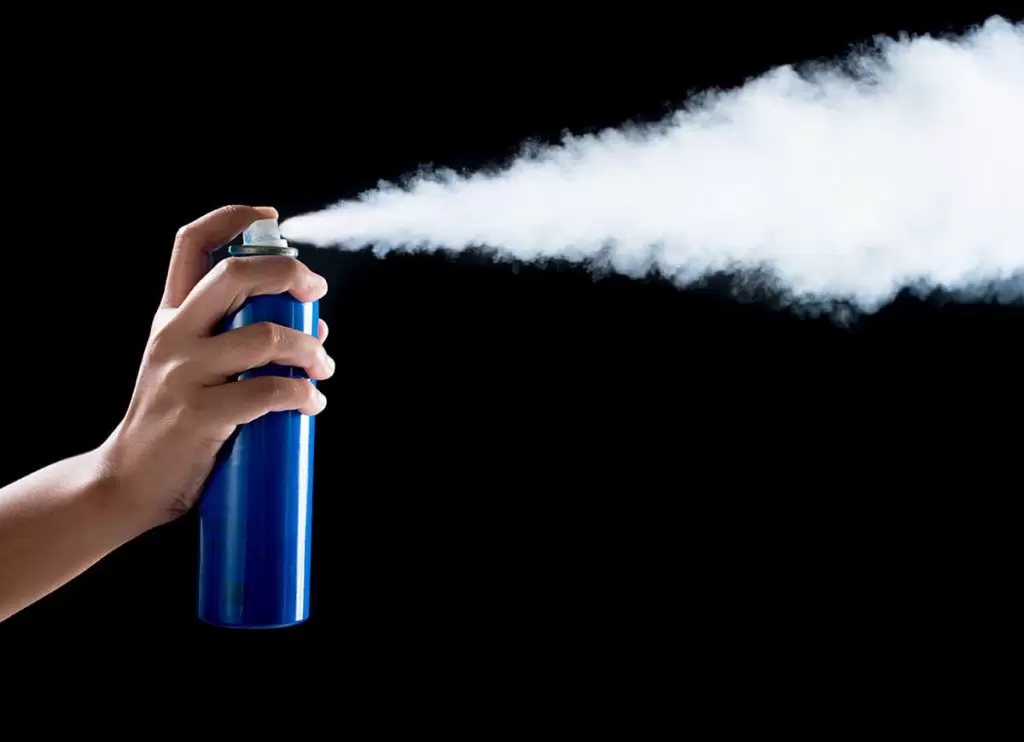
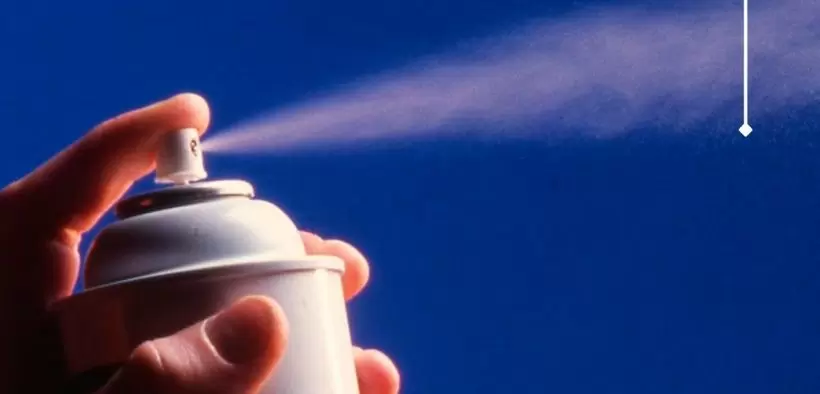
Water spray-off evaluates how well grease remains adhered to a metal surface when subjected to direct water spray. Unlike water washout, which focuses on grease being removed from a bearing by flowing water, spray-off specifically represents the effect of direct water impact. ASTM D4049 is used to evaluate this property and is particularly relevant to applications such as steel mill roll-neck bearings, where direct water spray is common. The result is expressed as the percentage of grease removed by water spray. Therefore, a lower spray-off value indicates better resistance. For example, 10% grease loss is better than 30% under the same test conditions. High spray-off resistance helps maintain lubricant coverage, reduce relubrication frequency, and protect components operating under intense water spray
Testing Procedure: In ASTM D4049, grease is applied to a metal test panel and subjected to a controlled water spray under specified test conditions. The direct impact of water removes a portion of the grease from the surface. The amount of grease removed is determined and expressed as a percentage of the original grease applied. Lower percentage grease loss indicates better water spray-off resistance.
What is water Resistance and why it matters?
Water resistance is the ability of a grease to retain its structure, adhesion and lubricating capability when exposed to water. It is particularly important in bearings and machinery operating in steel plants, mining, paper mills, marine environments and other wet or wash-down conditions. Water can soften or disperse grease, remove it from the lubrication zone and promote corrosion. Water resistance is commonly evaluated under static and dynamic conditions, which represent different types of water exposure.
1. Static Water Resistance – DIN 51807-1
The DIN 51807-1 test evaluates the behaviour of grease in contact with distilled water under static conditions.
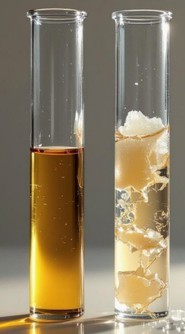
In a typical procedure, a thin layer of grease is applied to a glass strip and immersed in distilled/demineralised water. The test is conducted for 3 hours, commonly at 40°C or 90°C, depending on the specified condition. After exposure, the grease is visually examined for changes such as dissolution, dispersion, softening or loss of adhesion.
The result is reported as a water-resistance rating from 0 to 3:
0 – No significant change / excellent resistance
1 – Slight change
2 – Noticeable change
3 – Significant change / poor resistance
Therefore, a lower rating represents better static water resistance.
2. Dynamic Water Resistance – ISO 11009t
Dynamic testing evaluates grease when water is actively introduced while the lubricated component is moving. ISO 11009 is used for water washout evaluation; ASTM D1264 is another established bearing water-washout method. ASTM D1264 evaluates grease loss from a bearing under prescribed water exposure at 38°C and 79°C. ASTM Store
In the washout approach, a grease-filled bearing is operated while water is supplied to the bearing. After the test, the bearing and collected grease are weighed. The result is generally expressed as percentage grease loss:
Water Washout (%) = (Mass of grease lost ÷ Initial grease mass) × 100
Thus, lower percentage loss means better dynamic water resistance.
| Test | Condition | Measurement | Better Result |
| DIN 51807-1 | Static water exposure | Visual rating 0–3 | Lower rating |
| ISO 11009 / ASTM D1264 | Moving/washout conditions | % grease loss | Lower loss |
How to Select a Grease for Water-Exposed Applications in Industrial Lubricants?
Selecting a grease for water-exposed applications requires evaluating the complete operating environment, rather than relying only on the term “water resistant.” Key factors include the level and type of water exposure, operating temperature, load, speed, component type, and corrosion risk. For continuous water exposure, water washout resistance is important, while applications subjected to high-pressure water spray require good water spray-off resistance. The grease should also provide strong adhesion, mechanical stability, corrosion protection, and resistance to water contamination. The appropriate thickener system and base-oil viscosity should match the operating conditions. For example, steel mill bearings exposed to cooling-water sprays require excellent grease retention and corrosion protection. Ultimately, grease selection should be based on the overall performance profile and actual application conditions, not a single test value.
Conclusion
Water exposure can significantly affect lubricant performance and equipment reliability. Understanding water resistance, water washout, and water spray-off helps in selecting the right grease for demanding industrial applications. A suitable lubricant should remain in place, resist water-related degradation, and continue protecting components from wear and corrosion. Ultimately, the right grease can help extend component life, reduce maintenance, minimize lubricant consumption, and improve equipment reliability.

















![Gear Drive Lubricant Selection [Gearbox Lubricants]](https://mosil.com/assets/uploads/blog/blog_1788344519_6a97f8c75d604.webp)
![The Ultimate Guide To Grease Thickeners [Thickening Agents]](https://mosil.com/assets/uploads/blog/blog_1754991852_689b0cec60a8a.jpg)